


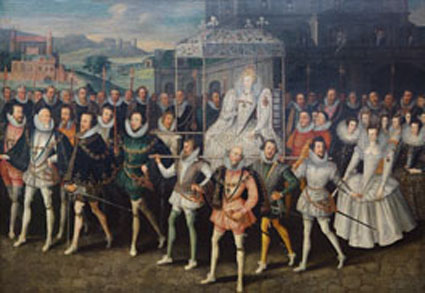
This autumn the National Gallery in London explores the people surrounding Elizabeth I…
Over 100 exhibits – paintings, crafts, coins, jewellery, manuscripts, accessories ranging from a diamond ring to a frog-shaped purse – some publicly displayed for the first time explores the life and times of Elizabeth I and her people – the nobility, the merchants, the professionals and the poor.

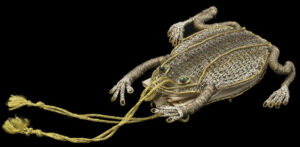
© The Ashmolean
Not only does this exhibition include some of the most important and visually impressive portraits of Elizabeth I and her courtiers, but also intriguing lesser-known images of Elizabethan merchants, lawyers, goldsmiths, butchers, calligraphers, playwrights and artists – all of whom contributed to the making of a nation and a new world power. Thus visitors may enjoy portraits of courtiers such as William Cecil, Christopher Hatton, Bess of Hardwick and Elizabeth Vernon, but also paintings of explorers such as Francis Drake and Martin Frobisher as well as ambassadors such as Abd el-Quahed ben Messaoud, financiers such as Thomas Gresham and poets including John Donne.
Historian and exhibition adviser Dr Ian Archer, Keble College, Oxford, says: “During the reign of Elizabeth the English economy was commercialising rapidly. There were winners and losers. The purchasing power of ordinary people’s wages plummeted, bringing impoverishment for many, but there were considerable opportunities for those on the right side of the economic equation, those with land and the emergent professional and mercantile groups. One of the ways these people could express their new found status was through portraits”.
However, the portraits are not just hung side by side. They have been accompanied by a mixture of fascinating objects like costumes, coins, ruby, diamond and emerald rings, purses, and pomanders, all giving a fascinating glimpse into the way of life of her people through accessories and artefacts. Exhibits have been drawn together from private collections and public ones including Sherborne Castle, Hatfield House, the British Library, the V & A, the British Museum and the Museum of London.

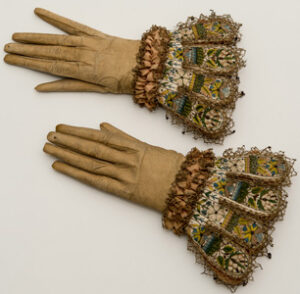
© Bath and North East Somerset Council
The reign of Elizabeth was often contested (most famously by the great Armada). Nevertheless it ended up as a time of economic stability, with outstanding successes in the fields of maritime exploration and defence. The period also saw a huge expansion in trade, the creation of new industries, a rise in social mobility, urbanisation and the development of an extraordinary literary culture. The people who took part in bringing this about are at the Dr
“We might all think we know what the Elizabethan period looked like. The remarkable portraits of Elizabeth I as a static bejewelled queen and her courtiers in their finery are familiar from history books”, says Tarnya Cooper, the Curator of the exhibition and continues: But this exhibition, based on new research, provides an alternative narrative and allows us to come face-to-face with a cast of other Elizabethans including butchers, soldiers, businessmen and women as well as writers and artists. Their lives and achievements tell us something about the nature of Elizabethan society and the rise in social mobility. The exhibition therefore explores questions about status and identity and asks, whether the Elizabethan period might be understood as an early meritocracy?”
National Portrait Gallery, London
10.10.2013 – 05.01.2014
READ MORE: 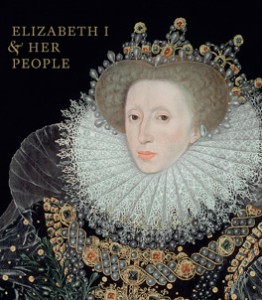

A fully-illustrated catalogue, Elizabeth I and Her People, by curator Dr Tarnya Cooper with essays by Ian W. Archer, Fellow and Tutor in Modern History at Keble College, Oxford and Lena Cowen Orlin, visiting Professor of English at Georgetown University and Executive Director of the Shakespeare Association of America, is available. Price £30.


