Nicolas Flamel – from Man to Myth
In 1418, Nicolas Flamel died in Paris, leaving behind a considerable fortune in houses, rents and other property. A prosperous “bourgeois de Paris”, he had spent much of his adult life acquiring real estate, financing religious buildings and arranging for prayers to be said for himself and his wife after their deaths. In doing so, he had also carefully cultivated his public memory, ensuring that his name and image would survive in the streets, churches and cemeteries of Paris.
He could hardly have imagined what would happen next. Within a century, this respectable Parisian businessman and skilled scribe had begun to acquire an entirely different reputation. According to increasingly elaborate accounts, Flamel had discovered the secret of the philosopher’s stone, mastered the transformation of base metals into gold and perhaps even achieved immortality. This enticing history is right now on view at the Musee de Cluny in Paris…
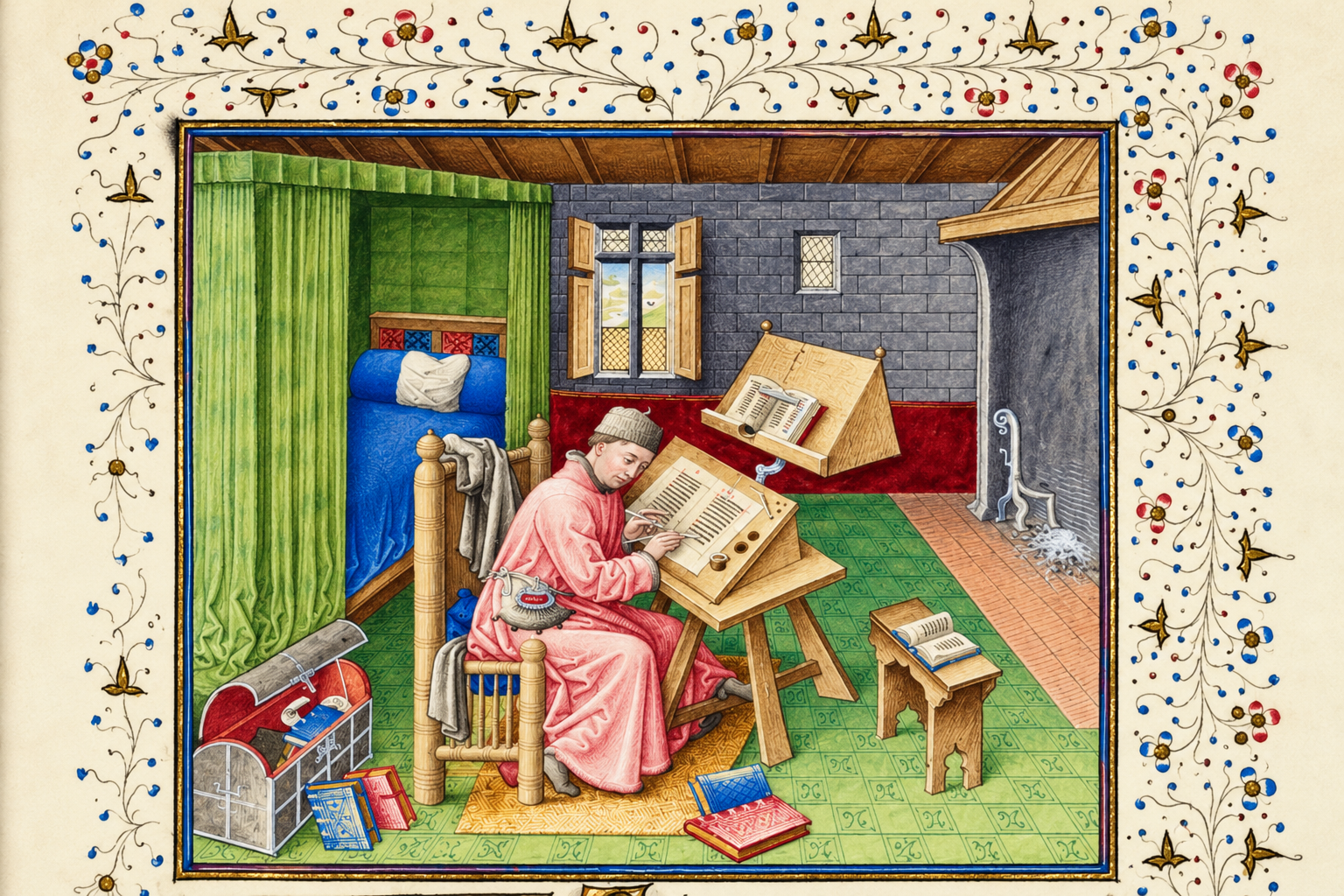
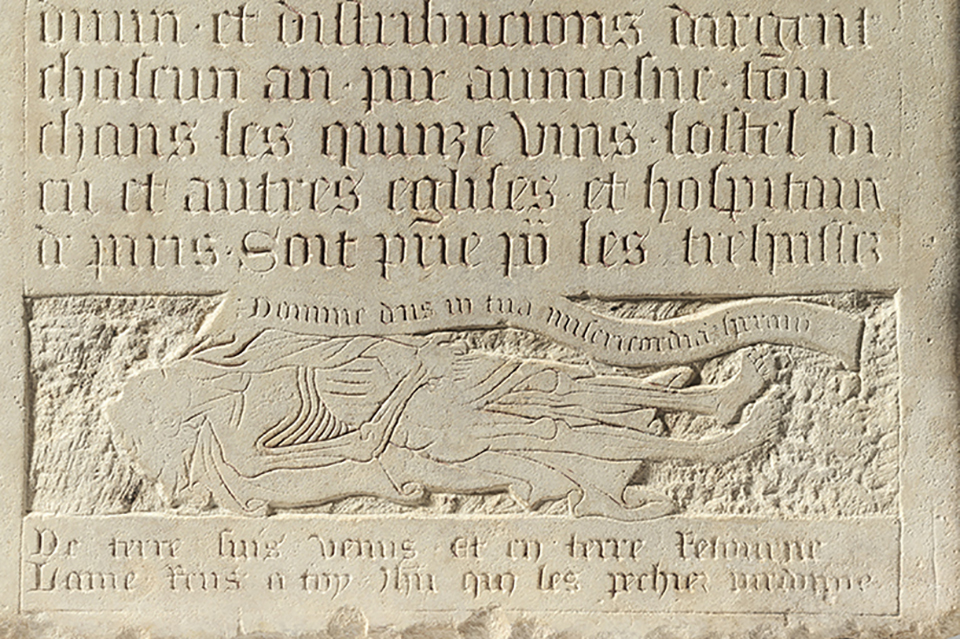
Nicolas Flamel – The Man Who Became an Alchemist After His Death
23/10/2026How did a wealthy Parisian property investor and benefactor become one of the most famous alchemists in history? A new exhibition at the Musée de Cluny in Paris explores this extraordinary transformation of Nicolas Flamel Read more
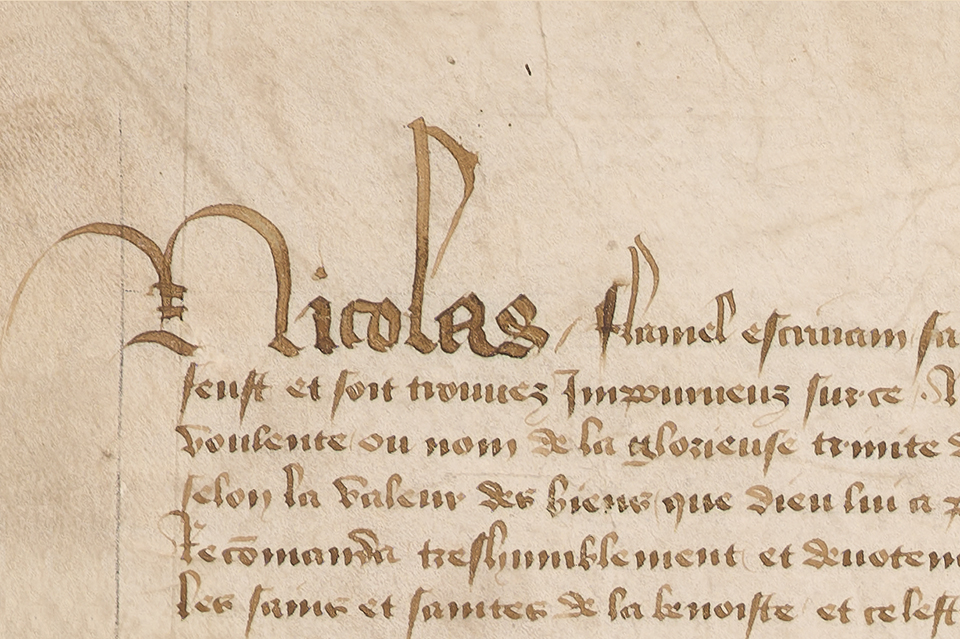
The Testament of the Parisian Nicolas Flamel (1330-1418)
23/10/2026Nicolas Flamel, was a very wealthy Parisian slumlord making his living from renting out rooms and apartments in houses build on the right side of the Seine in the fourteenth and fifteenth centuries. Upon his death, he donated his entire wealth to churches and hospitals to atone for his sins. Read more
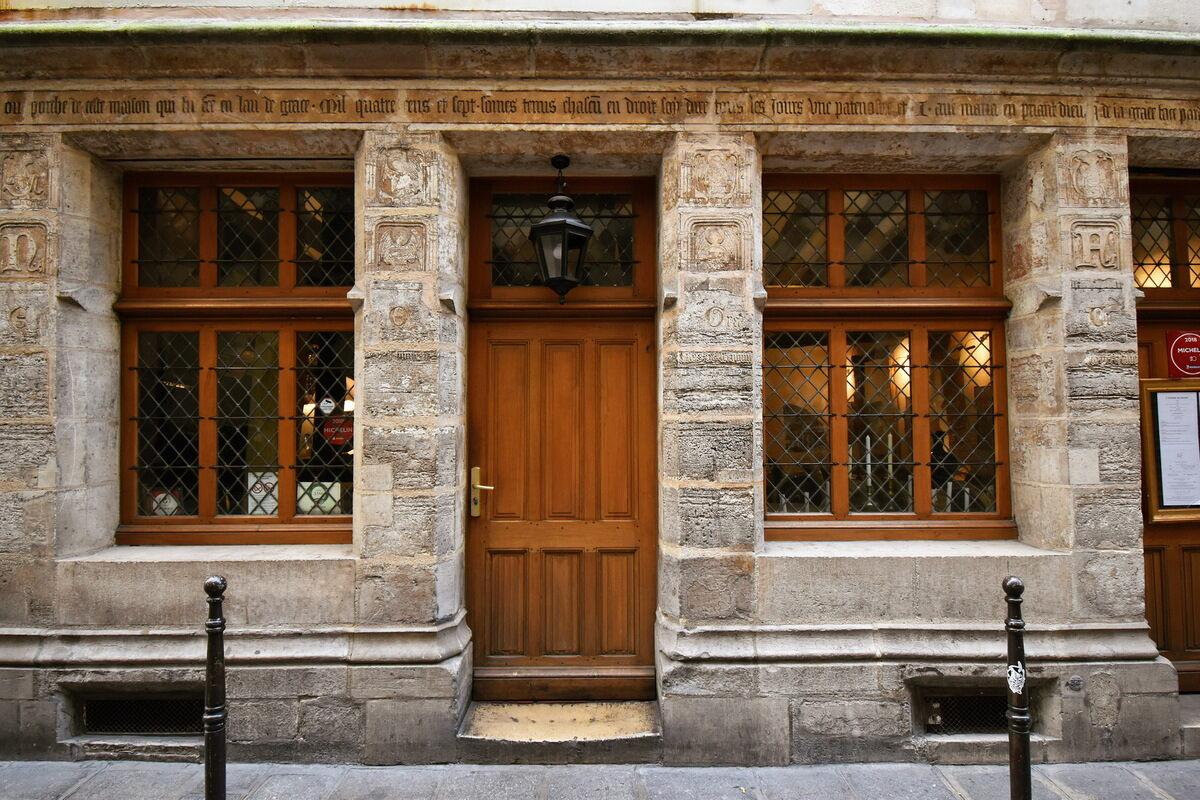
The House Nicolas Flamel Built for the Living and the Dead in 1407
23/10/2026Built in Paris in 1407, the surviving house of the Parisian Bourgeois, Nicolas Flamel, offers an unusual glimpse into medieval housing, charitable foundations and the religious obligations of working people. Read more
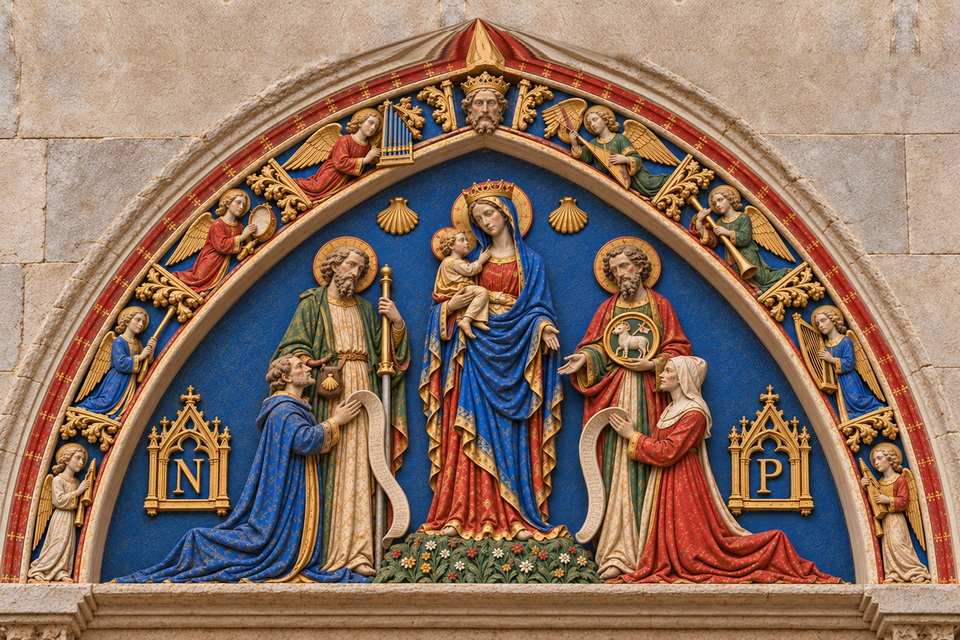
The Devotional Landscape of Nicolas Flamel and Pernelle in Medieval Paris
22/10/2026A house with two street entrances, writing stalls against a church wall and a sculpted portal reveal how the Parisian couple, Nicolas Flamel and Pernelle, connected domestic life, work and religious patronage in the 14th century Read more
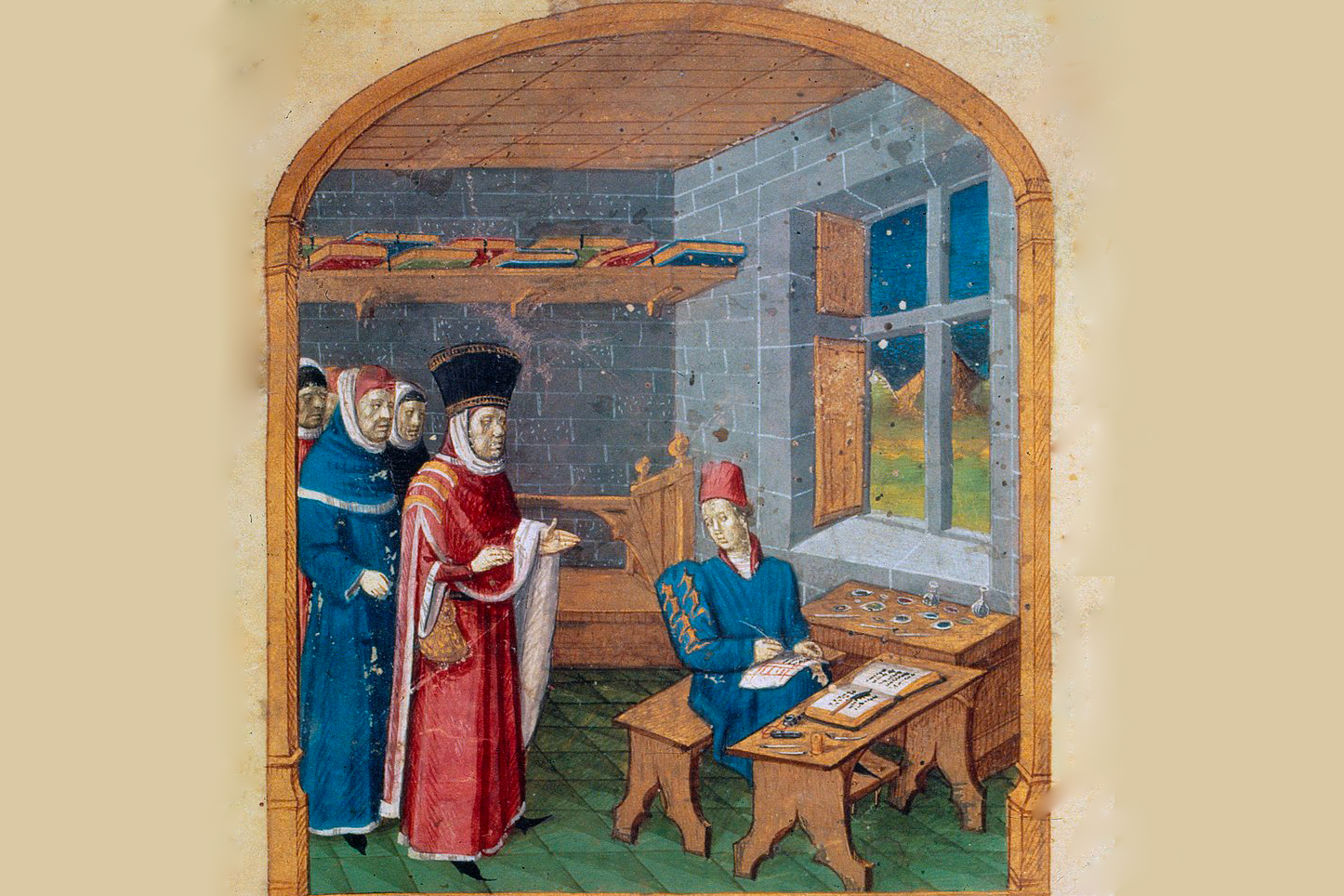
Reading Medieval Paris: Fourteen Books on the City
21/10/2026Medieval Paris was not simply a royal capital, a university town or a city of magnificent churches. It was also a crowded and constantly changing urban landscape Read more
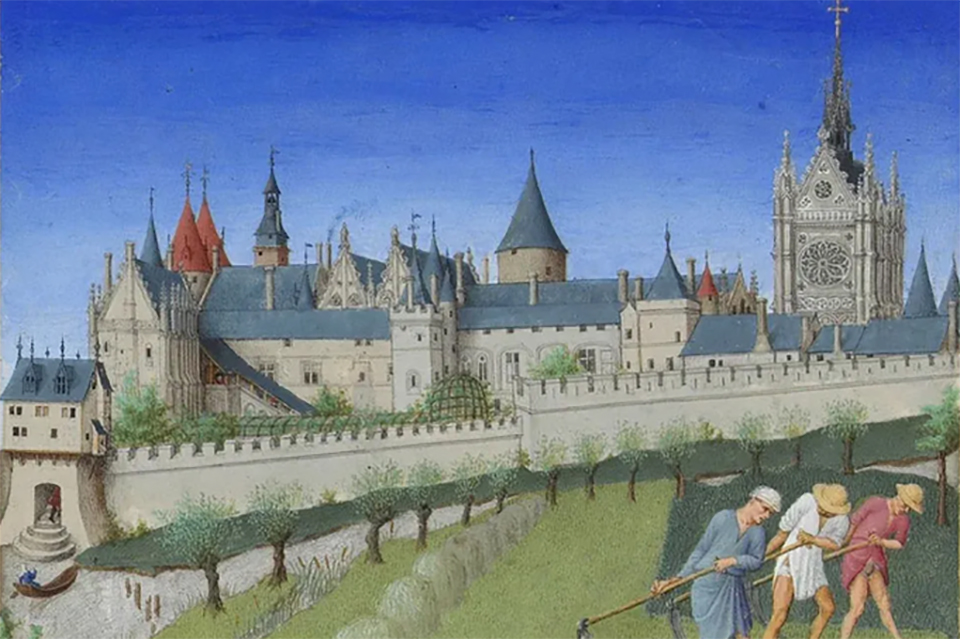
Stepping into the Heart of Medieval Paris
21/10/2026A Journey Through Time on Île de la Cité invites you to step into the heart of Medieval Paris Read more
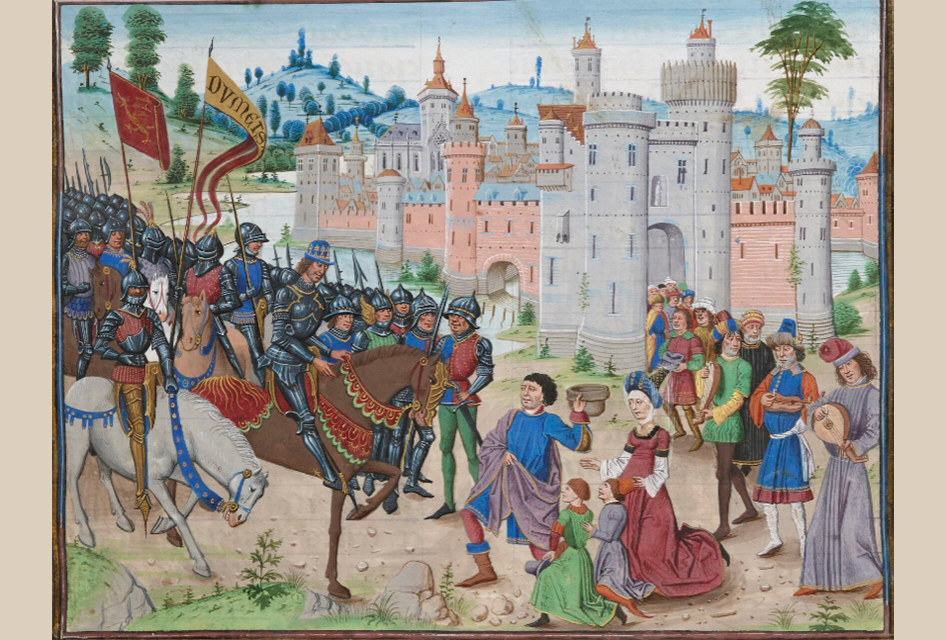
Music in the Time of Nicolas Flamel
19/10/2026What did Paris sound like in the lifetime of Nicolas Flamel (c. 1330–1418)? As part of its exhibition Nicolas Flamel, alchimiste de papier, the Musée de Cluny invites visitors to explore the musical world of this wealthy Parisian bourgeois Read more
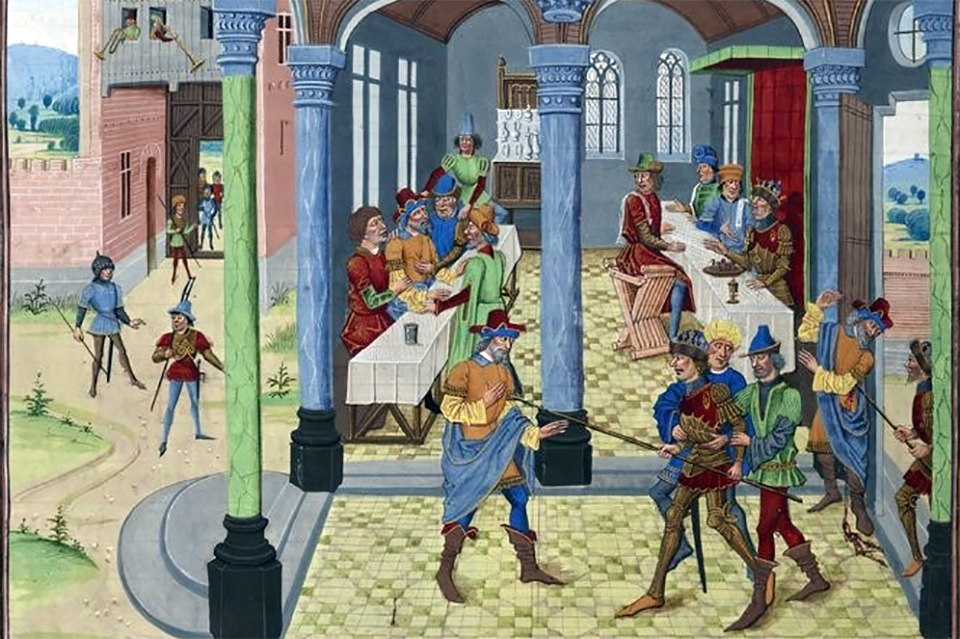
Inside the Houses of the Canons of Notre-Dame in Fifteenth-Century Paris
18/10/2026A remarkable collection of post-mortem inventories reveals how the wealthy canons of Notre-Dame lived, worked and entertained in late medieval Paris. Read more
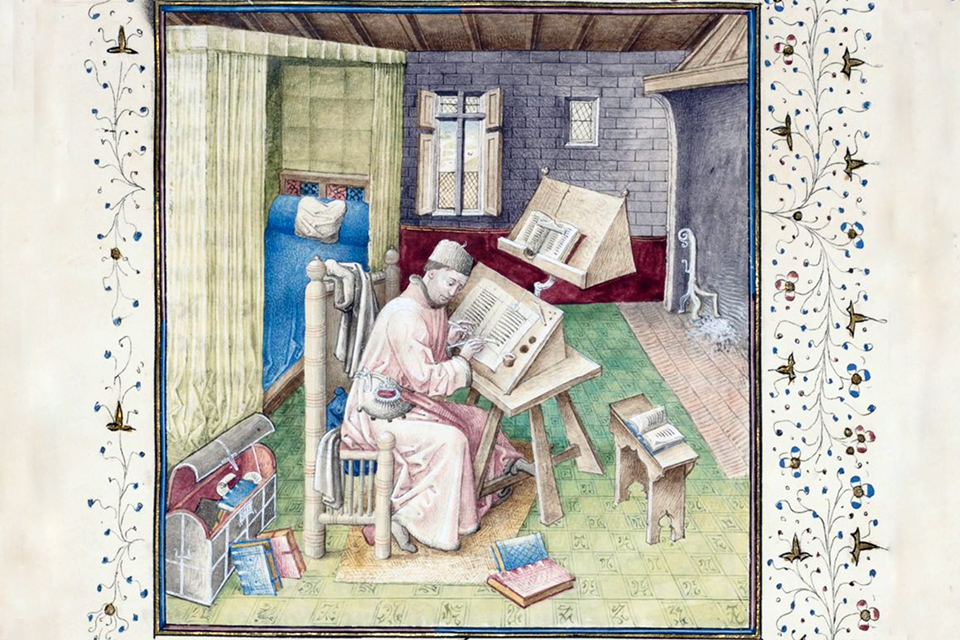
What Was an Escripvain in the Middle Ages? Scribes, Authors and the Business of Writing
18/10/2026What did it mean to be an escripvain (or escrivain) in medieval France? Was such a person a professional copyist, a clerk, a secretary, a notary or an author? And how did the meaning of the term change as manuscript production developed into an increasingly specialised commercial enterprise during the later Middle Ages? Read more
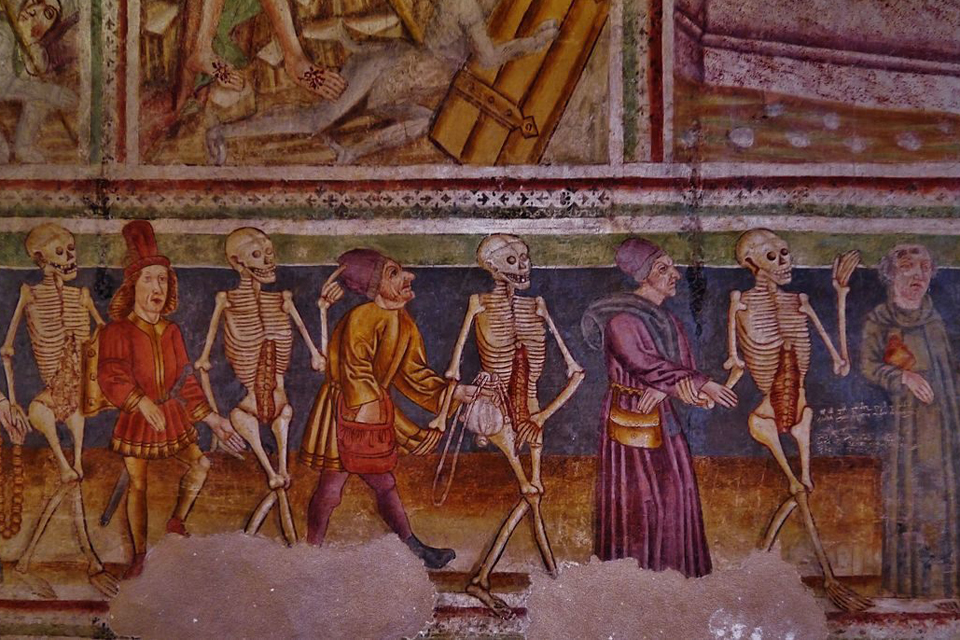
Medieval Ghosts
Medieval ghosts appeared in different forms under different circumstances. At first they were pale harbingers of dire warnings. Later, they turned into scary and macabre beings. Don’t be afraid. Be very afraid… and read more
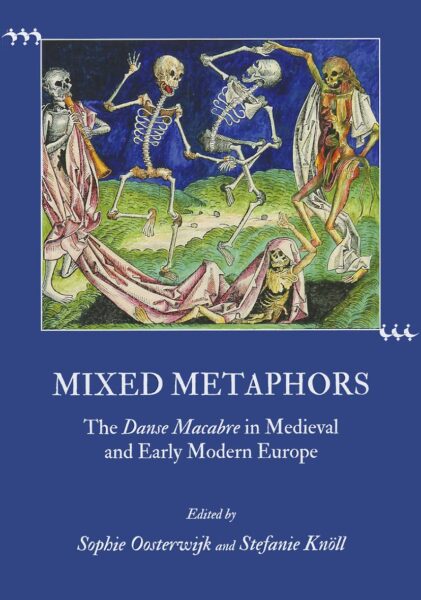
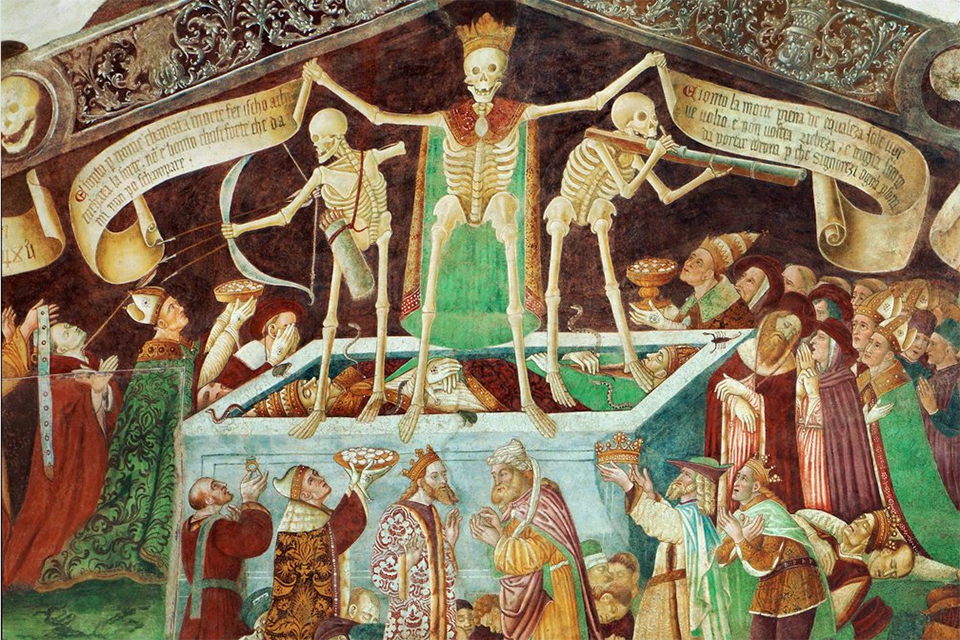
Feeding the Dead – All Souls’ Day and the Italian Foods
25/10/2026From ancient Greek offerings to medieval Christian commemorations, the ritual foods of southern Italy reveal a remarkable relationship between the remembrance of the dead Read more
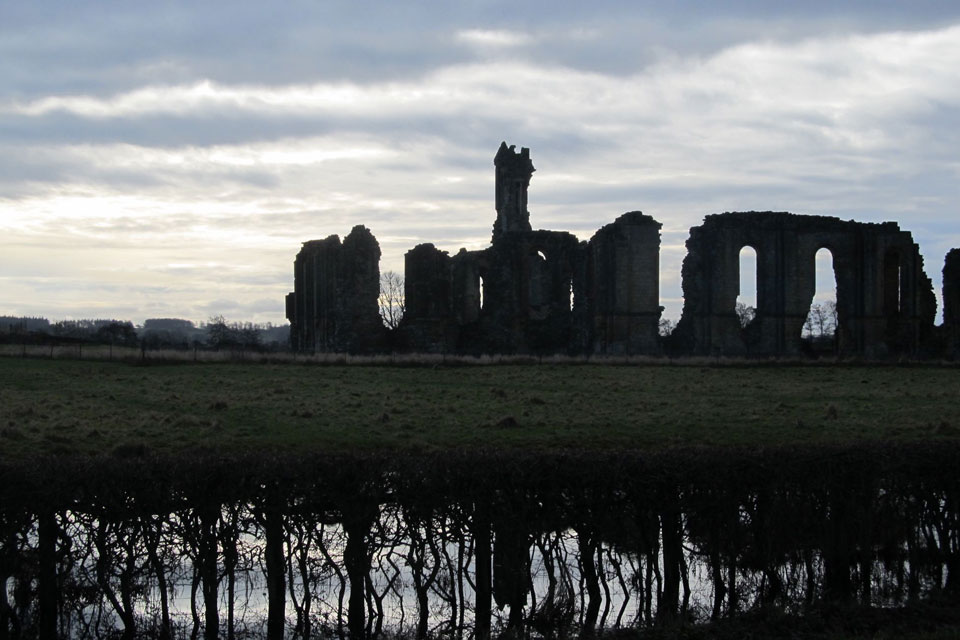
Byland Abbey Ghosts
31/10/2020This year, no guising and souling. Most children will be kept at home. So how to keep the poor sweet things occupied? Try telling them medieval ghost stories! Read more

Ghost Stories from Byland Abbey
31/10/2020The Byland Abbey Ghost stories from c. 1400 offer us precious glimpses of local life in Yorkshire in and around one of the great abbeys. Read more
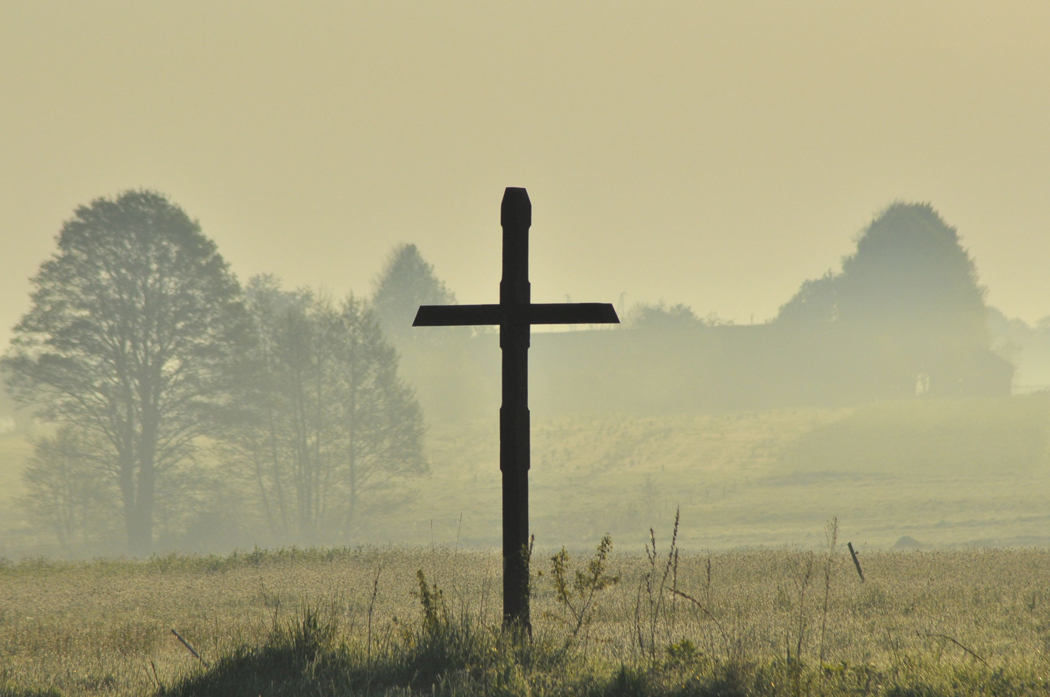
Living with the Dead
31/10/2015In the Middle Ages Polish priests and theologians fought to eradicate old and traditional ways of cohabiting with the dead. It does not seem af if they have succeeded yet. Read more
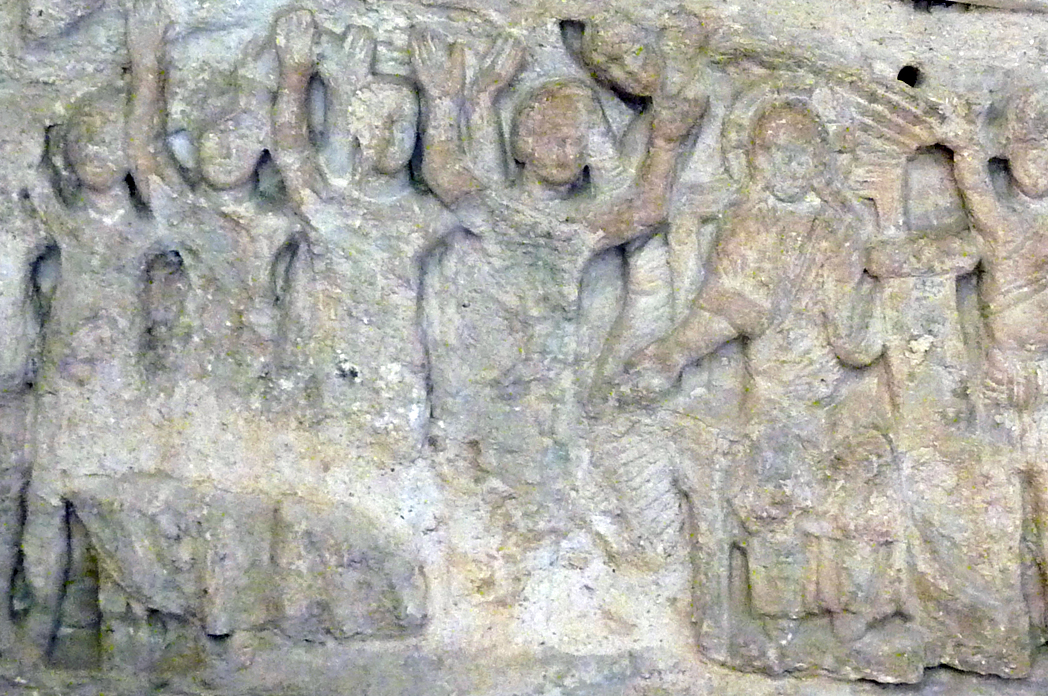
The Ransom of the Soul
05/05/2015In his latest book, Peter Brown explores the transition of the Christian ideas of afterlife from AD 250 – 650. Read more
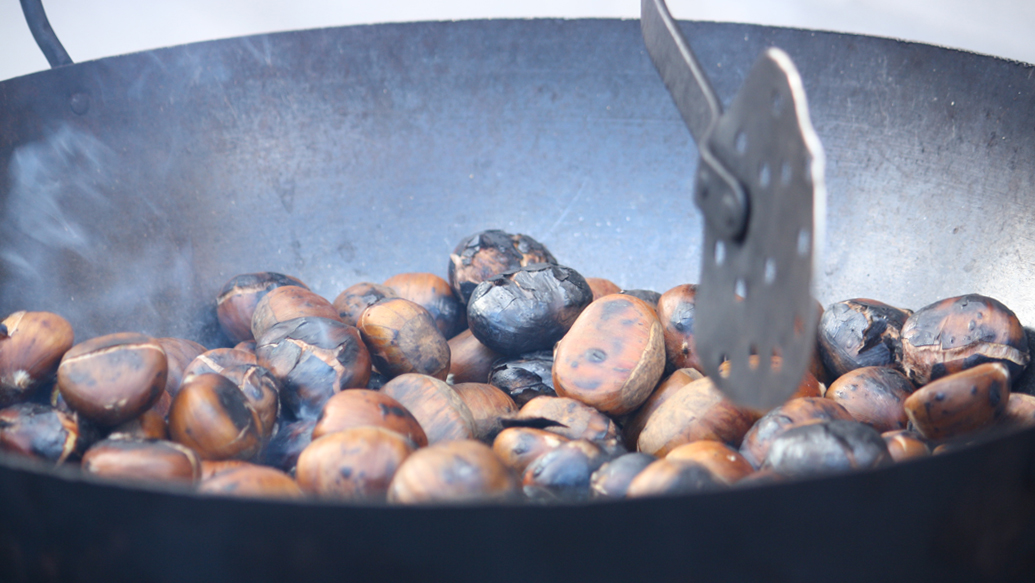
Sweets for Souls
31/10/2014Here are the recipes for cakes of all sorts, which seem to have been part of the early celebrations of All Saints and All Souls Read more
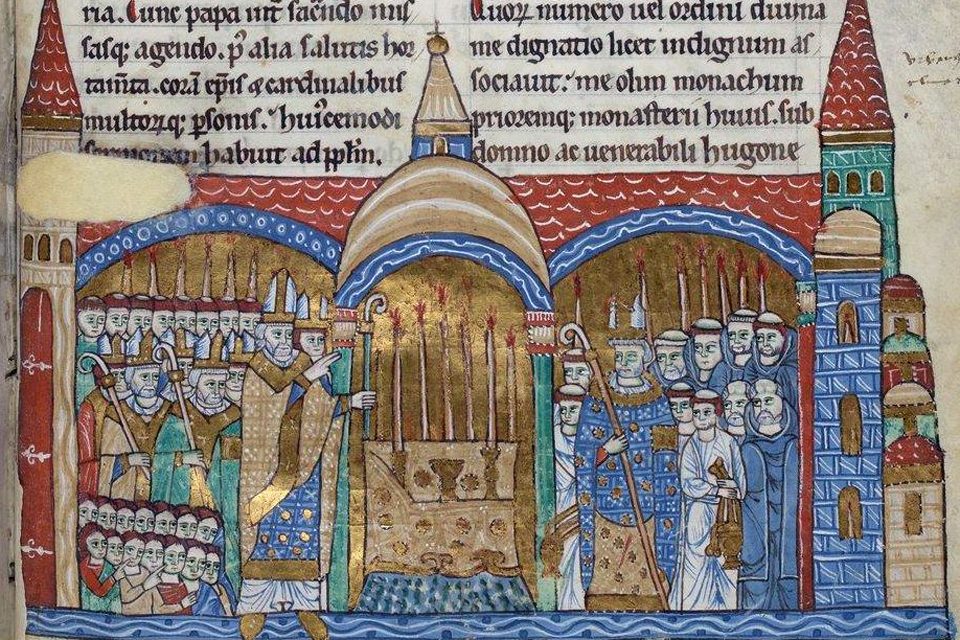
Saints and Souls
31/10/2013Between 1024 and 1033 the monks at Cluny began commemorating the dead souls on the day after All Saints Read more
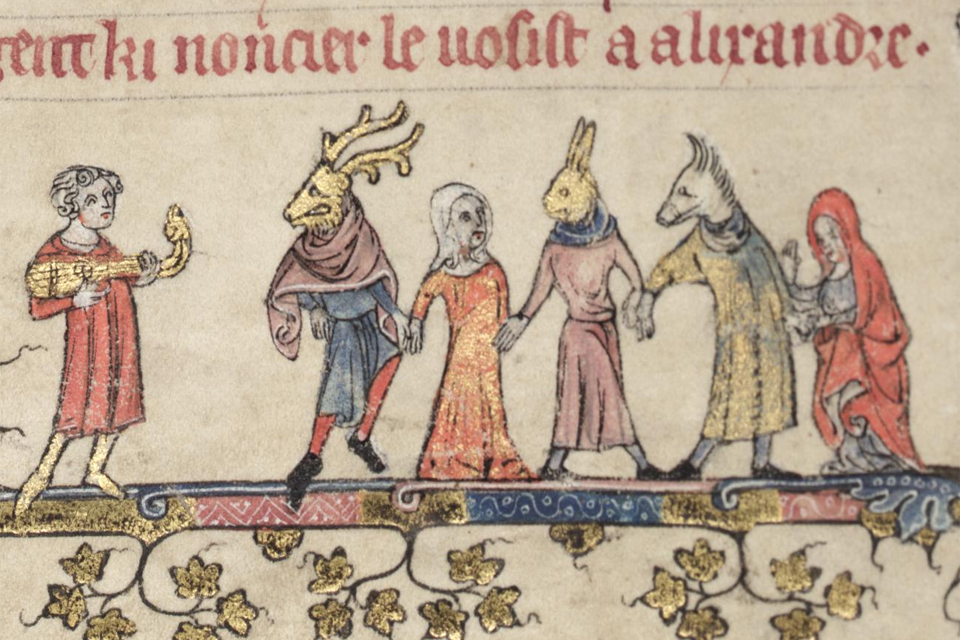
Souling
31/10/2013Medieval traditions like the distribution of soul cakes at the root of Halloween… Read more
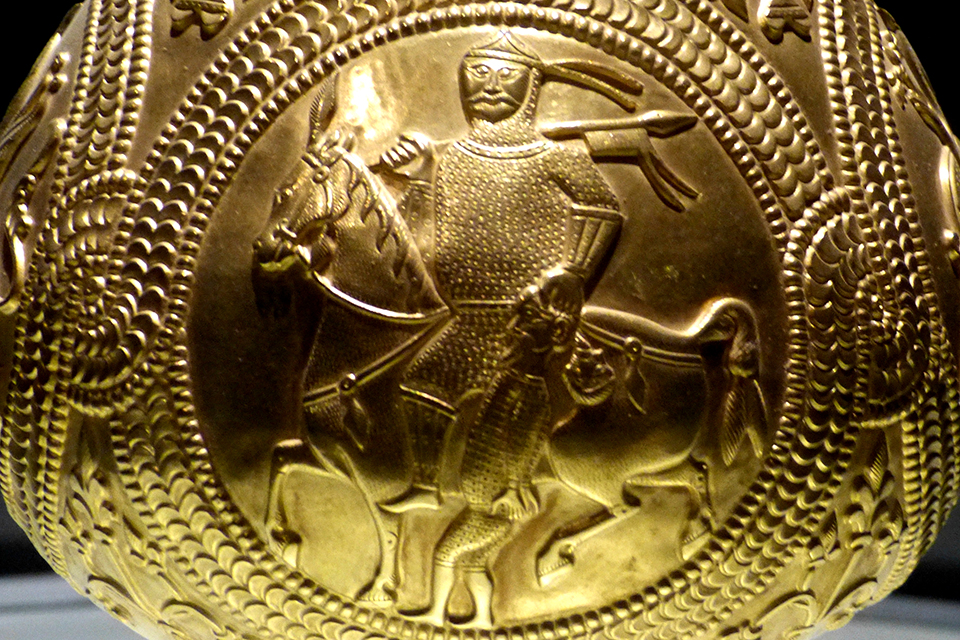
The Avars – a Case Study in How to Use Genetics to Understand the Lifeworld of People in the Migratory Period
In AD 568 about 20-30.000 arrived from the wider Eurasian Steppe to settle in the Carpathian Basin, where they built an impressive Kharganate ruling much of present day Hungary and Austria. But who were these people? And why were they so succesfull? And what role does archaeogenetics play in answering these questions?
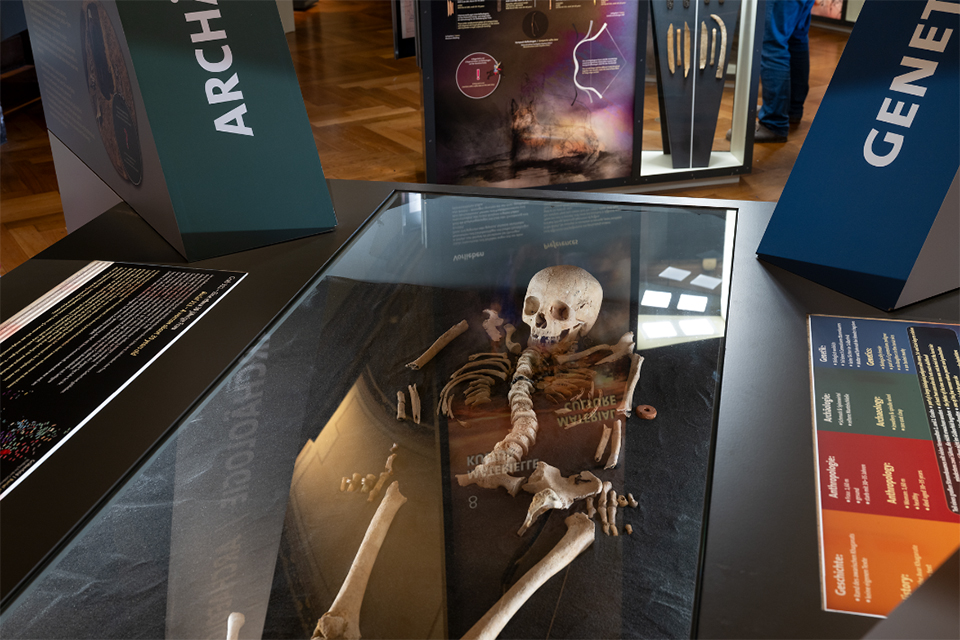
How Ancient DNA Is Rewriting the History of Early Medieval Europe
12/10/2026How Gene-Mapping Help us Decode Early Medieval Secrets Read more
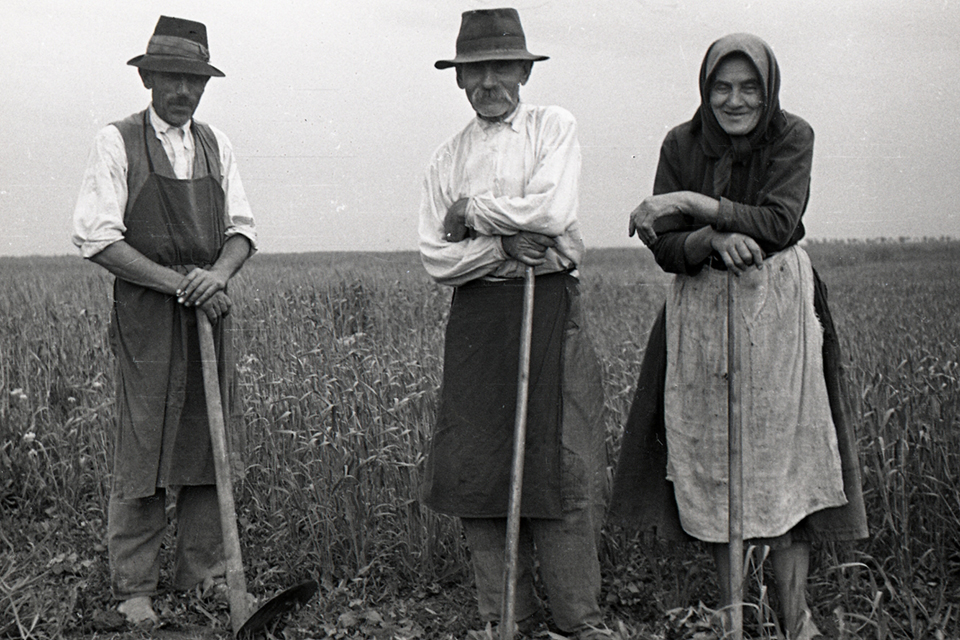
The Avars and the Hungarians – Long Memories of Kinship
10/10/2026What can Avar cemeteries and a twentieth-century Hungarian village tell us about the extraordinary persistence of family traditions? Read more
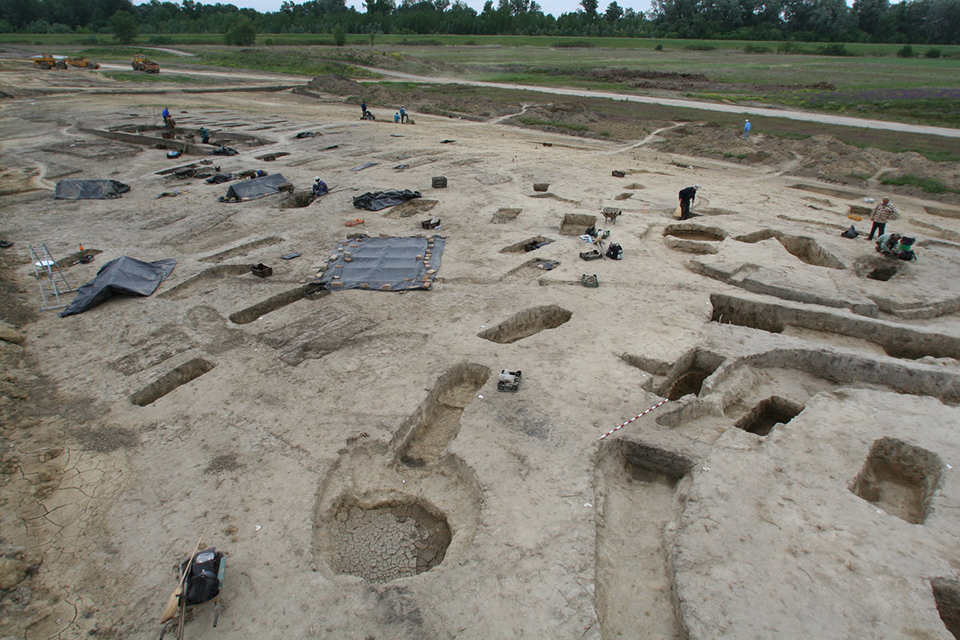
The Avars were a Close-Knit Ethnic Group
01/05/2024The aDNA studies of the Avars, a Mongolian people who settled in the Carpathians in the 6th century, continue to yield new and fascinating insights into the formation of close-knit ethnic groups. Read more
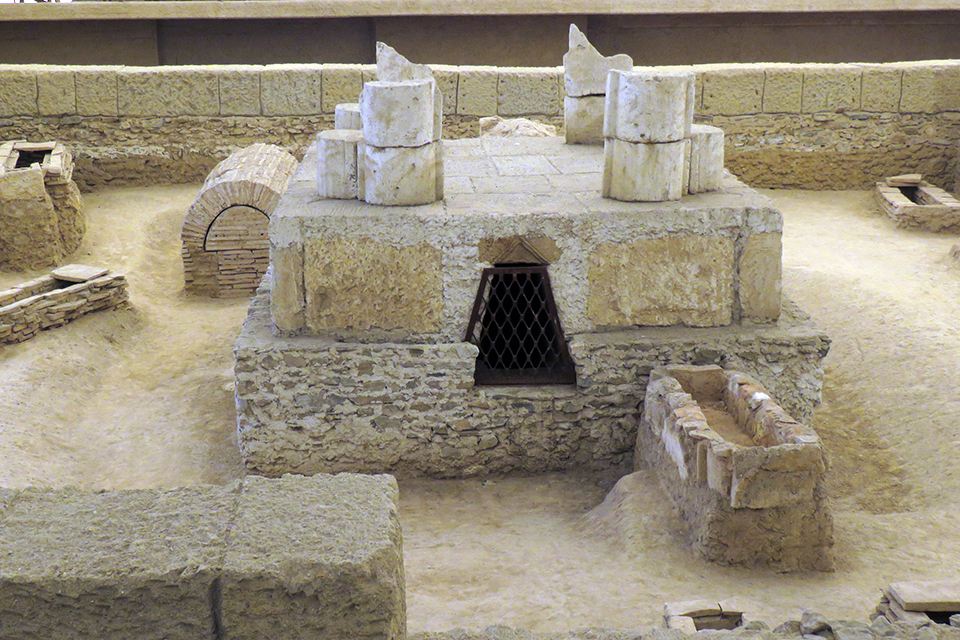
Balkan was a Cosmopolitan Melting Pot in Late Antiquity
13/12/2023A recent study of the aDNA from 146 individuals buried in Serbia and Croatia demonstrates the cosmopolitan mixture of people in Late Antiquity Read more
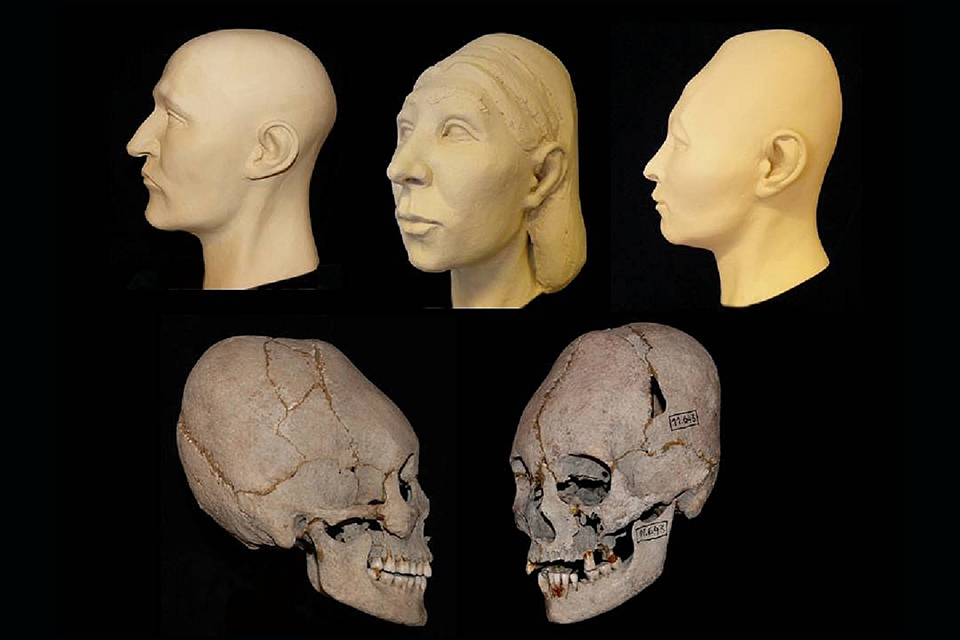
The Genetic Origin of Huns, Avars, and conquering Hungarians
13/11/2022Who were the Huns? The Avars? And the conquering Hungarians? New studies of aDNA tell the story of a series of nomadic peoples, who may have kept themselves apart when migrating across the Eurasian Steppe. Read more
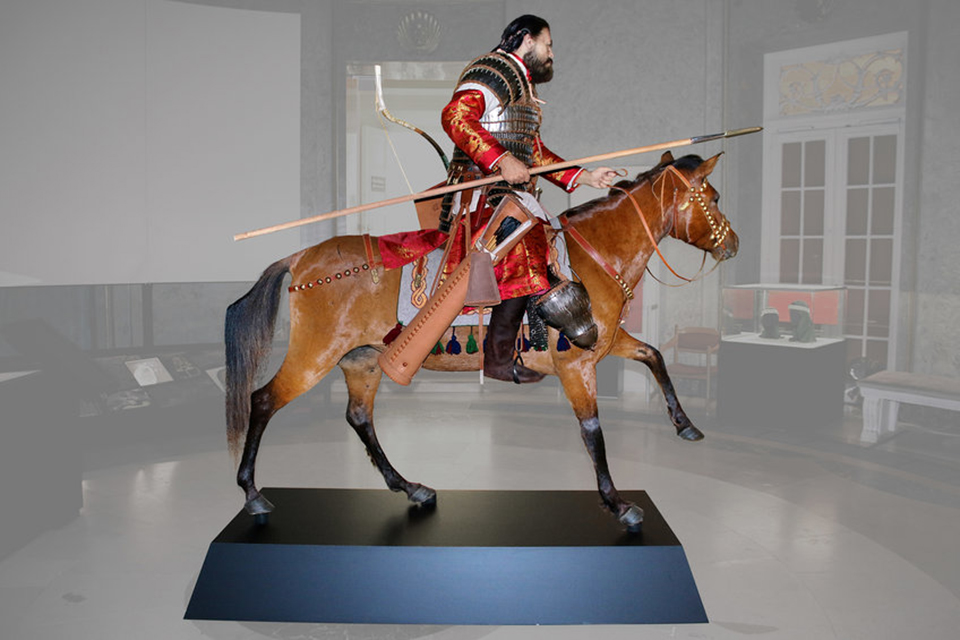
The Avars were a Mongolian People
30/04/2022The Avar Khaganate ruled the Carpathian Basin all the way to Caucasus between 557-793. New genetic studies identify them as a people which migrated from Mongoli Read more
New Exhibitions
Nicolas Flamel – The Man Who Became an Alchemist After His Death
23/10/2026How did a wealthy Parisian property investor and benefactor become one of the most famous alchemists in history? A new exhibition at the Musée de Cluny in Paris explores this extraordinary transformation of Nicolas Flamel Read more
How Ancient DNA Is Rewriting the History of Early Medieval Europe
12/10/2026How Gene-Mapping Help us Decode Early Medieval Secrets Read more
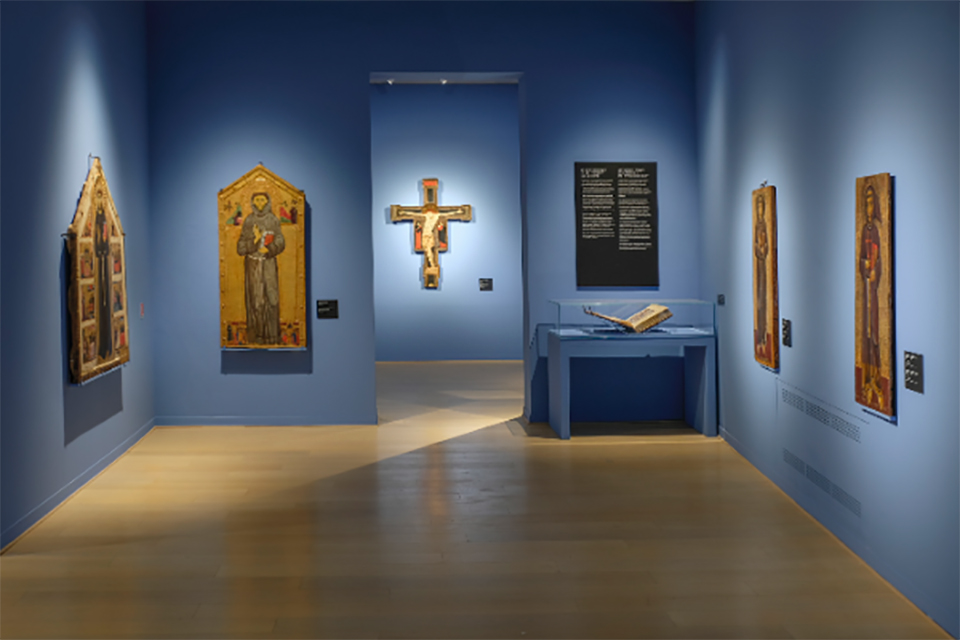
St. Francis in Arezzo 1226-2026
08/10/2026New Exhibition in Arezzo showcases images from the 800 years since his death in 1226, and celebrates the multiple imaginations of who St. Francis was. Read more
New Research
Inside the Houses of the Canons of Notre-Dame in Fifteenth-Century Paris
18/10/2026A remarkable collection of post-mortem inventories reveals how the wealthy canons of Notre-Dame lived, worked and entertained in late medieval Paris. Read more
What Was an Escripvain in the Middle Ages? Scribes, Authors and the Business of Writing
18/10/2026What did it mean to be an escripvain (or escrivain) in medieval France? Was such a person a professional copyist, a clerk, a secretary, a notary or an author? And how did the meaning of the term change as manuscript production developed into an increasingly specialised commercial enterprise during the later Middle Ages? Read more

The Emperor’s Marble
08/09/2026Was the great antique marble slab covering Otto the Great’s tomb brought from Ravenna as imperial spolia – and chosen to evoke the world of Charlemagne? Read more
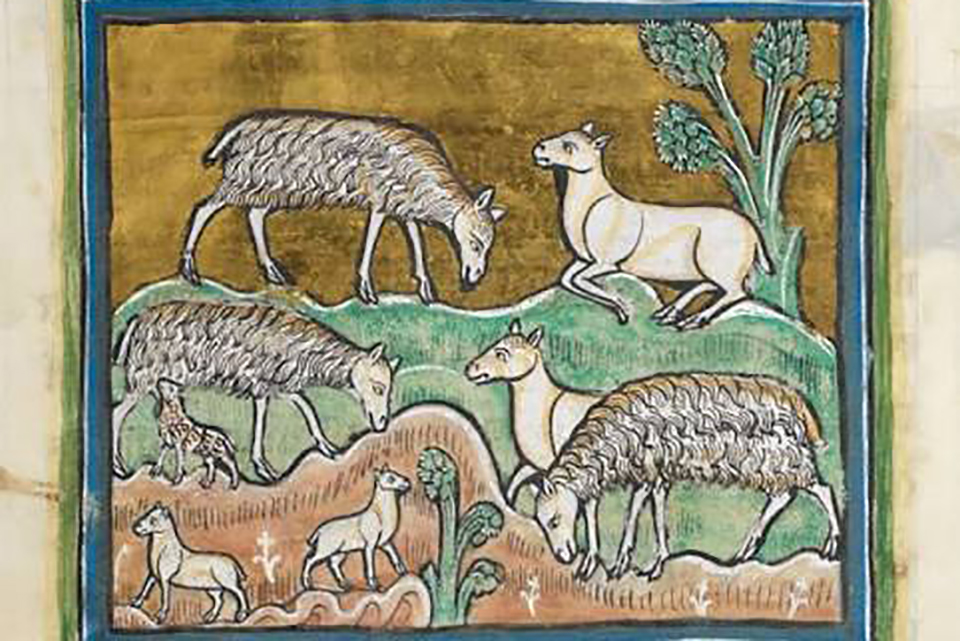
From meat and milk to sheep and grain
08/09/2026New research traces a millennium of changing animal husbandry and cereal production in medieval England Read more
New Books about the Middle Ages
Reading Medieval Paris: Fourteen Books on the City
21/10/2026Medieval Paris was not simply a royal capital, a university town or a city of magnificent churches. It was also a crowded and constantly changing urban landscape Read more
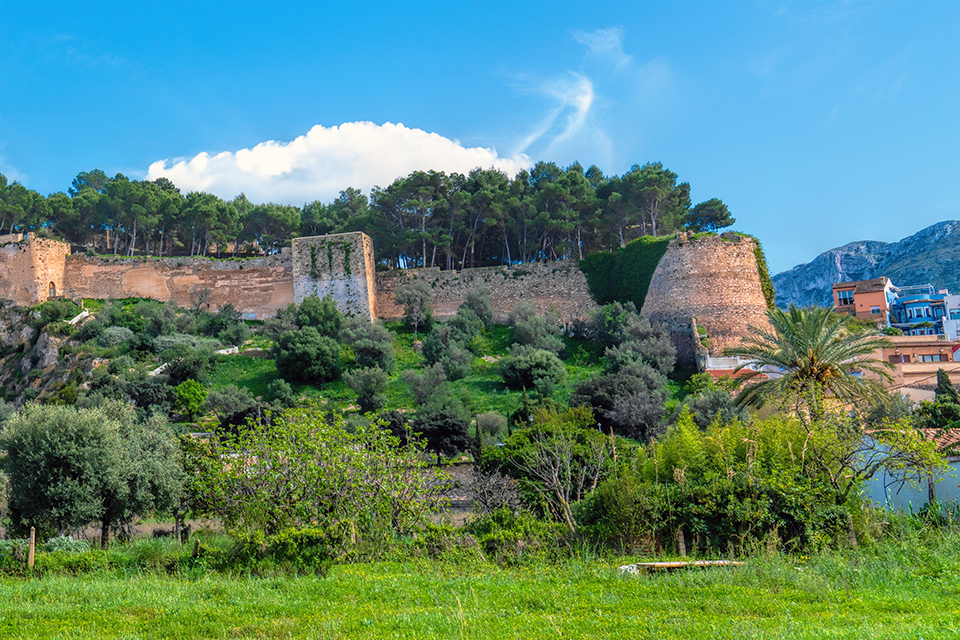
Constructing the Medieval Maritime State of Islamic Denia
14/10/2026How did a small Islamic principality on the eastern coast of Spain – Islamic Denia – become a major maritime power in the eleventh-century Mediterranean? A new study explores how warfare, commerce, slavery and cultural connections helped forge a medieval state Read more
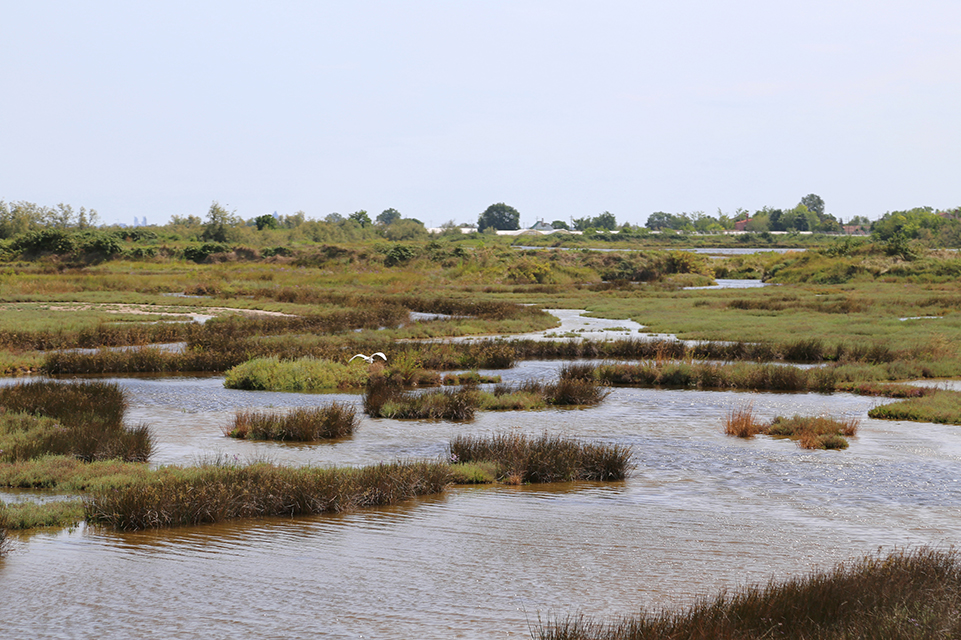
Early Medieval Venice – How a City Emerged from the Lagoons
14/10/2026How did a collection of marshy islands on the northern Adriatic coast become one of medieval Europe’s most remarkable cities? A new study challenges the familiar story of Venice’s origins Read more
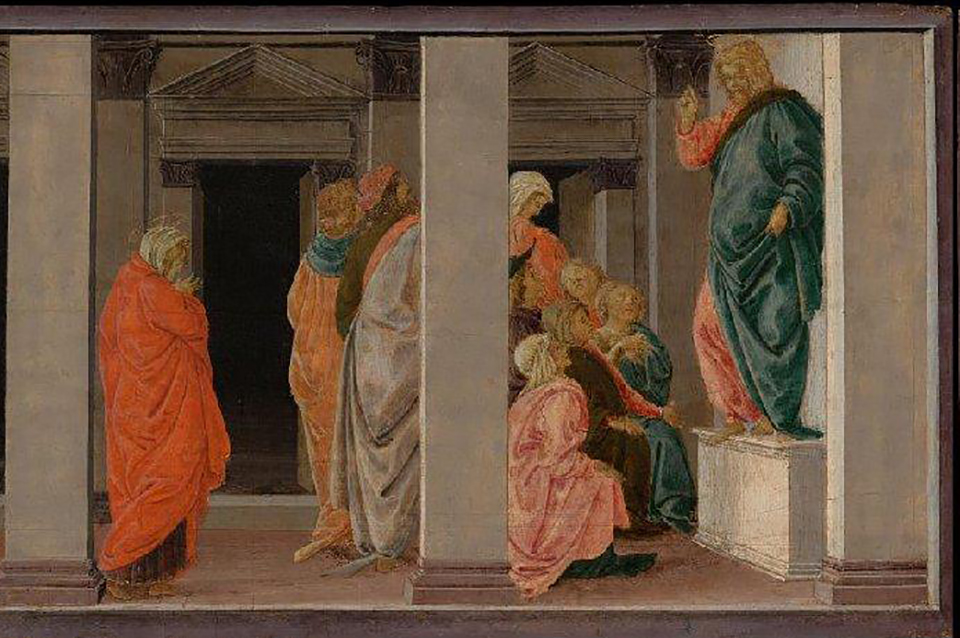
Repentance and Social Welfare in Renaissance Florence
13/10/2026Where did you go if you were a prostitute in Late Medieval Florence? The obvious place was the convent, Sant’Elisabetta delle Convertite, dedicated to enrole you in a life of penitence. Prostitution, Repentance and Social Welfare in Renaissance Florence: The Monastery of Sant’Elisabetta delle Convertite By Gillian Jack University of… Read more
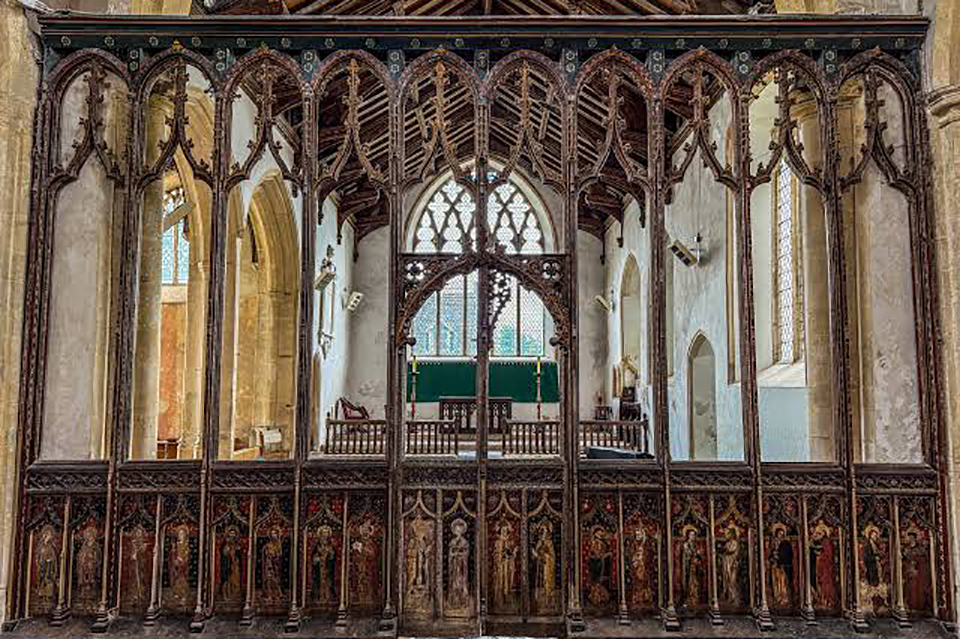
Late Medieval Parish Churches in England
13/10/2026Who actually paid for, organised and built England’s late medieval parish churches? New book enters the discussion with a new contribution focusing on the distinct new design Read more
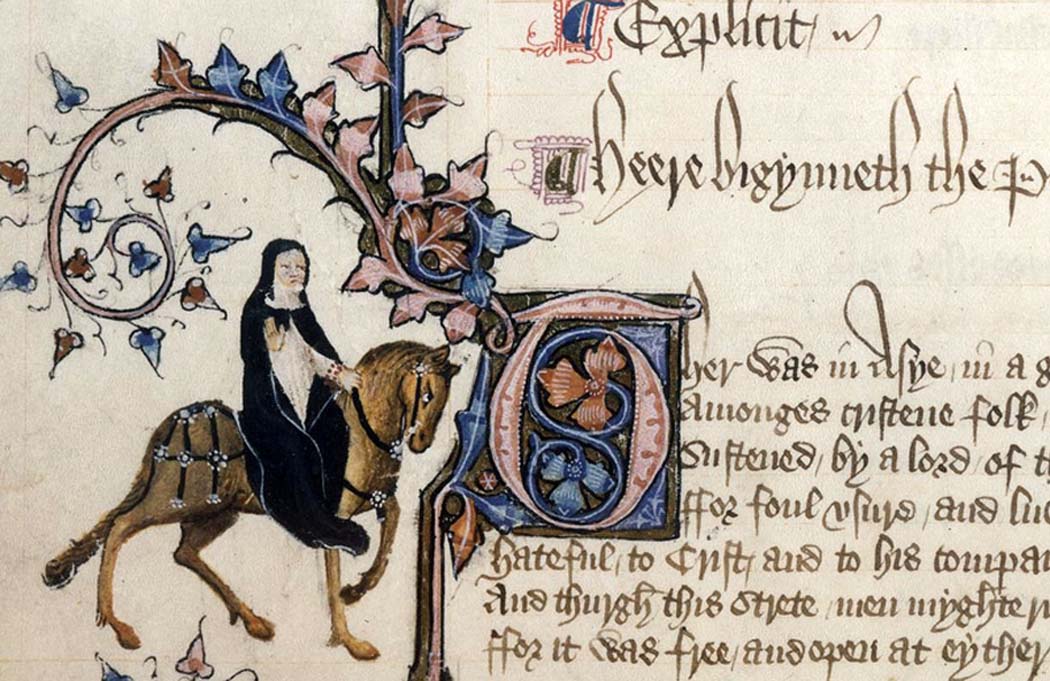
Chaucer’s England explored by Nicolas Orme
12/10/2026Who were Chaucer’s thirty-three pilgrims, and why were they heading to Canterbury? What do they and their tales tell us about medieval England as a place, and about the daily lives of its people? New book tells the story Read more
Resequencing the Middle Ages through Archaeogenetics
12/10/2026Between 2020 and 2026, Patrick J. Geary has been part of a large research project exploring the Genetic History of the Migration period (c. 400-700). Read more
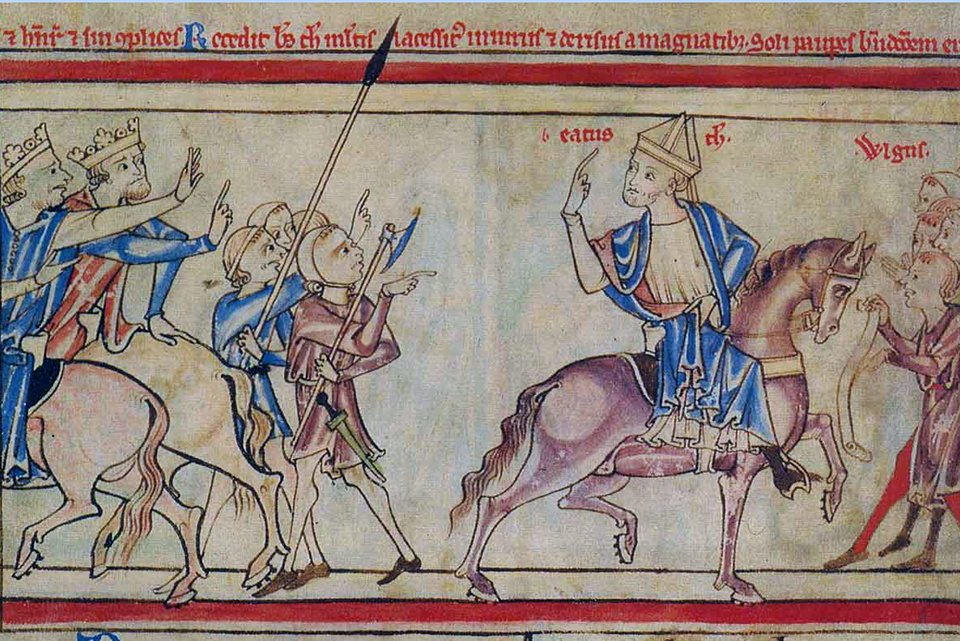
Transregnal Kingship? Or Regal Kings?
13/08/2026How did medieval rulership over multiple kingdoms and lordships work out? A new book explores the political, but also the practical, challenges of rulership in the fluid territorial reality of the 13th century, while floating a new concept: “transregnal”. What might this mean? Read more