Around 1345, volcanic eruptions led to famine. Following this, the import of grain increased, ultimately leading to the Black Death in Europe.
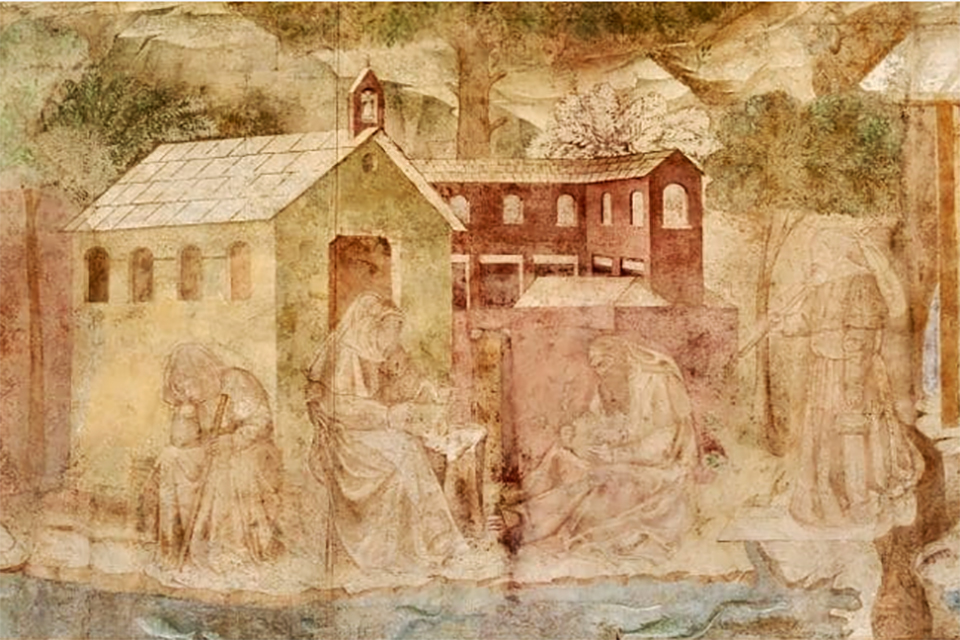
Around 1345, volcanic eruptions led to famine. Following this, the import of grain increased, ultimately leading to the Black Death in Europe.
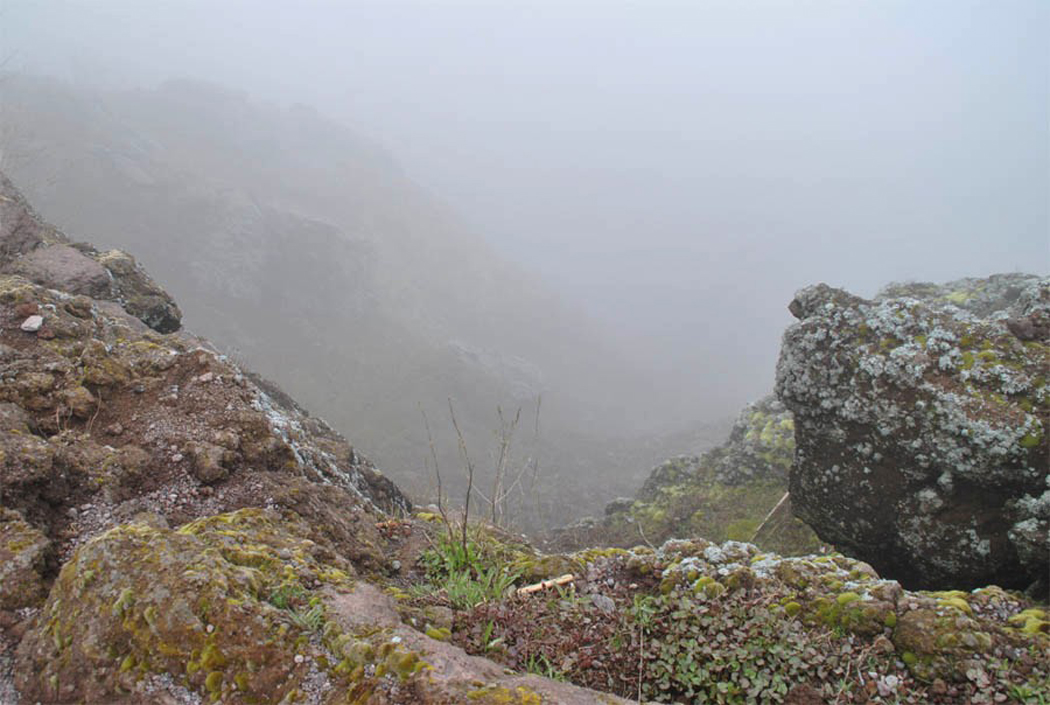
Natural disasters in the Middle Ages were met with resilience in a number of different ways: migration, rebuilding, re-settlements.

In the period known as the Dark Ages (c. 300 - 700 AD), woodlands staged a remarkable comeback across Europe, including the Netherlands.
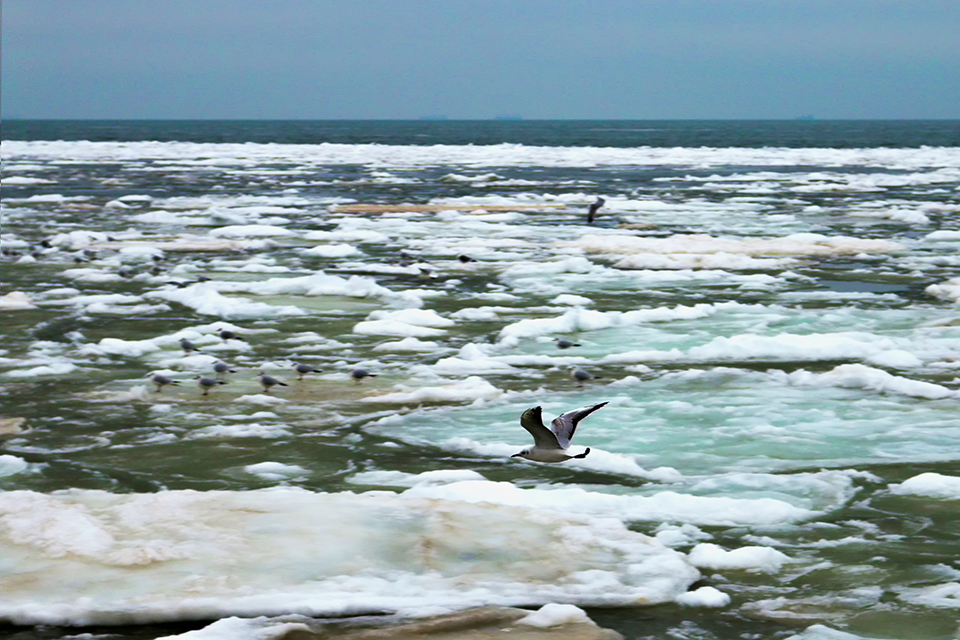
In AD 763 volcanic eruptions in Iceland caused Icebergs in the Black Sea and a nearly frozen Bosphorus causing widespread fear
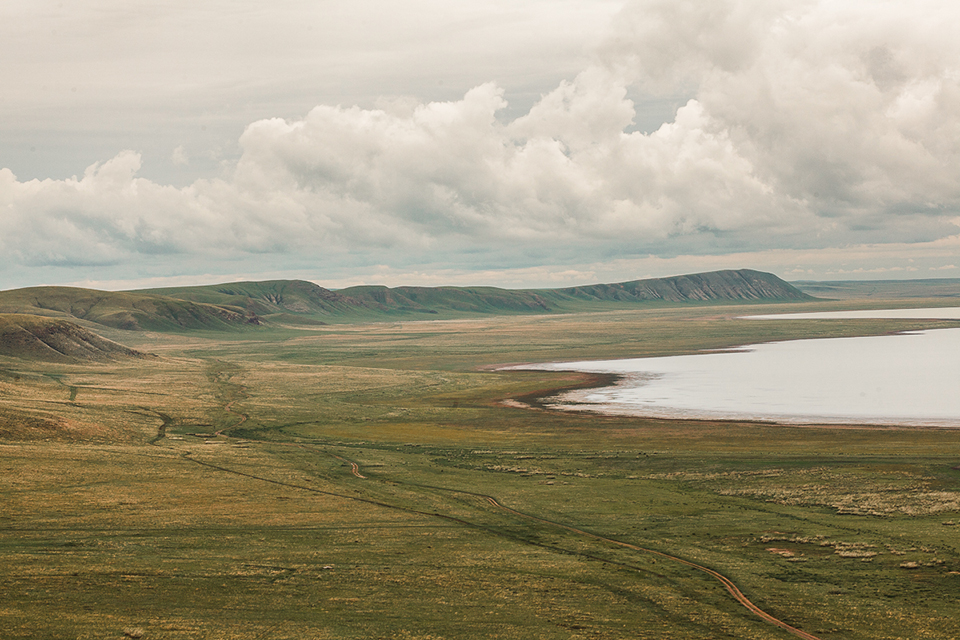
What Happens During Rapid Climate Changes? What can we learn from History?
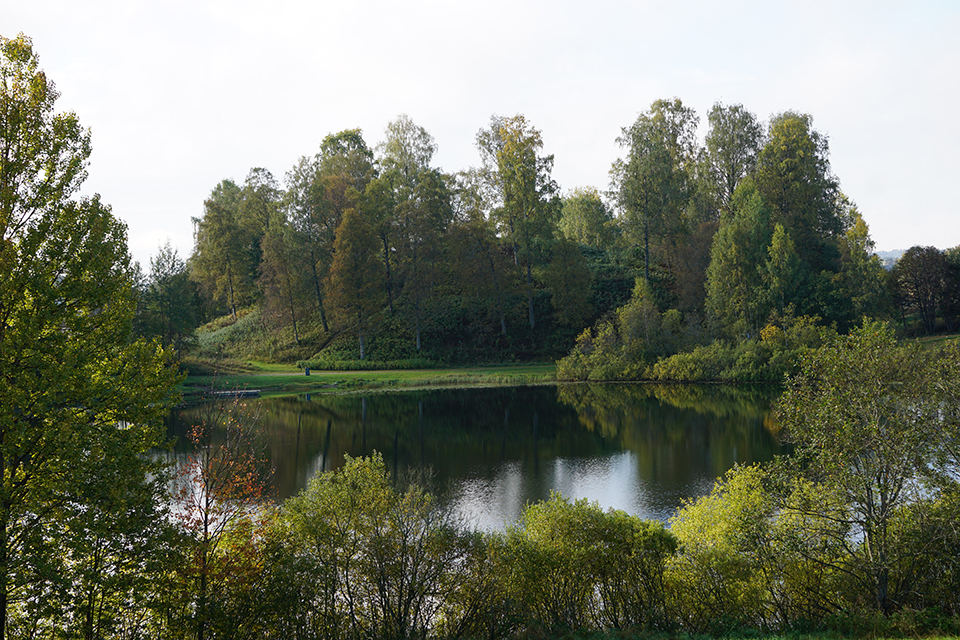
Did climate changes in pre-Viking societies really matter? Did people adapt their agricultural strategies? Or were such changes just registered as temporarily “whacky weather” by the people of the past?
The story of the Decline and Fall of the Roman Empire is incresingly considered as a reflection of 4thcentury widespread draughts on the Eurasian Steppes, the wanderings of the Huns, and the forced migration of the Germans.
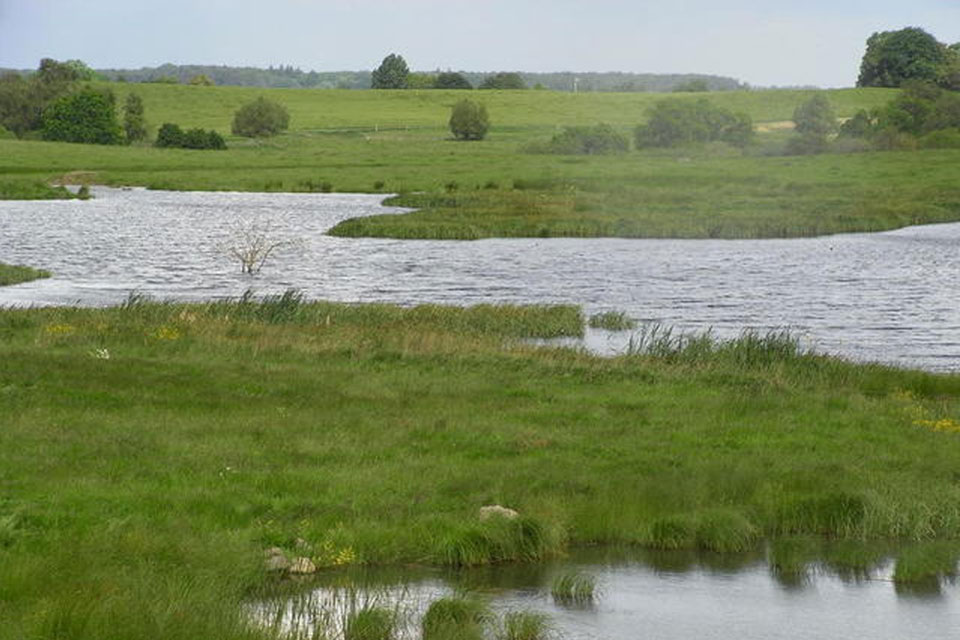
What role did the Early Medieval climate changes play in the creation of the post-Roman world? Did people migrate because of the cooling weather?
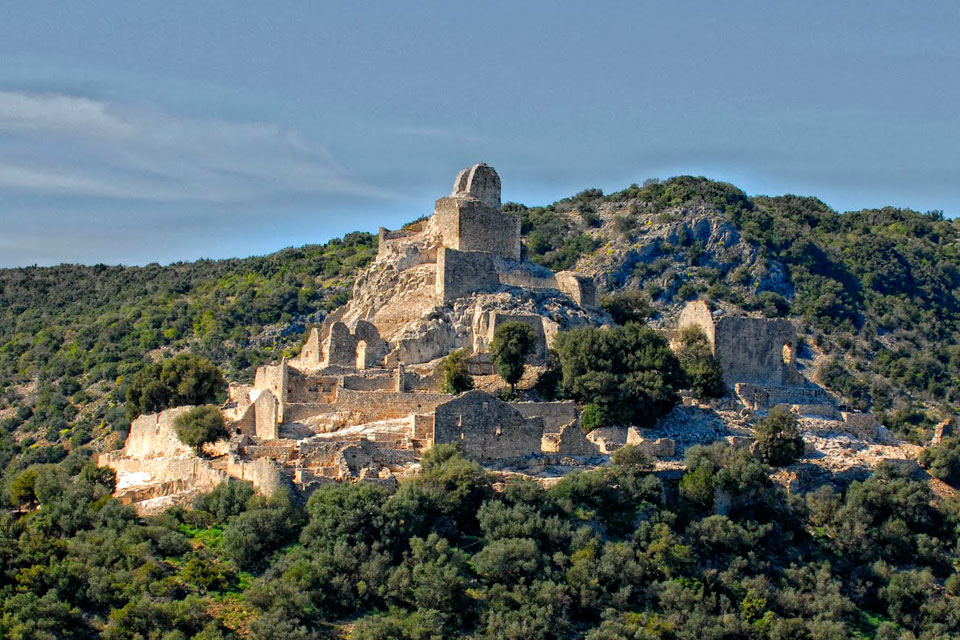
The history behind the castle-building on hilltops in the medieval Mediterranean landscape – the incastellamento or incastellation – is nuanced
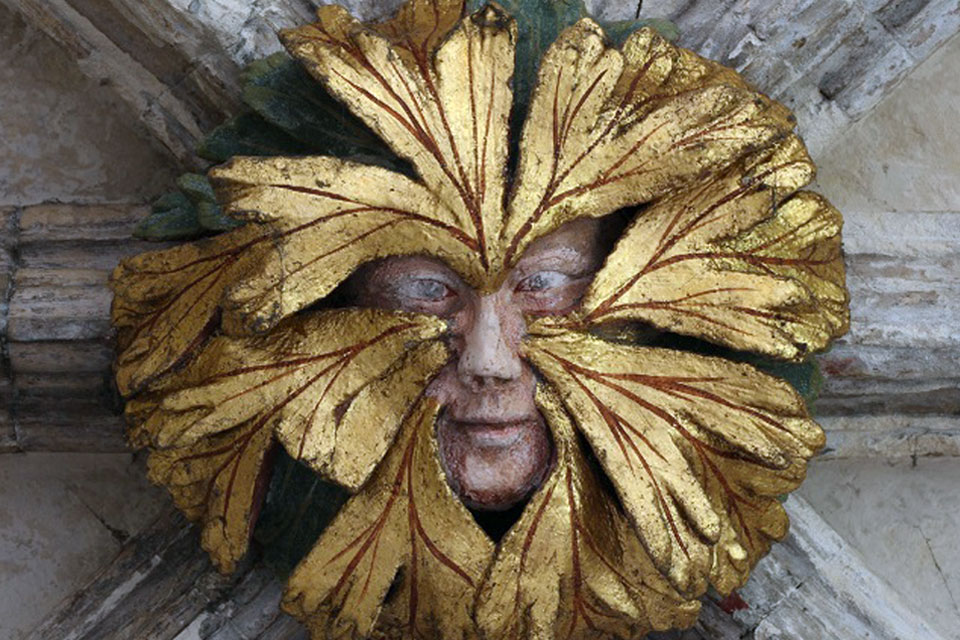
Environmentalism covers the ancient idea that environments and climate influences our mentalities. New book offers an introduction
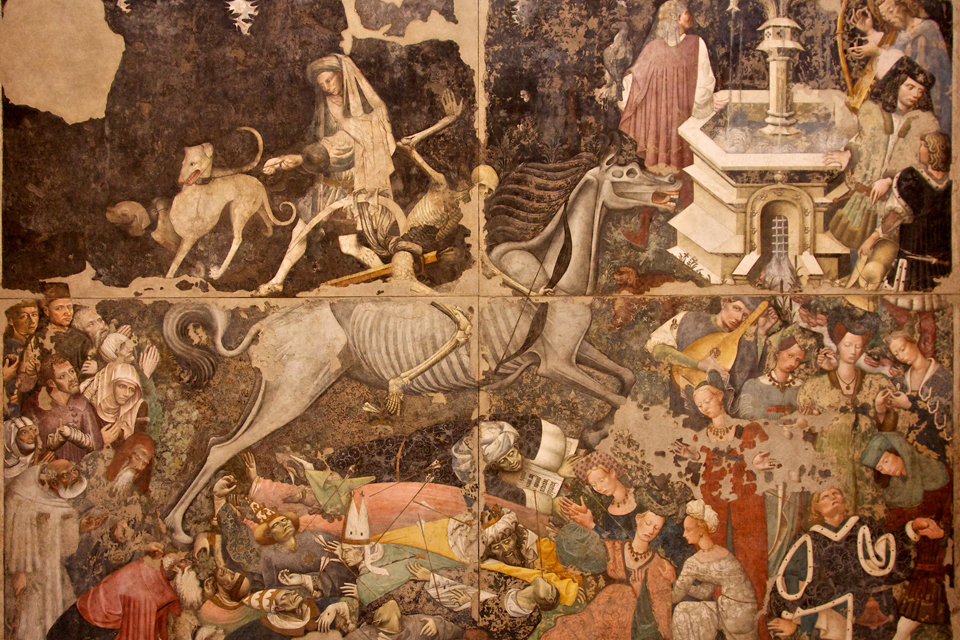
New book by Bruce M. S. Campbell on the Great Transition from 13th to the 16th century promises to be the new bible in environmental history
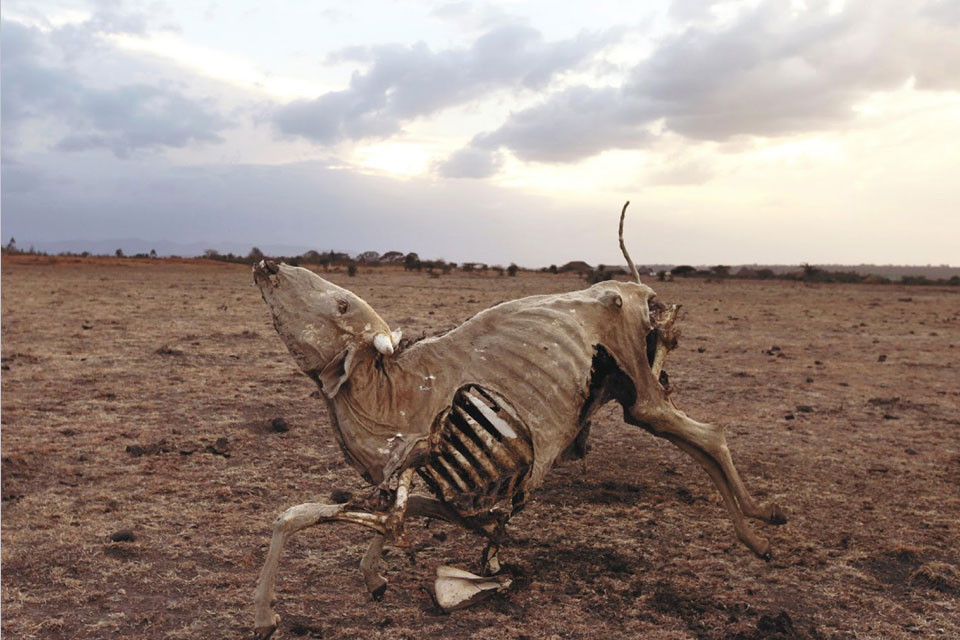
The newly published Old World Drought Atlas was recently used to gauge the seriousness of the Syrian Draught, the like of which has not been seen for 900 years.
Severe deterioration of living conditions in Scandinavia in the years’ AD 536 - 50 was caused by two volcanic explosions following each other
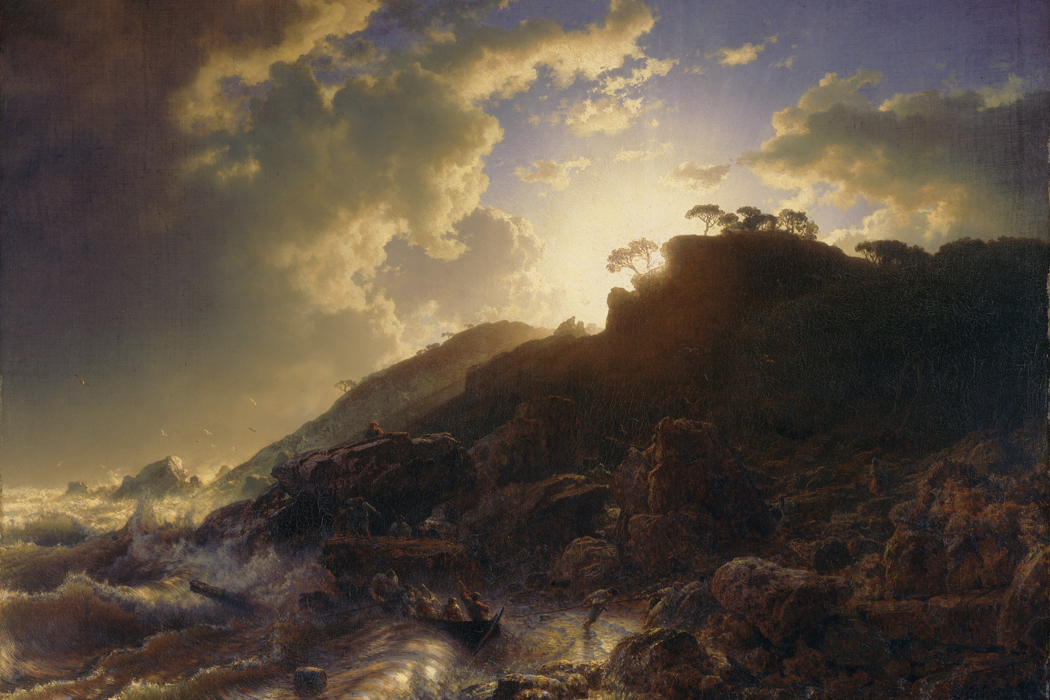
What impact did climate have on Medieval History? A new crop of studies help to explore the details of the linkage between migrations, wars and much more. Get the overview here
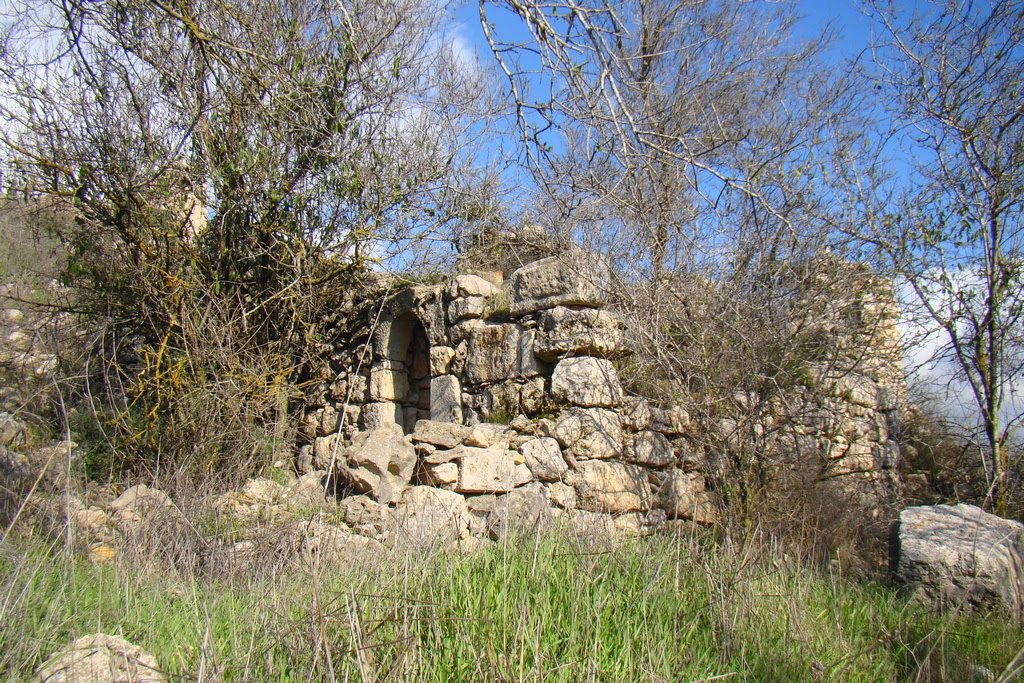
BOOK REVIEW: Sarah Kate Raphael explores the interplay between the climate in Medieval Levant and the politics of crusading and warring in the region
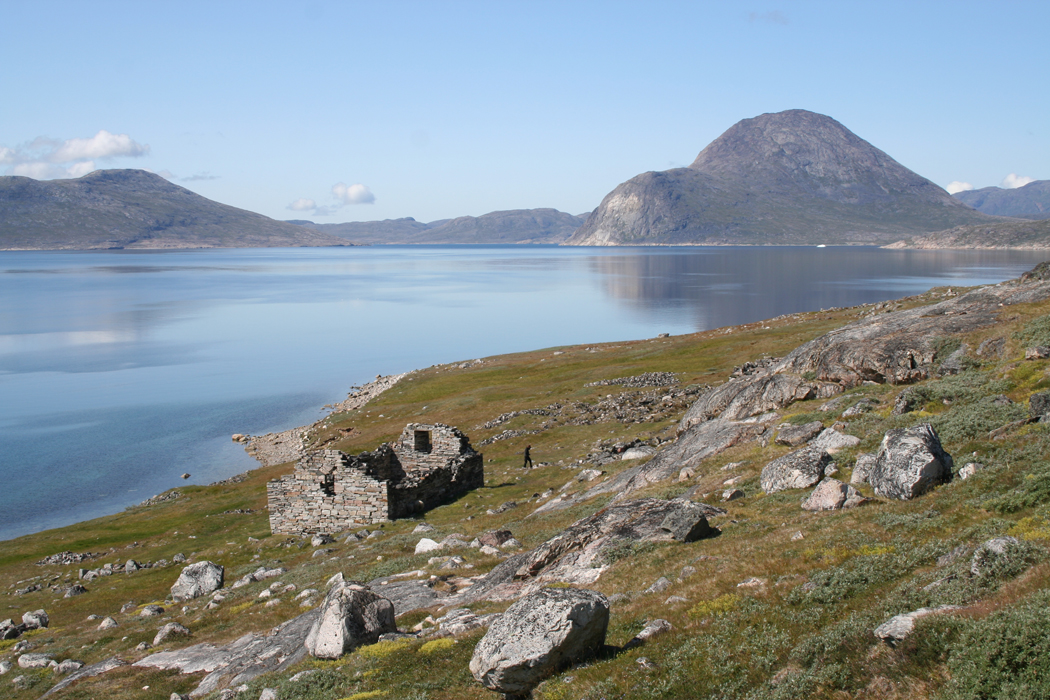
The medieval warm period (AD 725 - 1025) was characterised by little solar activity and few volcanic eruptions. This resulted in climate stability and economic and demographic growth