Are the devastating wildfires of this summer the result of the shifting climate? Of human greed and stupidity? Or simply of a decline in extensive husbandry and pastoralism?
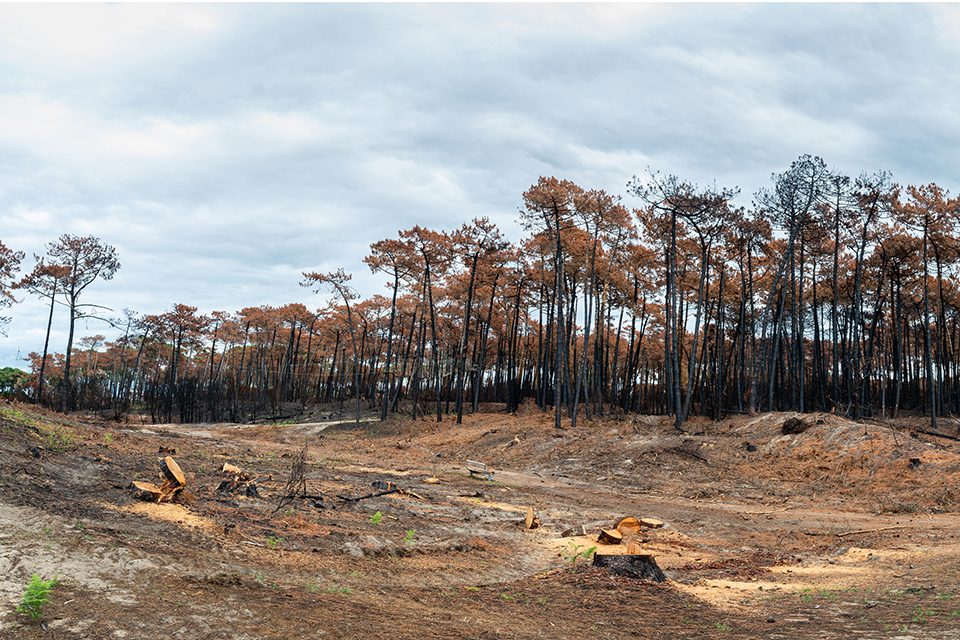
Are the devastating wildfires of this summer the result of the shifting climate? Of human greed and stupidity? Or simply of a decline in extensive husbandry and pastoralism?

Rabbits share their history as on and off domesticated animals with the feral horses. Although living in the wilderness, they were very early on considered a nice supplement and hence "farmed" and domesticated for different purposes

In the period known as the Dark Ages (c. 300 - 700 AD), woodlands staged a remarkable comeback across Europe, including the Netherlands.
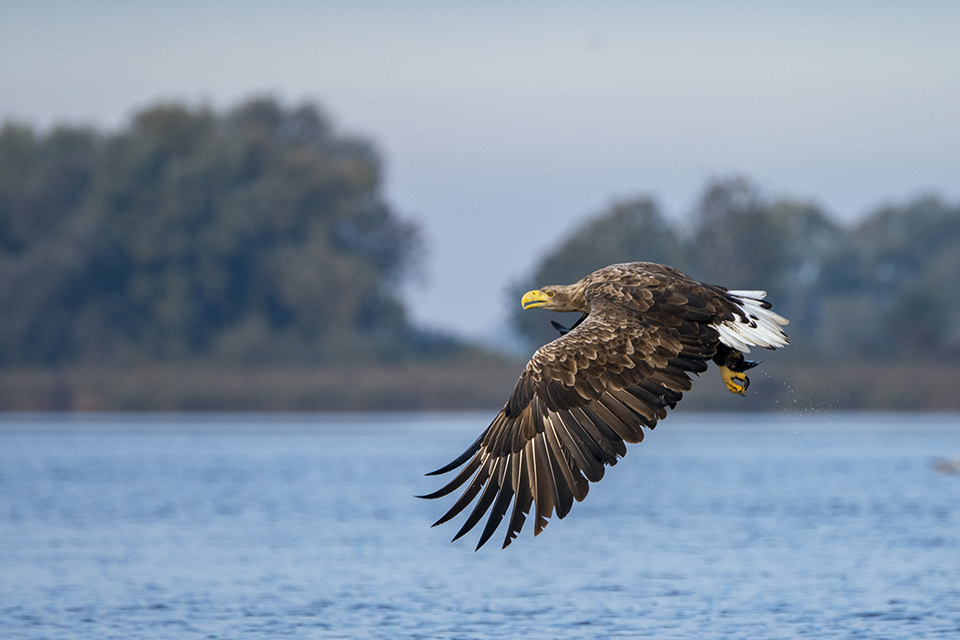
Germans and Poles living in the Oder Delta strongly support rewilding and the introduction of large animals - including wolves and lynx, returning its landscape to its former medieval glory.
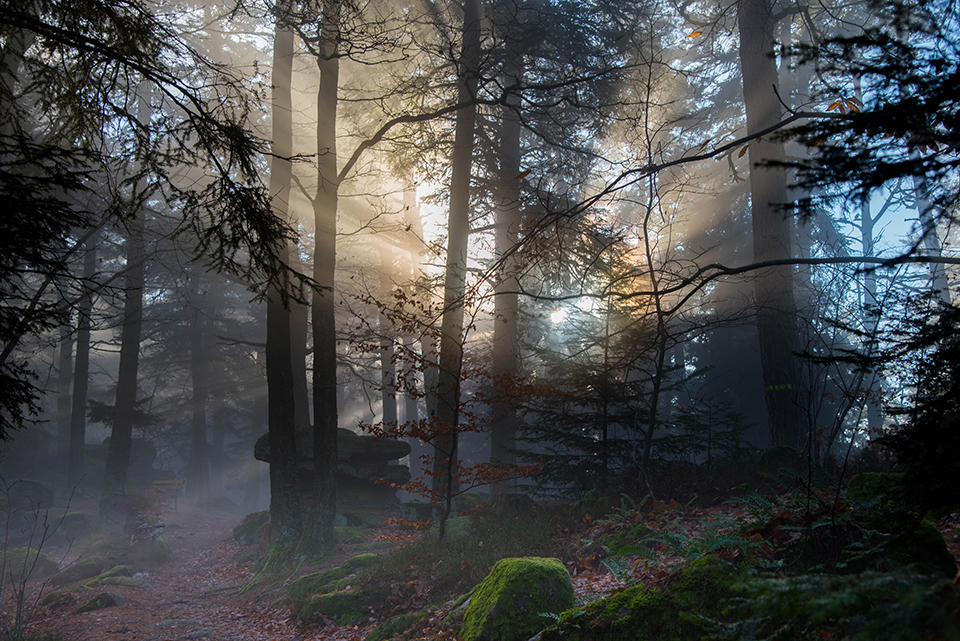
In the Early Middle Ages, the Vosges were regarded as a wilderness - by elites, poets and priests. However, the ideas about how to live in and utilise this wilderness were contested.
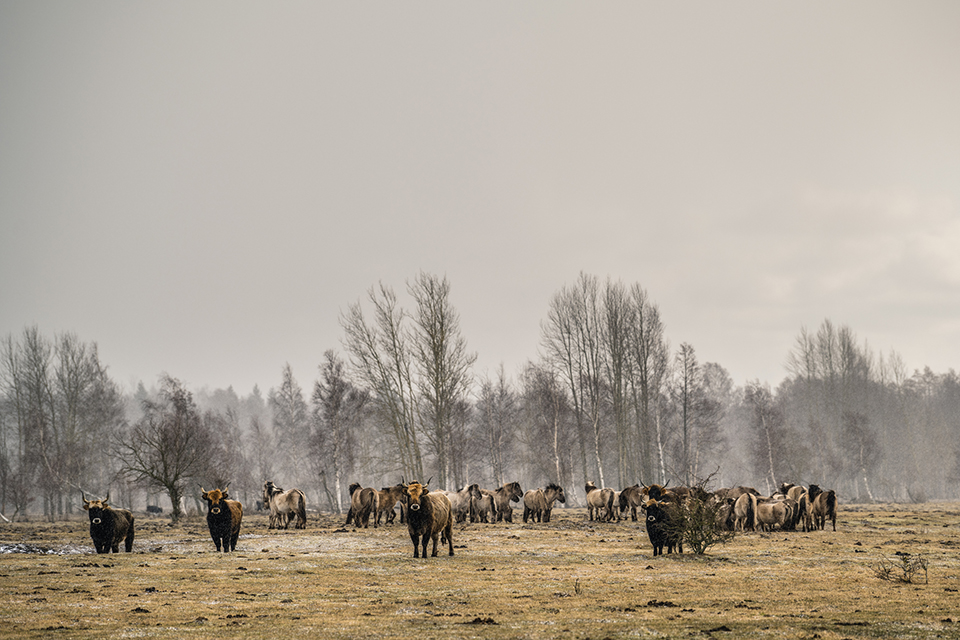
What is best when considering Europe's abandoned farmland? Should it be returned to more extensive - traditional and even Medieval - ways of sylvo-pastoral forms of cultivation? Or should it be rewilded with large grazers? Or left to its own devices?
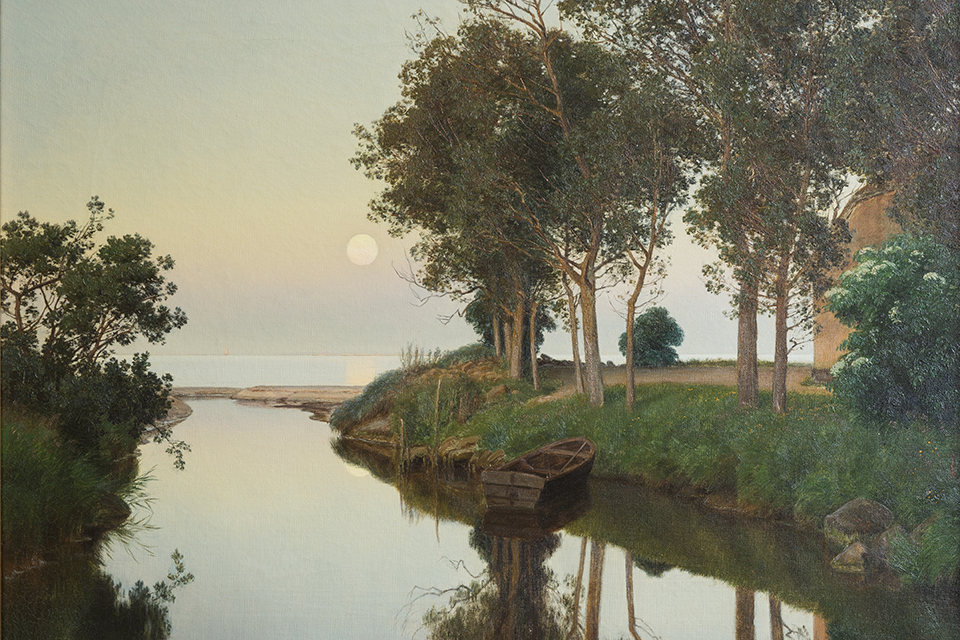
New method overlaying old and modern maps reveals what the medieval landscape in Denmark might have looked like
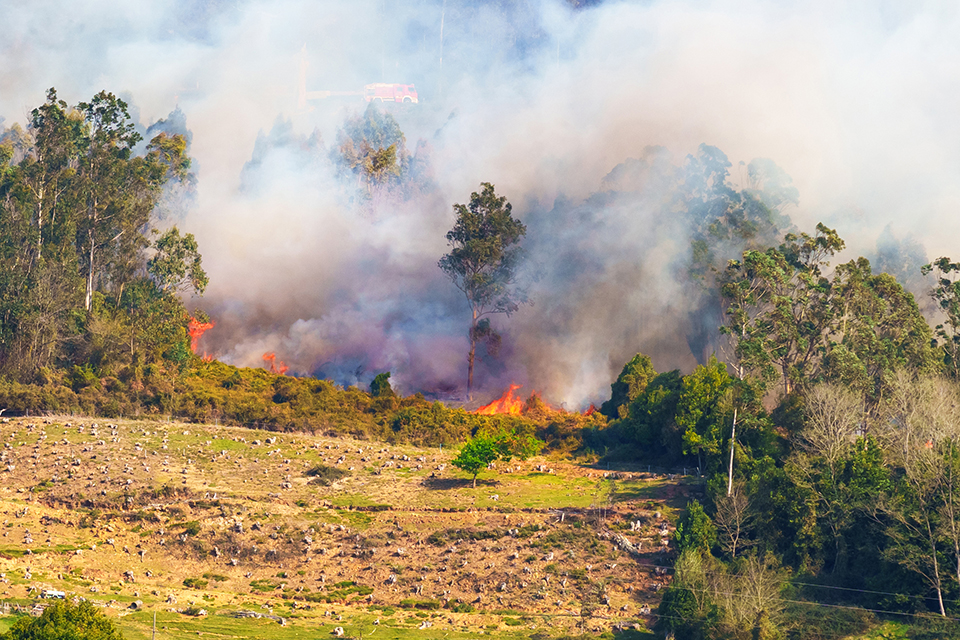
This summer, 2023, wildfires have once again laid waste large areas of Southern Europe. A tenth-century conflagration provides a fascinating comparison between medieval and present times.
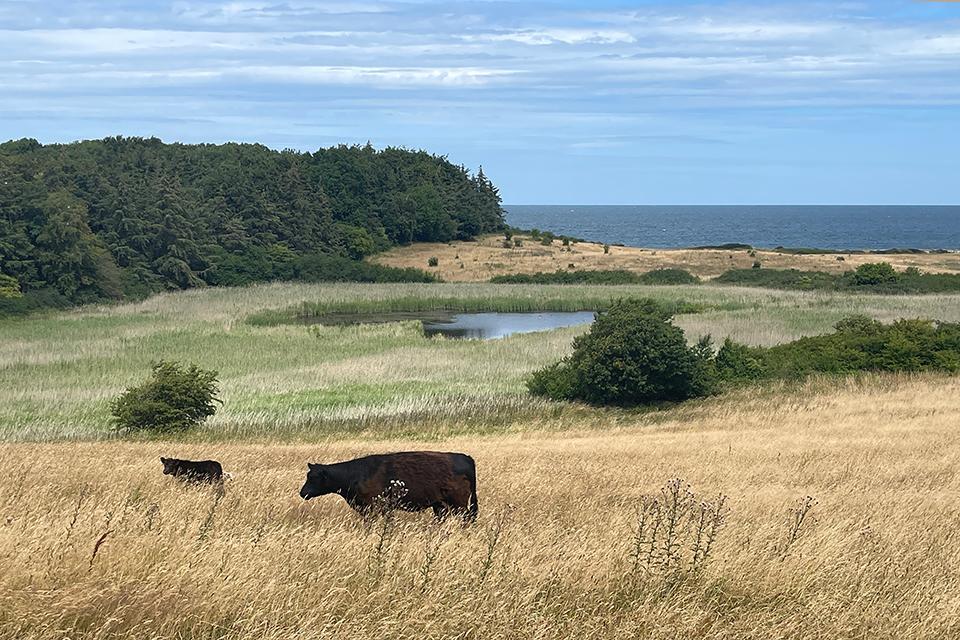
Rewilding can’t alleviate all the climate challenges we face. However, it does offer a precious contribution, namely a decisive upgrade of carbon sequestration in forests, grassland and tundras. With biodiversity as an added bonus.
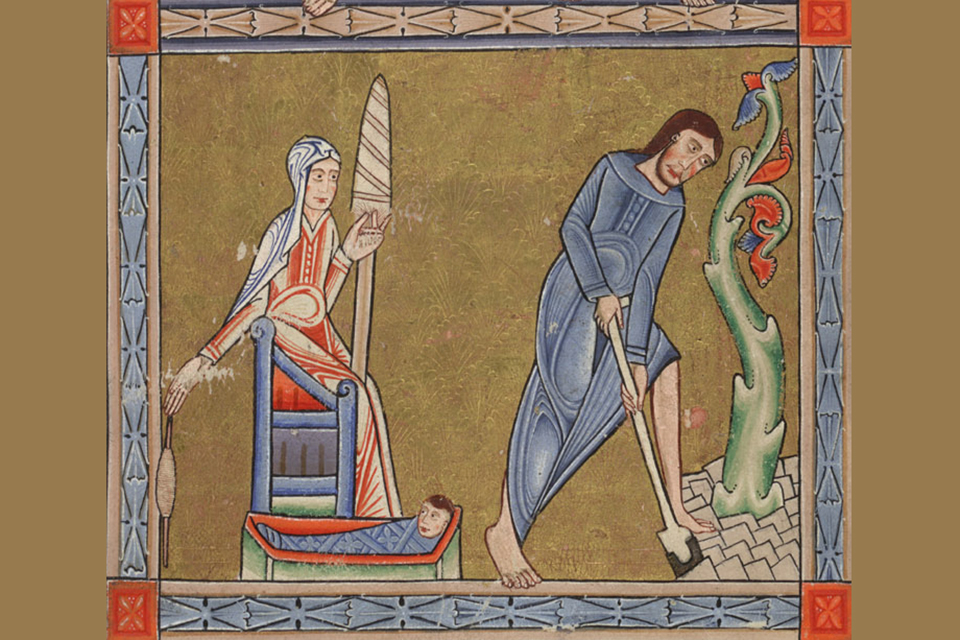
In this new book some of the foremost ‘real’ and imaginary landscapes of the Middle Ages that could be found both in the tangible world and in the pages of manuscripts are examined.
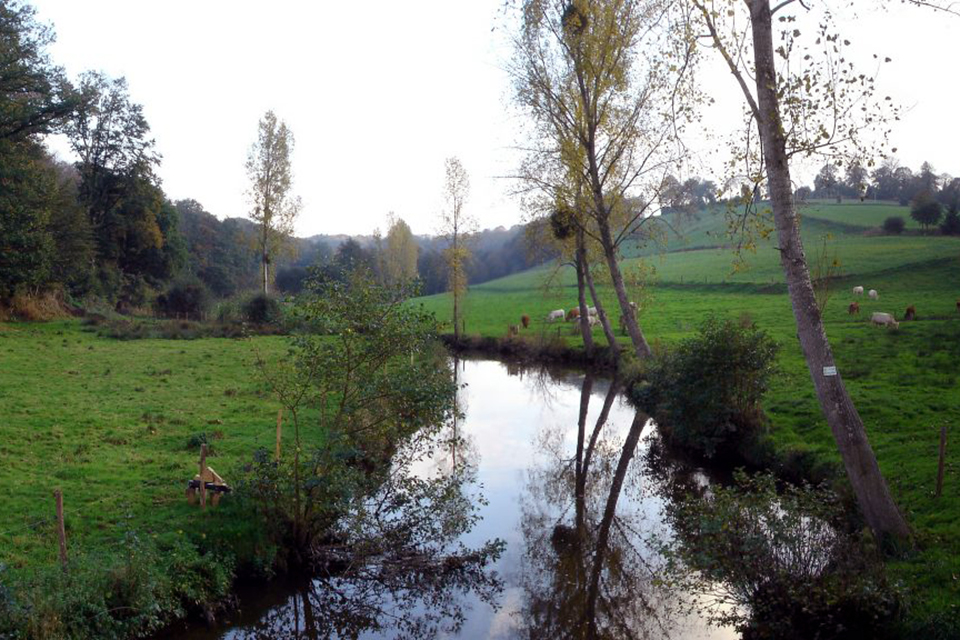
The remains of the last of the two hydroelectric dams at the River Selune were finally dismantled in 2022, leaving the landscape to recover. But unfortunately, the restoration is hampered by multiple interests and no clear agenda.
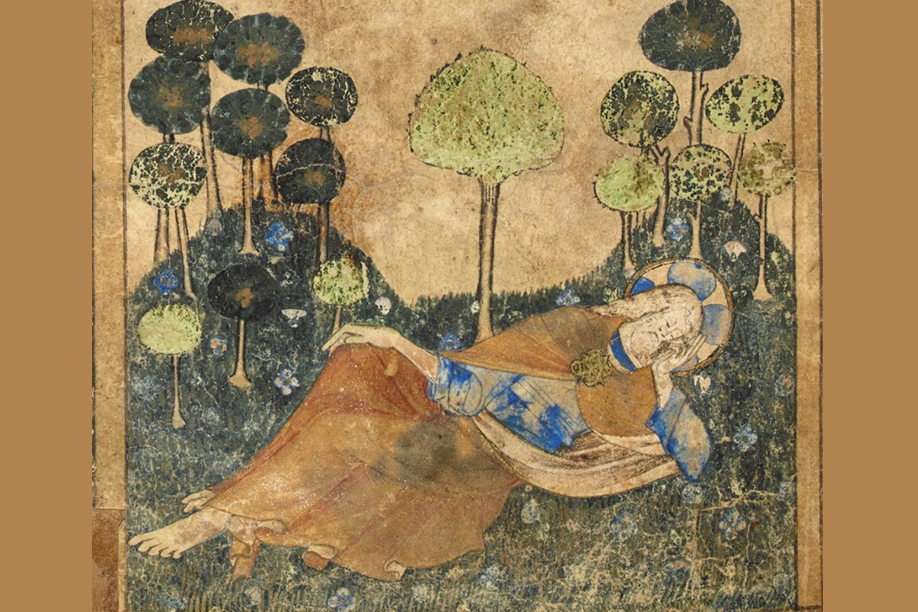
The essence of the medieval Christian landscape was encapsulated in the idea of the beloved place of pleasure, Paradise
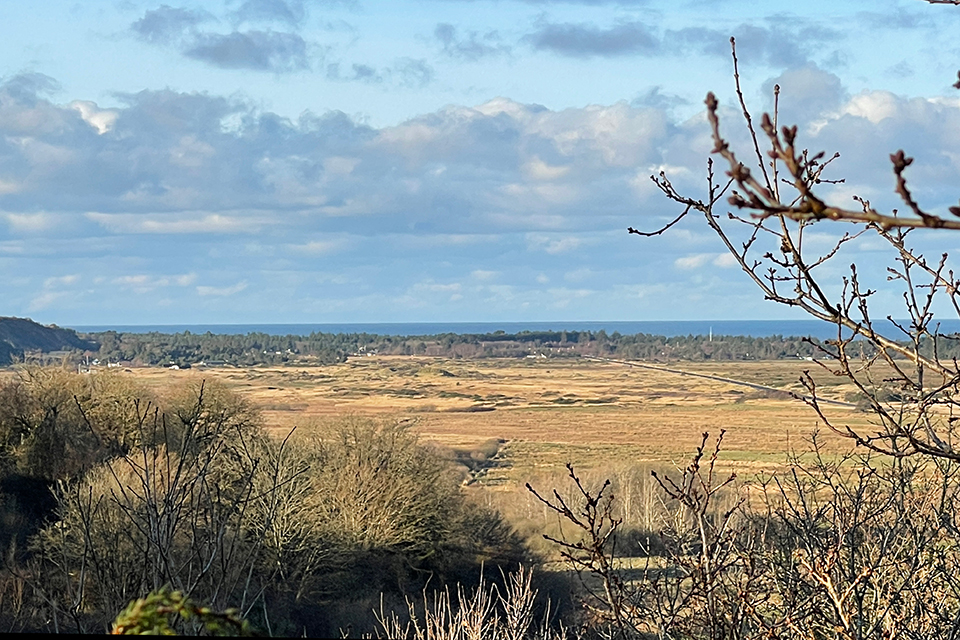
During the first millennium, northern and eastern Europe was sparsely populated and devoid of anything but wilderness. How did it feel to live in this medieval world?
Turning the map of Europe upside down, we see a peculiar peninsula on either side surrounded by the Mediterranean and the Baltic, from where it struts into the Atlantic Ocean.
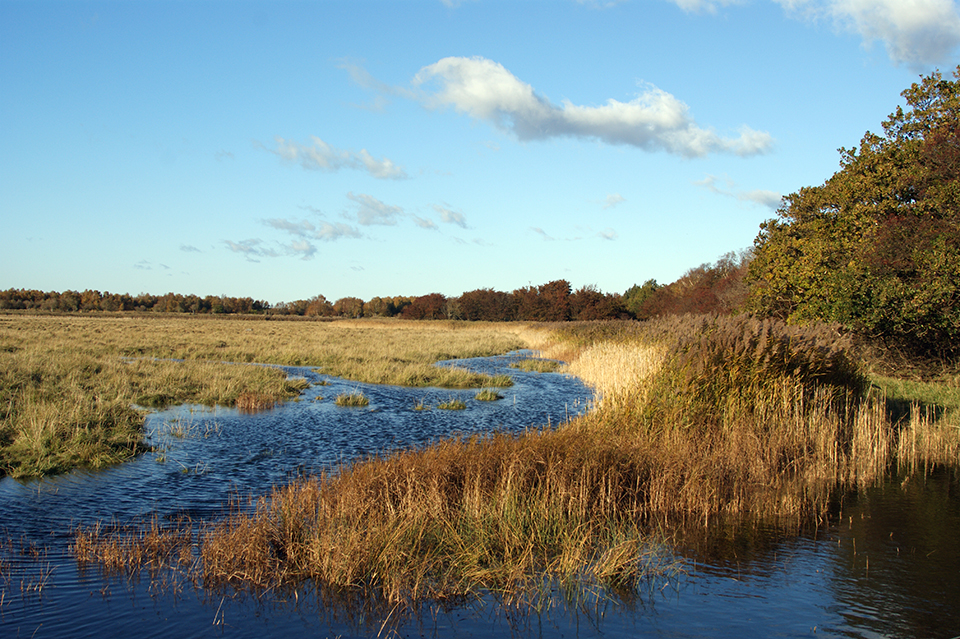
How did people in the Middle Ages view their surroundings? What was their idea of a livable world? Which part was sacred? What profane? And what was wilderness? Did they even think of their world inside these dichotomies?
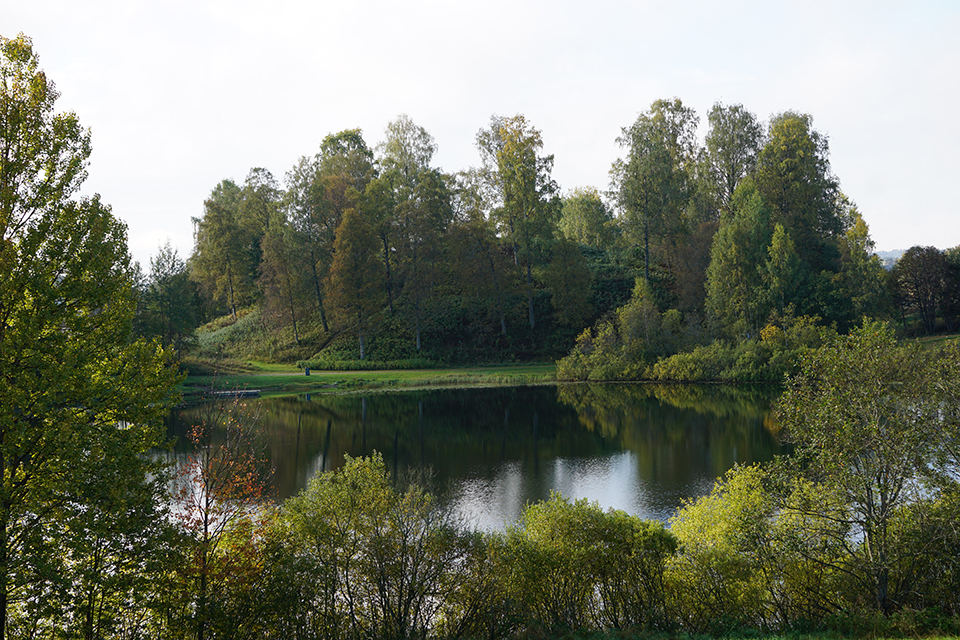
Did climate changes in pre-Viking societies really matter? Did people adapt their agricultural strategies? Or were such changes just registered as temporarily “whacky weather” by the people of the past?