How should we understand the Runic inscription on a silveringot discovered in the spectacular hoard recently discovered at Rebild?
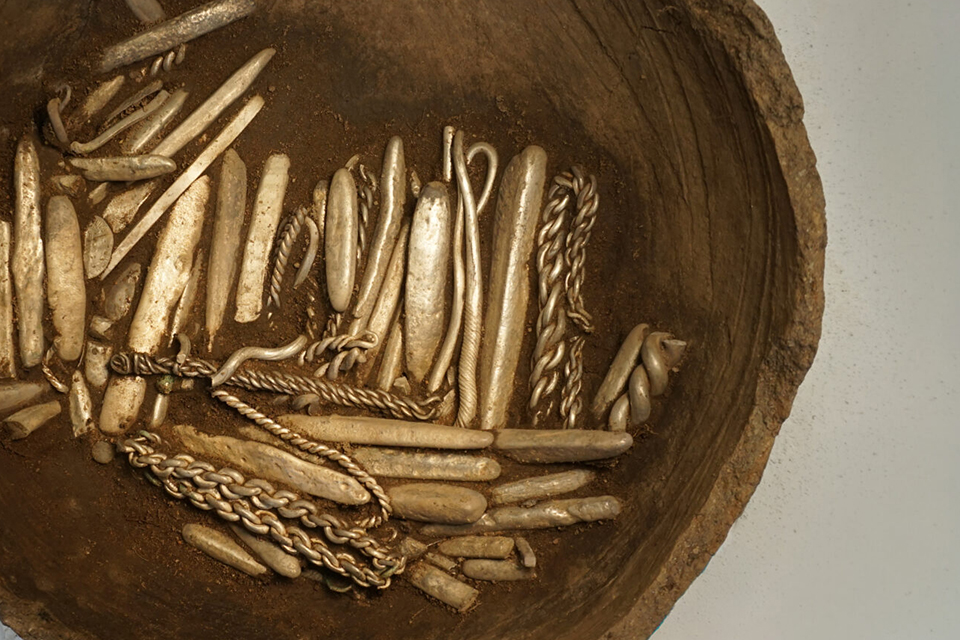
How should we understand the Runic inscription on a silveringot discovered in the spectacular hoard recently discovered at Rebild?
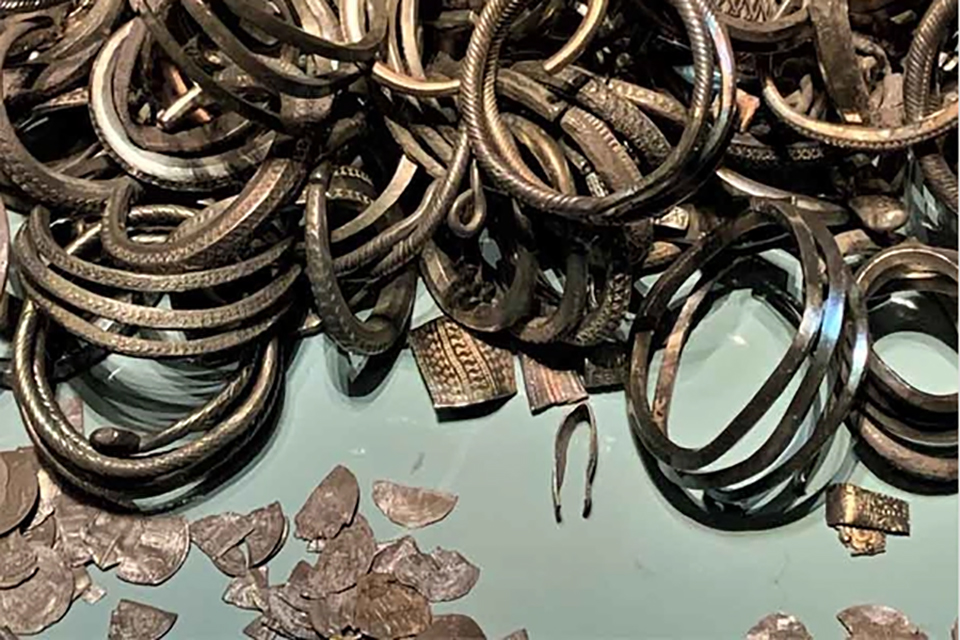
Gotland is famous for its extraordinary wealth of Viking-Age silver. More than 700 silver hoards have been discovered on the island with around 170,000 Viking-Age silver coins. Why is that?
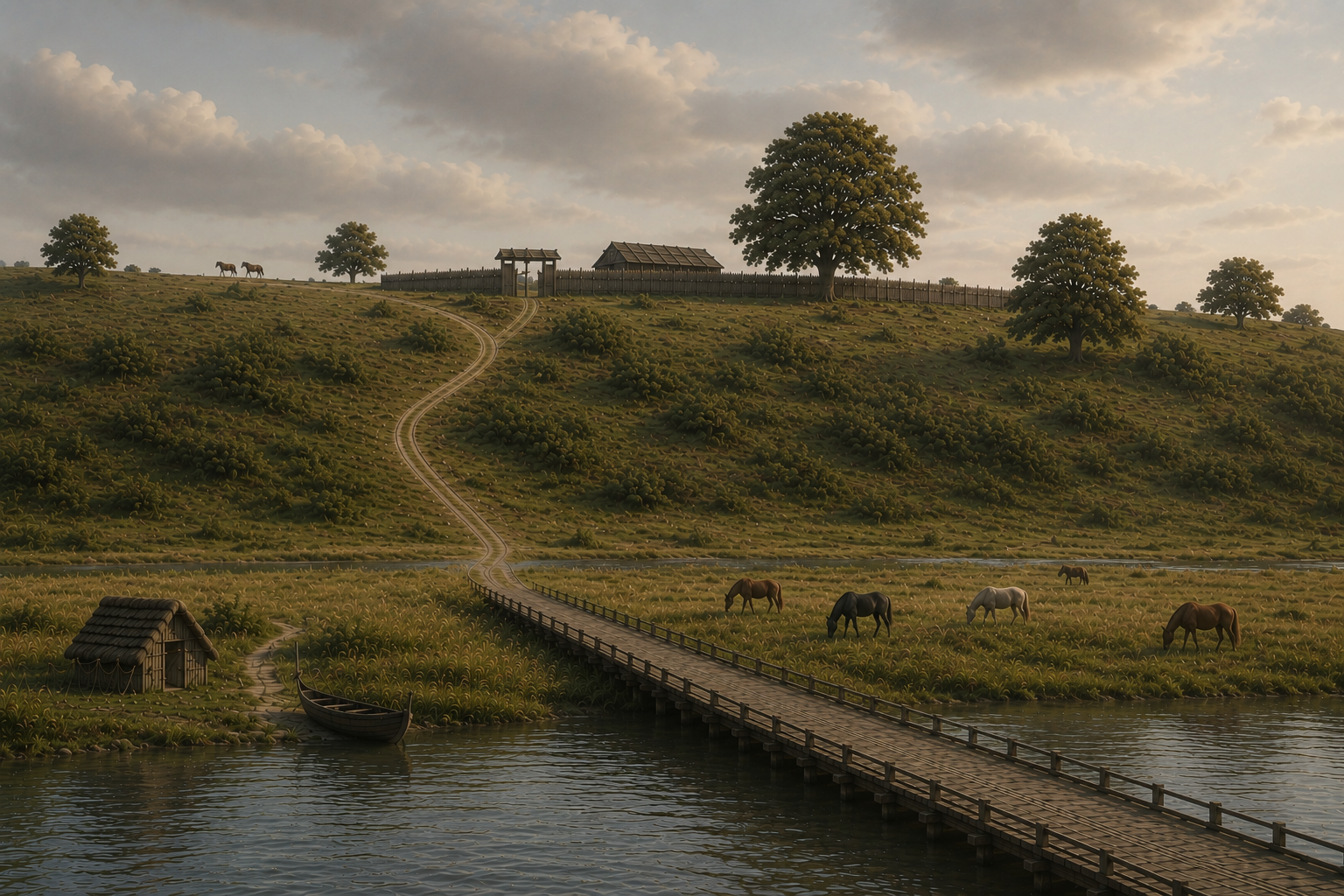
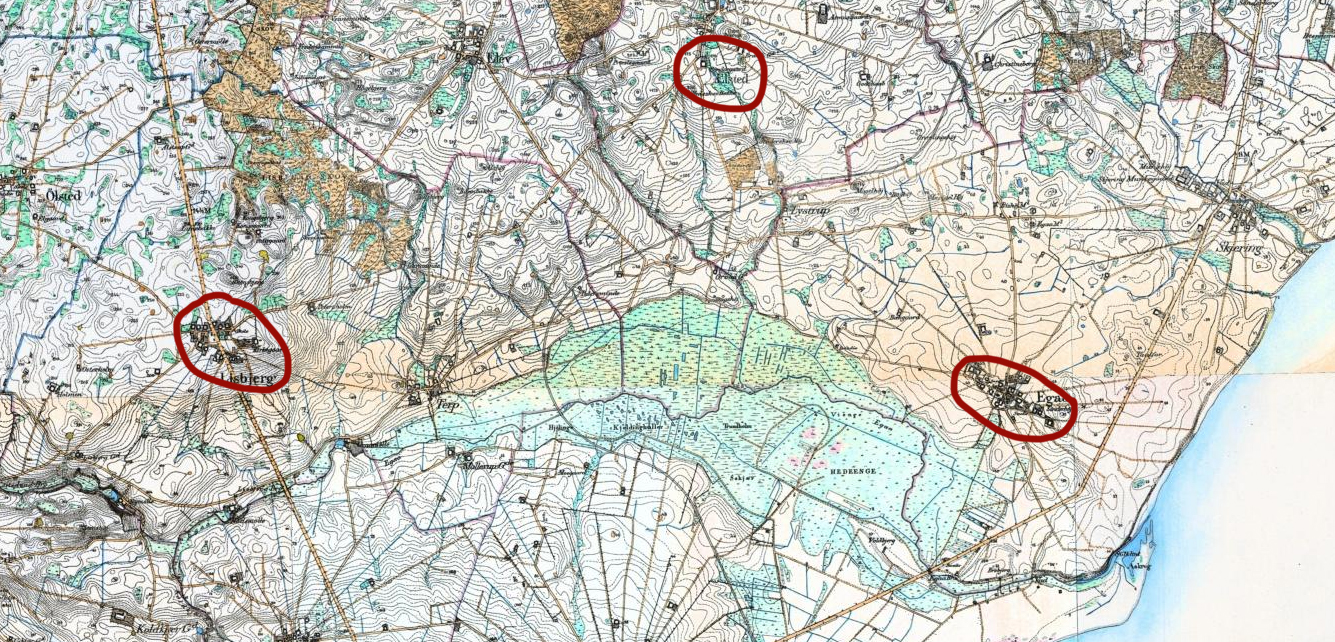
A thousand years ago, Lisbjerg, just north of Aarhus, was home to one of the king's powerful officials, Ketil the Norman. To understand his world, we must first imagine the landscape in which he lived, travelled, and exercised his authority.
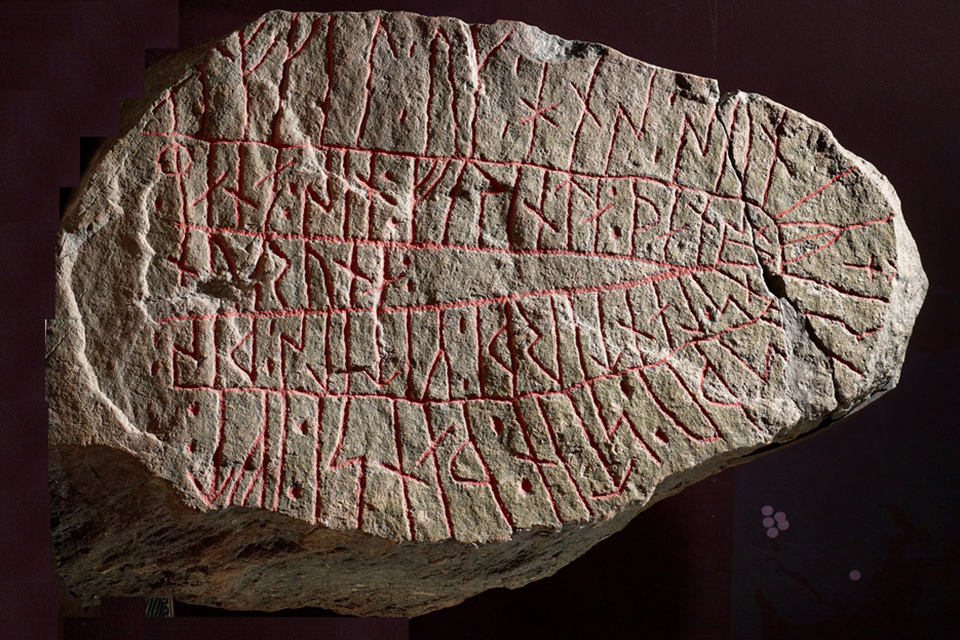
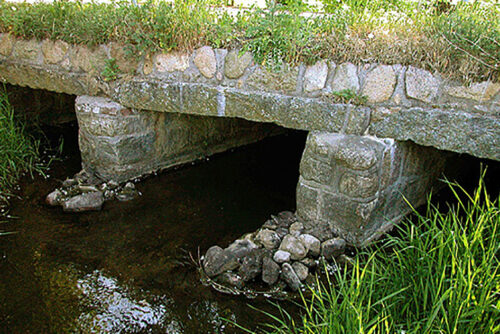
The Runic stone was discovered at the beginning of the 19th century in a dry-stone wall near the estuary of Egå, a small river north of the city of Aarhus in Eastern Jutland. Allegedly, local people said that the stone had originally stood near a bridge across the Egå. Judging by similar monuments, the runestone may have formed part of a donation to the local community, consisting of at least the monumental erection of both the bridge and the stone.
The transliteration of the Runic inscription reads:
alfkil : uk : hns : suniR : risþu : stin : þansi : ift : | : mana : sin : frinta : þans : uas : lantirþi : kitils : þis : | nuruna :
while the transcription reads:
Alfkæll ok h[a]ns syniR rēsþu stēn þannsi æft Manna, sinn frǣnda, þann’s vas landhirðiR Kætils þess norrøna.
Based on this, the official translation reads:
“Alfkell and his sons raised this stone in memory of Manni, their kinsman, who was Ketill the Norwegian’s estate steward.”
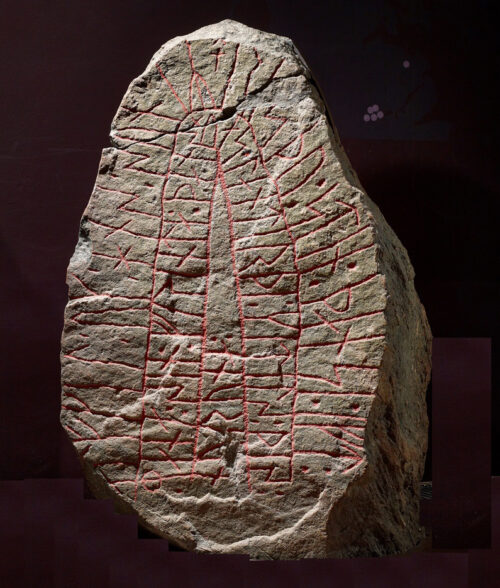
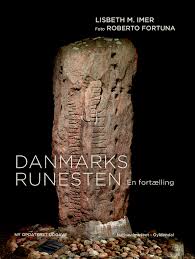
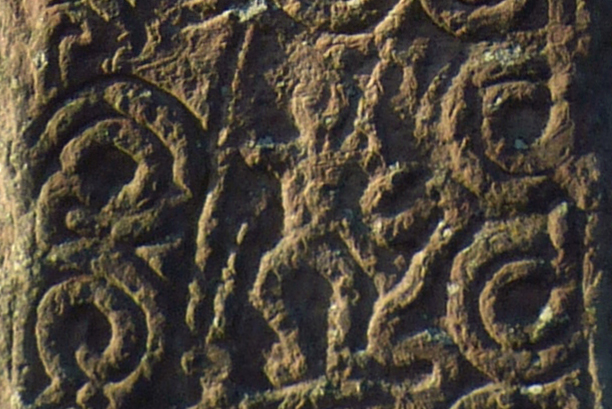
Thus, in the official translation in the database, the Old Runic word norrøna is interpreted to mean that Ketil was a Norwegian, that is, a person from Norway. However, Ketil is not described as a Norwegian; he is merely identified by the epithet norrønn (Norse). The inscription therefore does not identify him by his place of origin, which would more likely have been expressed by a form such as Noregi, as in nuruiak (Jelling Stone 2) or nuriki (Ketil Stone), both of which are understood to refer to Norway. Rather, Ketil is identified as a norrønn person. Most likely, nuruna refers to someone who spoke Old Norse rather than dansk tunga, corresponding to the explanation of norrœna, f. (3), as the Norse language. The flipped stone shown as featured photo marks the importance of the “Nuruna”-part of the inscription – as seen in the middle part. Maybe Ketil was just called his nickname?
Apart from that, we can be certain that Ketil must have been an important man. Remember that the stone, and probably also the bridge, were erected to honour his man, the steward responsible for Ketil’s estate. The word landhirðiR is also known from the stone Ravnkilde 1. Here it is plausibly indicating an estate steward. Manni may, however, have fulfilled another role, namely that of priest. The title landhirðiR is not as widely used as bruti, bryde, which apart from three Runic stones is also known from early written sources in the 11th and 12th centuries. Perhaps it is significant that the stone was carefully decorated with an early Christian cross? In addition, an early bronze cross was discovered in a grave in the burial ground excavated at Egå. The stone must have been raised around the time when Christianity was becoming more prevalent in the landscape.
Ketil means “cauldron” or “kettle”, and it has been suggested that the name referred either to the vessel containing the sacred mead or beer, indicating a man who provided feasts. Alternatively, it has been interpreted as referring to someone wearing a kettle-shaped helmet, making it a nickname denoting a warrior. Perhaps the infamous Ketil Flatnose, who for a short time ruled the Isles, derived his name from wearing a helmet with a prominent nose guard, such as that seen on the Coppergate Helmet.
Ketil was a very common name throughout the Viking diaspora. The Icelandic Landnámabók, for instance, lists approximately forty-three different individuals named Ketil, either as a simple or compound name, indicating that it was widespread throughout the North Atlantic settlements. One Ketil, as mentioned above, became ruler of the Northern Isles (Ketil Flatnose), while another settled in Greenland, giving his name to Ketilsfjǫrðr.
In Denmark, at least fifteen place names derive from Ketil, including Ketilstorp, now known as Kelstrup. In England, about eighty people named Ketil were recorded as landowners in the Domesday Book. Approximately two-thirds of these estates were located along the eastern coast between Norwich and York, and about 85 per cent are known to pre-date the Norman Conquest. The name was also not uncommon in Normandy, where at least ten place names incorporate Ketil, for example Quettehou on the Cotentin Peninsula. In short, the name was ubiquitous.
Thus, Ketil of Egå may have come from Norway, Iceland, or even Greenland, but he might equally well have originated in the British Isles or Normandy. Accordingly, we refer to him here as Ketil the Northman. The fact remains, however, that he spoke nuruna or norrœna.
We have absolutely no way of identifying the lord of the manor at Lisbjerg as identical to Ketil the Northman.
It is intriguing, though, that Lisbjerg has been archaeologically documented as
Approaches to the study of linguistic identity in the Viking Age
By Eldar Heide
Unpublished manuscript for the seminar Migration And Transcultural Identities In The Viking Age , University of Nottingham, march 3 – april 1, 2006.
Tradition and Innovation: the Function of Ambiguity in the Three Scandinavian Runic Conversion Monuments.
By Arne Kruse. In: Scandinavia Refracted: A Festschrift in Honour of Bjarne Thorup Thomsen. Ed. by Giles, Ian. Edinburgh (2022).
(3) A Concise Dictionary of Old Icelandic. By Geir T. Zoëga. Oxford University Press 1910: and ONP: Dictionary of Old Norse Prose, University of Copenhagen: norrǿna
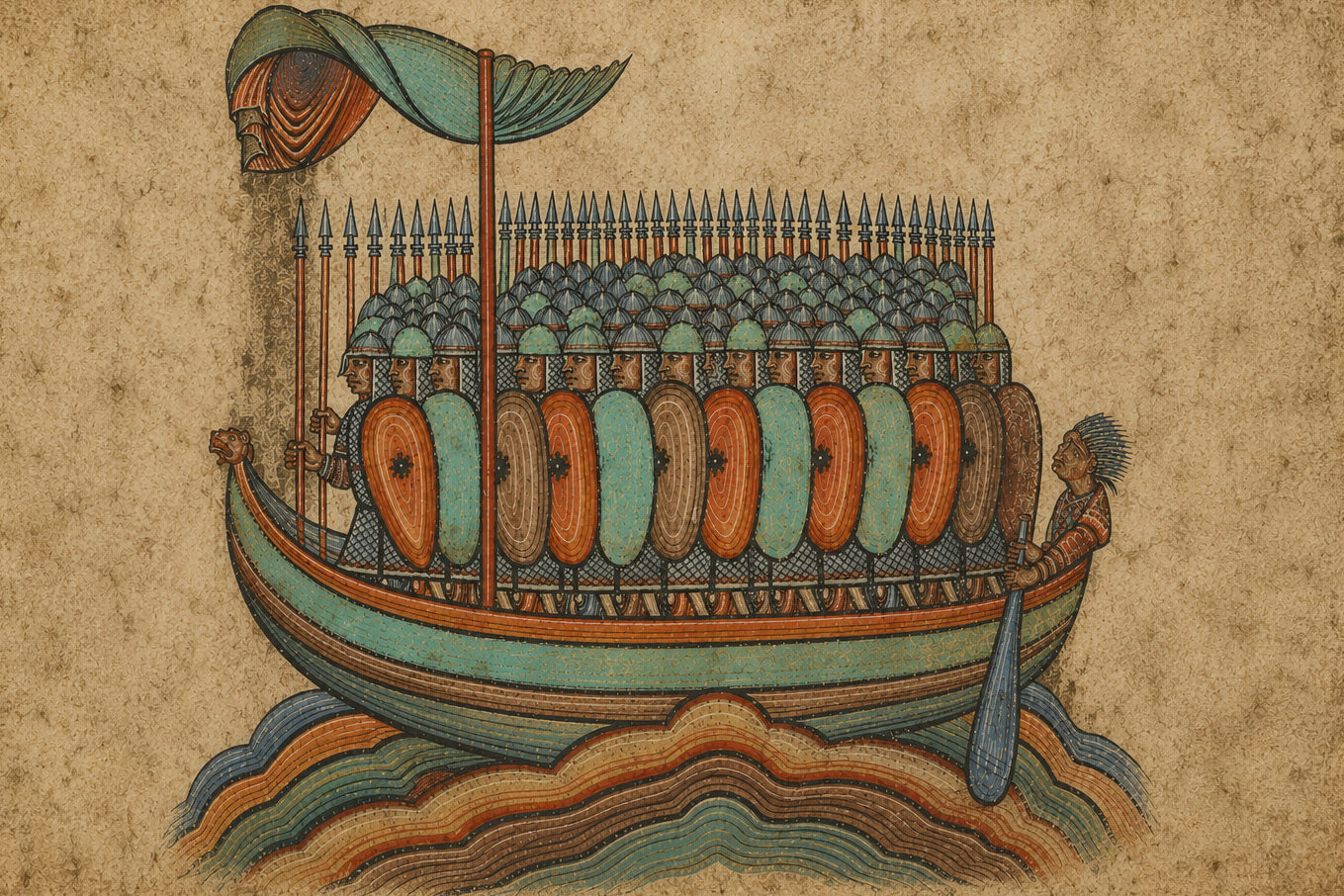
Impressive new research sheds light on the size of the Viking fleets operating in the Atlantic and the Mediterranean between c. 750 and 1100.
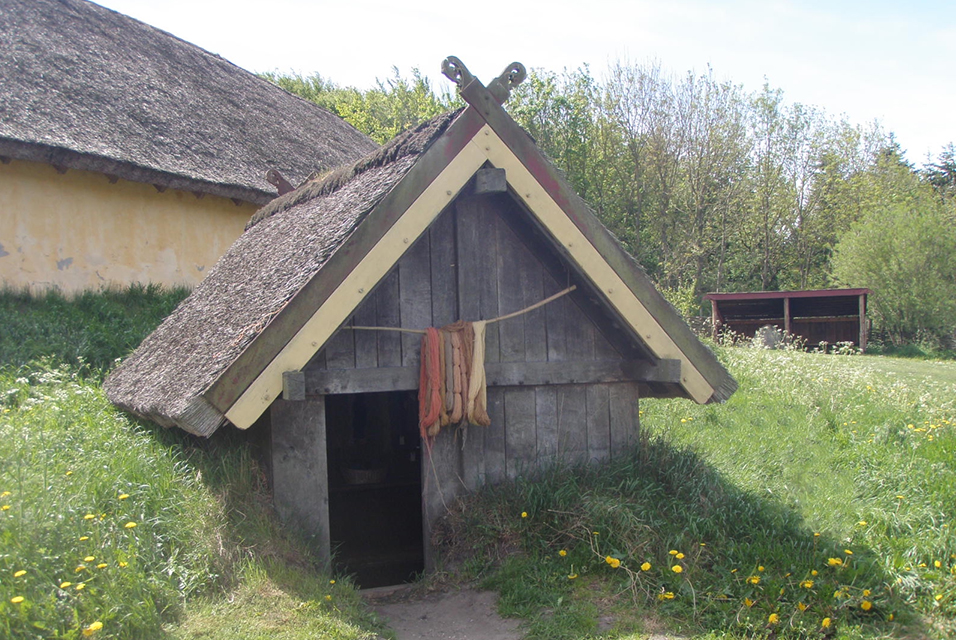
A new excavation at Søften, near Lisbjerg, has revealed an extensive production environment that may have supplied Viking Age Aarhus with textiles and other craft products.
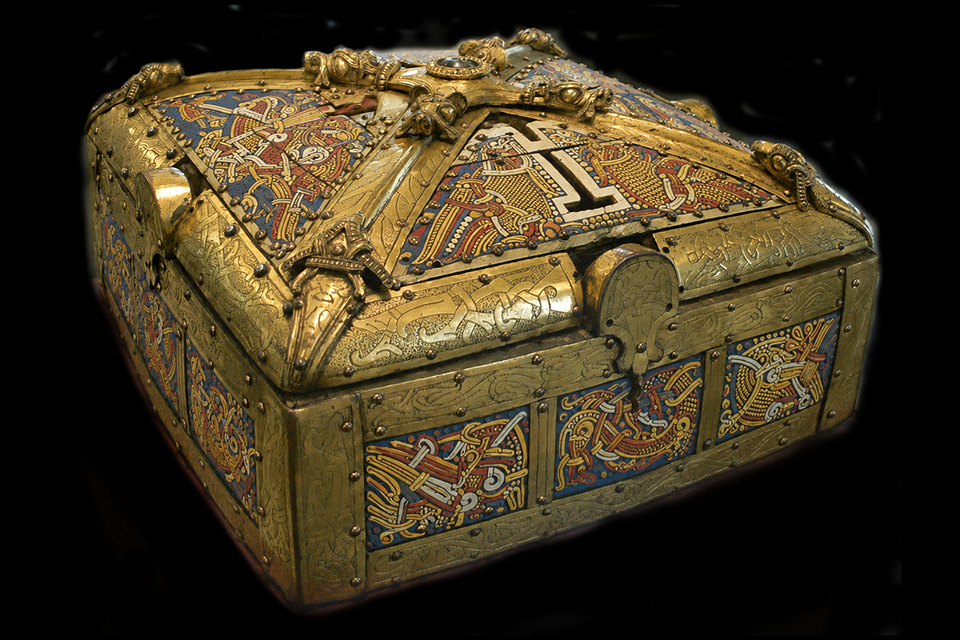
Could the Bamberg Shrine have been a diplomatic gift presented to Otto the Great by the emissaries of the Danish king at Quedlinburg in AD 973?
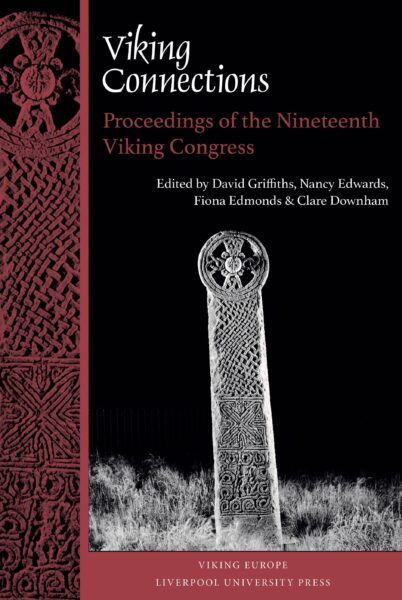 Viking Connections is an edited collection representing the most recent scholarship in the interdisciplinary study of the Viking Age. The 32 papers arise from the Nineteenth Viking Congress which took place in Wales and North-West England in July 2022. They focus on new research from across the Viking World encompassing Archaeology, History, Literature, Language, Place-names, Numismatics, and the History of Art. Themes include Irish Sea connections as well wider connections across the Viking World. There is also a Congress diary.
The title Viking Connections expresses the importance of international networks and long-distance patterns of contact, which underlie both the Viking Age itself and our contemporary community of interdisciplinary scholarship. Contributors include senior academics, early career researchers, and museum and heritage professionals.
The picture that emerges from this volume is of the Viking Age as a vibrant and complex period of movement and change. Highlights include James Graham-Campbell’s survey of the metallic wealth of the Isle of Man, Mark Redknap’s comprehensive account of Viking Age finds in Wales, Orri Vésteinsson’s investigation of the effects that the introduction of large amounts of silver had on Viking Age society, Elizabeth Pierce’s study that tracks the tenth- to twelfth-century Scandinavian presence in eastern Scotland whose evidence suggests substantial trading activity, Søren Sindbæk’s demonstration of how radiocarbon calibration curves, when applied to the fine-meshed stratigraphy of Ribe, suggest a new chronological framework for the beginning of the Viking Age, and Christian Cooijmans’ exploration of the idea of viking camps as not just military barracks, but sites where all aspects of everyday life went on, and which formed the basis of the whole viking phenomenon.
ABOUT THE EDITORS:
Clare Downham is Professor of Medieval History at the University of Liverpool. Her publications include Medieval Ireland (Cambridge University Press 2017) and Medieval Kings of Britain and Ireland: The Dynasty of Ivarr to A.D. 1014 (Liverpool University Press 2007).
Fiona Edmonds is Professor in Regional History, Lancaster University. Her publications include Gaelic Influence in the Northumbrian Kingdom: the Golden Age and the Viking Age (Boydell & Brewer 2019).
Nancy Edwards is Professor Emerita in Medieval Archaeology, Prifysgol Bangor, Bangor University. Her publications include Life in Early Medieval Wales (Oxford University Press 2023).
David Griffiths is Professor of Archaeology, University of Oxford. His publications include Vikings of the Irish Sea (History Press 2010, new edition 2025).
The Norwegian state, Norway, derives from the sailing route along the coast known as the Norðvegr. A recent paper explores this Norðvegr and its maritime mindscape as a lived experience.
What did it feel like to travel long distances in an open, clinker-built Viking boat along the Norwegian coast at the turn of the first millennium, when Cnut the Great ruled north-western Europe from Newfoundland to Sigtuna in Sweden? How did it all hang together? One of the preconditions was, of course, the technology – the Viking ships and boats, their oars, sails and rigging, the hardtack, and all the other paraphernalia involved. However, another was the knowledge of how to make way: the maritime mindscape. In terms of archaeology and literary studies, this is certainly not an unexplored field. An important contribution, however, has been the experimental archaeology carried out since the first recreation of a Viking ship set sail for Chicago in 1893. Most of these voyages have had the character of large-scale enterprises involving reconstructed ships based on the famous larger vessels discovered in Norwegian burial mounds or in the Firth of Roskilde.
Recently, though, experimental voyages have taken on another, and perhaps less spectacular, character: charting and exploring parts of the Norðvegr, which formed part of the via franca of the north-western European realm. What was the feasibility of travelling up and down the Norwegian coast in the small, ordinary, day-to-day clinker-built ships of yesteryear?
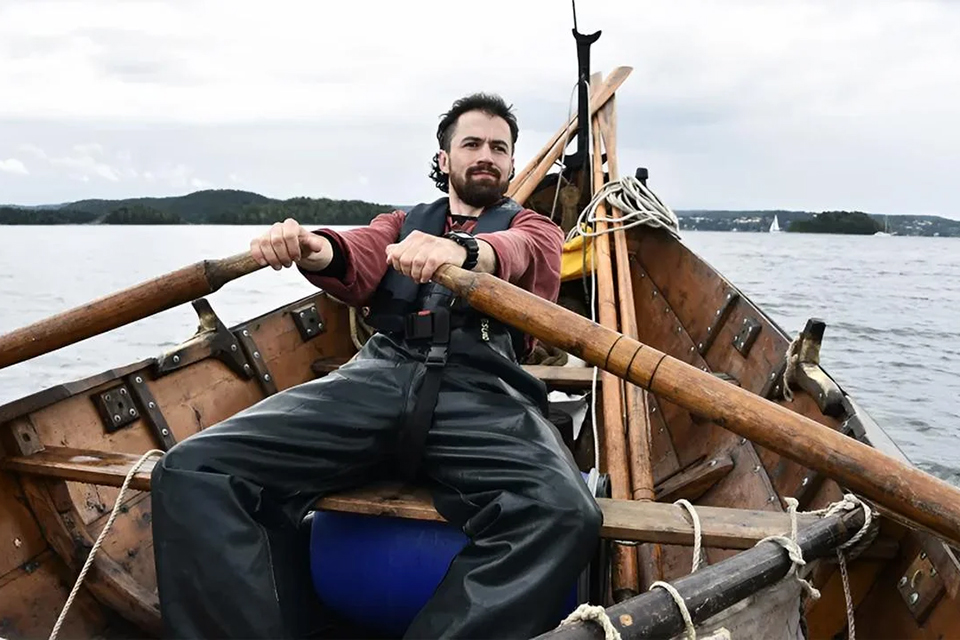
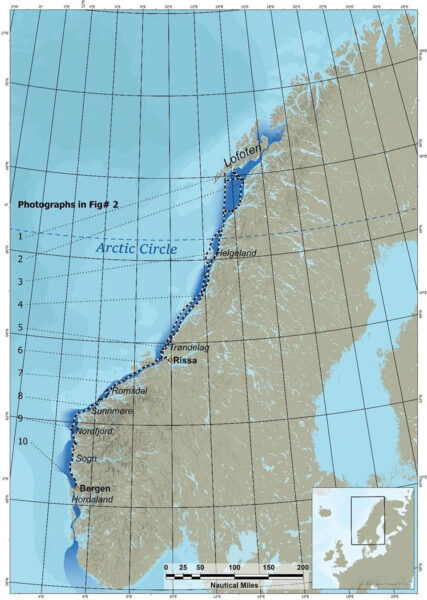
Greer Jarrett and his crew have explored this question “through experimental and ethnographic fieldwork onboard traditional Norwegian boats, focusing on aspects of Viking Age route choice, risk judgement, and the location of possible anchorages and harbours”. The goal has been not only to discover where people travelled, but also, through the identification of small harbours, to reconstruct concrete maritime itineraries along the Norwegian coast. In 2022, the sailing boat – an open, square-rigged clinker vessel modelled on those used during the Viking Age (800–1050 AD) – made a journey from Trondheim to the Arctic Circle. Since then, Jarrett and his team have sailed more than 5,000 km along historic Viking trade routes.
His research suggests that Viking voyages often took place well offshore, challenging earlier assumptions about their navigation methods. Simply put, navigating close to the coast appears to have been more unpredictable, as underwater currents and winds descending from the mountains created more complex sailing conditions. In short, the idea that Viking ships and boats sought to “hug the coast” is a myth. Putting out to sea was, in many cases, a better option. Over time, the Vikings became thoroughly accomplished seafarers. In an earlier study, Jarrett and his colleagues showed that, during the Middle Ages, Greenlanders could use this type of boat to reach remote areas of the Arctic in search of walrus tusks, while interacting with Inuit communities in the High Arctic.
Another conclusion is that the concrete experience of the preferability of the open sea helps to explain the location of the royal manors linked to the sea-king, Harald Fairhair, in Hordaland, which display a marked preference for outlying coastal areas. It may also explain why populations in inner Norway, hit by the climatic downturn after AD 536, moved westwards to the sea rather than maintaining settlements in the interior peninsula.
One result has been the identification of four long-forgotten landing sites awaiting archaeological excavation. It is hoped that they will yield information about jetties, ballast stones, cooking pits, shelters, dung heaps, and other material remains – lost coins, amulets, and so forth.
However, one of the most important results of the research has been the identification of a cultural commonality which Jarrett has termed “the Maritime Mindscape”, or more precisely, “the Maritime Cultural Mindscape”. Put simply, the research has uncovered the practical seamanship underpinning the performance of this Maritime Mindscape, which was shared by people across the north-west and is also reflected in the literature (Jesch 2015), in mental geography (Jackson 2009), and in place-names signifying shipyards and landing sites (Stylegar 2002). Some Icelandic texts, such as Landnámabók, include passages that may be read as straightforward land- and sea-marks, so-called landkenningar.
The research has also shown that navigation was indeed possible – even across the open sea – without technical instruments. Seafarers well versed in this traditional lore would have been highly prized. In this respect, however, the recreated experience can never be entirely precise.
For reasons of safety, one “experience” was not explored: ignoring the weather forecast. Nor was the need to avoid actual Vikings – that is, pirates – part of the agenda. Moreover, relative sea level in 2022 differs from that of 1,200 years ago. Post-glacial land uplift would have resulted in a coastline that today lies approximately 3–5 metres below the level known from AD 1000.
Lund University and Greer Jarrett.
Maritime Mindscapes: using experimental archaeology to reconstruct Viking Age seafaring routes
By Greer Jarrett
In D. Dangvard Pedersen, & J. Hansen (Eds.): Travelling Viking Age: Proceedings of the 40th Interdisciplinary Viking Symposium. Odense, University of Southern Denmark, May 3, 2023 (pp. 8-23).
(Kulturhistoriske studier i centralitet – Archaeological & Historical Studies in Centrality; Vol. 11). Forskningscenter: Centrum – Museum Odense – University Press of Southern Denmark
The lore of the leið: Tracking Viking Age voyages through traditional seafaring.
By Greer Jarrett
Acta Archaeologica Lundensia Series Altera in 8°, No 77
Doctoral Thesis (compilation), Department of Archaeology and Ancient
History, Lund University (2025).
From the Masthead to the Map: An Experimental and Digital Approach to Viking Age Seafaring Itineraries.
By Greer Jarrett
Journal of Archaeological Method Theory 32, 42.
The Threatening Wave: Norse Poetry and the Scottish Isles
By Janet Jesch
In: Barrett, J.H., Gibbon, S.J. (Eds.), Maritime Societies of the Viking and Medieval World. Routledge (2015)
Leeds, pp. 320–332.
Place-names as evidence for ancient maritime culture in Norway
By Frans-Arne H Stylegar
Årbok Norsk Sjøfartsmuseum 2002, pp 79-115
Ways on the “mental map” of medieval Scandinavians,
By T. N. Jackson
in: Heizmann, W., Böldl, K., Beck, H., Schier, K. (Eds.), Analecta Septentrionalia: Beiträge Zur Nordgermanischen Kultur- Und Literaturgeschichte. De Gruyter, Berlin, pp. 211–220.
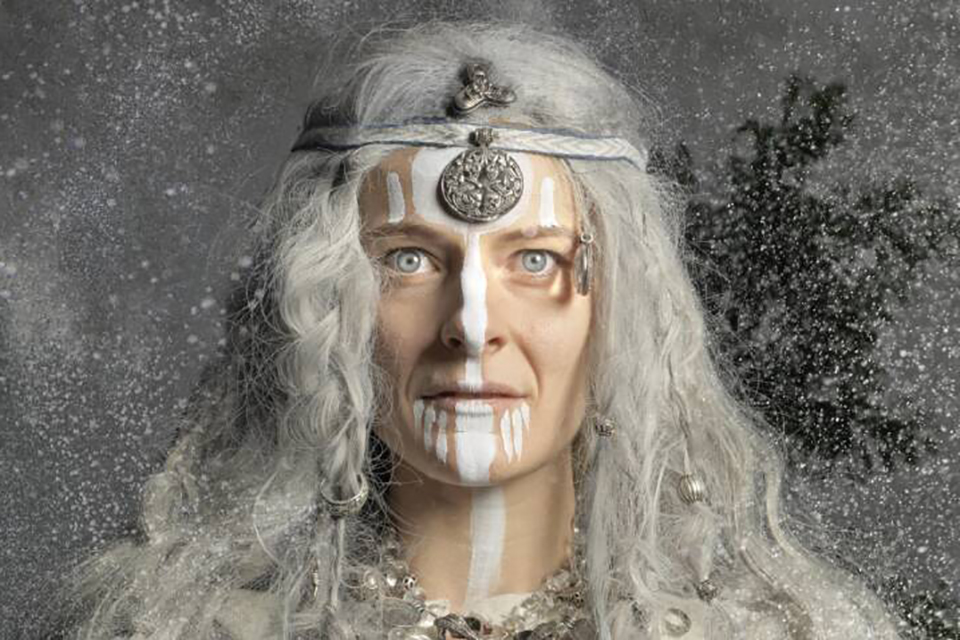
How should we imagine the lives of Viking women? And in what way – if any – did their lives change with the introduction of Christianity? Did the conversion entail limitations? Or did it create new possibilities for women in terms of equality? For instance, concerning intellectual possibilities inside religious communities?
These questions have been debated in the last 40 years, since the seminal book published by Judith Jesch in 1991, which was based on her research in the 1980s.
In recent years, however, a new archaeological focus has been observed in Viking Studies research on women. This trend took off in 2013, with Gardela’s initial work on “warrior-women” culminating in his book published in 2021. His work followed the footsteps of the research published in 2017, which led to the 2019 publication in Antiquity on reassessing the Viking Warrior women in the Birka grave BJ. 581.
During the summer of 2024, scholars and graduate students gathered in Liverpool in the UK to take stock, exploring questions of identity, gender, status, migrations, settlements, emotions and consciousness, as well as the lived experience as evidenced by archaeology and anthropology.
One conclusion was that “age” appeared more critical than “gender” when mapping status as witnessed by grave goods. However, assemblies of grave goods did indeed signal gender. Another venue explored was based on studies of women’s histories as witnessed in Runic Stones, not least the story of the Danish Queen Thyra, which Danish archaeologists and runologists have recently studied. Following this, the question of how to avoid cultural myopia, for instance, when identifying male rods as “spires” or “sceptres” signalling juridic power as opposed to female rods, which are habitually identified as staffs, signalling otherworldly or religious capabilities.
Finally, the conference explored new ways of reading the Icelandic Corpus of texts to grasp women’s emotional and political realities when dealing with the everyday experience of making a living. One particular effort was represented by papers exploring the normative systems and the space allotted for emotional and practical transgressions in these texts.
“If the conference aimed to provide an arena for the exchange of ideas between disciplines about recent and currently ongoing research projects within Viking Studies, it was most definitely a success. The presenters showed the relevance of prioritizing the study of the women in the Viking world, both in their lived experiences, as evidenced by the archaeological studies, and in the literary representation and depiction of women. Whether this divide itself is possible to bridge cannot be resolved so easily, and the conference hopefully spurs further attempts to engender clarifying research into these areas”, writes Kim Bergqvist from Stockholm University in a fine overview of the conference in a recent issue of Scandia.
Ane Halsboe-Jørgensen, current minister for Cultur & Church posing as “Vølve”. The Photo was taken as part of series of ten portraits by the artist Jens Lyngvild as part of an exhibition at Køge Museum , Vølver, Guld og Guder / © Jens Lyngvild
Women in the Viking World. Conference report from the University of Liverpool (27. – 28. August 2024)
Ed by Kim Bergquist
In: Scandia. Journal of Medieval Norse Studies (2024) No 7
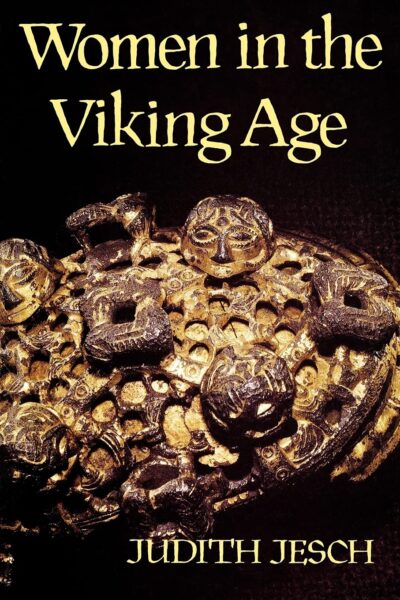
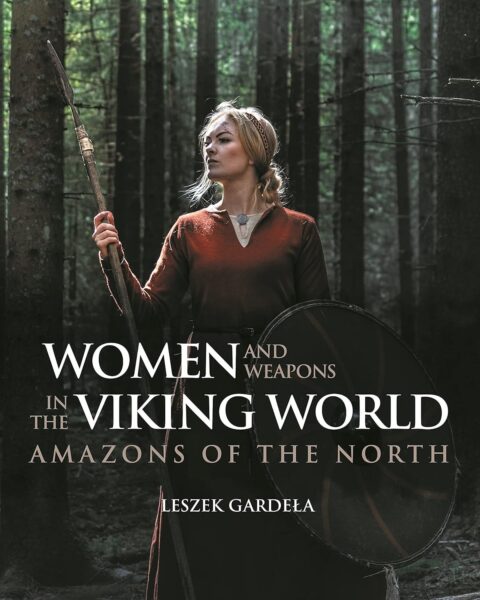
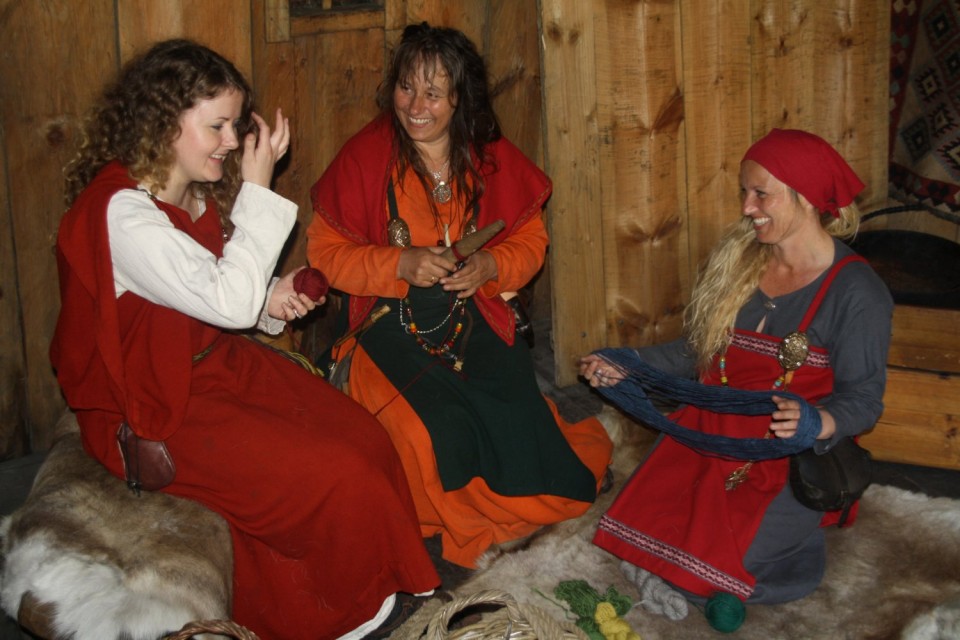
The value of experimental archaeology is well-known. But what about reenactment? What kind of insights may be collected? New studies of the Viking Scene offer a better understanding
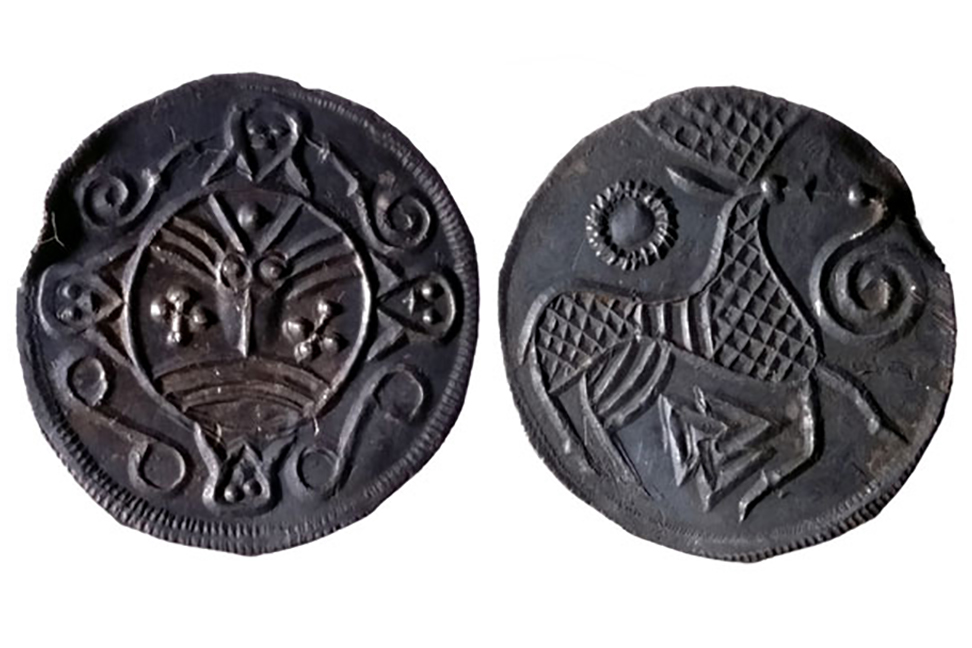
By mapping historical and archaeological evidence of Viking activity c. 793 - 920, a thesis lays bare a new history of the Early Viking age’s geopolitical landscape
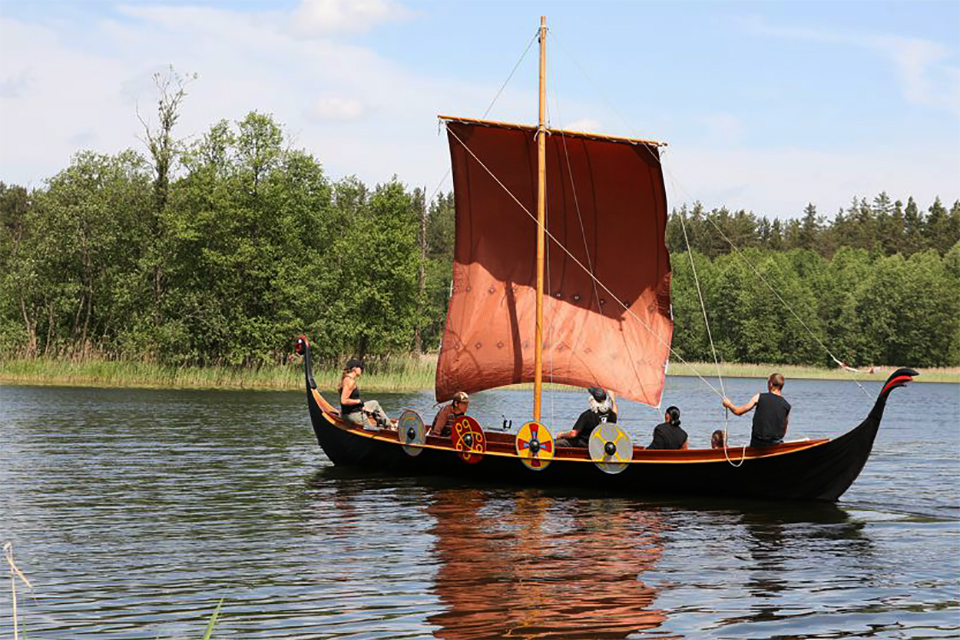
In the middle of the 9th century, Vikings sailed up the major European sacking and robbing monasteries. One such raid went up the river Rhine and reached Xanten in 864. The annals of Xanten provides us with a lively story
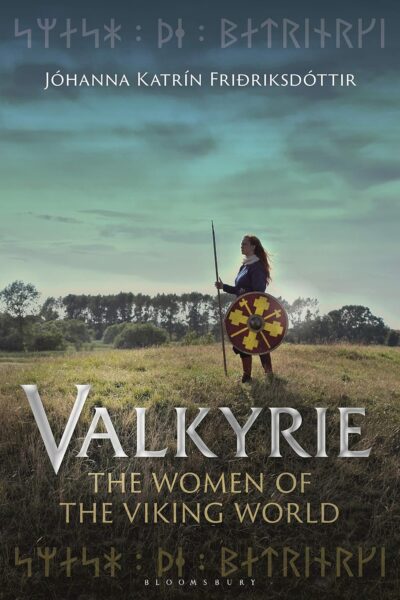
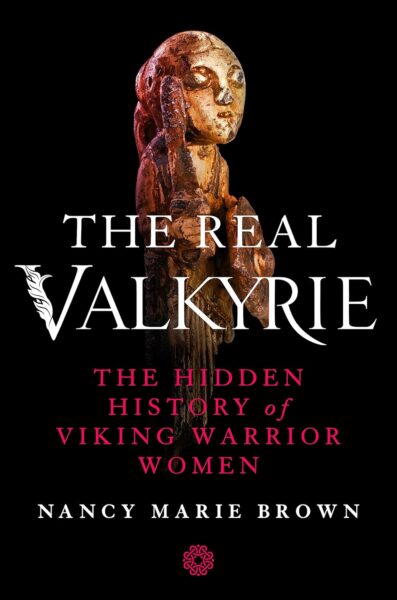
In the Old Norse poem “Darraðarljoð” from Njál’s Saga we hear of the Valkyries—Óðin’s female warrior spirits—weaving the cloth of history and deciding the fates of men and nations. New book explores the very real and practical role of women played in the North Atlantic culture and economy
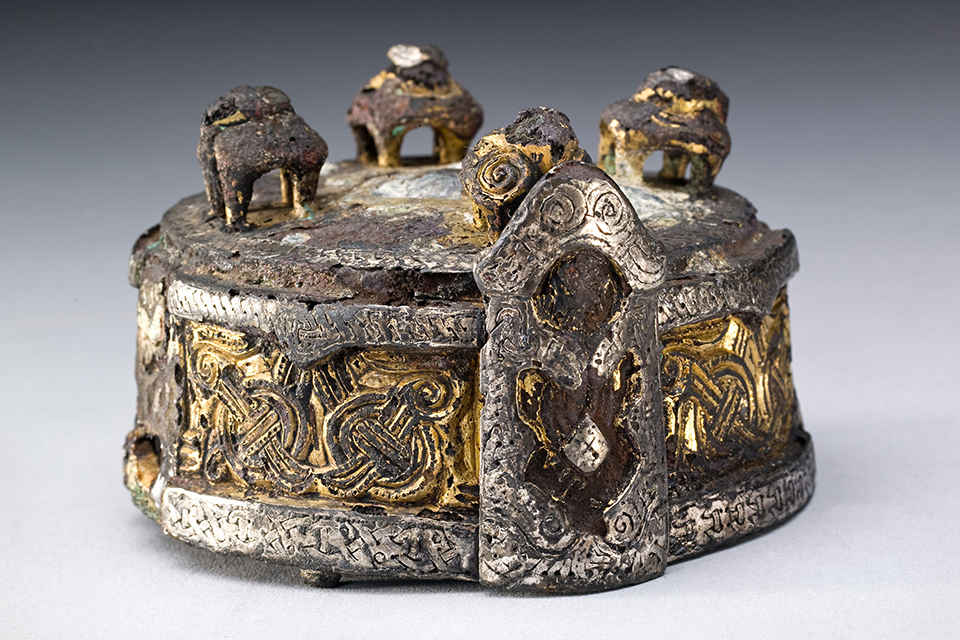
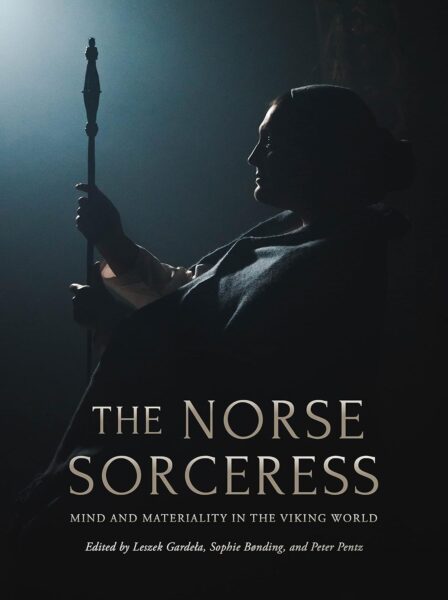
Old Norse literature offers us a handful of strange and disturbing poems. One of these, the Völuspa, continues to haunt even modern-day readers by lifting the veil to a strange world where women held their own. A new book out in May explores this world in depth

Strontium analyses of cremated remains of a Viking and his hound and horse demonstrate he arrived from Norway or Sweden accompanied by his animals.