


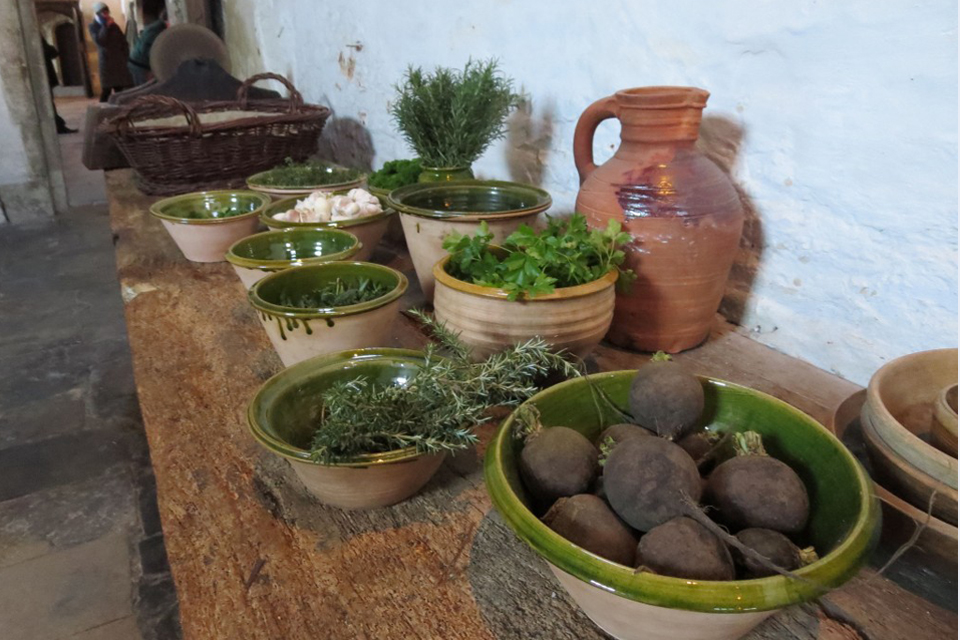
Ever so often we stumble on some minor medieval news which do not merit a full article, but nevertheless, deserve a short notice.
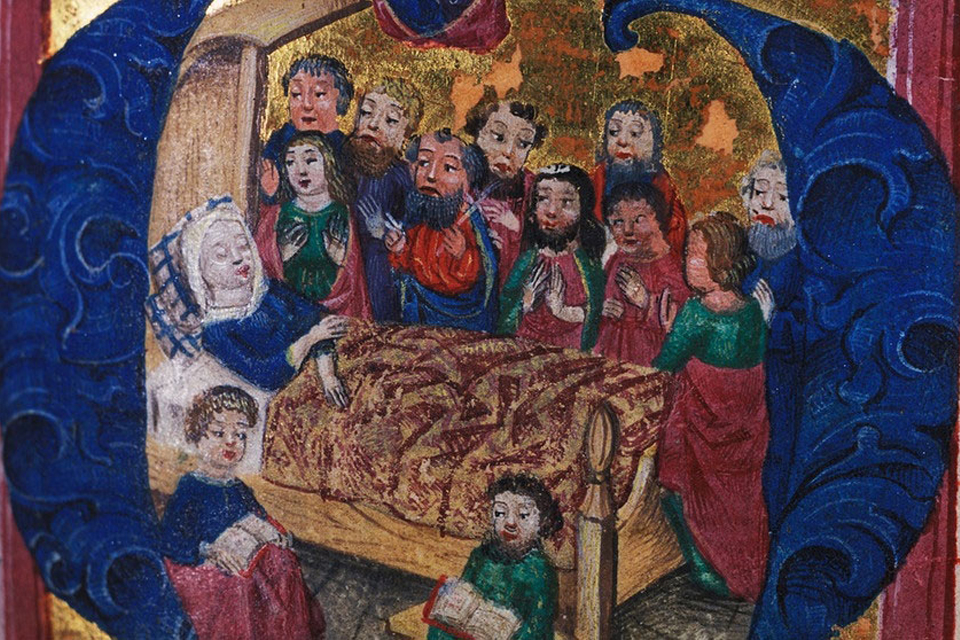
“It’s a great victory for scholarship,” said Volker Schier, a Bridgettine scholar and researcher at the Catholic University Leuven, in Belgium, who was one of the instigators of the petition.
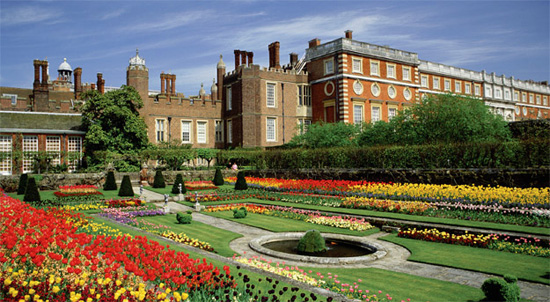
The earliest days of the palace are relatively obscure, overshadowed by the site’s better-known royal history, and the exact date of its foundation is unknown, but an agricultural estate appears to have existed there by at least 1086. The early medieval manor was then leased by Sir Giles Daubeney – Lord Chamberlain to Henry VII – in 1494, and he subsequently updated the buildings, including adding a kitchen next to the hall. After Daubeney’s death, Thomas Wolsey leased the manor in 1514, launching a grand refurbishment and converting it into a magnificent palace – the birth of the complex’s more famous phase. One of the finds consists of the remains of a kitchen constructed in the 15th century.
Save
Save
Save
Save
Save
Save
Save
Save
Save
Save
Save
Save
Save
Save
Save
Save
Save
Save
Save
Save
Save
Save
Save
Save
Save
Save
Save
Save
Save
Save
Save
Save
Save
Save
Save
Save


