


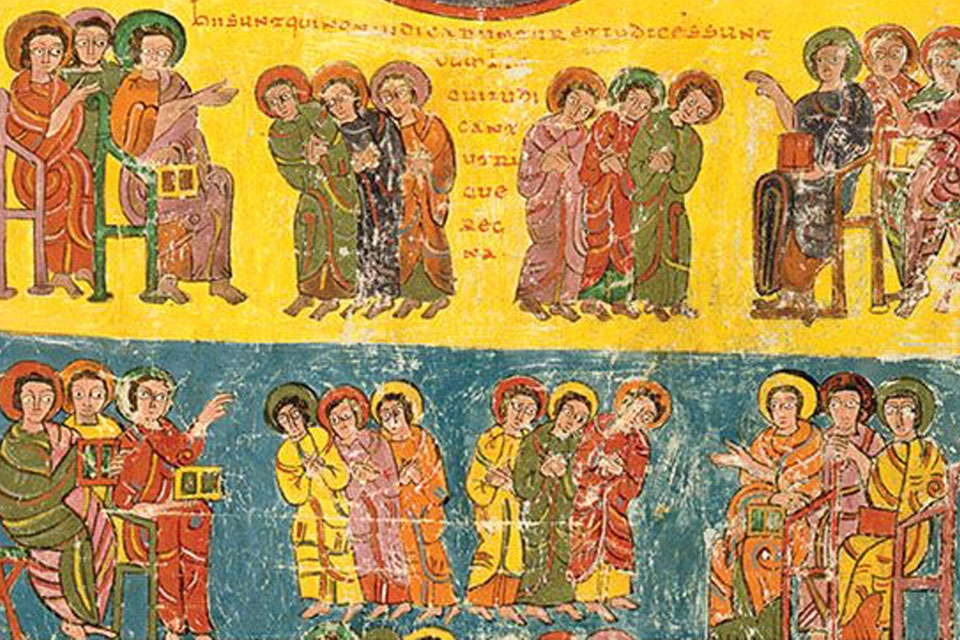
Northern Iberia at the end of the first millenium is a fascinating subject. At the cusp of the crusades it offers a window into a contested time period, when the Muslims retracted and the Christians conquered the South. New book offers a study of the kind of society which inherited the Late Roman Past
Windows on Justice in Northern Iberia, 800–1000
By Wendy Davies
Routledge 2019
ABSTRACT

What is interesting, in the wider European context, is that some of the so-called characteristics of the Carolingian world – the public court, collective judgment – are as characteristic of the Iberian world. The suggestion that they disappeared in the Frankish world, to be replaced by ‘private’ mechanisms, has played a major role in debates about the changing nature of power in the central middle ages: what happened in judicial courts has been central to the grand narratives of Duby and successive historians, for they are a powerful lens into the very real issues of politics and power. Looking at the practice of judicial courts in Europe west of Frankia allows us to think again about the nature of the public; identifying all the records of that practice allows us to adjust the balance between monastic and lay activity. What these show is that peasants, like other lay people, used the courts to seek redress and gain advantages.
ABOUT THE AUTHOR:
Wendy Davies, FBA, is Professor Emerita of History at University College London, UK


