


Materiality plays a vital role in cultivating, shaping and directing religious emotions. Symposium in Australia explores the affective relationship between religious materiality and emotions from the Middle Ages to present day
Religious Materiality and Emotion
The Centre for the History of Emotions, The University of Adelaide at the Majestic Roof Garden Hotel, Adelaide City
16.02.2016 – 18.02.2016
Call for Papers: 31 October 2015
Notification of Acceptance: 15 November 2015
Symposium organisers and enquiries: Dr Claire Walker, The University of Adelaide and Julie Hotchin, Australian National University.
KEY SPEAKERS:
Professor Monique Scheer, University of Tübingen
Professor Miri Rubin, Queen Mary University of London
Charles Zika, The University of Melbourne.
CALL FOR PAPERS:
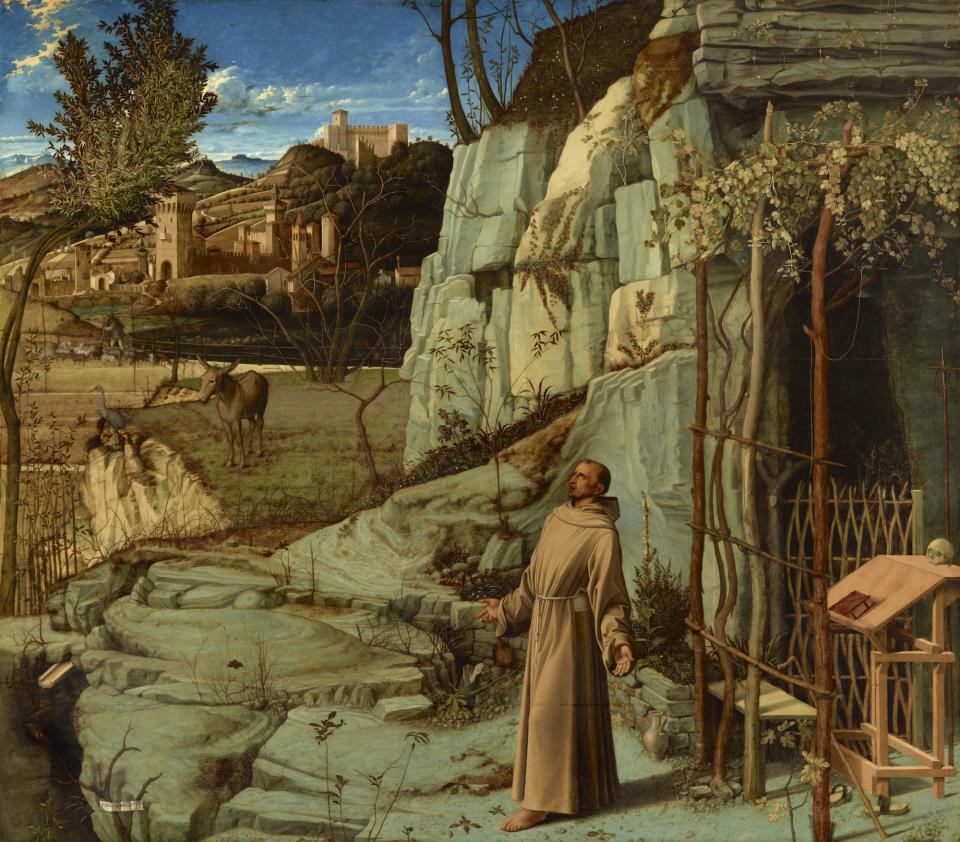
Materiality plays a vital role in cultivating, shaping and directing religious emotions. Pilgrimage and public ritual, private devotional practices, the use of space and settings in which religious activities take place, and bodily posture and movement all arouse, shape and direct religious feelings. The recent critical interest in the role of material culture in religion has been paralleled by the attention in emotions studies to the exploration of affective relationships between beings and things, and the role of the material in eliciting emotional responses. Yet the interplay between materiality and emotions in religion has received less attention, especially within an historical context.
This symposium will integrate these strands of research by exploring the ways in which the material – such as objects, space, the body and sensory perception – stimulated, shaped and informed the emotional dimensions of religion.
We invite abstracts for papers (20 minutes in length) that address the relationship between religion, materiality and emotion within a European context between 1200 and the present day. Papers that address the symposium theme from non-Christian traditions would be particularly welcome. Within the broader conference theme potential and welcome areas of inquiry may be, but are not limited to:
- how religious imagery conveyed emotional messages and desired emotional dispositions
- how objects, embodied practices and space were used to convey, amplify, transmit or diminish emotions within religious settings
- the role of the material in generating religious identities and emotional communities
- the dynamics between the material and emotions in encounters between adherents to different religions, religious conflicts or conversion
- exploring relationships between particular objects or practices, and individual and collective religious emotions
- how assumptions of gender inform interactions with religious objects and shape devotional practices and the emotions they arouse
- the interplay between the material and emotions in power relations
- the appropriation of religious imagery or objects by political regimes to mobilise and direct specific emotions
- the role of the senses of cultivating religious feelings. Which senses were privileged and which diminished, and how did this affect the nature of emotional experience?
- the emotions associated with the rejection of the material through renunciation or asceticism.
Abstracts of no more than 300 words, and a short biography, should be emailed to both Julie Hotchin, and Claire Walker by the deadline of the 31 October 2015. Questions or queries can also be addressed to the above.
PRACTICALITIES:
The symposium will start on the eve of Tuesday 16 February with a Public Lecture, and will run on Wednesday 17 and Thursday 18 February 2016.
A registration fee of AU$100 will include a conference pack, lunch, and morning and afternoon tea on 17 and 18 February. Postgraduate students will receive a discounted rate. There will also be a symposium dinner on 17 February. Details of the venue and cost of the dinner will be provided closer to the event.
FEATURED PHOTO:
Gentile Bellini, 1496, Procession in St. Mark’s Square Tempera on canvas. Courtesy of Wikimedia Commons


