


The roots of the knighting ritual can be found in the 11th century. The evidence points to a set of rituals developed in the triangle of Normandy, Flandern and France and dedicated to mark the coming of age of young men brought up in the households of mighty lords.
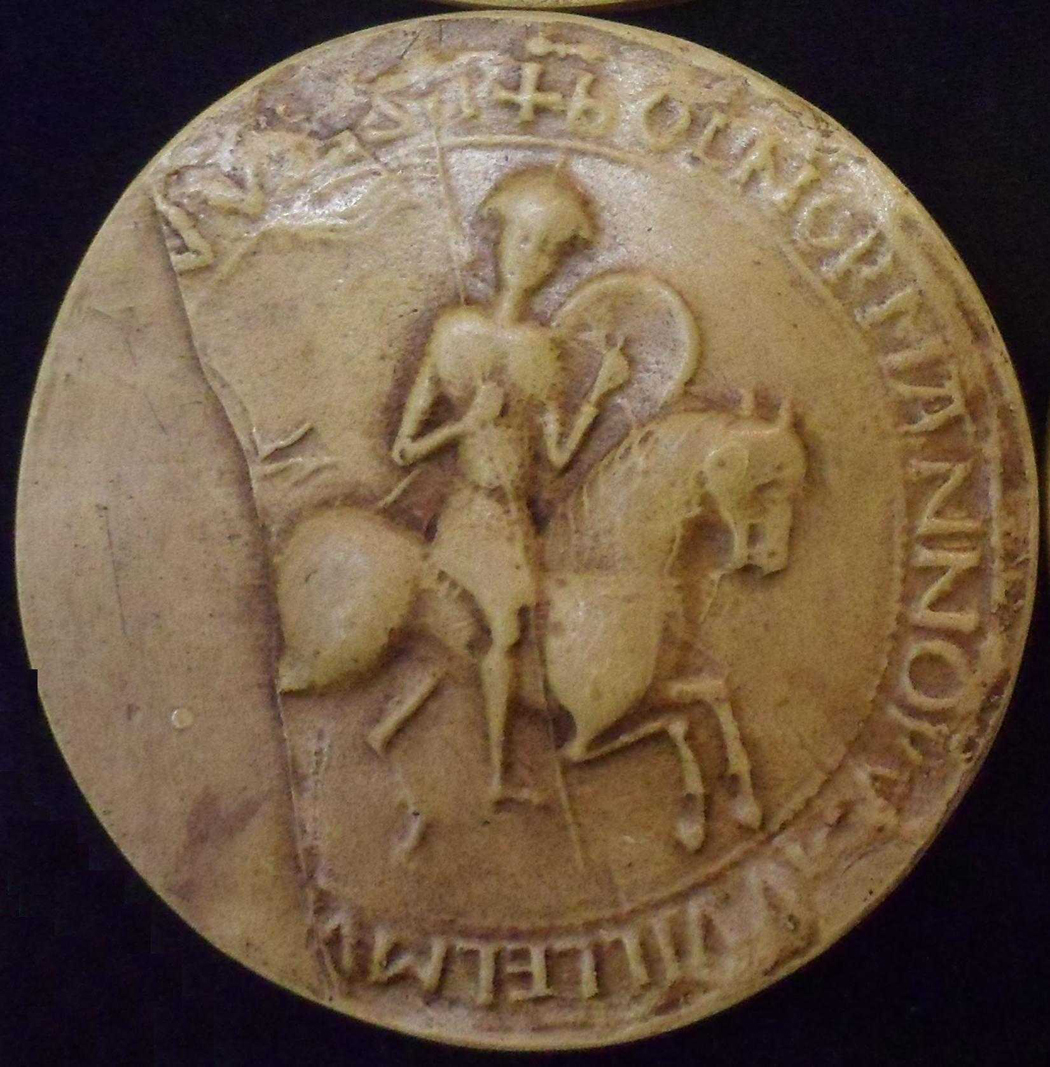
We think we know how a knight came to be and what elaborate religiously inspired ritual, he had to undergo in the process. We also think we know that knights per definition were noble and members of a select brotherhood. And we believe we know that a special ethos came to characterise medieval knights as the idea of chivalry developed in the 12th century.
Nevertheless, medievalists have long tried to explain how the reality behind this ideal-type myth and the accompanying stories was much more complex and full of nuances than generally believed. As of now there is a considerable literature trying to come to grips with what chivalry really meant in different contexts and at different times. It seems, all that was solid has melted into thin air in the last 40 years.
However, a better understanding of how this institution came about has until now been more sketchy. One reason is that it is not that easy to cover a field, where historical research is not enough. To grapple with the question of how chivalry came about and what it might mean, demands more of a scholar than mere text-plodding. You need to be well-versed in philology, text-analysis, literary theory, and historical anthropology as well. One challenge is simply that knightings – however we should understand them – went on for centuries and were described in a very wide variety of texts and languages. But if we could get a firmer grasp on when and how it all came about, we might get a clearer understating of the phenomena than post-modernity seems to have been able to present to us.
In a number of recent articles, Max Lieberman from Bern University, aims to do exactly that. In his work he demonstrates his ability to juggle these different theoretical approaches and succeeds in shedding new light on how it all came about.
In his latest article he examines six very early texts about “knighting” and by asking two sets of questions, the first of which focus on what really went on in these six texts (more of those below). The second goal is to explore to what extent these early cases of “dubbing” might be considered necessary rituals, that is performative ritualised “speech-acts” designed to assign a new status to the “knight”. Behind this lingers of course the question of whether a knight was primarily a “heavy cavalryman”, a member of a landed stratum below barons, but more exalted than ordinary freemen, or “a specially ordained person”, ritually set apart from friends and foes not so dubbed.
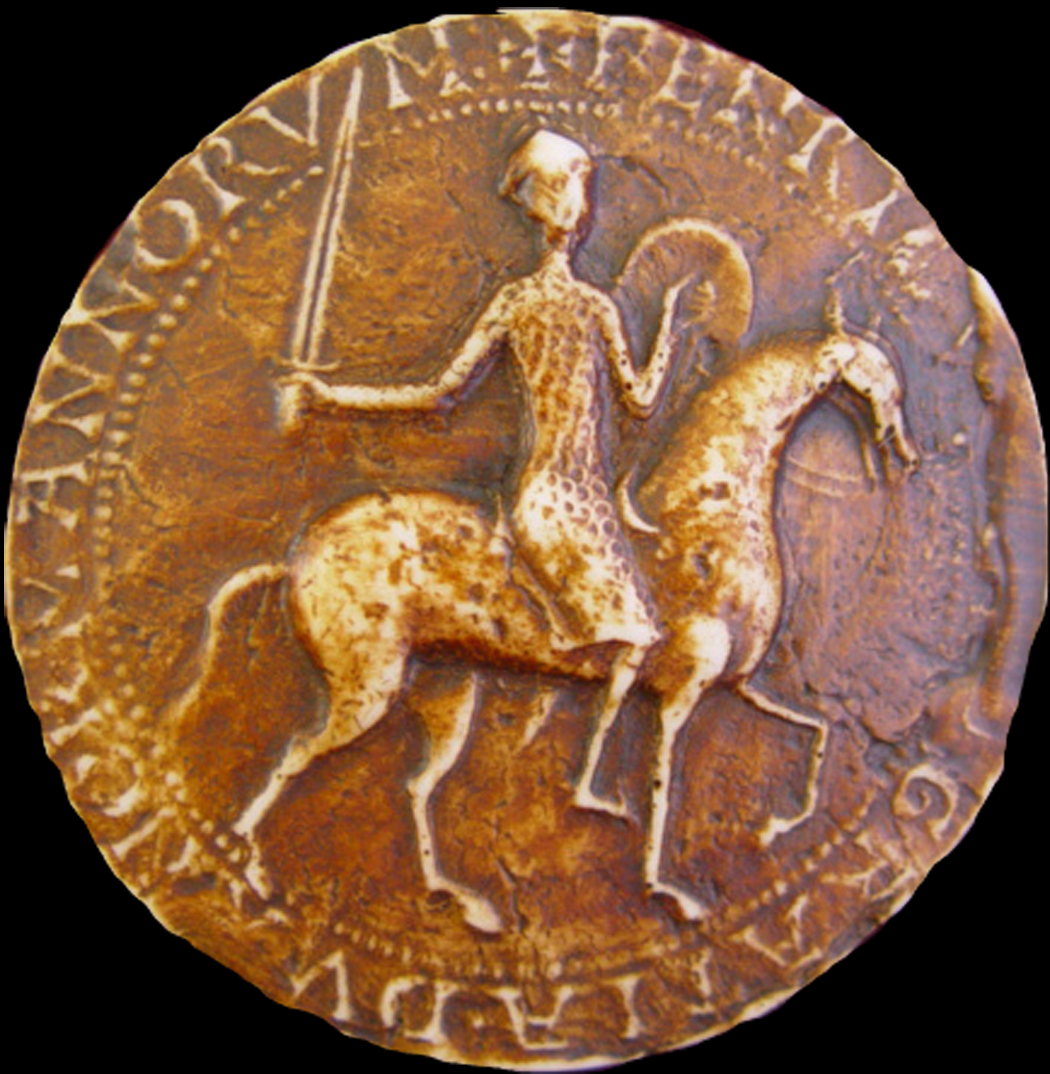
The six texts are [1]:
- AD 1040 – 45 William the Conqueror took arms (arma militaria summit) according to William of Poitiers writing 1071 – 77. A later text by William of Malmesbury after 1126 says that William the Conqueror accepted military insignia from the French King (militia insignia a rege Francorum iccipiens)
- AD 1060 Fulk IV Le Réchin of Anjou was made a “miles” by his uncle Geoffrey Martel at Angers (nepotem suum ornavit in militem) From: fragment of family chronicle of Fulk le Réchin † 1109.)
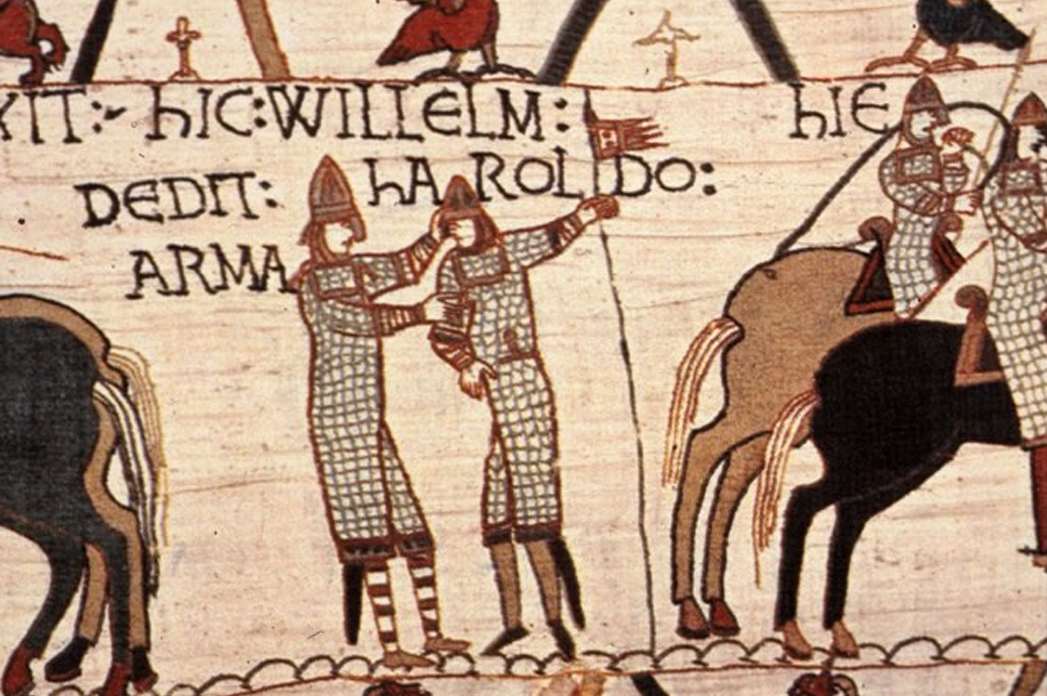
- AD 1064 William of Normandy gave arms to Harold (Hic: Willem: dedit: Haroldo: Arma) From: Bayeux Tapestry, scene 19
- AD 1060 – 70 Philip, son of Henri I of France, was distinguished with arms by Baldwin VI, Count of Flanders (regalis militiae armis) Quoted in charter given by Baldwin II.
- AD 1086 Henry, son of William was “dubbed… to ridere” ( at Westminster (Anglo-Saxon Chronicle)
- AD 1098 Louis (the son of the French king and the future Louis VI) was decorated and honoured with “arma militaria” and promorted and ordained to “militia (debeo Ludovicum regis filium armis militaribus adornare et honorare, et ad militium promovere et ordinare). From a letter by Guy de Pontieu – who is to do the act – inviting the bishop of Arras to come to Abbeville to “come and honour that same Louis”.
By working carefully through these texts, Lieberman is able to conclude that the evidence suggests that “symbolic deliveries of arms” apparently did take place in courtly settings as early as the 11th century and that they were designed to mark a young mans entry into manhood. He further argues, that it is highly likely that the arms consisted of a full set of weapons fitting the young man out as a mounted cavalryman. The text from the Anglo-Saxon Chronicle may suggest this. However, unspecified arms might also just be given as gifts like those Harold was gifted with in the scene in the tapestry (it is highly unlikely to understand this scene as part of a process whereby William takes Harold as a vassal. He is obviously fitting Harold with a helmet, not slapping him).
A much more complicated question is, though, what status these young men acquired, when they received their “arms”. “Miles” was a “polysemic and richly evocative” expression already before 1100, writes Lieberman. However, in his opinion the six bits of text does suggest that what took place were indeed constitutive knightings – “that it was possible to be knighted, even before 1100”.
But was it constitutive knighting – in the sense that the young men became “knights” as the result of a performative ritual? Yes, answers Lieberman: There was a type of arms-gift and this was linked to the creation of knights out of young persons, who grew up in the household of a lord.
In all likelihood, he writes, knighting in a developed sense took place before 1100. Through this ritual, young men recruited from the elite were lifted into a distinct brotherhood of fighters on horseback. Thus, it does not make sense to argue that “the knights” rose over the course of the 12th century. Perhaps even the chivalric ethos was already widely accepted as early as the 11th century.
Highly interesting…
[1] See article for links to the relevant sources and the full texts with their translation.
SOURCES:
A New Approach to the Knighting Ritual
By Max Lieberman
In: Speculum 2015 Vol 90: 2, pp. 391-423
Knighthood and Chivalry in the Histories of the Norman Dukes: Dudo and Benoît.
In: Anglo-Norman Studies (former: Proceedings of the Battle Conference) 2009, pp.129 – 183
ABOUT THE AUTHOR:
Max Lieberman is a post-doctoral researcher at the University of Berne, Switzerland


