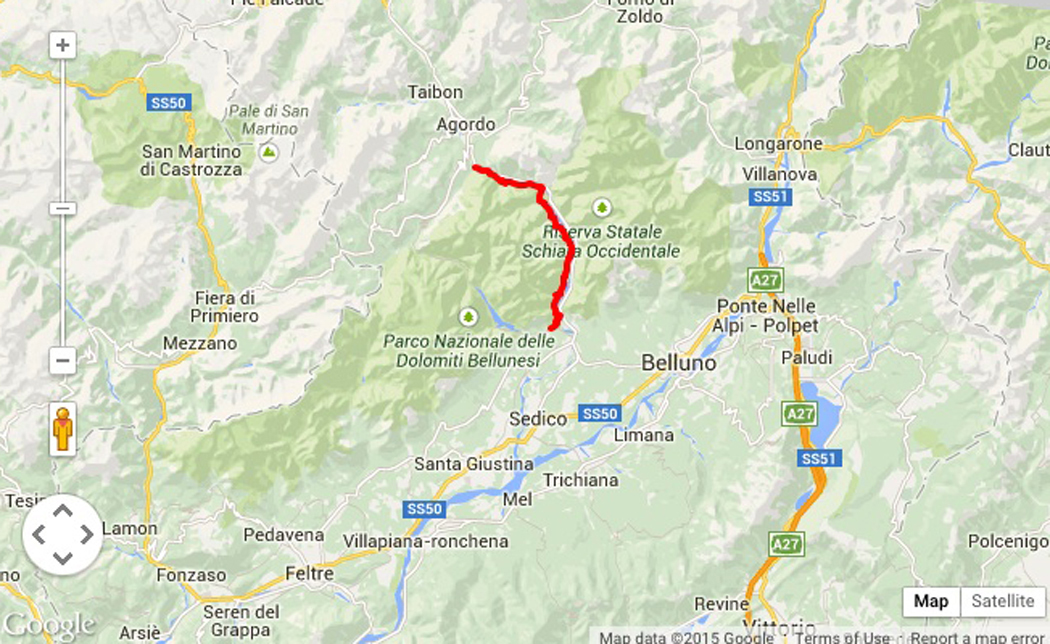
This is not a walk for the fainthearted. However, if you embark on the trail, chances are you will get a real sense of what it was to pass through the mountains from medieval Germany and into Italy as a medieval pilgrim.

The walk traces the path along the river Cordevole, which links Agordo and the Valbelluna region in the Dolomites. The river meanders its way through a narrow corridor, deeply cut into the rocks with steep mountains rising on both sides.
The modern trail begins at Certoso di Vedana – the Vedana Charterhouse. Founded in the 15th century by Carthusian monks it became the headquarter for the numerous inns and hospices, which catered for pilgrims at San Gottardo, Candaten, Agre and elsewhere along the route. The Certoso di Vedana is a monastery located app. 500 meters from the hospice of San Marco in San Gottardo. The monastery itself cannot be visited. Today it houses a small community of Carthusian nuns.
The itinerary in question alternates between easy stretches on dirt roads and narrow paths halfway up the mountain, that may be a bit more challenging. Occasionally you will be exposed to passages, which demand special attention. The walk should be avoided during the winter due to the presence of slippery snow.
Agri and Candatèn

Apart from the nature (which is beautiful) the main sights are of course the two medieval hospices along the trail. Unfortunately they are no longer “open for business”. Both are used by the administration of the National Park, but if you volunteer for a summer’s work in the park, you may stay at the one in Agre.
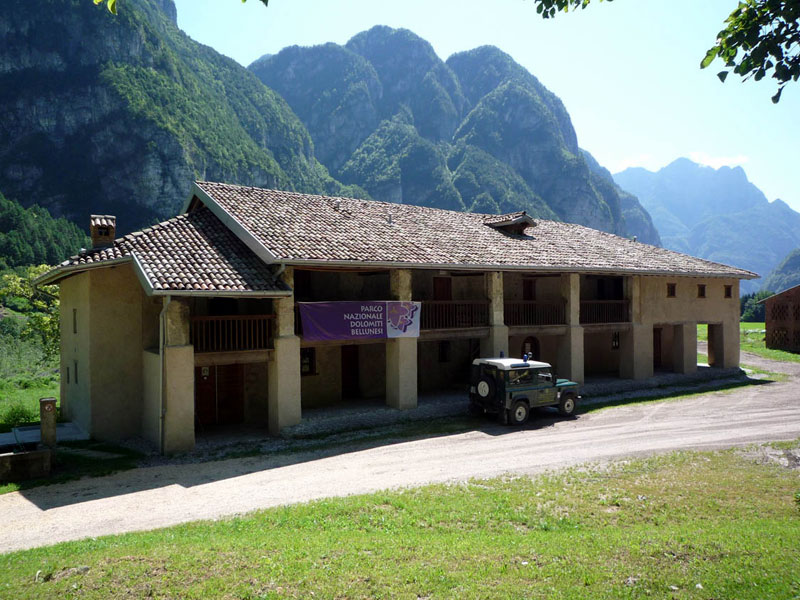
Candatèn is the better preserved. It was probably founded some time in the 12th century by the Count of Ceneda (or perhaps his daughter). It consists of three buildings arranged around a courtyard and with the small oratory at the back to the south. The main building, where pilgrims might stay, is built in the manner of the rural architecture of the region, with a portico below and an open wooden gallery. In front there is a nice picnic area with a bar and a shop, which sells local produce and specialities, beans from Lamon, honey and a local variety of barley, which is perfect for soups.
Agre was probably founded at the same time and has a small oratory or church at the South, which is dedicated to Mary Magdalen.
Copper Mining
The trail ends at the Miniere di Valle Imperina – the disused copper mines. The first certain historical record of mining in the Valle Imperina dates back to the first years of the 15th century, when Venice funded a concession for the mining of copper. However, it is believed that mining already began in pre-roman times. The mines closed in 1962.
At the Imperina there is a modern Hostel with a restaurant and as the walk takes a whole day, it is suggested you stay there for the night. The next day the DolomitiBus can take you back to San Gottardo, if you happen to have left a car there.
READ MORE:
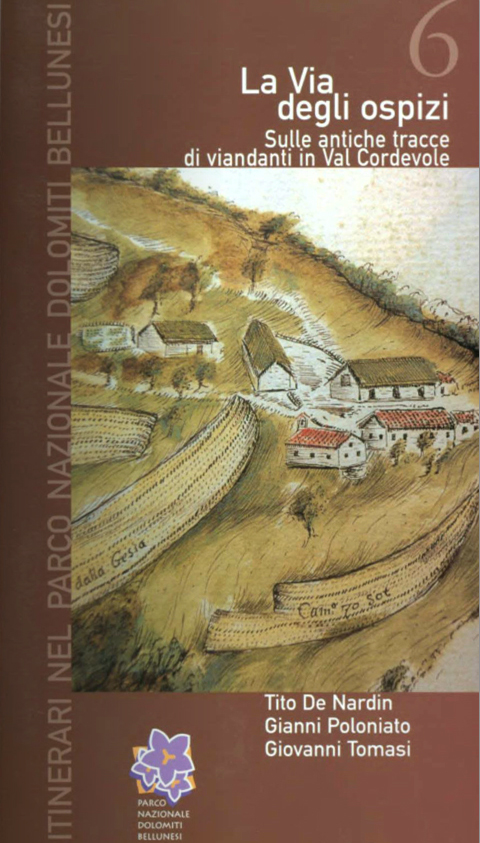
Ed. by di T. De Nardin, G. Poloniato, G. Tomasi.
Collana: Itinerari nel Parco Nazionale Dolomiti Bellunesi n. 6.
Description:
Length: 17.6 km
Elevation: 775 m
Difference in height: 330 m
Difficulties: medium
Time: 6 hours