The Abbey of Viboldone is lies in the province of Milan in Northern Italy. It was founded in 1176 by the Humiliate, in the beginning a lay fraternity akin to the early Franciscans.
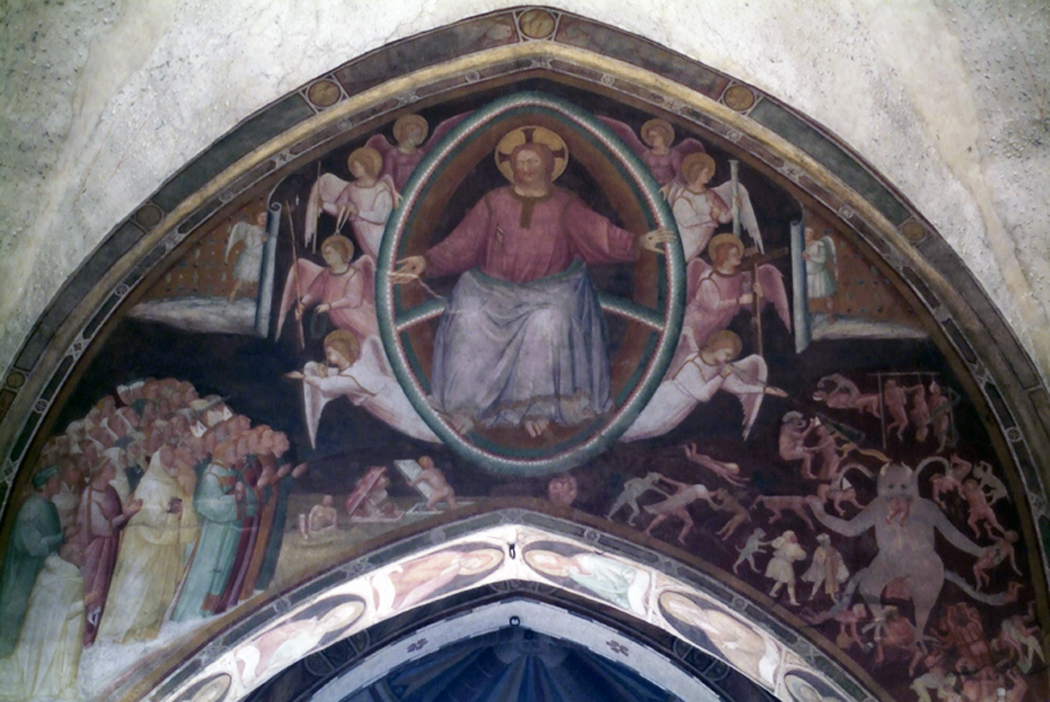
The Abbey of Viboldone is lies in the province of Milan in Northern Italy. It was founded in 1176 by the Humiliate, in the beginning a lay fraternity akin to the early Franciscans.
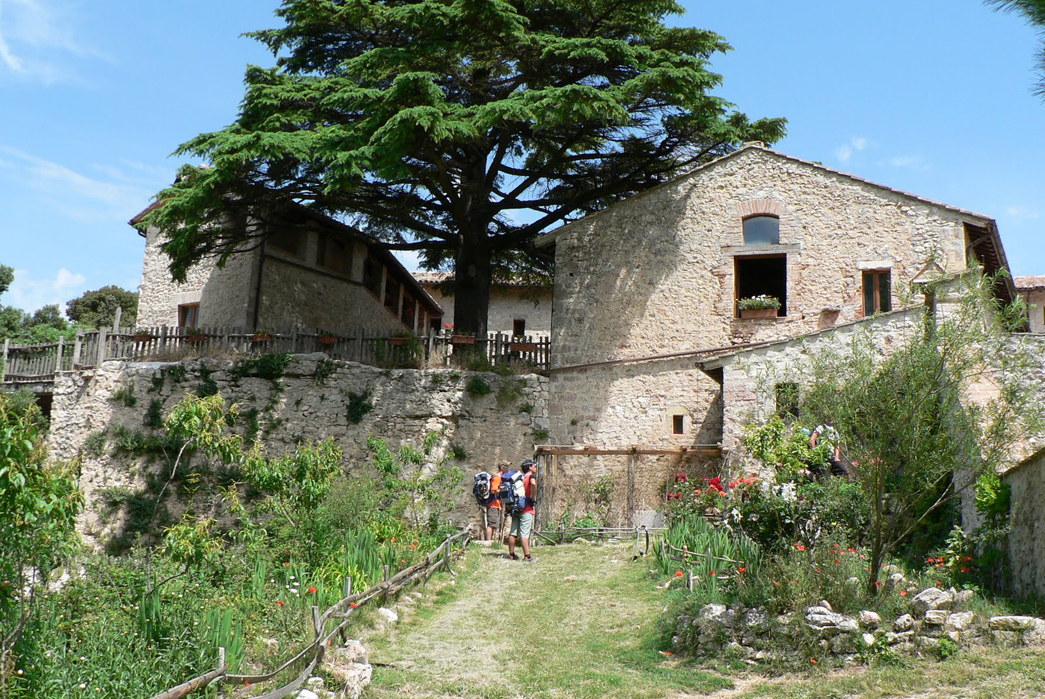
The Romita de Cesi is a hermitage located on Mount Torre Maggiore near the Town of Cesi in Terni. Difficult to find, it offers a spiritual tranquillity reminiscent of the early Franciscans

No-one in their right mind travels to Venice these days. Overcrowded with tourists and empty of local Venetians, it does no inspire to any sort of travel, but that of the armchair. We bring you a short overview of the history and a list of books
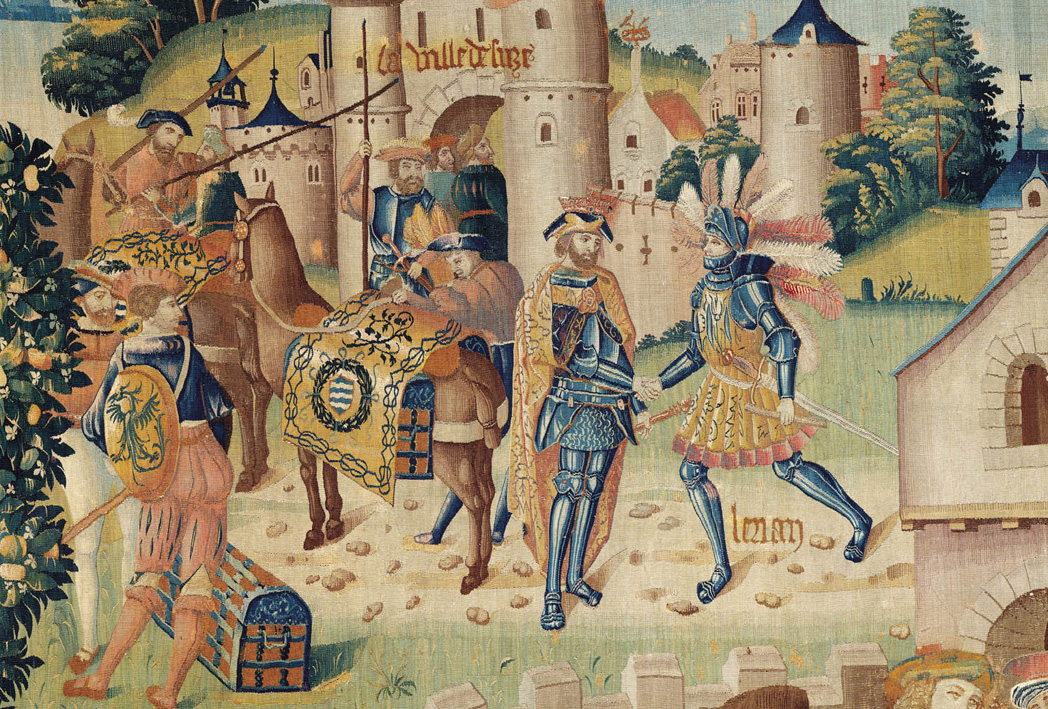
Exciting exhibition at the Bargello in Firenze tells the story of medieval travellers and their journeys

This is not a walk for the fainthearted. The chance is, though, to experience some genuine medieval hospices
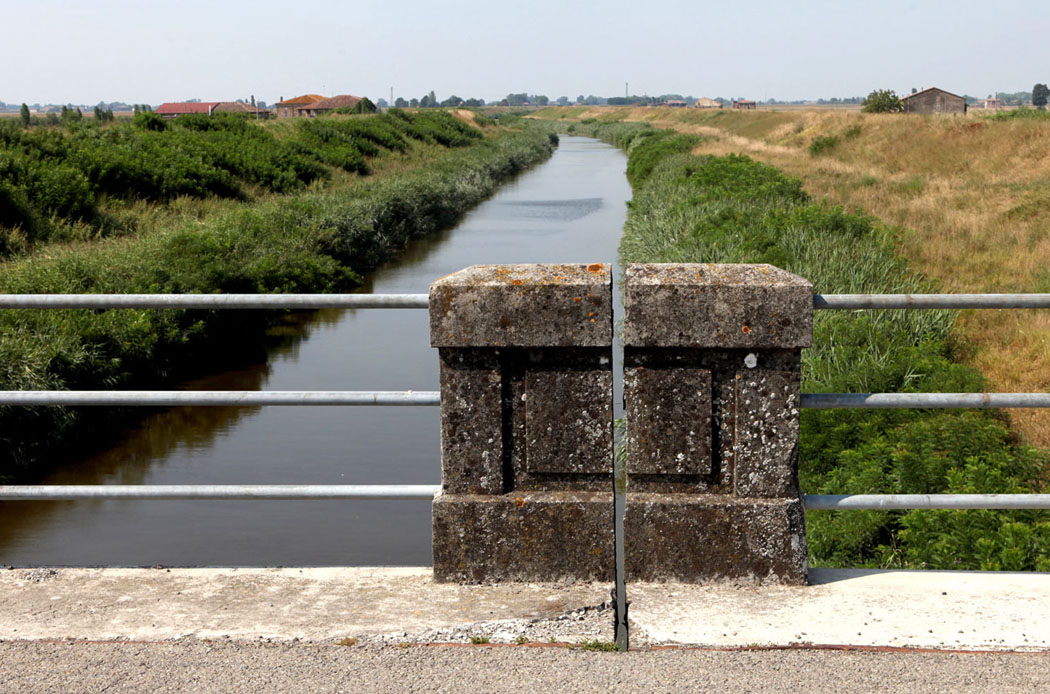
Genetic studies have demonstrated that a significant part of the population in San Giovanni in Persiceto near Bologna may perhaps trace its roots back to the Lombard invasion in the 8th century
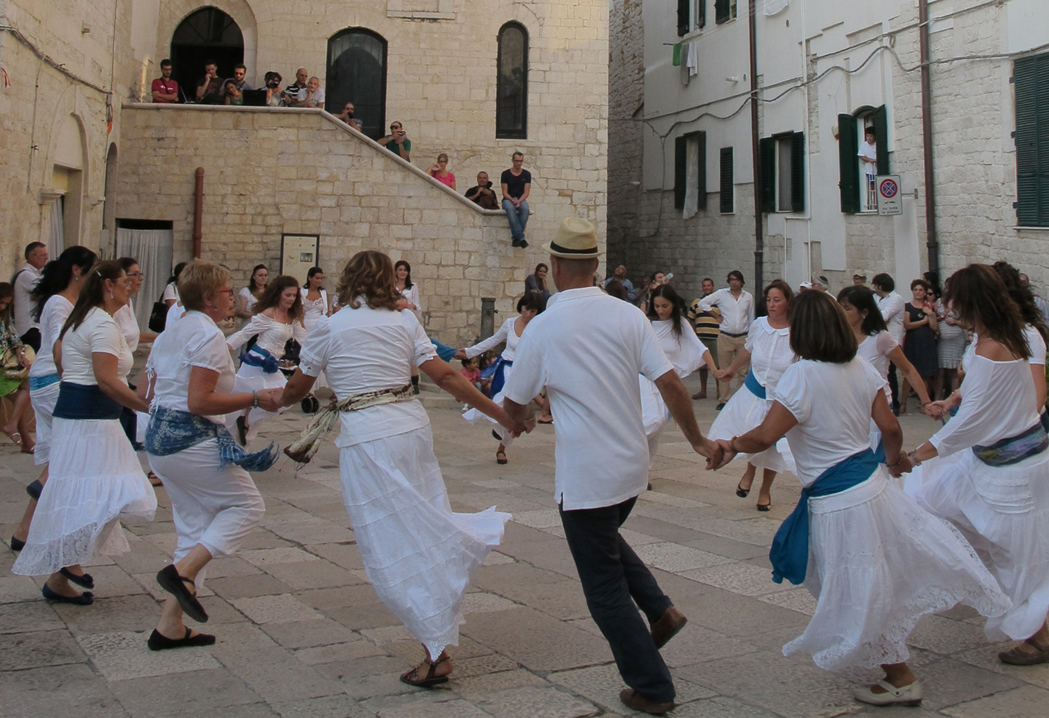
The medieval Scolanova Synagogue in Trani was confiscated around 1380 and used as church. In 2006 it was returned to the Jewish community.

Scholars mark 700th birthday of medieval genius and erotic storyteller
Academics at The University of Manchester and Bristol are marking the 700th birthday of one of the medieval world’s greatest writers, credited with establishing the European storytelling traditions we know today
Locating Boccaccio in 2013
Italian Giovanni Boccaccio, author of the 1351 Decameron, a collection of 100 tales ranging from the erotic to the tragic, will be honoured through a five-month exhibition at the University’s John Rylands Library.
The exhibition is curated by Dr Guyda Armstrong and Professor Stephen Milner from The University of Manchester and Dr Rhiannon Daniels from the University of Bristol.
Called ‘Locating Boccaccio in 2013’, the exhibition will showcase some of the world-renowned Boccaccio exhibits held by The John Rylands Library, alongside loans from other libraries and private collections. Exhibits span the period from the fifteenth century to the digital age, from medieval manuscripts and early printed books, through private press editions and popular classics right up to the internet resource, the Decameron Web. As well as the historic books, it contains a collection of new artists’ books, specially commissioned for the anniversary to offer new responses to Boccaccio and his works.

Professor Milner says: “We are delighted to be hosting the world’s leading scholars in Boccaccio studies and showcase Manchester’s outstanding collection of Boccaccio’s works. His impact as a writer is vast, both as a founding father of the Renaissance and the revival of interest in the classical world and as an innovator in writing prose stories. His influence on figures as diverse as Chaucer and Salvador Dali reflect the scale of his literary heritage”. Dr Armstrong adds: “Boccaccio was a great humanist, and unlike Dante and other writers of the time, one of the first people to give women a voice. He’s often described as the writer of “dirty stories”, but he’s so much more than that because we can credit him with establishing the great European traditions of storytelling.”
The star of the show is the “Roxburghe Decameron”, purchased by Mrs Rylands in 1892 from the Earl Spencer, and is the founding volume of the world’s most exclusive book club – The Roxburghe Club. The Roxburghe Club, which boasts just forty members at any one time, was founded in 1812 after the auction of the 1471 printed edition of Boccaccio’s Decameron for a then world record price of £2,260 after a dramatic bidding war.
The same team are also hosting 60 Boccaccio scholars from around the world at a conference at Manchester Town Hall on 10-12 July. The programme can be accessed here
Boccaccio and Artists’ Books
Boccaccio continues to be read across the world and to evoke responses seven hundred years after his birth. In order to commemorate Boccaccio’s anniversary year in 2013 and explore the ways in which his works speak to new audiences, the curator and organisers also invited an international group of artists to create new books about Boccaccio. The parameters of the project were left deliberately open and artists were invited to make a book in response to Boccaccio himself or to any of his texts.
Thirteen artists’ books were created and are on display in the exhibition. The artists’ books will move on 26 November to the Special Collections Library, Ashton Bower at the University of the West of England, where they will be displayed from 2 December 2013 to the end of January 2014.
This part of the exhibition is designed to reflect the – still popular – reception of Boccaccio as an author of erotic and light-hearted stories, but also aims to inform new audiences about the breadth and depth of his achievements as a literary innovator, humanist, and linguistic model. Boccaccio wrote a wide range of texts in both Italian and Latin, prose and poetry, and was responsible for many literary ‘firsts’, such as the development of ‘octave rhyme’ (ottava rima), the first epic poem in Italian, and the first psychological novel. His prose writing in the Decameron became the basis for the standard Italian language used today.
The following virtual exhibition presents a series of images from each of the thirteen artists’ books. Click on the artists’ names below in order to see pages not on display within the Rylands Library:
Many of these books are for sale at the John Rylands library.
SOURCE:
The exhibition runs from 11.07.2013 – 20.12.2013, with free entry.
READ MORE:

The 700th anniversary of the birth of Boccaccio is celebrated all over the world...
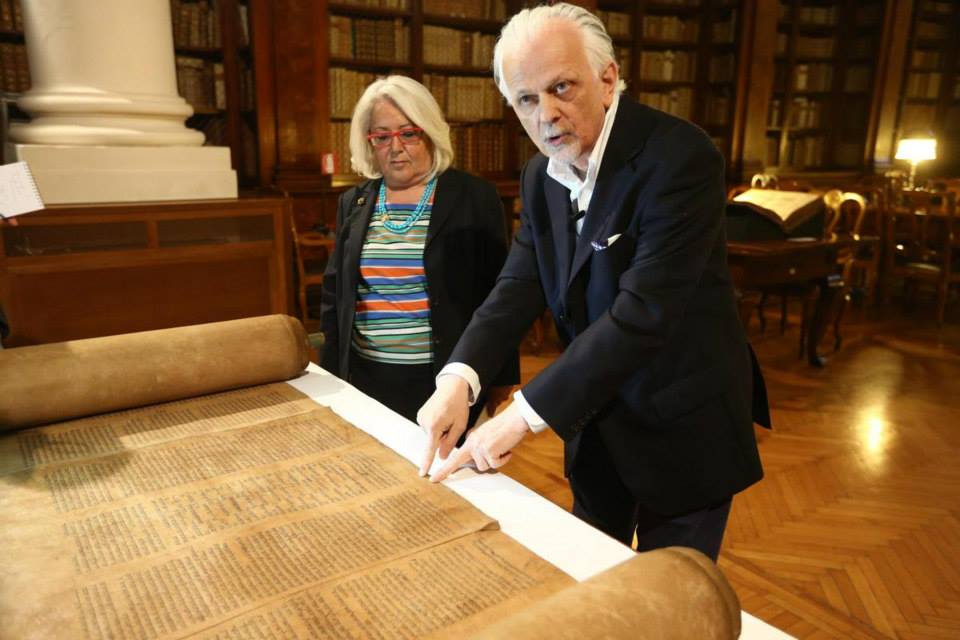
World’s oldest complete Torah from around 1150 discovered in Bologna...

The Medici Villas and Gardens are recommended as future World Heritage Site...
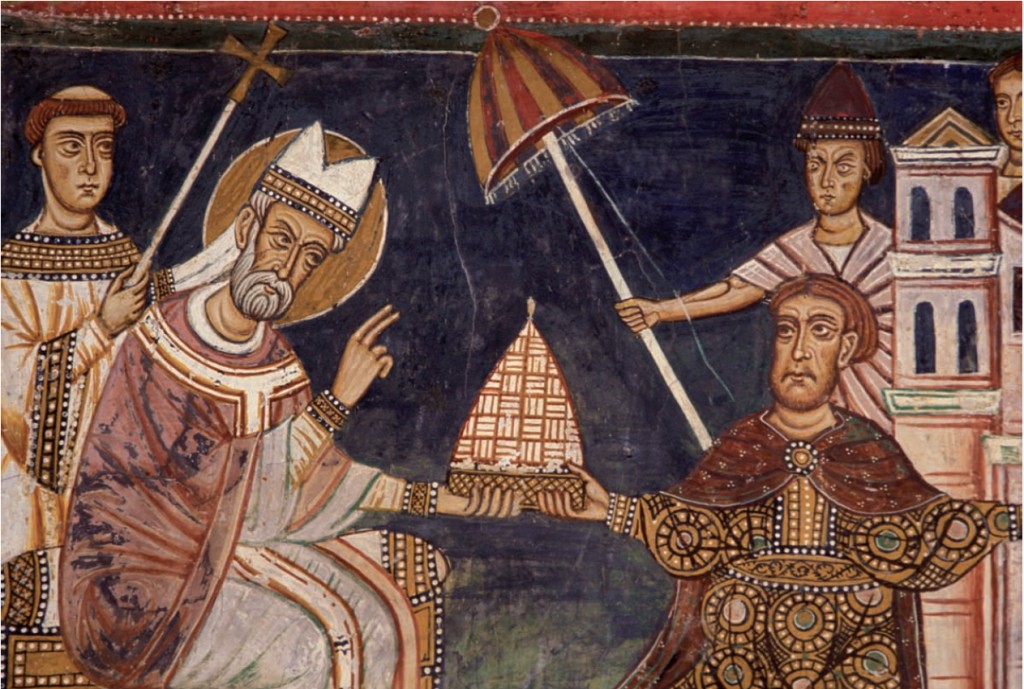
Corsica in the Middle Ages has its own history...

Signature of Giotto believed to have been found in Assisi...
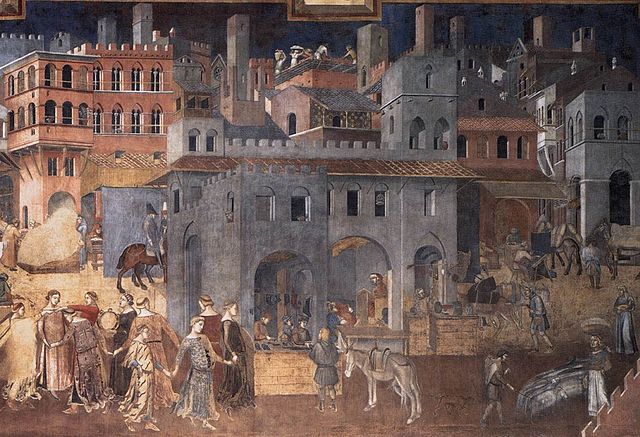
Medieval Day in Italy is a tradition in Milan...

Santa Maria Antiqua unveils its remarkable Byzantine frescoes...
Early Medieval Archaeology of farming and husbandry is lifted...