


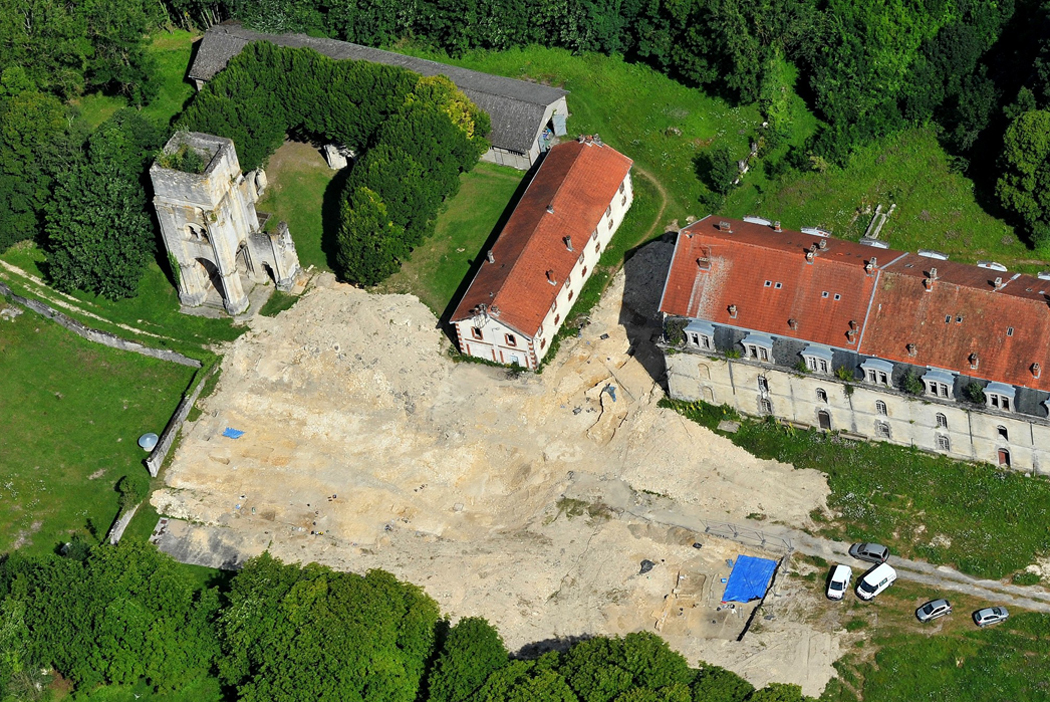
Richard of Saint-Vanne (970–1046) was the abbot of the influential northeastern French Monastery of St. Vanne from 1004 to 1046. During his lifetime he succeeded in rebuilding the monastery as both a religious and political centre. New book focus on how he imagined his role as religious leader.
Imagining Religious Leadership in the Middle Ages
Richard of Saint-Vanne and the Politics of Reform
By Steven Vanderputten
Cornell University Press 1015
ISBN- 10: 0-8014-5377-1
ISBN-13: 978-0-8014-5377-9
GTIN13 (EAN13) 9780801453779
ABSTRACT:

Vanderputten analyzes various accounts of Richard’s life, contemporary sources that are revealing of his worldview and self-conception, and the evidence relating to his actions as a monastic reformer and as a promoter of conversion. Richard himself conceived of his life as an evolving commentary on a wide range of issues relating to individual spirituality, monastic discipline, and religious leadership. This commentary, which combined highly conservative and revolutionary elements, reached far beyond the walls of the monastery and concerned many of the issues that would divide the church and its subjects in the later eleventh century.
TABLE OF CONTENTS:
Introduction
- Imagining Richard in Medieval and Modern Historiography
- Ecclesiastical Office, Religious Virtuosity, and the Apostolic Imperative
- Imagining Saint-Vanne
- “Founder and Head of Many Monasteries”
- Converting the World
Conclusion
Appendix A: Chronology of Major Events in Richard’s Life
Appendix B: The Life of Roding
Appendix C: Monastic Reading at Saint-Vanne
Appendix D: Overview of Richard’s Abbacies Outside of Saint-Vanne
Appendix E: Overview of Richard’s “Priors”
Appendix F: Overview of Richard’s Successors


