


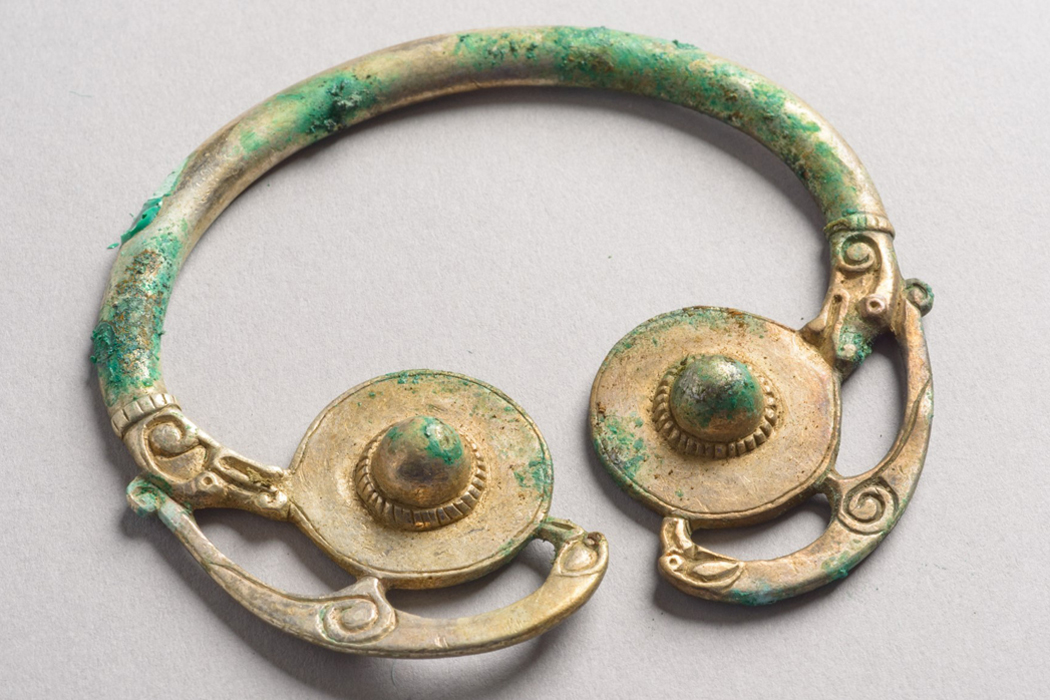
More than ten centuries after being buried in a field in Galloway, conservators are releasing images that reveal the contents of a pot of Viking treasure for the first time.
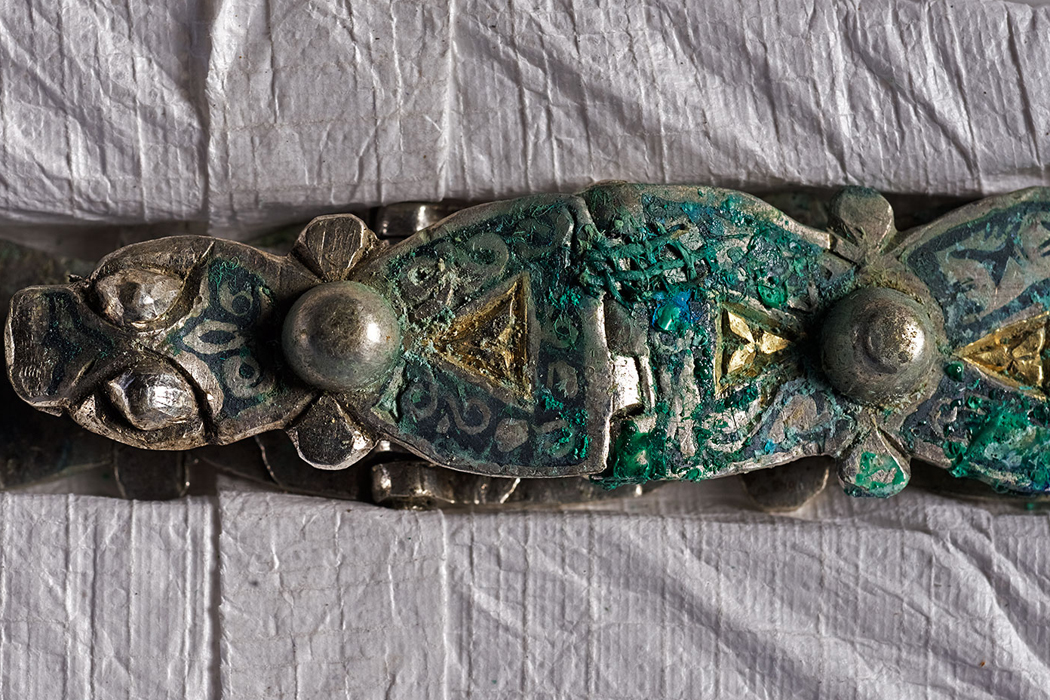
Although the objects are not currently on display, a series of images have been published to give the public a chance to see the Viking treasure for the first time, following a painstaking conservation project to remove and conserve the rare items, which date from 9th-10th centuries AD.
The cache of objects were, until recently, contained in a ‘Carolingian’ (West European) vessel, or pot.
Richard Welander, of Historic Environment Scotland, said: “Before removing the objects we took the rather unusual measure of having the pot CT scanned, in order that we could get a rough idea of what was in there and best plan the delicate extraction process. That exercise offered us a tantalising glimpse but didn’t really prepare us for what was to come. These stunning objects provide us with an unparalleled insight to what was going on in the minds of the Vikings in Galloway all those years ago. They tell us about the sensibilities of the time, reveal displays of regal rivalries, and some of the objects even betray an underlying sense of humour, which the Vikings aren’t always renowned for!”
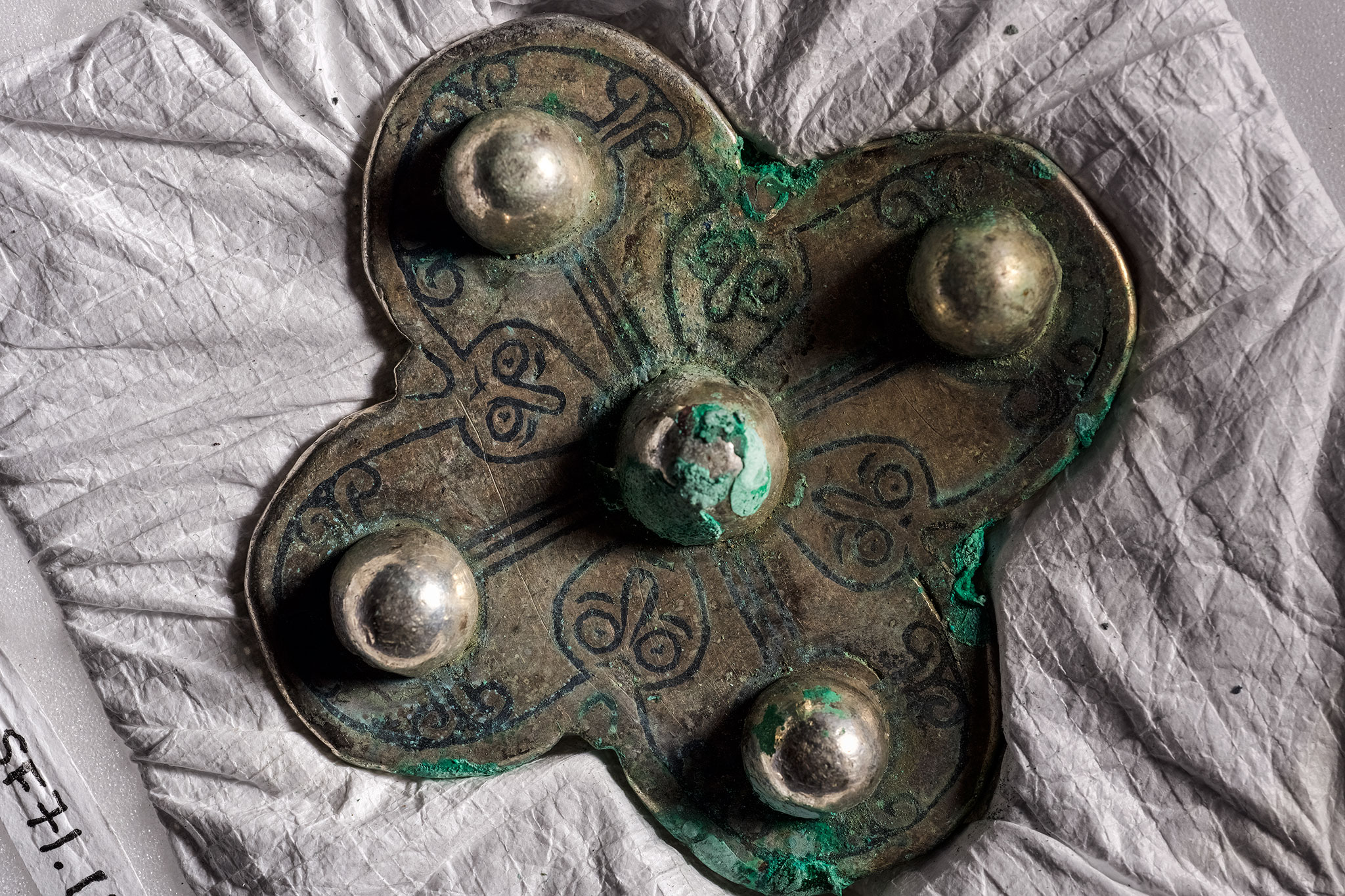
Armed with the information gathered from the CT, conservators painstakingly excavated the the contents of the vessel, taking care to preserve every fragment of organic material they could prevent from crumbling into dust when exposed to the air. Textile experts have studied the fragments from inside the pot and identified several of them as silk samite, a super deluxe fabric woven in Byzantium, North Africa, or southern Spain. This fabric was exclusively the province of monarchs, the highest ecclesiastical officials and the remains of venerated saints buried in churches.
In addition to the ingot and silver-encased ivory beads, they found a total of six Anglo-Saxon silver brooches, one penannular brooch likely made in Ireland, a richly decorated gold pendant which may have held holy relics, several mysterious gold and crystal objects and, breaking the precious metals trend, two large seeds of nuts. The nuts have yet to be identified, but obviously they came from a very special plant that probably wasn’t indigenous to the area. While it’s clear many of the objects collected have a value as precious metal, the nature of the hoard remains a mystery, since it includes objects in base metals and glass beads, which have no obvious value. The decision about which material to include in the vessel appears to have been based on complex and highly personal notions of how an individual valued an object as much as the bullion value the objects represented.
The levels appear to have been arranged according to the their importance. The pieces on top were valuable, but most of them were the kind of hacksilver, which were cut up for currency.
The hoard is the most important Viking discovery in Scotland for over 100 years. The items from within the vessel, which may have been accumulated over a number of generations, reveal objects from across Europe and from other cultures with non-Viking origins.
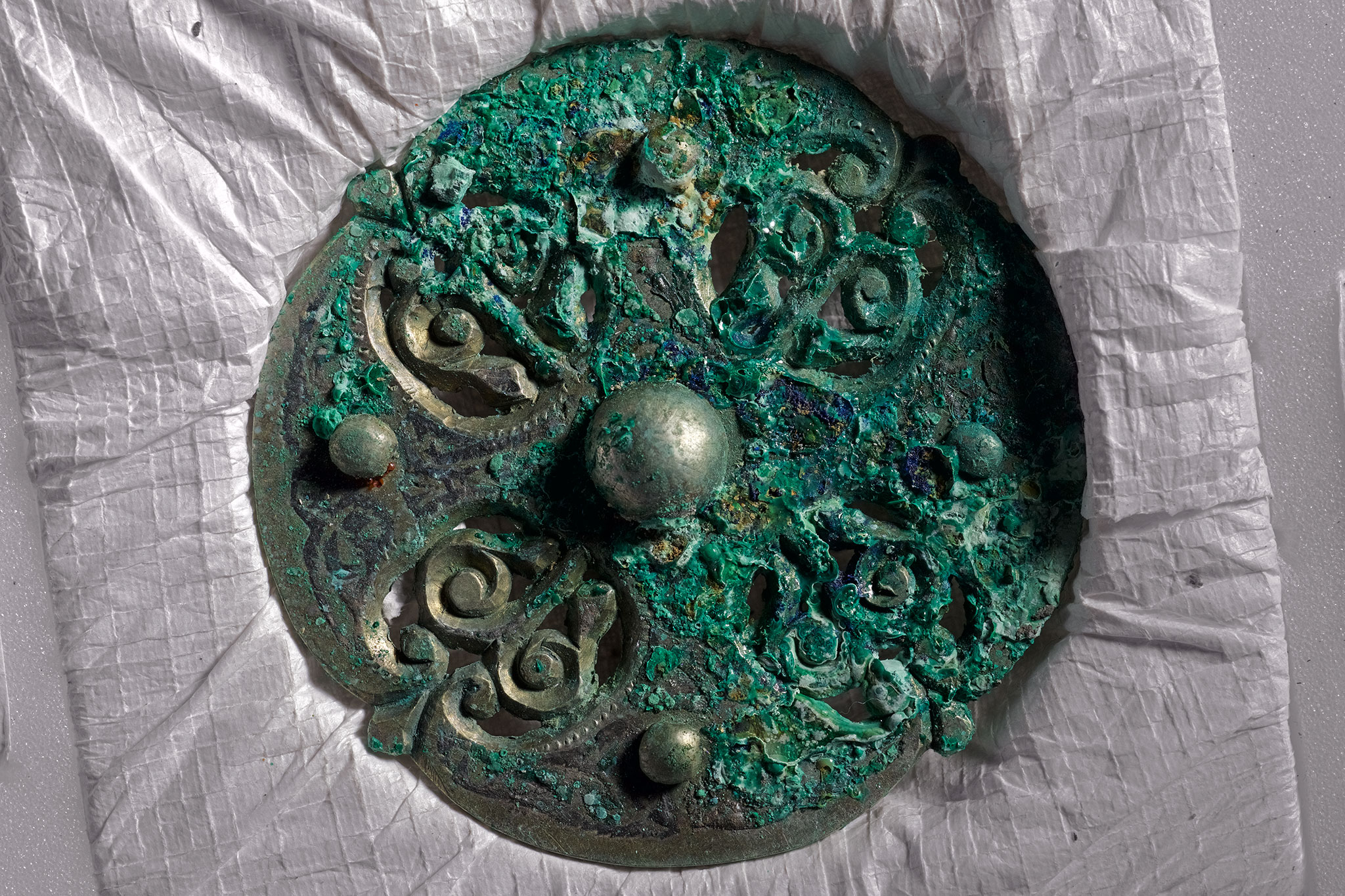
The vessel contents are now with the Treasure Trove Unit, which is responsible for assessing the value of the hoard on behalf of the Office of Queen’s and Lord Treasurer’s Remembrancer. The hoard will then be offered for allocation to Scottish museums, with the finder eligible for the market value of the find – a cost that will have to be met by the successful museum. The value is sure to be very high. No other Viking hoard has been found with such a wide variety of objects — gold, silver, glass, enamel, textiles — from such a wide geographic area. Preliminary estimates put it at between £500,000 and £1 million, closer to the latter than the former.
The Viking hoard featured on the latest episode of BBC Four’s Digging for Britain, which was broadcast at 9pm on Thursday 24 March 2016
SOURCE:
Viking Treasures seen for the first time in a thousand years
READ MORE:
The original discovery of the Viking Treasure and the CT-Scan – Medieval Histories
PHOTOS:
Courtesy of Historic Scotland


