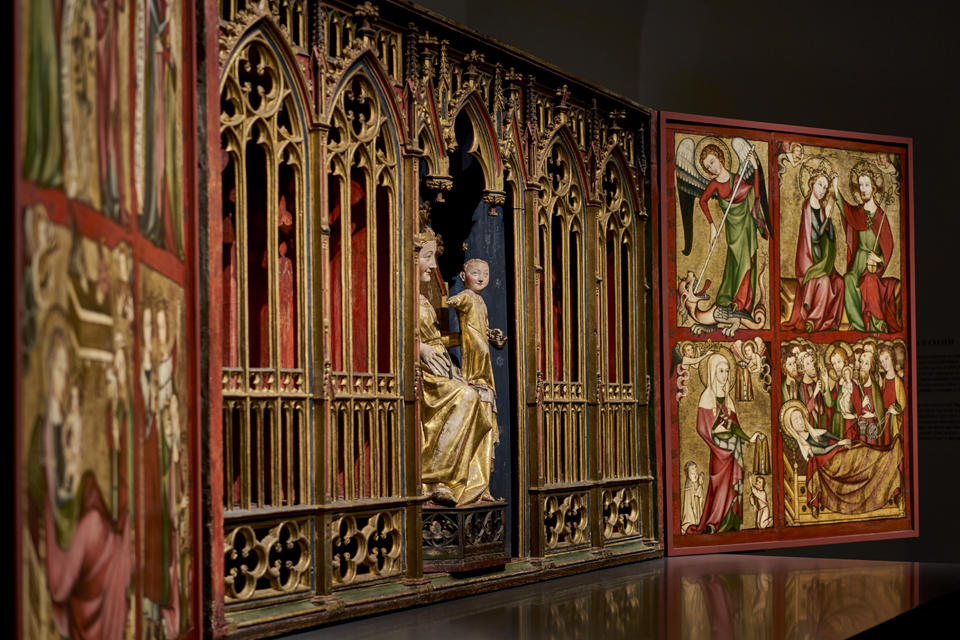
This summer head for Franfurt and the Städel Museum, which shows a unique reunion of the Altenberg Altar and its liturgical treasures from c. 1300
Medieval Histories is a News site where anyone - professionals or just generally interested - can read about new exhibitions, books, research, excavations, finds, treasures... and much more! The site is created and owned by Karen Schousboe (http//:www.karenschousboe.com)
This summer head for Franfurt and the Städel Museum, which shows a unique reunion of the Altenberg Altar and its liturgical treasures from c. 1300
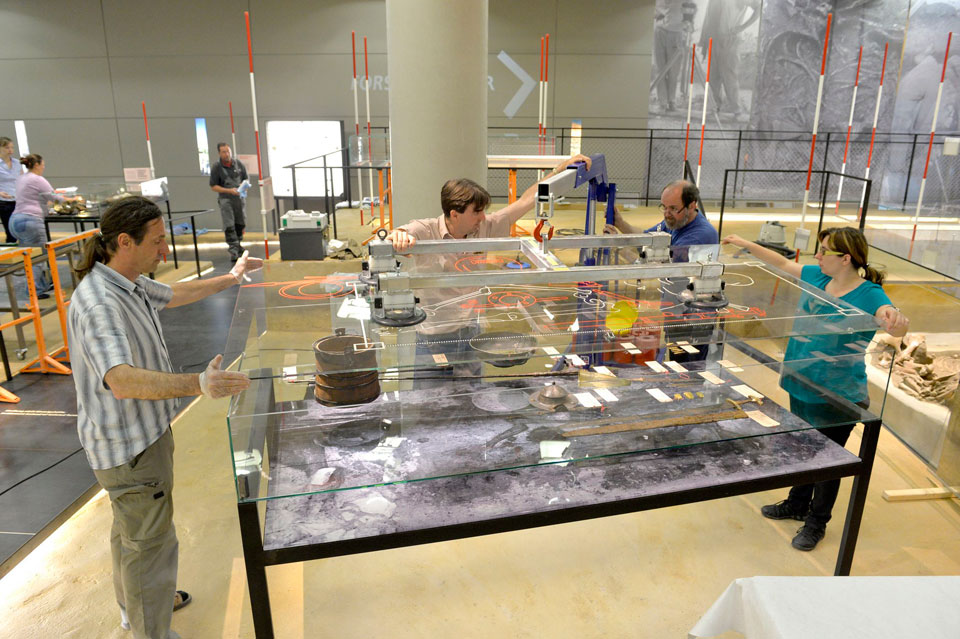
The Prince from Beckum in North Rhein-Westphalia from the beginning of the 7th century tells a story of a man who lived in a mixed cultural setting
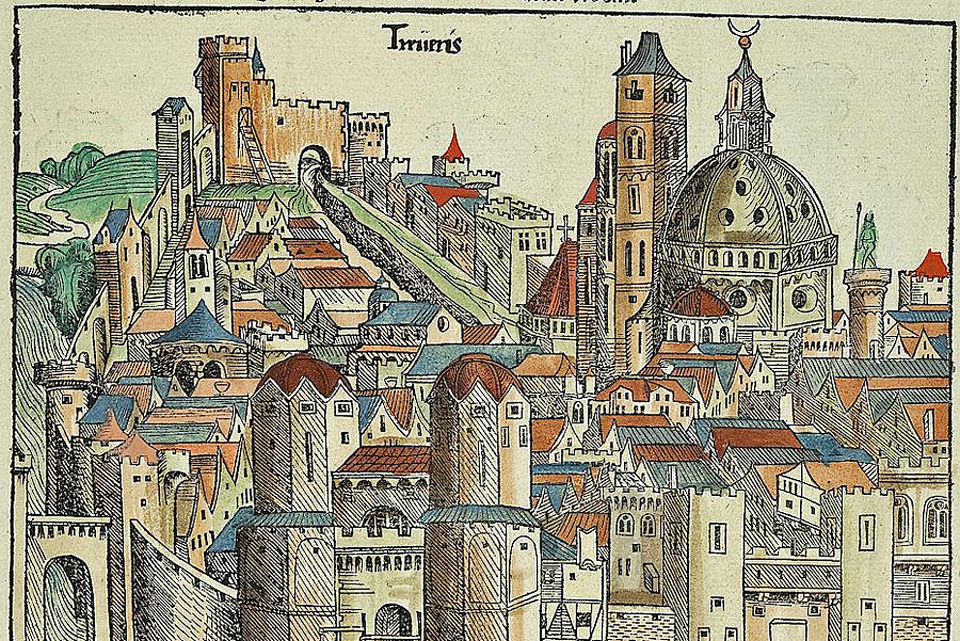
Curious find of long lost register of loans and rents 1347-1405 in Trier further a reconstruction of the social and material fabric in the medieval town
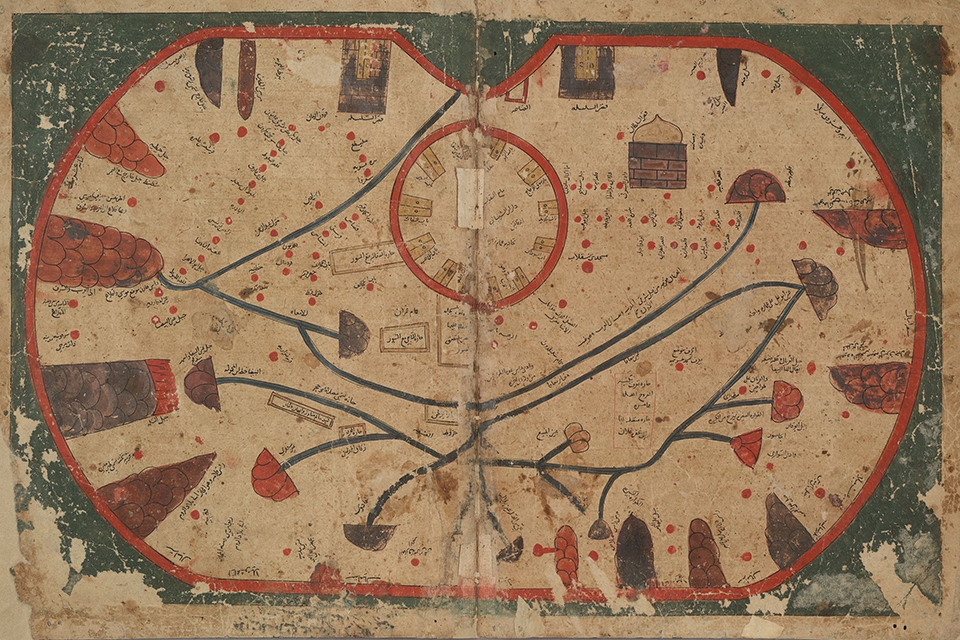
Michael McCormick's magisterial study of the "Origins of the European Economy" has redrawn our understanding of the economic history of the Early Middle Ages

In the Early Middle Ages a peculiar animal named the zebro ran wild on the Iberian peninsula. Was it a zebra? A wild ass? A wild horse? Or a type of feral horse, which had run wild? New research re-opens the debate.
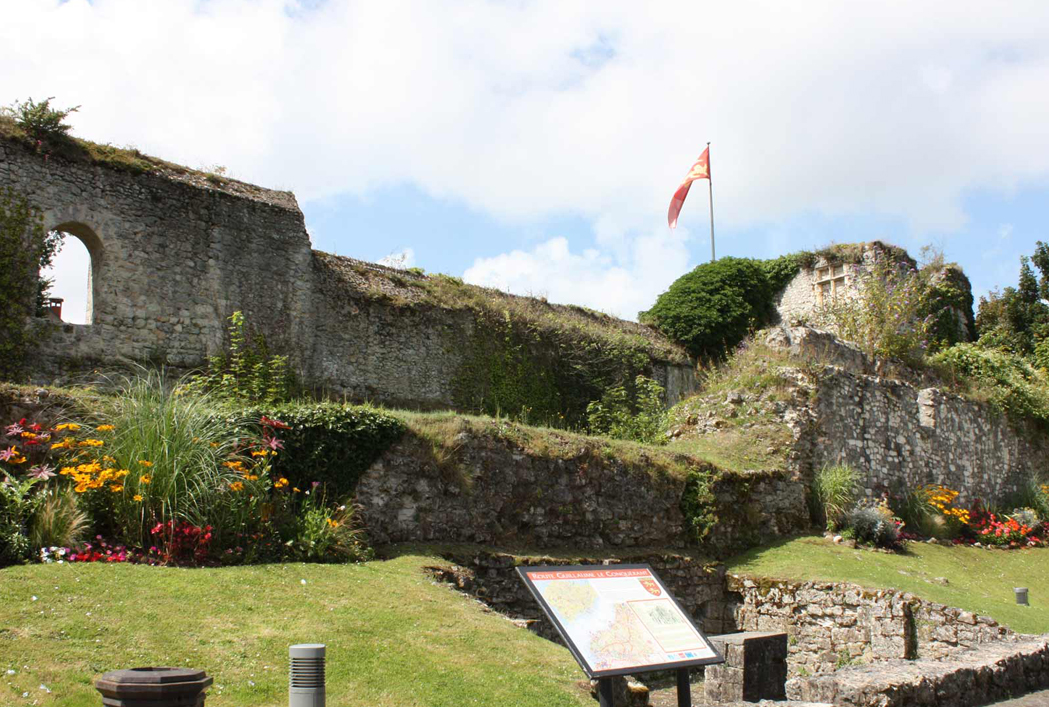
The politics of being Norman, Byzantine and Visigothic Alicante, Bede as a computist, Anglo-Saxon and Viking battlefield in 1006. All in the new issue of Early Medieval Europe August 2015
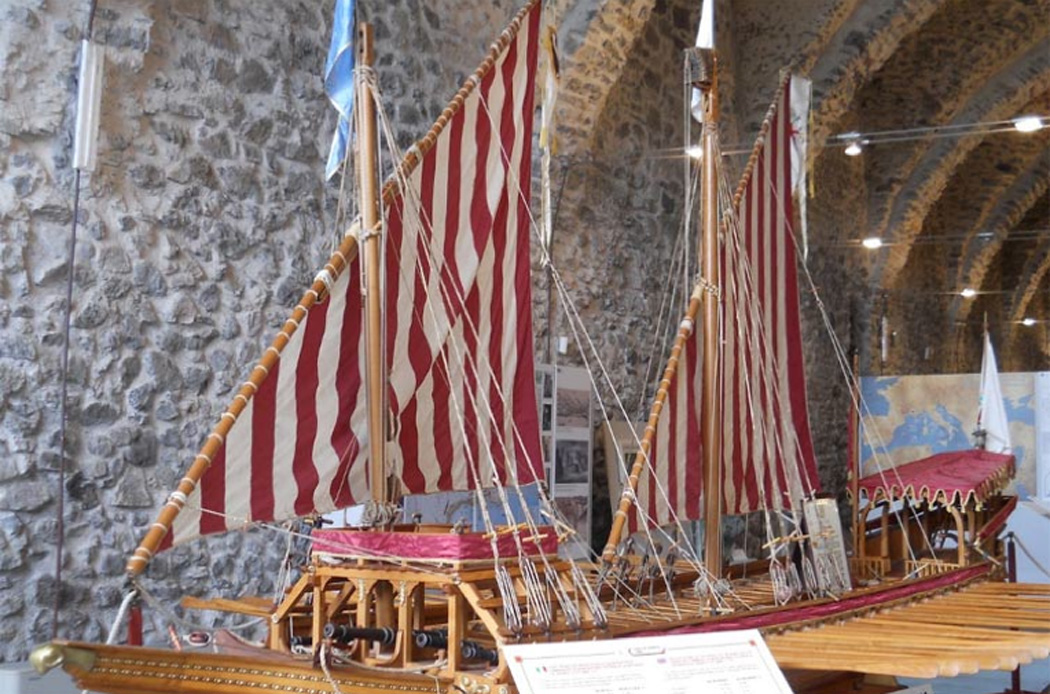
Which organic additives did Medieval people use to get their mortar to bind?
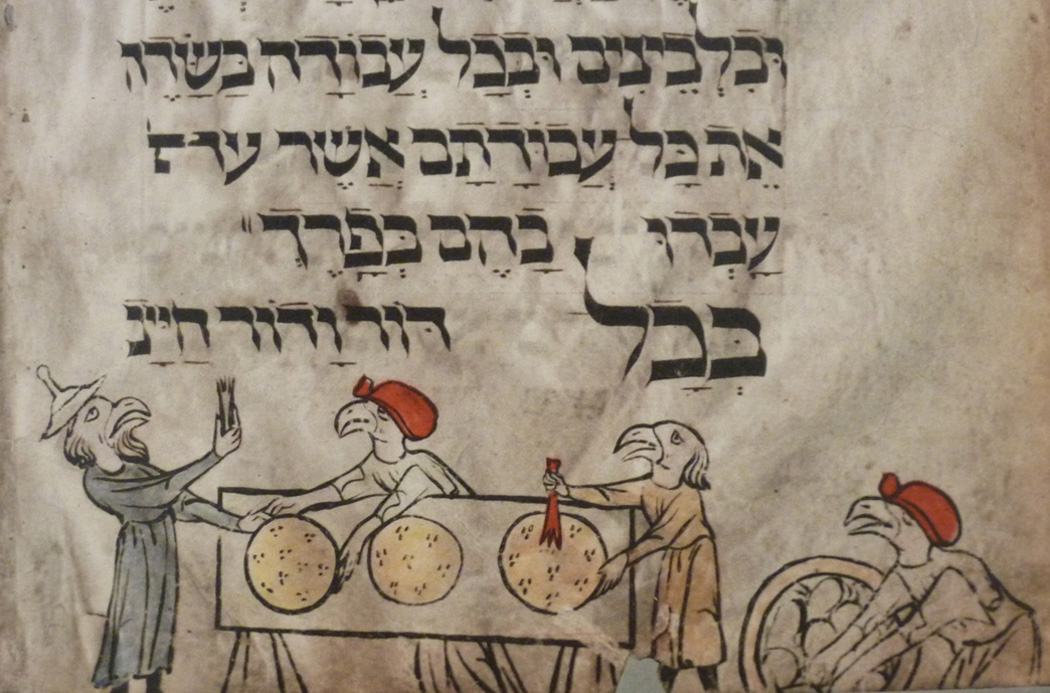
Magnificently illustrated with pages from hundreds of manuscripts, 'Skies of Parchment, Seas of Ink' offers surprising new perspectives on Jewish life
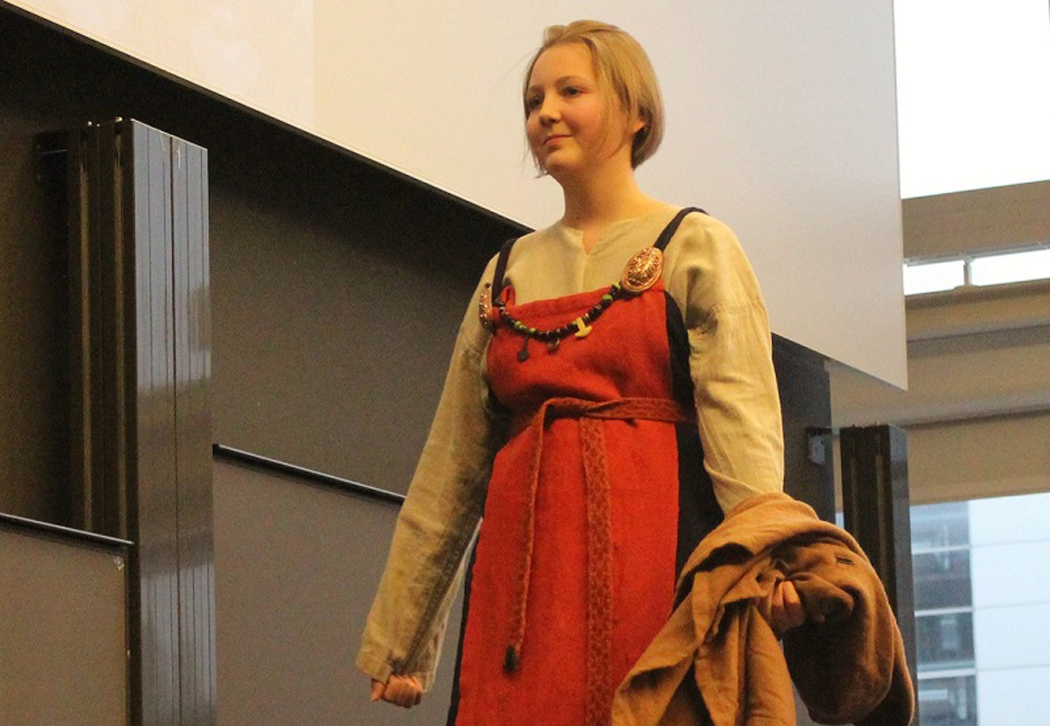
The year is 873 and Frida is deciding what to wear. Her new red dress is finally ready, as are her freshly polished shell-shaped brooches designed to hold it in place at her shoulders. The dress is the latest in Viking fashion.

At various times over the past millennium bishops of Rome have claimed a universal primacy of jurisdiction over all Christians and a superiority over civil authority. Reactions to these claims have shaped the modern world profoundly. Did the Roman bishop make such claims in the millennium prior to that?
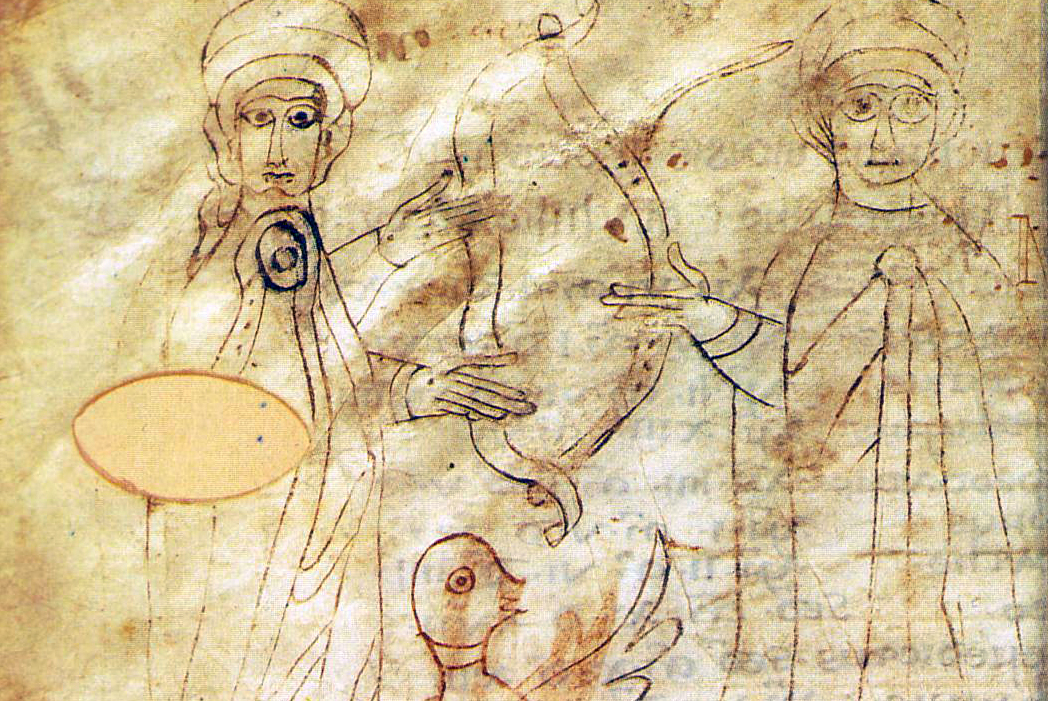
The 2016 issues of Networks and Neighbours will be dedicated to exploring the concept of ‘world history’ in the context of Late Antiquity and the Early Middle Ages.
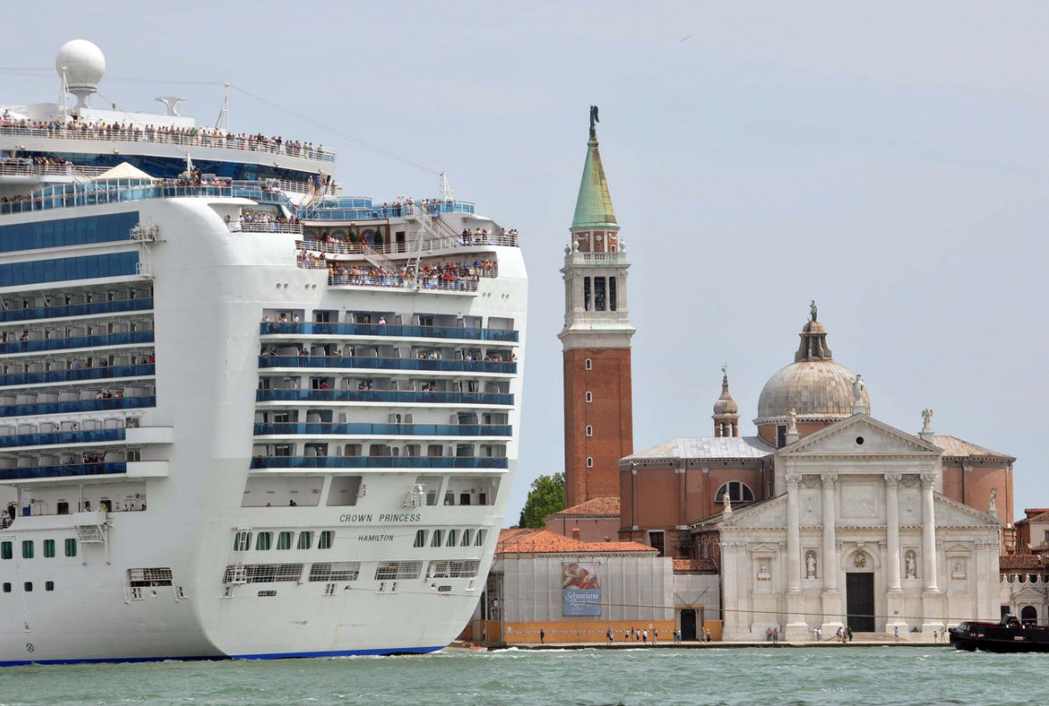
Italian big business and – probably – corrupt politicians wish to dig a canal in the lagoon at Venice, enabling gargantuan cruise-ships to hover over the skyline of the medieval city
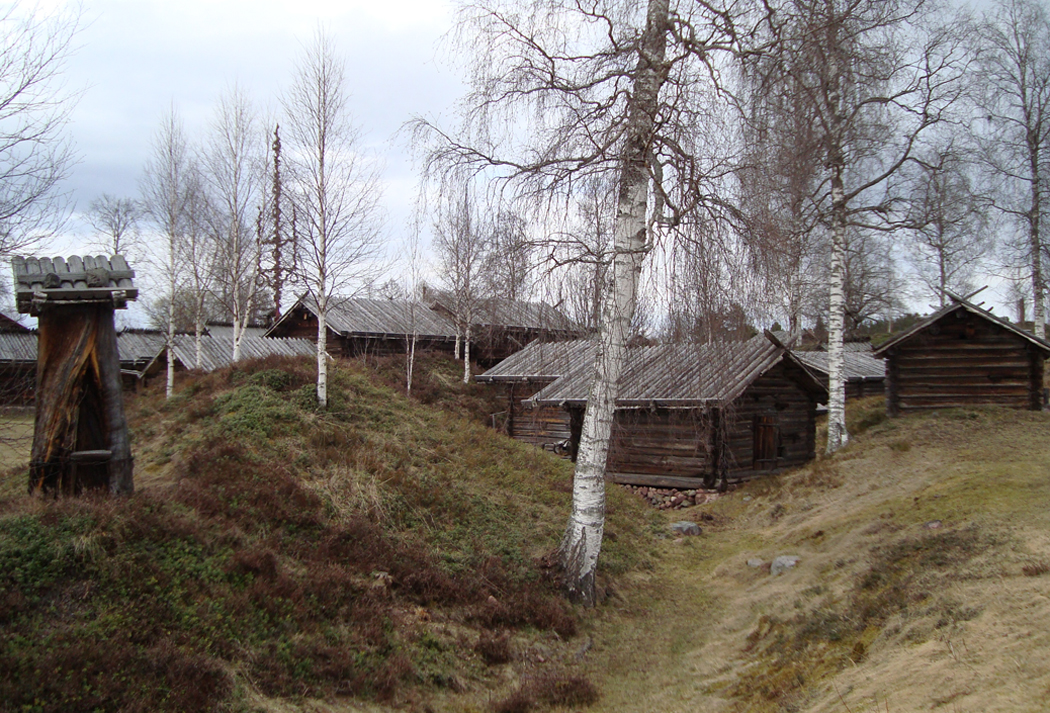
Is Elfdalian a dialect? Or a distinct language? Whichever way it is characterised, it is a very old variety of a Swedish dialect, Dalecarlian
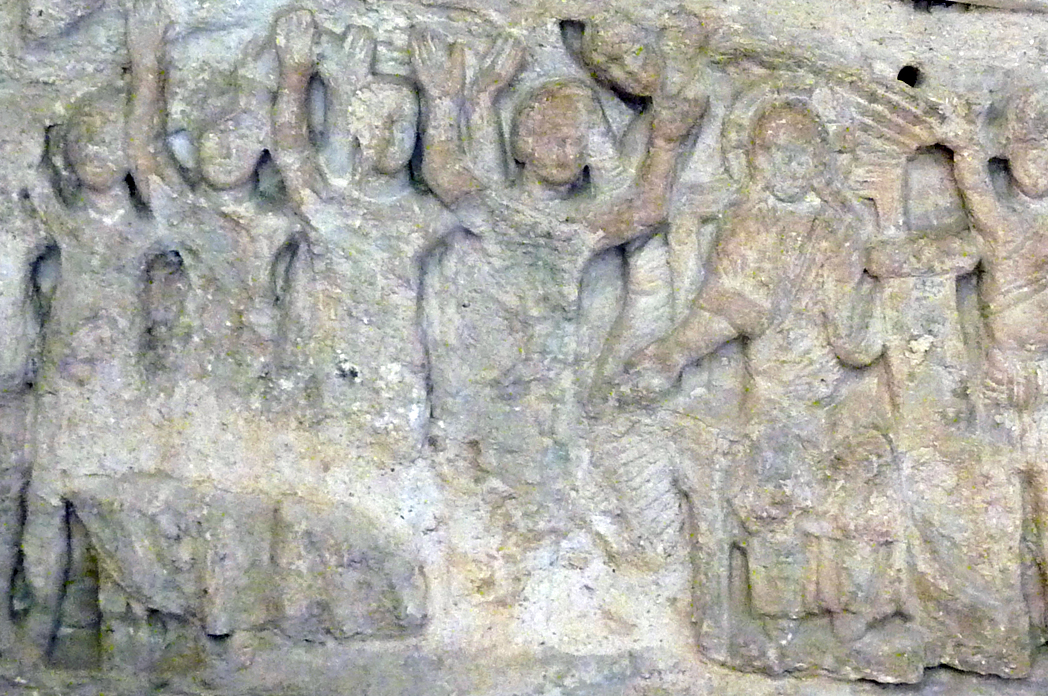
The Ransom of the Soul. Afterlife and Wealth in Early Western Christianity
By Peter Brown
Harvard University press 2015
ISBN: 978-0-674-96758-8
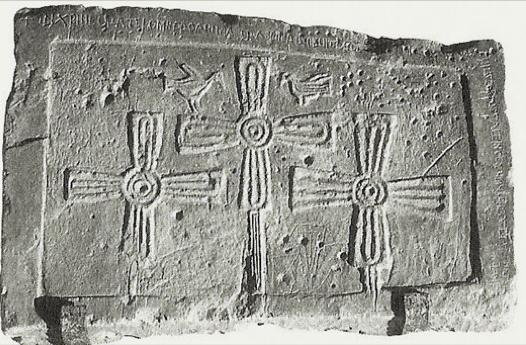
Around AD 600 the Visigoth, Trasemirus, from Mandourelle in the region of Aube was commemorated by an oblong slab, measuring 33.8 cm x 51.4 cm. The main part of the memorial plaque is covered with three carved processional crosses and two facing doves. The inscription is relegated to the frame above and to the right of the central carving and seems to have been something like an afterthought. However, quite innovative, the inscription contains a phrase, which came to resound for the rest of the Middle Ages: “In the name if Christ, all men pray for the soul of Trasimeus, who came to rest [at this time?]. His body lies in this tomb. May he live eternally in Christ” [1]
There are several interesting features connected with this slab (the roughness, the manner of carving etc.) However, as Peter Brown points out in his latest book, this is one of the first instances from the continent, where the deceased is no longer praised or – so to speak – raised to the skies – but rather envisioned as a participant in a procession moving towards God. On this spiritual journey the soul of Trasemirus most of all needed the our intercessional prayers. According to his world-view, his journey through afterlife was a long and dangerous pilgrimage on which he would – without doubt – have to move through a terrible harsh wasteland, meeting an assortment of devils and angels, each metering out the exact penance he owed for his transgressions committed in his earlier life. In front of him and his fellow pilgrims would be carried the three procession-crosses depicted on the slab.
 As medievalists, we know this netherworld so well, that we are not really struck with its formula nor its stark and scary character. What, perhaps, we do not know as well is how this world-view came about.
Luckily Peter Brown has once more come to our help. In a new book “The Ransom of the Soul” (Harvard 2015) he once again delights us with one of his exquisite readings of the writings of the series of learned theologians and intellectuals, he has so often visited in his life’s work. Augustine, of course, figures; but so does also the bishops of Arles (Honoratus, Hilarius and Caesarius) as well as more obscure persons as Leudegar, Barontus and finally Columbanus and Trasemirus (from the 7th century). Those of us, who are familiar with the work of Peter Brown, will have met them before.
However, here we meet them as proponents of a sort of “side-story” to (although emphatically not a spin-off of) his latest book: Through the Eye of a Needle, which dealt with the question of the use of wealth in the Christian churches and how ideas and practice about this embarrassing issue changed over time, reflecting the changed circumstances of people from the 4 – 8th century.
Thus, this story is not about the wealth itself and the Early Christian ideas of how to deal with it – how to invest in “Heaven” and be saved – but rather the very specific ideas about the “other world”, which fueled these changes in the lifestyles of the Early Christians. Guided by the pen of Peter Brown we thus accompany Romans in Late Antiquity, who believed that they would enter the Milky Way and a starry afterlife, according to the precise status, which they had accrued in this life. And we meet them, when they are busy sharing meals and holding funeral feasts next to the graves of their family-members; or when saving up in heaven through alms-giving in Hippo at the time of Augustine. But we also learn how these rather pleasant ideas of a Heaven consisting of a shaded and cool refrigerium, where the dead would spent their time in leisurely pursuits while awaiting the second coming, changed from AD 250 – 650. Too placid and not enough mindful of our sinful nature and daily transgressions, another view of the next world surfaced in Early Christianity. Gradually the impending judgement entered the scene more forcefully, forever changing the elegiac tone into a sombre hue. “A new gripping sense of peril” came into being, writes Peter Brown, while exploring the many stepping-stones towards the finale in the 7th century, when all that mattered was to try as best one could to settle the score while alive through incessant almsgiving, soul-searching, prayer and penance; and at the same time seeking and securing future intercessions of others through constant praying (saints, family, friends, or just passers-by).
His aim, though, has not been just to tell the story of how different theological discourses on the afterlife and pending judgement fed on each other and the wealth of the future Catholic Church. The idea has much more been to explore the way in which these changes were directly caused by the changing political circumstances in the transition from Late Antiquity to Early Medieval Europe. This is not a “how-book” but a “why-book”, writes Peter Brown.
This makes the book especially valuable. It should be able to inspire archaeologists, who have long toiled with debates on how to understand shifts in burial practices and funeral memorials in this period; but who do not quite know, what profound theological and ideological debates framed and fed these changes.
In this sense it is very pertinent that the book ends with Peter Brown recounting the memorial of Trasemirus. Hopefully, the book will inspire readers from a wide spectrum of academic disciplines working on this period. Not least archaeologists!
This book is based on lectures delivered at the Institut für die Wissenschaften vom Menschen in Vienna 2012.
Karen Schousboe
The memorial slab of Traseminus is kept in the Musée Archaéologique de Narbonne (no. 198/4168)
El epitafio de Trasemiruas (Mandourle, Villesque des Corbiéres, Aude)
By Gisela Ripoll López and Isabel Velásquez Soriano
 Through the Eye of a Needle: Wealth, the Fall of Rome, and the Making of Christianity in the West, 350-550 AD
By Peter Brown
Princeton University Press 2012
ISBN: 9780691161778
ISBN: 9780691152905
The tomb of Bishop Agilbert may present us with one of the earliest Last Judgement Scene – Meaux, France ca. AD 690
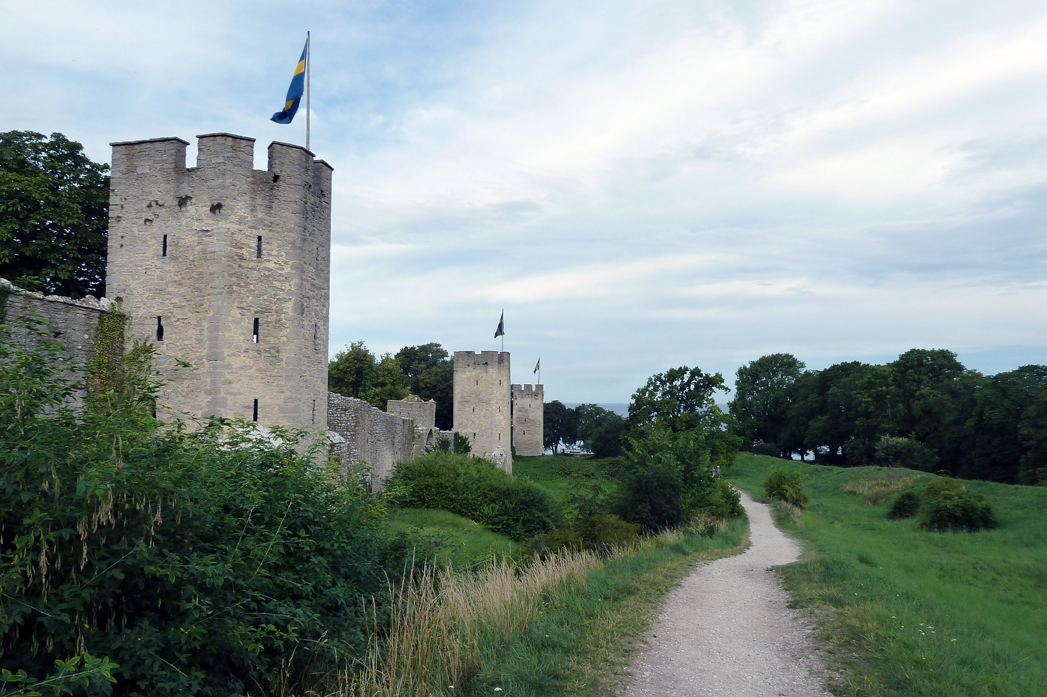
February 2012 90 m2 of the wall around Visby crumpled to earth. Now the wall has been repaired using medieval techniques, kept alive in the countryside.
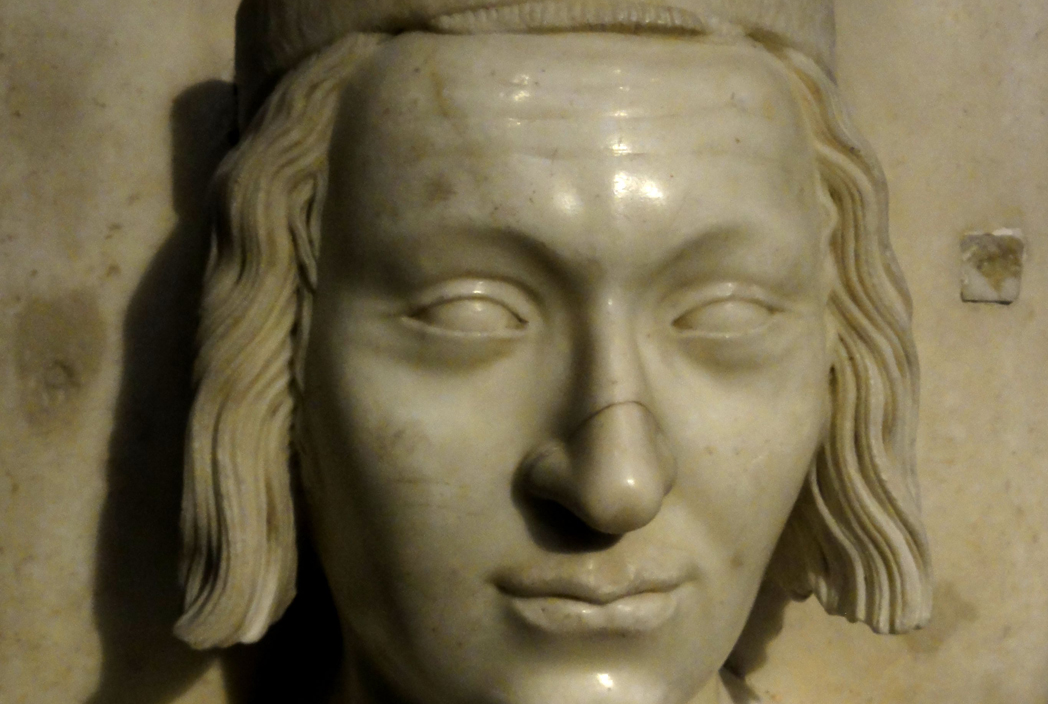
Charles V was King of France during the first phase of the 100-years war and in the aftermath of the Black Death. Nevertheless, he succeeded in creating one of the first Late Medieval Courts