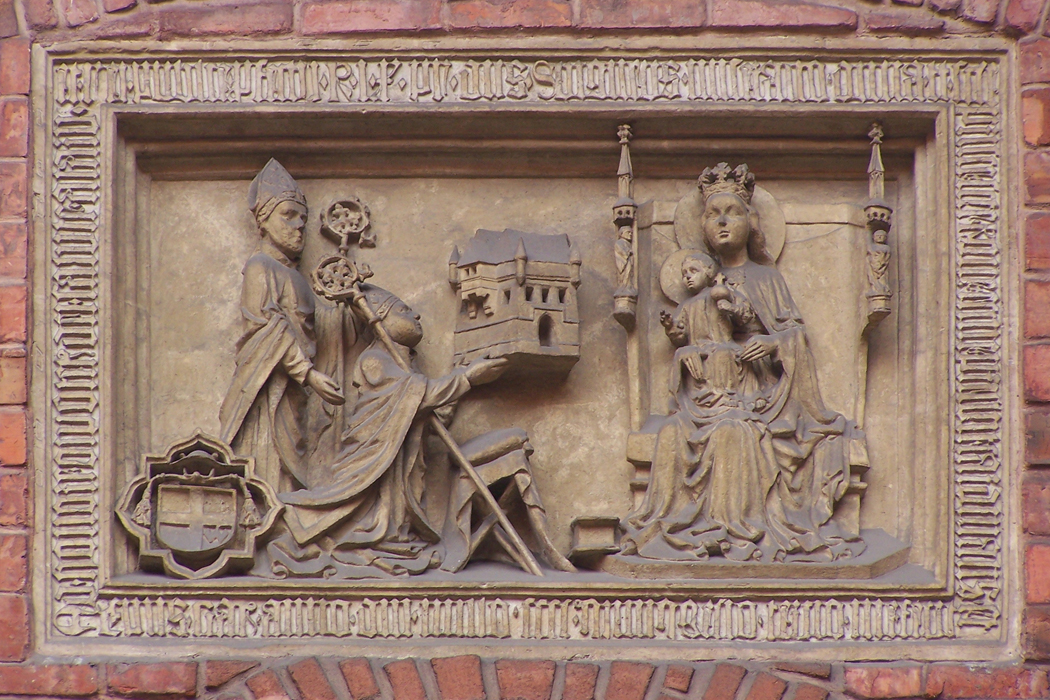
This collection of papers explores the medieval art, architecture and archaeology of the city of Cracow and the surrounding region of Lesser Poland.
Medieval Histories is a News site where anyone - professionals or just generally interested - can read about new exhibitions, books, research, excavations, finds, treasures... and much more! The site is created and owned by Karen Schousboe (http//:www.karenschousboe.com)
This collection of papers explores the medieval art, architecture and archaeology of the city of Cracow and the surrounding region of Lesser Poland.
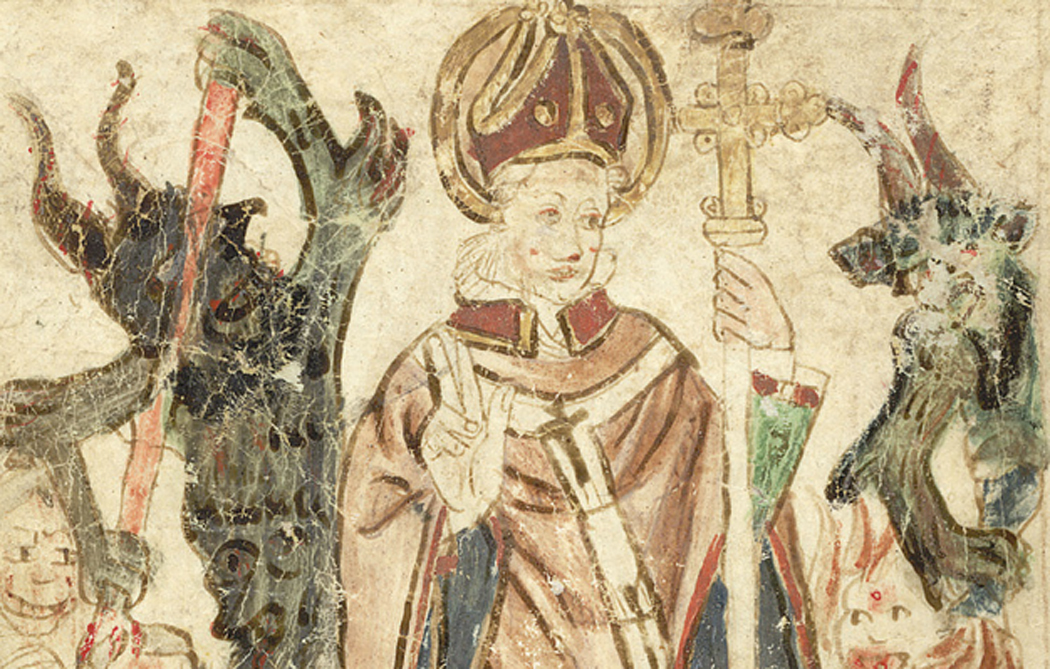
In The World of Saint Patrick, classical scholar Philip Freeman offers the definitive account of Saint Patrick's life through new and vibrant translations of the greatest works of early Christian Ireland
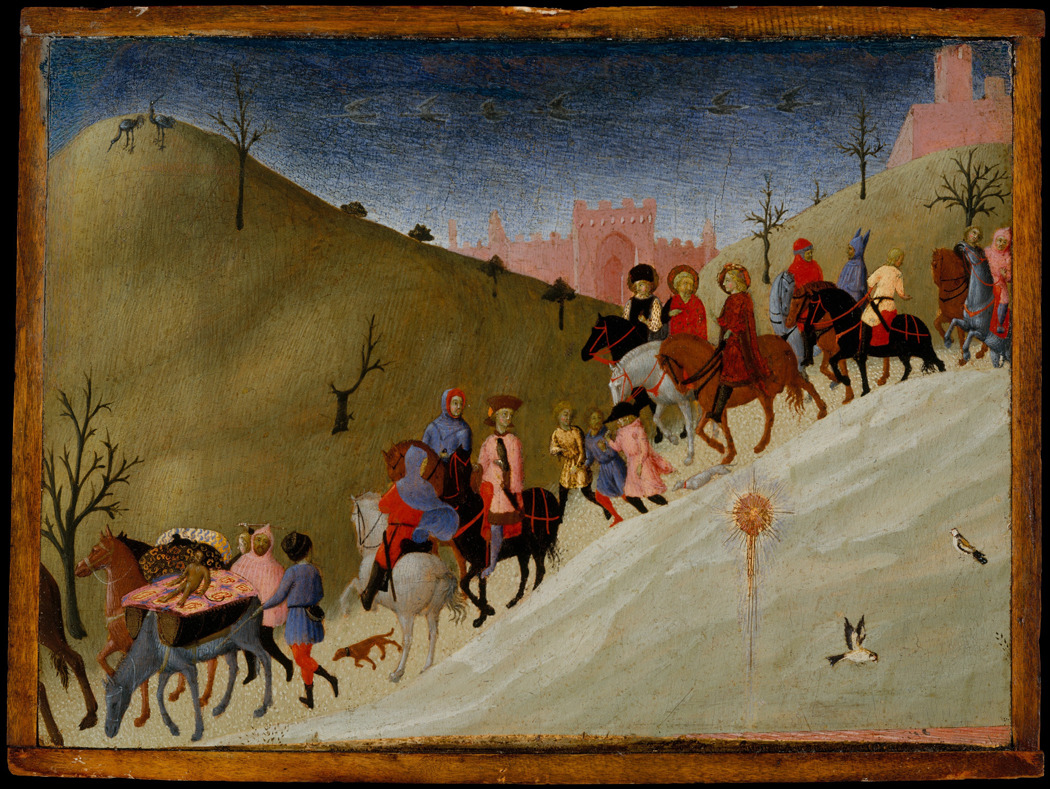
CfP -Travels of all types provide ways of understanding the Middle Ages and Renaissance in terms of exchange, transformation, and knowledge

The special theme for this year’s Congress is “Capital Ideas / Le capital des idées”, but papers for the CSM Annual Meeting can address any topic on medieval studies. Proposals for complete sessions are also invited, and special sessions seeking speakers are advertised below. Papers may be delivered in either English or French, and bilingual sessions are particularly welcome.
Proposals should include a one-page abstract and a one-page curriculum vitae. Papers should be no more than 20 minutes’ reading time.
Until a few decades ago, medievalists, Renaissance scholars, and historians of the book agreed that the ‘great divide’ separating the medieval from the early modern world was convincingly demonstrated by the passage from manuscript to print. Proponents of this theory contrasted the ‘stability’ of print culture with the ‘instability’ of manuscript production. Such views have been widely and successfully challenged and today we realise that these rather ‘unsophisticated binaries’ do not reflect the inter-dependency, inter-connections and continued co-existence of manuscript and printed forms throughout the period from the 1450s to the end of the seventeenth century. Papers on any aspect of the ways in which texts continued to exist and co-exist thanks to the over-lapping worlds of manuscript and print will be welcome but especially the following: printed editions of either original or translated texts originally composed in manuscript; printers or print networks that drew on scribes and manuscript producers; the varying impacts of manuscript and print on reading and readerships; and the continued practice of copying texts in manuscript during the age of print. Proposals of 300-350 words should be sent to Professors Marie-Alice Belle at marie-alice.belle@umontreal.ca and Brenda Hosington at hosington@hotmail.com by December 8th 2014.
2015 marks the six hundredth anniversary year of the notorious battle of Agincourt during the Hundred Years War, when the English, who were greatly outnumbered, unexpectedly crushed the French forces. For the English it was clearly an outstanding victory and hailed as a sign from God. This stunning triumph shifted momentum in their favour. For the French, the chroniclers agreed that the shame of defeat was equaled only by the tremendous grief resulting from the significant loss of life. Indeed, the French realm had to face the humiliation of defeat and very heavy casualties. There is little doubt that Agincourt was a momentous turning point in Hundred Years War.
To mark the anniversary of this event we invite papers from all disciplines on the memory of Agincourt. How were this battle and its consequences remembered and reconstructed by differing contemporary writers or artists? How is it remembered today? What was the relationship between memory and emotion in the narratives of loss or of victory? We welcome all submissions that touch upon one or more of these themes. If you are interested in this session, please send proposals to Emily Hutchison ehutchison@mtroyal.ca
The Psalms in the middle ages have been described by Felix Heinzer as a “wondrous cultural machine” which “flowed in spontaneously” to every aspect of medieval life. While the Latin psalter was the text of the liturgy and Office, vernacular psalm culture proliferated from the tenth century onwards, not just in biblical translations and paraphrases, but in devotional texts, vernacular literature, and drama. This session seeks papers on vernacular manifestations of the Psalms, in the broadest sense, in all aspects of medieval cultures, including but not limited to vernacular translations in all languages and genres; the interactions of Latin, Greek, and vernacular psalters; the various influences of the Psalms on vernacular literary culture, whether on individual genres or vernacular reading practices; psalters and ‘vernacular’ images; vernacular and macaronic sermons incorporating Psalmic text or imagery; and the influence of the Psalms in medieval civic ritual and magic.
The year 2015 marks the 800th anniversary of two of the most famous events in the Middle Ages. We invite proposals for papers or complete panels that will explore one or both of these events from multi-disciplinary perspectives.
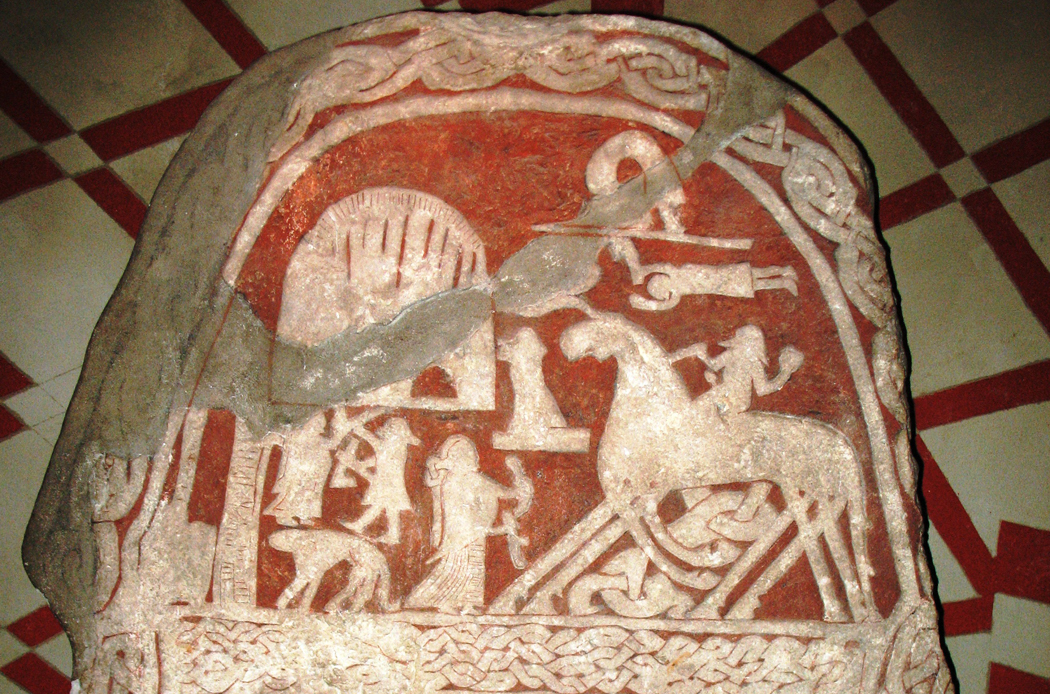
The 34th Interdisciplinary Viking Symposium has as its theme "vikings in the Baltics"
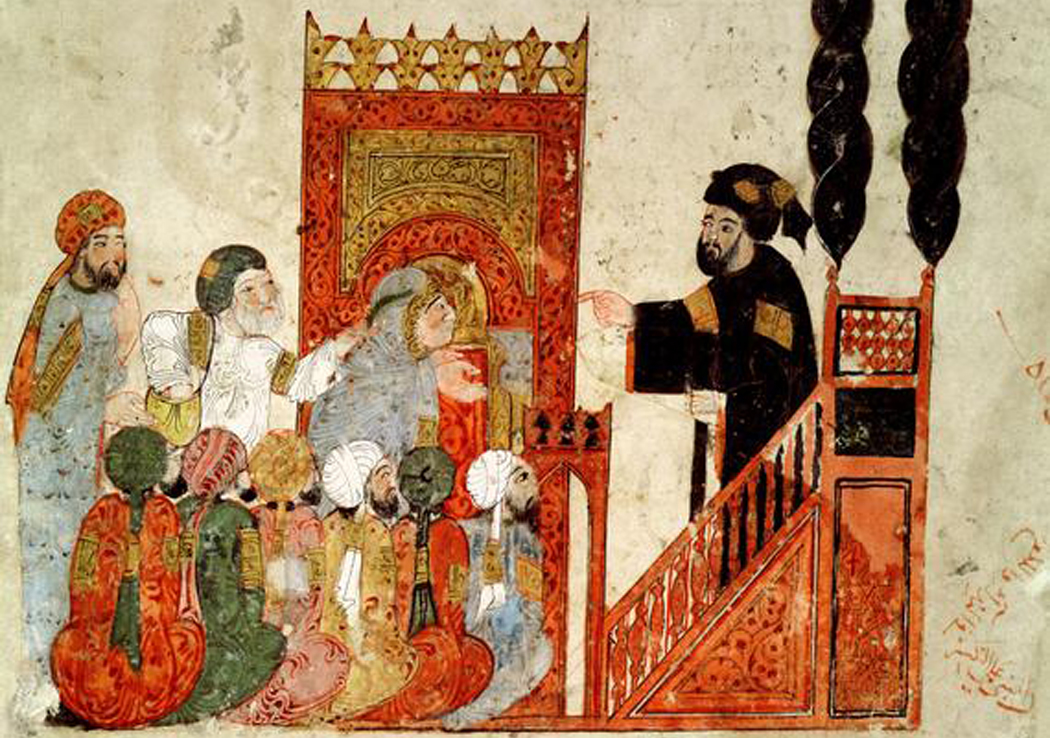
Medieval Muslim Historians and the Franks in the Levant
Series: Muslim World in the Age of the Crusades
By Alex Mallett (Ed)
BRILL 2014
ISBN-10: 9004277412
ISBN-13: 978-9004277410
In Medieval Muslim Historians and the Franks in the Levant seven leading scholars examine the lives and historical writings of seven medieval Muslim historians whose works are relevant to the history of the crusading period in the Levant (c.1097-c.1291). Contributors include: Frédéric Bauden, Niall Christie, Anne-Marie Eddé, Konrad Hirschler, Alex Mallett, and Françoise Micheau, Lutz Richter-Bernburg
 Preliminary Material
Alex Mallett (Ph.D. 2009, University of Edinburgh) is a Research Fellow in the Institute of Arab and Islamic Studies, University of Exeter. He is the author of Popular Muslim Reactions to the Franks in the Levant, 1097-1291 (Ashgate, 2014), and co-editor of the five-volume series Christian-Muslim Relations: A Bibliographical History (Brill, 2009-2013).

'England, Arise' paints a picture of medieval life that illuminates a volatile England on the verge of extraordinary social changes around 1381
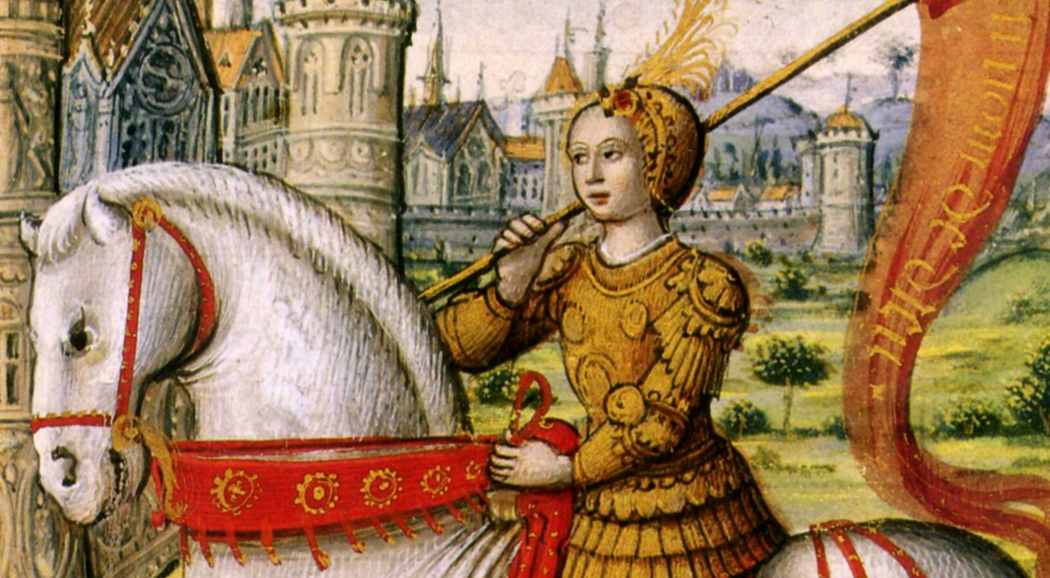
This is a brilliant biography of Joan of Arc, telling the story in a new and fresh way
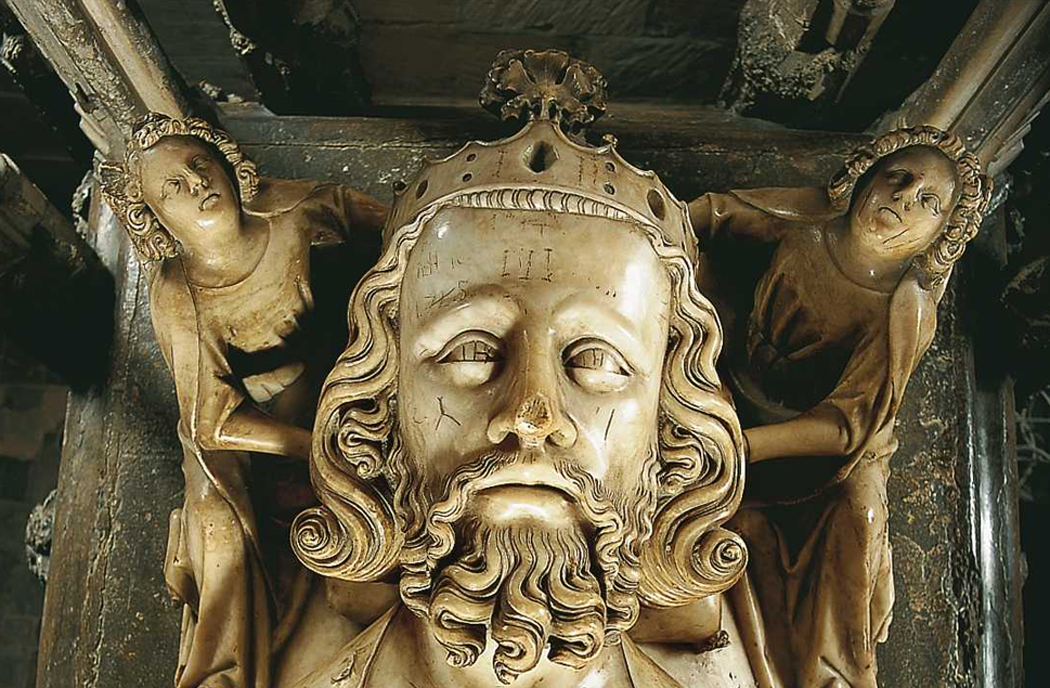
Edward II: The Unconventional King
by Kathryn Warner and with a foreword by Ian Mortimer
Amberley Publishing 2014
ISBN-10: 1445641208
ISBN-13: 978-1445641201
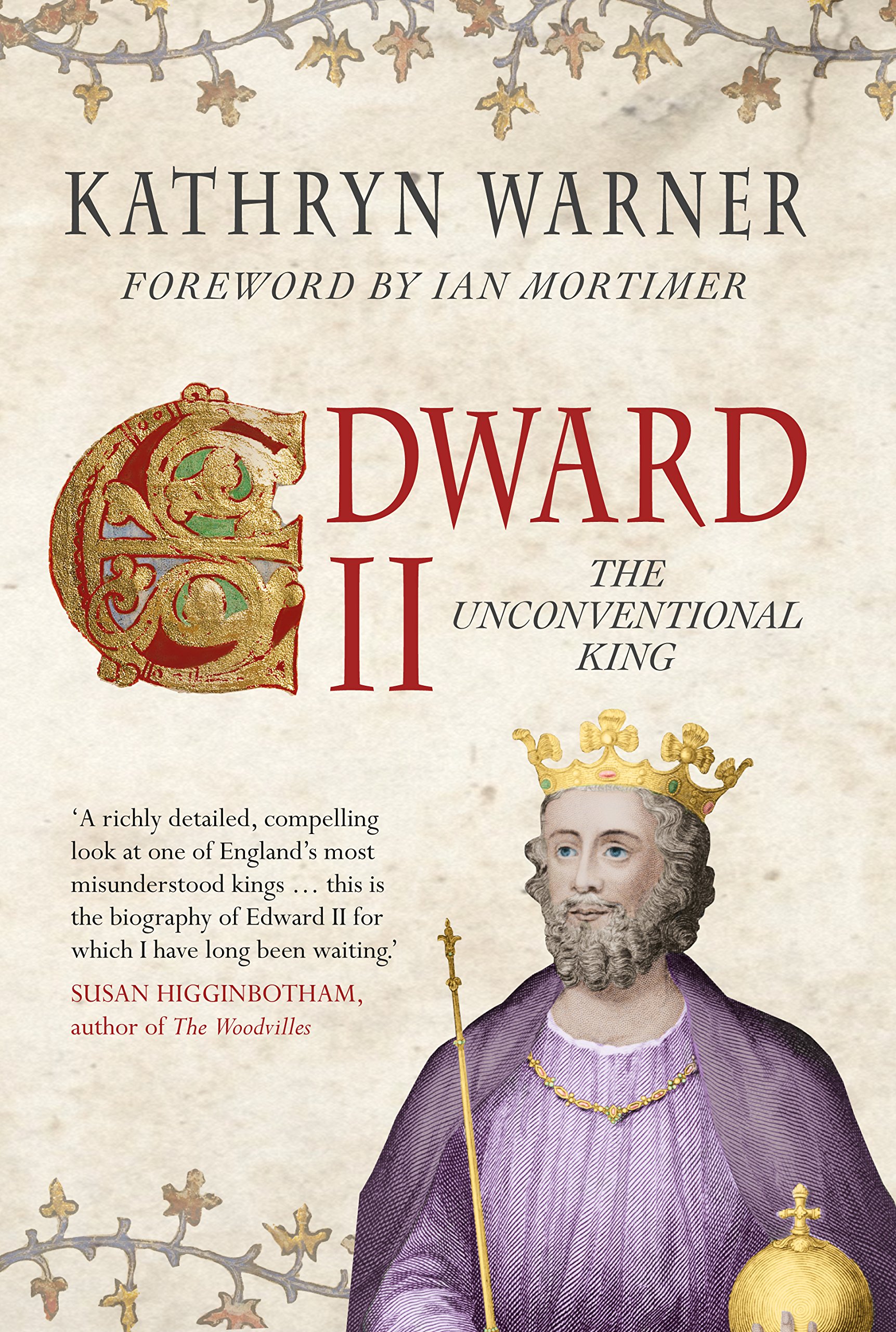 He is one of the most reviled English kings in history. He drove his kingdom to the brink of civil war a dozen times in less than twenty years. He allowed his male lovers to rule the kingdom. He led a great army to the most ignominious military defeat in English history. His wife took a lover and invaded his kingdom, and he ended his reign wandering around Wales with a handful of followers, pursued by an army. He was the first king of England forced to abdicate his throne. Popular legend has it that he died screaming impaled on a red-hot poker, but in fact the time and place of his death are shrouded in mystery. His life reads like an Elizabethan tragedy, full of passionate doomed love, bloody revenge, jealousy, hatred, vindictiveness and obsession. He was Edward II, and this book tells his story. The focus here is on his relationships with his male ‘favourites’ and his disaffected wife, on his unorthodox lifestyle and hobbies, and on the mystery surrounding his death. Using almost exclusively fourteenth-century sources and Edward s own letters and speeches wherever possible, Kathryn Warner strips away the myths which have been created about him over the centuries, and provides a far more accurate and vivid picture of him than has previously been seen.
Kathryn Warner holds a BA and an MA with Distinction in medieval history and literature from the University of Manchester. She has had an article about the earl of Kent’s plot of 1330 published in the English Historical Review in 2011, and also one about a fifteenth-century manuscript published in the Bulletin of the John Rylands University Library of Manchester. When she is not immersed in the fourteenth century, she works as a teacher and translator.
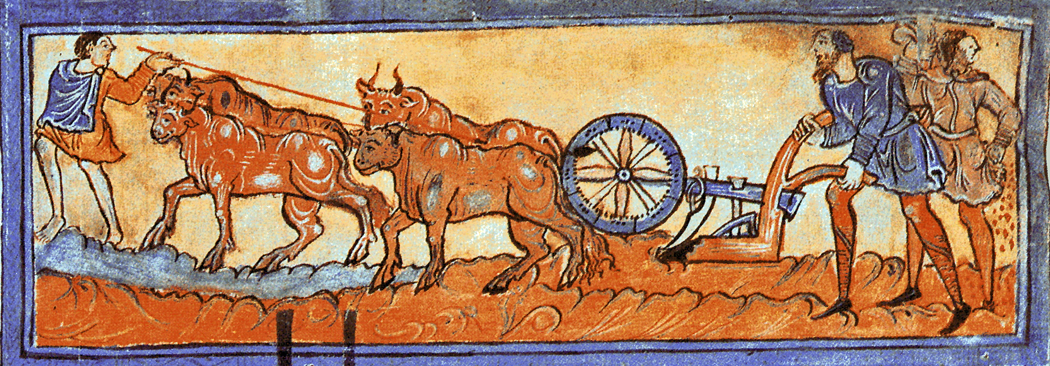
New book on farming in Anglo-Saxon England approaches the subject by using a wide variety of sources to create a fully-rounded picture
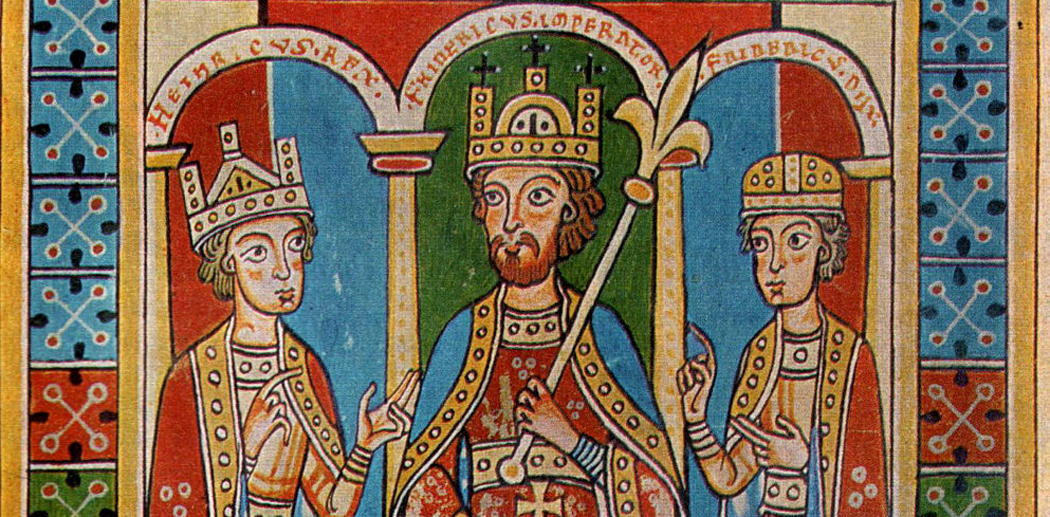
Biographies entice readers. Here are the stories of 70 persons, who made the Middle ages
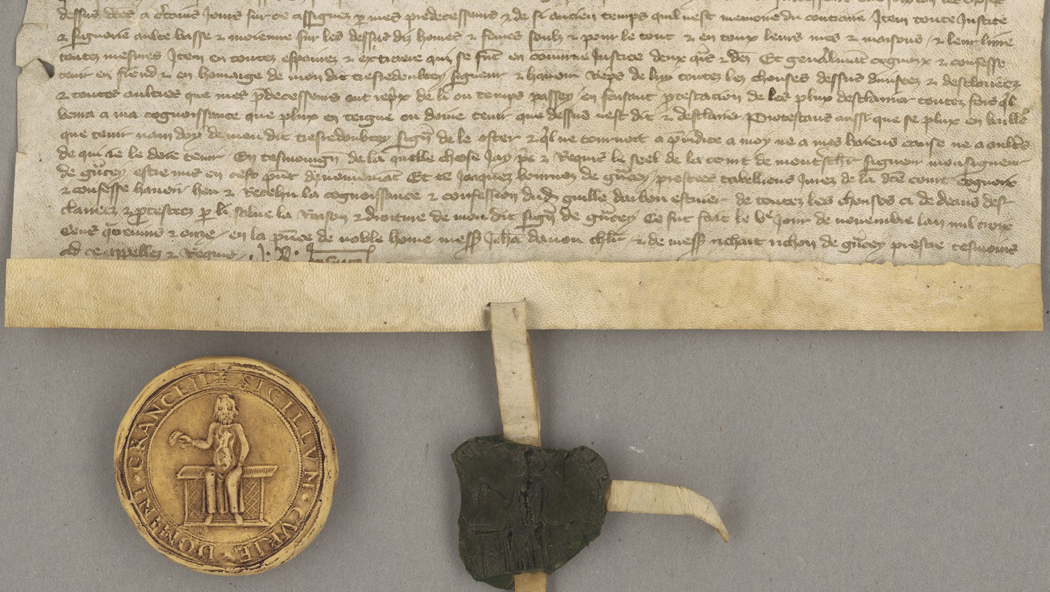
The use of surnames became widespread in France between AD 1000 - 1400. New book presents the material and analyses the development of the new fashion
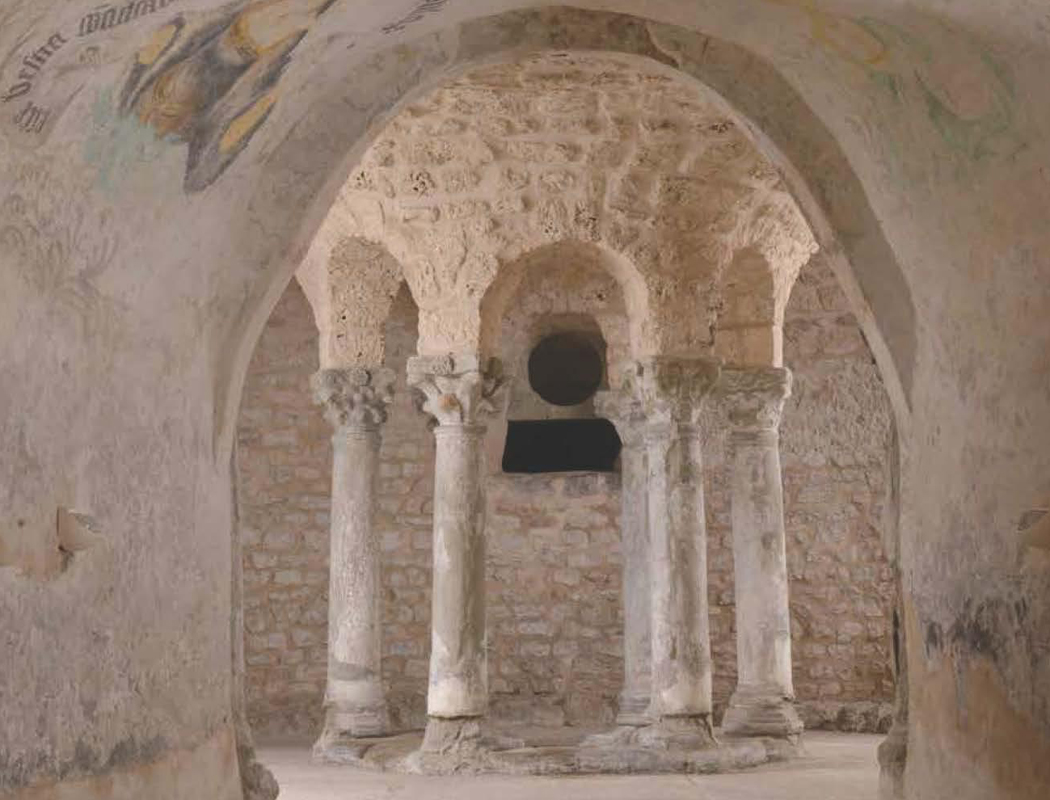
A renowned historian and archaeologists presents 400 crypts in France while exploring the idea of the medieval crypt from the 4th to the 12th century
The city of Cologne in Germany has been celebrating its magnificent trademark – the Three Magis – all year. The occasion is the 850th anniversary of the arrival of the relics in the city.
The remains of the Magi were brought to the Cathedral in Cologne in 1154 after having been pillaged from the Italians by the Archbishop Rainald of Dassel. During the Middle Ages their relics transformed the city into one of the most beloved pilgrimage centres in the Western World. This year the city celebrates the 850-anniversary with a series of events and several exhibitions.
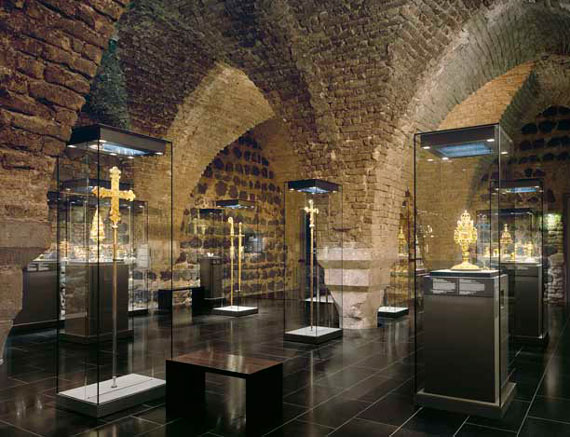
The Cathedral in Cologne, where the relics of the three Magi are still revered, celebrates the anniversary with an exhibition focusing on the history of the veneration of the three saints. This is accomplished by showing the different locations of the famous reliquary by Nicholas Verdun in the Cathedral as well as exhibiting the impressive collection of other golden treasures belonging to the Cathedral. In the entrance hall to the Domforum visitors may get an introduction to the full story. In the library a series of manuscripts are exhibited, amongst those the Limburger Evangeliar.
Foremost, however, an exhibition in Museum Schnütgen on “The Magi” tells the story and shows the art, which these three symbols of generosity stimulated.
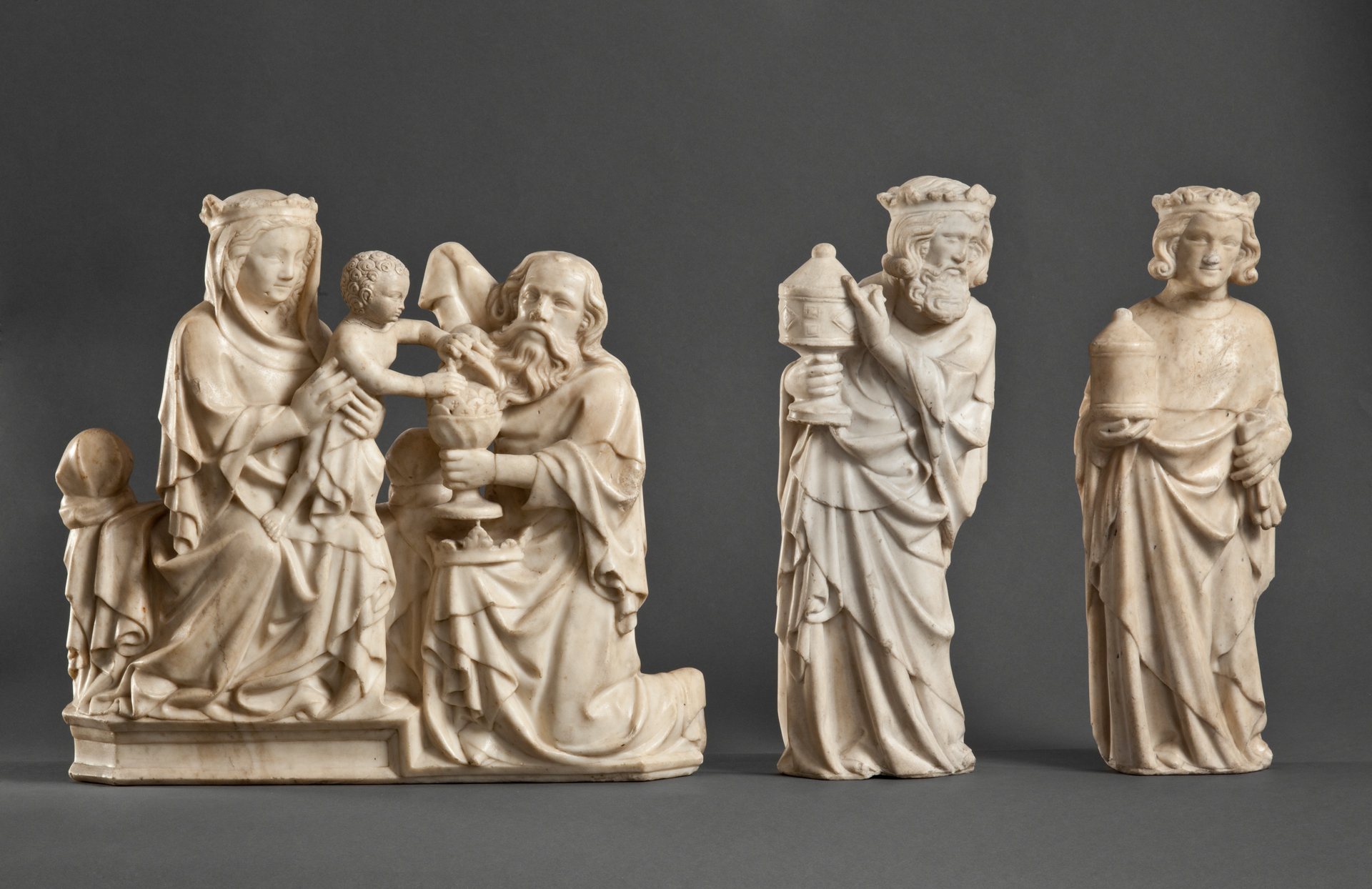
The earliest piece of art in the exhibition is a 3rd century tomb slab from the Vatican Museum; one of the most recent is an 18th century Neapolitan nativity scene with about 300 figures from the Diözesanmuseum (Diocesan Museum) in Freising . Whether it is a 5th century ivory diptych from the Milanese Cathedral Treasury, marvelous 10th and 11th century Ottonian book illuminations from libraries in Bremen, Rome and Göttingen or a unique 14th century Madonna from the Metropolitan Museum in New York – practically all of the exhibited works are in and of themselves worth a trip to Cologne.

The earliest reliefs and objects still adhered to the traditions set by ruler portraits from the Antiquity. However, the scene soon became imbued with almost fairytale-like qualities. The Wise Men mentioned in the Gospels became kings and the Virgin Mary in the stable of Bethlehem was transformed into a sumptuously clothed queen sitting upon a throne, while her divine child received both adoration from the shepherds and gifts from the Magi.
Since the 10th century at the latest the representation of the Mother of God sitting on the “Throne of Wisdom” became one of the most important cult images to grace the interior of churches. Highlights in this section of the exhibition are precious examples of wooden and ivory sculpture, but also the stone Romanesque choir screens from the Rheinisches Landesmuseum (Rhenish State Museum) in Bonn.
The central theological significance of the Adoration of the Magi is reflected in compositions depicting them next to scene of Crucifixion. The two themes were often placed in juxtaposition to each other, be it on a 12th century book cover or in 14th and 15th century panel paintings. The exhibition features a number of especially ornate examples.
Many representations also use the star as a leitmotif to embody the cosmic dimension of Christmas. These include the mitre from Sainte-Chapelle in Paris, one of many loans from the Musée de Cluny, and a diptych from the Museo del Bargello in Florence.
Royal affluence, oriental splendour and exotic paraphernalia came to predominate later on, particularly in paintings from the late 15th and early 16th centuries. The exhibition shows this by exhibiting prominent works from all over Europe. Several valuable and rare textiles and works of goldsmiths, among them pieces from the Musée des Tissus in Lyon and the Grünes Gewölbe (Green Vault) in Dresden, make it possible to experience three-dimensionally objects like those portrayed in the paintings.
An extensive catalogue has been published for the exhibition, also in English. It can be purchased at the museum for the special price of 39 €, in stores for 49.90 €.
Die Heiligen Drei Könige. Mythos, Kunst und Kultur
Cologne, Museum Schnütgen
25.10.2014 – 25.01.2015,
Caspar – Melchior – Balthasar. 850 Jahre Dreikönigenverehrung im Kölner Dom
Cologne Cathedral
19.07.2014 – 25.01.2015
1164 -2014 in Köln. Reich Beschenkt…
Der Schrein der Heiligen Drei Könige
Anbetung der Heiligen Drei Könige vom Hochaltar des Kölner Domes, Köln, um 1310-1322, Museum Schnütgen, Köln © RBA / W. Meier
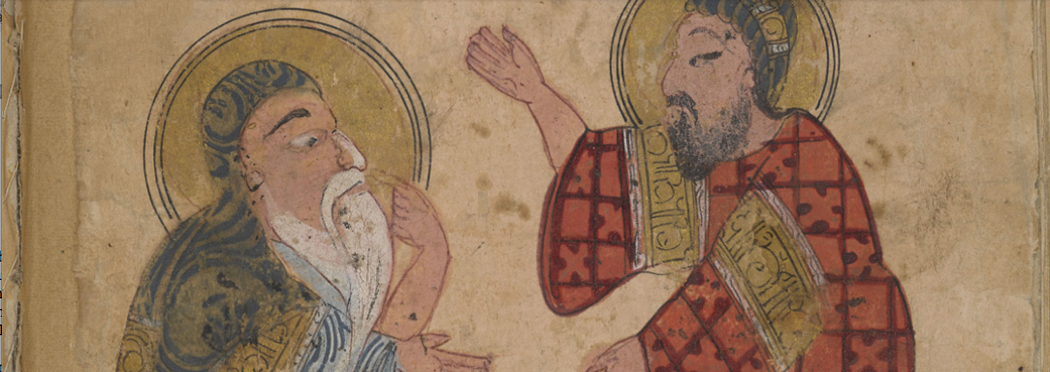
The Arabic Manuscripts Collection In the British Library comprises almost 15000 works in 14000 volumes
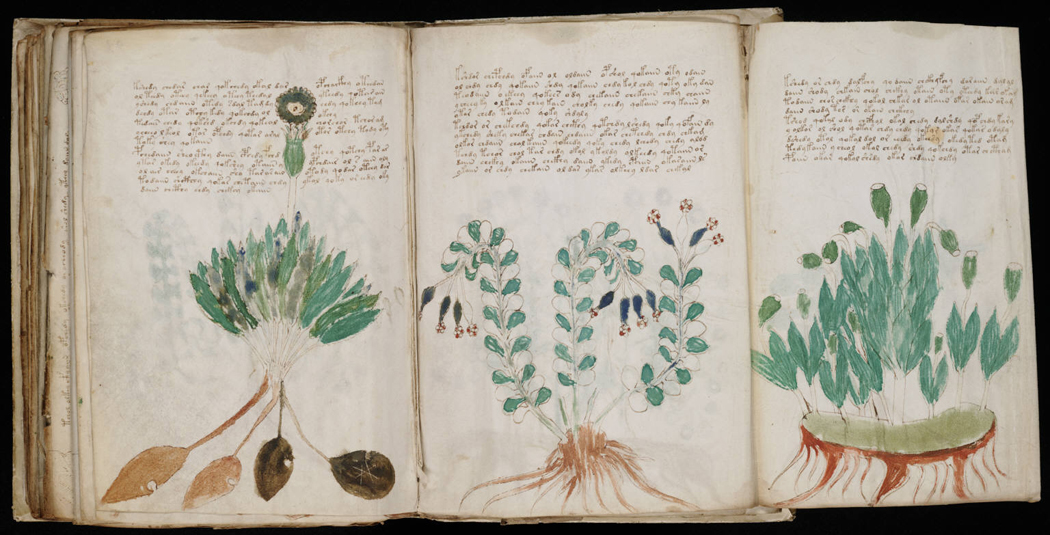
The Voynich Manuscript is perhaps the largest medieval enigma of them all. New digitized edition might help scholars along