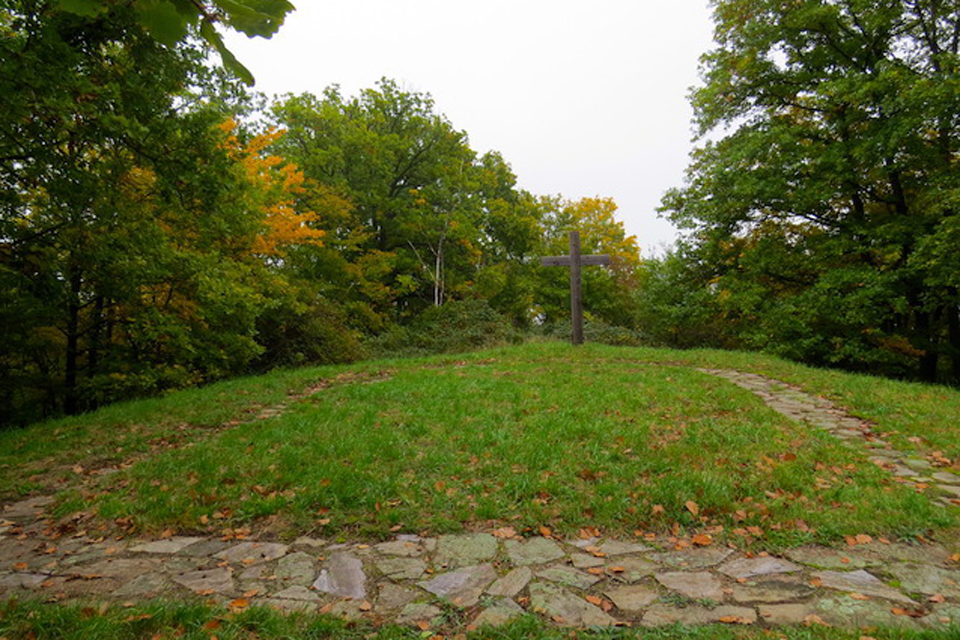
Archaeologists have been working for decades to excavate the early medieval settlements at Thurnau near Gars in Eastern Austria. Recent studies of the burial ground excavated in 1975-2000 tell the story of the burial of the unbaptized destined for limbo.
People living in the modern world tend to hear solely with their ears. In the Middle Ages, however, the borders between the different senses were much more blurred. A German research project aims to explore this complex soundscape
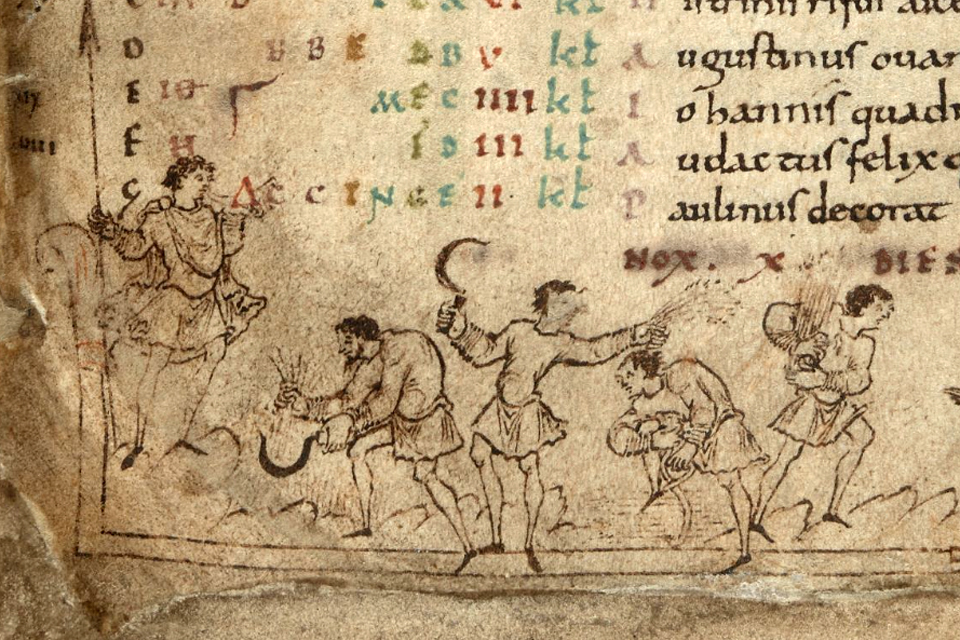
During the 4th-8th century, vast stretches of Europe shifted from growing wheat to rye. Careful studies indicate the shift was a reflection towards a new, more balanced peasant economy.
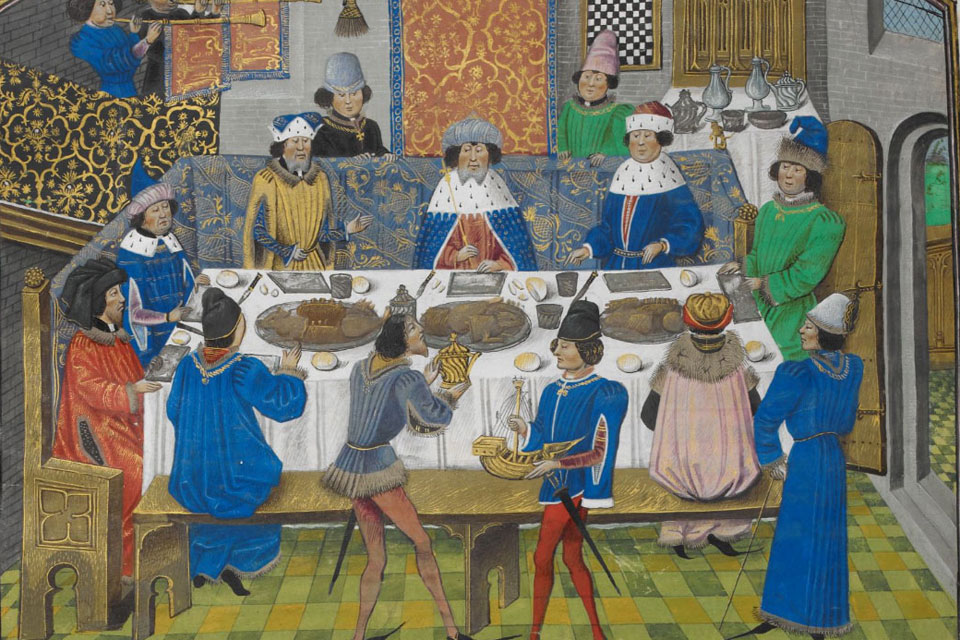
In the 14th century, it became fashionable to decorate tables at noble or royal banquets with models of ships, symbolising “Good Luck” and “Fair Wind”. Later, the wealthy merchants in the cities picked up this fashion. The Schlüsselfeld ship is one of the more famous.
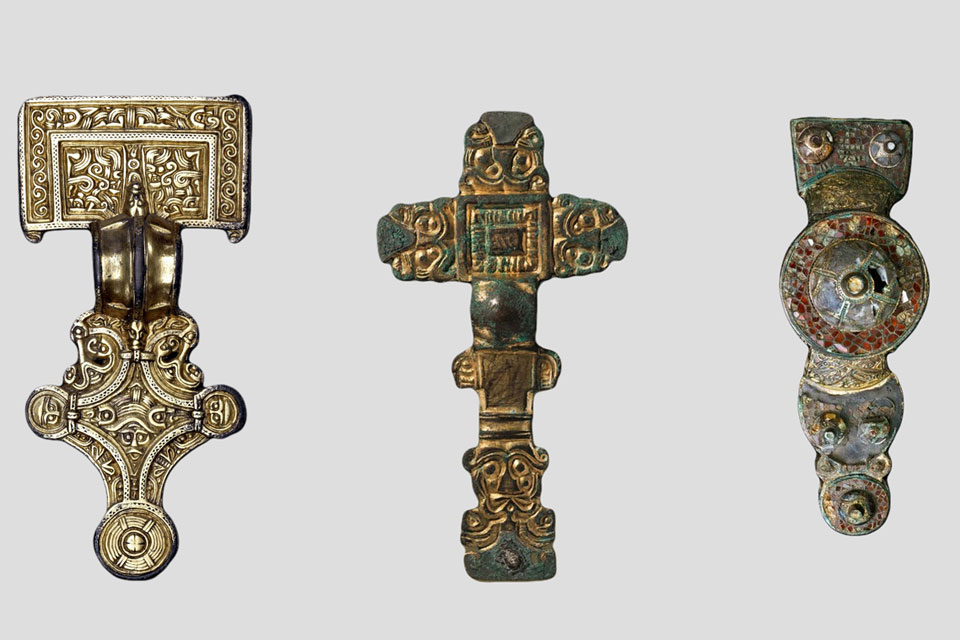
New research points to the role distinct brooches played in the formation of “ethnic” identities in the North Sea region during the migration period and in the Early Viking Age
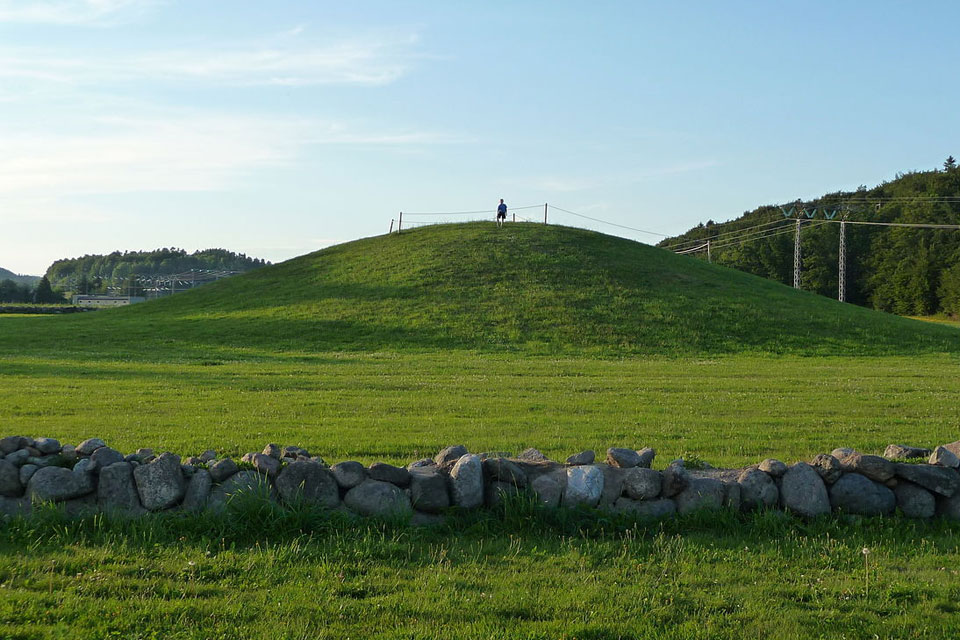
Norwegian archeologists are revisiting the old mounds ind which Viking Ships were buried. It appears, these mounds were carefully created as part of the burial traditions.
A new interdisciplinary research project - The impact of food culture in Medieval towns (FOODIMPACT) will analyse more than 30.000 items in the Cultural Museum in Oslo
New genetic studies of the remains of 442 humans excavated across Europe and Greenland reveal the admixture and the direction of the gene flow ca. 750 - 1000
Already contemporaries noted how the Black Death hit the Anglo-Norman settlers in Ireland much harder than the Gaelic People. New research offers an explanation
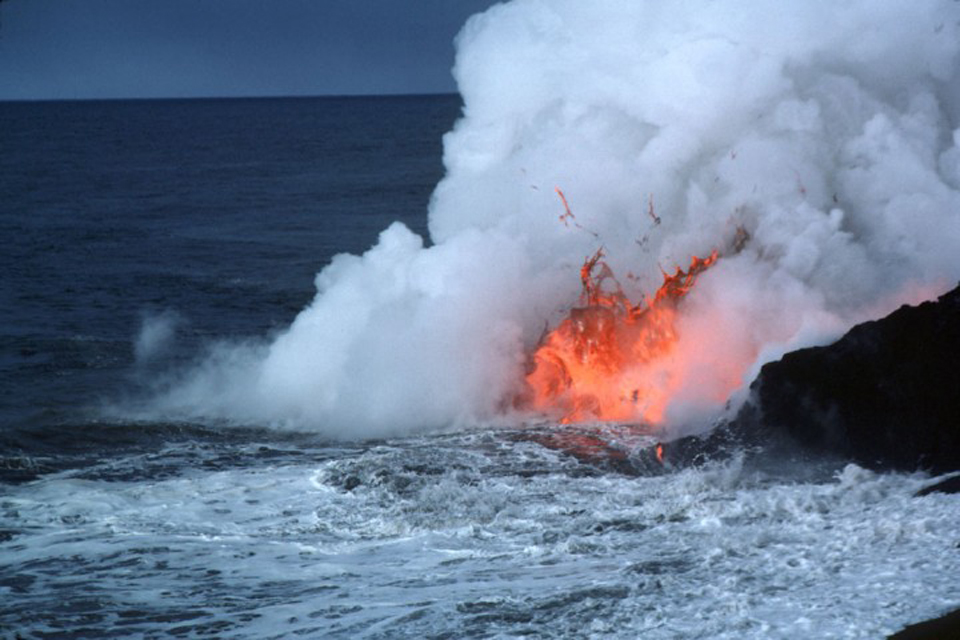
After AD 536 a mysterious dimming of the sun brought on global cooling, famines, and civil upheavals. Believed to have been caused by climate changes caused by volcanic forcing, new research indicate some of this was undersea volcanism
In 1974 the historian Andrew Watson published an influential article in which he coined the phrase: The Arab Agricultural Revolution. How has this thesis fared? What do we know today about gardening in Early Medieval Iberia?
The climatic disruption in the 6thcentury was forced by a series of massive volcanic eruptions. Recently the Ilopango volcano was identified as responsible for the events AD 539-40.
Today, the Ilopango volcano in El Salvador towers over a beautiful and serene lake offering countless adventures to nature lovers and cultural tourists aiming to experience the Maya Classic Period (AD 250 – 900).
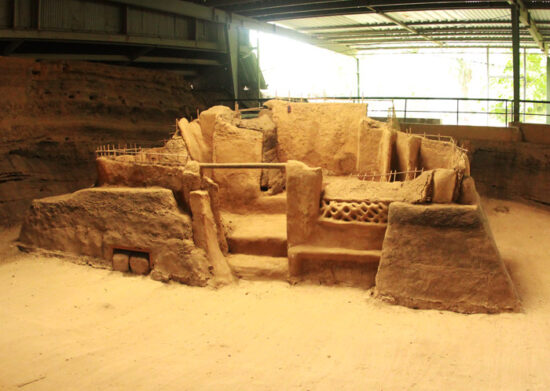
Sometime in the middle of the first millennium the volcano erupted violently spreading its devastation over a densely populated and intensively cultivated region in the southern Maya realm, causing regional abandonment of an area covering more than 20,000 km2, and destroying countless villages and settlements. One of these is the Joya de Ceren, called The Pompeii of the New World and declared UNESCO World Heritage.
Although long suspicioned as the cause of the events in AD 539-40, neither the regional nor global impacts of the Tierra Blanca Joven (TBJ) eruption in Mesoamerica have been well appraised. Until now scientists have been met with limitations in available volcanological, chronological, and archaeological.
In this article, the authors present new evidence of the age, magnitude and sulfur release of the TBJ eruption, establishing it as one of the two hitherto unidentified volcanic triggers, which loaded the atmosphere with a serious injection of stratospheric aerosol.
This injection profoundly impacted the climate across the Northern Hemisphere between circa 536 and 550 CE. The new chronology is derived from 100 new radiocarbon measurements performed on three subfossil tree trunks enveloped in proximal TBJ pyroclastic deposits.
The authors have also reassessed the eruption magnitude using terrestrial (El Salvador, Guatemala, Honduras) and near-shore marine TBJ tephra deposit thickness measurements. Together, our new constraints on the age, eruption size and sulfur yield along with Ilopango’s latitude (13.7° N), squarely frame the TBJ as the major climate-forcing eruption of AD 539 or 540, which has been identified in bipolar ice cores and sourced to the tropics. The eruption merit a rating of 7 on the Volcanic Explosivity Index, and posits it as larger than the 1816 eruption of Tambora, which caused the “year without a summer.”
In addition to deepening appreciation of the TBJ eruption’s impacts in Mesoamerica, the research links this volcanic eruption to the major Northern Hemisphere climatic downturn of the mid-6th century CE, and offers another piece in the puzzle of understanding Eurasian history of the period.