Pageant, feast, show? Judging from the media’s comments on the on-going reburial of Richard III, it seems appropriate the Queen of England has kept her distance to what has obviously turned into a gaudy event filled with disrespect
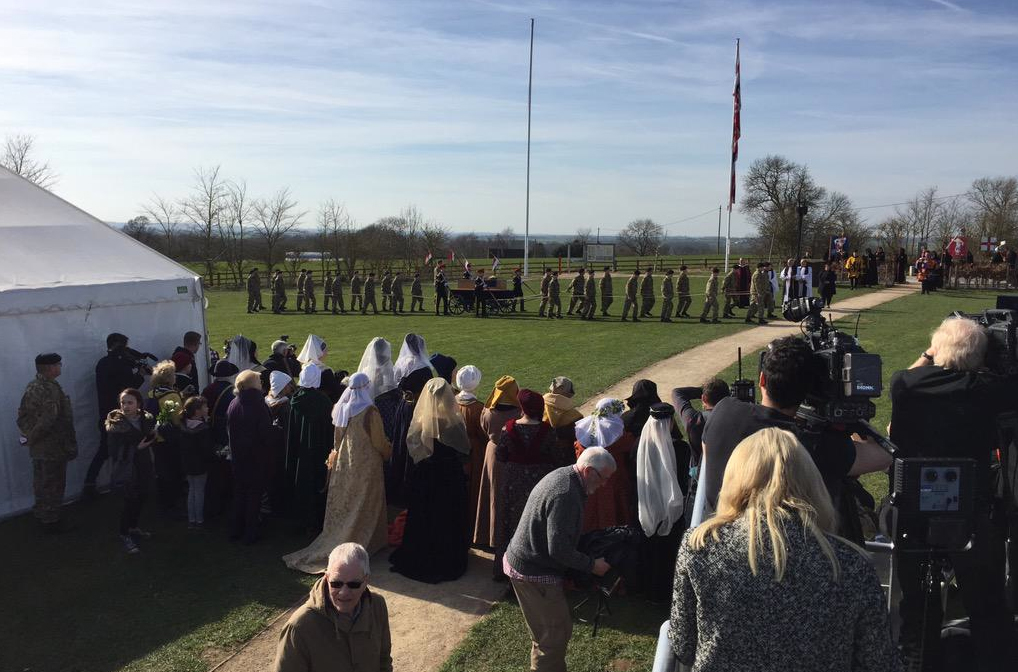
Pageant, feast, show? Judging from the media’s comments on the on-going reburial of Richard III, it seems appropriate the Queen of England has kept her distance to what has obviously turned into a gaudy event filled with disrespect

Why have more than 5000 youngsters gone from Europe to Syria to join Isil? Perhaps Medieval History might offer an answer
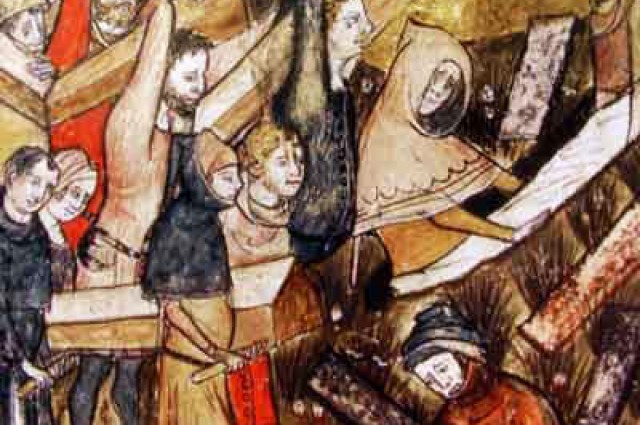
In a recent article by Pobst bio-archaeologists and geneticists have been called nothing but grave-robbing scientists [1]. This rather derogatory epithet has caused Sharon DeWitte from the University of South Carolina to write a review of the history behind the digging up of graves and the scientific explorations and ethical considerations, which are currently acknowledged by archaeologists, when they venture into the field [2].
Her exposé is very interesting and should be obligatory reading at universities, which teach bio-archaeology in general. But it should also be attached with a warning.
Bio-archaeology is a subfield of physical anthropology, which is dedicated to the study of skeletal remains in order to further our understating of mortality, fertility, growth patterns, diet and migrations.
Such studies are important if we wish to have a full understanding of the living conditions in a by-gone age. For instance we cannot know the exact character of such phenomena as the Black Death without the very large studies, which have been carried out during the last decades and more.
However, bio-archaeology is the modern heir to a despicable tradition of grave-robberies, which took place in the 19th and 20th century, when physical anthropologists raided burial grounds of Native Americans and other indigenous people like the Inuits. Occasionally these skeletons or mummies were exhibited and in a few well-documented cases close relatives even had the unpleasant experience of seeing their parents or grandparents exhibited at museums. As late as in 1971, Sharon DeWitte tells us, a White individual was found buried together with a Native American woman. He was reburied with all decorum, while she was retained for study. It was not until 1988-90 in the USA that a number of specific statements were issued and acts passed, which had as their object to protect burial grounds and secure the repatriation of the mortal remains held by museums or laboratories, when descendants asked for it. This inspired a number of museums and collections to officially review this practice in international fora like for instance ICOM.
Today most anthropologists and bio-archaeologists agree that a balance has to be stroke between 1) remains should be treated with dignity and respect, 2) descendants should be given the authority to determine what should be done with the remains of their ancestors and 3) remains should be preserved for scientific research in so far as they represent a rich source of information about human history. In general it is agreed that when these three considerations are in conflict, the respect for the feelings of relatives and ancestors should be given priority.
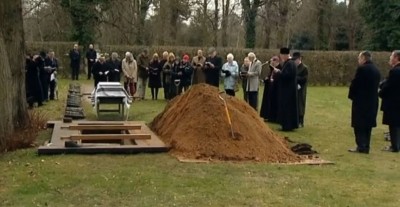
Thus the excavation of part of the Jewish cemetery at Jewbury in York was planned and conducted in consultation with the chief Rabbi. And ultimately the remains were reinterred without being fully studied.
However, less debate has been generated by the Black Death research, which began with the excavation of East Smithfield cemetery in1989 contributing to the present cache of 17.000 human remains currently kept at the Museum of London’s Archaeological Archive and Research Centre – reaching from the prehistoric to the postmedieval period. An invaluable resource, writes Sharon DeWitt, who stresses the fact that the people are long since gone and no descendants can have a reasonable claim on the remains. She also informs us that the excavations have been carried out in accordance with the guidelines provided by the Church of England, English Heritage and the DCMS; and that the research has yielded enormously important knowledge about the DNA of the Yersinia Pestis and the epidemic in general. Sharon DeWitte is herself heavily engaged in studying mortality patterns, demographic context and consequences of medieval plague epidemics including the Black death of 1347 -1351.
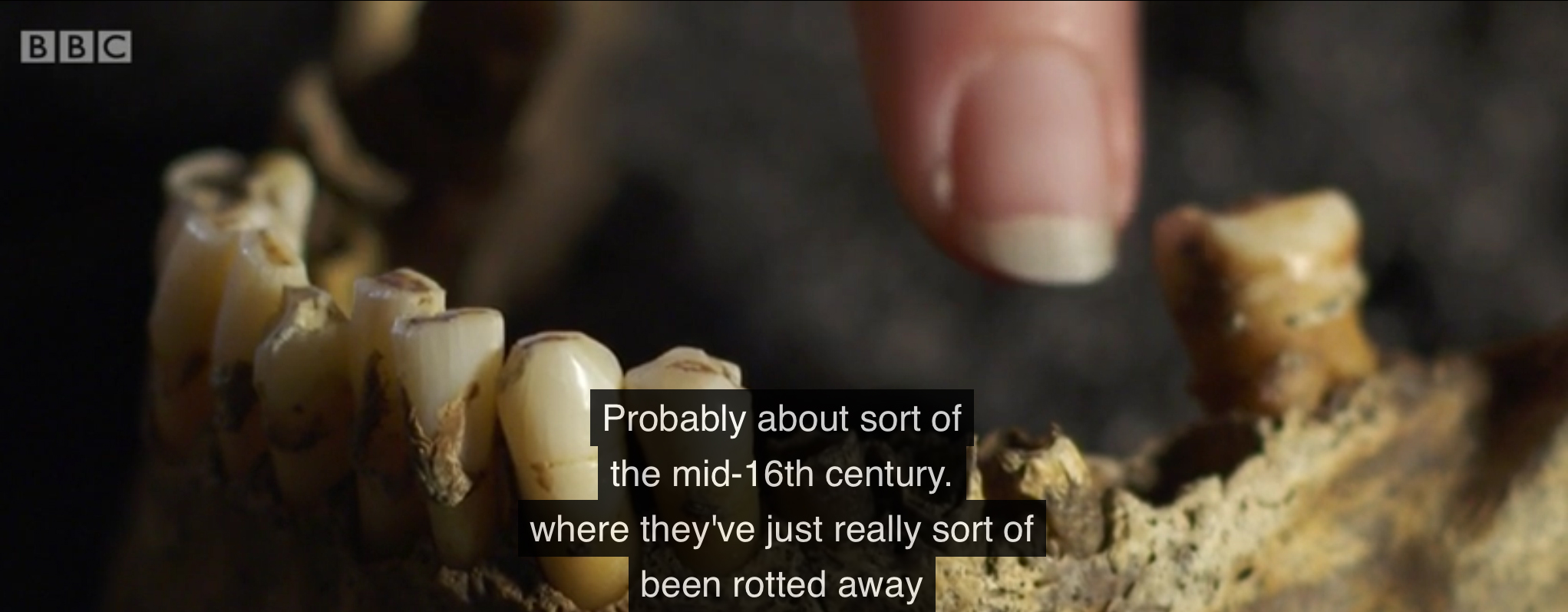
Appalling says some ethicists, pointing out that at least the remains ought to be reinterred afterwards. Perhaps scientific exploration is in order, but that the skeletons should afterwards be reinterred and not kept in a warehouse, nor used for “morbid gazing” (whatever classifies as such). Perhaps they should not be used for endless documentaries produced by the BBC; as was for instance the case recently, when a number of 16th century skulls were casually handled by Dr. Suzannah Lipscomb in her otherwise sympathetic and illuminating programme: The Hidden Killers of the Tudor Home (BBC2 2015).
What is more interesting, though, is a proper unpacking of the ethical arguments put forward by the different parties.
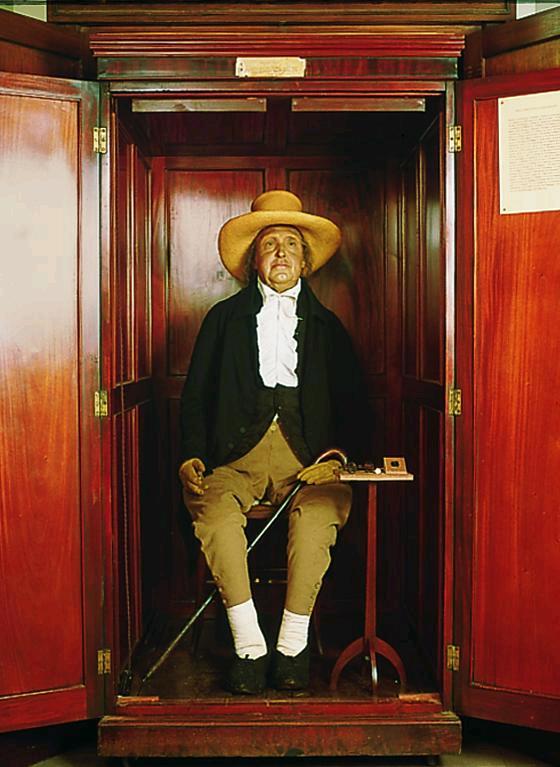
On one hand we have what is obviously a utilitaristic set of arguments: the study of these skeletons is a very useful scientific sub-discipline. We simply learn a lot. This is then backed by a referral to the so-called ethical guidelines offered by venerable institutions – making it not only utilitaristic, but also semi “lawful”. Finely we get the argument that as long as the practice does not hurt any living persons – relatives or descendants – the value of the research neatly outweighs any claims to treat the remains with further dignity and respect. Jeremy Bentham would love these arguments!
On the other hand an ethics of duty might point in quite another direction. Most of these plague victims were obviously buried by their relatives or friends, who made a great effort under tremendous stress to do what they thought of as a primary Christian duty: to bury the dead. Occasionally long forgotten graveyards and plague pits are found and excavated archaeologically before a car-park or shopping centre can be built on the location. There is no reason why these excavations should not be carried out diligently. However, after having studied the remains, they ought to be reinterred again, reflecting the wishes of our ancestors (even if we no longer share this feeling that we have an obligation to give our relatives a proper Christian Burial).
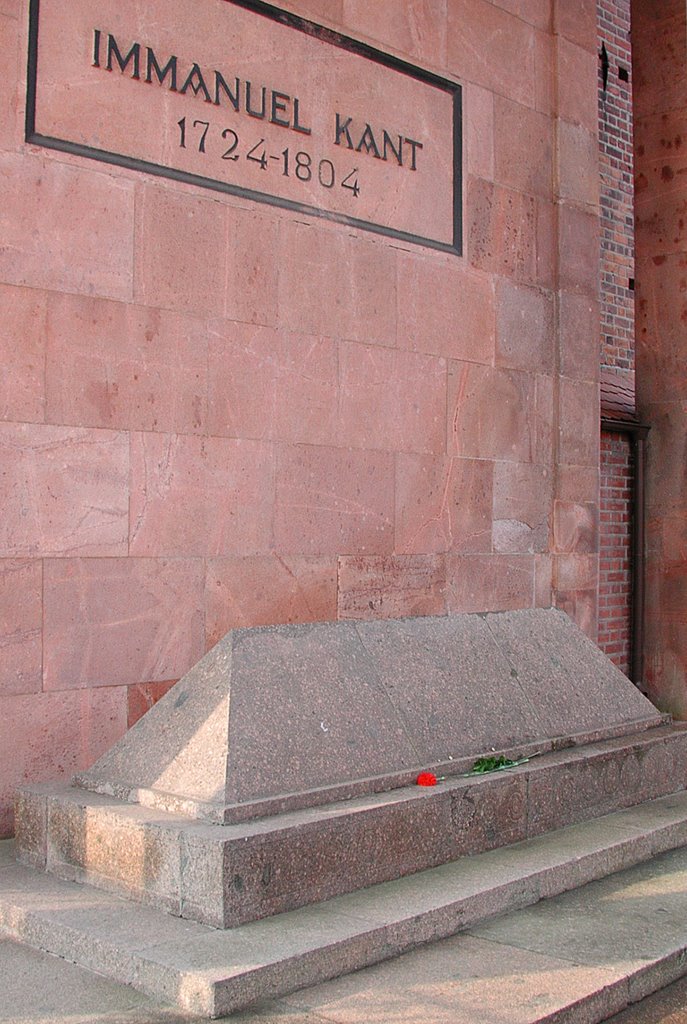
For an Englishman or American this might sound decidedly odd. For a continental ethicist coached in the tradition of Kant, however, the question one should pose is quite different: Would you really like in the future to be exhibited on BBC because you had rotten teeth caused by an over-consumption of sugar? If not – should you do this to your ancestors?
By the way: In Denmark the general rule is that skeletons dug up in connection with restoration of churches or churchyards have to be reburied. Often this is done in connection with a special service. What to do with the finds in plague pits are vigorously debated. Anyone buried before Christianity was introduced – 1000 – 1200? Well they seem to be “fair” game.
Karen Schousboe
Notes
[1] “Should we Teach that the Cause of Black Death Was Bubonic Plague?”
By P. Pobst
In: History Compass, 11/10 (2013) pp. 808 – 20
[2] Bioarchaeology and the Ethics of Research Using Human Skeletal Remains
By Sharon N. DeWitte
In History Compass 13/1 (2015) p. 10 – 19
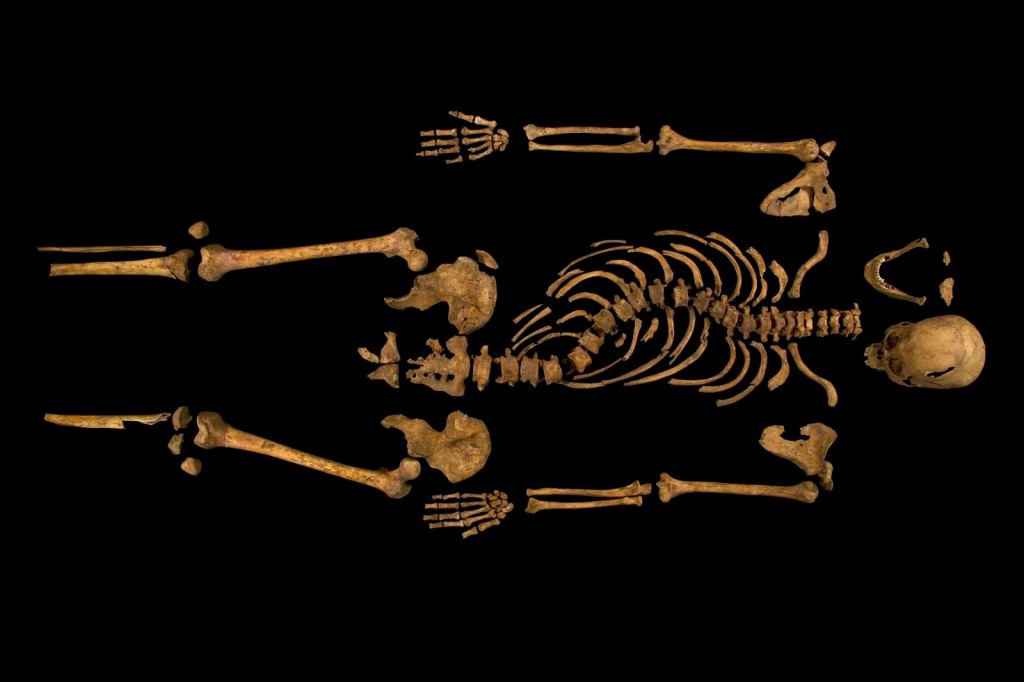
The photo shows the skeleton of Richard III. After having been carefully studied he will be laid to rest in leicester on Thursday 26 March 2015
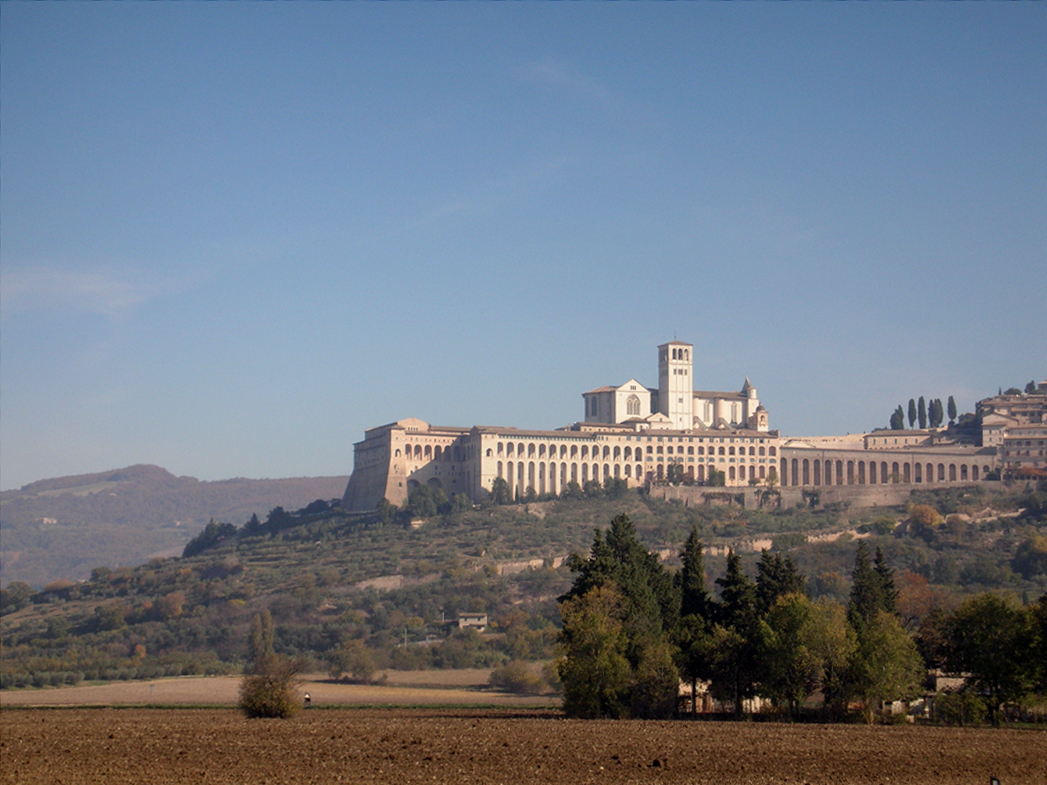
Come June Pope Francis will start a tsunami by publishing an encyclical on the future challenges of climate and environment
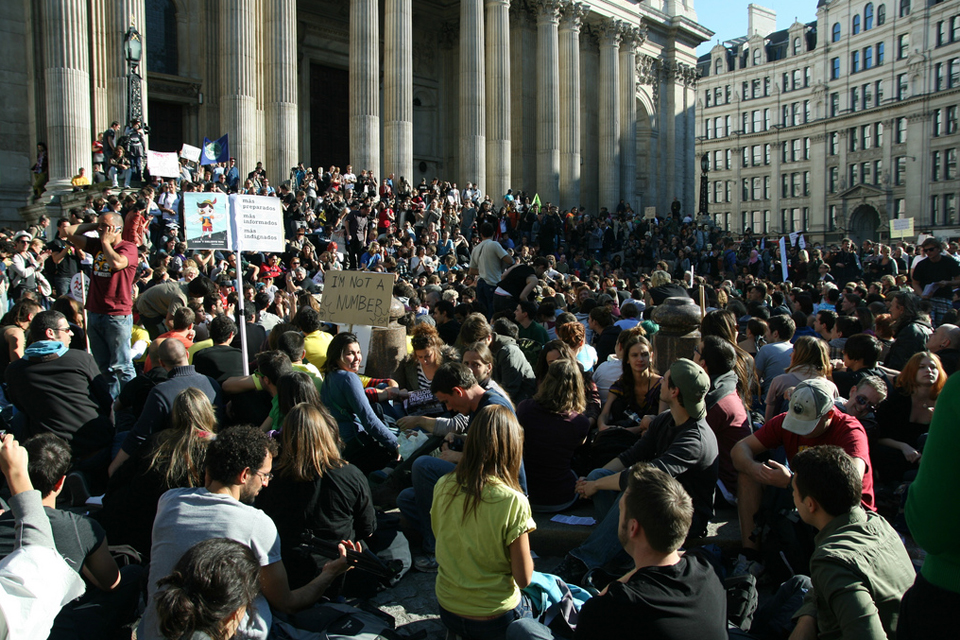
Occupy Wall Street recently decided to move to London and raise their banners at St. Paul's Cathedral. This led to a bitter battle in the sacristy. Afterwards the Archbishop raised a voice of concern