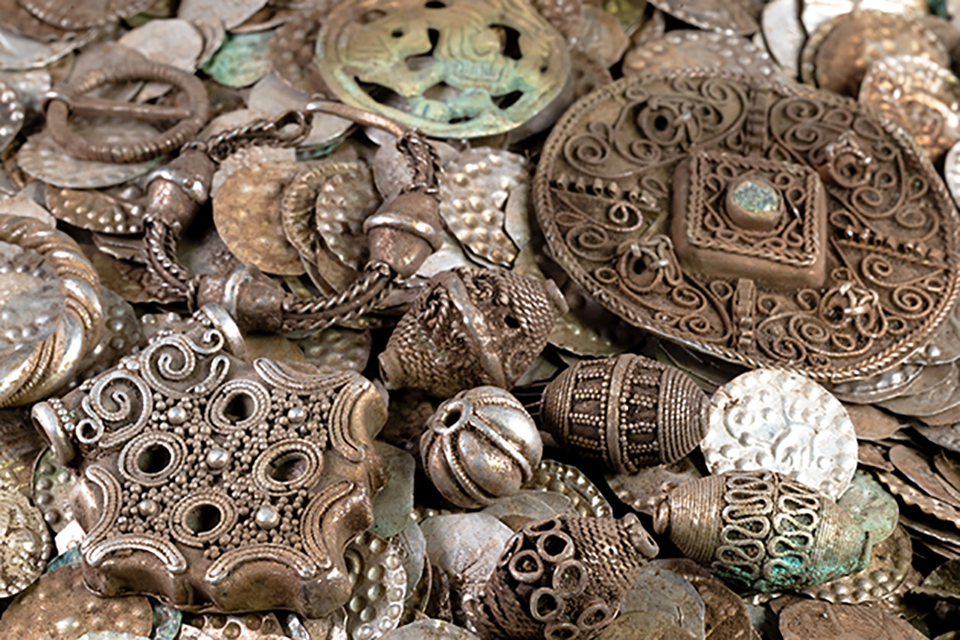
Weighing more than six kilograms, a remarkable treasure from the reign of Knut Eriksson was discovered near Stockholm in September
The find weighs a total of about six kilograms. The treasure consists of perhaps 20,000 silver coins, together with silver rings, pendants, and beads, all placed in a copper cauldron. The discovery was made when the finder was digging near his summer house in the Swedish archipelago close to Stockholm. As of now, the exact location of the find remains confidential.
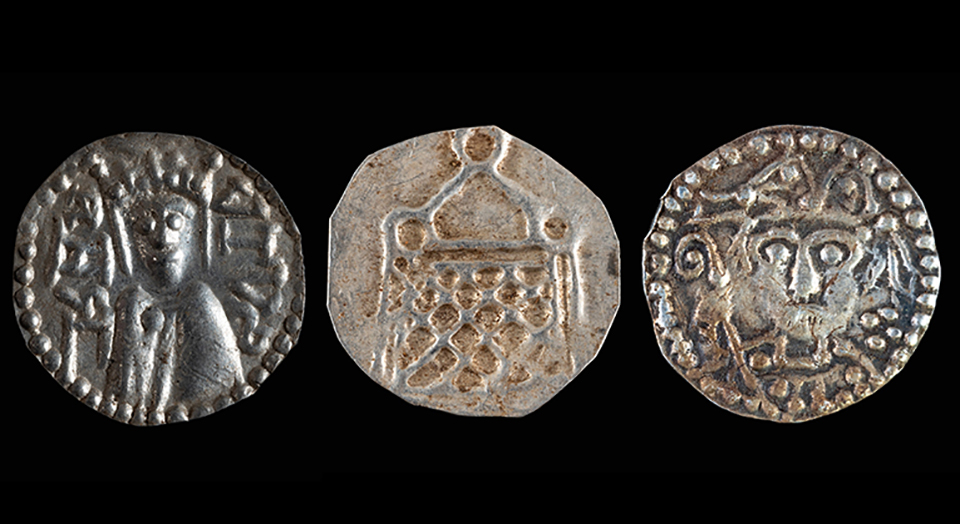
Probably one of the largest silver treasures from the early Middle Ages in Sweden, the coins date to the 12th century, based on a preliminary study of pieces issued during the reign of King Knut Eriksson (ca. 1145–1195). King Knut began minting coins around 1180 with the inscription KANVTUS REX, or simply KANVTUS. These were inspired by German coins issued by Henry the Lion of Saxony, with whom Knut entered into a treaty. While relations with the Norwegians were peaceful—the Norwegian king had married the king’s sister—the Danes remained a threat.


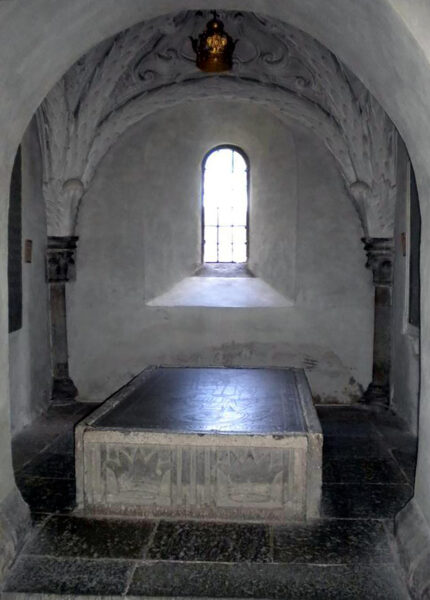
Knut Eriksson was the son of Eric the Holy, Sweden’s national saint, and the Danish princess Kristina Björnsdottir. The assemblage of coins is likely to shed new light on the tumultuous period of Early Medieval Sweden, when rival clans and factions fought for power and influence. After Knut Eriksson’s death in 1195 (or 1196), his three sons were defeated by the Sverkers at the Battle of Älgarås (1205). In 1208, however, the Ericssons regained the throne.
“Most of the objects are well preserved, but the copper cauldron is unfortunately not intact,” says Sofia Andersson, antiquarian at the County Administrative Board of Stockholm. “Ongoing surveys at the location aim to uncover coins that might have spilled over,” she says to the press.
Although impressive in size, the treasure does not compare to the great Viking-age hoards found on Gotland. For instance, the Spilling Treasure, dating to the 9th century, weighed 87 kilograms and was discovered beneath a floorboard on the Spilling Farm in northern Gotland.
PHOTO:
Silver Treasure from the reign of Knut Eriksson ca. 1180-1200 © Länsstyrelsen Stockholm
Further Reading
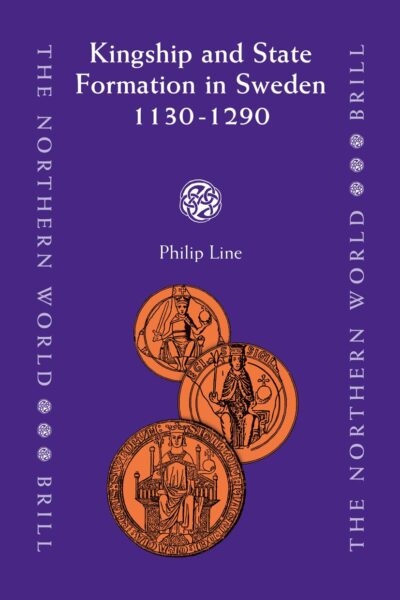
By Philip Line
Brill, 2007

Kingship and State Formation in Sweden tells the story of a key period in the consolidation of the Swedish state. The book begins with an overview of Sweden prior to the twelfth century and a reign-by-reign history of the period 1130-1290. Thereafter issues related to kingship and state formation are treated thematically, with sections on royal administration and taxation, legal and military institutions, relations between king and Church, the development of Christian kingship ideology and expansion into Finland. Extensive appendices are included on the genealogy and landholdings of powerful families and on fortifications. The book is well furnished with over forty maps and genealogical tables.
Sanctity in the North. Saints, Lives and Cults in Medieval Scandinavia.
Ed. by Thomas A. Dubois
University of Toronto Press 2008

For more than five hundred years, Nordic clerics and laity venerated a host of saints through liturgical celebrations, written manuscripts, visual arts, and oral traditions. Textual evidence of this widespread and important aspect of medieval spirituality abounds. Written biographies (or vitae), compendia of witnessed miracles, mass propers, homilies, sagas and chronicles, dramatic scripts, hymns, and ballads are among the region’s surviving medieval manuscripts and early published books.
Sanctity in the North features English translations of texts from Latin or vernacular Nordic languages, in many cases for the first time. The accompanying essays concerning the texts, saints, cults, and history of the period complement the translations and reflect the contributors’ own disciplinary groundings in folklore, philology, medieval, and religious studies.
The Cult of St Erik in Medieval Sweden: Veneration of a Royal Saint, twelfth – sixteenth centuries
By Christian Oertel
Series: Acta Scandinavica)
Brepols Publishers 2016