The week the opening of the exhibition on Nicolas Flamel at Musee de Cluny in Paris is the main event. However, a major exhibition at Tewkesbury, a major Norman building, explores how the social consequences of conquest unfolded following Hastings.
Category: Medieval News
Medieval News 12.10.2026 – 19.10.2026
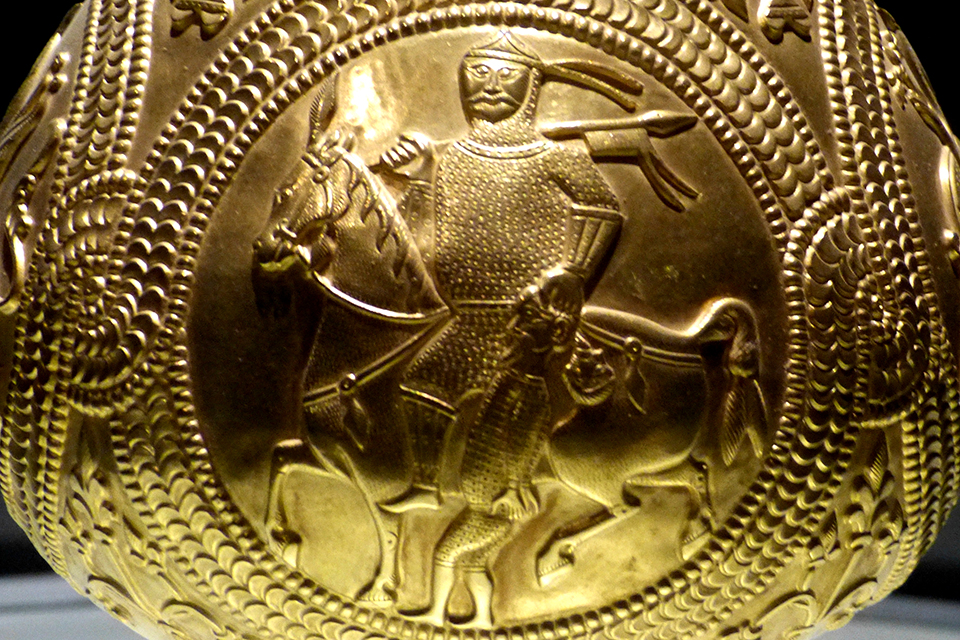
This Week is all about The Avars and their Genes, when the The Natural History Museum Vienna opens the special exhibition GENEchangers, based on the early medieval cemeteries of Leobersdorf and Mödling near Vienna.
Medieval News 05.10.2026 – 12.10.2026
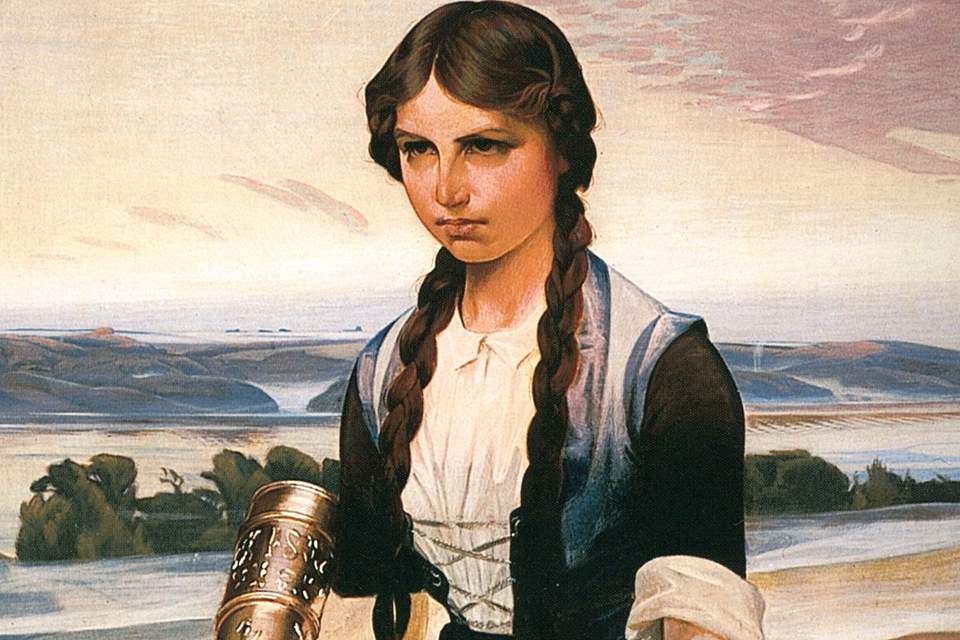
This week is all about medievalism: a new exhibition in Lübeck, a Medieval Modern Exhibition at Frederiksborg in Denmark, and a new book on "unthinking medieval poetry"
Was the Viking Treasure Owned by Hutu?
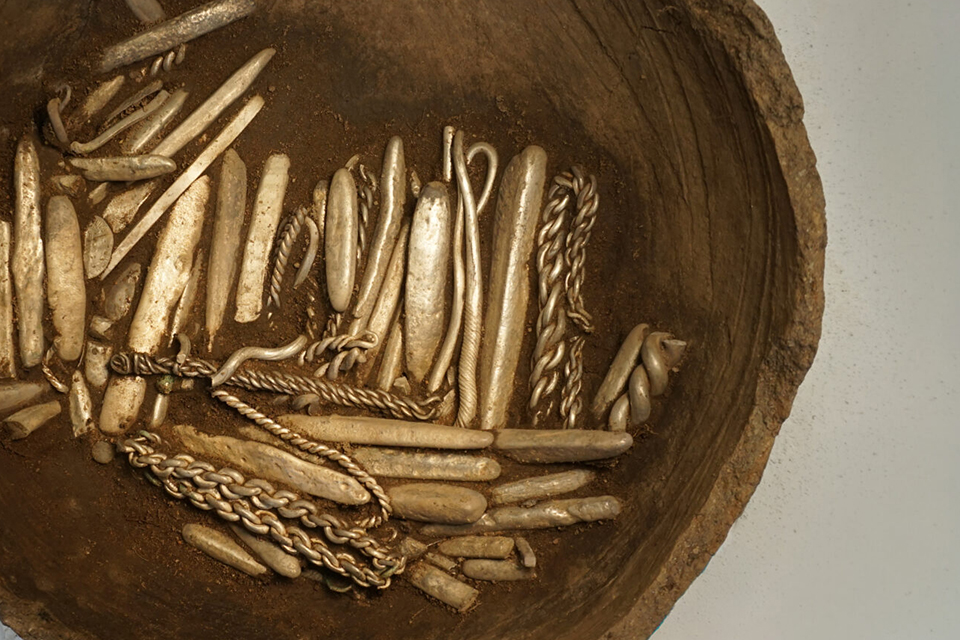
How should we understand the Runic inscription on a silveringot discovered in the spectacular hoard recently discovered at Rebild?
Medieval trading vessel from 1410 discovered in the off Copenhagen
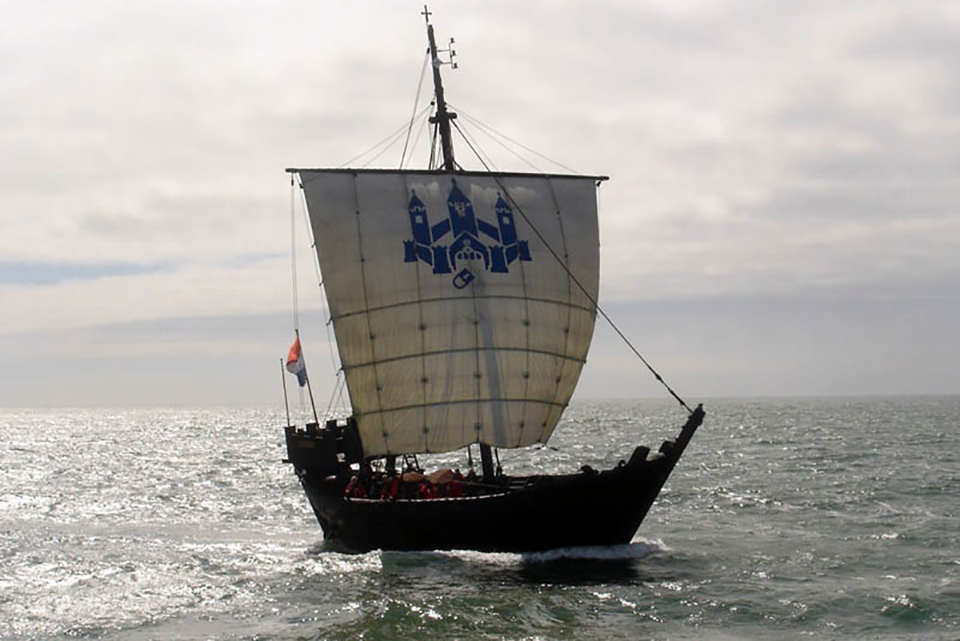
A 28-metre-long medieval trading ship has been discovered in the Sound off Copenhagen, making it the largest cog ever found in Northern Europe.

Archaeologists Uncover Unusual Early Medieval Huts in Northwestern Poland
Wolin on the southern Baltic remains a Viking-Age enigma. Chronicles describe warriors and violent conflict between Danes and Slavs, yet archaeological discoveries reveal a thriving trading hub.
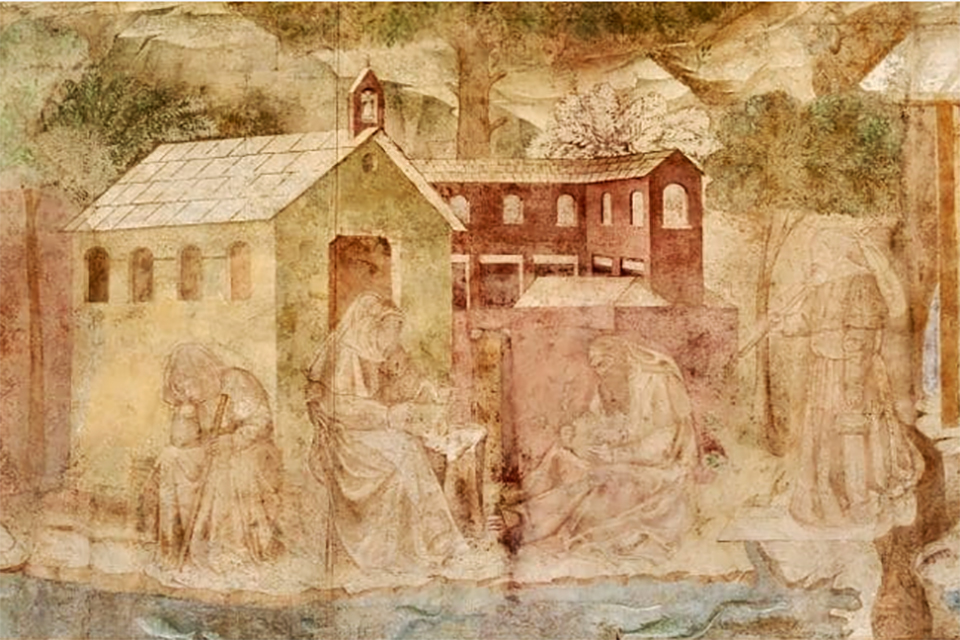
Volcanic Climate Forcing and the Emergence of the Black Death (c. 1345–1348)
Around 1345, volcanic eruptions led to famine. Following this, the import of grain increased, ultimately leading to the Black Death in Europe.
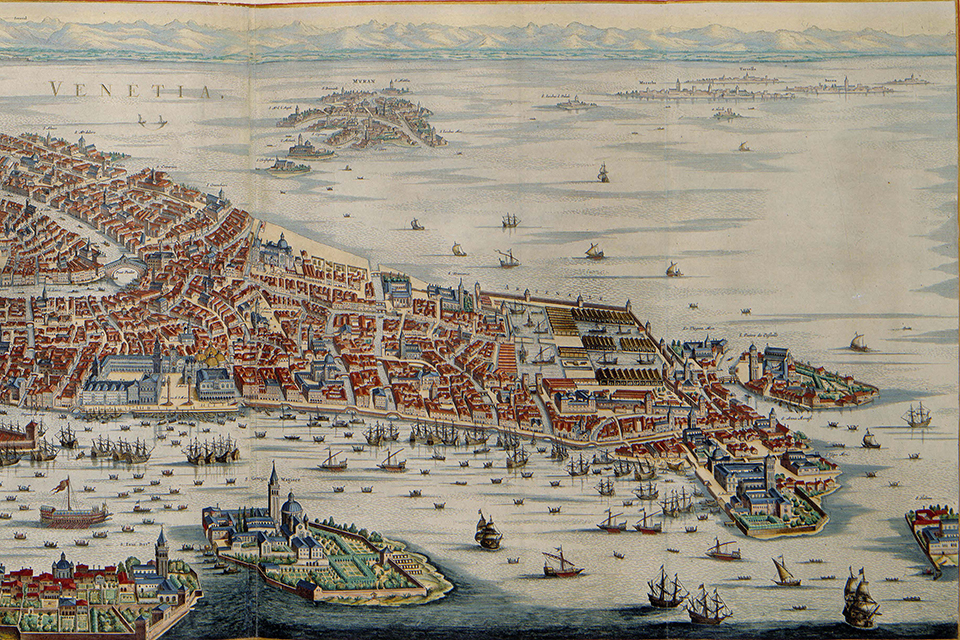
Early Medieval Glass from Venice
From Shards to Sea Routes: Glass Evidence for Venice’s Mediterranean Networks in the 7th and 8th Centuries
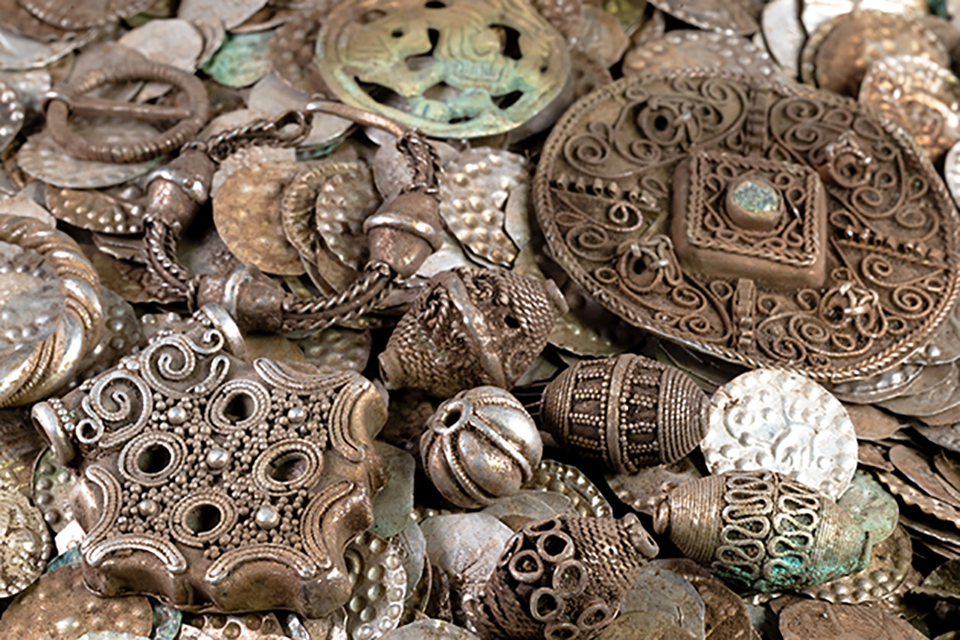
Huge Swedish Treasure from ca. AD 1200
Weighing more than six kilograms, a remarkable treasure from the reign of Knut Eriksson was discovered near Stockholm in September

The Wild Rabbits with the Long, Long Ears…
Rabbits share their history as on and off domesticated animals with the feral horses. Although living in the wilderness, they were very early on considered a nice supplement and hence "farmed" and domesticated for different purposes

Medieval Birds of Prey Thrived on Human Waste
Birds of prey in medieval Britain relied far more heavily on scavenging human waste than previously thought, according to research that analyzed more than 30 ancient bird skeletons.

The Remains of Marc Bloch to be moved to the Pantheon
French President Emmanuel Macron announced on Saturday, November 23, that scholar and Resistance fighter Marc Bloch, tortured and executed by the Gestapo in 1944, would be reinterred in the Panthéon – the Paris monument to France’s most outstanding citizens.
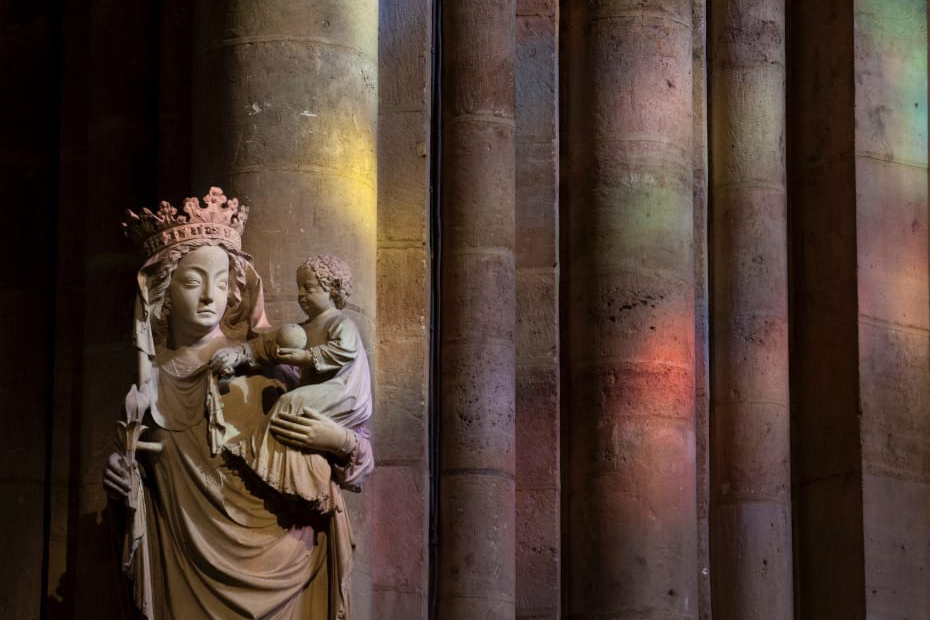
Notre-Dame Reopens in a Few Weeks
On the 15th of November, the faithful carried the Virgin of the Pillar back to Notre-Dame de Paris, which reopens in all its glory on the 7th of December

Carolingian Church Policy Continue to Influence Modern European politics
Europe is crisscrossed by ancient boundaries of which one is constituted by different kinship systems. How did they come about? And do they still matter?
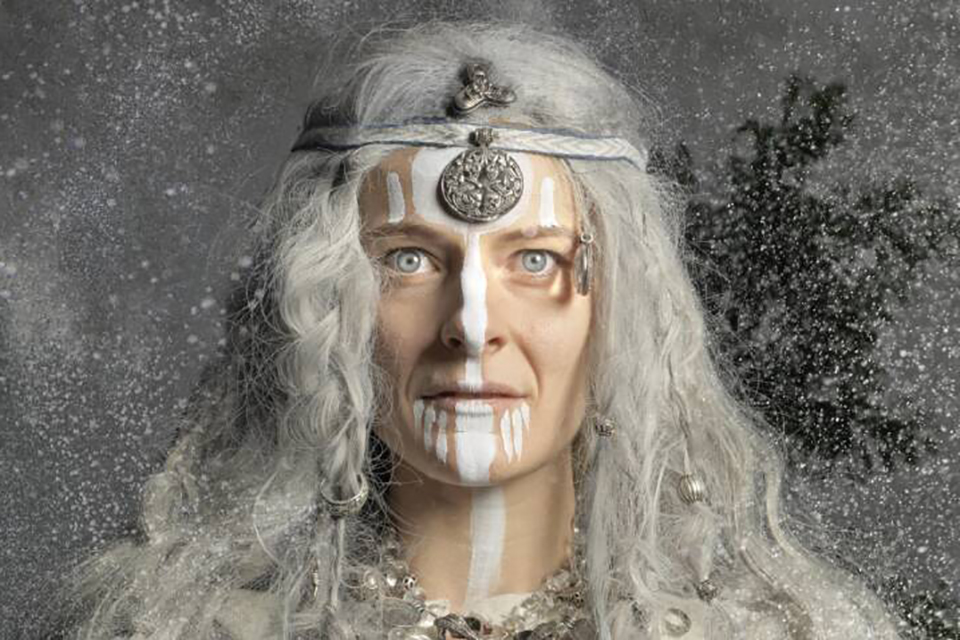
Women in the Viking World
Imagining women’s lives and ways of thinking in another world is complicated. How do we transgress the barriers of our own cultural predispositions? These questions were recently explored at a conference focusing on “Women in the Viking World”.
How should we imagine the lives of Viking women? And in what way – if any – did their lives change with the introduction of Christianity? Did the conversion entail limitations? Or did it create new possibilities for women in terms of equality? For instance, concerning intellectual possibilities inside religious communities?
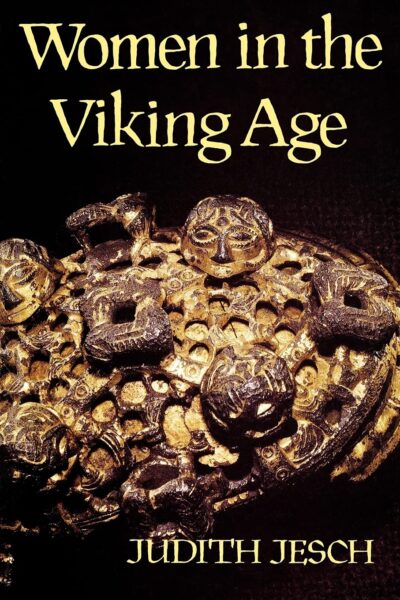
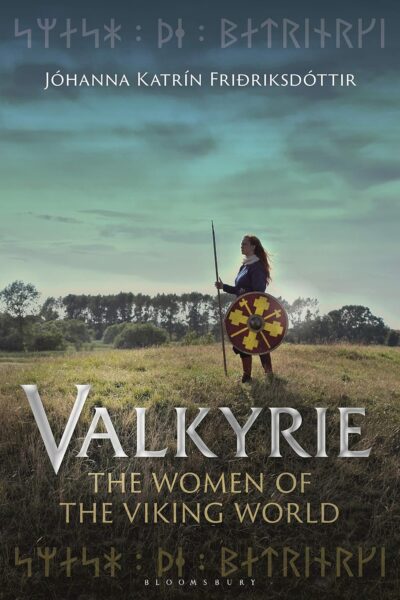
These questions have been debated in the last 40 years, since the seminal book published by Judith Jesch in 1991, which was based on her research in the 1980s.
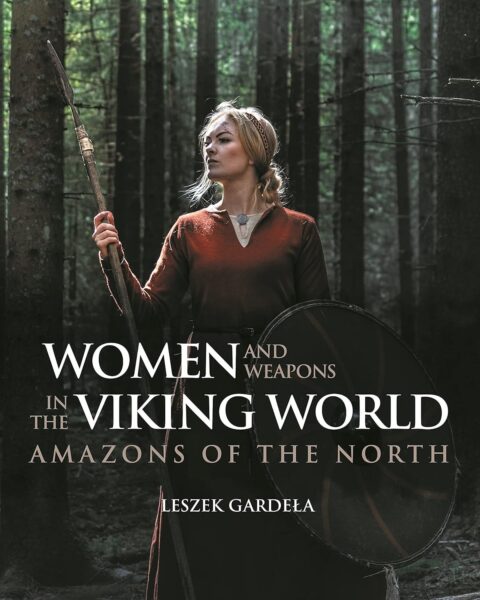
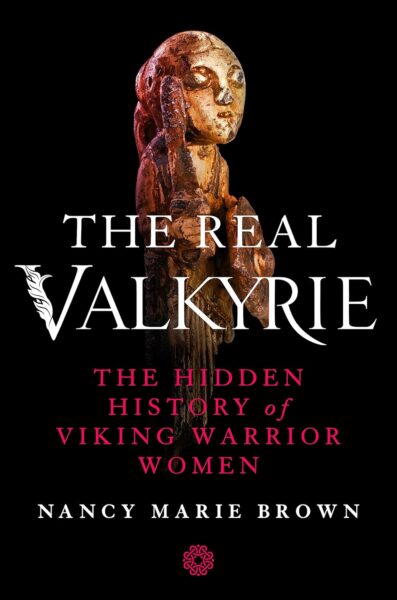
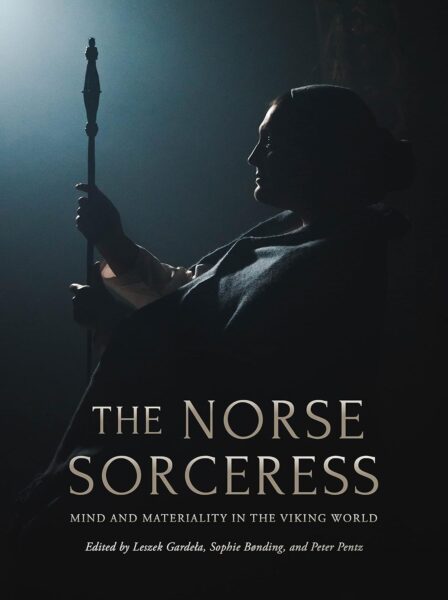
In recent years, however, a new archaeological focus has been observed in Viking Studies research on women. This trend took off in 2013, with Gardela’s initial work on “warrior-women” culminating in his book published in 2021. His work followed the footsteps of the research published in 2017, which led to the 2019 publication in Antiquity on reassessing the Viking Warrior women in the Birka grave BJ. 581.
During the summer of 2024, scholars and graduate students gathered in Liverpool in the UK to take stock, exploring questions of identity, gender, status, migrations, settlements, emotions and consciousness, as well as the lived experience as evidenced by archaeology and anthropology.
One conclusion was that “age” appeared more critical than “gender” when mapping status as witnessed by grave goods. However, assemblies of grave goods did indeed signal gender. Another venue explored was based on studies of women’s histories as witnessed in Runic Stones, not least the story of the Danish Queen Thyra, which Danish archaeologists and runologists have recently studied. Following this, the question of how to avoid cultural myopia, for instance, when identifying male rods as “spires” or “sceptres” signalling juridic power as opposed to female rods, which are habitually identified as staffs, signalling otherworldly or religious capabilities.
Finally, the conference explored new ways of reading the Icelandic Corpus of texts to grasp women’s emotional and political realities when dealing with the everyday experience of making a living. One particular effort was represented by papers exploring the normative systems and the space allotted for emotional and practical transgressions in these texts.
“If the conference aimed to provide an arena for the exchange of ideas between disciplines about recent and currently ongoing research projects within Viking Studies, it was most definitely a success. The presenters showed the relevance of prioritizing the study of the women in the Viking world, both in their lived experiences, as evidenced by the archaeological studies, and in the literary representation and depiction of women. Whether this divide itself is possible to bridge cannot be resolved so easily, and the conference hopefully spurs further attempts to engender clarifying research into these areas”, writes Kim Bergqvist from Stockholm University in a fine overview of the conference in a recent issue of Scandia.
PHOTO:
Ane Halsboe-Jørgensen, current minister for Cultur & Church posing as “Vølve”. The Photo was taken as part of series of ten portraits by the artist Jens Lyngvild as part of an exhibition at Køge Museum , Vølver, Guld og Guder / © Jens Lyngvild
SOURCE:
Women in the Viking World. Conference report from the University of Liverpool (27. – 28. August 2024)
Ed by Kim Bergquist
In: Scandia. Journal of Medieval Norse Studies (2024) No 7
READ MORE:
READ ALSO:
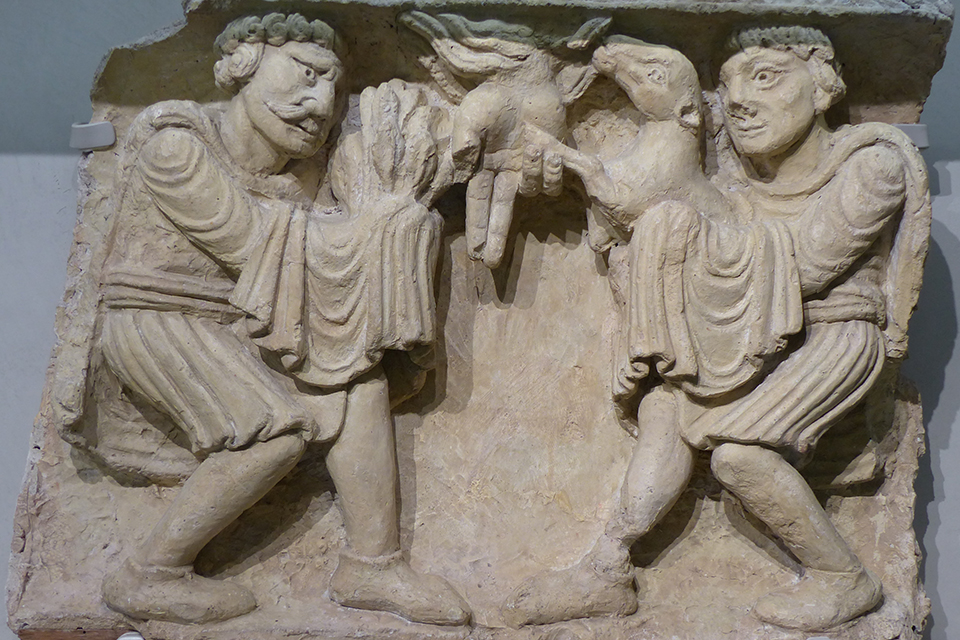
Adam and Eve in Nîmes is being studied in detail
The Frieze on the Cathedral in Nîmes is currently undergoing study by a team of archaeologists and art historians, uncovering new insights about this significant Romanesque monument.