The 2016 Annual Meeting of the Medieval Academy will take place in Boston from 25.02.2016 – 27.02.2016
The Program Committee invites proposals for papers on all topics and in all disciplines and periods of medieval studies. Any member of the Medieval Academy may submit a paper proposal, excepting those who presented papers at the annual meetings of the Medieval Academy in 2014 or 2015; others may submit proposals as well but must become members in order to present papers at the meeting. Special consideration will be given to individuals whose field would not normally involve membership in the Medieval Academy.
Location: Boston is home to numerous universities, art museums, and performing arts companies. Hosted by several Boston-area institutions, the meeting will convene at the Hyatt, across the street from the renovated Opera House and in the heart of Boston’s theater district. The final reception will be held at the Isabella Stewart Gardner Museum.
Theme(s): Rather than an overarching theme, the 2016 meeting will provide a variety of thematic connections among sessions. The Medieval Academy welcomes innovative sessions that cross traditional disciplinary boundaries or that use various disciplinary approaches to examine an individual topic. To both facilitate and emphasize interdisciplinarity, the Call for Papers is organized in “threads.” Sessions listed under these threads have been proposed to or by the Program Committee but the list provided below is not meant to be exhaustive or exclusive.
program by 1 September 2015.
THREADS:
CAROLINGIAN WORLDS
“Contacts with Islam” (Eric Goldberg)
“Frontiers” (Sean Gilsdorf)
“Transformations, 877‐987” (Eric Goldberg)
THE ELEVENTH CENTURY
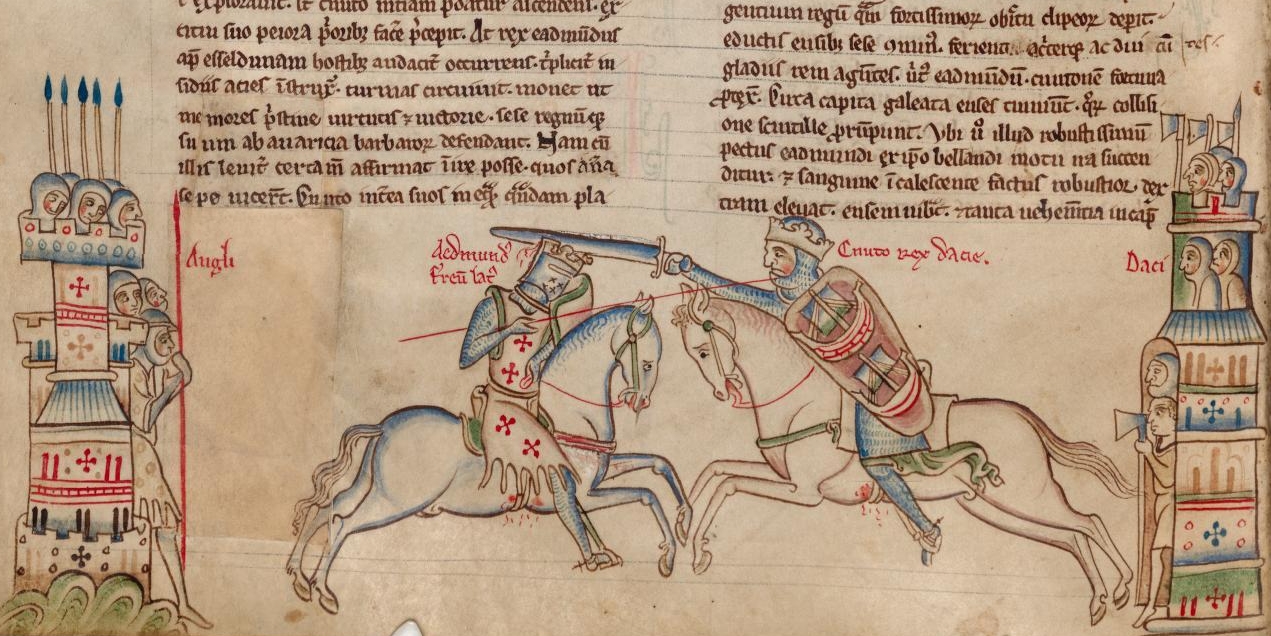
“The 1000th Anniversary of Cnut the Great (1016/2016)” (Mary Dockray‐Miller)
“Art and Architecture in the Eleventh Century: An Age of Experiments” (Charles
McClendon)
“Creative Liturgies in the Eleventh Century” (Meredith Fluke)
MONASTICISMS
“Monastic Visual Cultures” (David Areford)
“Monastic Identities” (Valerie Ramseyer)
“Ascetic Bodies in the Late Middle Ages” (Nicholas Watson)
LYRIC TRANSFORMATIONS
“The ‘Lyric’ Dante” (Francesca Southerden and Manuele Gragnolati)
“Poetic Form” (Arthur Bahr)
“Petrarch between the Vernacular and Latin” (Francesca Southerden)
GREEN WORLDS/MEDIEVAL ECOLOGIES
“Garden, Park, Wasteland” (Kathleen Coyne Kelly)
“Material Ecologies” (Kathleen Coyne Kelly and Karen Overby)
“Medieval Anthropocenes” (Kathleen Coyne Kelly)
“Water Worlds and Seascapes” (Karen Overbey)
“Mediterranean Landscapes” (Valerie Ramseyer)
WORKS: UNFINISHED, TRANSFORMED OR IN RUINS
“Unfinished Books, Incomplete Texts” (Alex Mueller)
“Medieval Art and Architecture as Work(s) in Progress” (Charles McClendon)
“Ruins” (Karen Overbey)
MEDIEVAL STUDIES AND THE DIGITAL HUMANITIES
Papers are invited for a thread devoted to the exciting new ways in which medieval
studies and digital humanities intersect. Topics might include (but are not limited
to) issues of visualization and the re‐presentation of medieval spaces, soundscapes,
the implications of digital archives for the editing of medieval texts, the digital
(re)construction of medieval collections and libraries, GIS and mapping projects,
social network analysis, text encoding, and computational approaches to texts and
scribal behaviors.
Organizer: Sarah Spence
Chairs: Sheila Bonde, Mike Kestemont, and David J. Birnbaum
SESSIONS:
“800th Anniversary of the Dominican Order” (Brian FitzGerald)
“800th Anniversary of Pope Innocent III’s Death” (Deeana Klepper)
“Mortality / Facing Death” (Irit Kleiman)
“Margins of War” (Irit Kleiman)
“Images of Coercion and Dissent” (David Areford)
“Dangerous, Deviant, and Disobedient Women in the Middle Ages” (Sean Gilsdorf)
“Vernacular Exegesis” (Nicholas Watson)
“Drama/Performance” (Anne Bagnell Yardley)
“Literature of Pastoral Care” (Deeana Klepper)
“Boston Area Medieval Manuscripts” (William Stoneman)
Proposals: Individuals may propose to offer a paper in one of the sessions below, a full panel of papers and speakers for a listed session, a full panel of papers and speakers for a session they wish to create, or a single paper not designated for a specific session.
Sessions usually consist of three 25-minute papers, and proposals should be geared to that length, although the committee is interested in other formats as well (poster sessions, digital experiences, etc). The Program Committee may choose a different format for some sessions after the proposals have been reviewed.
The complete Call for Papers with additional information, submission procedures, selections guidelines, and organizers is available here.
Please contact the Program Committee at MAA2016@TheMedievalAcademy.org with any questions.