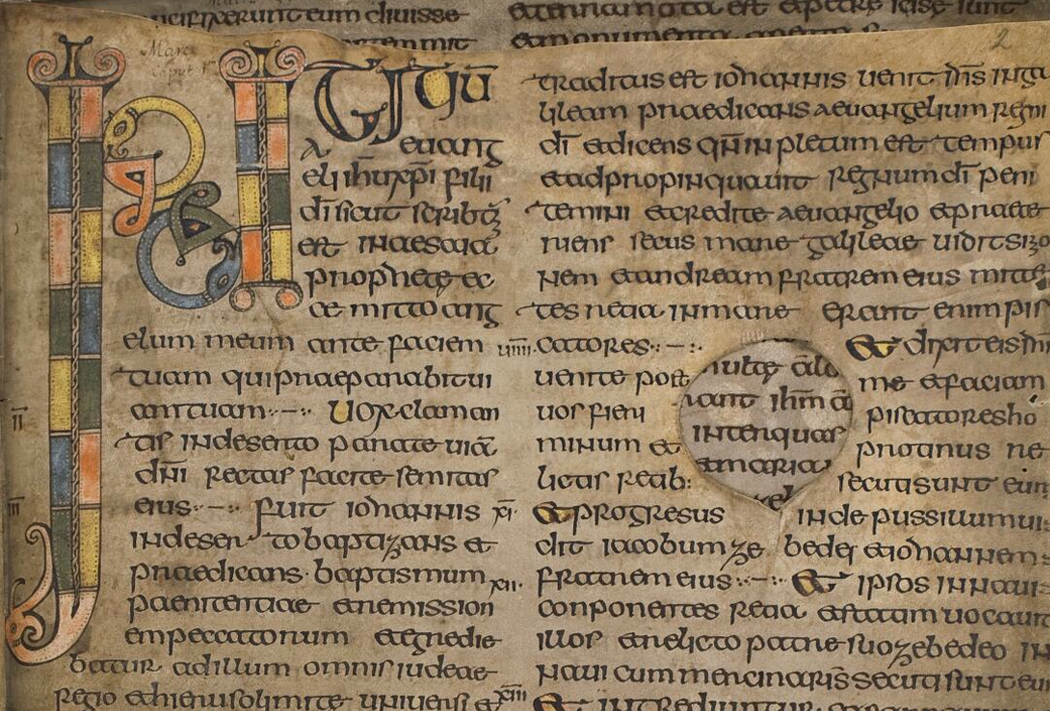
Identifying pigments in medieval manuscripts gives an insight into the technical expertise of artists and sometimes trade-routes. Raman spectroscopy makes it possible without sampling
Medieval Histories is a News site where anyone - professionals or just generally interested - can read about new exhibitions, books, research, excavations, finds, treasures... and much more! The site is created and owned by Karen Schousboe (http//:www.karenschousboe.com)
Identifying pigments in medieval manuscripts gives an insight into the technical expertise of artists and sometimes trade-routes. Raman spectroscopy makes it possible without sampling
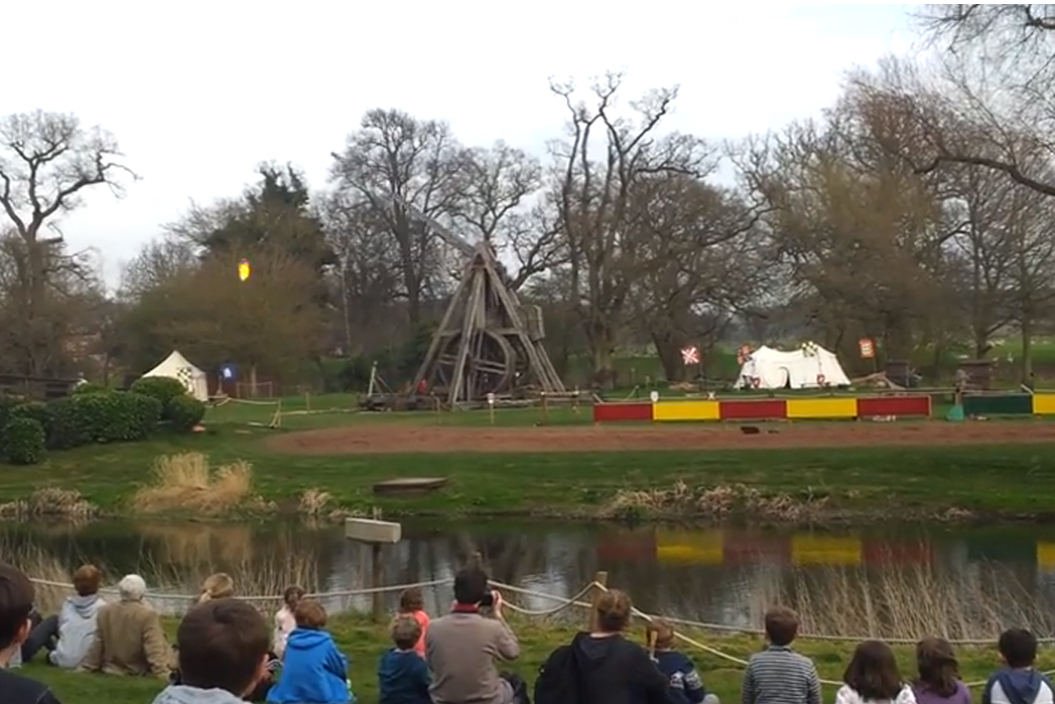
Watching the giant trebuchet at Warwick Castle send off its fireball usually tops the list among younger visitors. Yesterday, a newly restored boathouse was engulfed in fire, ignited by sparks gave a special meaning to the idea of living history
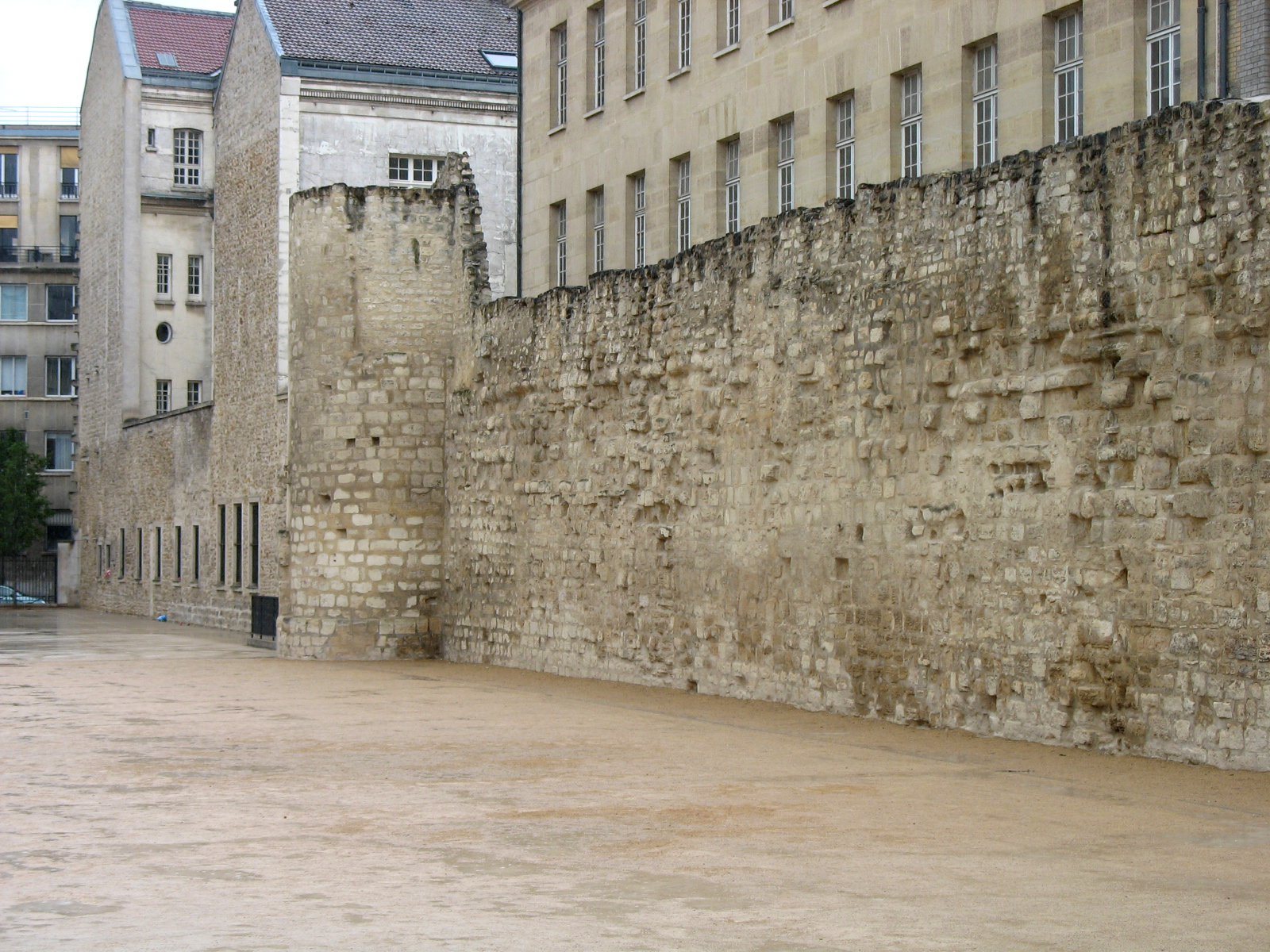
British Archaeological Association's annual conference focus 2016 on the medieval city of Paris
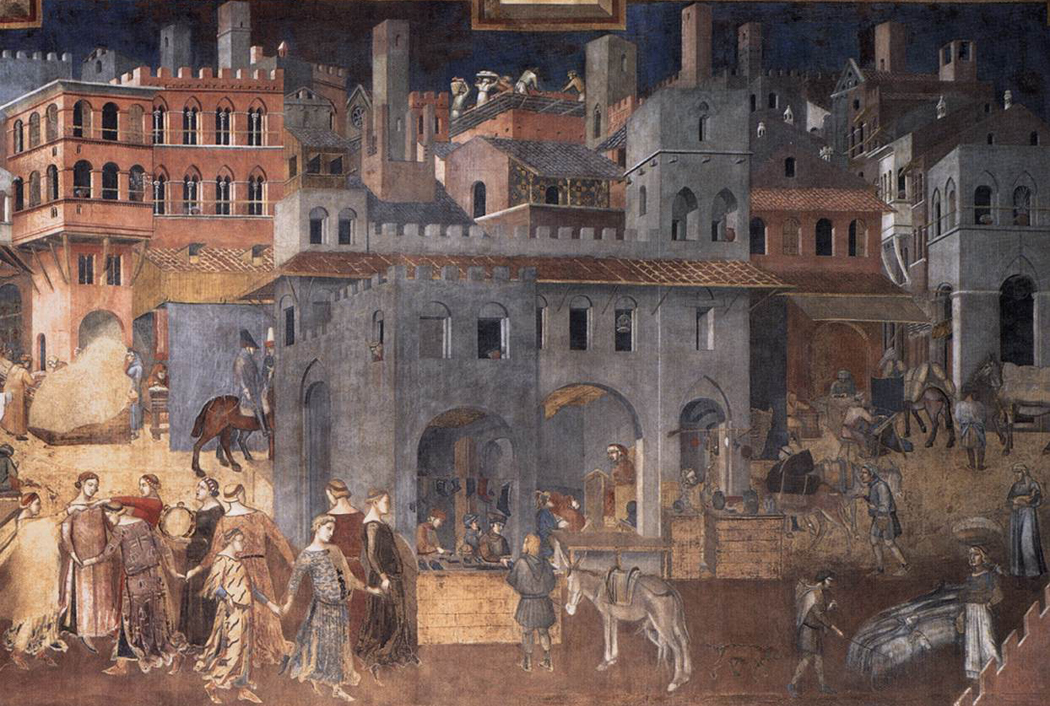
‘Reform and Renewal’ are the key-words chosen for this year’s International Medieval Congress at Leeds. it is all about the “Material Turn”!
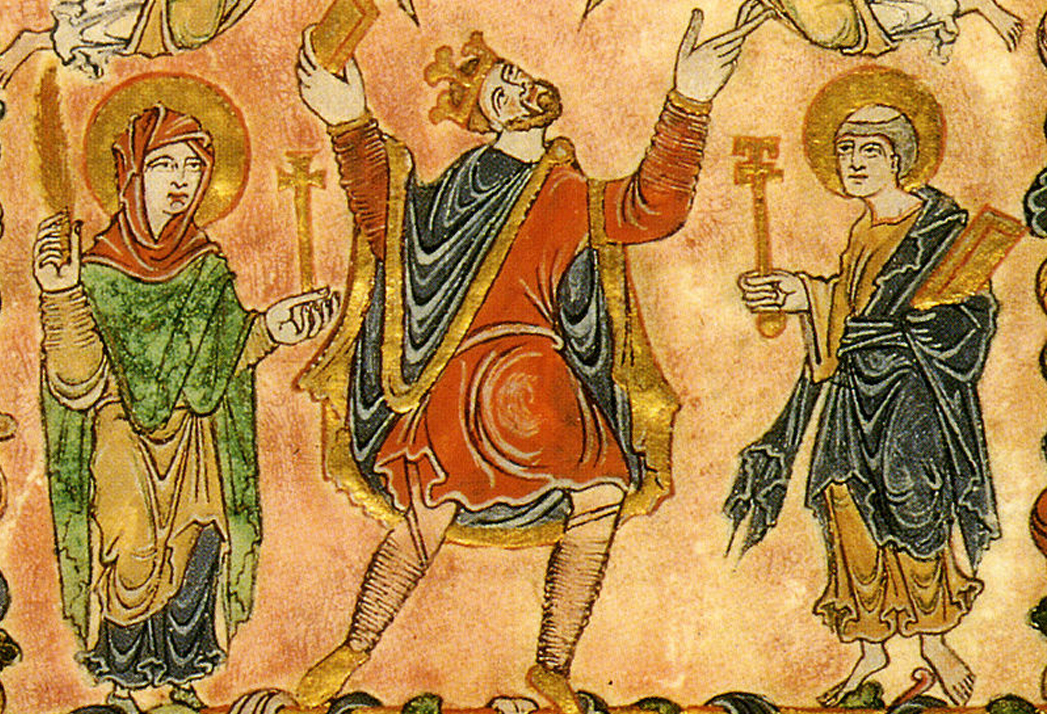
One of the myths looming large in English history is the idea that the English kingdom was founded by Alfred the great. No such thing, explains a new book by George Molyneaux, which build on his doctoral thesis

Government and Political Life in England and France, c.1300–c.1500
Ed. by Christopher Fletcher, Jean-Philippe Genet, and John Watts
Cambridge University Press 2015
ISBN: 9781107089907
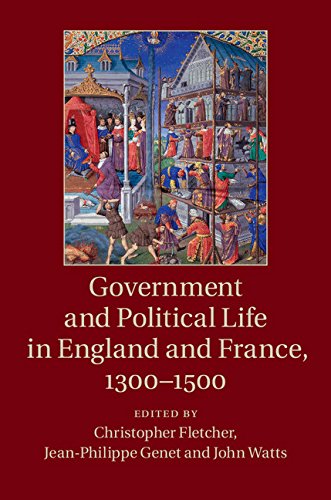 How did the kings of England and France govern their kingdoms? This volume, the product of a ten-year international project, brings together specialists in late medieval England and France to explore the multiple mechanisms by which monarchs exercised their power in the final centuries of the Middle Ages. Collaborative chapters, mostly co-written by experts in each kingdom, cover topics ranging from courts, military networks and public finance; office, justice and the men of the church; to political representation, petitioning, cultural conceptions of political society; and the role of those excluded from formal involvement in politics. The result is a richly detailed and innovative comparison of the nature of government and political life, seen from the point of view of how the king ruled his kingdom, but bringing to bear the methods of social, cultural and economic history to understand the underlying armature of royal power.
An unprecedented cooperative project co-written by specialists on the kingdoms of England and France in the later Middle Ages offers a genuinely comparative and in-depth perspective on complex questions of historiography and sources
Tightly focused on royal government, with analysis informed by the lessons of social, economic and cultural history, the book promises a fine introduction to this scholarly field.
Christopher Fletcher is a senior researcher (chargé de recherche) in CNRS (National Centre for Scientific Research) at the University of Paris I (Panthéon-Sorbonne), specialising in the history of late medieval political culture. He has taught at many universities in Britain and France, including London, Cambridge, Lille and ‘Sciences Po’ (Paris). His publications, in English and French, include Richard II: Manhood, Youth and Politics, 1377–99 (2008).
Jean-Philippe Genet has been professor at the University of Paris I (Panthéon-Sorbonne) for many years, specialising in European cultural and political history. He coordinated the CNRS ‘Genèse de l’État moderne’ and the ESF ‘Origins of the Modern State’ programs and more recently the ERC ‘Signs and States’ project. His publications include La Genèse de l’État moderne: Culture et société politique en Angleterre (2003) and Les îles britanniques des origines à la fin du Moyen Âge (2005).
John Watts is fellow and tutor in History at Corpus Christi College, Oxford. He has written extensively on politics, government and political culture in later medieval Britain and Europe. His main books are Henry VI and the Politics of Kingship (Cambridge University Press, 1996), The Making of Polities: Europe, 1300–1500 (Cambridge University Press, 2009), and an edited collection, The End of the Middle Ages? (1998). He is currently writing a volume in the New Oxford History of England series, entitled Renaissance England, 1461–1547.
CONTRIBUTORS:
Jean-Philippe Genet, Malcolm Vale, Steven Gunn, Armand Jamme, Christine Carpenter, Olivier Mattéoni, David Grummitt, Jean-François Lassalmonie, Michelle Bubenicek, Richard Partington, Benjamin Thompson, Jacques Verger, Christopher Fletcher, Gwilym Dodd, Sophie Petit-Renaud, Vincent Challet, Ian Forrest, Franck Collard, Aude Mairey, John Watts

Mapping Medievalisms is the title of The 30th Annual Conference on Medievalism
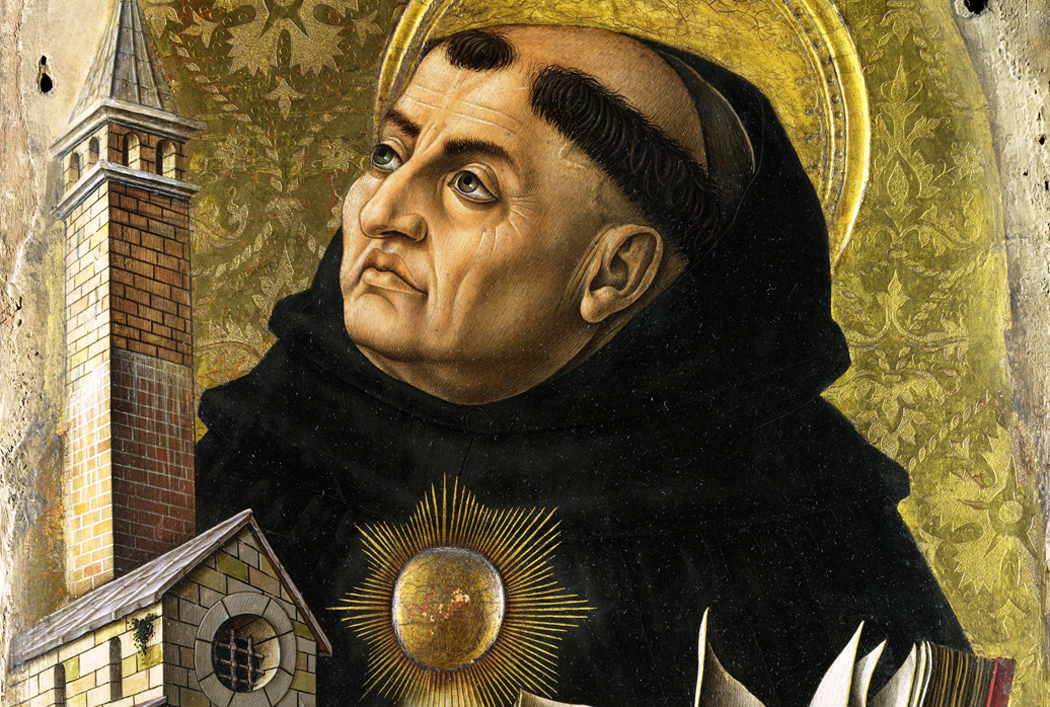
How should we wield toleration in the 21st century? May we perhaps learn from the Middle Ages? This question will be debated at Kalamazoo in May

CfP: Reading Copy-Specific Features: Producers, Readers and Owners of Incunabula
CTS, De Montfort University, Leicester
30.06.2015 – 01.07.2015
Printing technology spread all over Europe shortly after its invention in the 1450s, and yet manuscript culture continued to thrive in the incunabula period and beyond. Scribes and printers both used manuscripts and printed books in order to produce new copies, while early book owners often assembled and bound manuscript and print material together, resulting in the production of hybrid books. The incunabulum was a product of hand-craftsmen at various stages, and each copy, even of the same edition, has its own unique history of over 500 years. Recent studies of copy-specific information in incunabula have revealed the close relationship among producers, readers and owners.
The objective of this conference is two-fold: to disseminate advanced research of copy-specific features and to facilitate further collaboration of scholarship and integration of data. In this conference, copy specifics are broadly defined as all the ‘marks’ found in individual copies: the collation, the distribution of paper-stock, stop-press correction variants, hand-decorations, binding, unintentional damages such as worm-holes, traces of censorship, and intentional marks left by readers and both individual and institutional owners.
We invite proposals for short papers (15 minutes) on any aspect of copy-specific features of incunabula. Papers from postgraduate students and early career researchers are particularly welcome, and there will be bursaries available for postgraduate students and early career researches to present their papers.
Please send proposal abstracts of 300-500 words with contact details and affiliation to Takako Kato – tkato@dmu.ac.uk – by 30 April 2015.
Plenary speakers: Lotte Hellinga (Former Deputy Keeper, the British Library) and David Pearson (Director, Culture, Heritage and Libraries at City of London).
Invited speakers: Cristina Dondi, Kate Loveman, Laura Nuvoloni, Ed Potten and Satoko Tokunaga.
Round Table discussion led by Kristian Jensen (Head of Arts and Humanities, the British Library).
Launch of ‘Caxton and Beyond: Copy-Specific Material of English Incunabula’, an online interface created by Takako Kato and Satoko Tokunaga.
Visit to the Special Collections in the University of Leicester Library to consult incunabula (optional).
The Conference is supported by Modern Humanities Research Association, Research Investment Fund at DMU.
The Caxton and Beyond is funded by the Bibliographical Society’s Katharine F. Pantzer Jr Research Fellowship.
Dr Takako Kato
TakakoKato123@gmail.com
TKato@dmu.ac.uk
School of Humanities
Clephan Building
De Montfort University
Leicester LE1 9BH, UK
+44 (0)116 207 8265

The 16th International saga Conference will be hosted by the Universities of Zürich and Basel. Theme this year is Sagas and Space

How was one to solve disputes concerning ransoms agreed and who were entitled to which coats of arms? Such questions were important in the Age of Chivalry and caused international tribunals to be set up. How it all worked - or not - is the topic of a large conference in Exeter in June.

Wienhausen, a convent near Lüneburg has preserved a remarkable heritage of religious art in the form of murals, sculpture, textiles and texts. Touching the Risen Christ was the high point
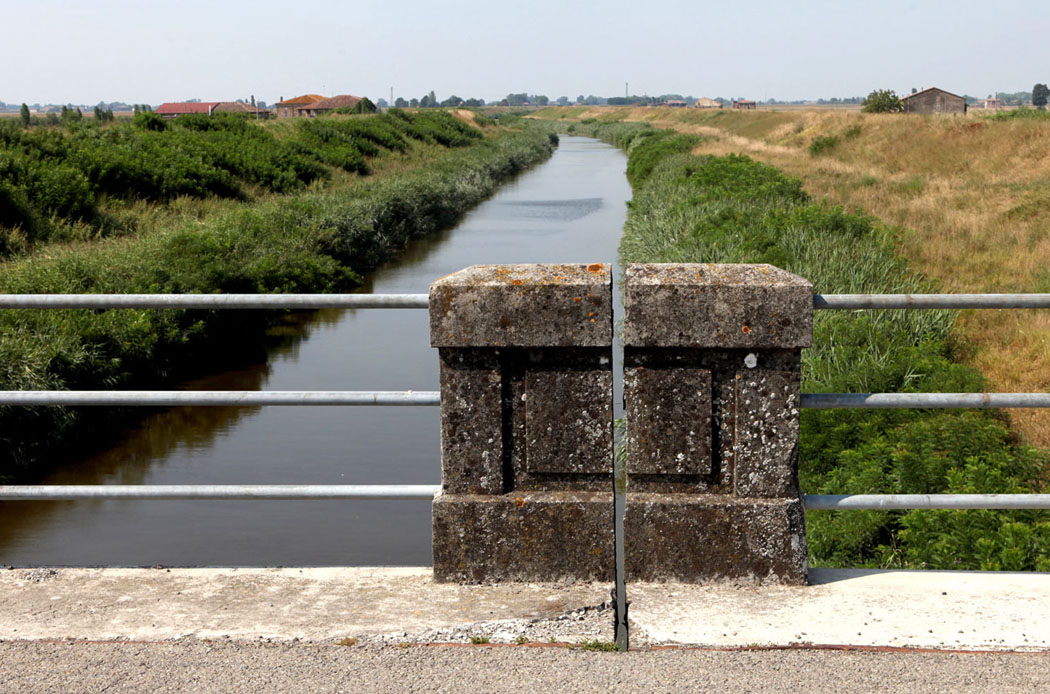
Genetic studies have demonstrated that a significant part of the population in San Giovanni in Persiceto near Bologna may perhaps trace its roots back to the Lombard invasion in the 8th century

Rogier van der Weyden’s Crucifixion from Escorial was recently restored. This spring it is exhibited at Prado together with some of his other masterpieces
Archaeologists from MOLA (Museum of London Archaeology) discovered the devotional panel, venerating Thomas, Earl of Lancaster in remarkable condition by the River Thames.
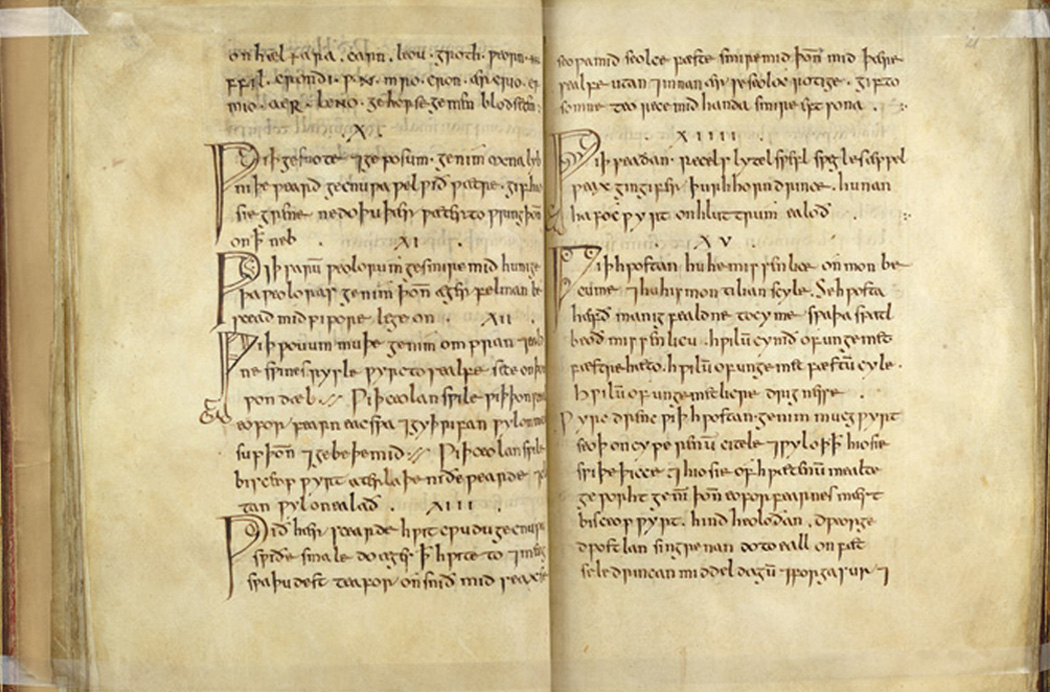
A medieval remedy for modern day superbugs? It sounds like an April hoax; however the research was posted in a press-release on the 30th of March and will – according to the programme - be presented at a conference in Birmingham this week. So perhaps it really is true!