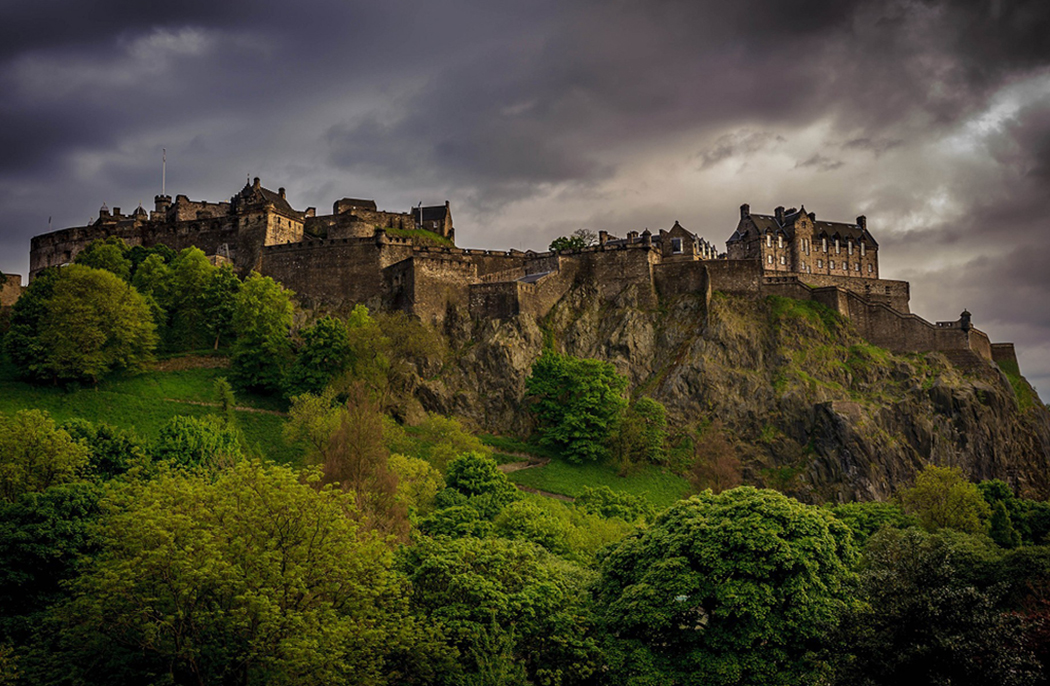
The 21st annual meeting of the European Association of Archaeologists will be hosted in Glasgow in 2015
Medieval Histories is a News site where anyone - professionals or just generally interested - can read about new exhibitions, books, research, excavations, finds, treasures... and much more! The site is created and owned by Karen Schousboe (http//:www.karenschousboe.com)
The 21st annual meeting of the European Association of Archaeologists will be hosted in Glasgow in 2015
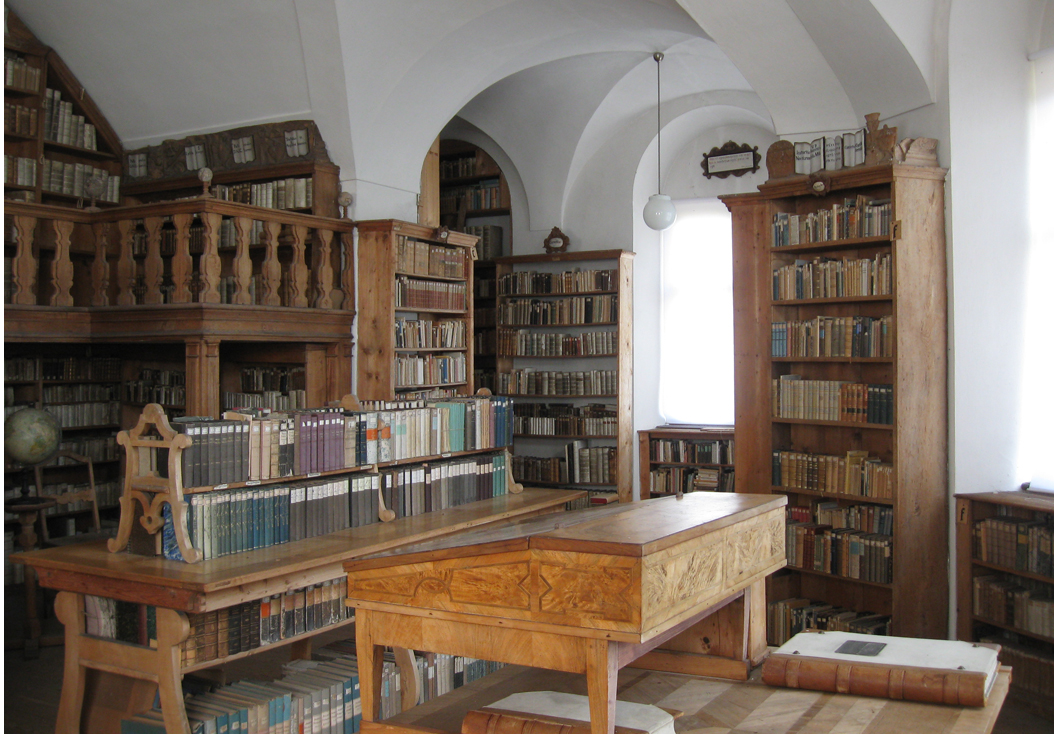
Conference: Collected, Plundered and Saved from Medieval Libraries
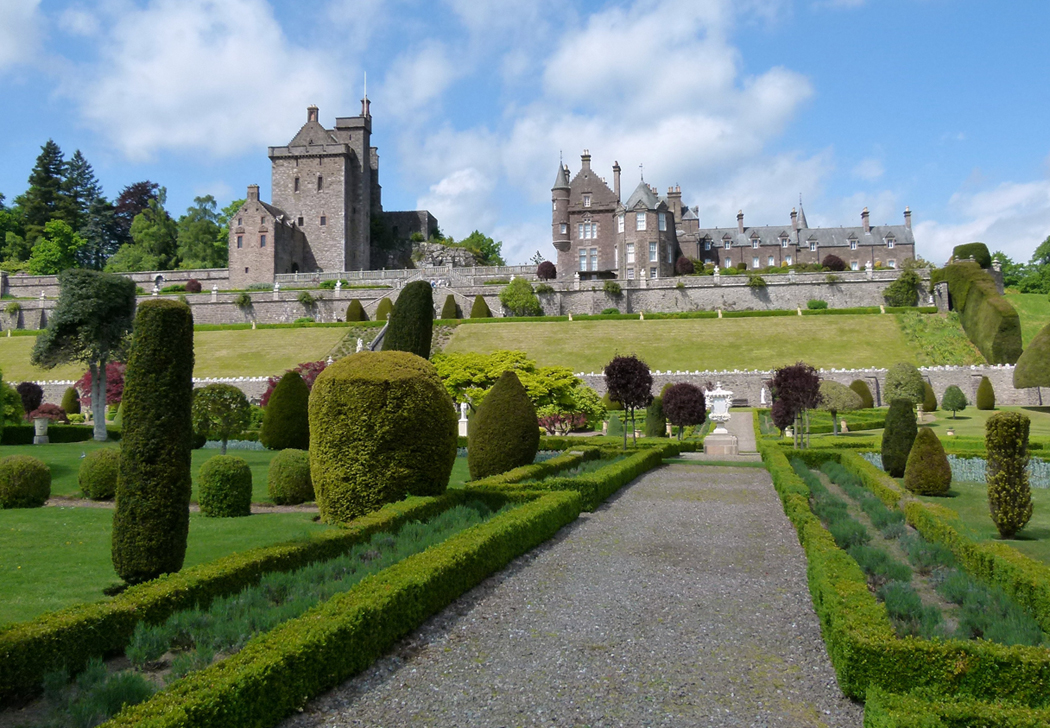
The Scottish People, 1490-1625 is one of the most comprehensive texts ever written on Scottish History at the time of the reformation
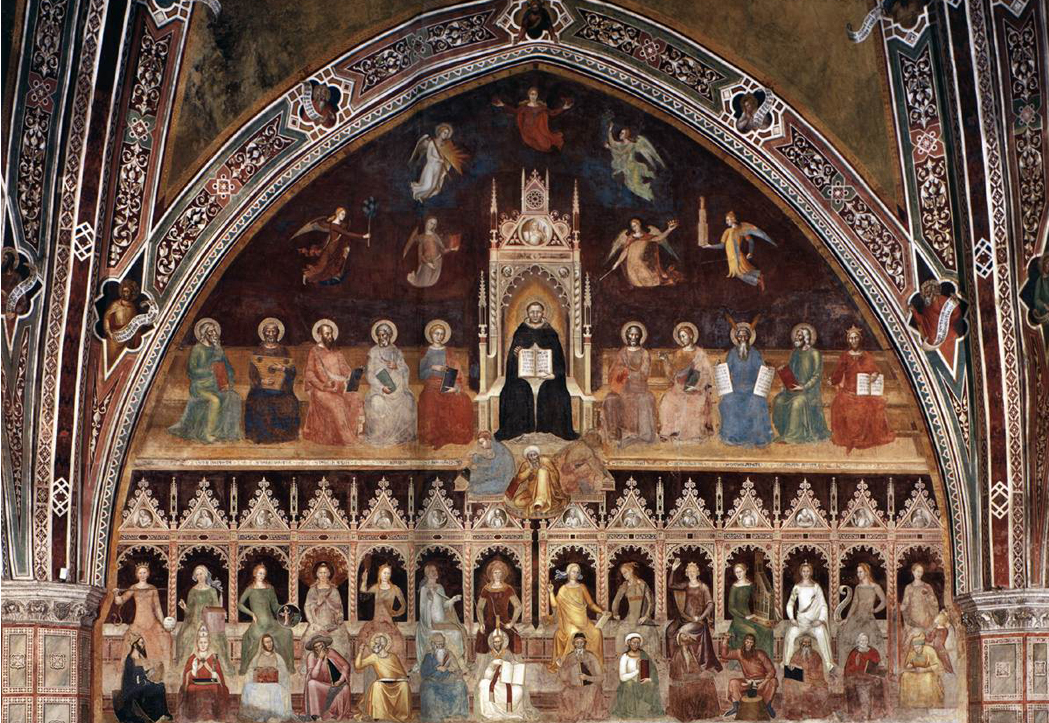
Interdisciplinary conference in 2015 aims to shed light on the influences of the Dominican Order in the Middle Ages
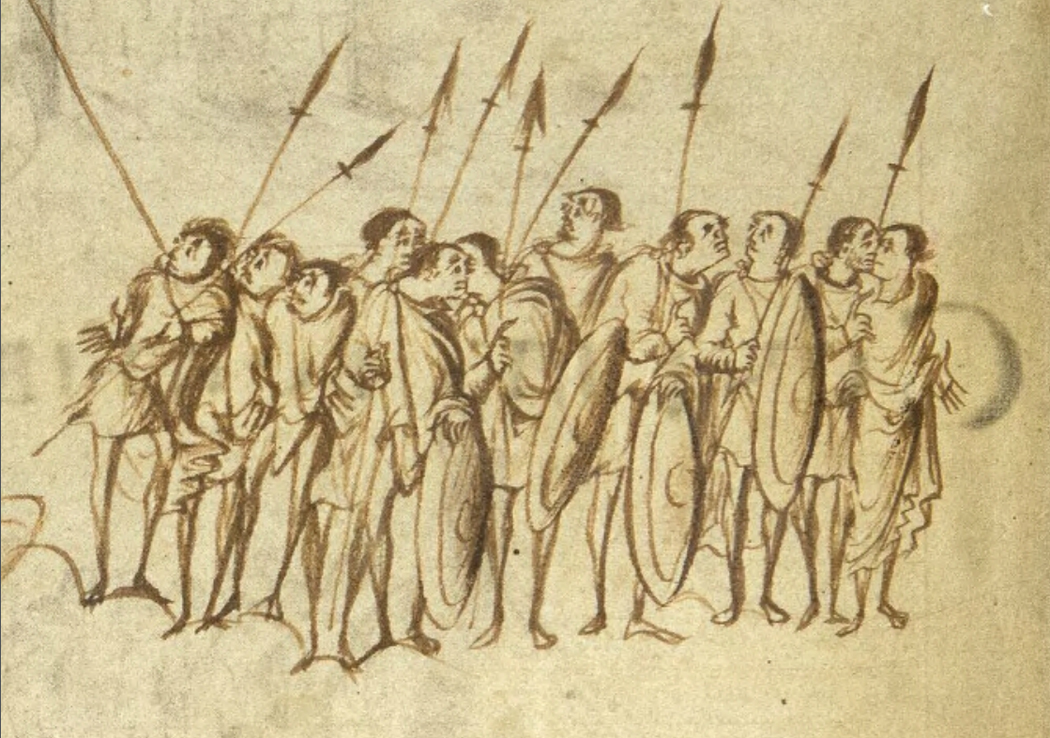
The Utrecht Psalter, which is currently owned by the Utrecht University Library, has been nominated for UNESCO's Memory of the World Register
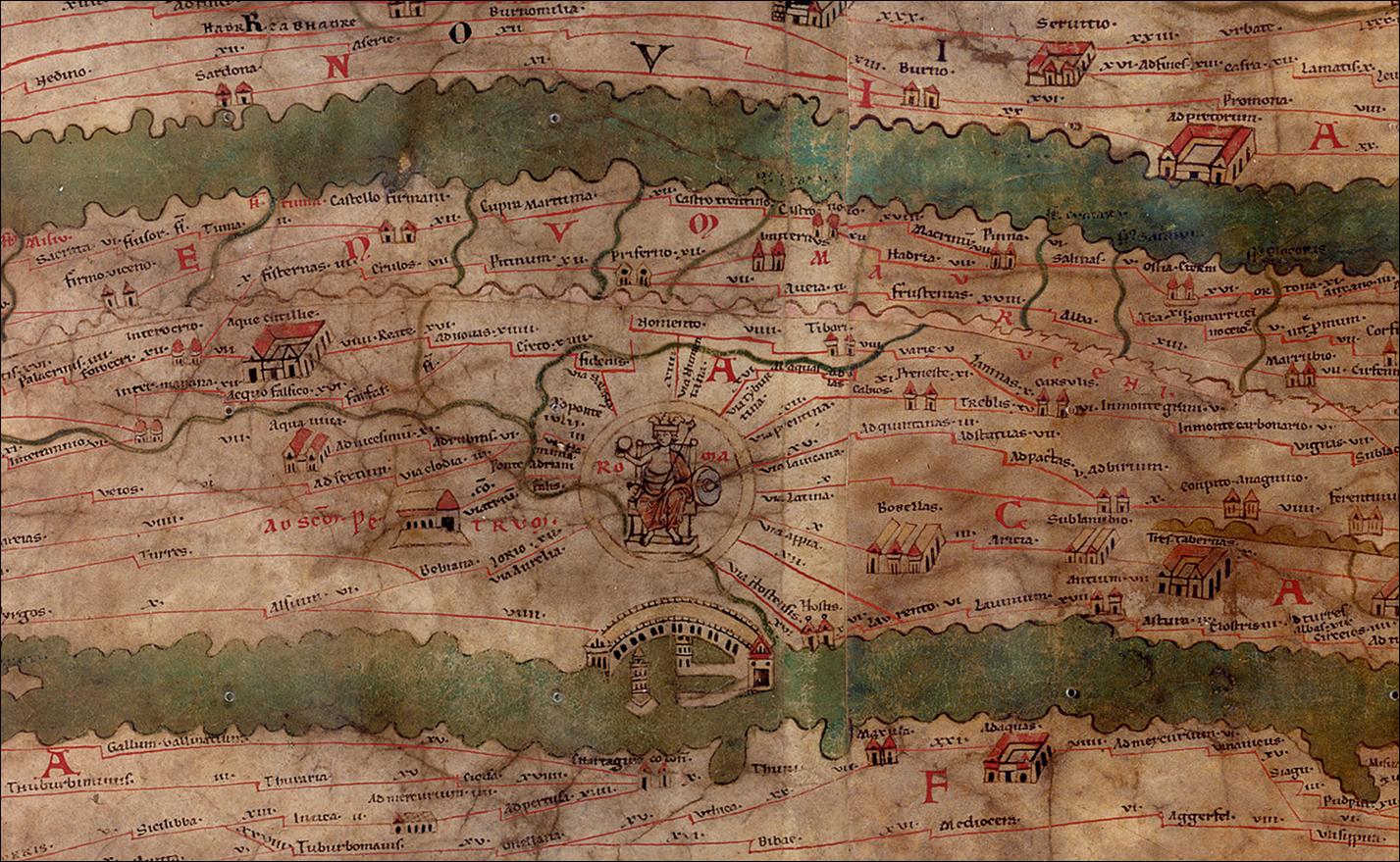
Rome in the middle ages was much more than just the city of Popes. In a new book Chris Wickham tells the story of the city 900 - 1150
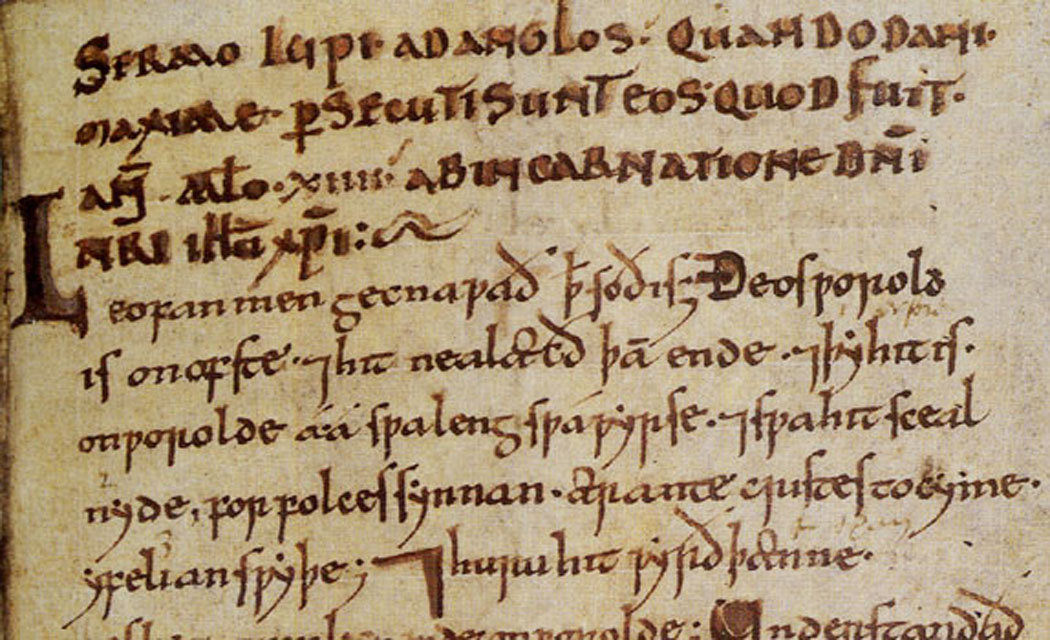
Wulfstan of York is famous for his sermons, legal tracts and other writings chastising the English for moral decrepitude. Now his writings have been translated into modern English
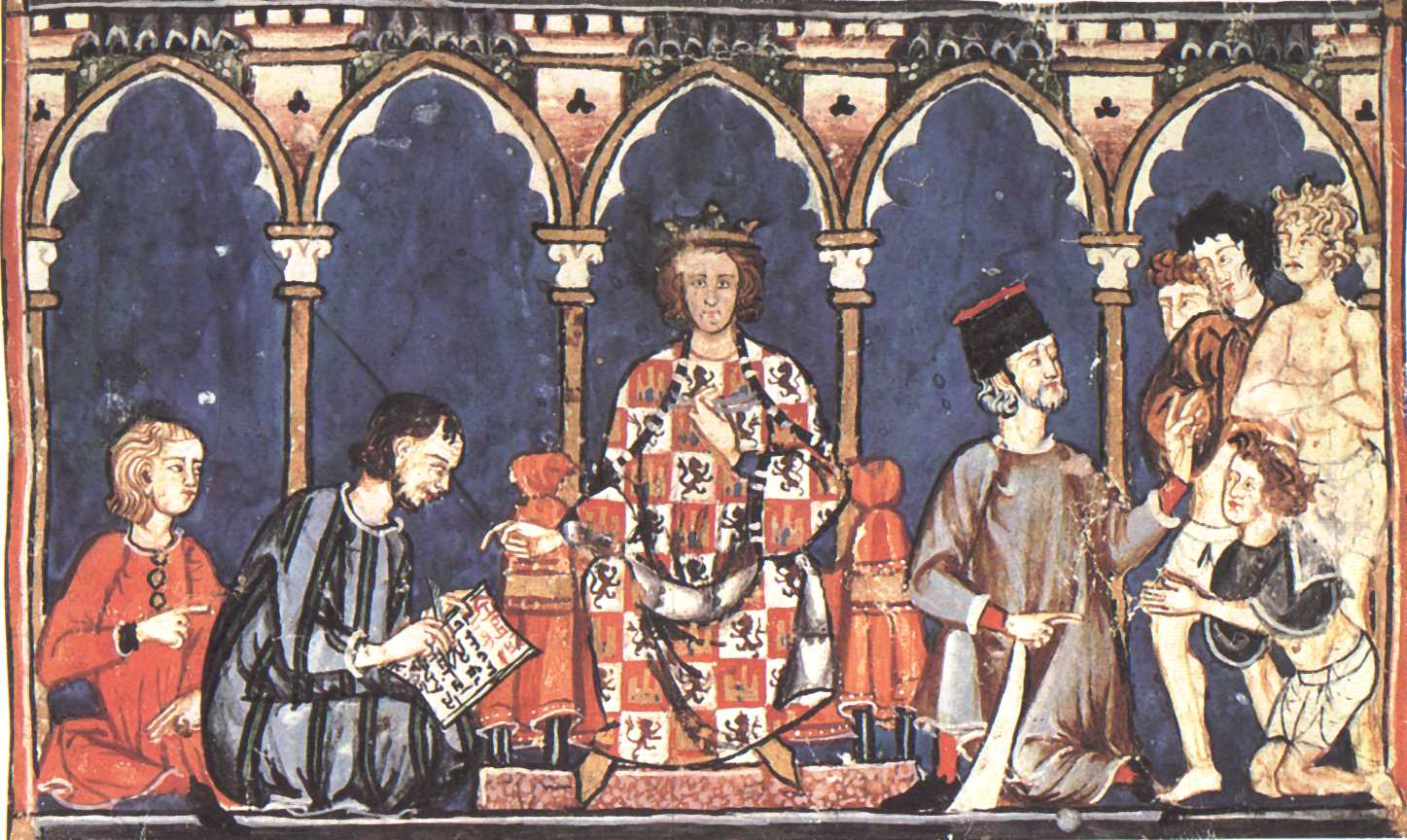
New study explores friendship as witnessed in the Cantigas de Santa Maria, Siete Partidas and other similar texts from 13th century Iberia
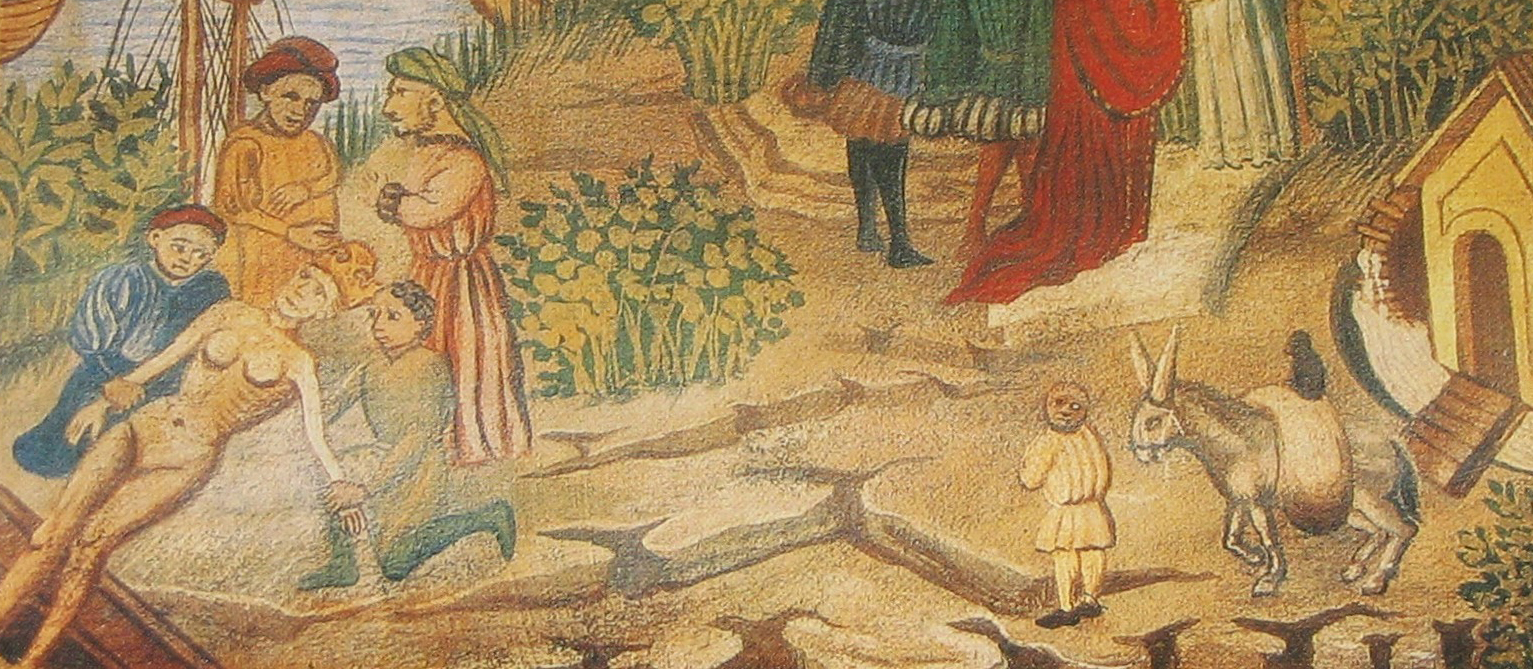
The knowledge of medicine and healthcare in the Middle Ages is generally thought of as very primitive. This books sets out to rectify this
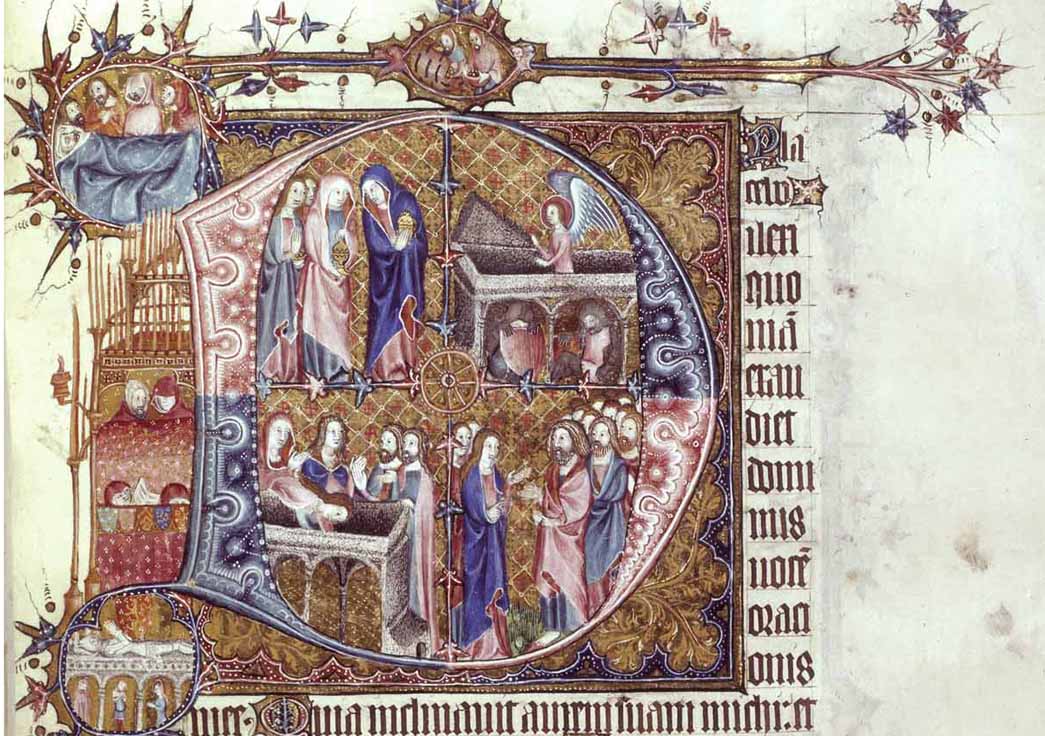
Between 1361 and 1384 a group of Augustinian friars created the de Bohun manuscripts at Pleshey Castle. The story about the patrons, the friars and the eleven books is told in a new book

Conference March 2015: The Use of Water – practical habits and symbolic customs in the Middle Ages

Crystal Cross from the 16th century returned after a hundred years. It is believed to have belonged to either Mary Stewart or her mother Marie de Guise

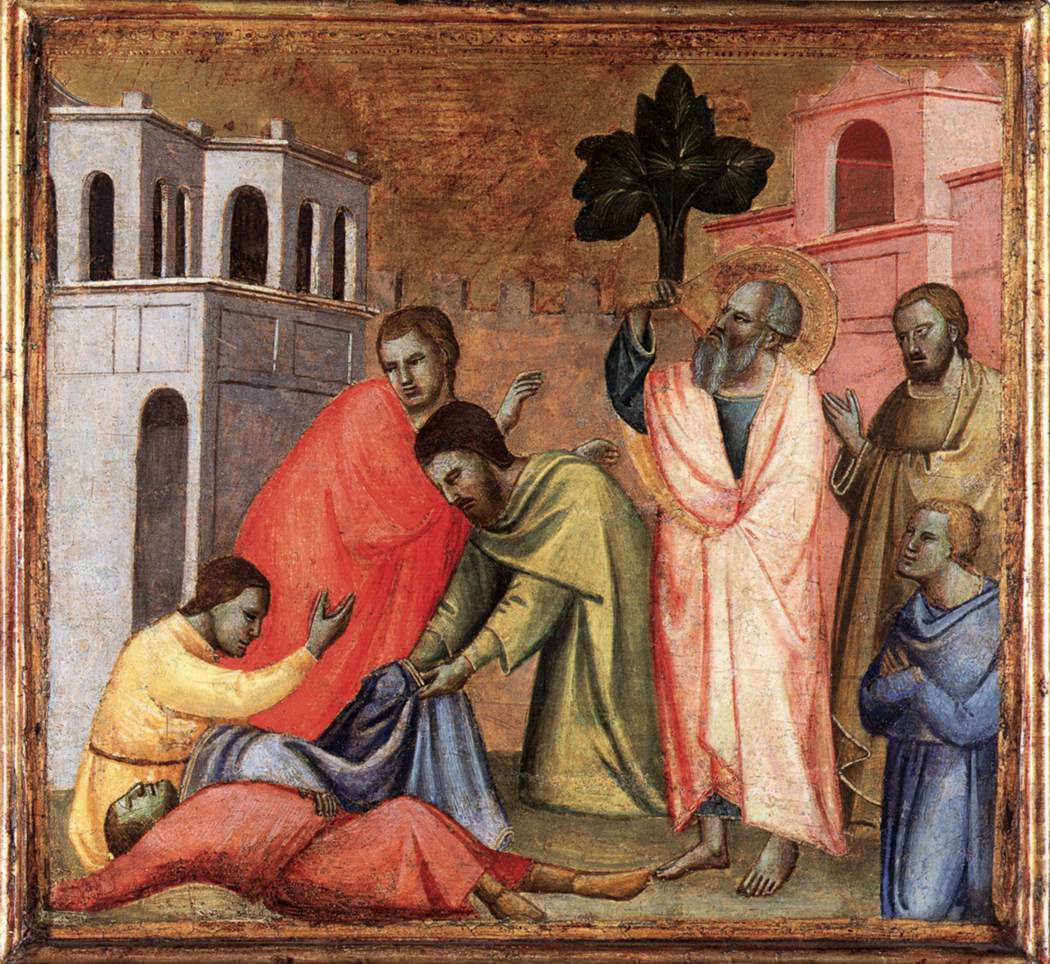
Digital imaging of paintings has made rapid progress in the last decade as more and more museums agree to open up their collections of photos to the joy of both lay and learned. Now researchers have come to a point where it is possible to perform statistical analysis of a large-scale database of paintings to create a bridge between art and science.
Using digital image processing techniques, a group of scientists have investigated three quantitative measures of images – the usage of individual colours, the variety of colours, and the roughness of the brightness.
Overall, they found a difference in colour usage between classical paintings and photographs, and a significantly lower colour variety in art from the Middle Ages.
The digital images were obtained from the WEB Gallery of Art, which has a searchable database for European paintings and sculptures consisting of over 29,000 pieces ranging from the years 1000 to 1850. Most of the identifiable images contain information of schools, periods, and artists, and are good quality in resolution to apply statistical analysis.

In their own words, the scientists have analysed artistic styles “various statistical techniques such as fractal analysis1, the wavelet-based technique, the multi-resolution hidden Markov method, the Fisher kernel based approach, and the sparse coding model,. Recently, these methods have also been applied to other cultural heritages such as and music. Such quantitative analysis is called “stylometry,” which originates from literature analysis and is used to identify characteristic literary styles” (See article for references).
In the present articles (probably the first of many) the researchers have focused on the usage of colours, the variety of painted colours and the roughness of the brightness of images.
These analyses tells us, that while an explosion of colours may be detected from the Early Renaissance and onwards, artists in the middle ages preferred (or were obliged) to limit themselves significantly.
First of all, specific rare pigments and colours were preferred for political (red) and religious (blue) reasons. To this, however, should also be added technical reasons: the techniques of mixing oil colours was not fully developed. To this might be added that specific techniques of painting like chiaroscuro and sfumato were not yet invented or applied. Hence the feeling that medieval paintings might seem rather flat and uninteresting compared to the output of the Renaissance and later.
Perhaps, though, the Middle Ages did produce at least some artists, who were never boring. For instance, who has ever been bored visiting the Capella Scrovegni in Padua with the paintings of Giotto?
In view of such reflections it might be interesting to get a list of the different artists in the database ranked according to their “boringness”. Perhaps published on the internet?
Large-Scale Quantitative Analysis of Painting Arts
Daniel Kim, Seung-Woo Son & Hawoong Jeong
In: Nature Scientific Reports 4, Article number: 7370 doi:10.1038/srep07370
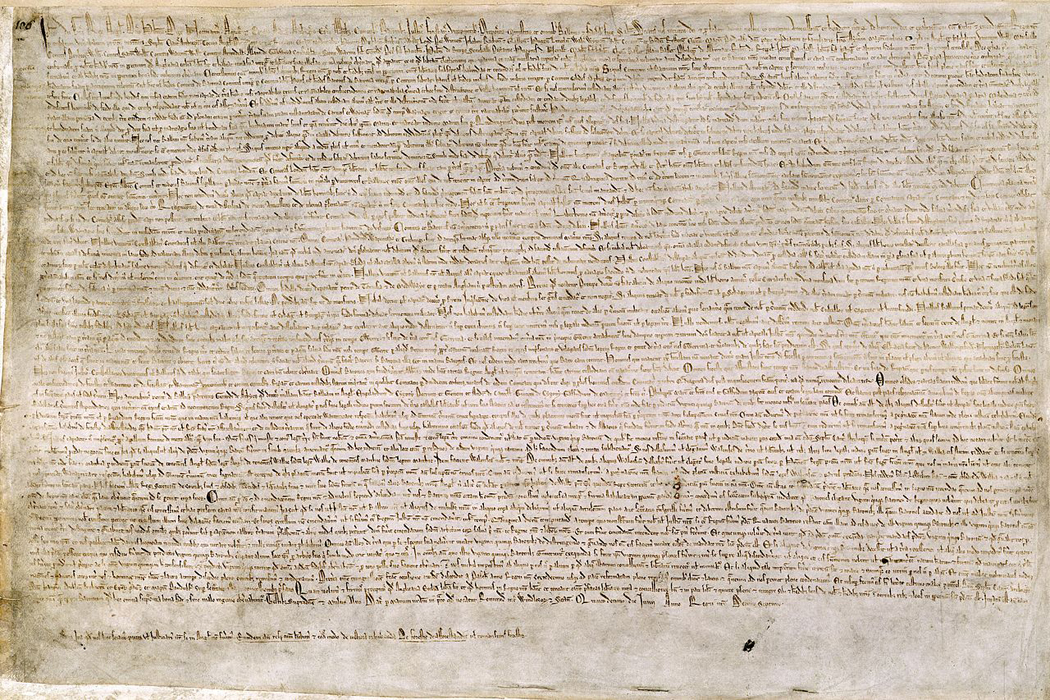
2015 England and with it large parts of the Anglo-Saxon World is set to celebrate the 800-year anniversary of Magna Carta. A spat of books are in the crucible
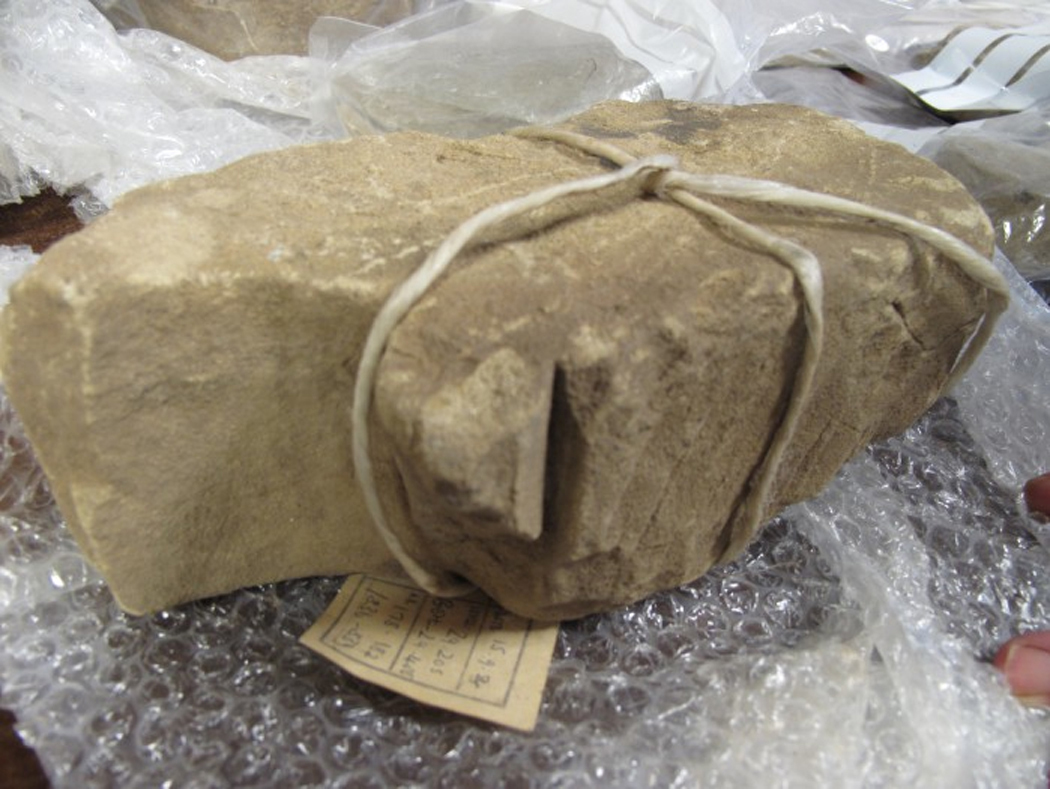
At Hirsel near Coldstream on the river Tweed excavations have uncovered a a small proprietary church from the 9th century and its adjacent cemetery
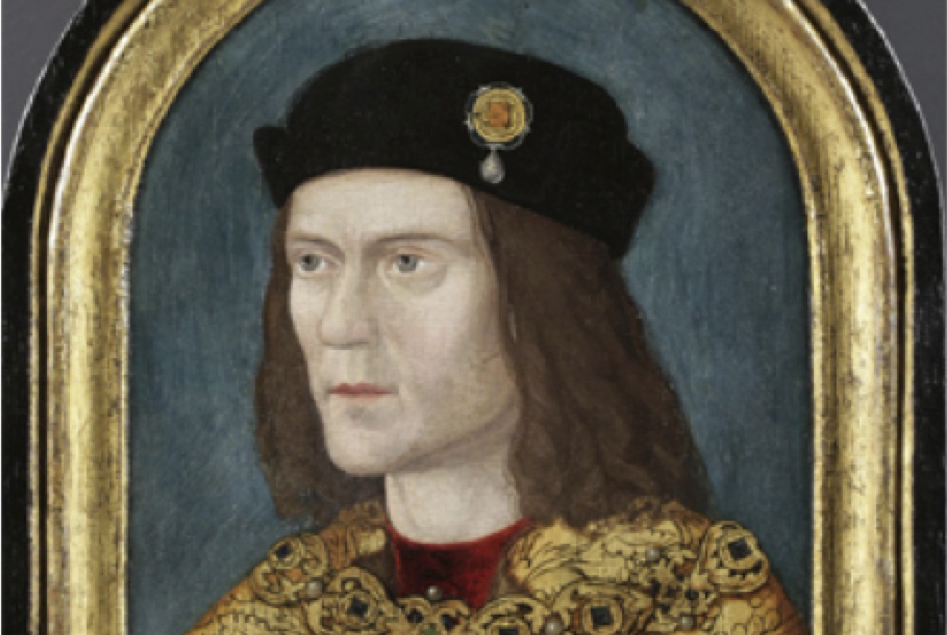
Model of Richard III has to be redone in view of genetic evidence. It appears Richard III Richard III had fair hair and blue eyes