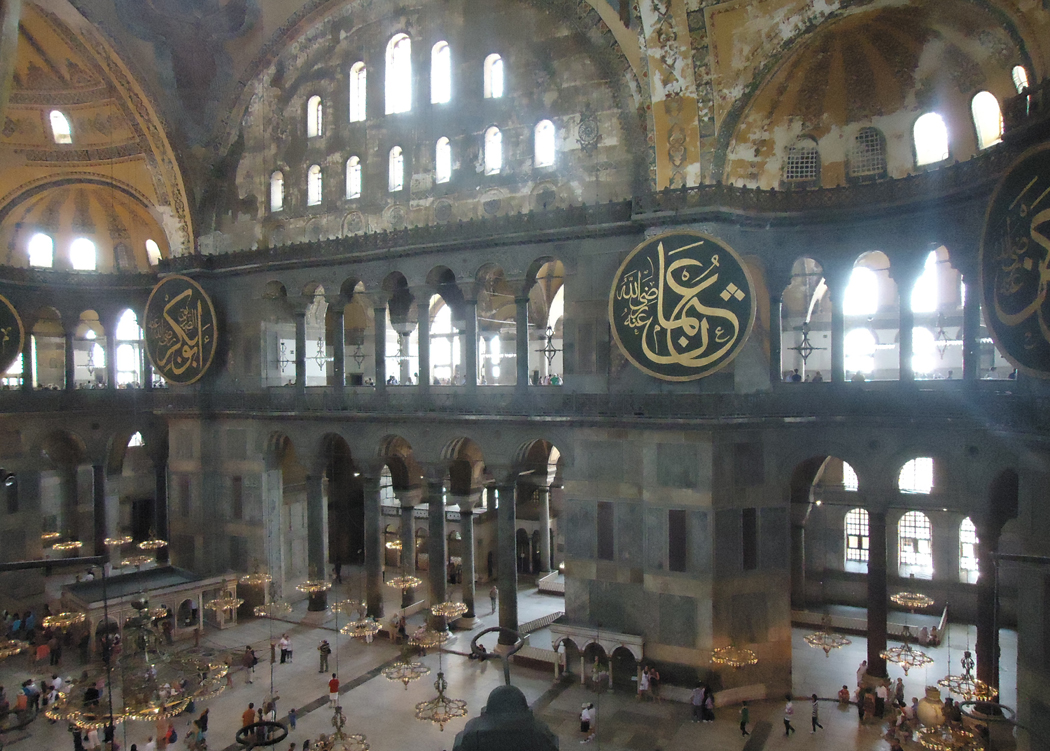
The church of Hagia Sophia built in the period AD 532 -537 in Constantinople was praised for its extraordinary luminosity
Medieval Histories is a News site where anyone - professionals or just generally interested - can read about new exhibitions, books, research, excavations, finds, treasures... and much more! The site is created and owned by Karen Schousboe (http//:www.karenschousboe.com)
The church of Hagia Sophia built in the period AD 532 -537 in Constantinople was praised for its extraordinary luminosity
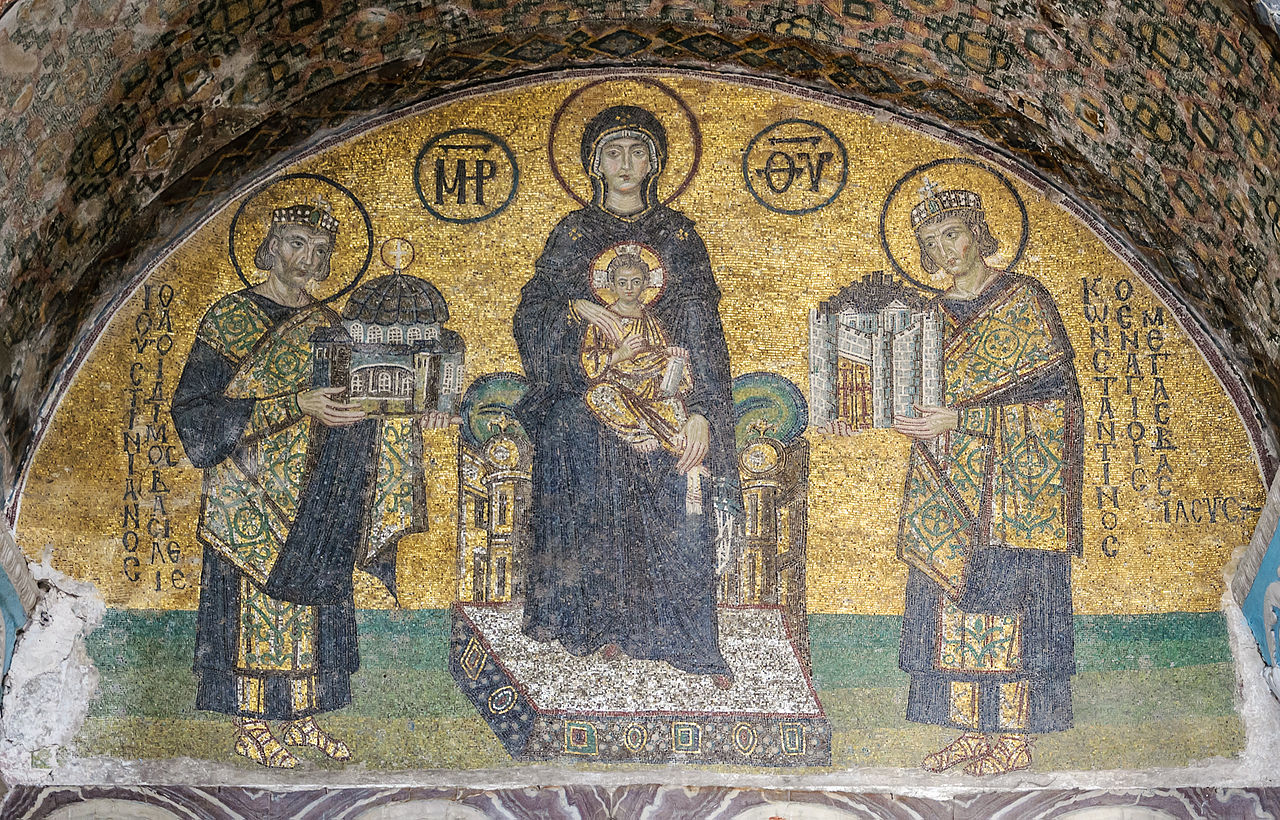
How lovely is your dwelling place, O Lord ), wrote Pope Francis in the guestbook of Hagia Sophia in November 2014
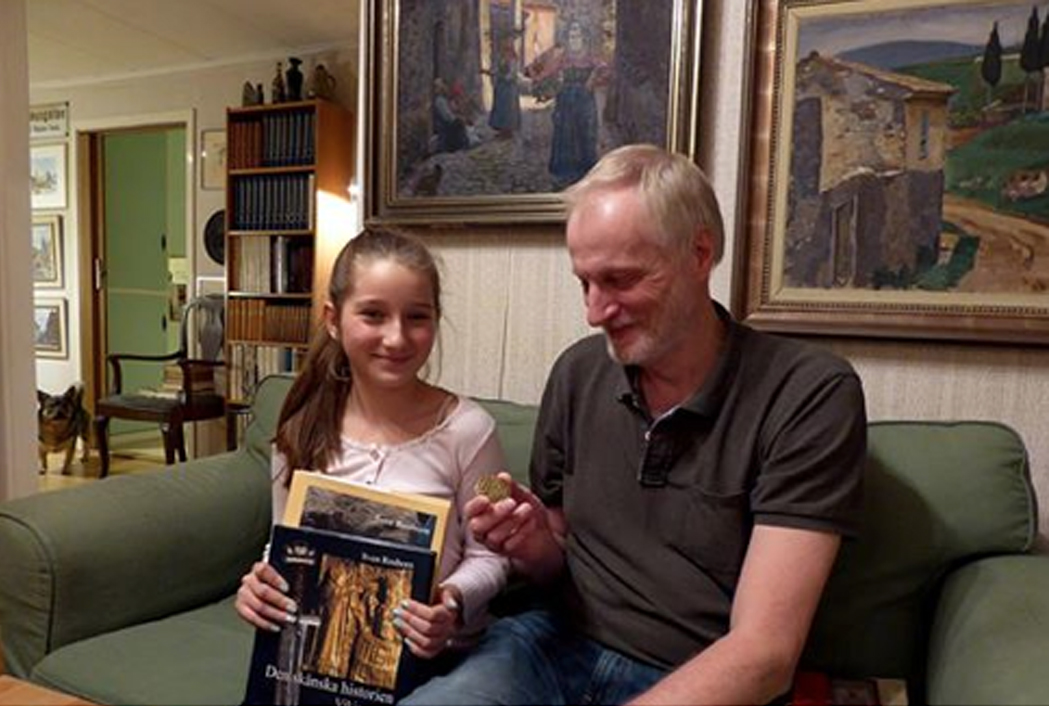
Recently, a strange golden object with an inscription about the Danish Viking , Harold Bluetooth, resurfaced from an old box from Poland
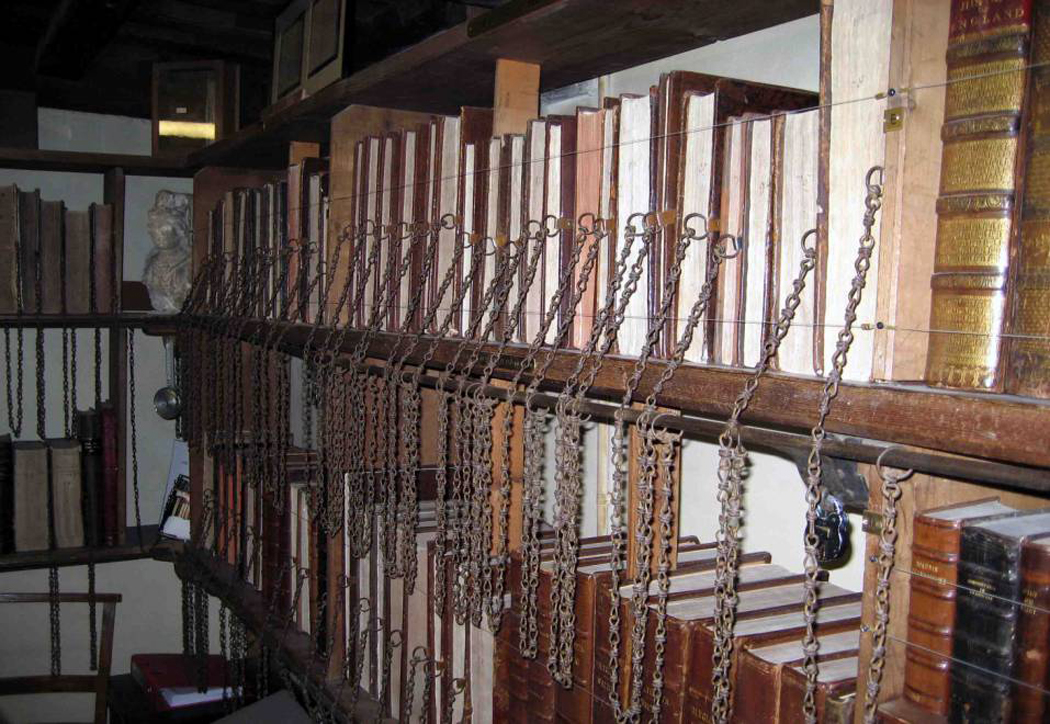
The next biennial conference of the Early Book Society takes place in Oxford in July 2015
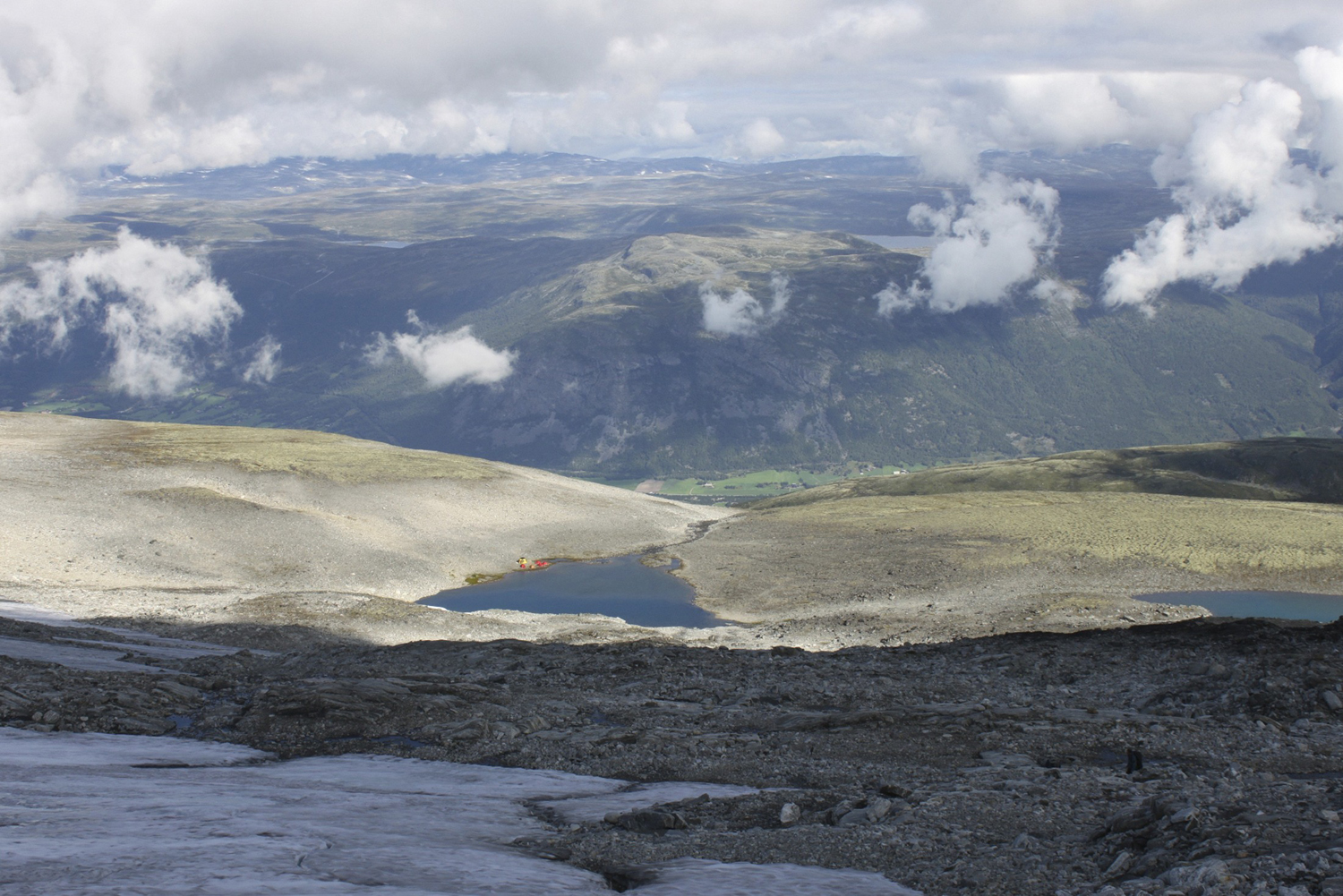
In Norway the ice is melting in the glaciers, shedding numerous treasures from the prehistoric as well as medieval past. A few years ago the Lendbreen glacier in Breheimen National Park thus coughed up shoes, hunting gear, tent pegs, textile rags and horse dung from the Iron Age as well as a woolen tunic from AD 230 – 390. Since then archaeologists and conservators have worked to study this, the oldest piece of textile ever found in Norway.
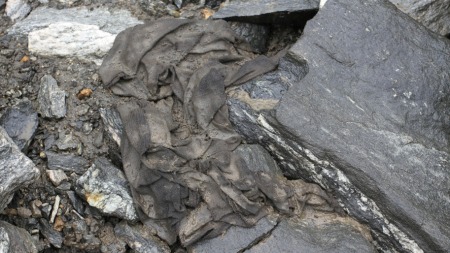
The tunic was found at a place where people had camped in order to hunt for reindeers. In summer the animals are so plagued by the warble flies that they seek refuge on the glaciers. The hunters took advantage of this by camping on the edge of the glacier. Here they tethered their horses before continuing on foot. It is not quite clear what happened at the camp afterwards. However, the fact remains that the archaeologists found not only arrowheads, but also complete arrows with fletching and shafts plus the tunic, which had been bundled up and left in the dung. Perhaps the hunting party was caught in a storm and died before they could retrieve their valuables and horses.
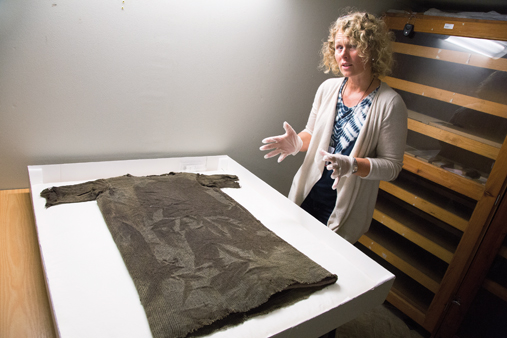
The chief archaeologist, Marianne Vedeler, now tells that the shirt is going to be reconstructed. Hopefully this will shed new light on the ancient production process and the time, which was invested in making such a tunic.
Marianne Vedeler tells: “The remarkable thing is how old and well-preserved the tunic was. It is a very fine example of how prehistoric people used wool. One of our aims in reconstructing the tunic is to learn more about how the textile was made, how time-consuming it was to make, and how the wool was used.”
The reconstruction will take place in a collaboration between two museums, The Museum of Cultural History at the University of Oslo and the Norwegian Mountain Museum (Norsk Fjellmuseum) in Lom . Thw result will be two tunics: one tunic will be on display at the museum in Oslo, the other at the museum in Lom, which has a large exhibition of the other archaeological finds from the Lendbreen glacier, some ten kilometres west of Lom.
Overhair and underwool
The wool, which will be used, will come from present-day wild sheep provided by a sheep farmer at Hareid in Sunnmøre.
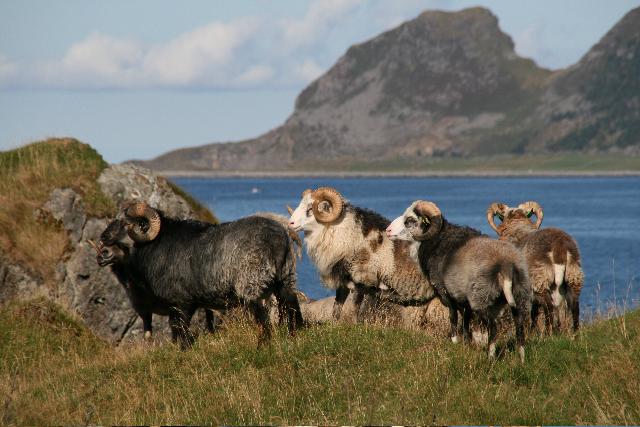
The wool of this ancient Norwegian sheep breed has two layers. The outer-layer hair, known as overhair, is long and stiff and acts as a sort of raincoat for the sheep. The innermost layer, called underwool, is soft and fine and resembles the wool we find in modern sheep breeds. The different properties of the wool were used for different types of textile.
“Textiles made from overhair were more water-resistant and more hard-wearing than if they had been made of underwool. We were therefore surprised to discover that the tunic from Lendbreen was made almost exclusively from underwool, that is to say the wool from the innermost layer. The tunic is a strange mixture of fine wool and simple cut. Most Iron Age clothing was repaired and re-used. More hard-wearing than today’s clothing, it might be used for several decades. The tunic may have been used for something else before it was left on the glacier. It was old and worn when found, and had several patches sewn on it. The sleeves had also been sewn on at a later date than the original tunic”, tells Marianne Vedeler.
“The glaciers were also used as transport routes for people travelling between the valleys, such as between Bøverdalen and Ottadalen. It was quicker to go over the mountain pass than to go round. The glaciers in those days were much bigger, and easy to walk on. The tunic may have been lost on just such a trip,” says Mai Bakke from the Museum in Lom.
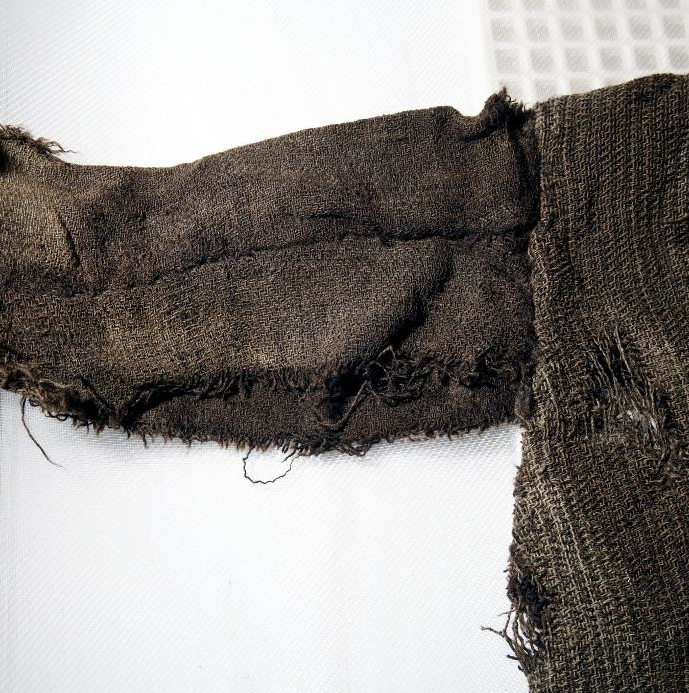
Among other things, the researchers will be seeking to assess how much work was required to separate the overhair from the soft underwool and how long it would have taken to make the tunic.
Before the wool can be spun, all the overhair must be removed. The traditional wool spinnery at Selbu Spinneri – http://selbuspinneri.com – will be responsible for separating the wool and spinning it. Some of the wool will be spun on a hand spindle – a long thin spindle with a round whorl – which was the only known method of spinning in olden times. It was not until the 1700s that the spinning wheel first appeared.
“Spinning the wool demanded an enormous amount of work and in those days represented a bottleneck in the production process. Having all the wool spun by hand would have been too costly for our project, so we are also spinning some mechanically,” Vedeler explains.
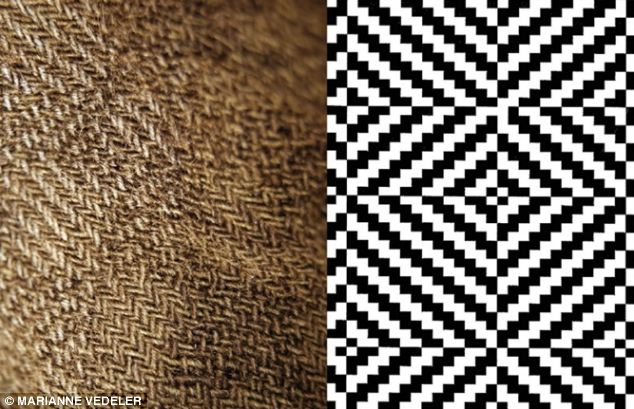 When the archaeologists found the tunic on the glacier, it was possible to discern a diamond pattern in the textile, as long as the tunic was wet. The distinctive weaving technique used to make this pattern is known as diamond twill. This is held to be quite advanced.
“Two colours were used in the tunic to create a mottled pattern. The combination of the diamond twill weave and this pattern is unusual, and it is precisely this combination that we intend to copy”, she continues.
The underwool from the wild sheep can be sorted in shades from pale grey through to dark grey. For the recreation, Vedeler has chosen to use the palest and darkest shades.
The spun woollen yarn will be woven on a vertical warp-weighted loom, which is the oldest kind of loom we know of:
“The loom is simple, but time-consuming to use,” says Vedeler.
Consisting of a simple upright frame with two horizontal beams, the loom is leant against a wall. The vertical warp threads hang freely from the upper beam. To keep the warp threads taut, stones or other heavy weights are hung from the bottom of bundles of warp threads. The weaving is done from the top of the loom downwards and every line of weft thread is beaten tightly in place with a sword beater.
The textiles will be woven by handweaver Lena Hammarlund from Gothenburg in Sweden. Lena specializes in reconstructing prehistoric textiles.
Once the textile has been woven, the two tunics will be sewn by tailors at the traditional craft business Heimen Husflid in Oslo.
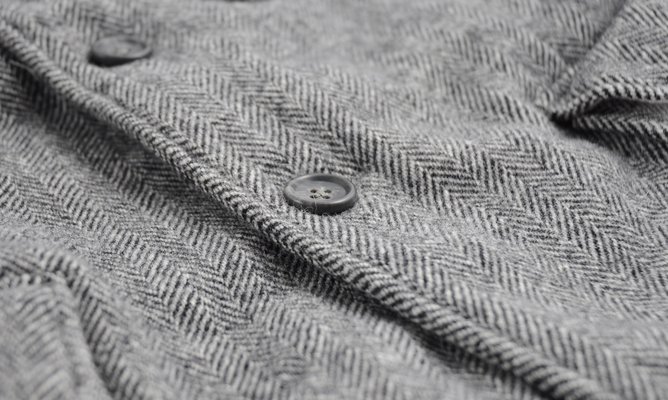
Marianne Vedeler hopes the reconstruction will inspire Norwegian designers to create new, modern textiles as had the wild food of Scandinavia been the inspiration for restaurants like world-famous Noma.
“Clothes were not consumer items in the Iron Age. It was important to be able to re-use clothing, and in those days clothes lasted a long time. Today, we spend enormous resources on clothes. And modern clothes are not durable. If we can use local raw materials and create clothing of high quality, it will be good for us all. We are therefore hoping that designers will be inspired by this example of old, Norwegian design. If we can create modern textiles from a prehistoric design, we hope also to be able to give a boost to the Norwegian wool industry. Sadly, much of the wool from the old sheep breeds is currently wasted,” adds Vedeler, who, in company with ethnologist Ingun Grimstad Klepp of the National Institute for Consumer Research, and journalist Tone Skårdal Tobiasson, the author of a number of books about fashion and design – has made an all-out effort to rectify this through the “VikingGold” project.
Recreating clothes from the Iron Age
by Yngve Vogt
Another find from Lendbreen – Old Skies
Out of the Norwegian Glaciers: Lendbreen – a tunic from the early first millennium AD
By Marianne Vedeler and Lise Bender Jørgensen, Lise
In: Antiquity 2013, Vol. 87 No. 337 pp. 788–801
ISSN 0003-598X. 87(337)
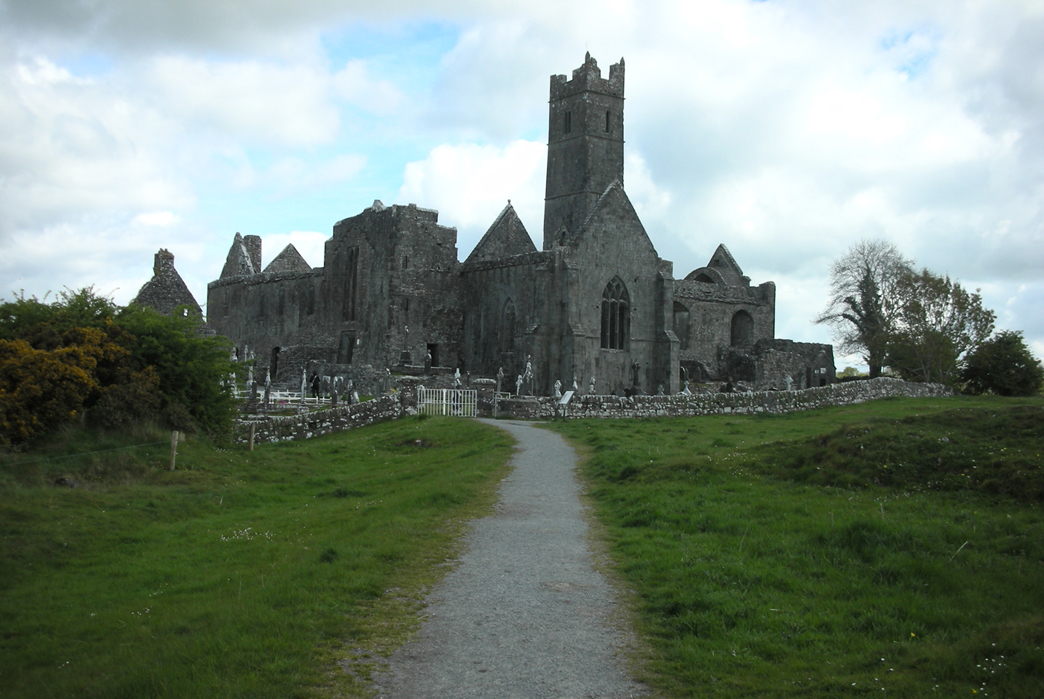
The Irish Research Council-funded Monastic Ireland: Landscape and Settlement research team are happy to announce that it is hosting a three-day conference in August 2015 on Monastic Europe: Landscape & Settlement
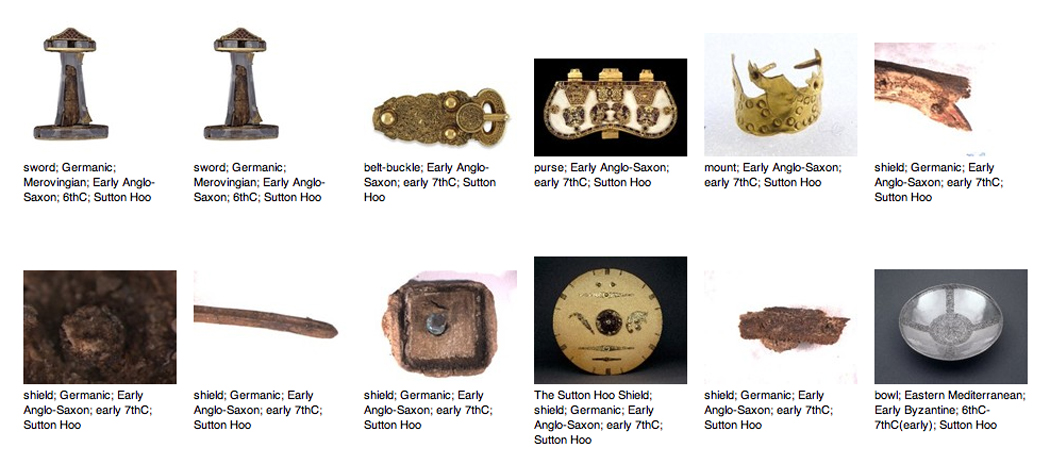
A revolution in our way of accessing art has for some time been quietly underway: major museums in the world are finally opening up their vast archives of photos to the public, while employees from curators to guards are being deprived of their traditional gate-keeper function
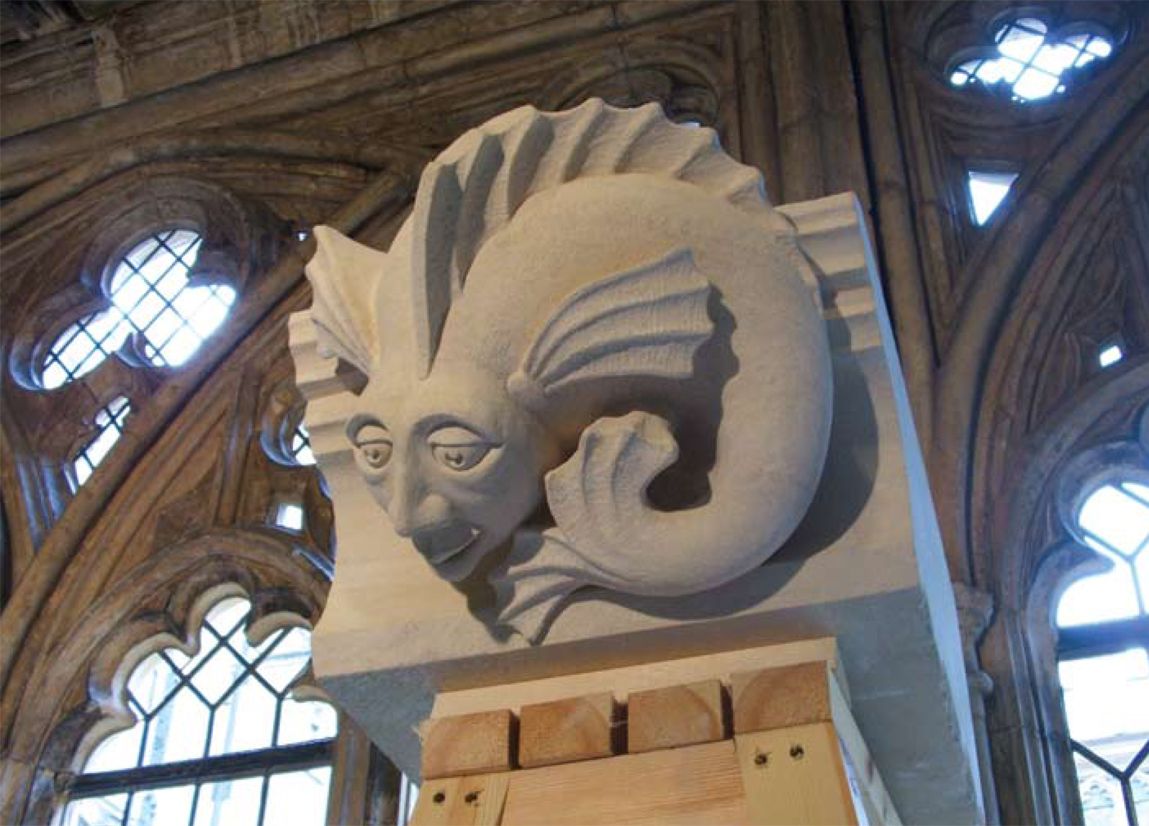
St. George’s Chapel at Windsor has literally reinvented the medieval genre of grotesques

An Irish Anglo-Norman-period deer park and the site, which lies 2 km south-east of Loughrea, is exceptionally well preserved
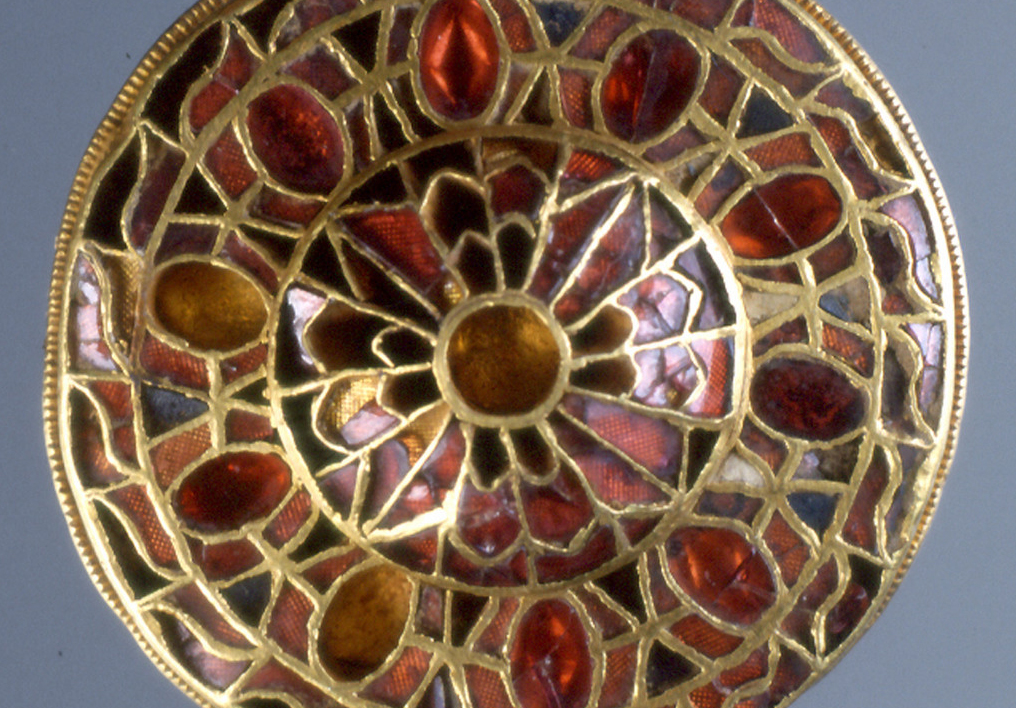
Bright Lights in the Dark Ages: The Thaw Collection of Early Medieval Ornaments
by Noël Adams
GILES (October 14, 2014)
ISBN-10: 1907804250
ISBN-13: 978-1907804250
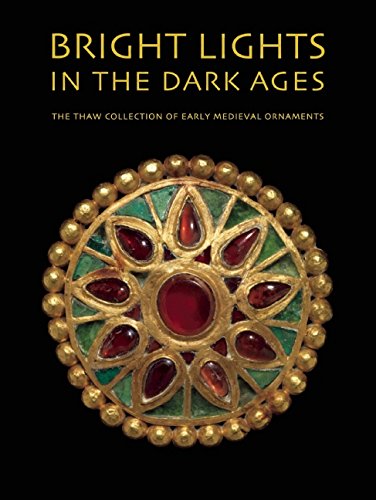 Bright Lights of the Dark Ages is a major new volume on early Medieval art. It features over two hundred stunning and extremely rare early medieval gold and precious stonework objects, including brooches, buckles, shields, clasps, spoons and other “grave goods”, that were interred as status symbols with their owners in burials mounds across Europe.
The new societies of the early Medieval period which developed on the periphery of the great Roman Empire – Germanic barbarians in western Europe, Sarmatian and later Alanic tribes around the Black Sea, and the eastern frontier cities bordering the Parthian Empire in Iran – were all shaped by interaction with the Roman Empire, and profoundly influenced by its material culture.
Author Noël Adams surveys the magnificent pieces that were made to advertise power and wealth in these new “barbarian” kingdoms which arose after the fall of the Roman Empire, and in doing so shows the dramatic and surprising relationship
between these “migration era” objects and later medieval art. In a volume full of wonderful images, highlights include Gothic and Visigothic imperial style brooches from modern-day Slovakia and Crimea, superb Gallo-Roman spoons and enamelled domed brooches and buckles from Northern Europe and Britain.
Bright Lights of the Dark Ages is a major new volume on early Medieval art. It features over two hundred stunning and extremely rare early medieval gold and precious stonework objects, including brooches, buckles, shields, clasps, spoons and other “grave goods”, that were interred as status symbols with their owners in burials mounds across Europe.
The new societies of the early Medieval period which developed on the periphery of the great Roman Empire – Germanic barbarians in western Europe, Sarmatian and later Alanic tribes around the Black Sea, and the eastern frontier cities bordering the Parthian Empire in Iran – were all shaped by interaction with the Roman Empire, and profoundly influenced by its material culture.
Author Noël Adams surveys the magnificent pieces that were made to advertise power and wealth in these new “barbarian” kingdoms which arose after the fall of the Roman Empire, and in doing so shows the dramatic and surprising relationship
between these “migration era” objects and later medieval art. In a volume full of wonderful images, highlights include Gothic and Visigothic imperial style brooches from modern-day Slovakia and Crimea, superb Gallo-Roman spoons and enamelled domed brooches and buckles from Northern Europe and Britain.
Dr. Noël Adams is currently Administrator and Deputy Curator of the Furusiyya Art Foundation. She publishes widely on material culture of the first millennium A.D. and has co-edited and contributed papers to the British Museum Research Publication series, most recently: Recent Research on Byzantine Jewellery (2010) and ‘Gems of Heaven’: Recent Research on Engraved Gemstones in Late Antiquity, AD 200–600 (2011). Dr. Adams has organized exhibitions at the National Trust Visitor Centre at Sutton Hoo, the British Museum, and the Morgan Library & Museum in New York.
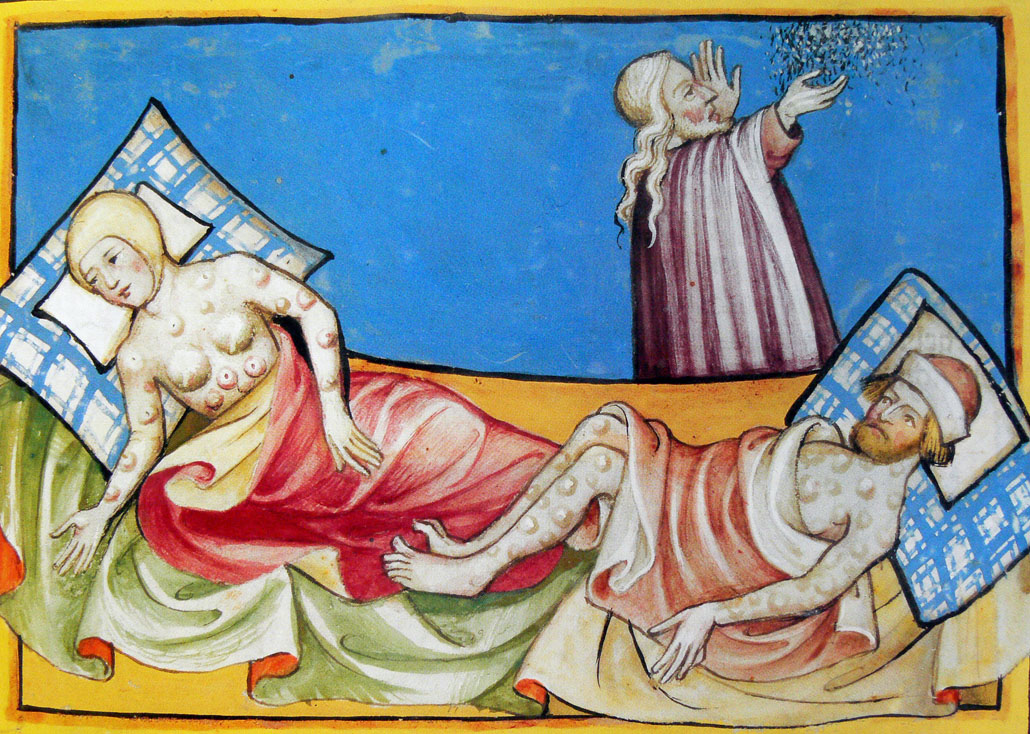
An educated awareness of death and mortality was a vital aspect of medieval civic culture. This book tells the story of how to die in London in the Later Middle Ages
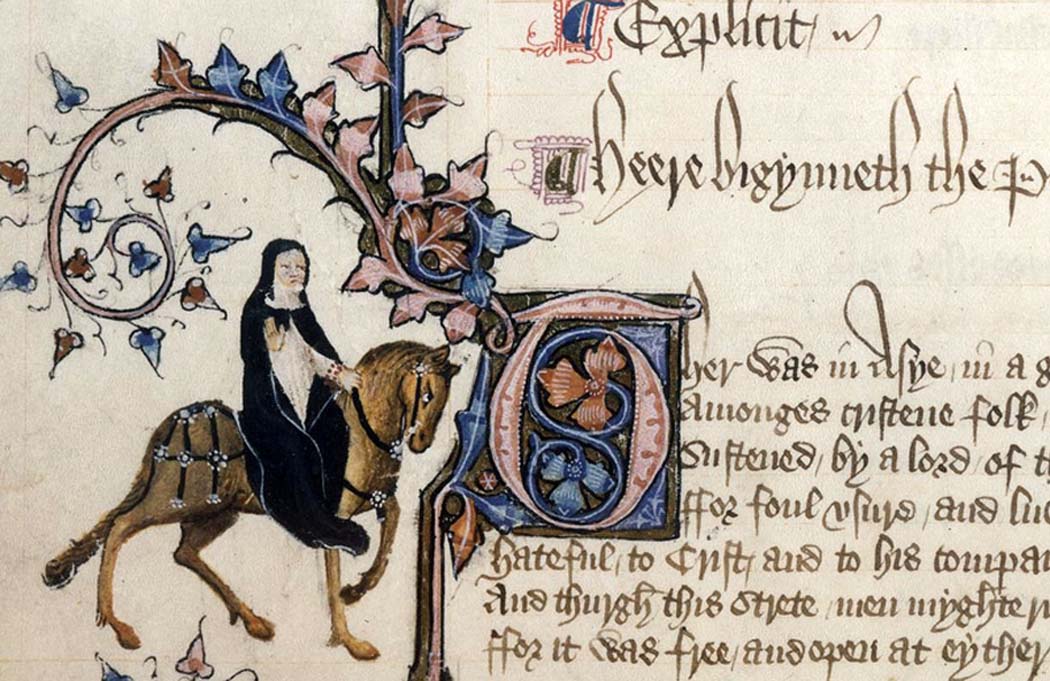
The aim of this volume is to introduce historians to the literary qualities and characteristics of one of the most famous works of Middle English literature, Geoffrey Chaucer's 'General Prologue' to the Canterbury Tales.
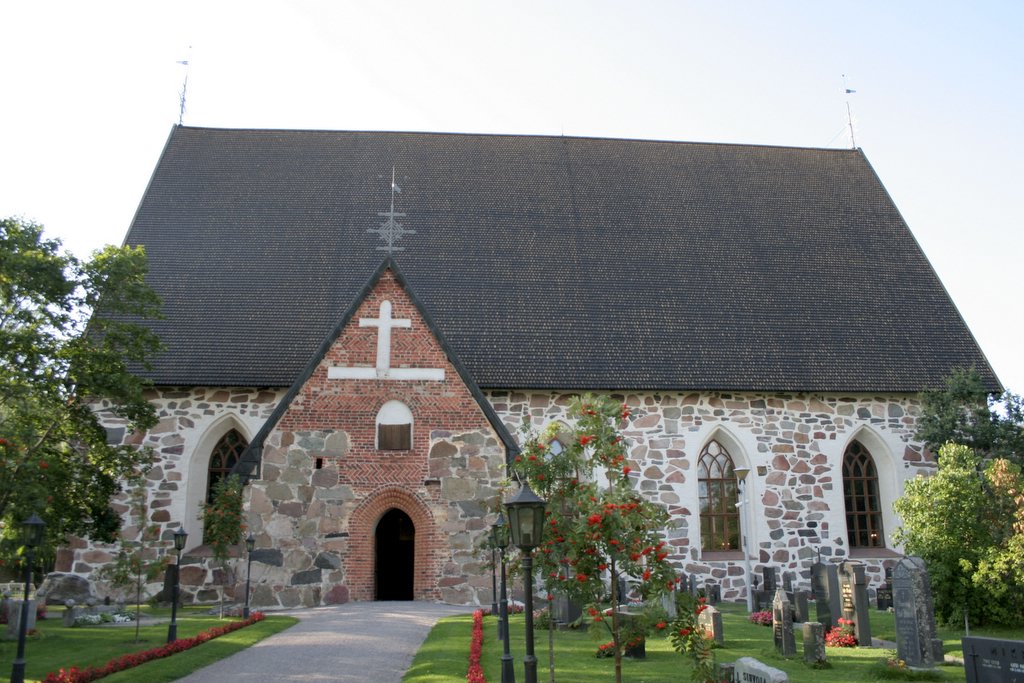
- material reformation (e.g. liturgical vessels, devotional objects, art and archi-tecture)
- book and reformation (e.g. vernacular translations of the Bible and early book prints)
- Luther and other reformers and counter-reformers in northern Europe
- educational, social and political dimensions of the Reformation
We welcome you to participate in the seminar and kindly ask you to send us:
- a proposal for a paper (500-word abstracts of a 30-minute paper)
- a short CV (max. 4 pages including your most relevant publications)
- a two-page research proposal for a working period in Turku with a clear indication of why TUCEMEMS would be the best host institution for your research regarding the reformatory movements in Europe.
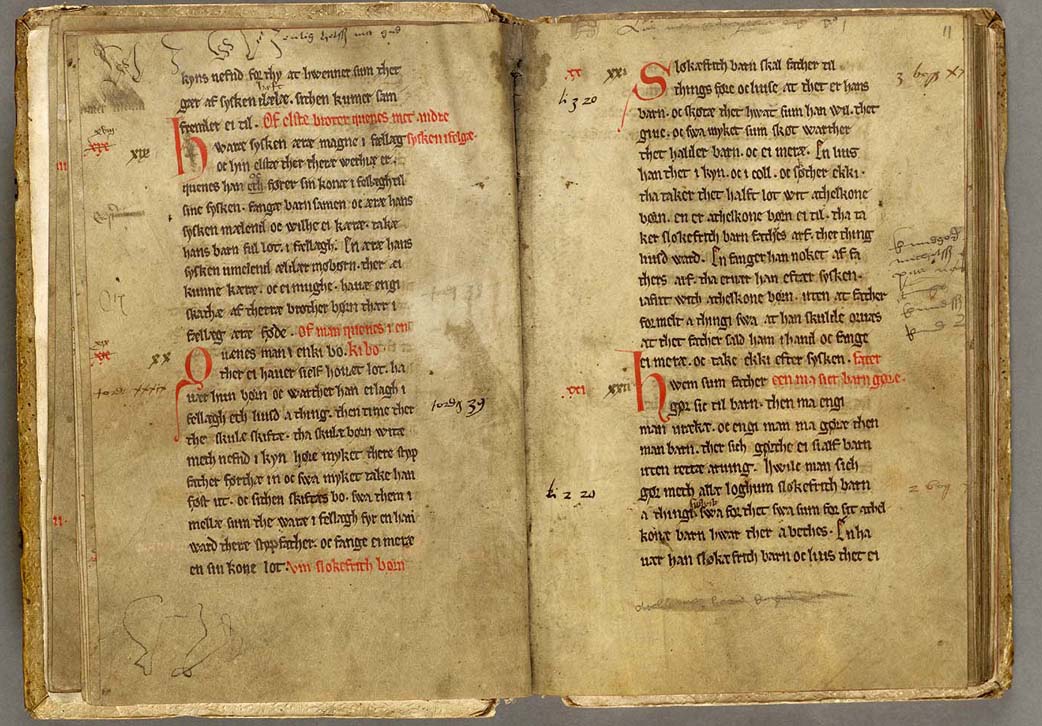
Law and Language in the Middle Ages
Royal Academy, Copenhagen, Denmark 10.09.2015 – 11.09.2015
We are happy to announce the upcoming interdisciplinary conference on medieval legal history and therefore invite colleagues whose research touches upon aspects of law and language in the Middle Ages to submit proposals for papers of 20 minutes’ duration. A title and an abstract of 200-250 words should be sent by e-mail to one or more members of the organising committee (see e-mail addresses below).
Keynote Speaker will be Prof. Bruce o’Brien from The University of Mary Washington
Deadline for proposals is 1st February 2015.
The final programme will be published soon thereafter. All proposals and presentations should be in English. The papers will be published.
Suggested thematic strands are:
The relationship between law and legal practice in a linguistic context, the similarities / dissimilarities in terminology and practice, the problems and possibilities of translating laws from this region into modern English or other modern languages, ‘Germanic’ legal language, law and language in the North Sea area, the relationship between Latin and vernacular in the legal texts, adoption and application of legal language in other domains. The list is by no means exhaustive and other proposals touching on the main theme of law and language are most welcome.
The conference is held at the Royal Academy for Science and Letters, H.C. Andersens Boulevard 35, in the centre of Copenhagen
Registration fee for non-speakers will be € 100 or 750 Danish Kroner payable upon arrival at the conference. The fee includes lunch on Thursday and Friday, the conference dinner on Thursday, and the closing reception on Friday, and all drinks and snacks. Speakers are of course exempt from paying the conference fee.
Please use the registration form which will be available on the conference web page in winter 2015: . Deadline for non-speakers’ registration is 1 September 2015. The Academy lecture room can only contain a limited number of participants so please do not hesitate to register.
The conference is sponsored by: the Carlsberg Foundation
and Ingeniør, kaptajn Åge Nielsens Familiefond
If you have any queries, or want to submit a proposal, please feel free to use any of these addresses: Helle Vogt (helle.vogt@jur.ku.dk), Jenny Benham (BenhamJ@cardiff.ac.uk) or Per Andersen (pa@jura.au.dk ).
The Organising Committee:
Helle Vogt, associate professor, The Faculty of Law, University of Copenhagen
Jenny Benham, lecturer, Cardiff School of History, Archaeology and Religion, Cardiff University
Per Andersen, professor, The Department of Law, University of Aarhus
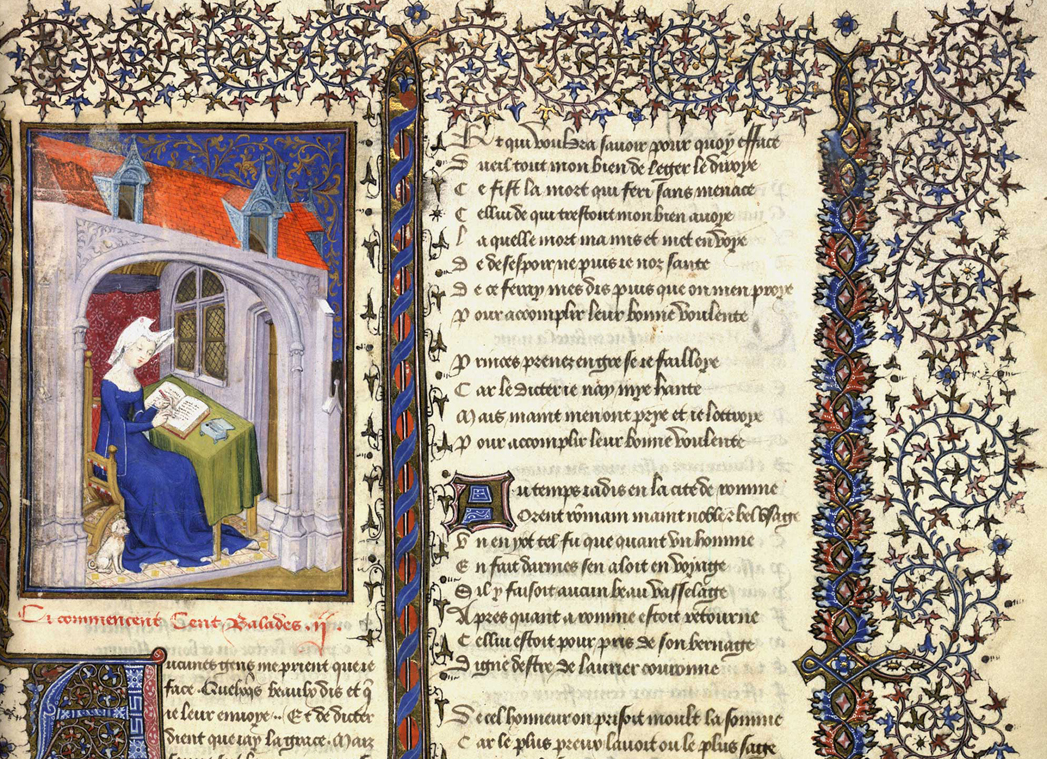
The aim of this conference is to consider how intellectual problems were approached – if not necessarily resolved – through medieval poetry

CfP: The latest in the series of Birgitta conferences will take place at Dartington Hall in Devon, England, 21-24 July 2015