How persistent are cultural traits? Studies of Nazi voting in 1933 show that the roots of Nazi antisemitism and the events from 1928-45 - and later - mirror the pogroms carried out in the mid-14th century

Medieval Histories is a News site where anyone - professionals or just generally interested - can read about new exhibitions, books, research, excavations, finds, treasures... and much more! The site is created and owned by Karen Schousboe (http//:www.karenschousboe.com)
How persistent are cultural traits? Studies of Nazi voting in 1933 show that the roots of Nazi antisemitism and the events from 1928-45 - and later - mirror the pogroms carried out in the mid-14th century
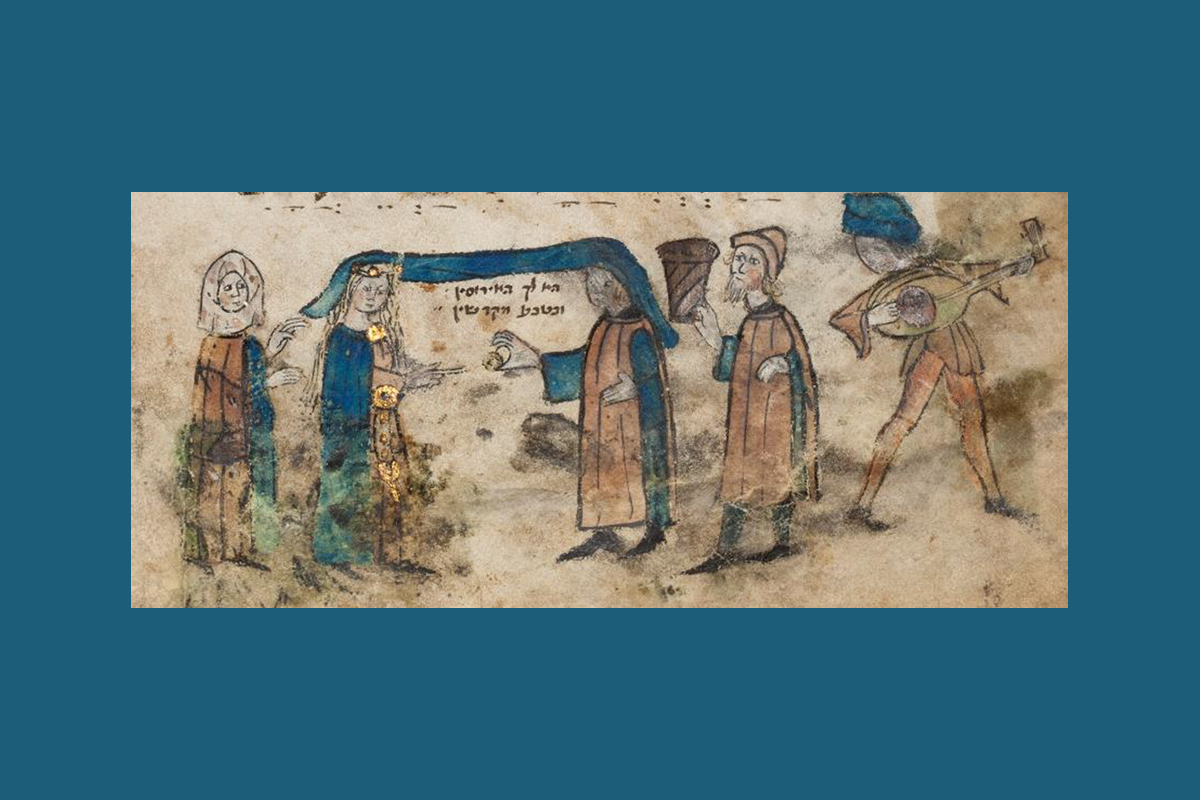
The Jews in Germany emerged as a distinctive ethno-religious cultural group in 10th century Rhineland, from where they migrated to Eastern Europe, reaching Erfurt in the 11th century (at the latest). Here, they later encountered an influx of Jews from the Middle East.

Erfurt boasts a handful of buildings from the Middle Ages, bearing witness to the city's Jewish heritage. Additionally, a remarkable treasure from 1349 narrates the tale of Erfurt's first Jewish inhabitants, a story paralleled by the Jewish Manuscripts housed in Berlin.
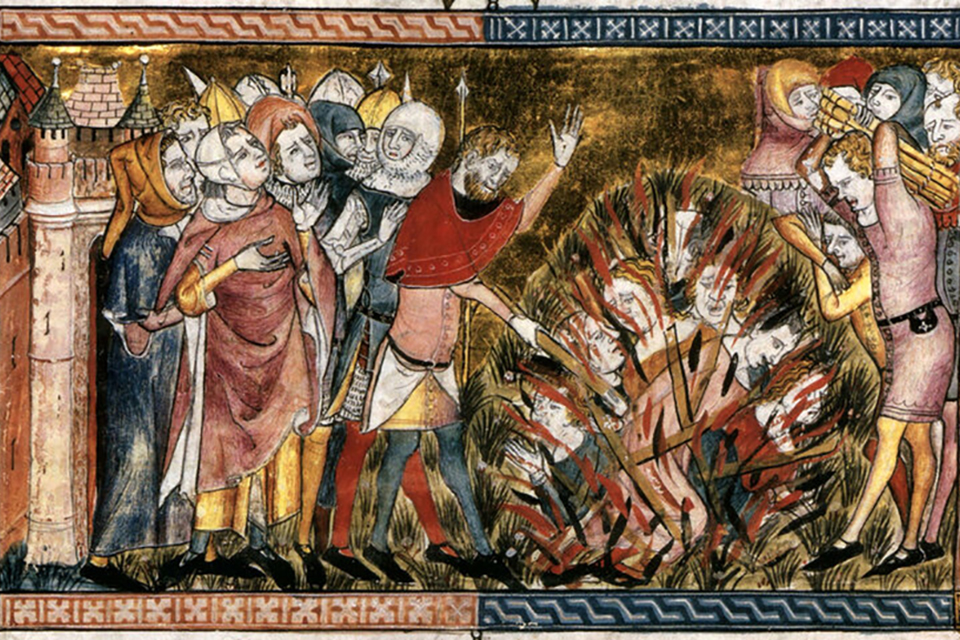
Since the Middle Ages, Erfurt in Germany was home to several well-documented Jewish communities. Each wiped out by pogroms followed by the holocaust, the city tells a horrifying history.
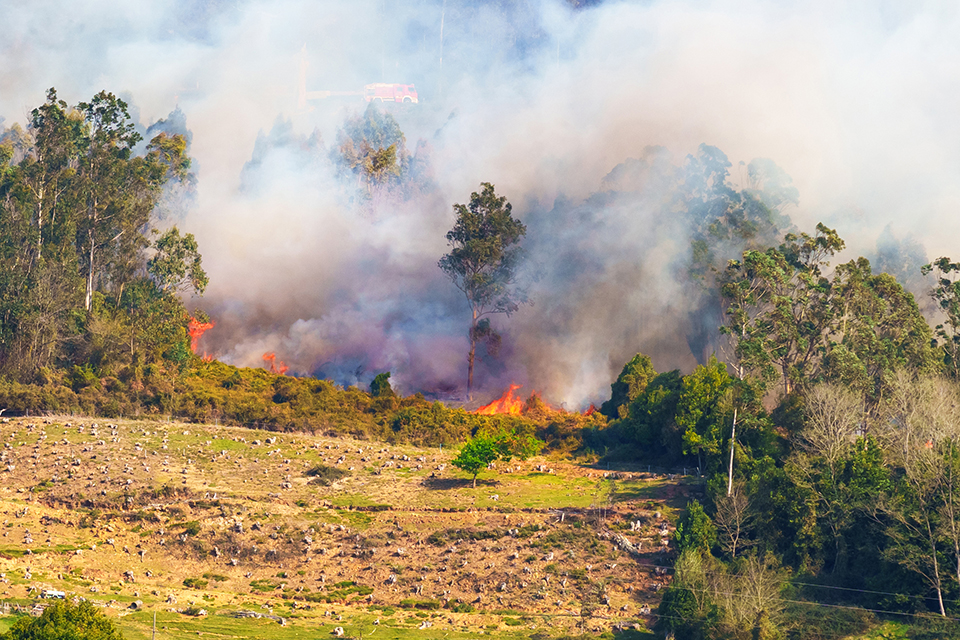
This summer, 2023, wildfires have once again laid waste large areas of Southern Europe. A tenth-century conflagration provides a fascinating comparison between medieval and present times.
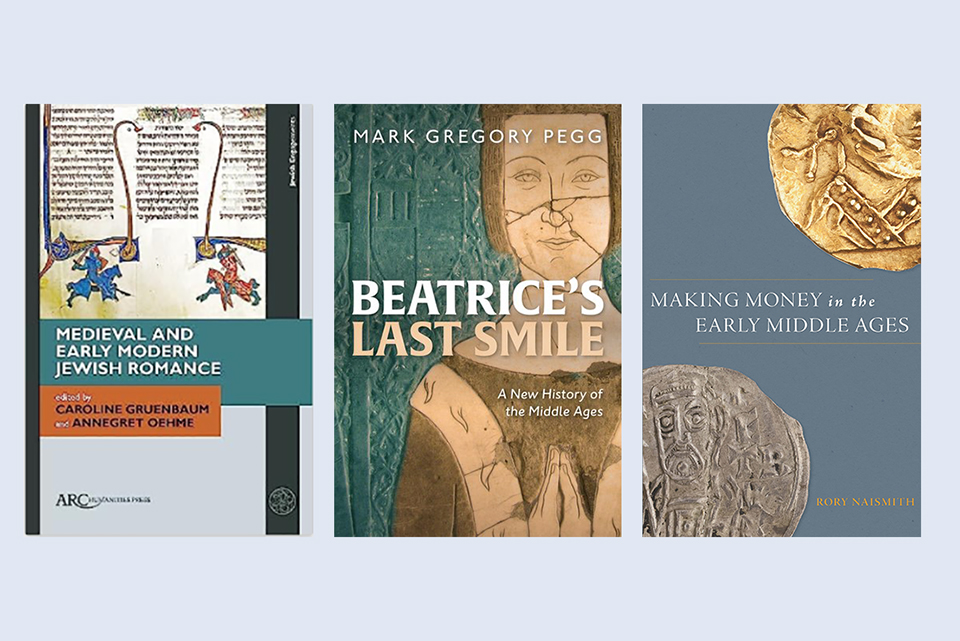
New Books out in July 2023 offers a New History of the Middle Ages, several books focusing on crusaders and an important introduction to medieval money-making
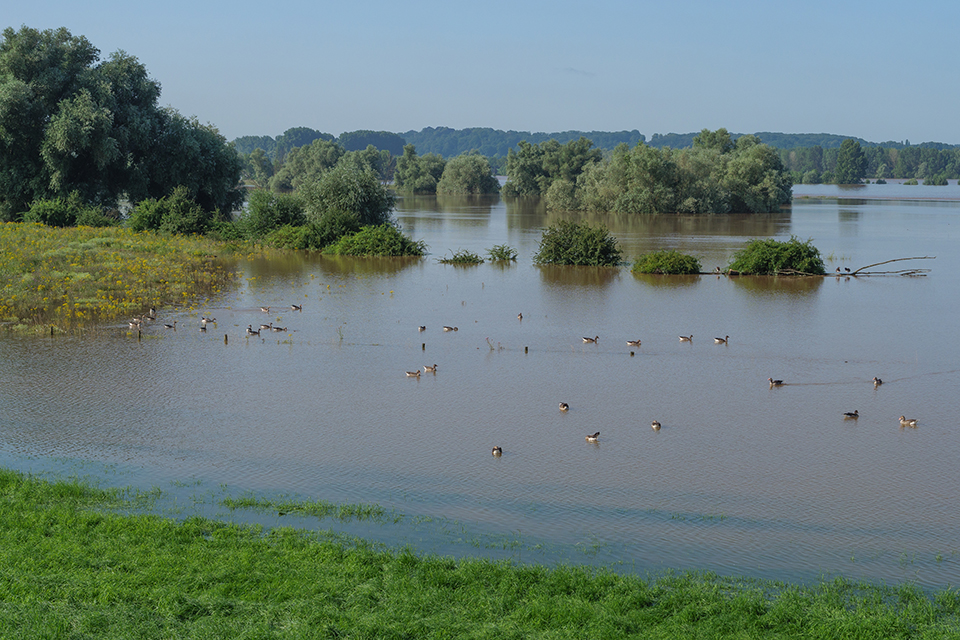
Bislich, where the grave of Bodi was discovered more than fifty years ago, lies in the middle of a protected river landscape well worth visiting
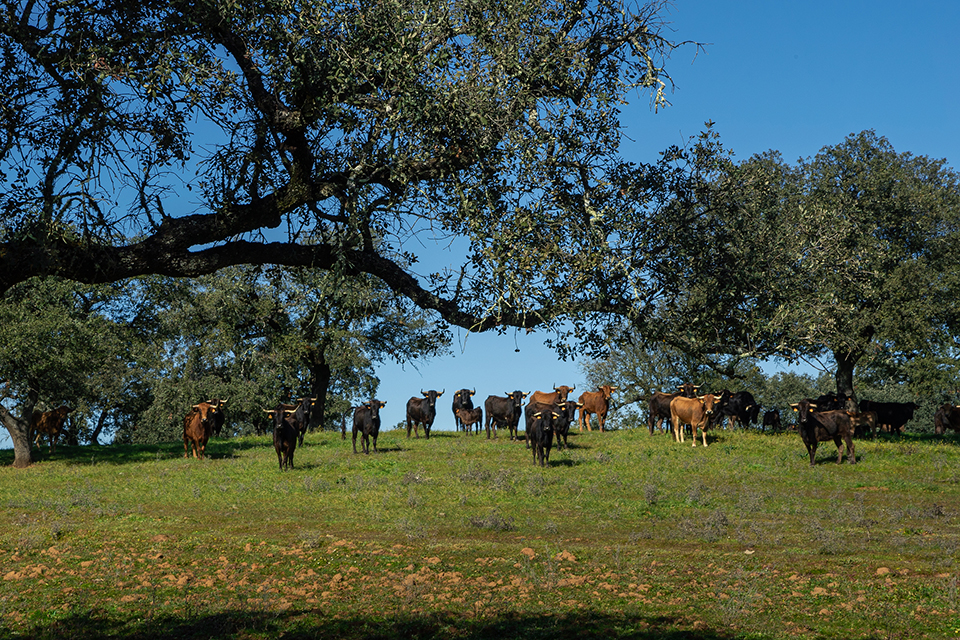
In Andalusia, the dehesa landscape dominates. The question is whether the protection of the dehesas serves to safeguard the cultural heritage or the biodiversity?
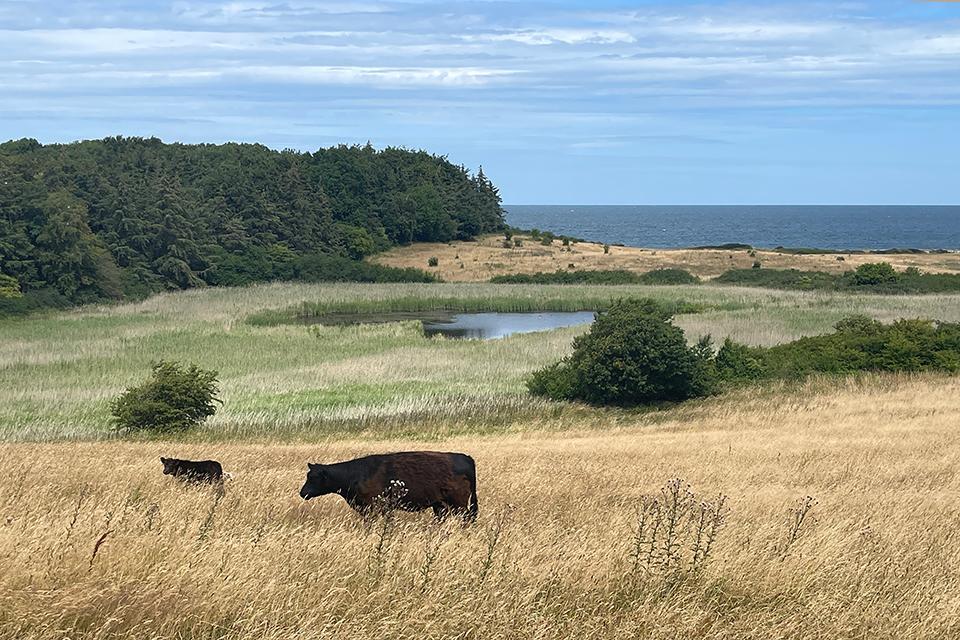
Rewilding can’t alleviate all the climate challenges we face. However, it does offer a precious contribution, namely a decisive upgrade of carbon sequestration in forests, grassland and tundras. With biodiversity as an added bonus.
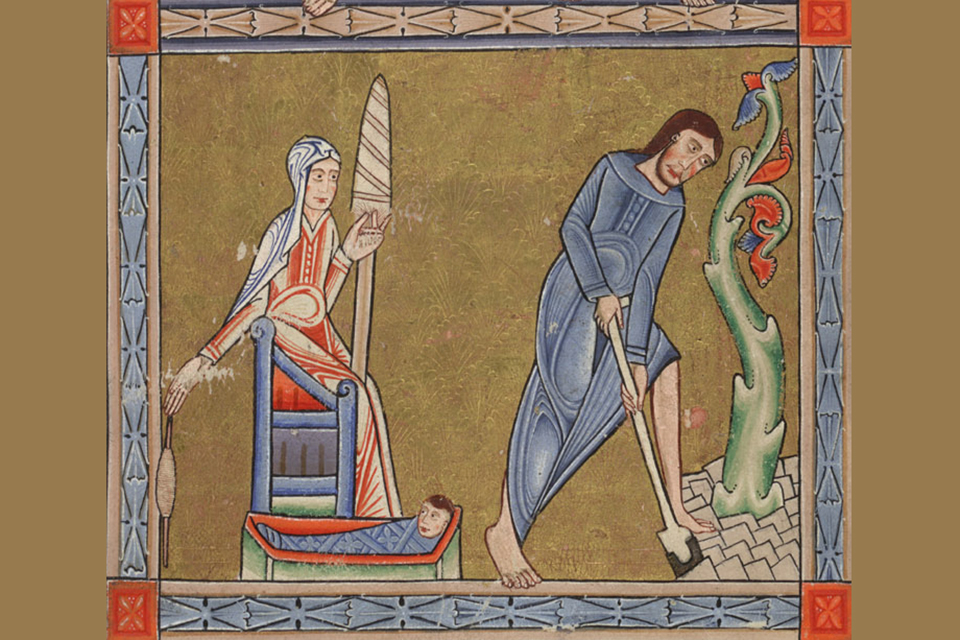
In this new book some of the foremost ‘real’ and imaginary landscapes of the Middle Ages that could be found both in the tangible world and in the pages of manuscripts are examined.
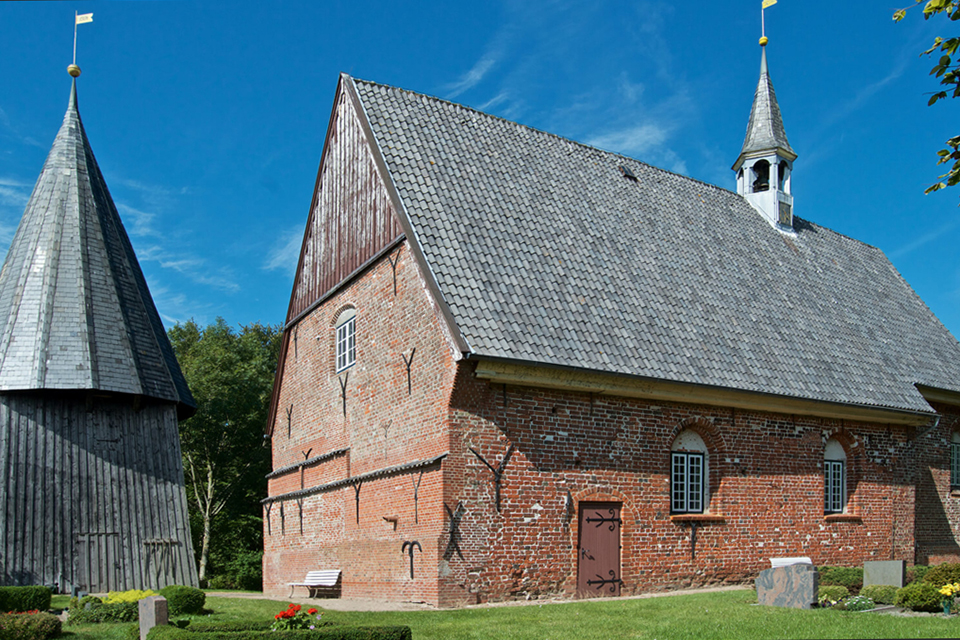
The medieval town of Rungholt drowned in a storm surge in 1362. Today, it lies submerged in shallow waters outside the Westcoast of Northern Germany. Recent surveys have led to the location of the large and impressive church, which was swept aside in the storm.
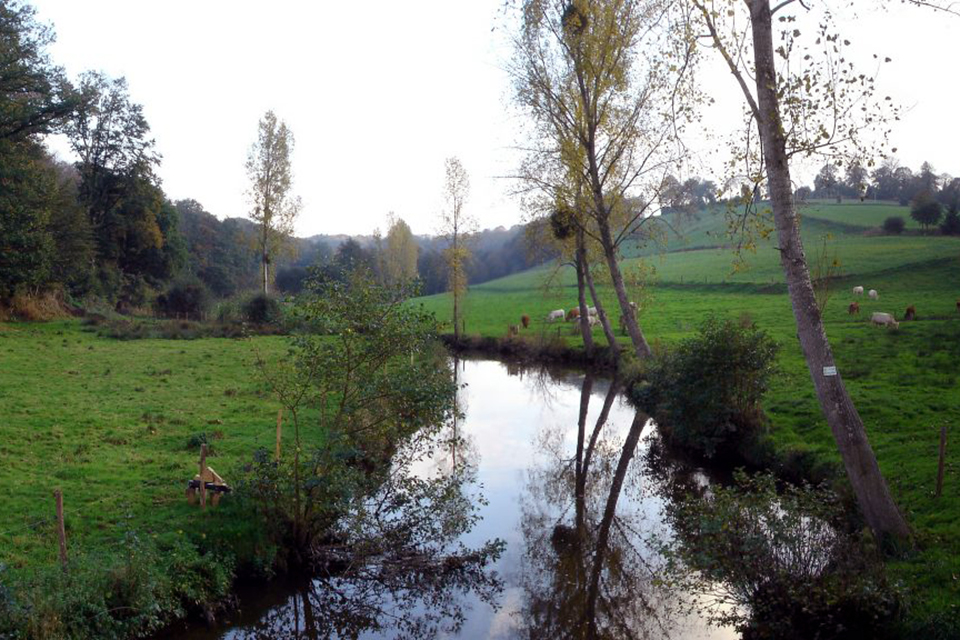
The remains of the last of the two hydroelectric dams at the River Selune were finally dismantled in 2022, leaving the landscape to recover. But unfortunately, the restoration is hampered by multiple interests and no clear agenda.
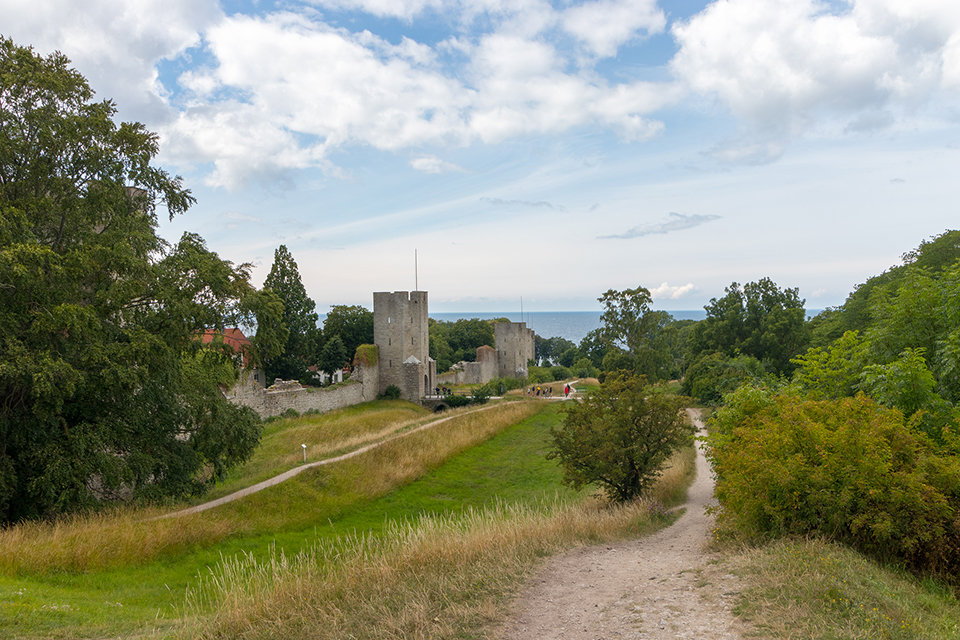
By focusing on the "heritagescape" - composed of the intwined nature and culture of a historical landscapes - tourist managers might find a way to disperse the cruise tourists plodding down congested inner cities.
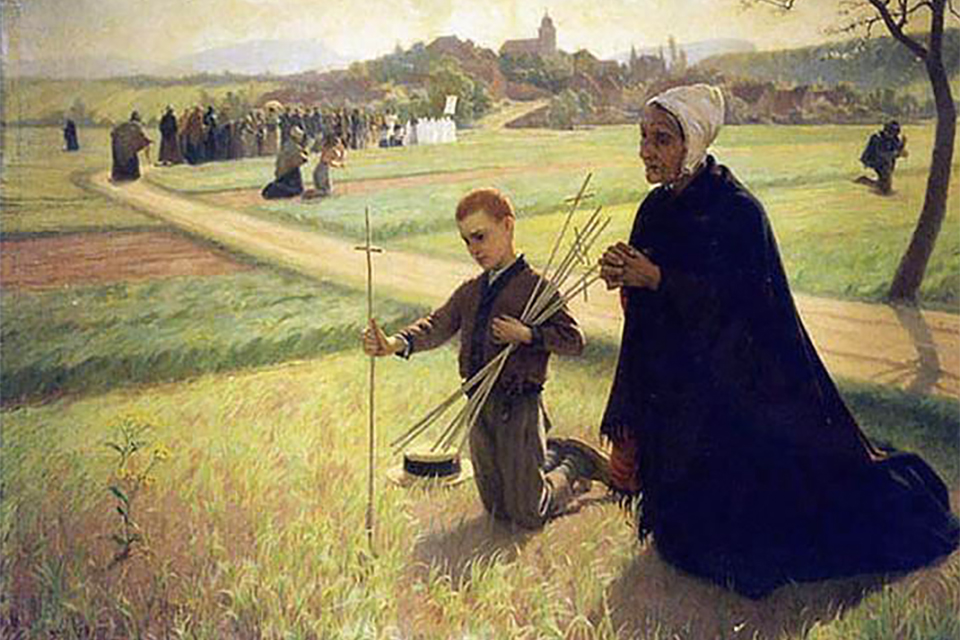
Rogationtide was an early medieval ritual invented in the 5th century to perform the communal character of the Christian congregation. The obligatory participation literally conformed the congregation by staging three days of processions and communal fasts leading up to the feast on the day of Christ’s ascension.
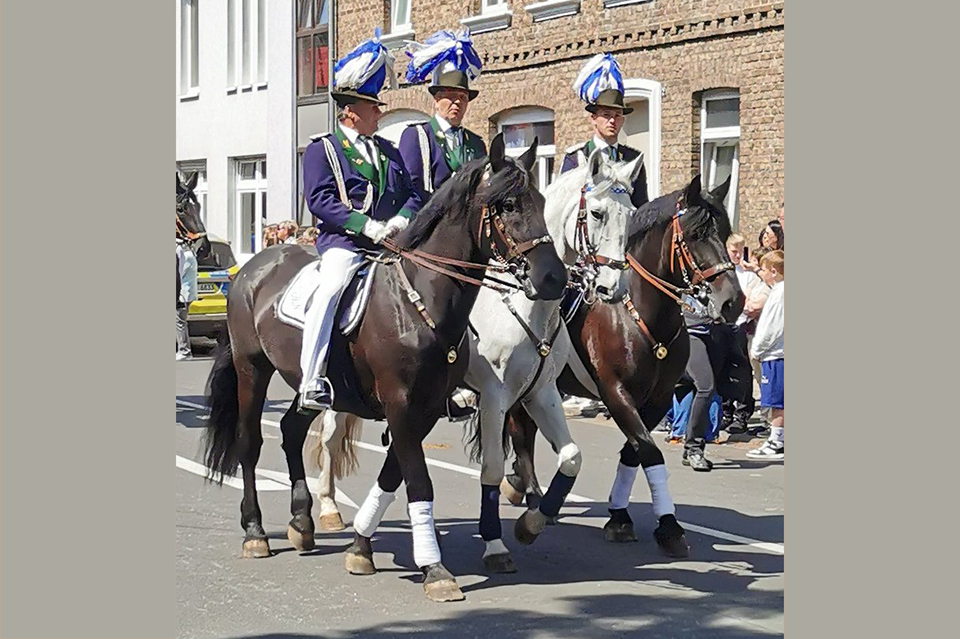
Each year, at the Ascension of Christ, the traditional “Gymnicher Reit” takes place in Gymnich in North-Rhein-Westphalia in Germany ca. 13 km outside Cologne
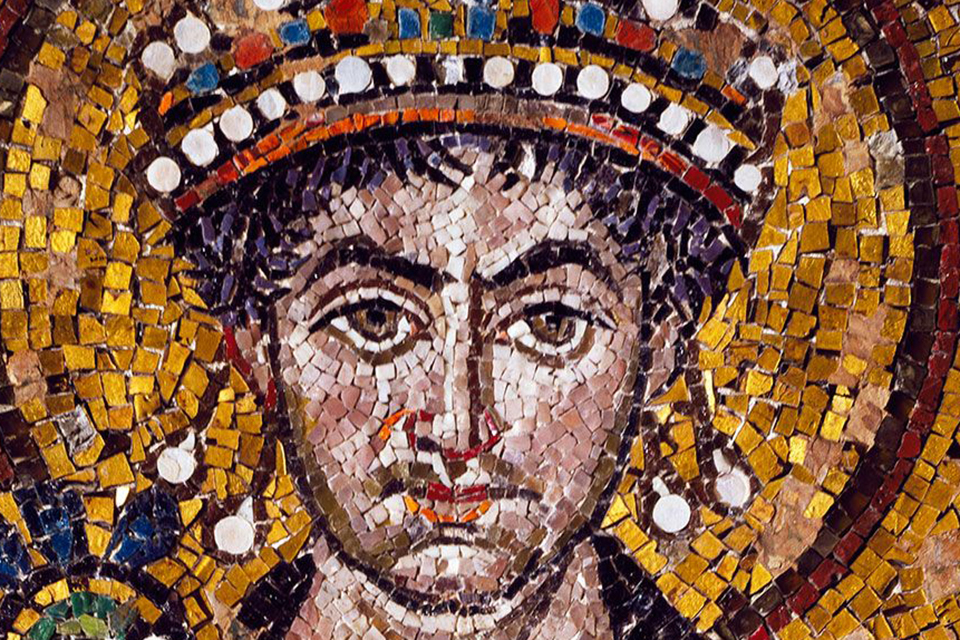
Charismatic Kingship
By Weber, Max.
From: Wirtschaft und Gesellschaft: Grundriss der verstehenden Soziologie. Mohr: Tübingen. 1922
Economy and Society. An Outline of Interpretive Sociology
By Max Weber. Engl. Translation ed bye Guenther Roth and Claus Wittich. California University Press 1968, p. 1141-43.
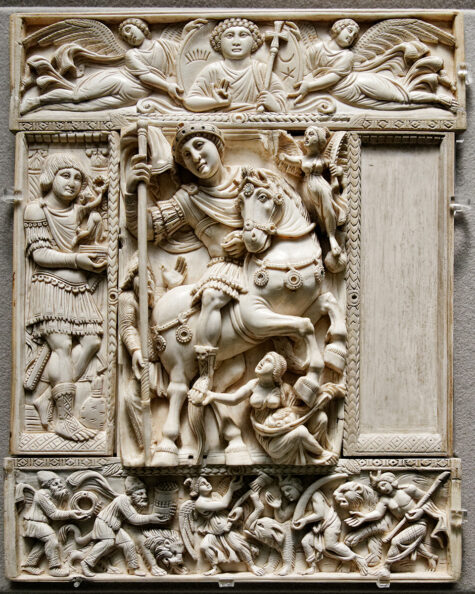
“A particularly important case of the charismatic legitimation of institutions is political charisma, as it appears with the rise of kingship.
Everywhere the king is primarily a warlord. Kingship originates in charismatic heroism. In the history of civilized peoples, kingship is not the oldest form of political domination, that is, a power transcending patriarchal authority and differing from it because it does not primarily direct the peaceful struggle of man with nature but the violent struggle of one community against another.
Kingship is preceded by all those charismatic forms that assure relief in the face of extraordinary external or internal distress or promise success in risky undertakings. In early history, the precursor of the king, the chieftain, often has a double function: He is the patriarch of the family or siblings but also the charismatic leader in hunt and war, the magician, rainmaker, medicine man—hence priest and doctor, and finally, the judge.
Frequently each of these kinds of charisma has a particular bearer. Next to the peacetime chieftain (the head of the kin), whose power originates in the household and has mainly economic functions, stands the hunting and war leader, who proves his heroism in successful raids undertaken for the sake of victory and booty.
Even in historical times, in Assyrian royal inscriptions, hunting booty and cedars from Lebanon—dragged along for construction purposes—are enumerated alongside the number of slain enemies and the size of walls of conquered cities covered with their skins. In such cases, charisma is acquired irrespective of its bearer’s position in the kin or household, indeed, of any rules. This dualism between charisma and everyday life is often found among the American Indians, for instance, among the Confederacy of the Iroquois, tribes in Africa, and elsewhere.
Wherever war and big game hunting do not occur, we do not find the charismatic chieftain or rather the “warlord,” as we want to call him, to avoid the usual confusion with the peacetime chieftain. If natural calamities—drought or epidemics—are frequent, a charismatic sorcerer may have an essentially similar power and become a “priestly ruler.”
The charisma of the warlord rises and falls with its efficacy and the demand for it; the warlord becomes a permanent figure when there is a chronic state of war. It is mainly a terminological question of whether kingship and the state are said to begin with the annexation and incorporation of foreign subjects into the community. For our purposes, using the term “state” in a much narrower way remains expedient. As a rule, the warlord phenomenon is not linked to tribal domination over another tribe and to the existence of individual slaves but only to a chronic state of war and a comprehensive military organization.
However, kingship frequently develops into a regular royal administration only when the military following controls the working or paying masses. But the subjection of foreign tribes is not a necessary intermediate step. The internal stratification resulting from the development of charismatic warriors into a ruling caste may have the same differentiating effect. At any rate, as soon as their domination has been established, the royal power and those with vested interests in it, the royal following, search for legitimacy, that is for the mark of the charismatically qualified ruler.”
Charisma, Medieval and Modern
A special issue of Religions 2012