New book on the Angevin World circumvent a touchy English question. Was there ever an "Angevin Empire"?
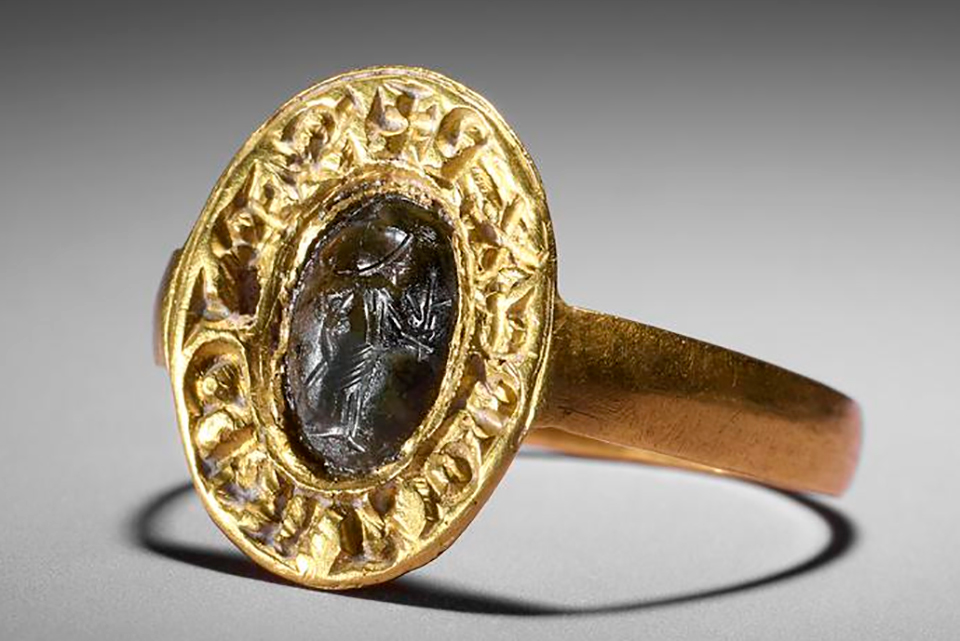
New book on the Angevin World circumvent a touchy English question. Was there ever an "Angevin Empire"?
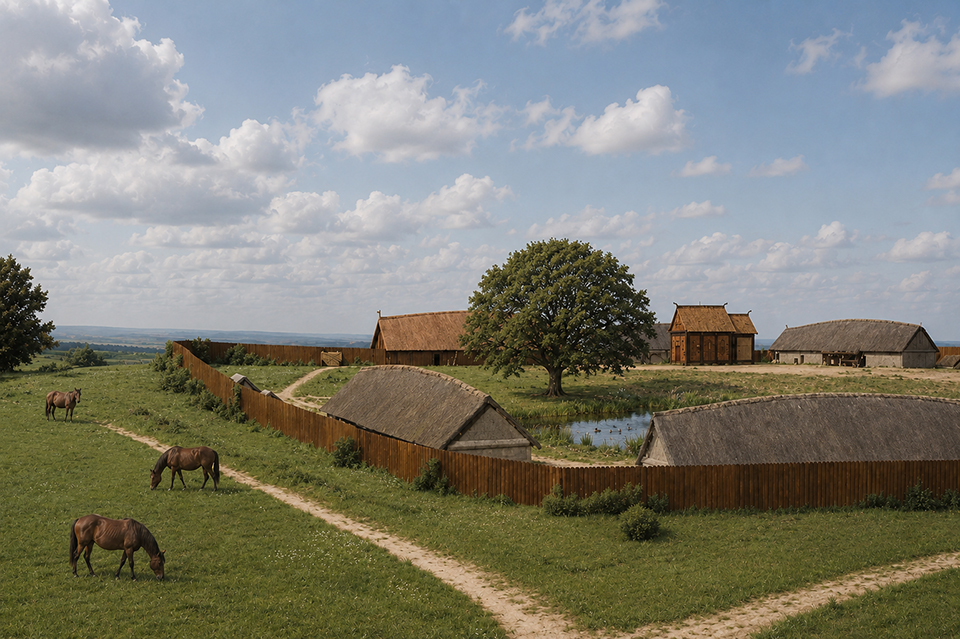
The medieval church in Lisbjerg dates to c. AD 1100 – 1150. However, a predecessor in the form of a wooden stave church was built as part of a fenced manor c. 1000 – 1100.

In the Early Middle Ages, kings were elected according to charisma, wealth and warrior capabilities. Late rulership became dependant on dynastic succession and the endorsement of the Christian church
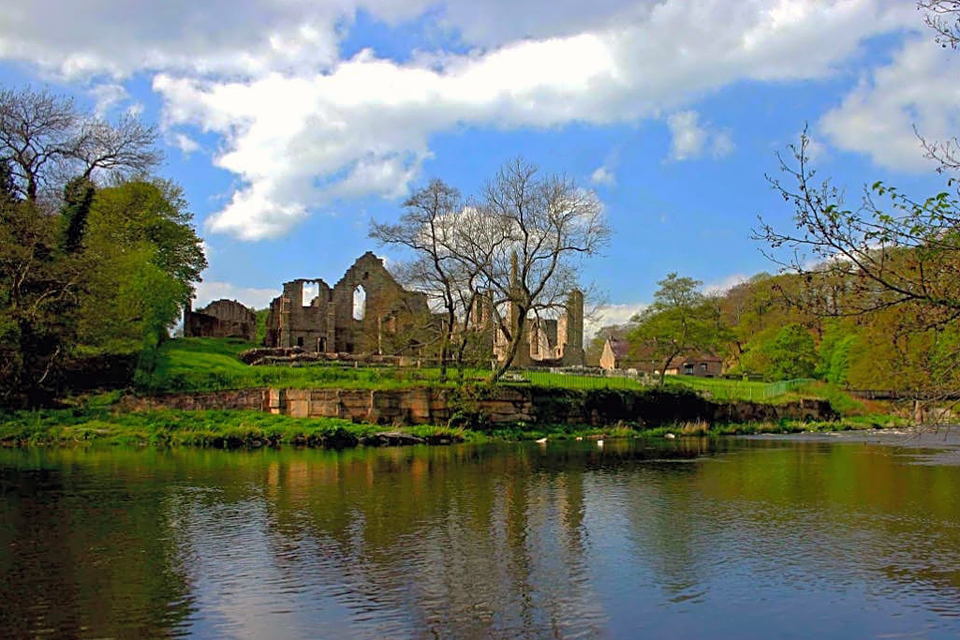
Godrich of Finchale (1070-1170) was a popular saint in the county of Durham, where he ended his days as a hermit. A new edition of his life was recently published.
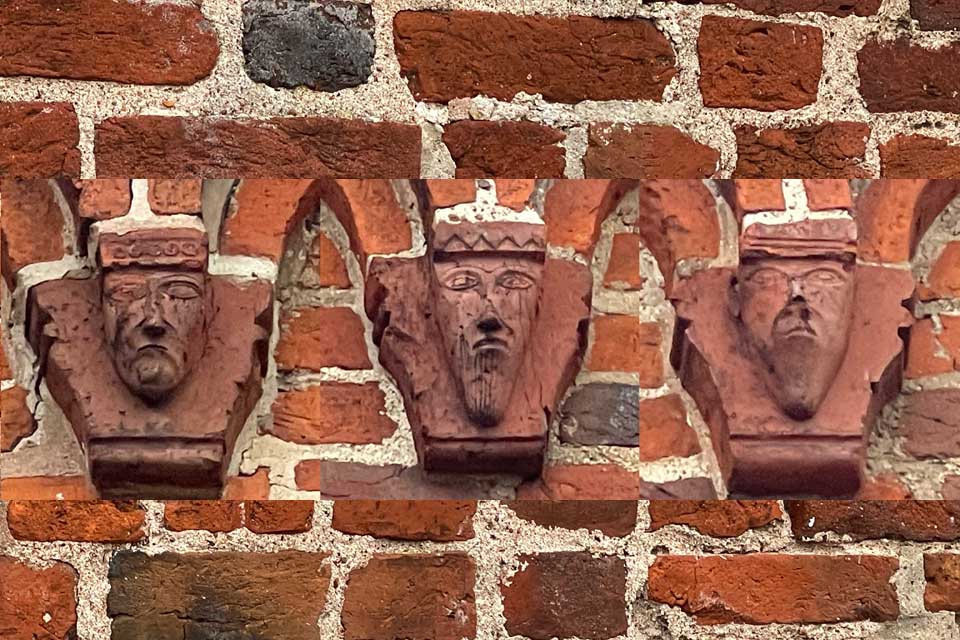
Tikøb church in Denmark is unique. It is an imposing example of an early 12th-century brick church. Foremost, though, it features a series of striking portraits shaped in burnt clay. Three kings and a bishop – and an abbot, a monk and a horse on the north wall? Who might it be?
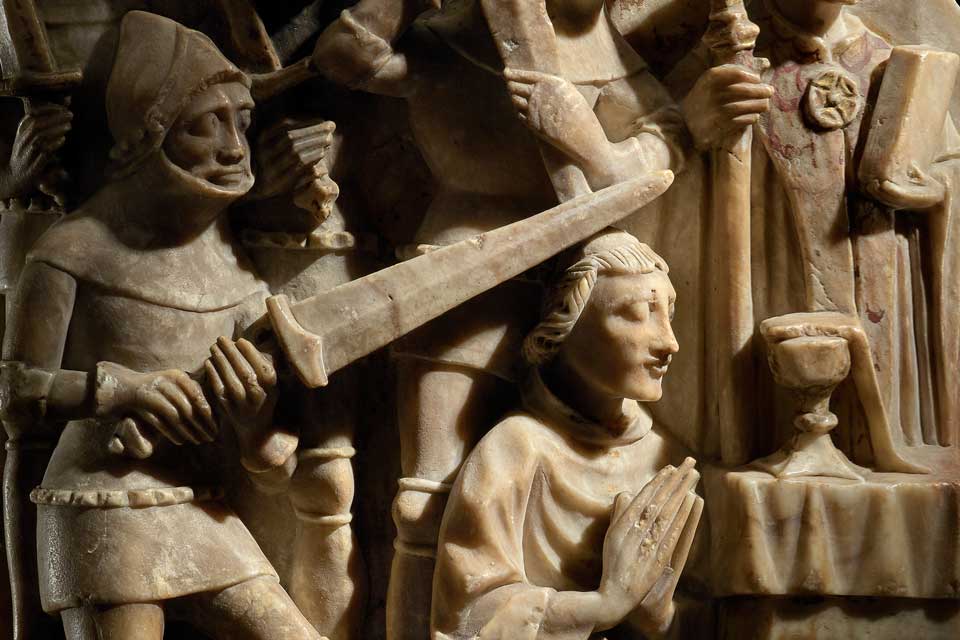
An important conference planned to celebrate the 850th anniversary of the martydom of Thomas Becket has shifted to zoom and April 2021
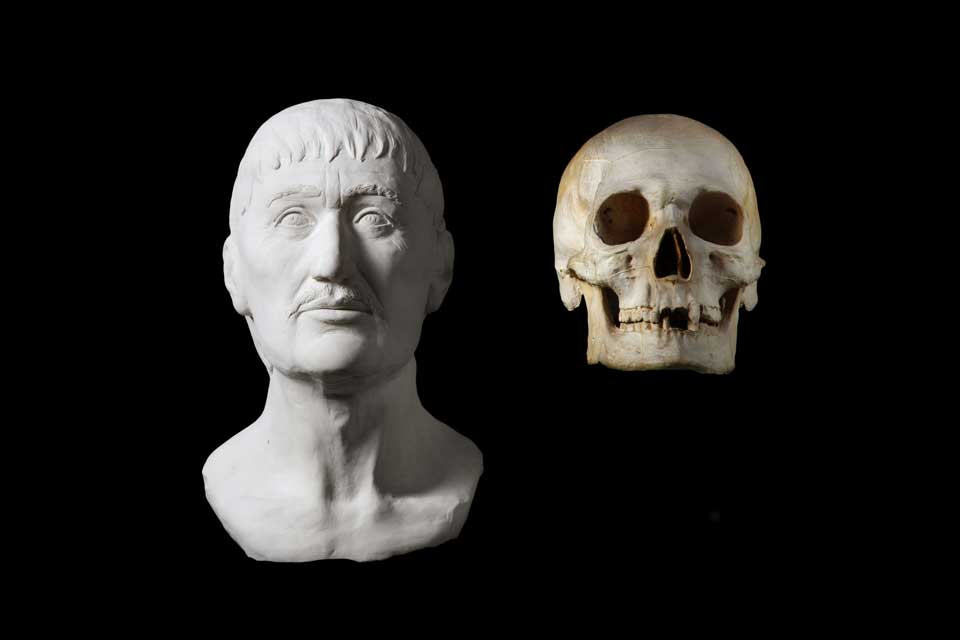
The story by Saxo of a murder, prompted by the Danish King, Sven Estridsen, in the Cathedral in Roskilde ca. 1160, echoes the events a hundred years later, when Henry II had Thomas Becket murdered
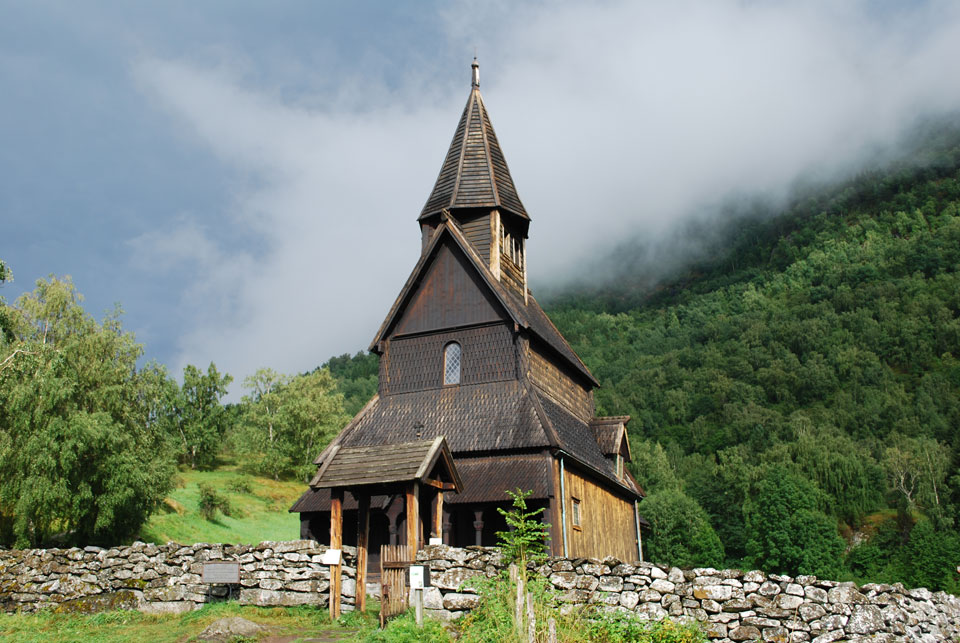
Norway is known for its 28 magnificent stave churches from the 12th – 13th century. New technique provides new and earlier dating of these precious medieval monuments
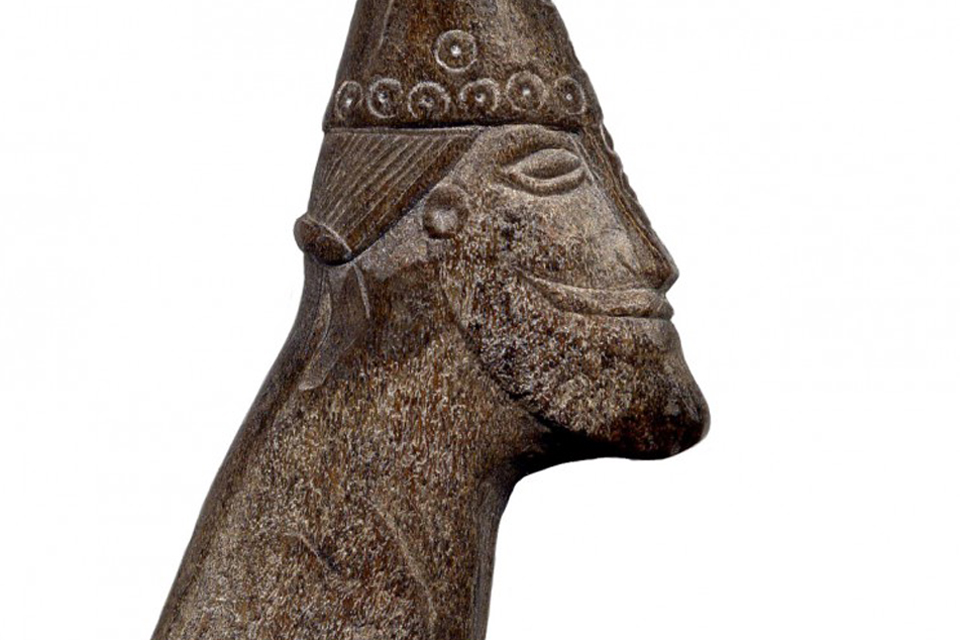
The first town in Sweden, Sigtuna may have been the prominent crucible of the early Swedish nation state
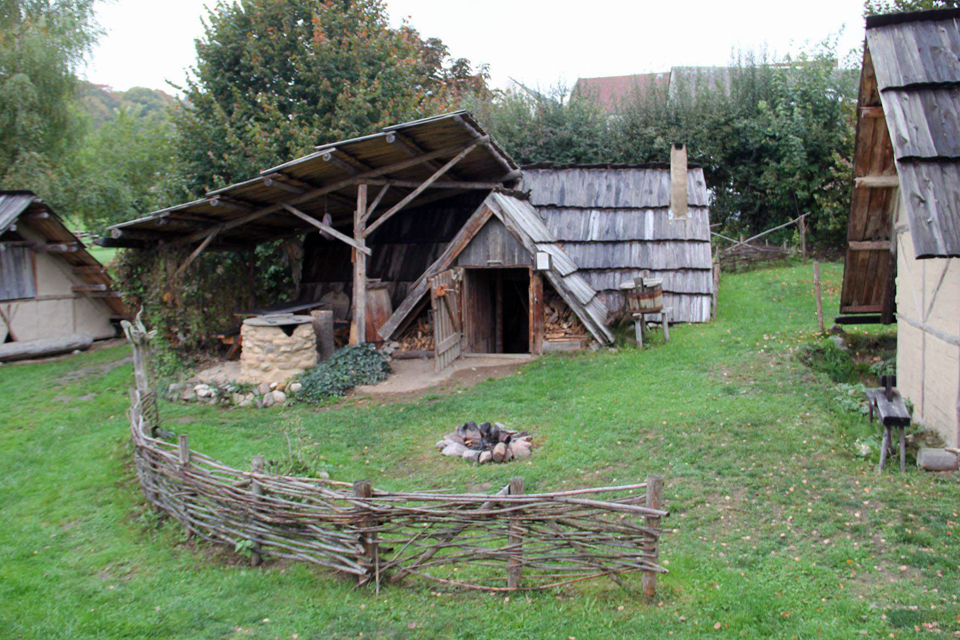
Erzgebirge/ Krušnohoří is a distinct Mining landscape in the border region between Germany and Czechia
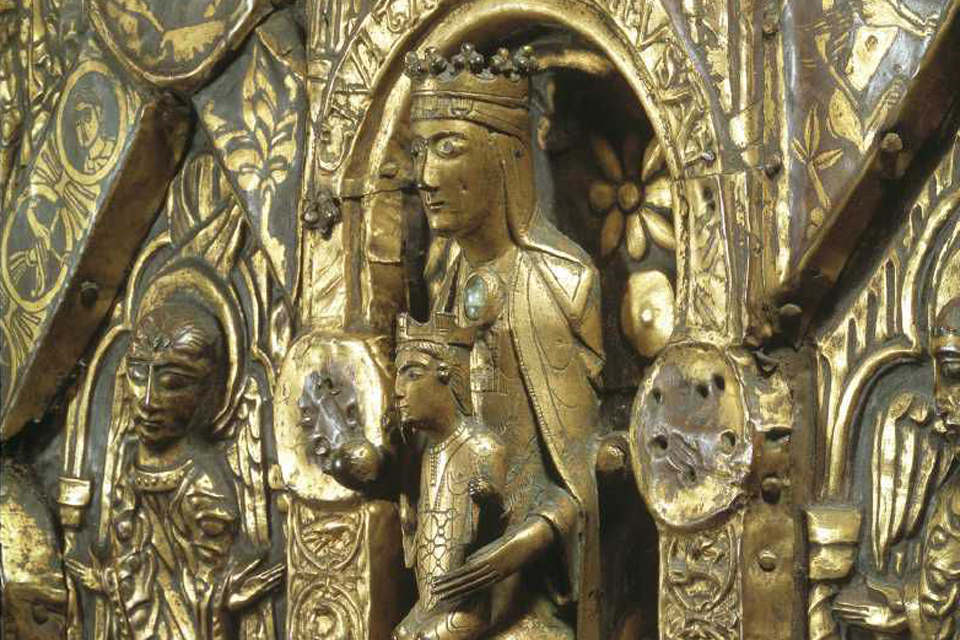
The Lisbjerg Altar belongs to a group of eleven golden altars from c. 1100 – 1200 Scandinavia. Two remain in their original surroundings, while five are kept in the National Museum in Copenhagen, and four more abroad.
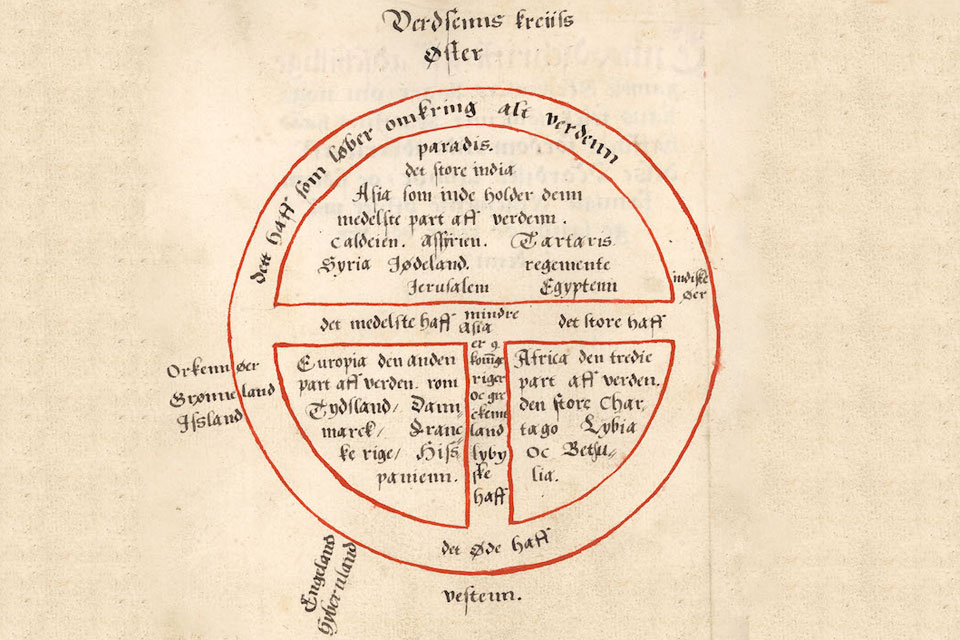
Norse World is a new database is a digital resource which will make it easier for researchers to study perceptions of the surrounding world in medieval Scandinavian literature.
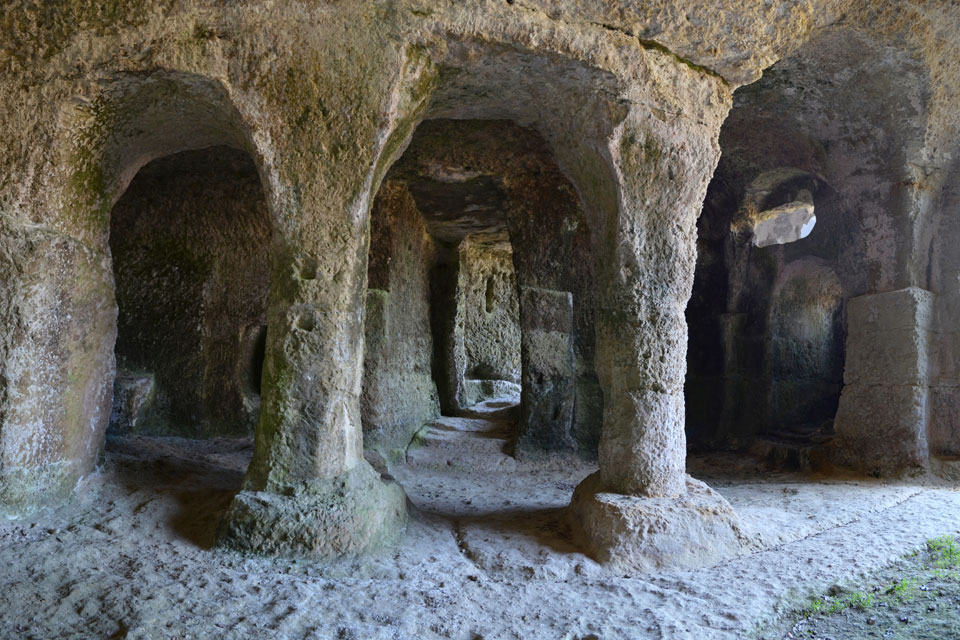
Remains of rock-hewn churches may be found in several European and Middle-Eastern landscapes, where natural caves and calciferous rocks invited hermits to shelter in solitude and prayer. In France, such churches were common in Aquitaine.
This year the Romanesque Route in Sachsen-Anhalt celebrates its 25th anniversary. In connection with the celebrations, three exhibitions have been organised. Also, a new Cathedral Museum in Magdeburg is scheduled to open its doors this autumn.