Citizen of the Franks, Roman soldier in arms. Such is the established translation of the first part of a burial inscription from the fourth century discovered near Budapest
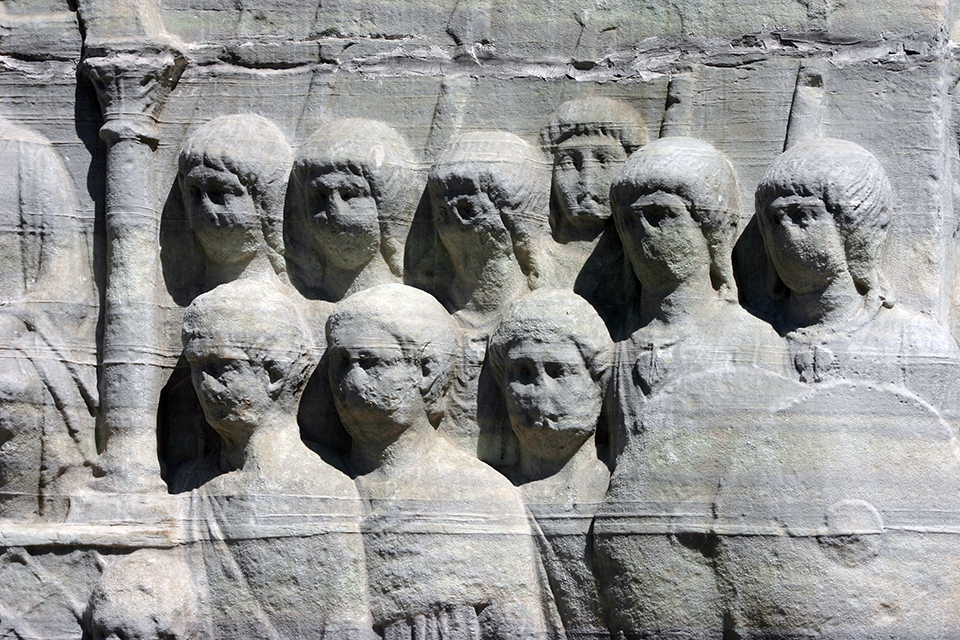
Citizen of the Franks, Roman soldier in arms. Such is the established translation of the first part of a burial inscription from the fourth century discovered near Budapest
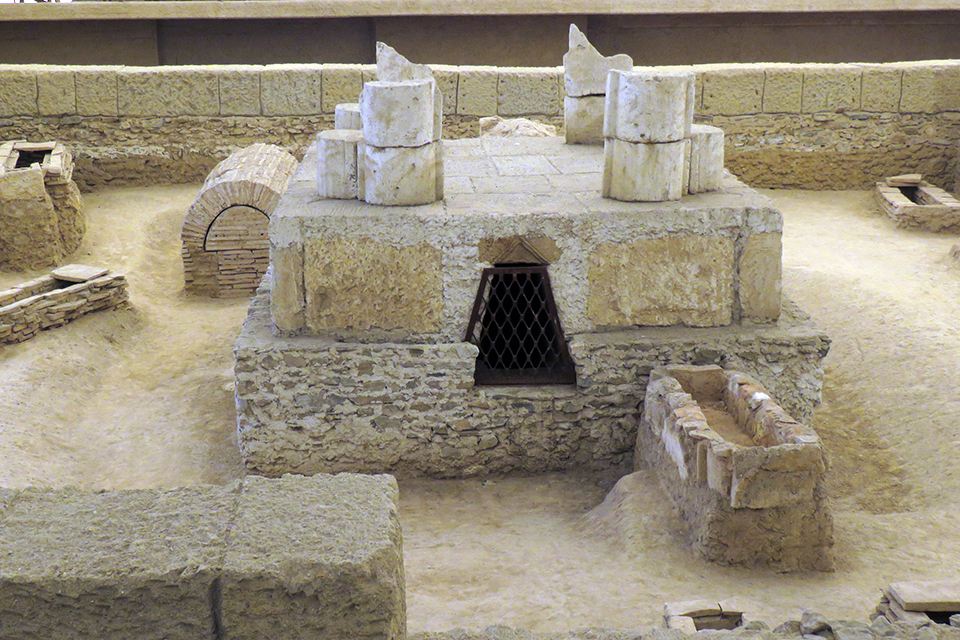
A recent study of the aDNA from 146 individuals buried in Serbia and Croatia demonstrates the cosmopolitan mixture of people in Late Antiquity
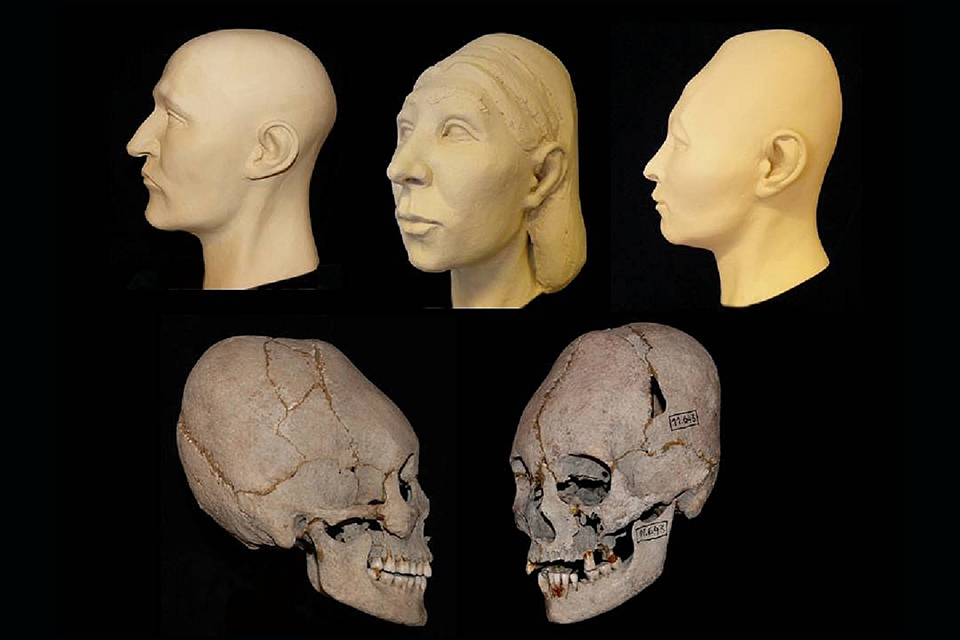
Who were the Huns? The Avars? And the conquering Hungarians? New studies of aDNA tell the story of a series of nomadic peoples, who may have kept themselves apart when migrating across the Eurasian Steppe.
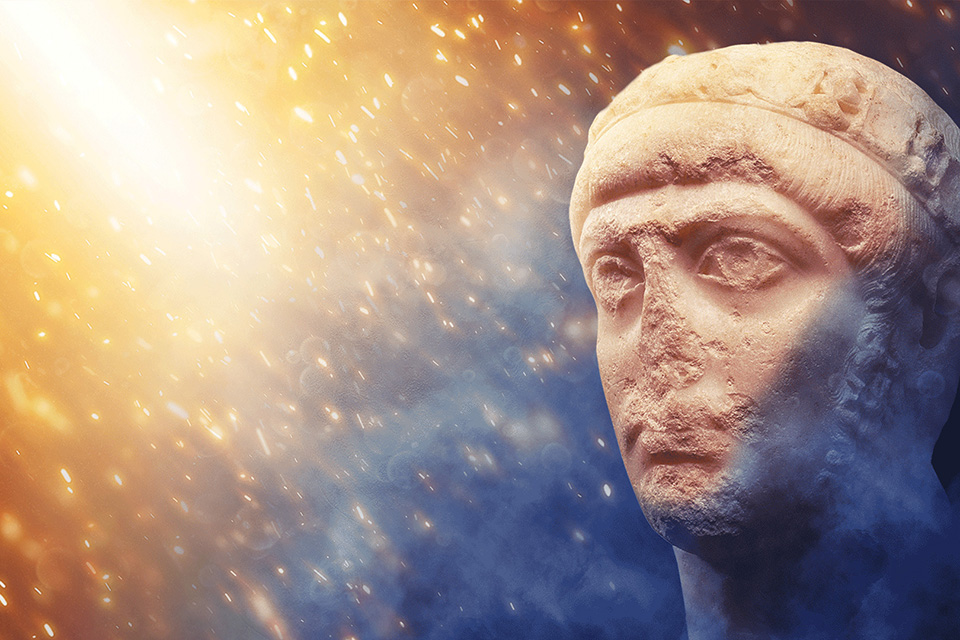
Why did the Western Roman Empire collapse in the 5th century? A major exhibition in Trier offers a handful of explanations at three separate locations.
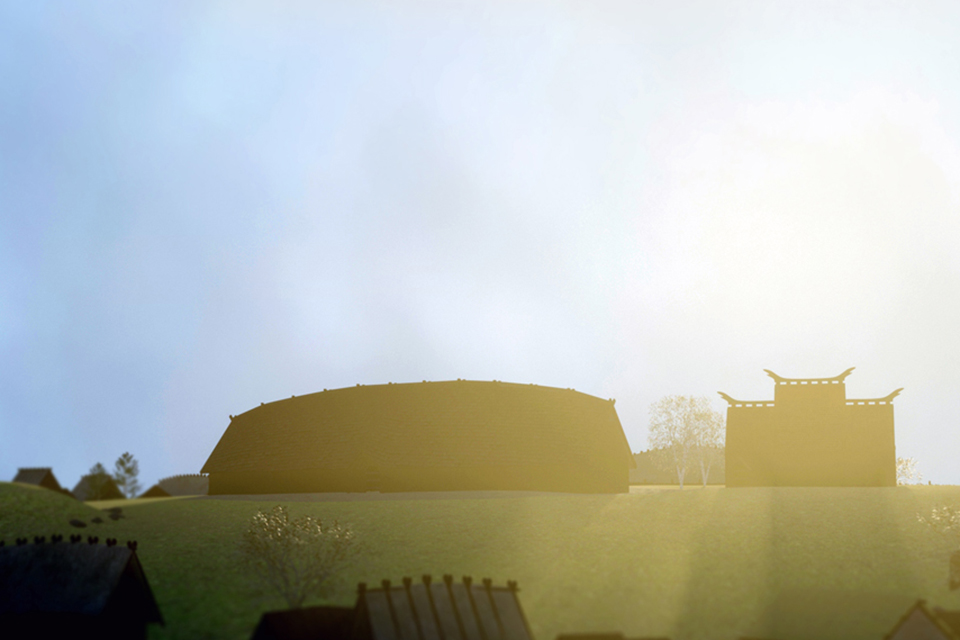
Outside Lund, lies the remains of a unique Iron Age settlement, Uppåkra. Known for it rich archaeological finds, much more remains to be revealed. With the help of new scientific methods, more elusive remains, such as DNA, viruses, and bacteria are expected to come to light for the first time.
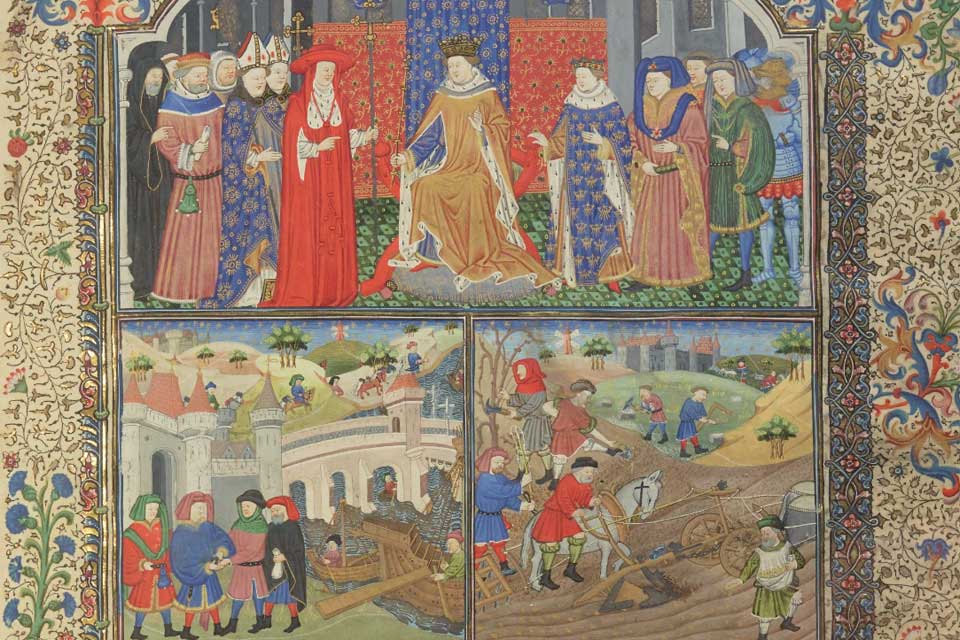
What was the Middle Ages known for? Why was it called the Middle Ages? What characterised the Medieval World?
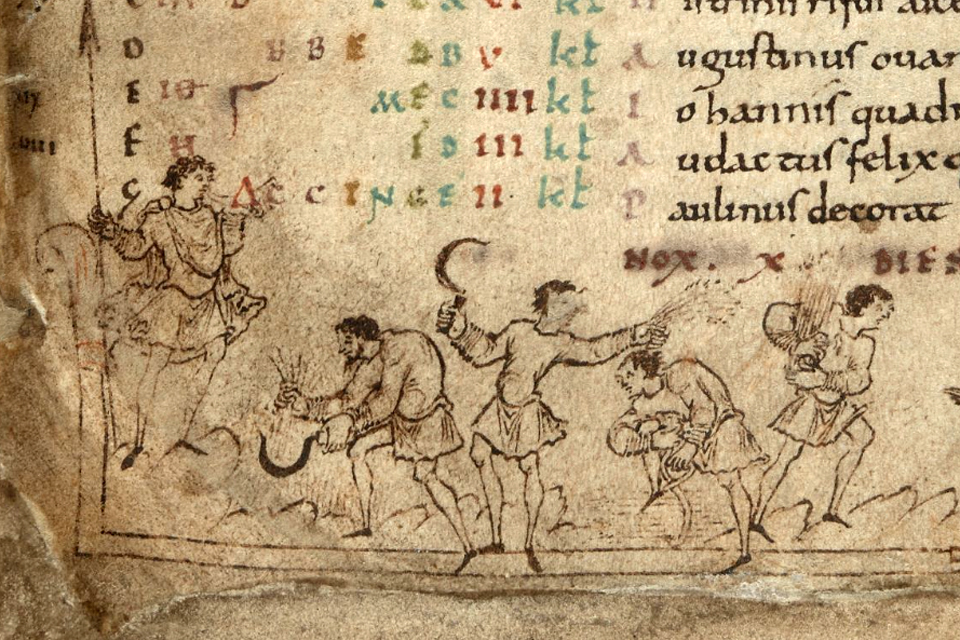
During the 4th-8th century, vast stretches of Europe shifted from growing wheat to rye. Careful studies indicate the shift was a reflection towards a new, more balanced peasant economy.
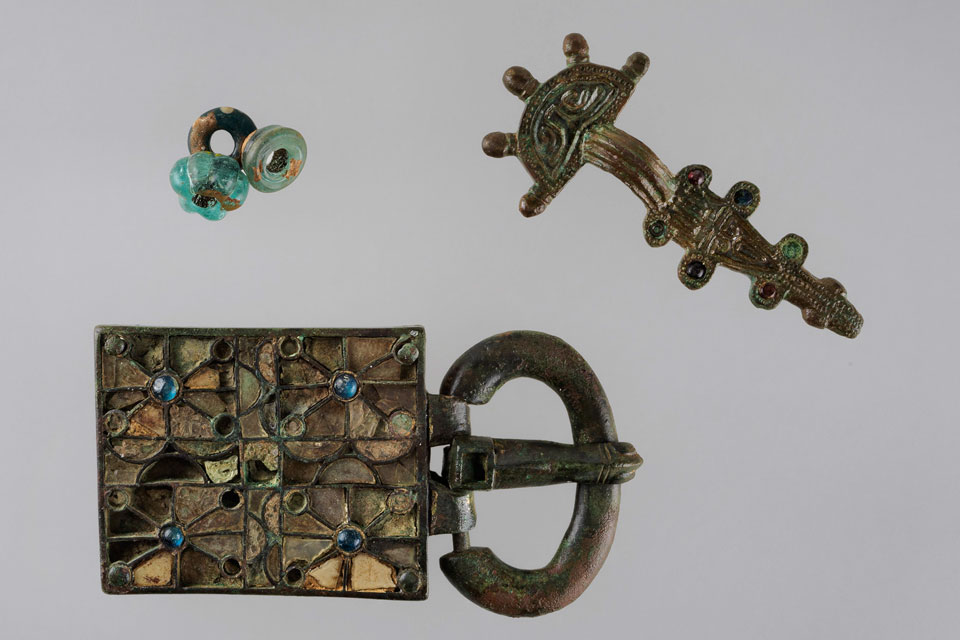
Would a Roman or a Goth in 5th-century Toulouse be able to tell the difference between each other? Just by looking? Or were the signs of ethnic identity more subtle?
A bold new religious history of the late antique and medieval Middle East that places ordinary Christians at the centre of the story
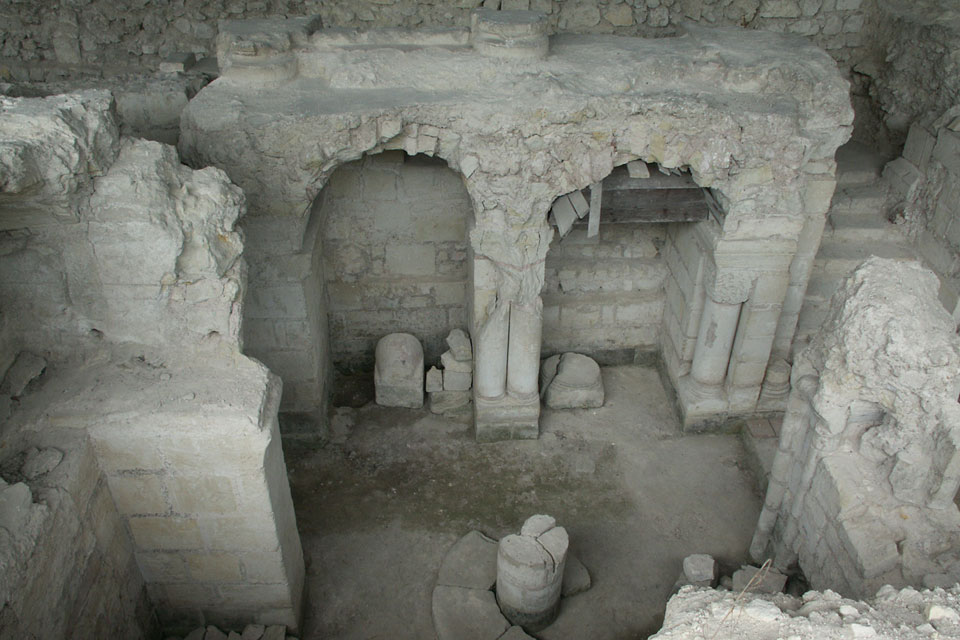

Born at Sabari in Pannonia, now Szombathely, in Hungary, St Martin was brought up in Italy. He chose Christianity at the age of ten and began his career as a cathecumen. Nevertheless, at the age of fifteen, he was forced into the Roman Army of Julian the Apostate (361 – 363), the last pagan emperor of Rome. It is while serving in Gaul, we meet up with him when he during a cold night encountered a poor and freezing beggar. Resolutely, he slashed his cloak in two, sharing one half with the poor man. That night, he had a vision of Jesus wrapped in the torn cloak. This led to his baptism. Somewhat later, he sought to extricate himself from military service at a time when his fellowmen were preparing for battle. This led to a charge of cowardice. In response, he promised to stand in front of the battle line, only armed with the sign of a cross. As the enemy surrendered, this brave feat was never carried out. Instead, he was allowed to leave military service.
Later, he settled at Poitiers under the supervision of bishop Hilary, the so-called “Hammer of the Arians” (210 – 367). From there, he started out as a missionary to Pannonia and Illyricum, facing the Arians. Further, he went to Milan, and later the island of Gallinari, off Albinga, seeking the life of a hermit. In 360, however, he once more joined Hilary at Poitiers, from where he went on to found the first monastery at Ligugé, taking over a deserted Roman Villa, donated by Hilary. Here St Martin of Tours lived together with his disciples as the desert fathers of Egypt, each in their own small hut (locaciacum).
In 371, he was called as bishop of Tours. It is from a much later retelling of these events, the vignette heralds Martin taking refuge among the geese; which of course cackled revealing the reticent saint, who had to yield to the demands of the faithful. Sulpicius only tells us the election was controversial. While the people were keen to elect him, the other bishops had reservations based on his ascetic lifestyle, which they deemed unfit for someone in charge of a bishopric. Probably, due to his asceticism, he was also believed to have heretic (Priscillianist) leanings.
As the bishop at Tours, Martin later built the huge monastic complex of Marmutiers on the north bank of the Loire. Soon, the Abbey attracted numerous disciples from elite milieus in and out of Gaul, together with whom he continued his active missionary work. During his lifetime, he also became known for his miracles. His fame, though, was said to rest on his humility, his asceticism, and his lack of duplicity. Eventually, this led to his status as one of the first saint, who had not been martyred.
After the death of St Martin, Sulpicius amended this life by adding a postscript in the form of three letters, to Eusebius, Aurelius, and Bassula. These letters expand upon the miracles ascribed to St Martin and present him as an exemplary saint. Finally, they record his death at Candes, where he admonished his disciples to be less greedy than the birds catching fish along the river. Later in the 12th century, the legend was spread that flowers and birds paid this gesture back, heralding his dead body when it was sailed back on a barge towards Tours. Although the month was November, the birds and flowers made it feel like a “ St Martin Summer” (also called Halloween Summer).