The aim of this conference is to consider how intellectual problems were approached – if not necessarily resolved – through medieval poetry
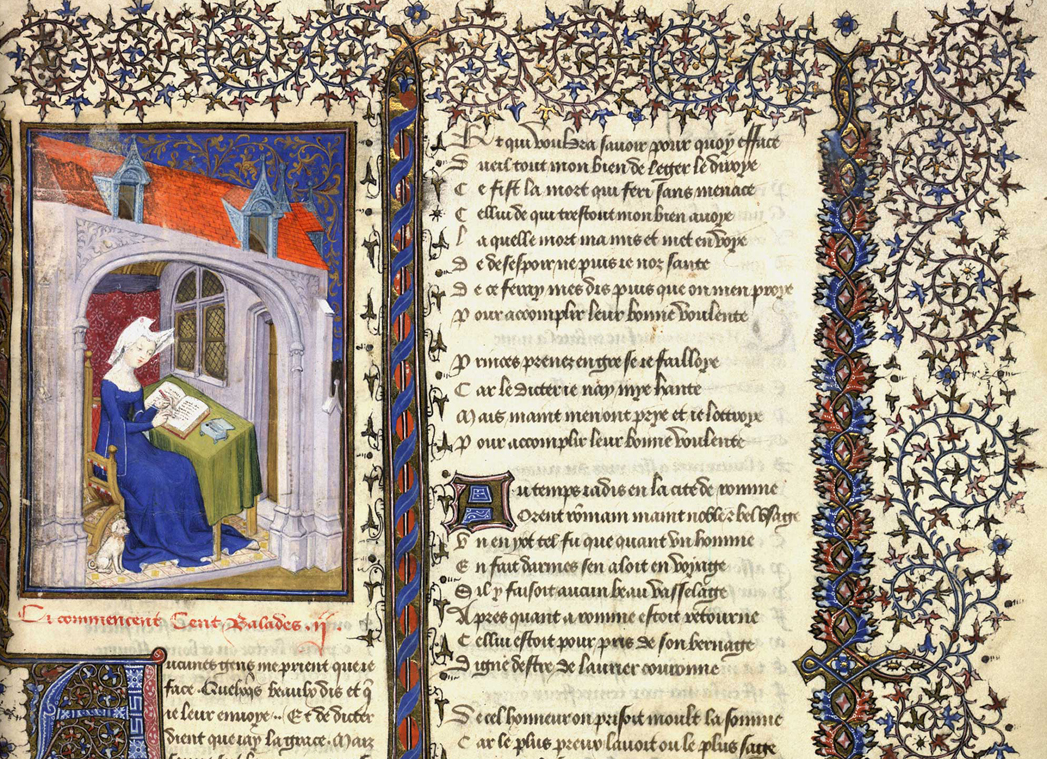
The aim of this conference is to consider how intellectual problems were approached – if not necessarily resolved – through medieval poetry

CfP: The latest in the series of Birgitta conferences will take place at Dartington Hall in Devon, England, 21-24 July 2015

CFP for Conference in April 2015 in Kent on Early Medieval Monasticism in the North Sea Zone
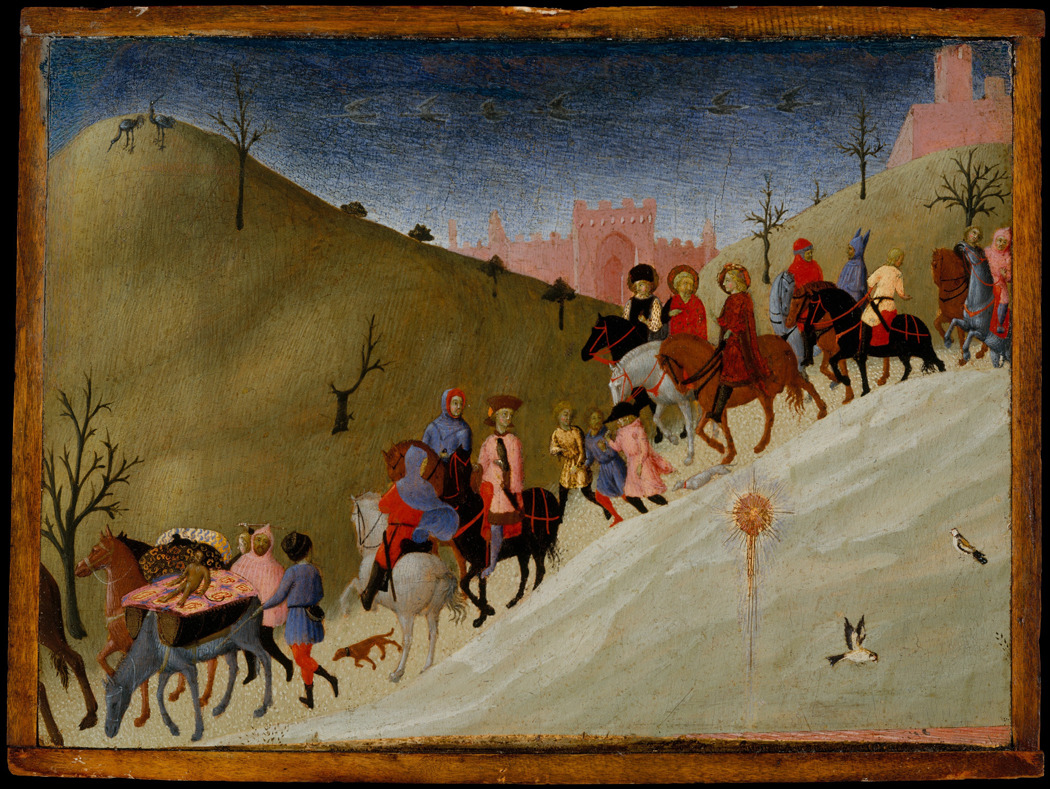
CfP -Travels of all types provide ways of understanding the Middle Ages and Renaissance in terms of exchange, transformation, and knowledge

The special theme for this year’s Congress is “Capital Ideas / Le capital des idées”, but papers for the CSM Annual Meeting can address any topic on medieval studies. Proposals for complete sessions are also invited, and special sessions seeking speakers are advertised below. Papers may be delivered in either English or French, and bilingual sessions are particularly welcome.
Proposals should include a one-page abstract and a one-page curriculum vitae. Papers should be no more than 20 minutes’ reading time.
Until a few decades ago, medievalists, Renaissance scholars, and historians of the book agreed that the ‘great divide’ separating the medieval from the early modern world was convincingly demonstrated by the passage from manuscript to print. Proponents of this theory contrasted the ‘stability’ of print culture with the ‘instability’ of manuscript production. Such views have been widely and successfully challenged and today we realise that these rather ‘unsophisticated binaries’ do not reflect the inter-dependency, inter-connections and continued co-existence of manuscript and printed forms throughout the period from the 1450s to the end of the seventeenth century. Papers on any aspect of the ways in which texts continued to exist and co-exist thanks to the over-lapping worlds of manuscript and print will be welcome but especially the following: printed editions of either original or translated texts originally composed in manuscript; printers or print networks that drew on scribes and manuscript producers; the varying impacts of manuscript and print on reading and readerships; and the continued practice of copying texts in manuscript during the age of print. Proposals of 300-350 words should be sent to Professors Marie-Alice Belle at marie-alice.belle@umontreal.ca and Brenda Hosington at hosington@hotmail.com by December 8th 2014.
2015 marks the six hundredth anniversary year of the notorious battle of Agincourt during the Hundred Years War, when the English, who were greatly outnumbered, unexpectedly crushed the French forces. For the English it was clearly an outstanding victory and hailed as a sign from God. This stunning triumph shifted momentum in their favour. For the French, the chroniclers agreed that the shame of defeat was equaled only by the tremendous grief resulting from the significant loss of life. Indeed, the French realm had to face the humiliation of defeat and very heavy casualties. There is little doubt that Agincourt was a momentous turning point in Hundred Years War.
To mark the anniversary of this event we invite papers from all disciplines on the memory of Agincourt. How were this battle and its consequences remembered and reconstructed by differing contemporary writers or artists? How is it remembered today? What was the relationship between memory and emotion in the narratives of loss or of victory? We welcome all submissions that touch upon one or more of these themes. If you are interested in this session, please send proposals to Emily Hutchison ehutchison@mtroyal.ca
The Psalms in the middle ages have been described by Felix Heinzer as a “wondrous cultural machine” which “flowed in spontaneously” to every aspect of medieval life. While the Latin psalter was the text of the liturgy and Office, vernacular psalm culture proliferated from the tenth century onwards, not just in biblical translations and paraphrases, but in devotional texts, vernacular literature, and drama. This session seeks papers on vernacular manifestations of the Psalms, in the broadest sense, in all aspects of medieval cultures, including but not limited to vernacular translations in all languages and genres; the interactions of Latin, Greek, and vernacular psalters; the various influences of the Psalms on vernacular literary culture, whether on individual genres or vernacular reading practices; psalters and ‘vernacular’ images; vernacular and macaronic sermons incorporating Psalmic text or imagery; and the influence of the Psalms in medieval civic ritual and magic.
The year 2015 marks the 800th anniversary of two of the most famous events in the Middle Ages. We invite proposals for papers or complete panels that will explore one or both of these events from multi-disciplinary perspectives.
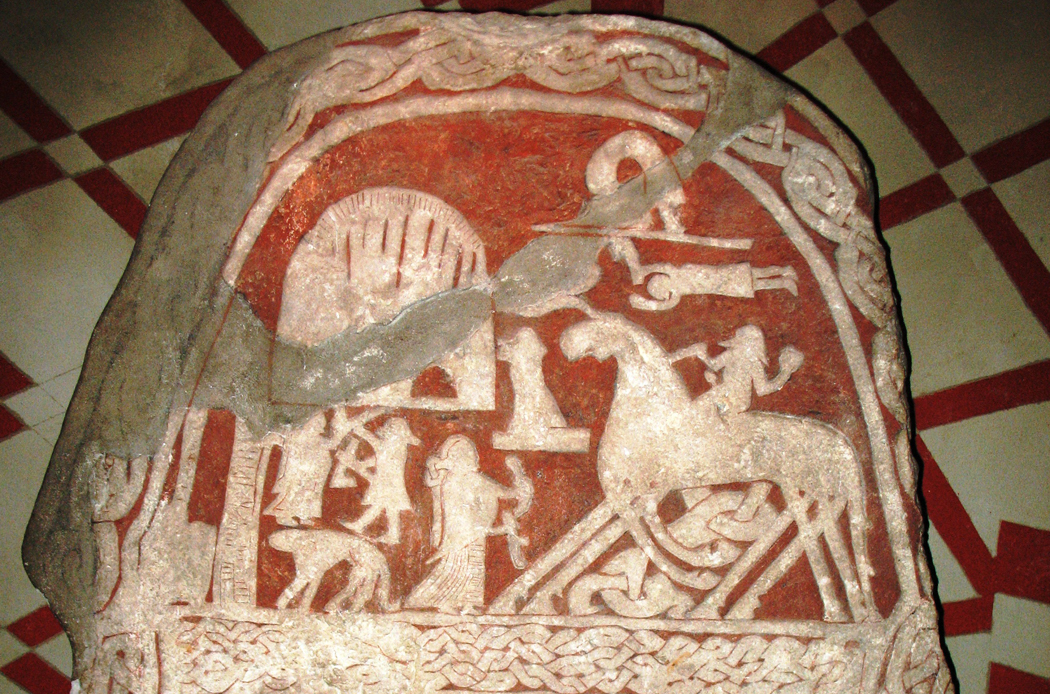
The 34th Interdisciplinary Viking Symposium has as its theme "vikings in the Baltics"
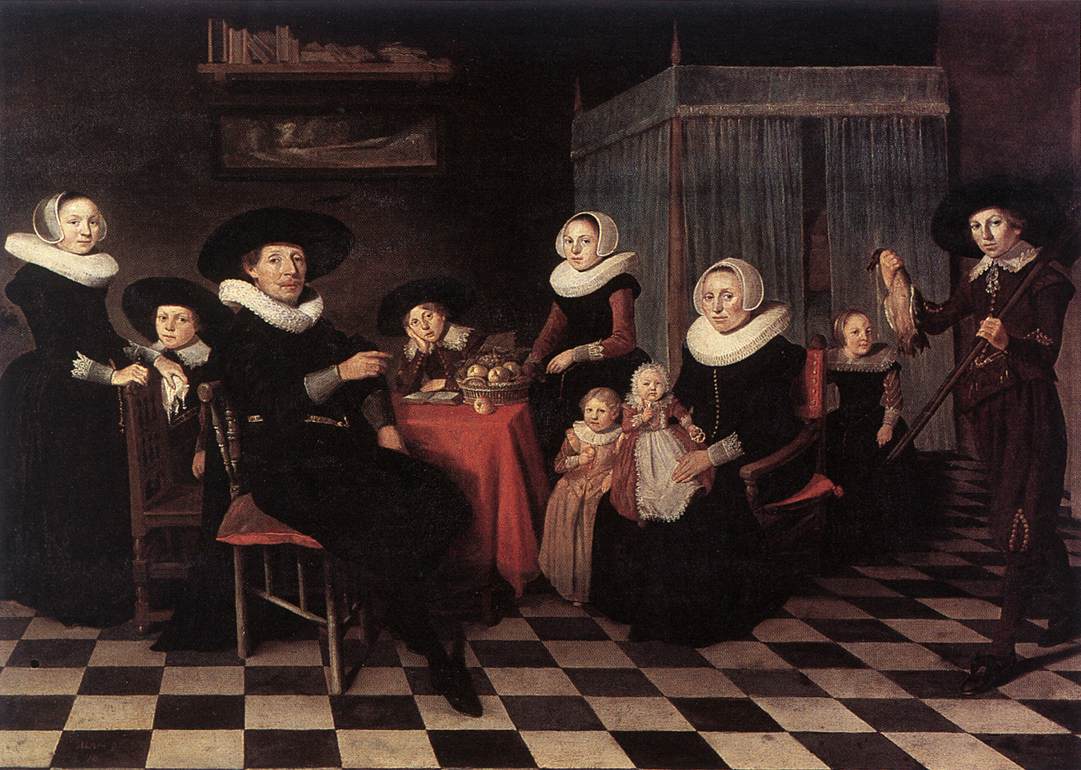
CFP until 01.05.2015 for the Rocky Mountain Medieval and Renaissance Association 2015 Conference: “The Functions and Dysfunctions of the Medieval and Renaissance Family”

CFP: Concilium Lateranense IV. Commemorating the Octocentenary of the Fourth Lateran Council of 1215

CFP: New Perspectives on Gerald of Wales: Texts and Contexts. Harvard University 10.04.2015 - 11.04.2015

CFP: Monasteries and the Environment – ESEH Conference in Versailles 30.06.2015 – 03.07.2015
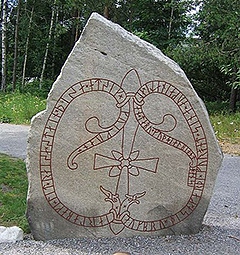
22.04.2014 – 26.04.2014 XIV Nordic TAG 2014 will be held in Stockholm
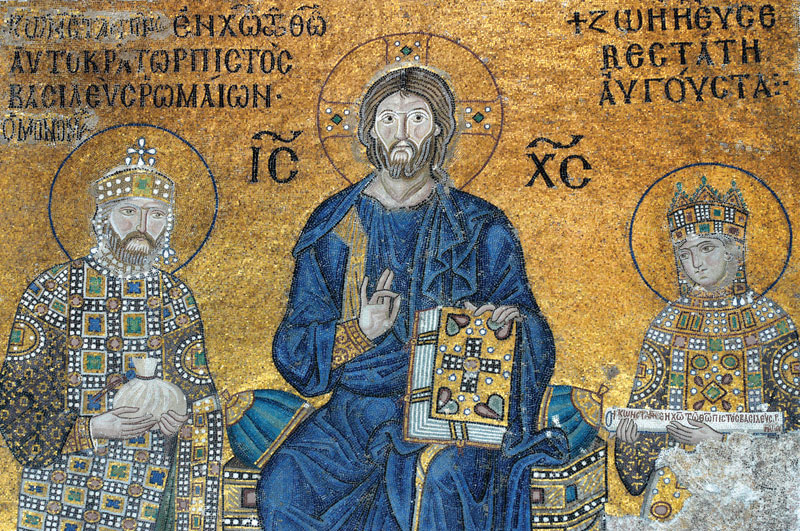
06.11.2014 -09.11.2014 Byzantine Studies Conference 2014. Deadline for CFP: 01.04.2014
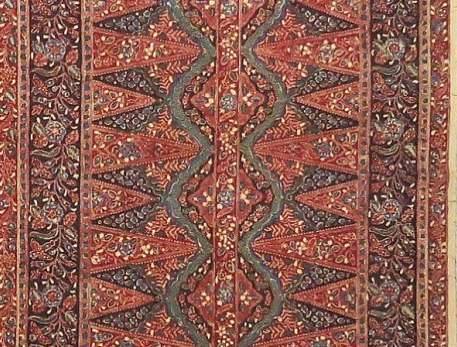
27.03.2014-28.03.2014 Inventories of Textiles – Textiles in Inventories, a Workshop in Vienna

04.07.2014 -06.07.2014 The Carolingian Frontier and its Neighbours is the title of a conference at the University of Cambridge. CFP: deadline 11.04.2014

17.09.2014 - 21.09.2014 Church Reforms and the Cult of Saints - Medieval Histories. CFP: Before 15.04.2014
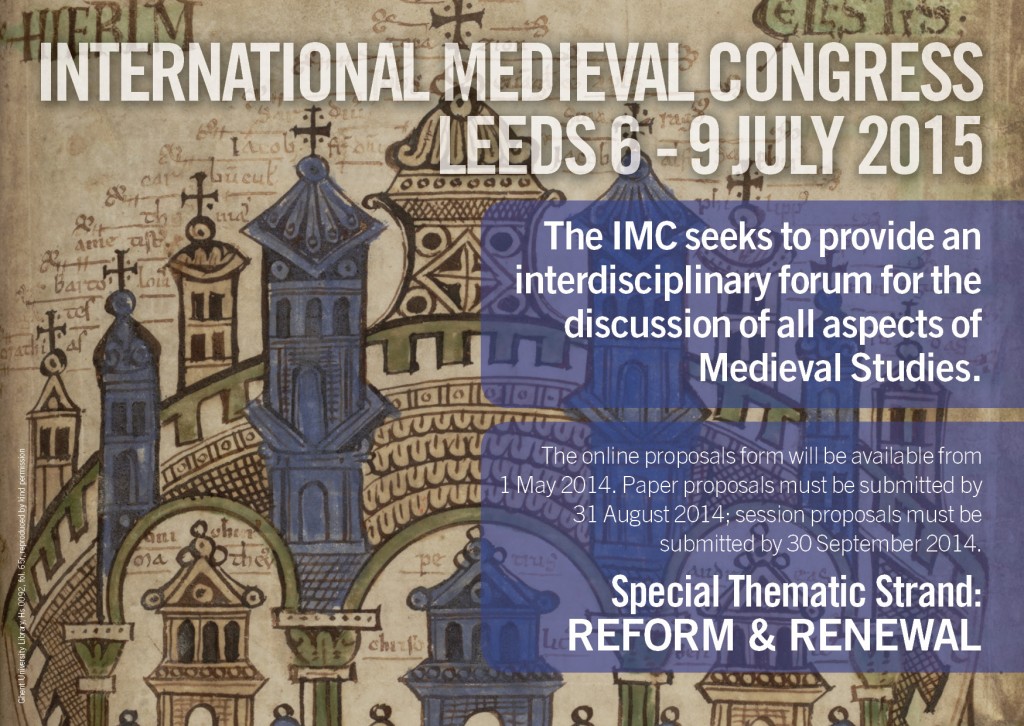
06.07.2015 - 09.7.2014 The twenty-second International Medieval Congress will take place in Leeds, from 6-9 July 2015. Thematic strand will be Reform and Renewal