Aliens, foreigners and strangers are not just a modern phenomena. Meeting "the others" was also a frequent medieval occurrence
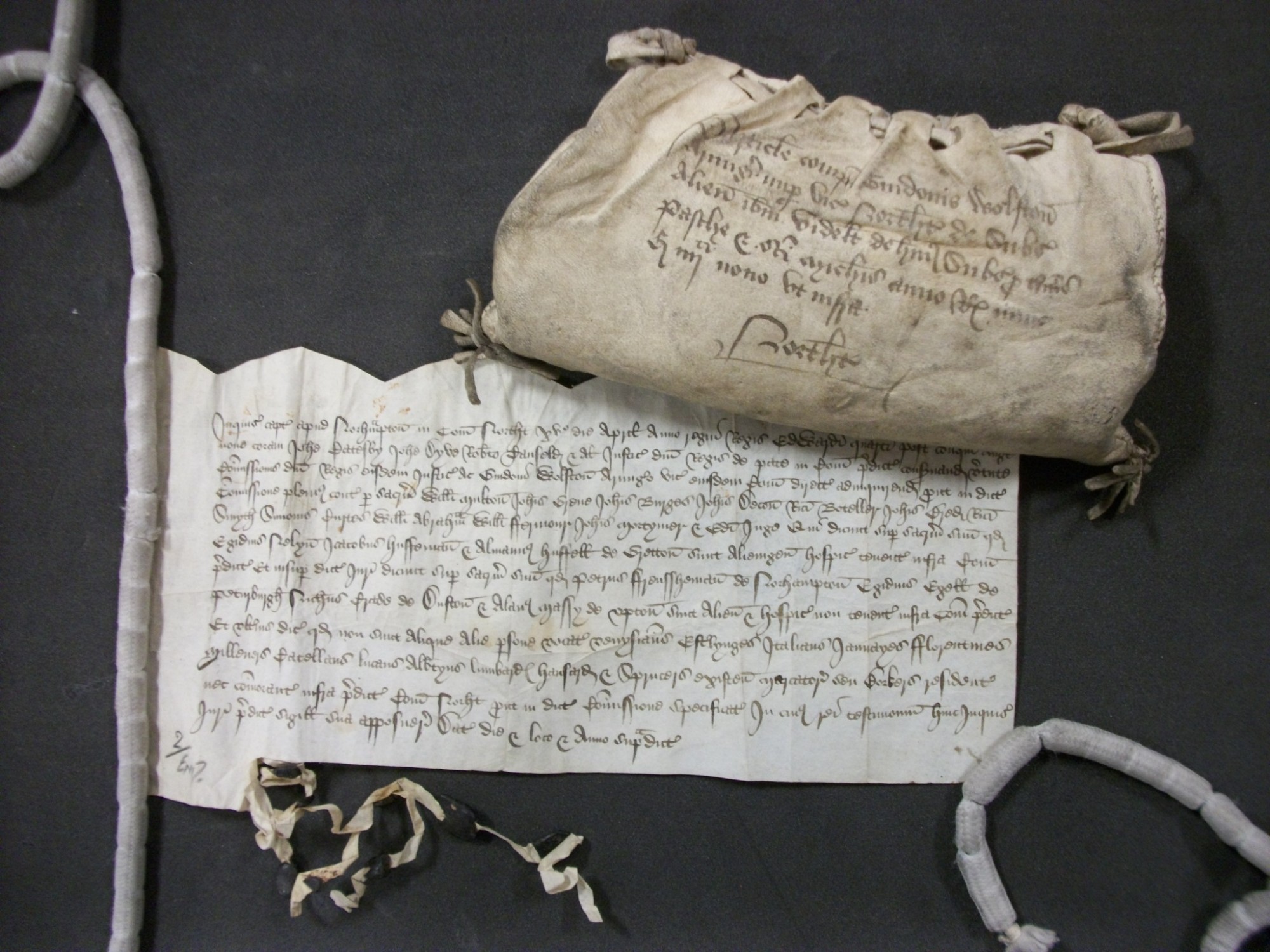
Aliens, foreigners and strangers are not just a modern phenomena. Meeting "the others" was also a frequent medieval occurrence
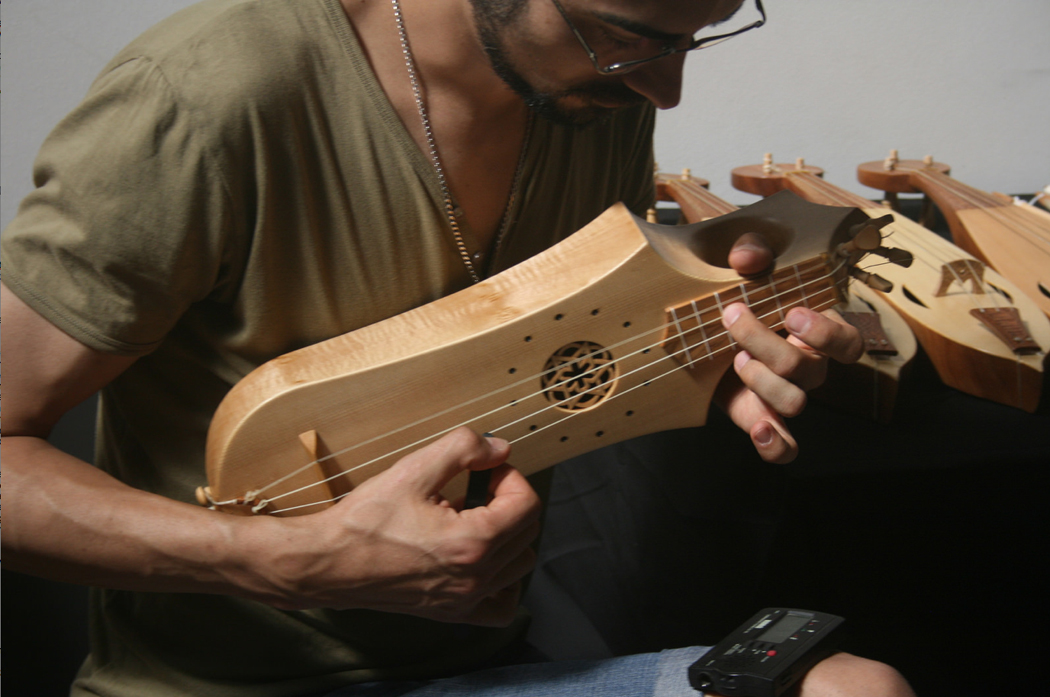
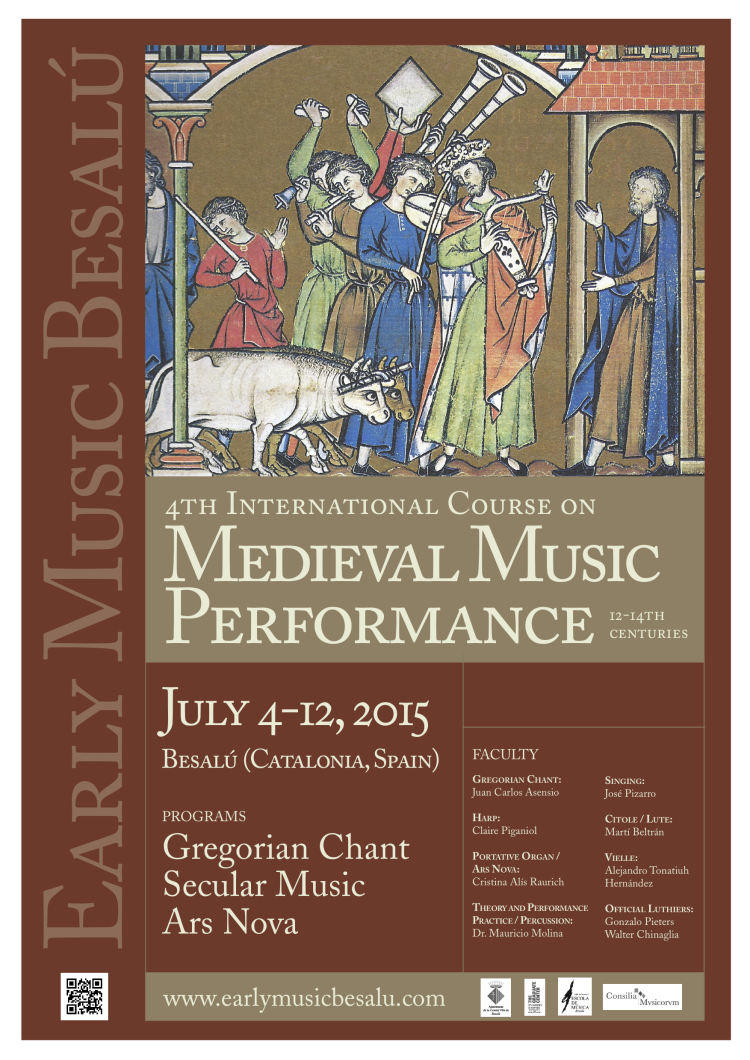 The International Course on Medieval Music Performance offers singers and instrumentalists the possibility to study monophonic and polyphonic repertoires composed from the 12th to the 14th centuries. The course is organized in the medieval surroundings of Besalú, a small town in Norther Catalonia in Spain. Besalú is one of the most important and better-preserved medieval towns of Catalonia (Spain). It was already important during the 10th century as the capital of an independent county. In 1966, it was declared a “National Historic-Artistic Ensemble” due to its high medieval architectural significance. Strolling through the medieval streets and squares, we find the monumental Romanesque churches of Sant Pere and Sant Vicenç, the Romanesque hospital of Sant Pau, a majestic bridge with two defensive towers that was built over the river Fluvià during the same period, the Jewish quarter and its miqveh or jewish ritual bath, the Gothic Palace of the Royal Curia with is wide hall, and a series of medieval secular buildings spread out through the different neighborhoods. All these different patrimonial elements make the village a truly ideal place to conduct the International Course on Medieval Music Performance.
The course masterfully combines rigorous musicological research with a vibrant reconstruction of performance practice.
Luthiers: Medieval musical instruments by our specialized makers.
4th International Course on Medieval Music Performance
Besalù, Catalonia
04.07.2015 – 12.07.2015
FEATURED PHOTO: Intense Moment in Besalú 2014
Conference in London in May 2015 aims to shed light on the international context of the vibrant international city: Medieval London
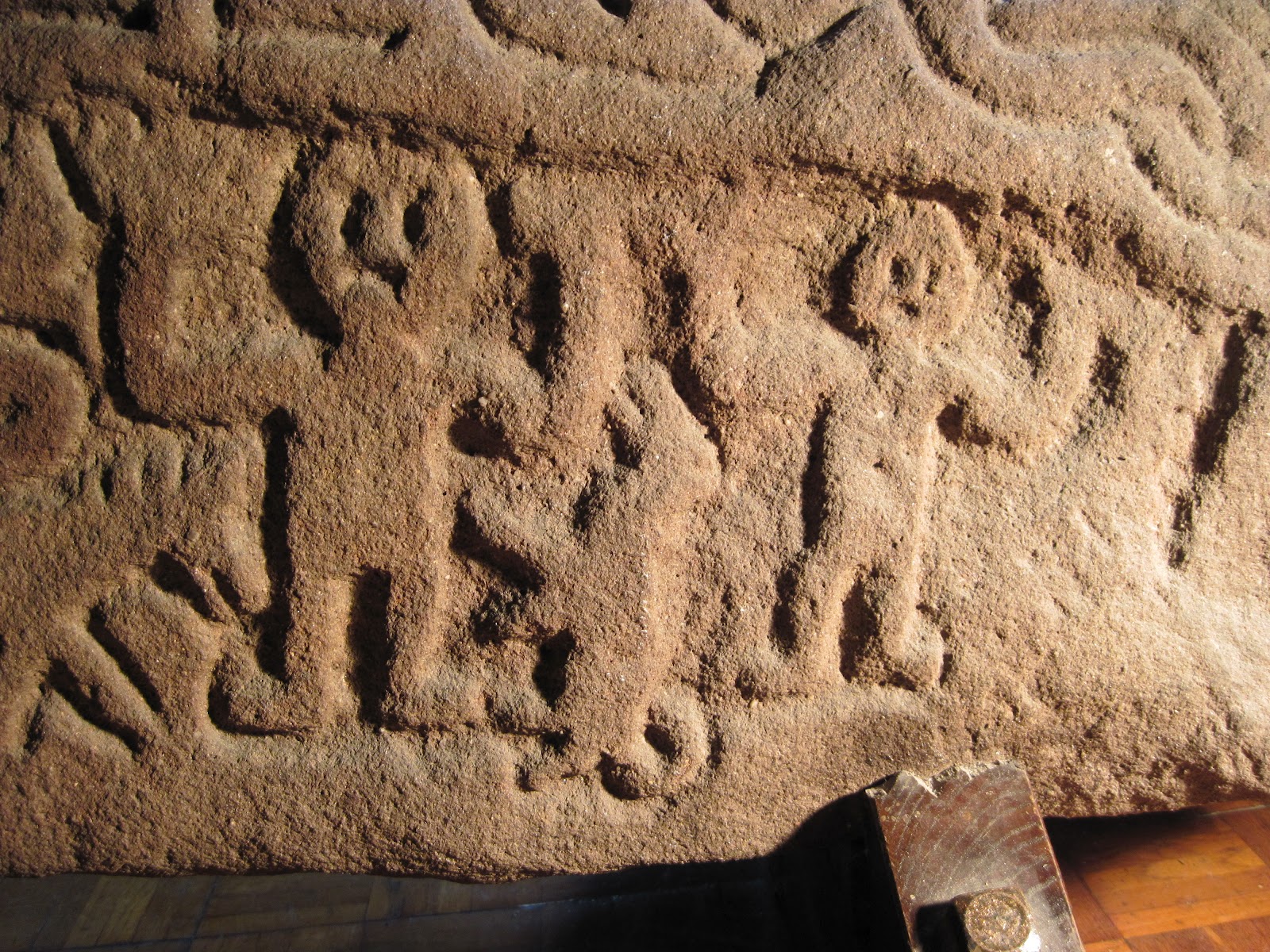
Centre for the Study of the Viking Age is pleased to announce a major international conference, to take place at the University of Nottingham 27.06.2016 – 02.07.2016
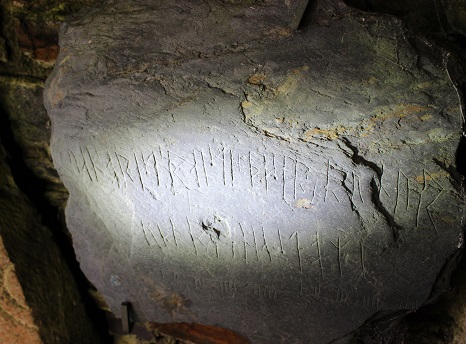
2016 sees a range of significant anniversaries: not only the millennium of Knut’s accession to the English throne, but also the 950th anniversary of the Norman Conquest, arguably the end of the Viking Age in England, not to mention the 900th anniversary of the martyrdom of St Magnus of Orkney. These are end points of a period of major transformations – from the voyages and settlements of Scandinavians across the North Sea, the Atlantic and the Baltic, to the conversion of the homelands and the rise of medieval kingship. The Centre for the study of the Viking Age will host this conference which aims to capture the diversity of and change in the Viking Age and its aftermath.
First call for papers:
Papers of 20 minutes’ length are invited on the following themes:
Poster presentations are also welcome.
Please send abstracts (no more than 300 words) to Dr Christina Lee (christina.lee@nottingham.ac.uk) not later than 31st January 2016 (papers) or 31st March 2016 (posters).
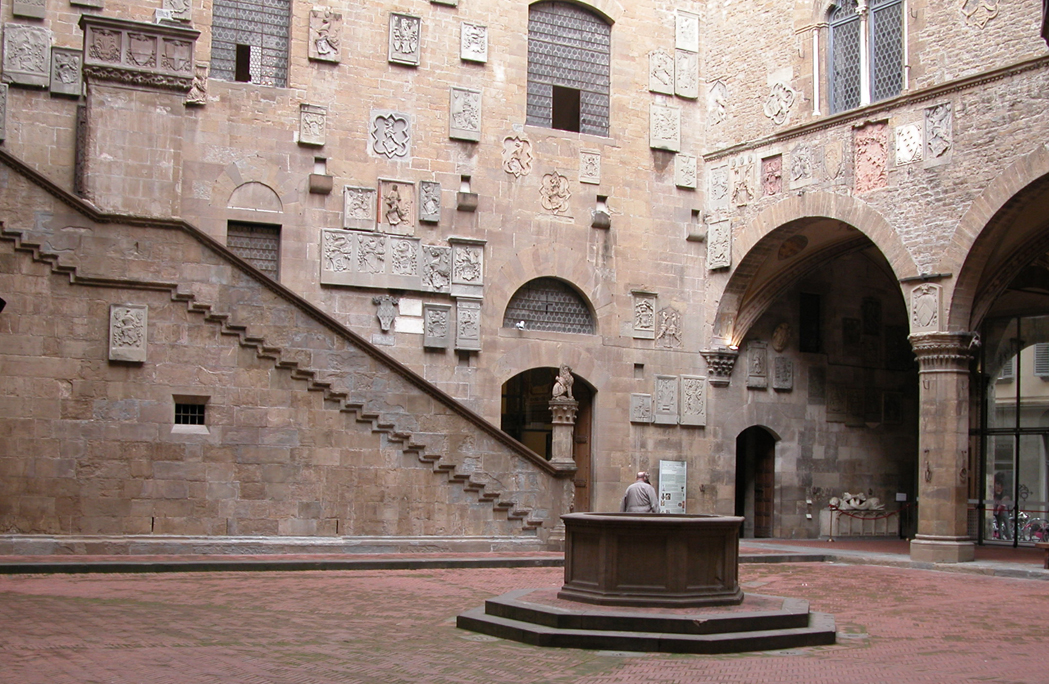
A visitor passing through Italy is surprised by the abundance of coats of arms that still decorate the palaces and public monuments of its cities. Relatively undisturbed by the tides of history that destroyed a lot of Europe’s heraldic heritage, in the Italian cities this heritage is still alive and well. While the development of heraldic signs occasionally caught the eye of historians and art historians, they have never done justice to the multitude and diversity of the existing sources. Recently, however, research has taken an interest in the subject with renewed vigour and approaches, especially in the case of Italy.
The aim of this conference is to establish the current state of research and to advance the subject by linking more closely the history of heraldic communication and the history of cities. To do so, the Italian example shall be put into a European perspective.
Coats of arms are surprisingly flexible and efficient means of communication. In cities, they may represent individuals as well as groups, the urban community as a whole as well as the ruler of the city. Heraldic signs are able to express the unity of the people – through the arms of the town and of its political institutions – as well as their social and political divisions – by identifying different parties, competing social groups and individuals.
The staging of these signs in the city, its chronology, actors, practices and challenges pose many questions:
On the one hand, there are questions concerning the factual representation of coats of arms in the city itself. When did these signs start to appear in urban space? In which places – public, private, sacred – are whose arms to be found? How are they presented? Is it possible to establish a “heraldic topography” of the medieval city?
On the other hand, concerning the way the contemporary citizens thought about the coats of arms and heraldic representation as such. Are there restrictions or regulations for displaying coats of arms in the urban space? Are there debates on the ways to stage coats of arms in the urban theatre? How did the citizens perceive their coats of arms? What functions, what effects, and what significance did they attribute to them?
Finally, are there parts of Europe that were more prone to using heraldic signs in urban contexts than others? Is the rich heraldic heritage of Italian cities the mere result of sources surviving by chance, or does it reflect a particular Italian development?
The conference will attempt to propose answers to these questions, not only by looking at the monumental evidence of medieval heraldry, but also by studying the discourses on these signs in written sources such as city records (Stadtbücher), sumptuary statutes, account books, legal records, city chronicles etc. While the expertise of specialists in heraldry is important, such a survey requires and welcomes especially the knowledge of historians of the medieval city, too.
By situating the Italian example in its European context and comparing the different analyses and approaches of heraldists, art historians, historians of visual culture and historians of the city, this conference intends to propose new perspectives on coats of arms in the city and tread new paths for future research.
Papers can be presented in English, French or Italian.
Proposals should be sent by 25th January 2015 together with an abstract (200 words) in English or French to journees.heraldiques@gmail.com.
Workshop organised by the research programme Héraldique, emblématique et signes d’identité au Moyen Age (Laurent Hablot, CESCM, University of Poitiers, École française de Rome) and the research project: The Performance of Coats of Arms – Die Performanz der Wappen. Zur Entwicklung von Funktion und Bedeutung heraldischer Kommunikation in der spätmittelalterlichen Kultur, Dilthey-Fellowship of the VolkswagenFoundation (Torsten Hiltmann, Historisches Seminar, University of Münster).
Sponsored by: CESCM-University of Poitiers; Research project “The Performance of Coats of Arms” (VolkswagenFoundation), University of Münster ; Ecole française de Rome; German Historical Institute Rome (DHI Rom); Académie de France à Rome.
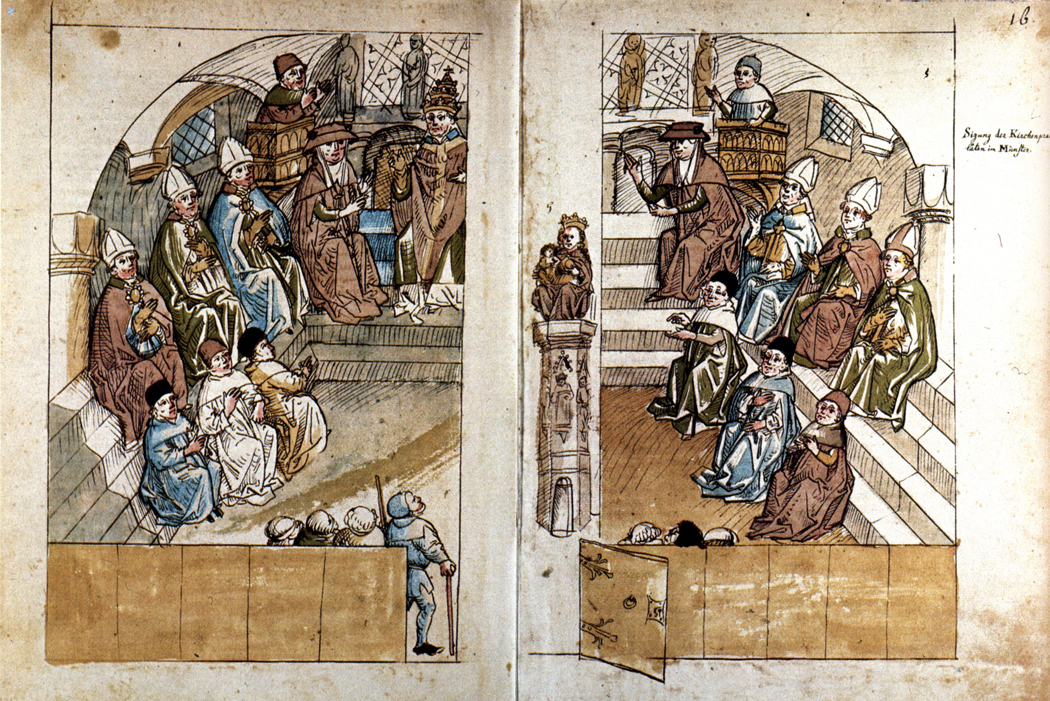
The Council of Constance (1415 – 1418), the burning of Jan Huus (1415) and the link between medieval anniversaries and modern scholarship are on the agenda at the 90th annual meeting of the Medieval Academy of America this year.
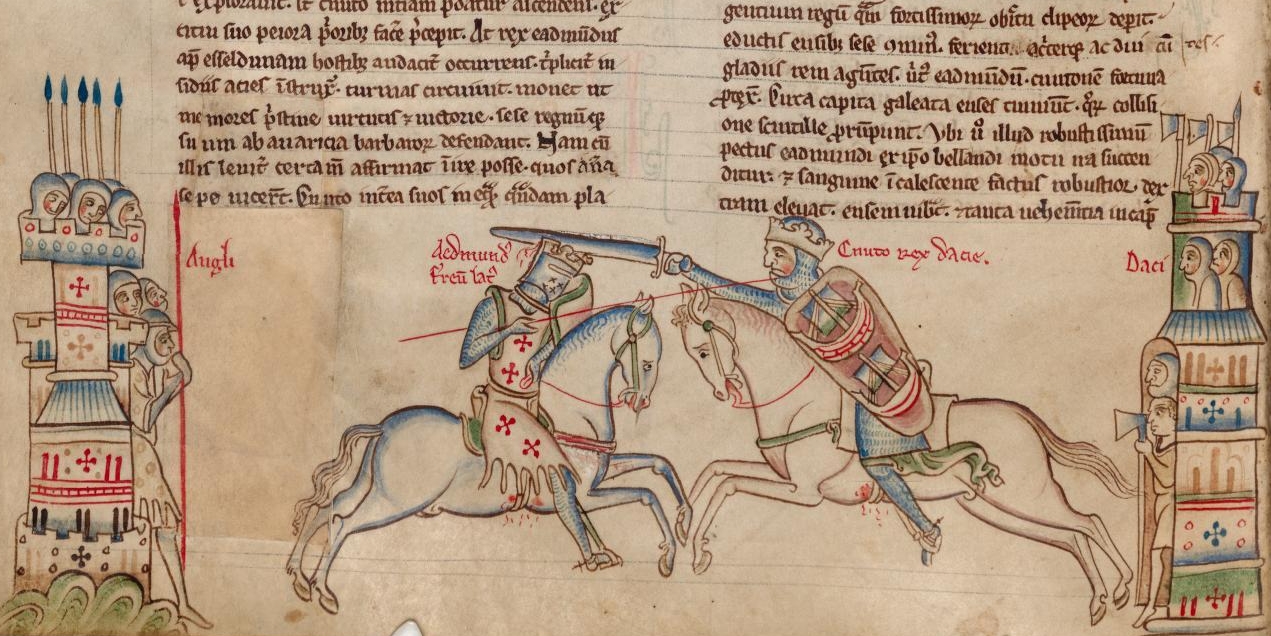
The 2016 Annual Meeting of the Medieval Academy will take place in Boston from 25.02.2016 - 27.02.2016. Please respond to the CfP
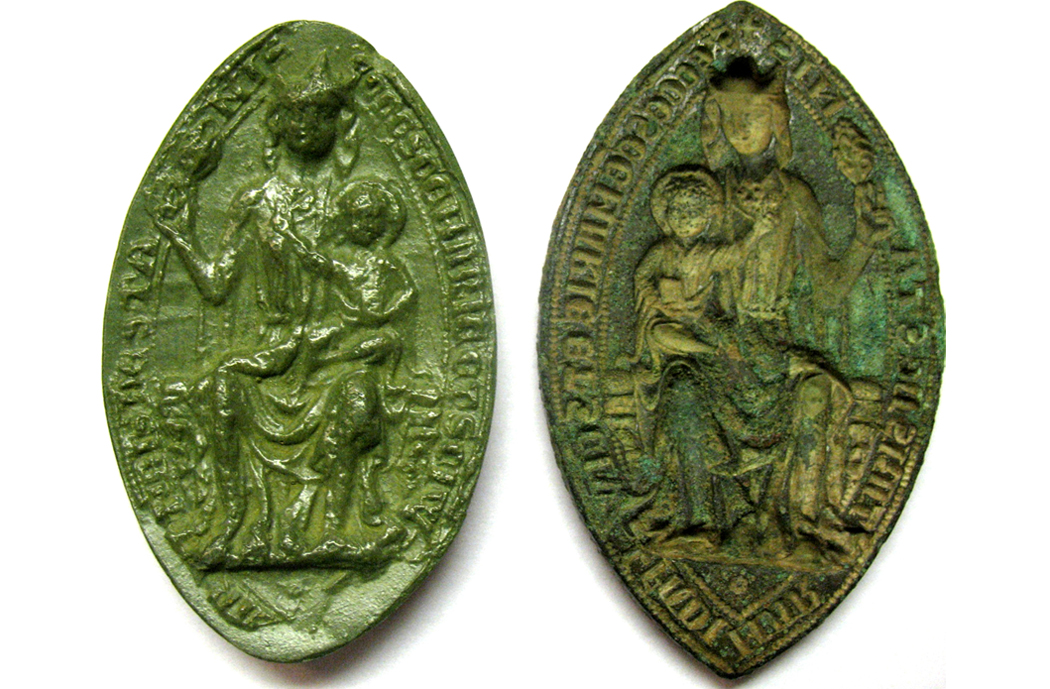
CfP for conference on "Seals and Status 800 – 1700" at the British Museum in December 2015

The 21st annual meeting of the European Association of Archaeologists will be hosted in Glasgow in 2015
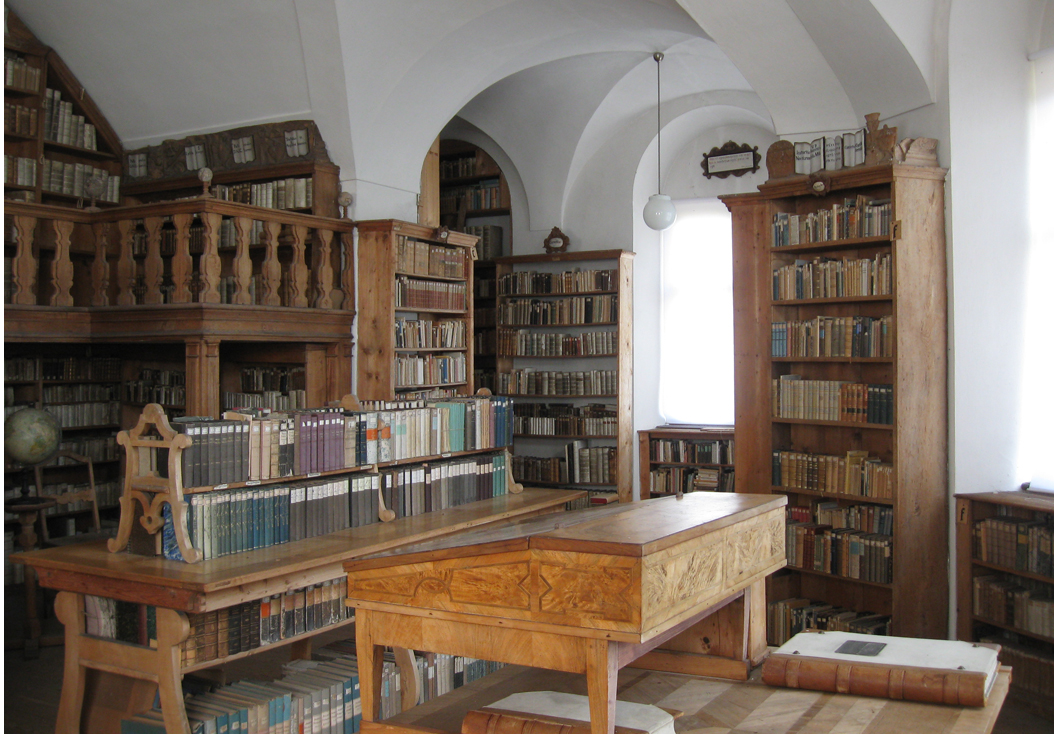
Conference: Collected, Plundered and Saved from Medieval Libraries
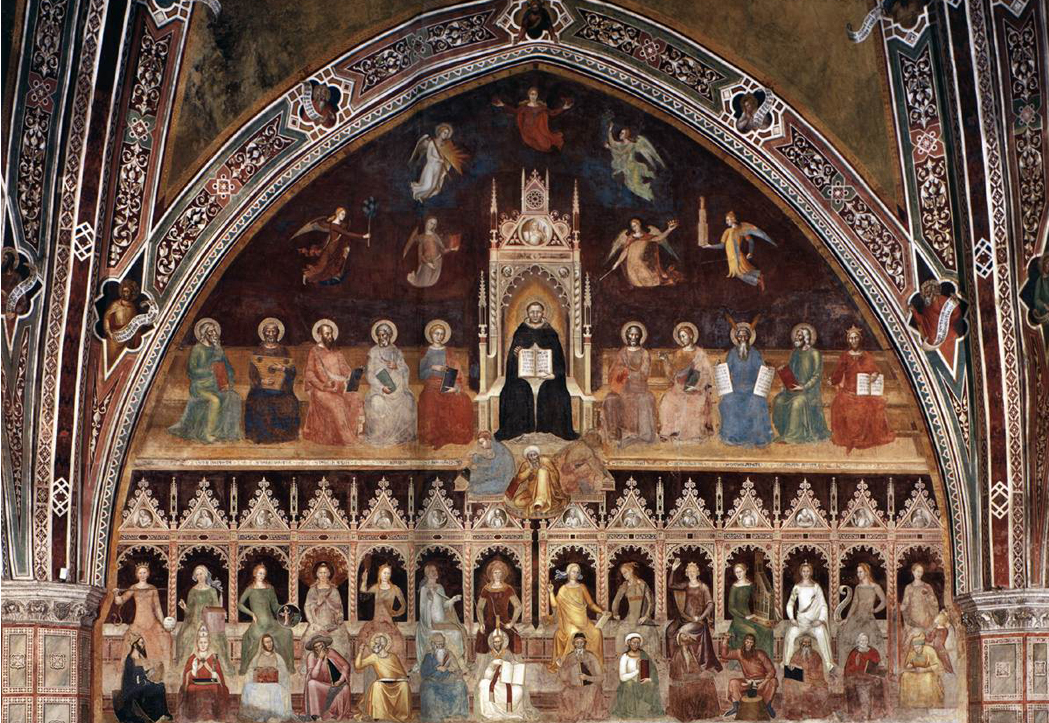
Interdisciplinary conference in 2015 aims to shed light on the influences of the Dominican Order in the Middle Ages

Conference March 2015: The Use of Water – practical habits and symbolic customs in the Middle Ages
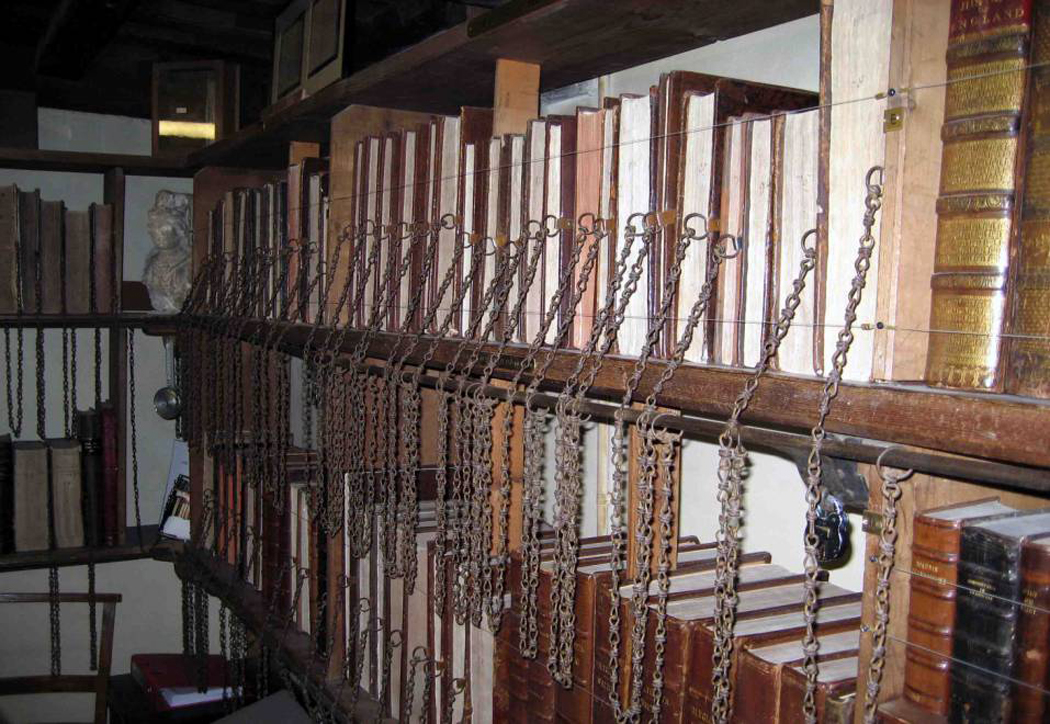
The next biennial conference of the Early Book Society takes place in Oxford in July 2015
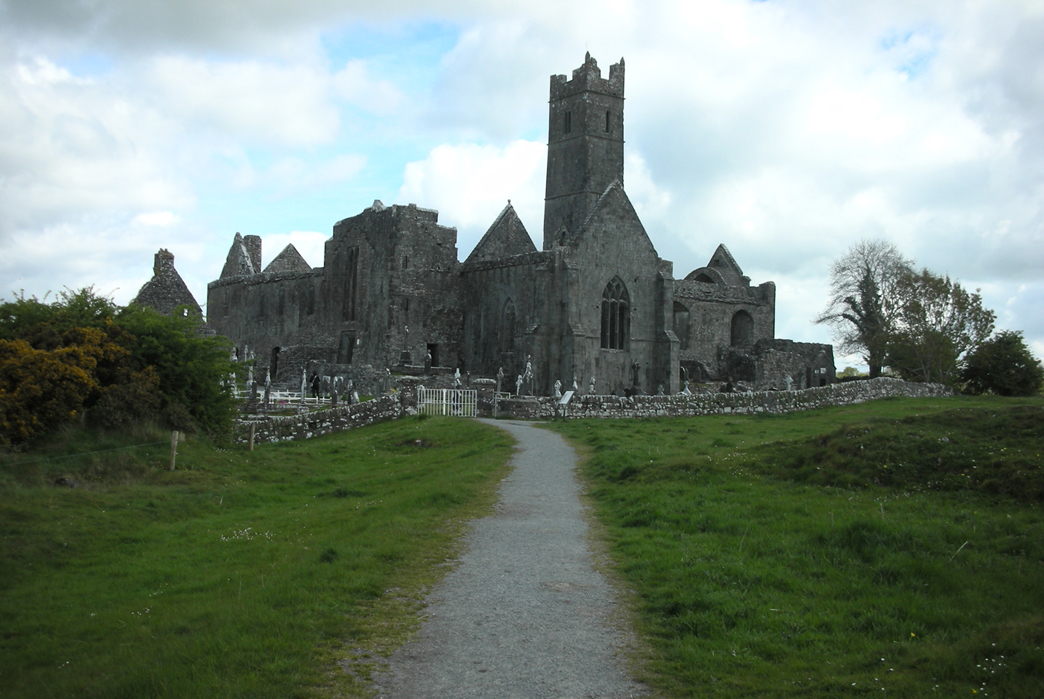
The Irish Research Council-funded Monastic Ireland: Landscape and Settlement research team are happy to announce that it is hosting a three-day conference in August 2015 on Monastic Europe: Landscape & Settlement
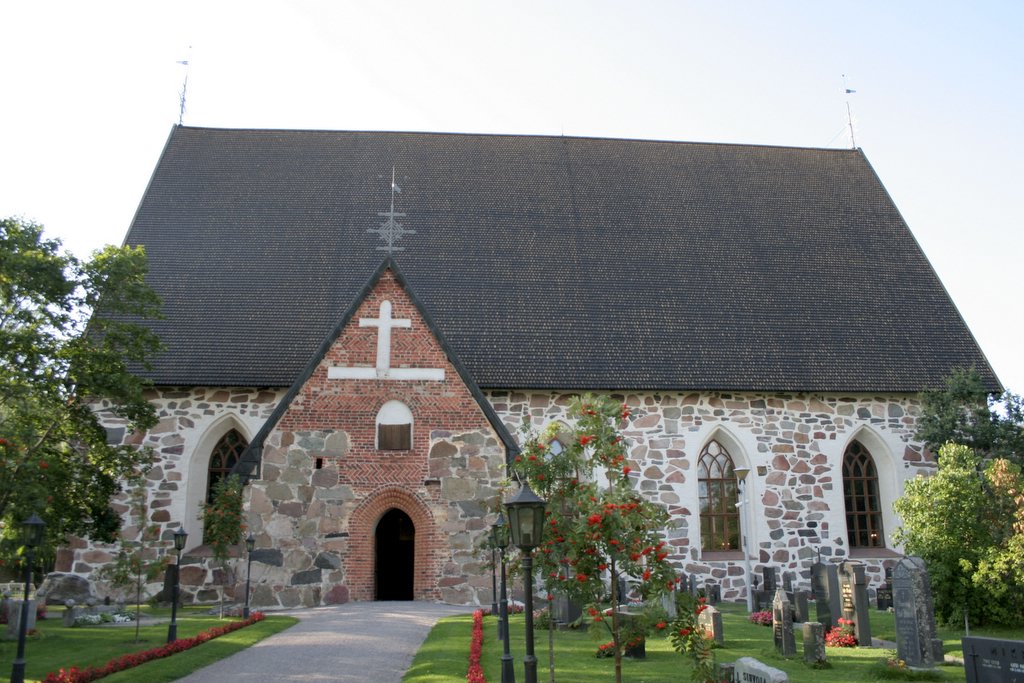
- material reformation (e.g. liturgical vessels, devotional objects, art and archi-tecture)
- book and reformation (e.g. vernacular translations of the Bible and early book prints)
- Luther and other reformers and counter-reformers in northern Europe
- educational, social and political dimensions of the Reformation
We welcome you to participate in the seminar and kindly ask you to send us:
- a proposal for a paper (500-word abstracts of a 30-minute paper)
- a short CV (max. 4 pages including your most relevant publications)
- a two-page research proposal for a working period in Turku with a clear indication of why TUCEMEMS would be the best host institution for your research regarding the reformatory movements in Europe.
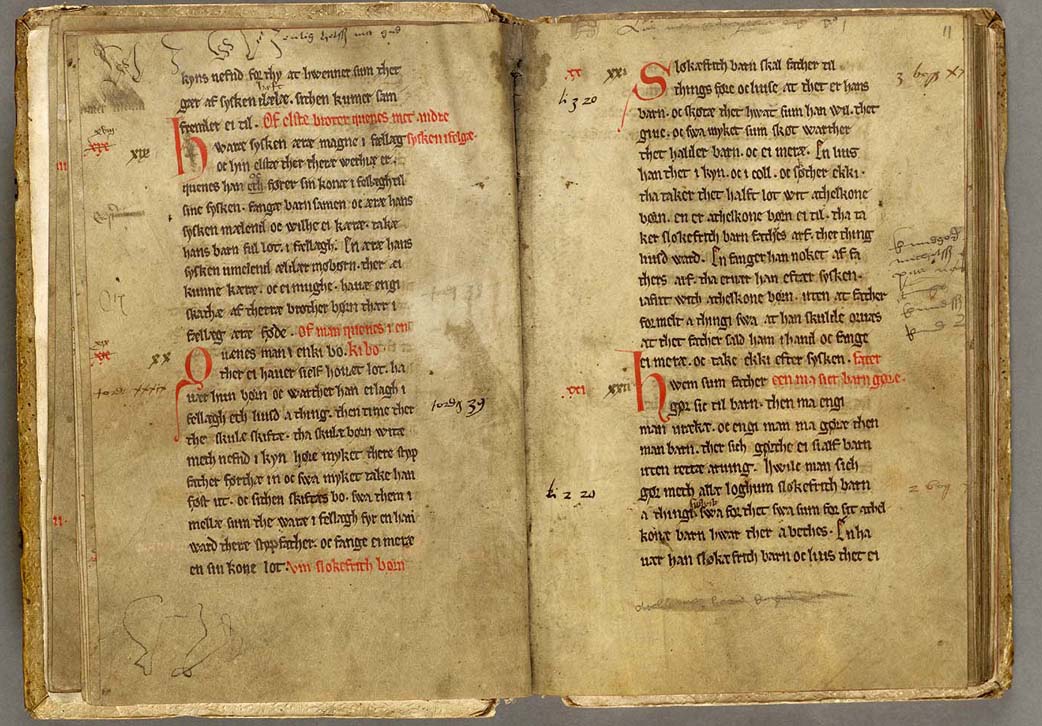
Law and Language in the Middle Ages
Royal Academy, Copenhagen, Denmark 10.09.2015 – 11.09.2015
We are happy to announce the upcoming interdisciplinary conference on medieval legal history and therefore invite colleagues whose research touches upon aspects of law and language in the Middle Ages to submit proposals for papers of 20 minutes’ duration. A title and an abstract of 200-250 words should be sent by e-mail to one or more members of the organising committee (see e-mail addresses below).
Keynote Speaker will be Prof. Bruce o’Brien from The University of Mary Washington
Deadline for proposals is 1st February 2015.
The final programme will be published soon thereafter. All proposals and presentations should be in English. The papers will be published.
Suggested thematic strands are:
The relationship between law and legal practice in a linguistic context, the similarities / dissimilarities in terminology and practice, the problems and possibilities of translating laws from this region into modern English or other modern languages, ‘Germanic’ legal language, law and language in the North Sea area, the relationship between Latin and vernacular in the legal texts, adoption and application of legal language in other domains. The list is by no means exhaustive and other proposals touching on the main theme of law and language are most welcome.
The conference is held at the Royal Academy for Science and Letters, H.C. Andersens Boulevard 35, in the centre of Copenhagen
Registration fee for non-speakers will be € 100 or 750 Danish Kroner payable upon arrival at the conference. The fee includes lunch on Thursday and Friday, the conference dinner on Thursday, and the closing reception on Friday, and all drinks and snacks. Speakers are of course exempt from paying the conference fee.
Please use the registration form which will be available on the conference web page in winter 2015: . Deadline for non-speakers’ registration is 1 September 2015. The Academy lecture room can only contain a limited number of participants so please do not hesitate to register.
The conference is sponsored by: the Carlsberg Foundation
and Ingeniør, kaptajn Åge Nielsens Familiefond
If you have any queries, or want to submit a proposal, please feel free to use any of these addresses: Helle Vogt (helle.vogt@jur.ku.dk), Jenny Benham (BenhamJ@cardiff.ac.uk) or Per Andersen (pa@jura.au.dk ).
The Organising Committee:
Helle Vogt, associate professor, The Faculty of Law, University of Copenhagen
Jenny Benham, lecturer, Cardiff School of History, Archaeology and Religion, Cardiff University
Per Andersen, professor, The Department of Law, University of Aarhus