A few years ago archaeologists made a breath-taking find: a 1300-year old ski with the binding intact. Last year the skis were reconstructed. Now they have been tested and the ancient way of skiing has been reconstructed

A few years ago archaeologists made a breath-taking find: a 1300-year old ski with the binding intact. Last year the skis were reconstructed. Now they have been tested and the ancient way of skiing has been reconstructed
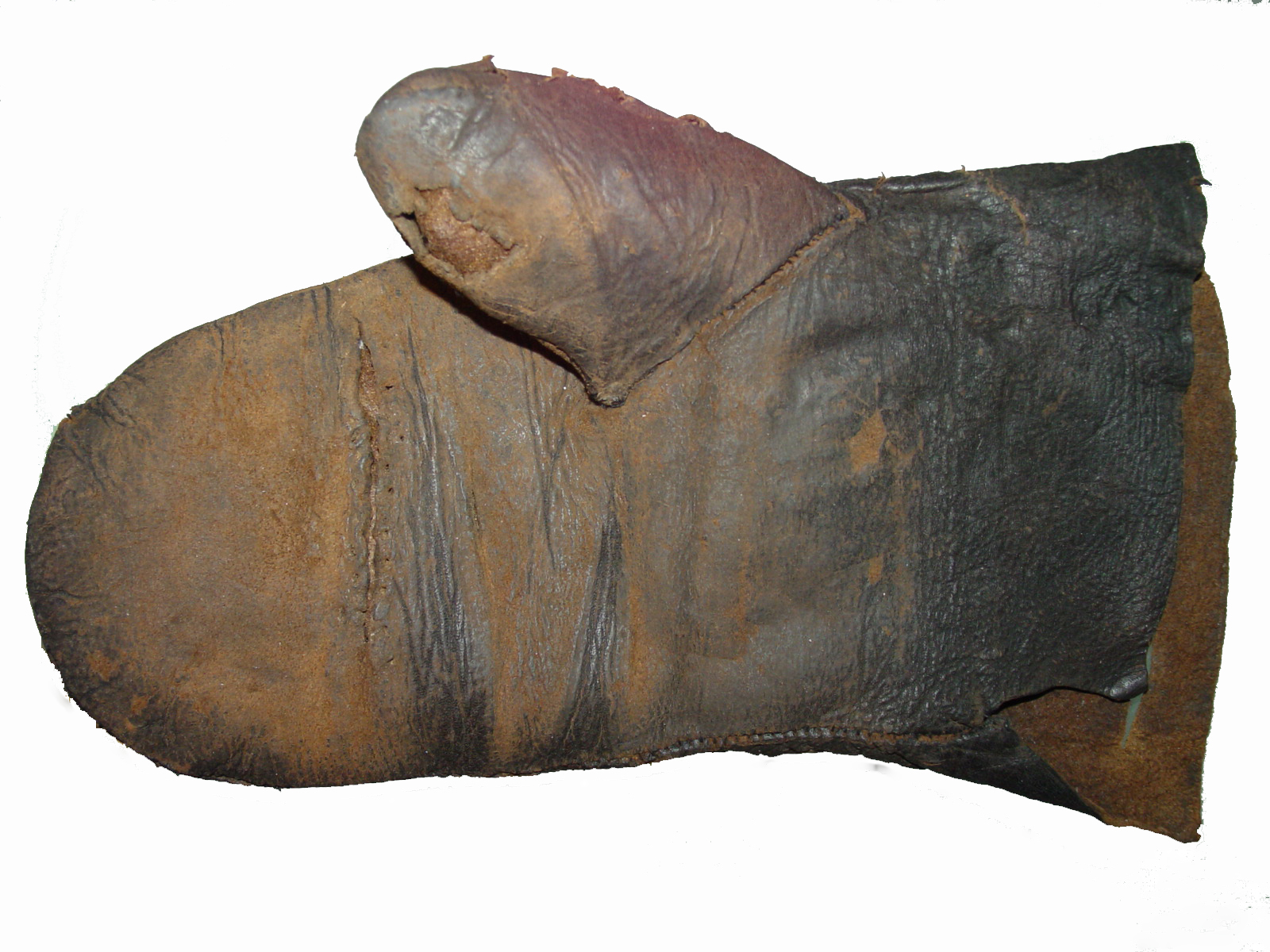
Mittens, gloves and gauntlets represent a number of different types of protective gear for the hands. Their history has recently been told in a new Dutch book.
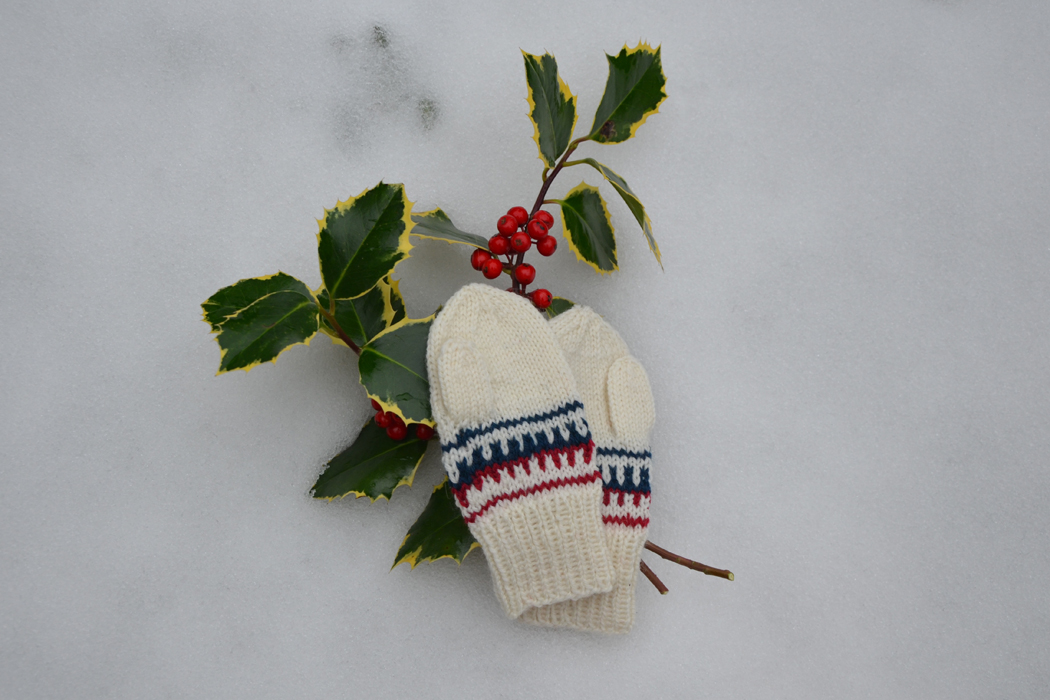
Estonia is known for its very old tradition for using knitted mittens for prestigious gifts. The oldest fragment is from the 13 th century.

In Nürnberg they have an amazing collection of costumes, which is usually hidden away. Now for the first time in decades they are put on show.

Tanner’s Day – also known as St. Andrew’s Day – falls on the 30. November. It used to be a holiday celebrated by the lace makers in Bedfordshire. The tradition might go back to Catherine of Aragon.

In the Middle Ages Polish priests and theologians fought to eradicate old and traditional ways of cohabiting with the dead. It does not seem af if they have succeeded yet.
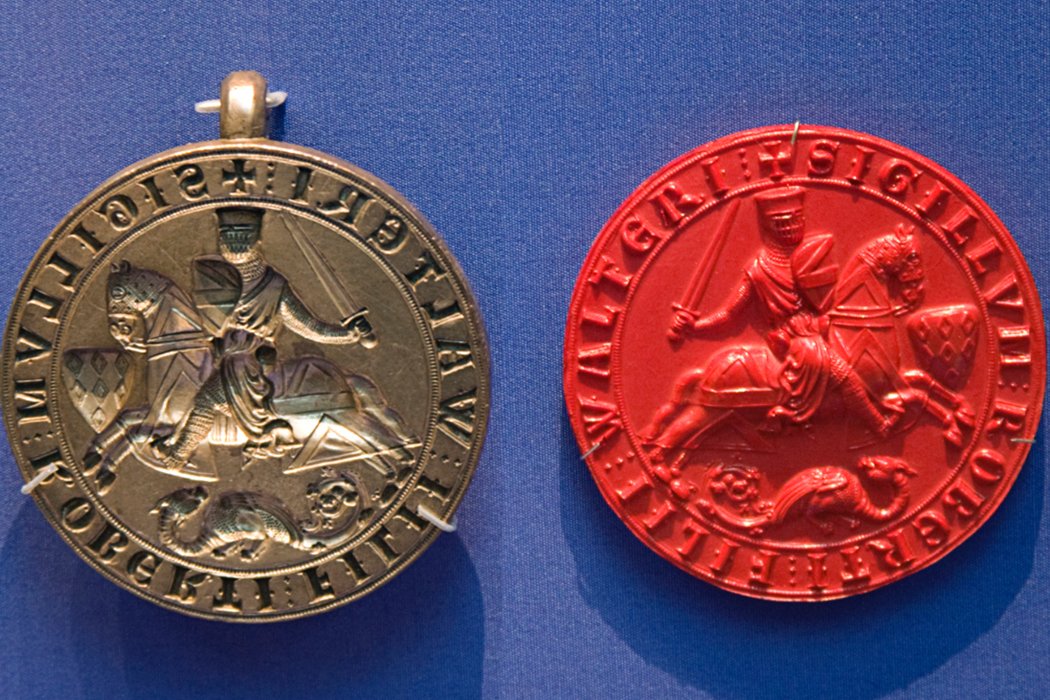
Three-day international conference aims to foster a discussion about seals and status 800 -1700
SIGILLVM is an international and interdisciplinary network in the first instance for all those interested in medieval European seals and sealing practices.
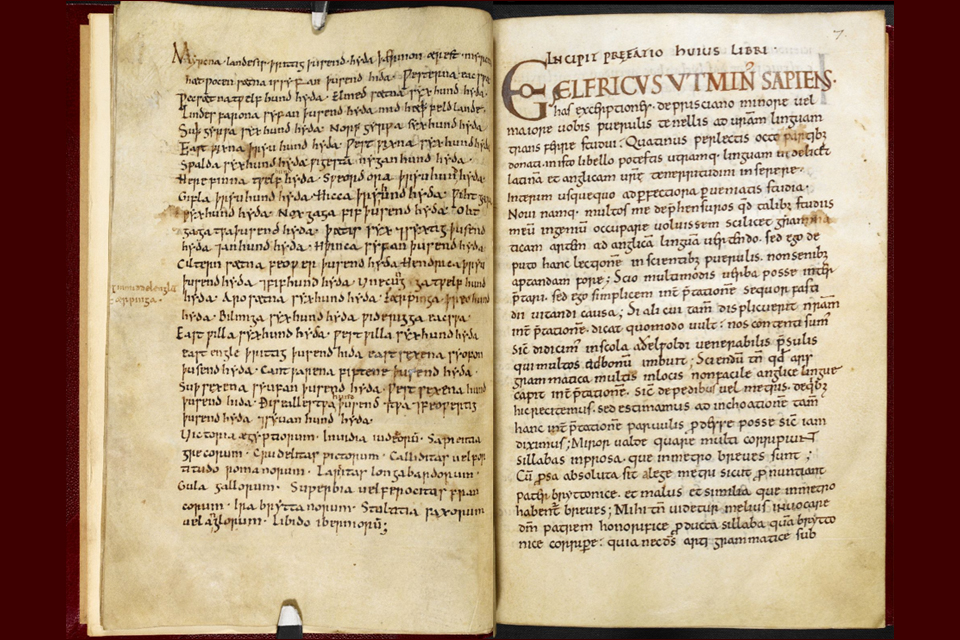
The Tribal Hidage is an enigmatic list of thirty-four Anglo-Saxon tribes and the size of the land controlled by each as measured in ‘hides’ or ‘households’.
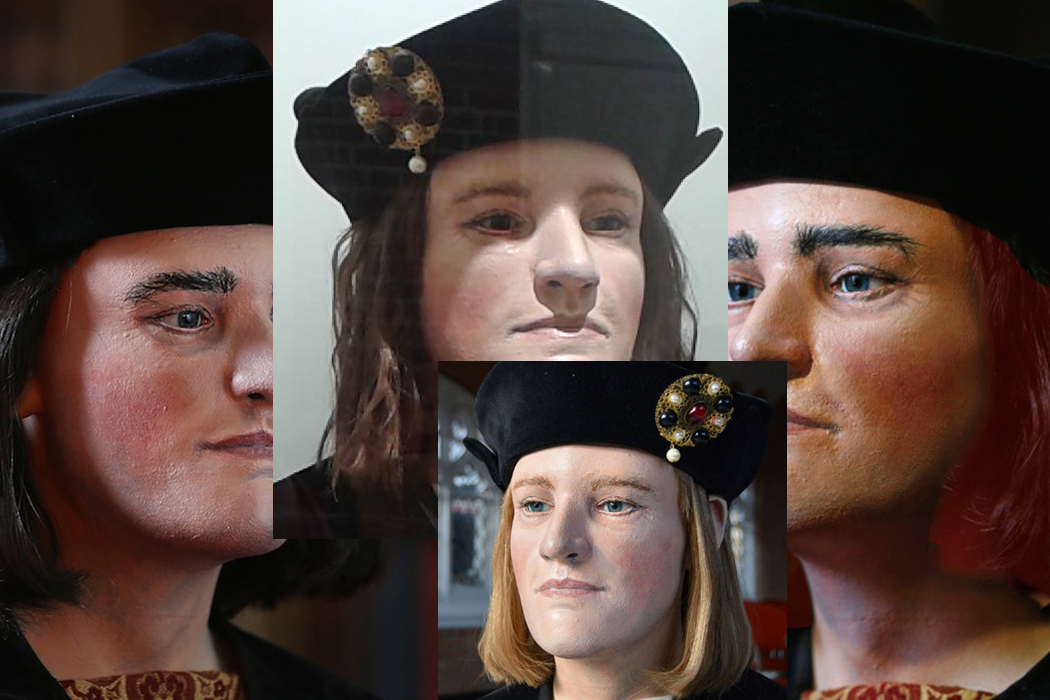
Richard III has changed his look three times in the last three years. In the latest version he is sporting unkempt mouse-coloured hair. Is that plausible?
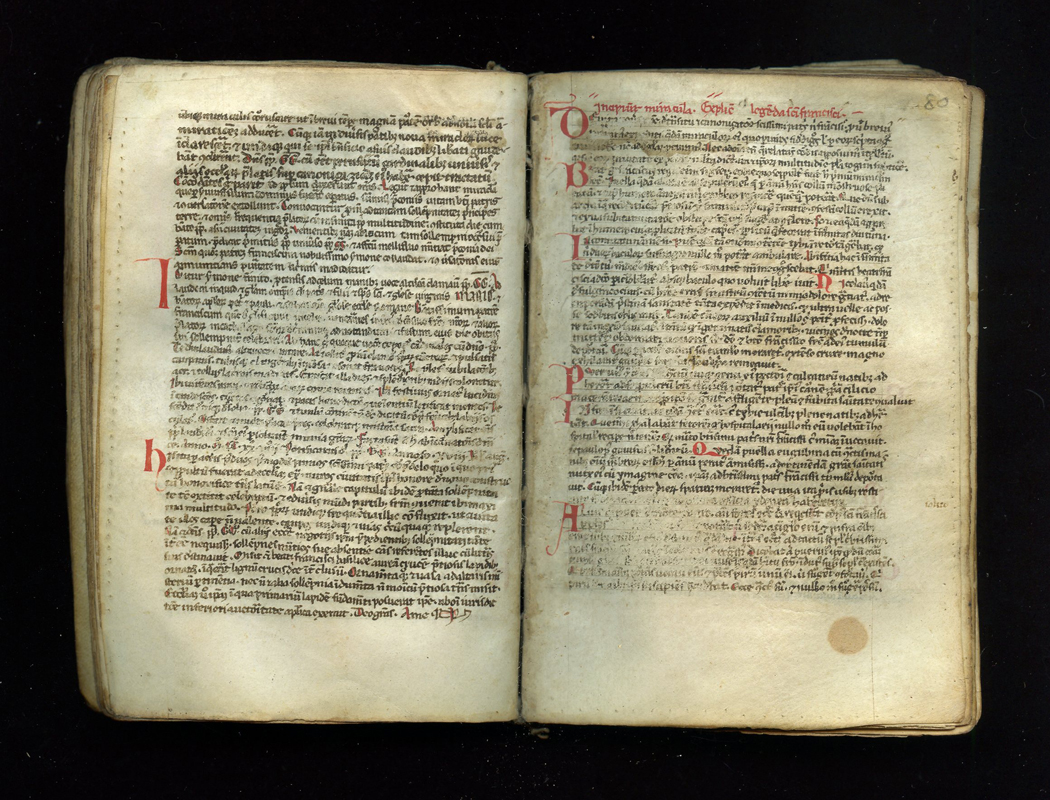
A small notebook of obvious Franciscan origin was recently shown to contain a hitherto unknown Vita of St. Francis, written by Thomas di Celano. It has now been edited
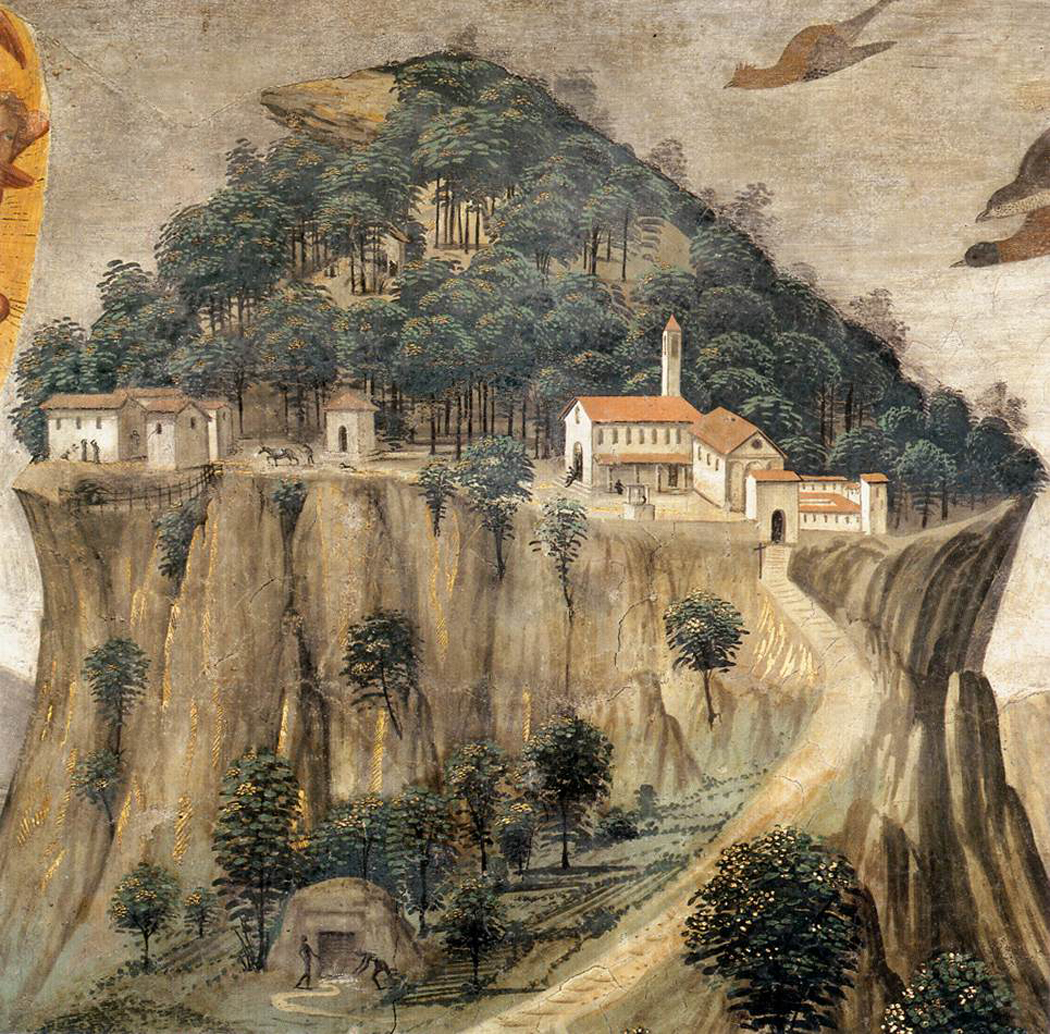
St. Francis is known for his devotion to nature and generally recognised at the patron saint for the environment. But was he also a gardener?
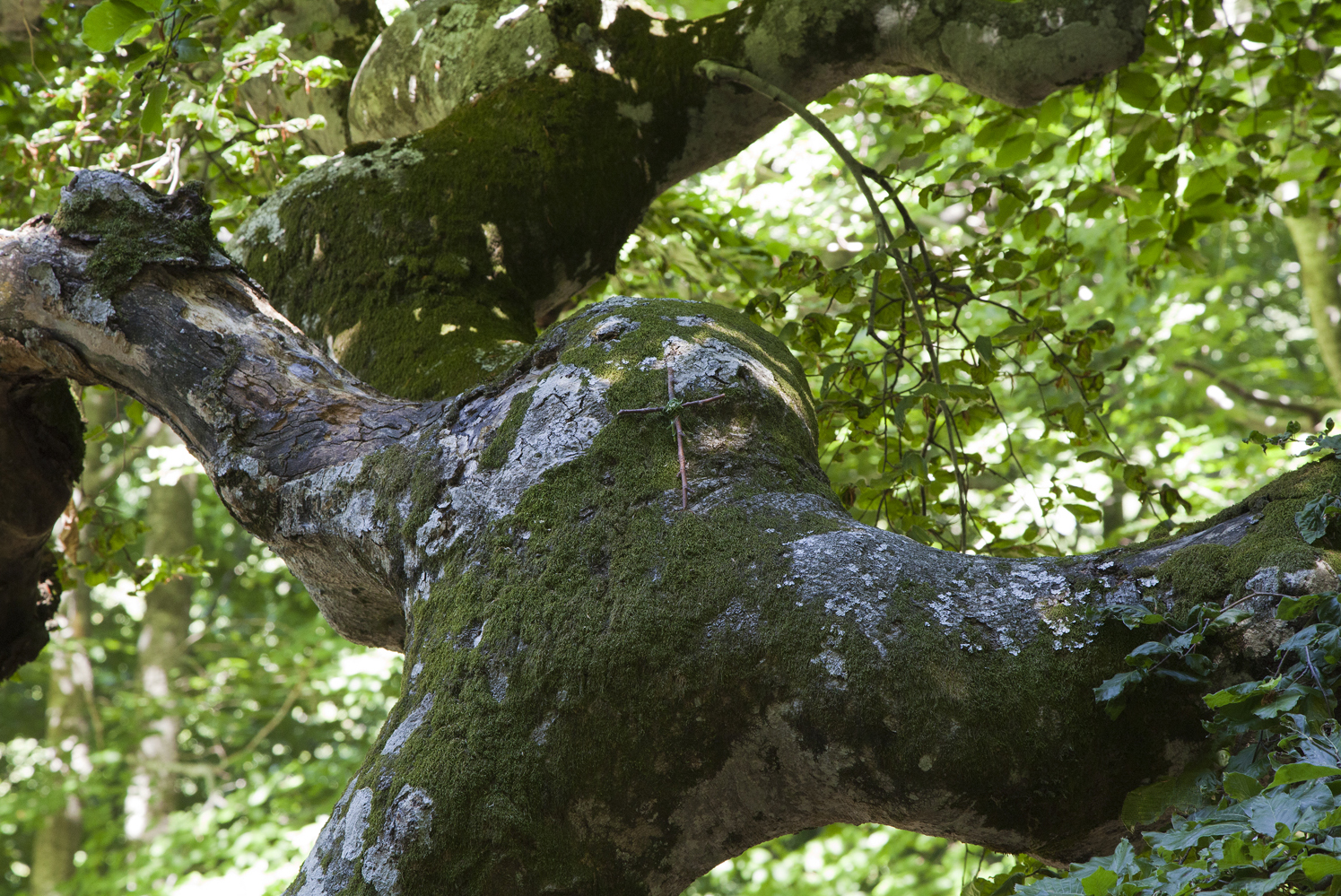
Medieval ‘Sacred Sites’ were primarily located in the natural wilderness. With the Reformation this changed. Perhaps time has come to return to practices of medieval nature conservation
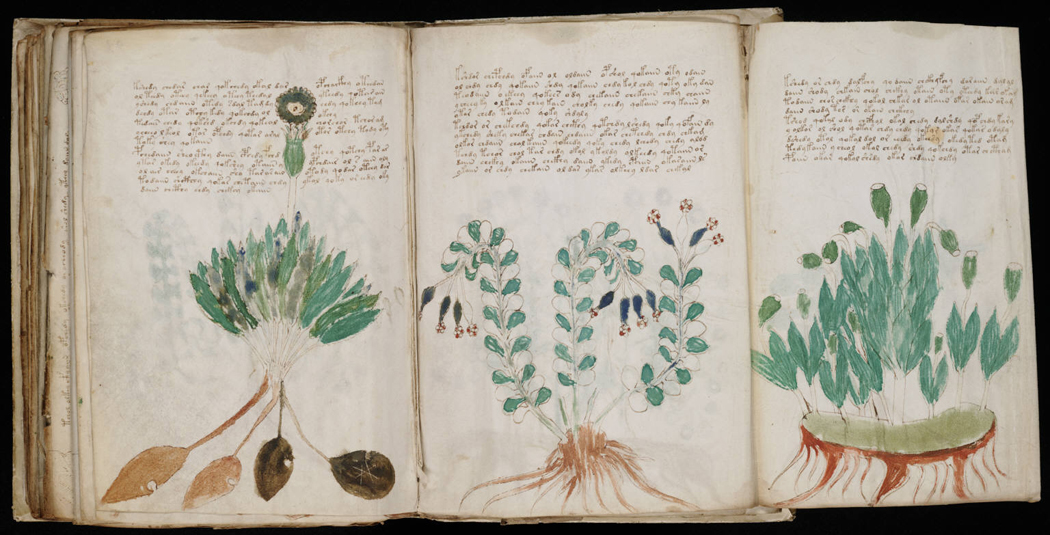
The Voynich Manuscript is perhaps the largest medieval enigma of them all. New digitized edition might help scholars along
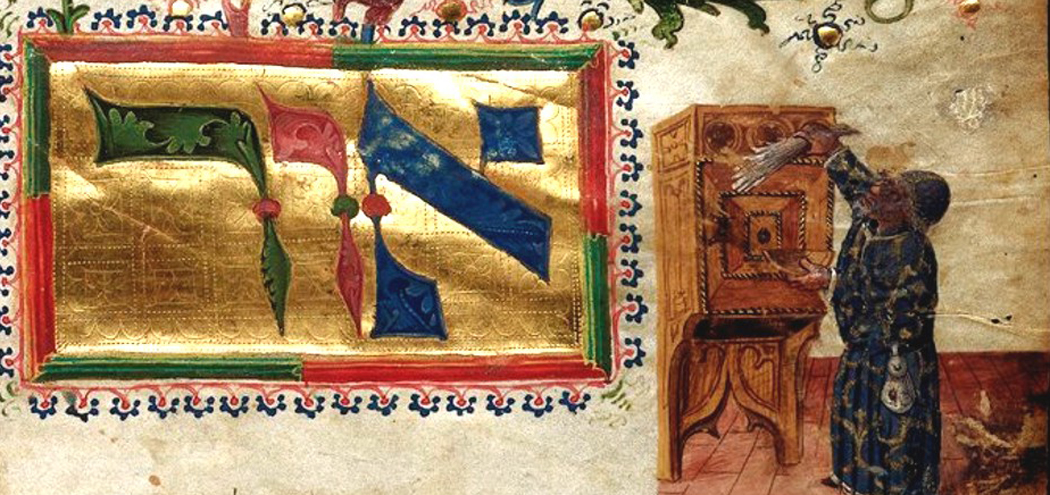
These studies explore the history of the Jewish minority of Ashkenaz (northern France and the German Empire) during the High Middle Ages
Animals and Early Modern Identity
By Pia F. Cuneo (Ed.)
Ashgate 2014
ISBN: 978-1-4094-5743-5
ISBN Short: 9781409457435
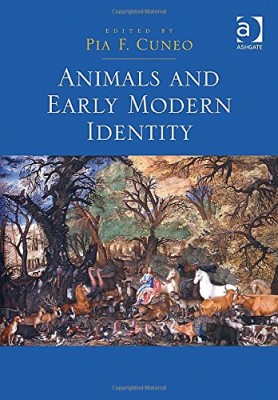 Animals were everywhere in the early modern period and they impacted, at least in some way, the lives of every kind of early modern person, from the humblest peasant to the greatest prince. Artists made careers based on depicting them. English gentry impoverished themselves spending money on them. Humanists exercised their scholarship writing about them. Pastors saved souls delivering sermons on them. Nobles forged alliances competing with them. Foreigners and indigenes negotiated with one another through trading them.
The nexus between animal-human relationships and early modern identity is illuminated in this volume by the latest research of international scholars working on the history of art, literature, and of sixteenth- and seventeenth-century Germany, France, England, Spain, and South Africa. Collectively, these essays investigate how animals – horses, dogs, pigs, hogs, fish, cattle, sheep, birds, rhinoceroses, even sea-monsters and other creatures – served people in Europe, England, the Americas, and Africa to defend, contest or transcend the boundaries of early modern identities.
Developments in the methodologies employed by scholars to interrogate the past have opened up an intellectual and discursive space for – and a concomitant recognition of – the study of animals as a topic that significantly elucidates past and present histories. Relevant to a considerable array of disciplines, the study of animals also provides a means to surmount traditional disciplinary boundaries through processes of dynamic interchange and cross-fertilization.
CONTENTS:
Pia F. Cuneo is Professor of Art History at the University of Arizona, USA. Her current work focuses on sixteenth- and seventeenth-century hippology, and she competes locally in dressage.