In the Early Middle Ages eels were abundant and served as comfort food for hungry peasants. Later it turned into a very expensive delicatessen.
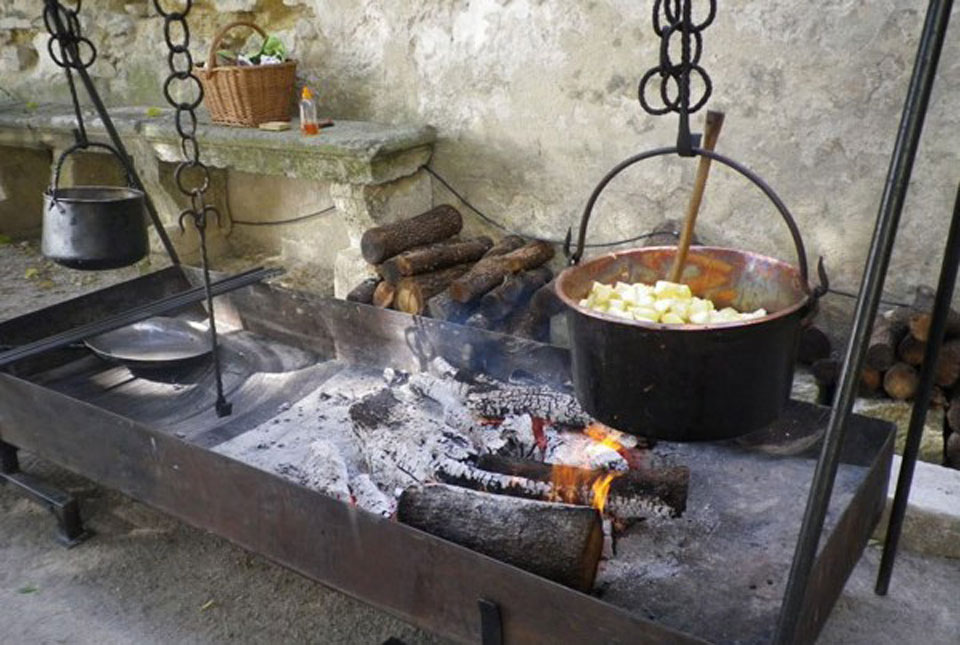
In the Early Middle Ages eels were abundant and served as comfort food for hungry peasants. Later it turned into a very expensive delicatessen.
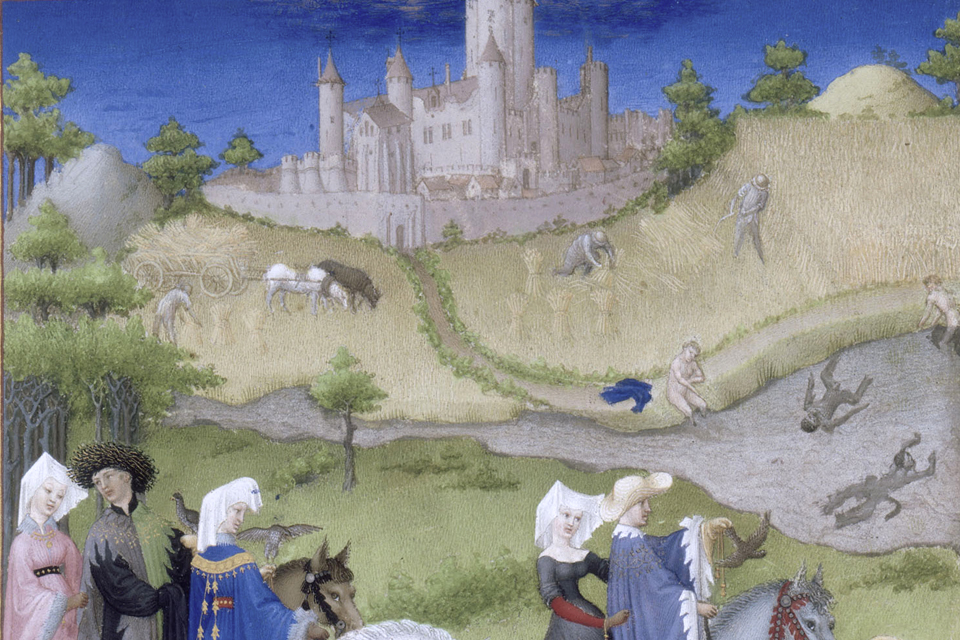
Lammastide means the time has come for ‘loaf-mass’, the ancient offering to God of the first bread of the season. Before came the season of pease-loaf

Fascinated with Tudor royal feasts and food? Free online course on "Royal Food and Feasting" is offered by the University of Reading.
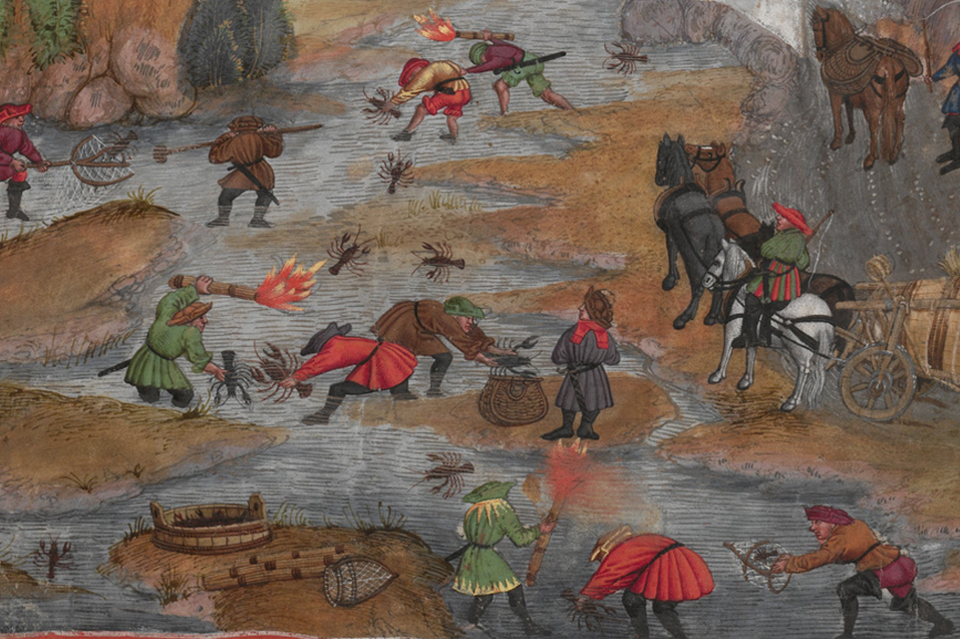
The zodiac sign for summer is Cancer. Mythology tells us, it was all about Hercules, but the rest of us know it is about a delicatessen - crayfish
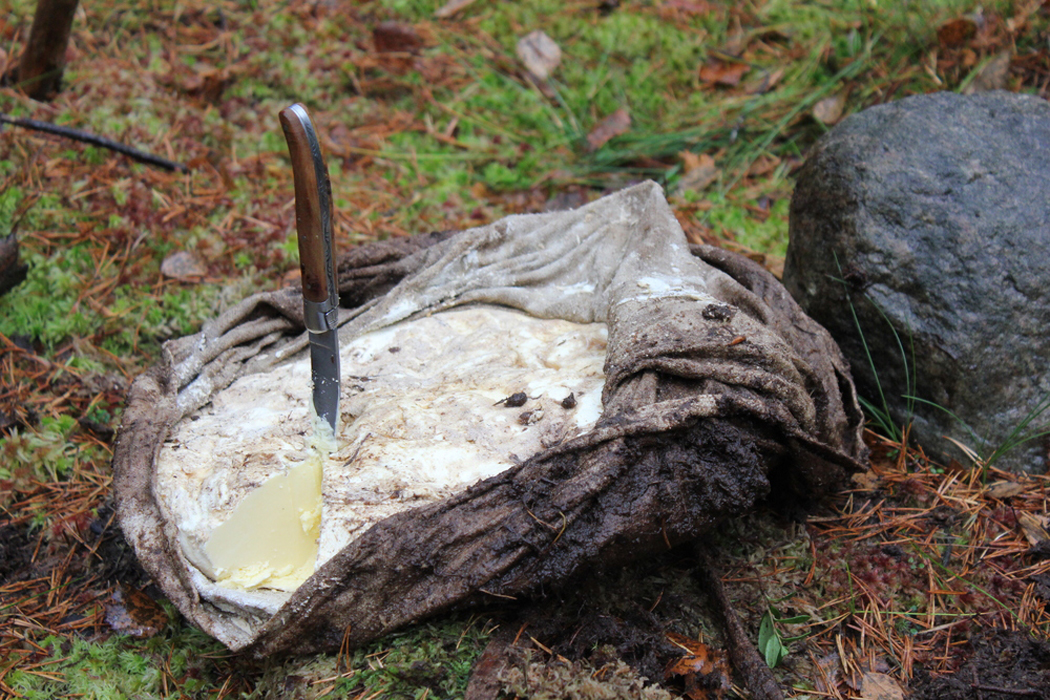
RECIPE: Make your own medieval butter and preserve it in an Irish Bog. Brian Kaller tells us how wrap it up and dig it unter
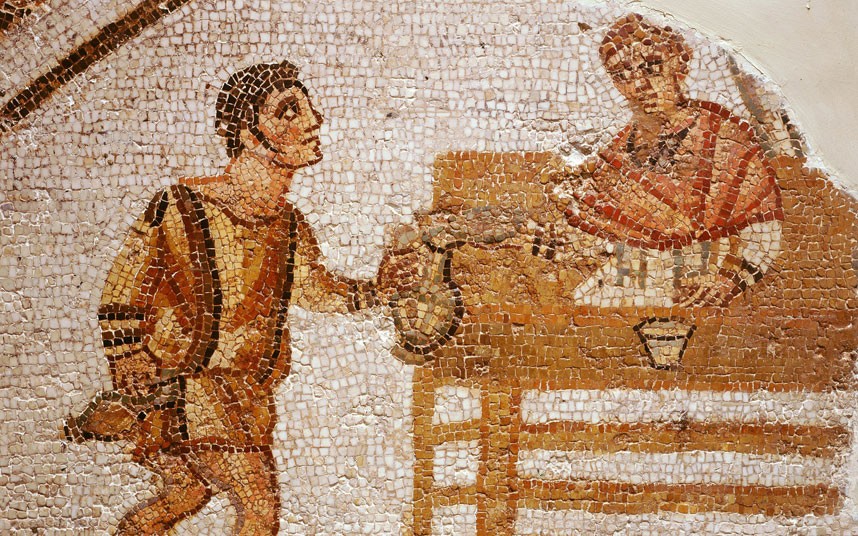 In Antiquity mulled wine was known as “conditum paradoxum”. According to Apicius, a Roman gourmet from the 1st century AD, it was prepared by first mixing wine and honey in order to boil, skim and reduce it ever so slowly. To this mixture should be added ground pepper, some mastic from your wine-stock, a bay leaf, safran, roasted date stones and the flesh of the dates softened in wine and squashed to a smooth pure. Finally it should all be mixed with wine and served cool and strained. Apicius lists the measures, but frankly the measure between honey and wine seems improbable. Another Greek recipe seems more reasonable. In the classical cookbook [1] the following tried and tested recipe is given:
Mix the honey with the same amount of wine (1 ½ dl) and bring to boil. Skim and repeat. Add the spices to the mixture while hot and let it steep until cold. Add the rest of the wine and allow to stand overnight. To serve, strain through a fine sieve or muslin and serve cold. The best way to explain the taste is to think ‘Martini’ (shaken, not stirred).
Curiously enough Apicius and his De coquinara has always been associated with Roman Antiquity. The fact remains however that the earliest manuscripts date from the 8th and 9th centuries. One of these manuscripts was written at the monastery of Fulda and the other at Tours, while the origin of the third is unknown. In a recent PhD Wanessa Asfora has explored the possibility that this collection of recipes was in fact copied in the early Middle Ages for dietetic reasons and that it should rather be considered a medieval collection of recipes. A key to decipher this text as medicinal is the widespread use of the verb tempero and its cognates fundo and condio, all designating mixing. According to Asfora the verbs designate the practice of blend, temper and flavour in order to create a ‘balance’. This is obviously important in the concoction of the 200 or more sauces and condiments, but also – as here – for the forerunner of what we later knows of as a hypocras or mulled wine. The origin of the name comes from the invention of a cloth sieve by the 5th century BC Greek physician Hippocrates.
It is nice to imagine a gout-ridden Charlemagne drinking hot mulled wine when spending christmas in Aachen in the beginning of the 9th century.
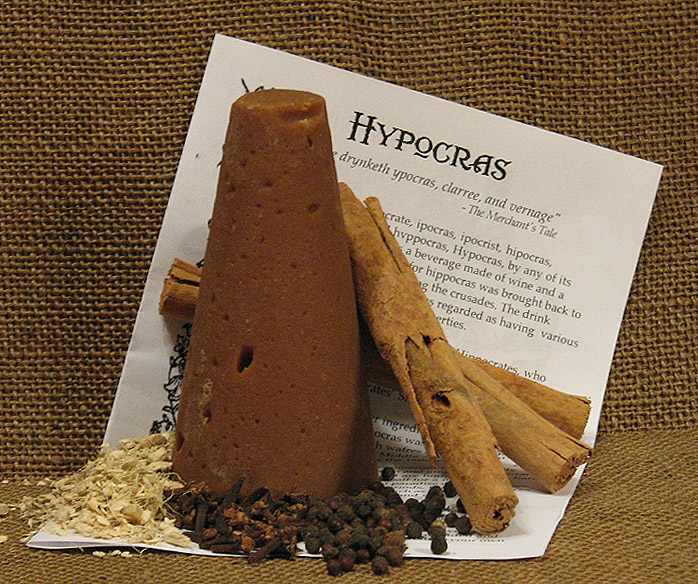 In the later middle ages the hippocras, hypocras (ipocras) or mulled wine became an important part of the last course, the desserte. This consisted of cheese, candied fruits and light cakes, which were often served together with a sweet wine like malvasia (malmsey) and other such wines, which originally came from South-Eastern Europe. Except, of course, these wines were highly prized and more often than not simply substituted by an artificially sweetened concoction, the hypocras
The first recipe for making hypocras is from the 13th century and can be found in the Tractatus de Modo. At that point the drink was called a piment or pimen. However from the 14th and 15th centuries several recipes are known. Here is a recipe from the Menagiér de Paris from the late 14th century [2] on how to make “hippocras”.
To make hippocras powder pound together (app)
For 1.8 litre of wine the Good Wife was ordered to mix it with 15 – 20 gr of this mixture plus 250 gr of sugar.
But if she was preparing a hippocras as served in Bésiers, Carcasonne or Montpelier she was recommended to pulverize 20 gr cinnamon with 12 gr white ginger and all together 5 gr of clove, grains of Paradise, mace, galingale, nutmeg and spikenard “more of the first and then less and less of the others as you go”. This should be mixed with 500 gr of sugar. Put some of the sugar and some wine to boil and mix it with the spices. Then strain it as many times as is necessary until it comes out clear and red. “Nota that the tastes of sugar and cinnamon should dominate”.
This sound as a rather sweet mixture, but we all know that the further south in Europe you travel the sweeter cakes seem to be.
 In the later Middle Ages small bags of the spices meant for making hippocras or mulled wine could be bought ready-mixed in the markets. (As they may today in December at all street -corners).
However, from later cook books we know of a plenitude of recipes for different types of hippocras very much like the one, which the “Good Wife” was ordered to serve to her elderly husband. Apparently, any good housekeeper knew how to make her own mixture. Here is one with cardamom added [2]:
Mix it with 2 dl wine and 100 gr of sugar and set it to boil for five minutes. When cold, strain it and mix the rest of the bottle of wine into the strained liquid. Together this mixture is then poured through the cloth with the spices.
Another recipe describes a mixture consisting of
Here the spices are supposed to be mixed with some of the wine and just set aside for a day, when the rest of the wine should be added. This should be left standing for yet another day, after having been strained, the wine should be carefully warmed up with sugar.
The recipes do not say whether they should be served hot or cold. Probably it depended on the weather and the doctor’s order.
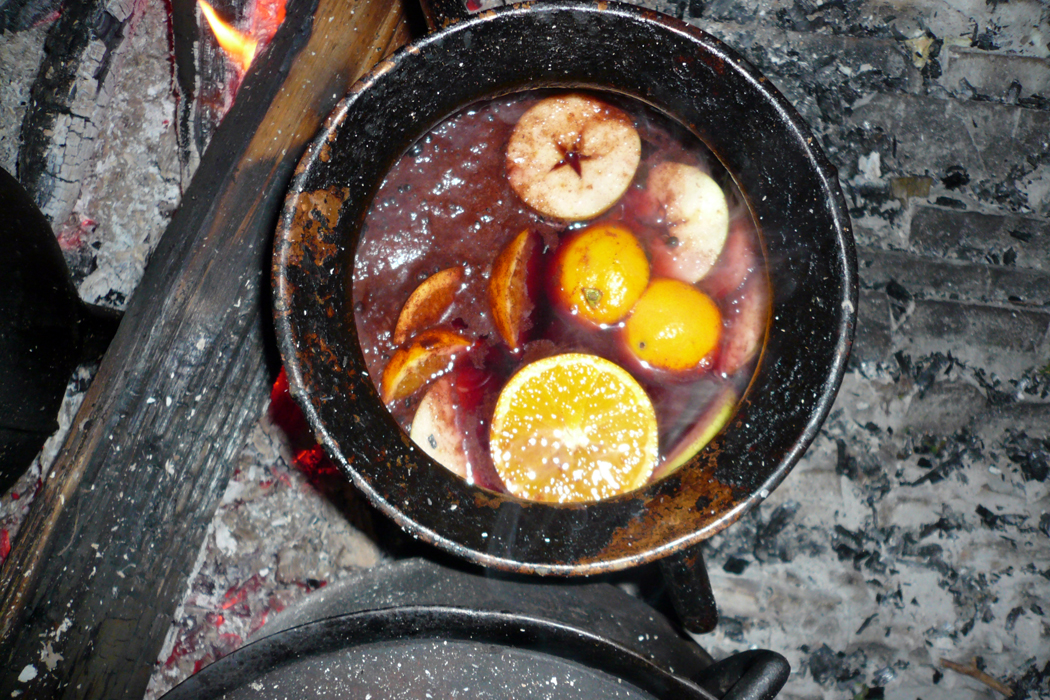
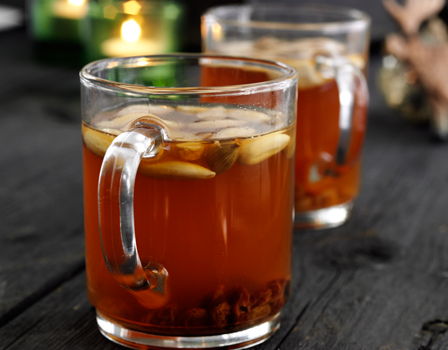 A very nice modern version is to mix and bring to boil
As soon as it boils the mixture should be taken off the stove and set aside for 1 – 1 ½ hour. Strain the mixture and heat it. Can be mixed with a finely chopped apple, chopped almonds and/or chopped dried apricots or plums. Nice for children (non-alcoholic). And Really nice laced with Calvados (apple brandy)…
Tip: If you are preparing a large batch for a party with friends and family, it might make sense to make a spicy syrup by placing the spices in a teabag and cook them with half and half of honey (sugar) and juice (wine). This is what we do…
[1] From: Apicius: history of incorporating a cookbook on Early Middle Ages (the 8th and 9th centuries.)
By Wanessa Asfora.
[2] The Good Wife’s Guide. Le Ménagier de Paris. A Medieval Household Book.
Translated by Gina L. Greco and Christine M. Rose
Cornell University Press 2009
The recipes can be found on pp. 329 -30
[3] The recipes are from: Renæssancemad. Opskrifter og køkkenhistorie fra Christian 4’s tid. Gyldendal 2006, p. 144 – 145.
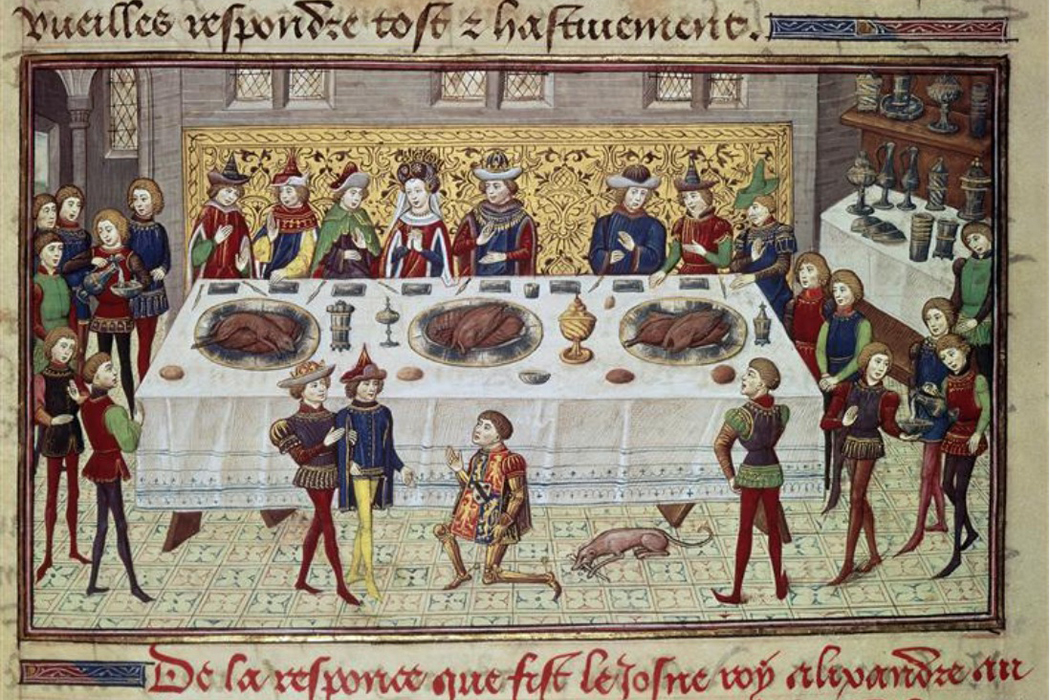
Le Livre des conquêtes et faits d’Alexandre was made for the Duke of Burgundy, Philip the Good (1396-1467) . It is preserved in the Musée du Petit Palais.Source: Pinterest
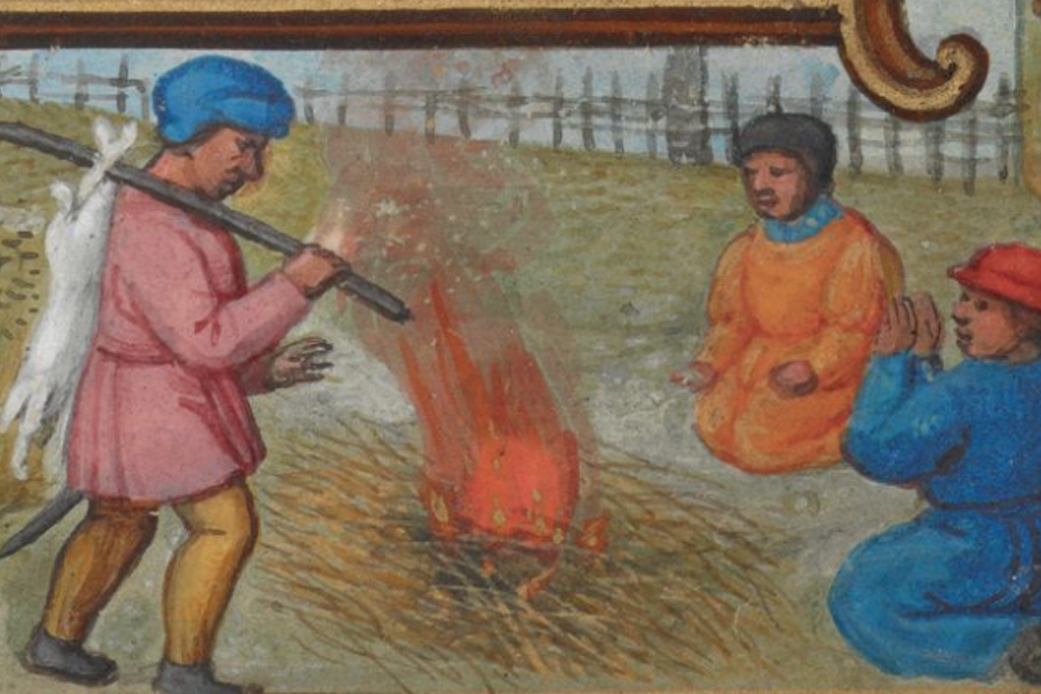
Tandry Whigs are soft buns served on St. Andrew's Day on the 30th of November. The modern version has medieval roots. Here is a recipe.
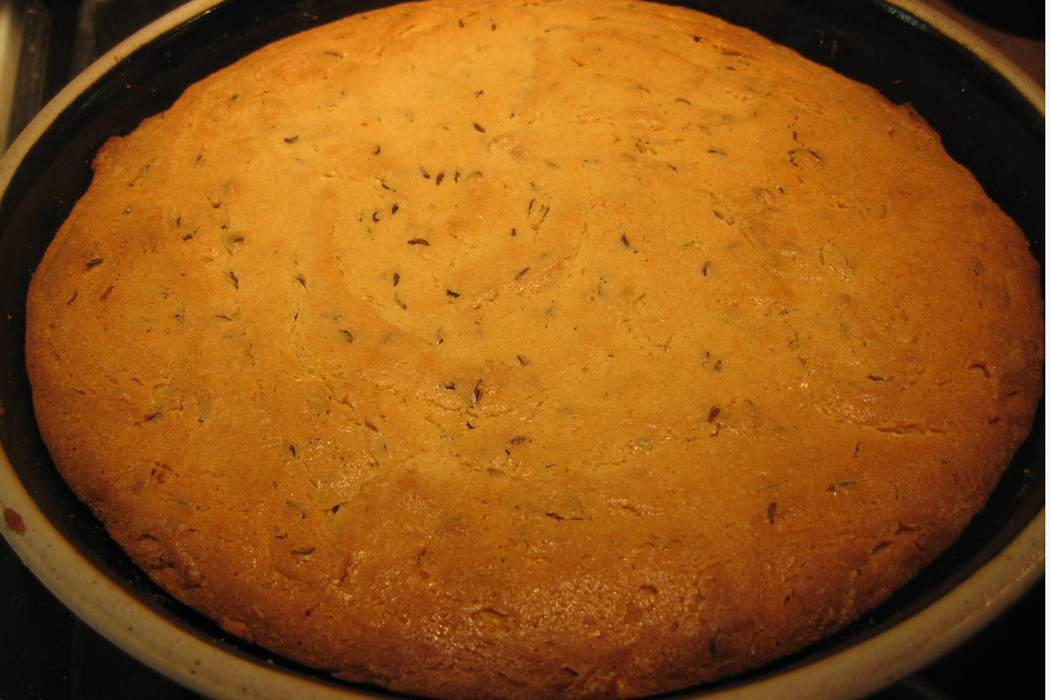
It is pretty obvious that the food eaten at the battlefield of St. Crispin’s eve in 1415 were not the delicious seed-cakes, which were traditional fare at the end of October when sowing was finished. But dreamed they must have done...
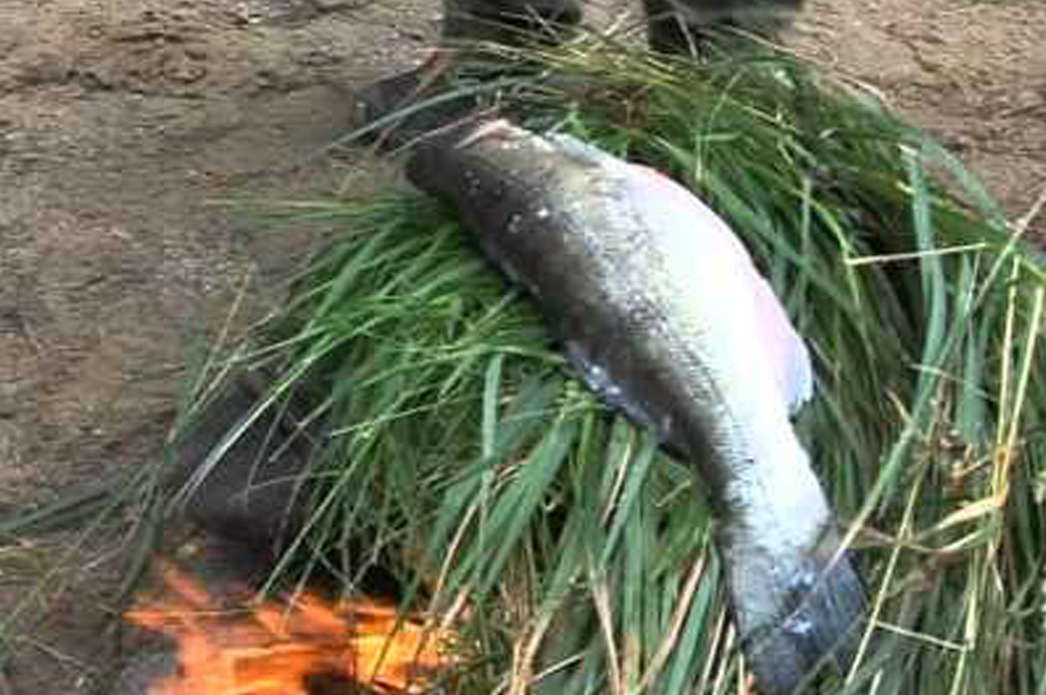
Fish filled with nettles and grilled over a blazing fire were on the menu in medieval Caravate near Lago Maggiore
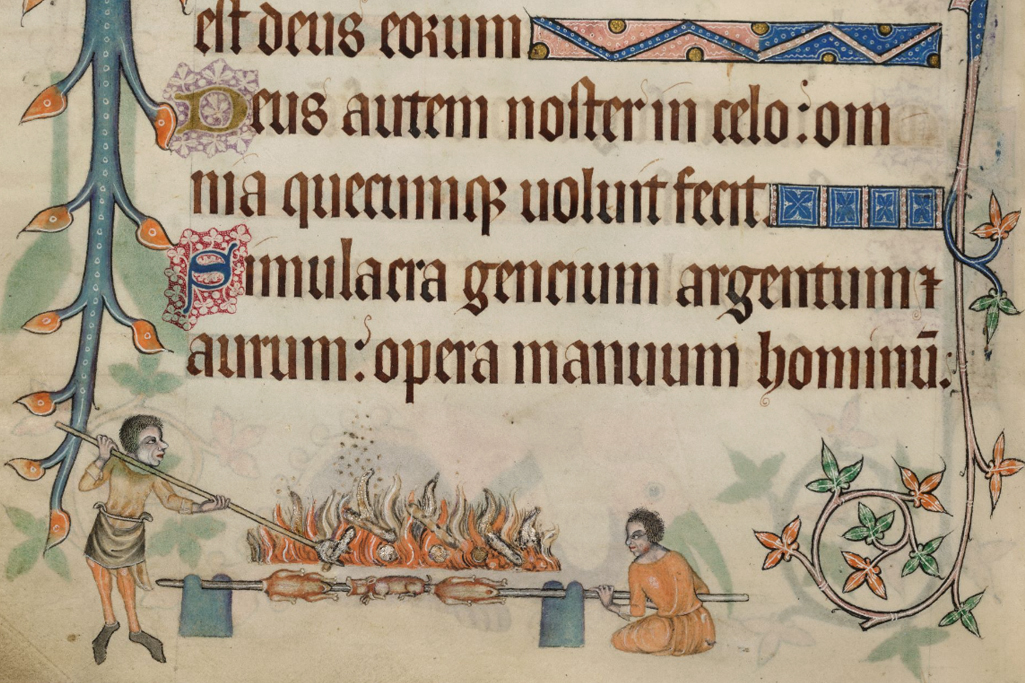
Martinmass is celebrated the night before by merrymaking and feasting. Since the middle ages roast goose has been on the menu east of the Rhine
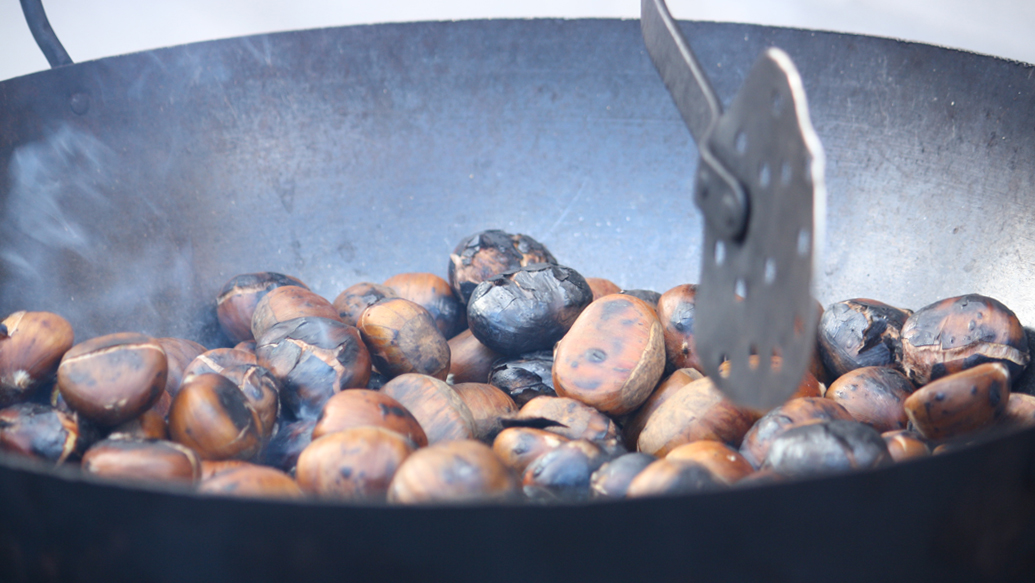
Here are the recipes for cakes of all sorts, which seem to have been part of the early celebrations of All Saints and All Souls
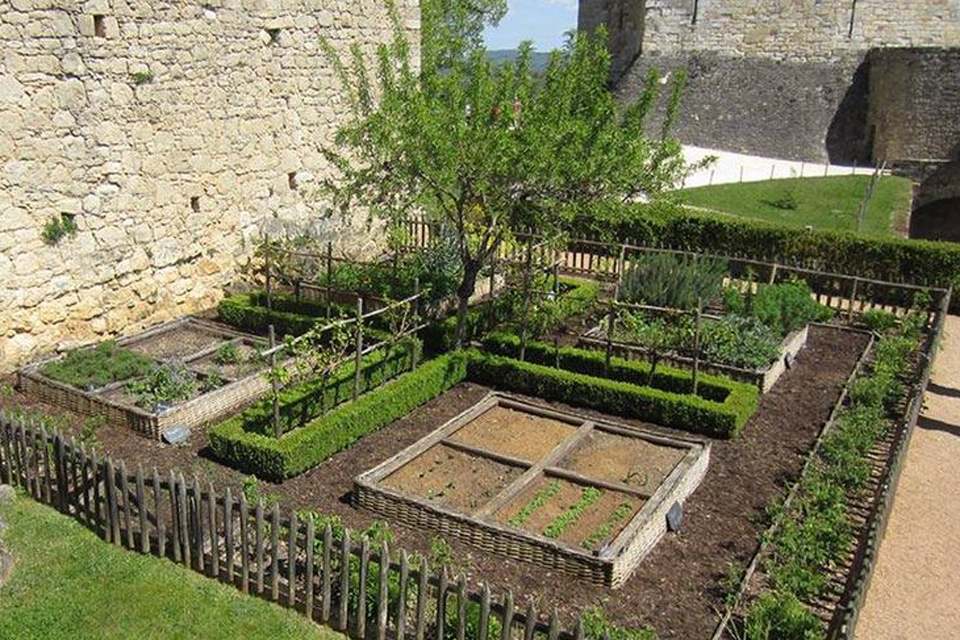
RESEARCH: Cathar Montaillou was excavated from 1998 - 2004. Charred remains of spinach were found in the hearth...
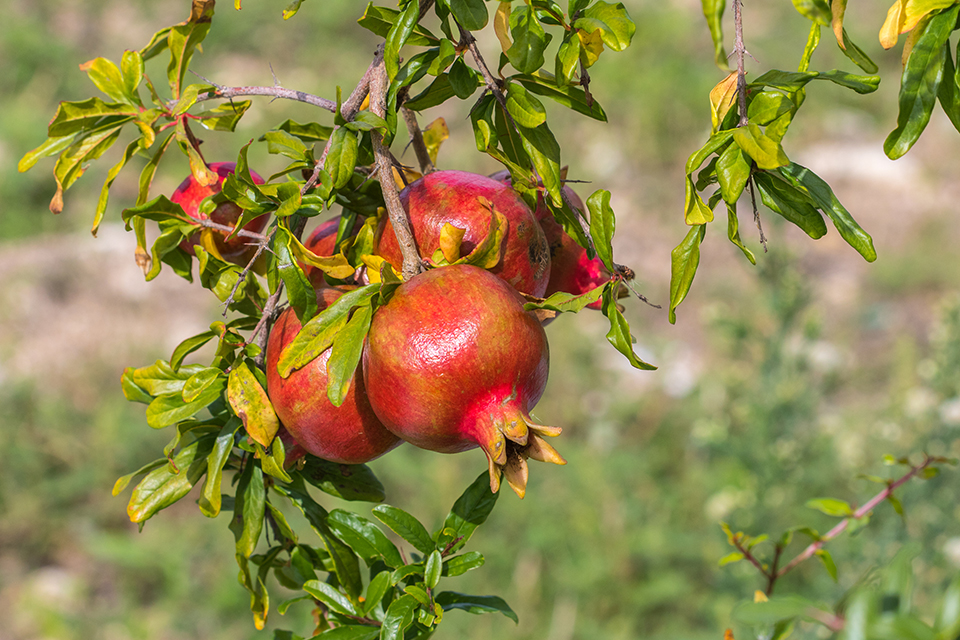
Pomegranates were a medieval luxury and may have inspired a famous royal dress from ca. 1400, which belonged to the danish Queen, Margaret I