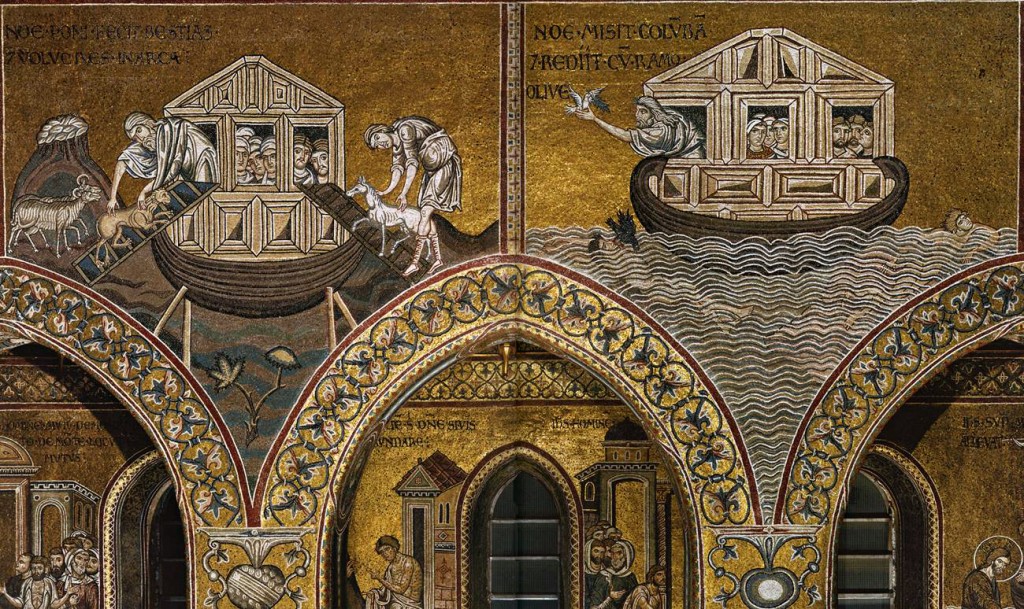
The visual aesthetic and the moral stance of Noah, the film, is obviously inspired by medieval maps of the ancient world ..
‘Medieval Histories’ offers medievalists all the news about exhibitions, books, research, archaeology, travel-tips and much more from the Medieval World
The visual aesthetic and the moral stance of Noah, the film, is obviously inspired by medieval maps of the ancient world ..

We are used to think of the bible as a book. However, in the Late Middle Ages, the Bible came in many disguises: performed as liturgy, music or plays; or mediated through sermons, images or ceremonial objects

Is one of the hidden jewels in Rome - Palazzo di Spada - being destroyed in order to make way for a carpark?
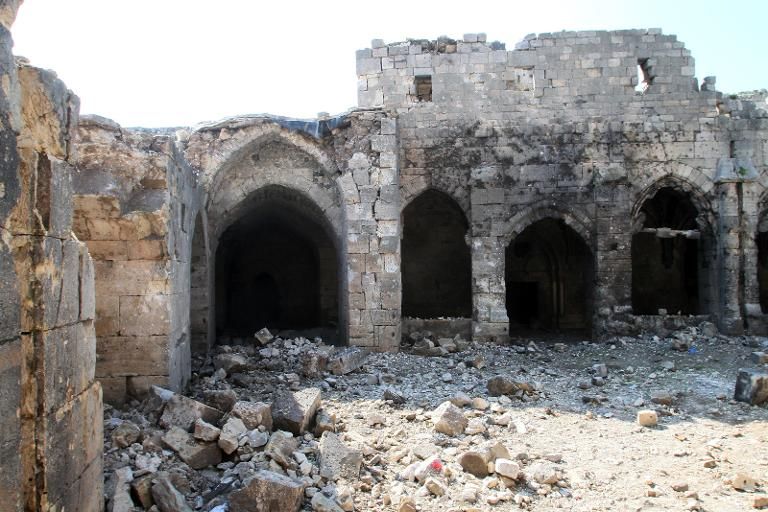
Government troops in Syria have recaptured the historic Crusader Castle, Crac des Chevaliers...
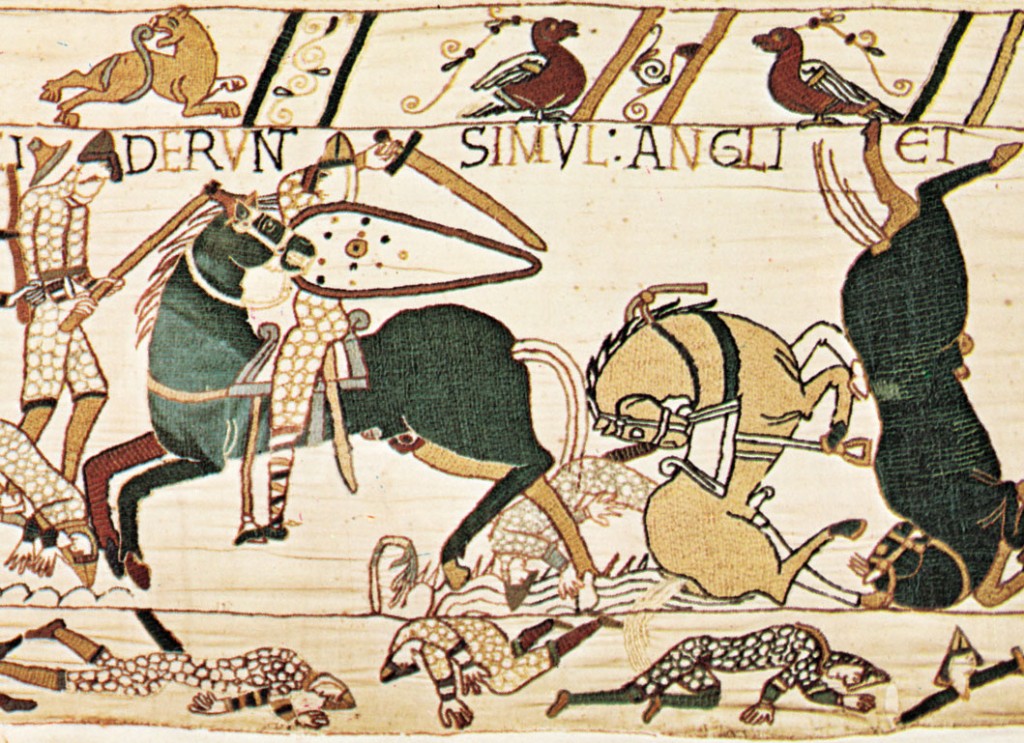
The Bayeux Tapestry: New Approaches presents a series of papers with quite new reflections on the enigmatic embroidery
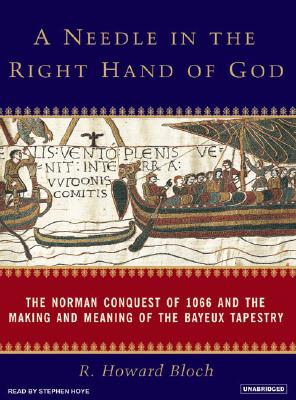
Yale professor R. Howard Bloch reveals the history, the hidden meaning, the deep beauty, and the enduring allure of the Bayeux Tapestry
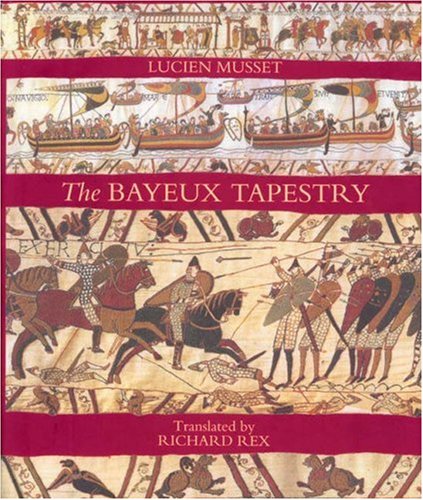
The Bayeux Tapestry by Lucien Musset, presents his reflections and understandings of this masterpiece
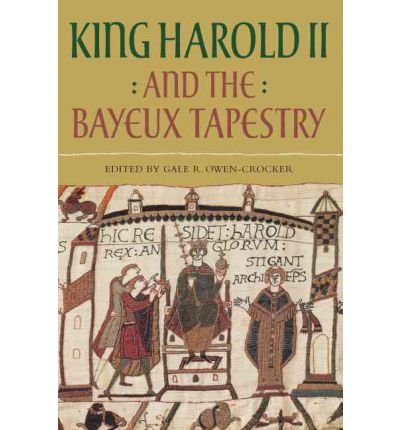
This book presents a series of papers, which try to shed new light on Harold Godwinesson and the Bayeaux Tapestry
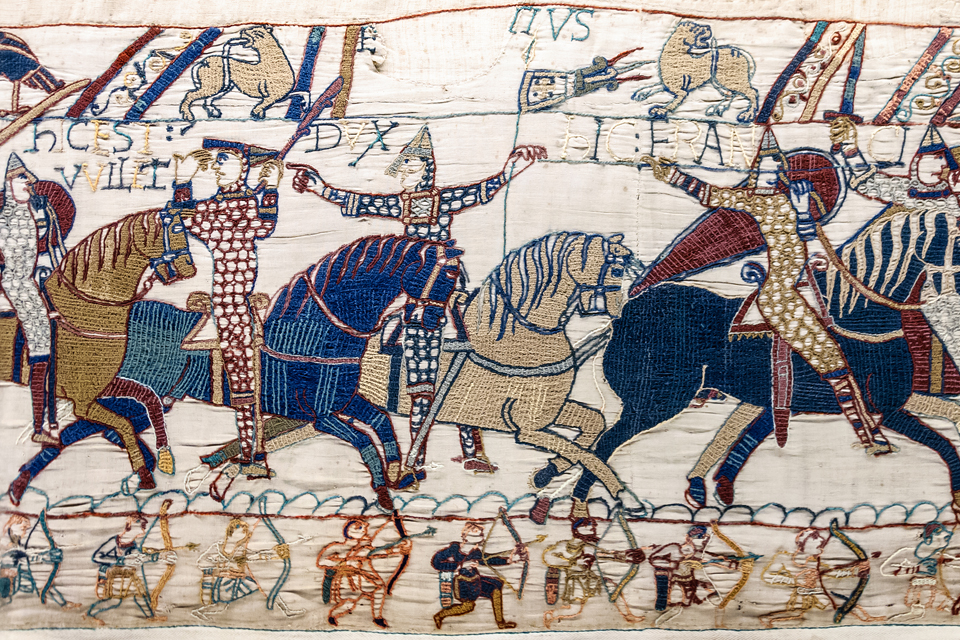
Michael Lewis explores to which extent the artifacts in the Bayeux Tapestry reflect the material culture of the Normans and Anglo-Saxons around 1066

In this book George Beech presents his hypothesis that the Bayeux Tapestry was made in Saumur and not England
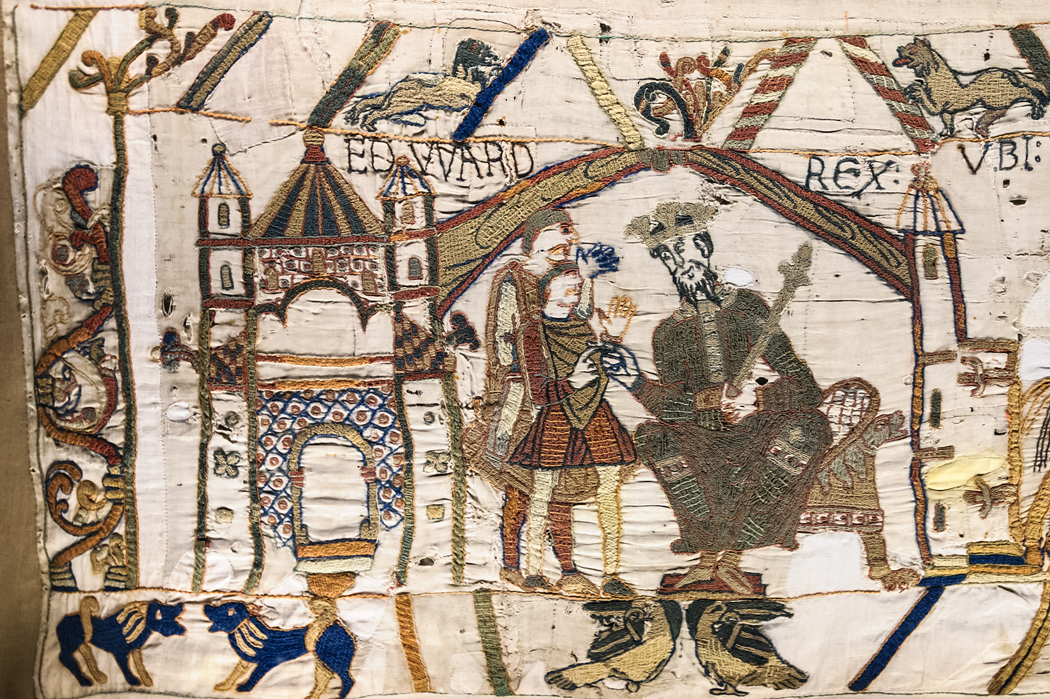
This book makes available to the wider public the fruits of research carried out over the past twenty years by some of the most eminent of Bayeux Tapestry scholars
Emily Albu examines the myths and literary strategies of the historians, which they employed, to expose and explain the wolfish predation at the core of Normanness

In this book Carola Hicks tells the vivid life story of The Bayeux Tapestry as it unfolded through the centuries

Does it pay to tell the real history about the Cathars to Cultural Tourists? Not really! And politically, it is silenced
Favor of Friends is a new book about intercession and aristocratic politics in Carolingian and Ottonian Europe by Sean Gilsdorf,
There have been many books about the Vikings, but few that see them from their own point of view. Most accounts rely heavily on the records of prejudiced observers (who saw the Vikings only as savage raiders) or the archaeological record, which tells us much about their material culture but little about their values.
This classic book reveals how the Vikings saw themselves: portrayed in their own writings or in the reports of people who knew them closely. Using a series of translations from primary sources including runic inscriptions, literary works, rare historical accounts and eye-witness reports, this book brings the Viking world to life.
The book looks at the problems the Vikings encountered in discovering, populating and cultivating new lands and the difficulties of keeping law and order. It also reveals their popular culture, for example their approach to the gods and the supernatural.
R.I. Page was Emeritus Elrington and Bosworth Professor of Anglo-Saxon at the University of Cambridge and a Fellow of Corpus Christi College. He was a noted authority on Anglo-Saxon runes and Norse literature and was the author of numerous books including An Introduction to English Runes (Boydell & Brewer), Runes (Reading the Past series) and Norse Myths.