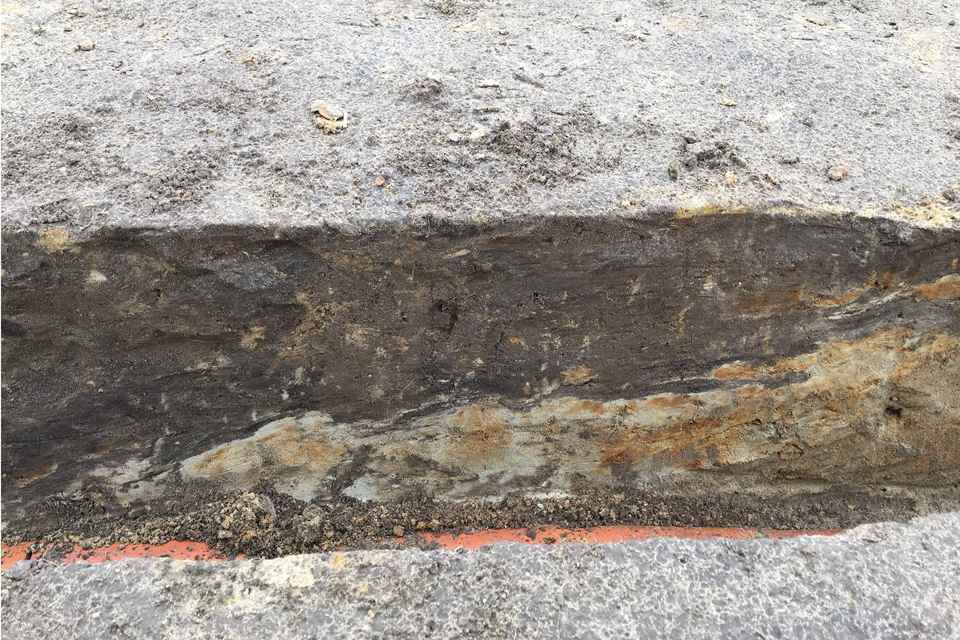
For the first time in more than a hundred years, archaeologists are uncovering what is definitely a buried Viking ship.
‘Medieval Histories’ offers medievalists all the news about exhibitions, books, research, archaeology, travel-tips and much more from the Medieval World
For the first time in more than a hundred years, archaeologists are uncovering what is definitely a buried Viking ship.
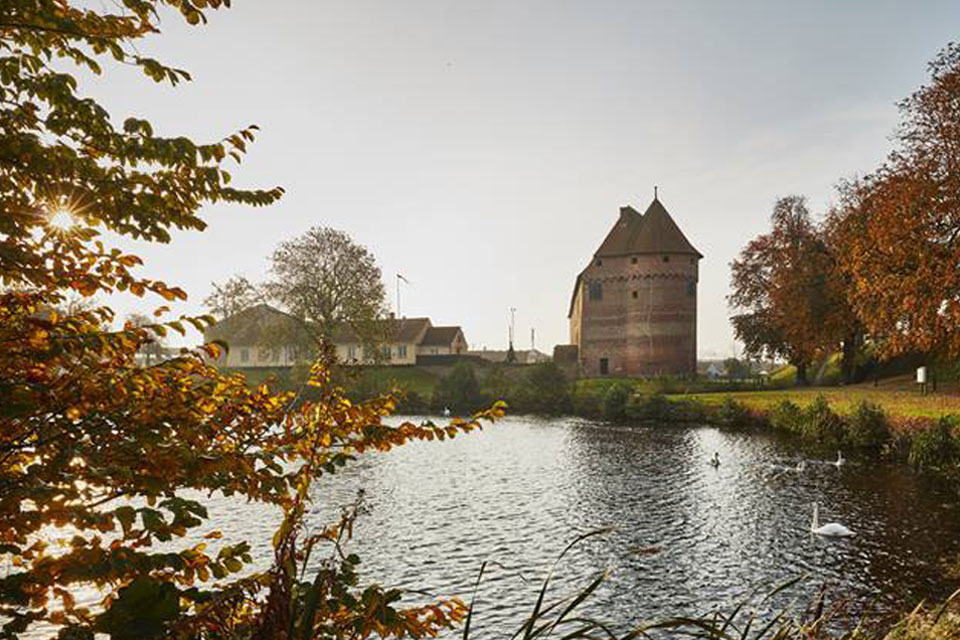
An intrusive new construction threatens to completely dominate the preserved wing of Nyborg Castle, home to the first Danish Parliament. Should we let architects loose on this precious medieval heritage, ask opponents?
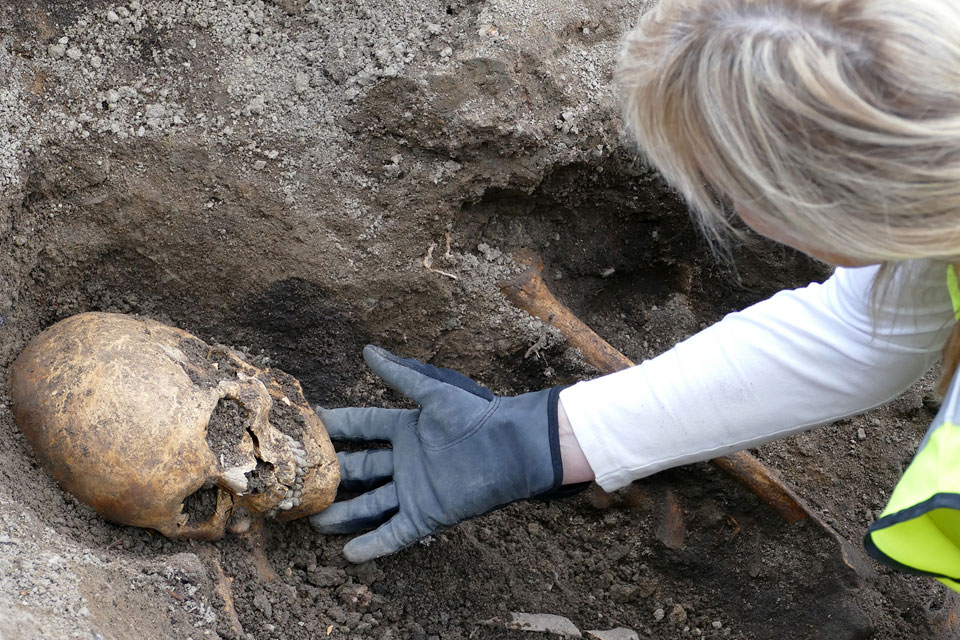
Two rare Viking boat burials are currently being excavated in Uppsala, the old political and religious centre in Sweden from c. 550 - 1000
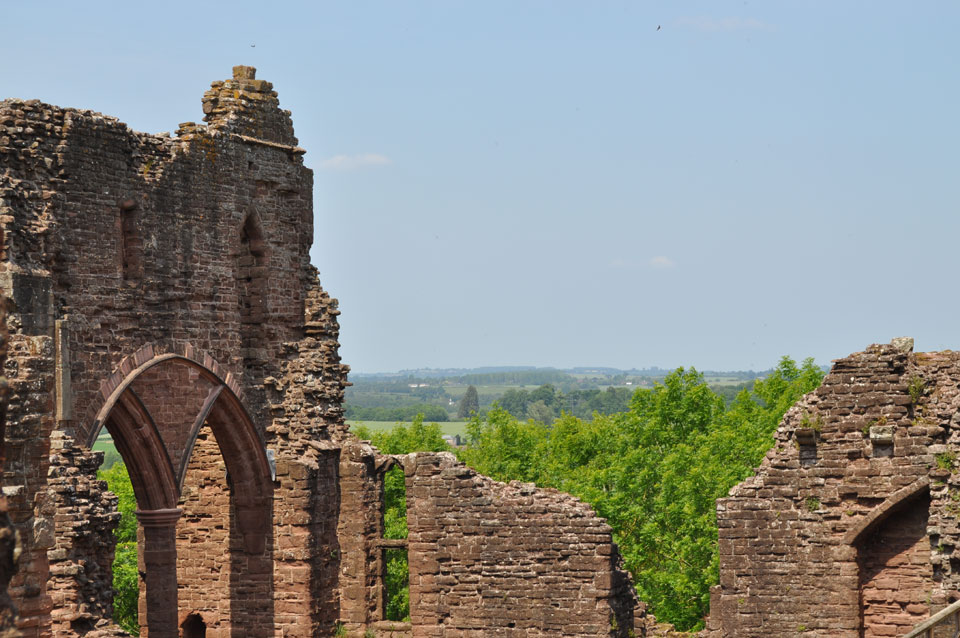
Castles are for boys. Overwhelmingly the tourism industry makes these sites available as playgrounds for the gendered stereotypes of wannabe knights and admiring and blushing damsels. How should we remedy this state of affairs?
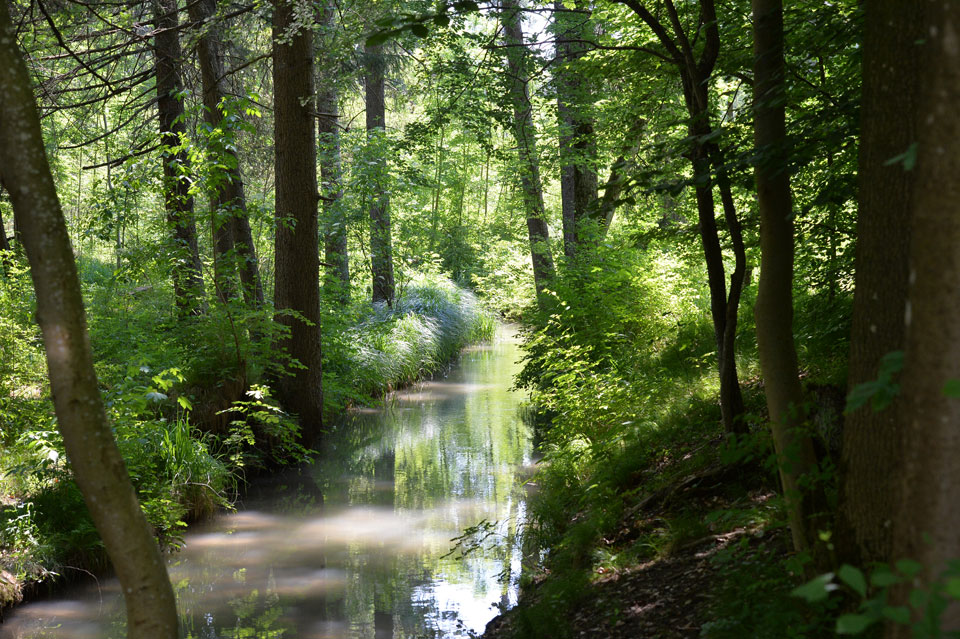
Augsburg boasts of one of the first water management systems installed since Roman Antiquity. Built int he 13th century, it is now listed as World Heritage
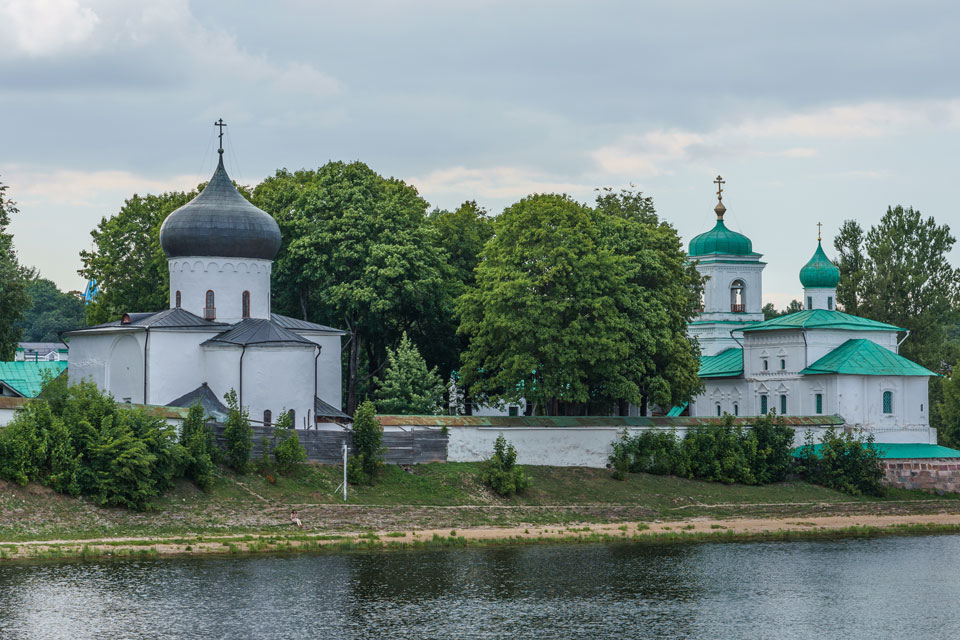
Pskov is located 20 km from the border of Estonia. Likely, the listing of the churches and monasteries in the ancient principality of Pskov reflects the geo-political interests of Putin's Russia
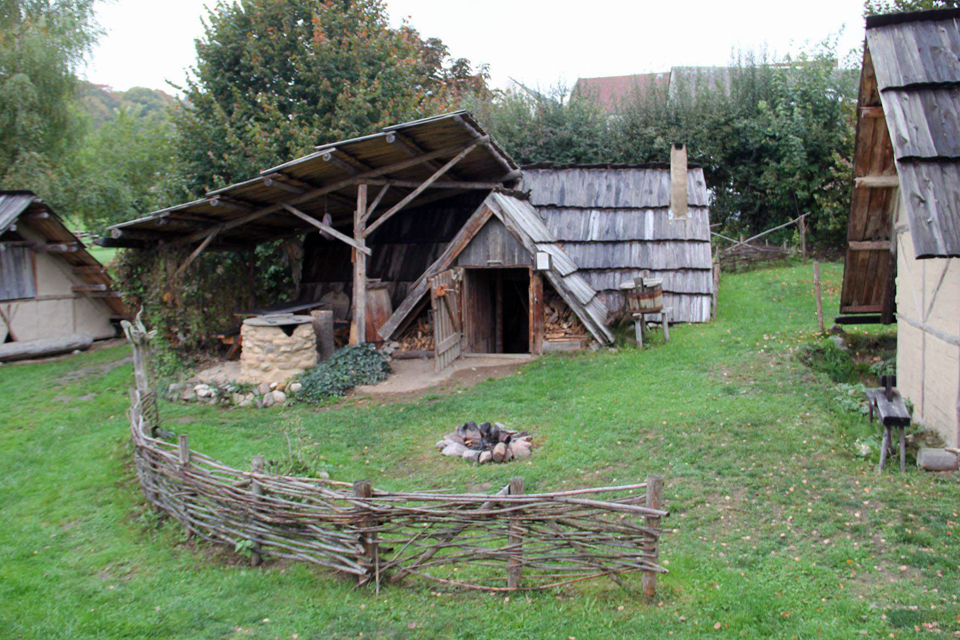
Erzgebirge/ Krušnohoří is a distinct Mining landscape in the border region between Germany and Czechia
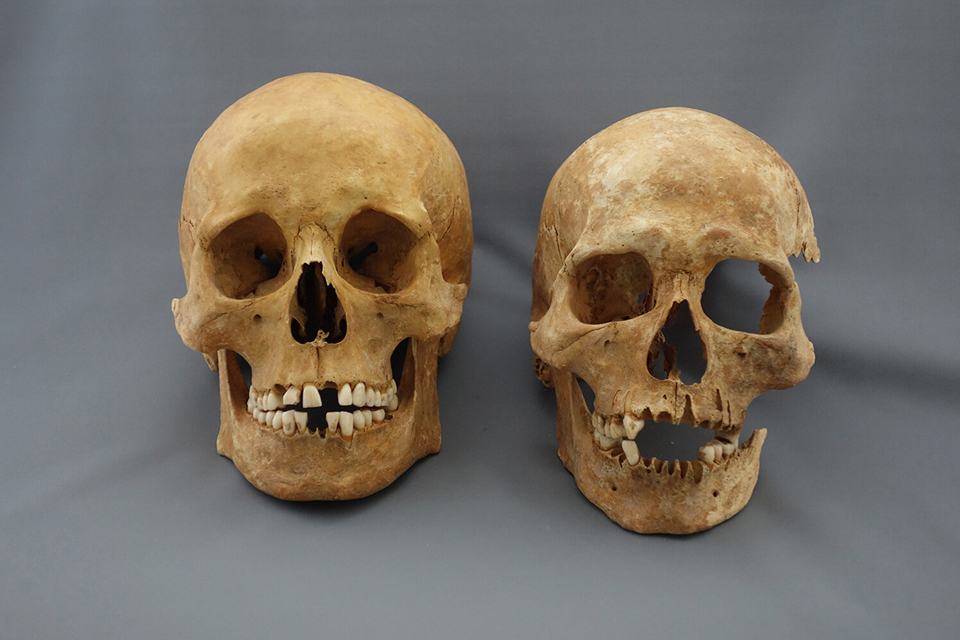
How widespread was the Justinian Plague in the 6th century? And how devastating? New research indicates a situation much like that of the Later Middle Ages.
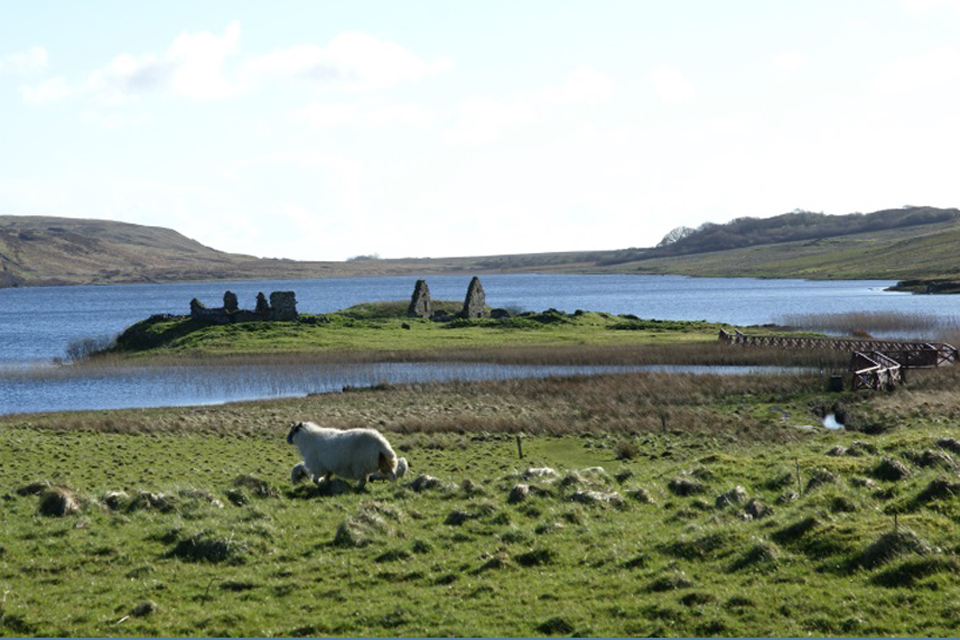
The lost medieval home of the Lords of the Isles has been reconstructed virtually by experts at the University of St Andrews.
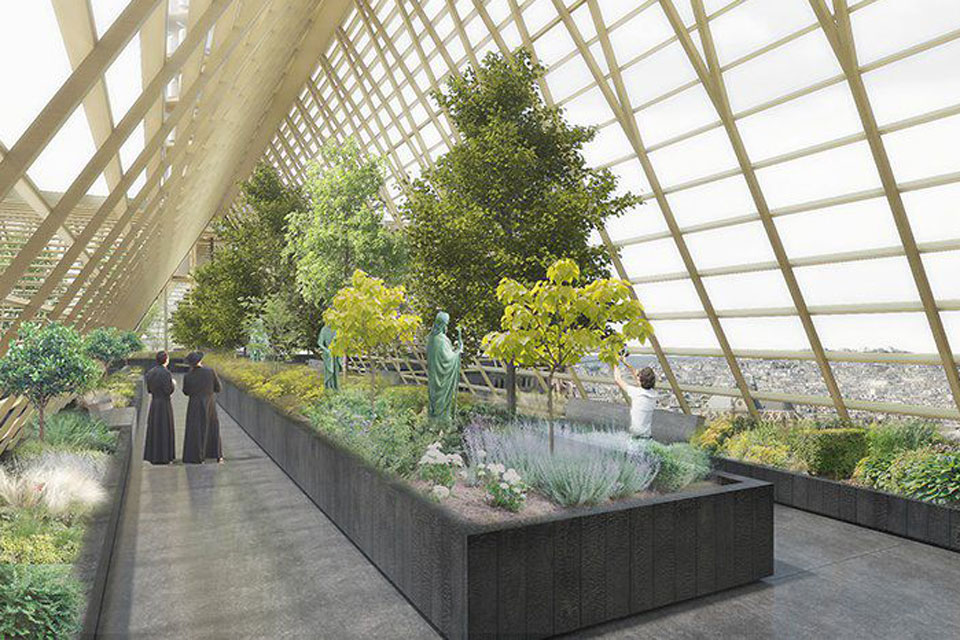
The fire had not been extinguished, when President Macron announced his will to have Notre-Dame rebuilt inside five years. Medievalists are concerned.
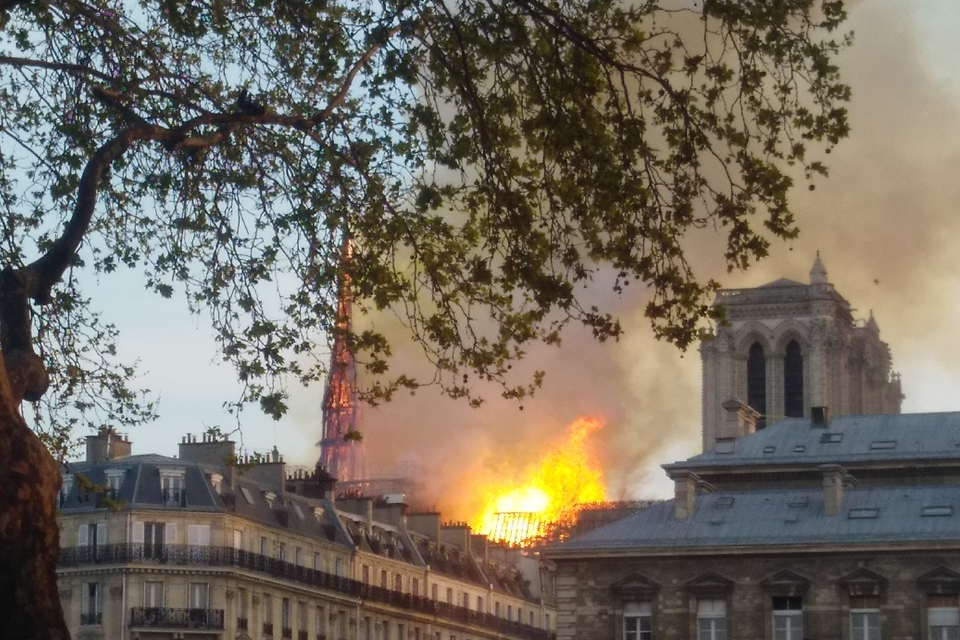
Last night an incendiary firestorm swept through the roof of the cathedral of Notre-Dame in Paris. What is the history of this iconic building? And how do we move on?
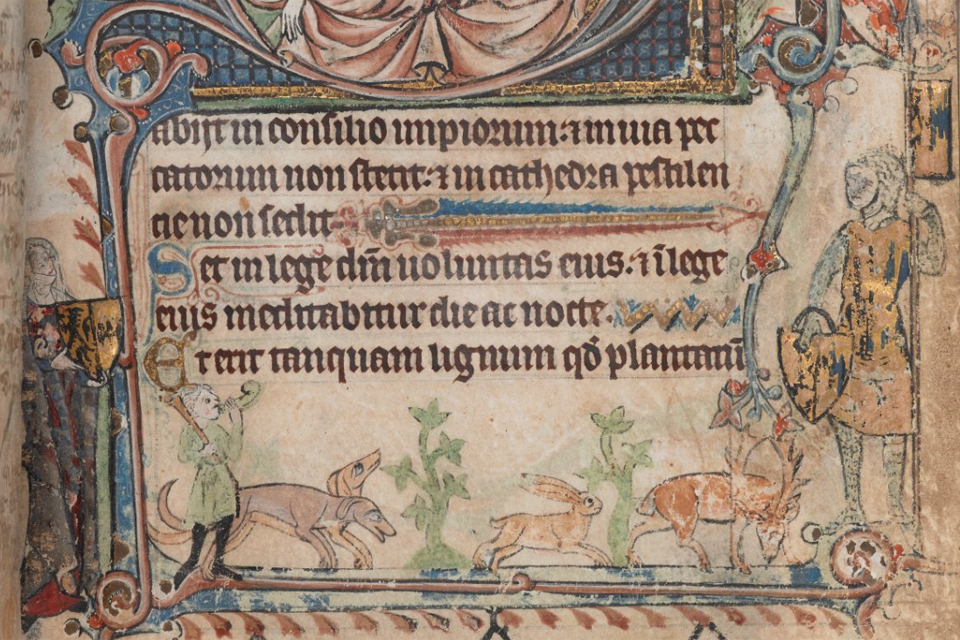
About 200 years ago, a London book-dealer split in two a liturgical handbook from the late 13thcentury. While the Percy Psalter ended up in the British Library, the Percy Hours remained in a private collection. Now reunited, the beautiful manuscript will be displayed later this year.
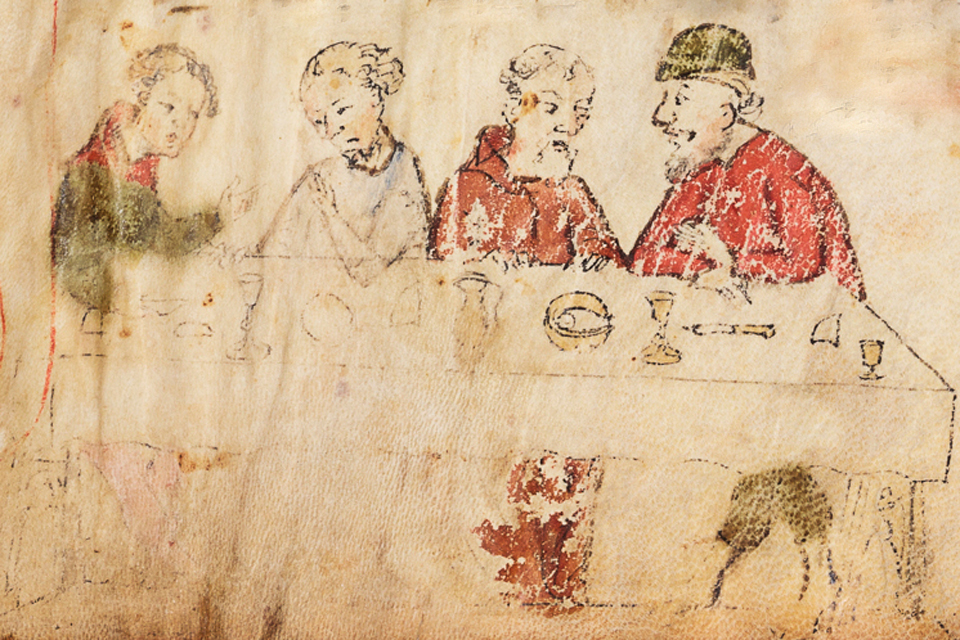
The Lombard Haggadah has been preserved in a private collection for more than hundred years. Recently put up for sale, there is this upcoming week a unique possibility for New Yorkers to enjoy the Gothic manuscript.
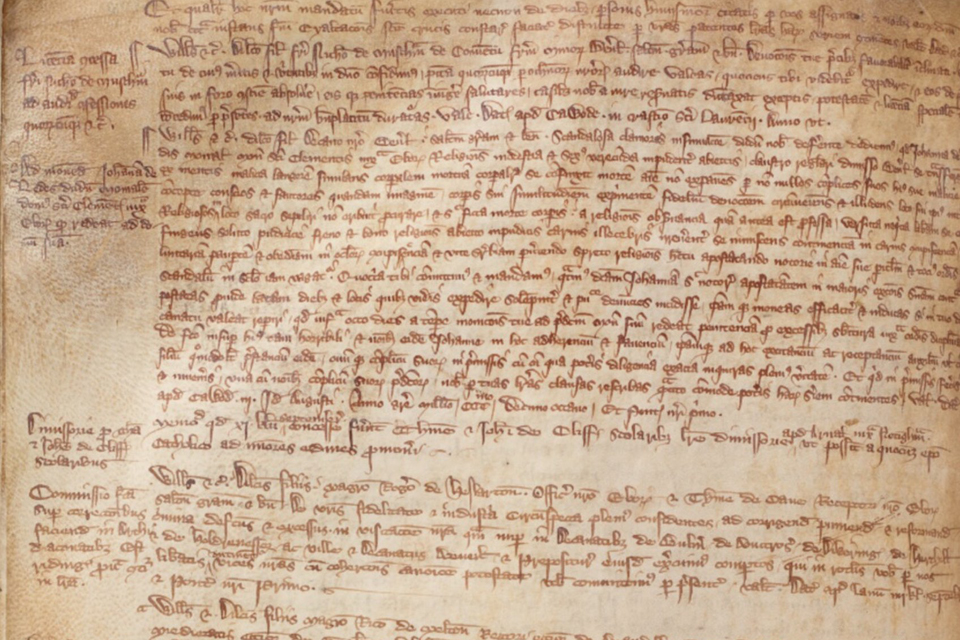
The Northern Way is a research project exploring the political Role of Archbishops of York from 1304–1405
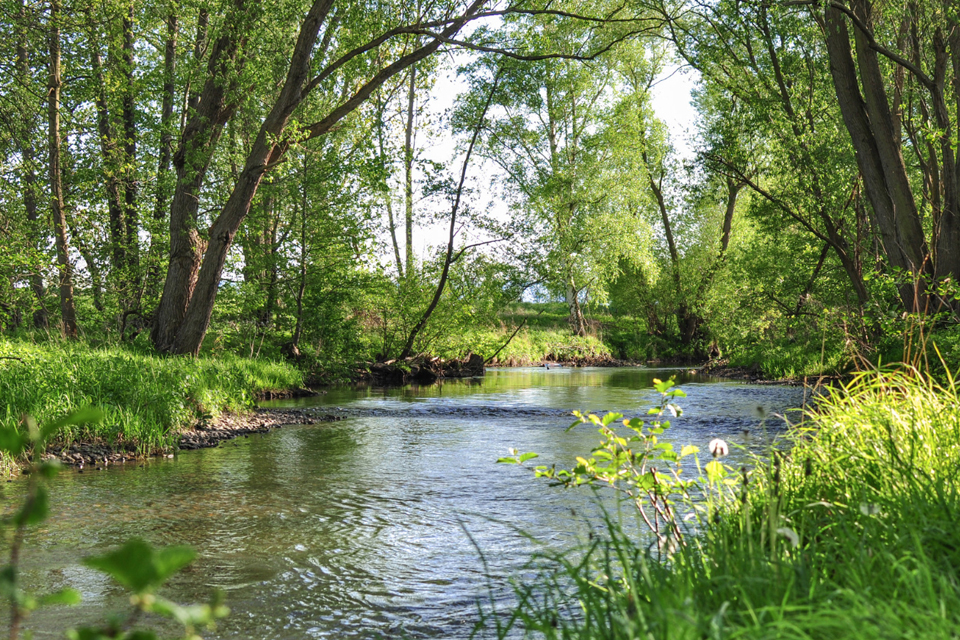
Quedlinburg is mentioned for the first time in 923, when Henry I confirms a donation to the Bishop of Würzburg. However, the story reaches back into the Early Middle Ages.
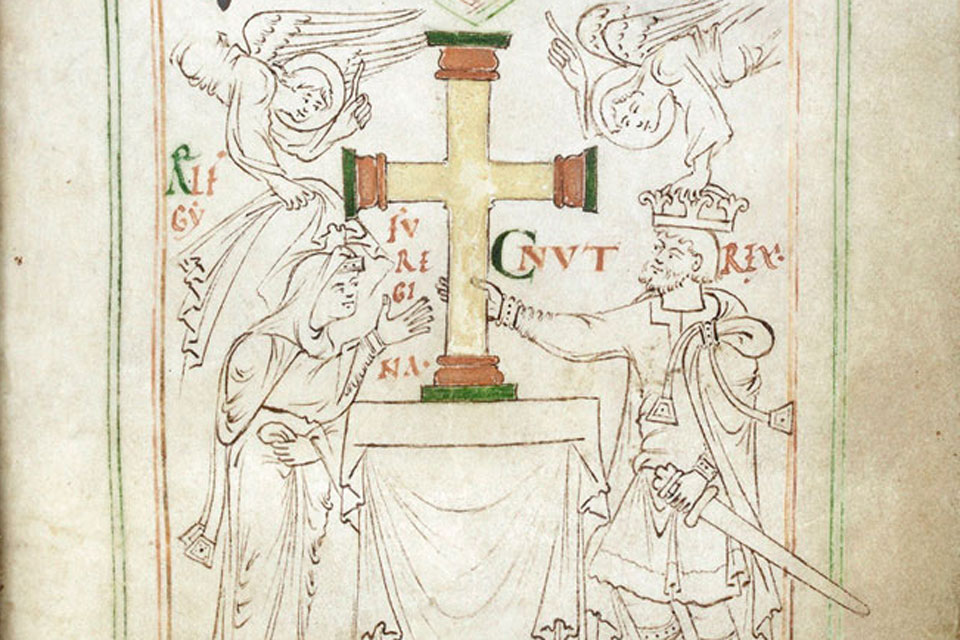
A new project by designer Jim Lyngvild aims to visualise our Viking kings and queens. But what did they really look like?