‘This is a hammer’ says the Runic inscription on an amulet - a Thor's Hammer - which an unknown Viking lost on one of the small islands in Southern Denmark.
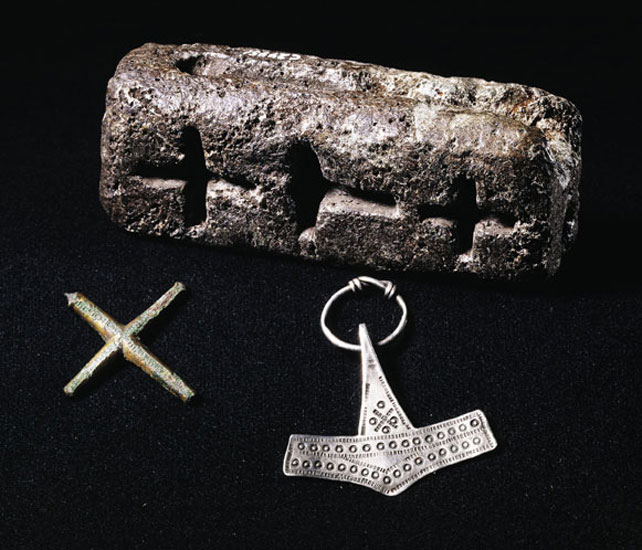
‘This is a hammer’ says the Runic inscription on an amulet - a Thor's Hammer - which an unknown Viking lost on one of the small islands in Southern Denmark.
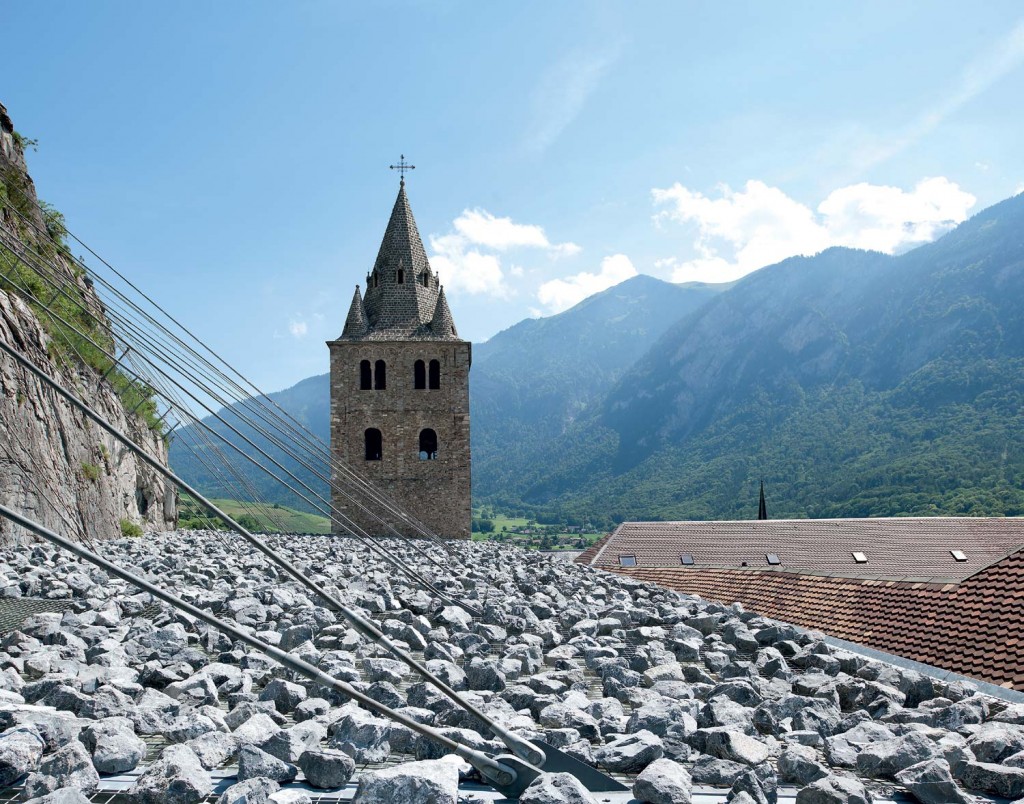
Around 300 a rebellion broken out in what is currently the Western part of Switzerland. As the story goes, a legion of Roman soldiers from Egypt was transferred to the region in order to crush the revolt. On the night before battle the emperor Maximian issued the usual order that the whole army should offer to the Roman Gods. The challenge was that the soldiers in the so-called Theban legion were Christians. After repeatedly having refused to comply with the command, the emperor ordered a decimation. Following this every 10th man was put to death; at the same time an additional decimation was declared to take place if the soldiers, who were still alive, did not give in. In the end it is claimed that 6600 soldiers in the Theban legion refused to take part in the sacrificial rites and were martyred. This is primarily said to have taken place at Aquanum at an old toll-station on the upper Rhone, where the river meanders through a narrow gorge. Whether a legend or not, the story very early on caught the imagination of the men of the Late Antiquity. One of these was Eucherius, who visited the site in the first part of the 5th century and wrote about it a letter. Here he told the story in detail of how a bishop, Theodore of Octodurum, had a vision of where to find the remains of the martyred soldiers.
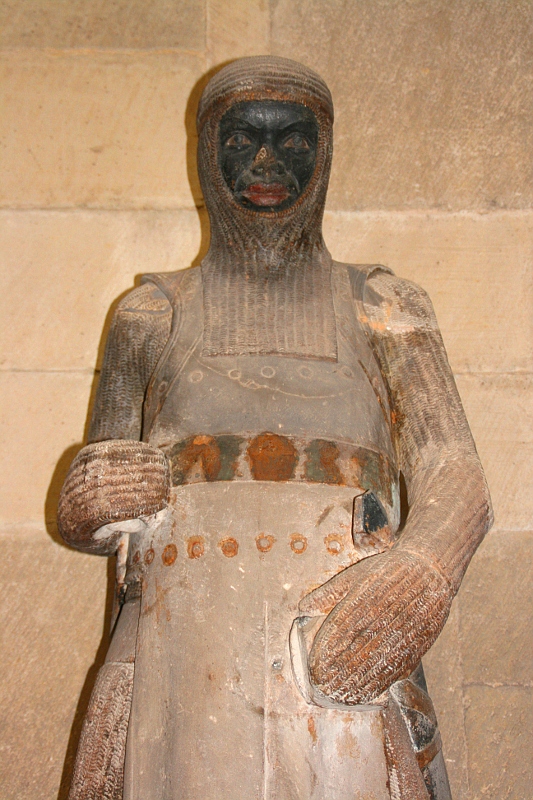
There are many reasons to believe that the legend about the Theban legion and its martyrdom was invented by this Theodore around 380’s, when there was a frenzy to discover saints and martyrs galore, while at the same time a pagan resurgence in the Roman army was taking place (around 390 AD). Nonetheless, whatever the facts and fiction, the story quickly caught the imagination of locals as well as bishops, and very soon a thriving centre for pilgrimage was erected on top of an earlier Roman sanctuary dedicated to Celtic water nymphs. When Eucherius visited the site, he noted that the earliest basilica, where the martyrs were buried, was already endowed with silver, gold and precious art and famous for its miracles. Probably the first sanctuary was cared for by a double institution, both male and female. In the earliest writing s we get an impression of a somewhat boisterous place: at the same time both local sanctuary, post-station for travellers and pilgrims and toll-station for merchants moving between Gaul, Germany and Italy. In the beginning of the 6th century – Saint-Maurice d’Agaune came to play a slightly different role as it was reformed by the Burgundian king, Sigismund († 524). His father was an Arian; however as a student of Avitus of Vienne he converted to Catholicism. Together the two men, king and bishop, turned the place into a highly evocative and symbolic site. Architecturally they rebuilt the basilica and reorganised the site by adding a series of other buildings to it. Further a new liturgy – Laus Perennis – was introduced to fill the place with eternal song. Later, after Sigismund and his family had been murdered, his remains were translated to the church, where he became venerated as the first royal saint in Western Europe. This contributed to cement the site as a both a royal and religious centre. In due course it came to present a format for other large monasteries, e.g. St. Denis in Paris. Later in the 9th century, after a group of Augustinian Canons had taken over from the monks, the place was once more imbued with a certain aura, when the second Burgundian Kingdom was established. Since then it has continuously functioned as both a local religious centre and a powerful political place, caring for the myth of soldiers, who did not desert, but instead believed it possible to be at the same time “in and out of this world”; as famously memorialised by Saint-Maurice in the speech, rendered by Eucherius:
“Emperor, we are your soldiers but also the soldiers of the true God. We owe you military service and obedience, but we cannot renounce Him who is our Creator and Master, and also yours even though you reject Him. In all things, which are not against His law, we most willingly obey you, as we have done hitherto. We readily oppose your enemies whoever they are, but we cannot stain our hands with the blood of innocent people (Christians). We have taken an oath to God before we took one to you, you cannot place any confidence in our second oath if we violate the other (the first). You commanded us to execute Christians, behold we are such. We confess God the Father the creator of all things and His Son Jesus Christ, God. We have seen our comrades slain with the sword, we do not weep for them but rather rejoice at their honour. Neither this, nor any other provocation has tempted us to revolt. Behold, we have arms in our hands, but we do not resist, because we would rather die innocent than live by any sin.”
Today the abbey is home to 53 regulated canons, who work amongst the local people as well as in the local college. Apart from this, the canons cater for the many pilgrims, which still visit the evocative place. The abbey has also been declared World Heritage. Another function is thus to cater for the many cultural tourists, who come to see the famous treasury and the archaeological site.
The 1500-year anniversary 2014-15
Archaeology at Saint-Maurice d’Agaune
The Treasury at Saint-Maurice d’Agaune
The textiles at Saint-Maurice d’Agaune
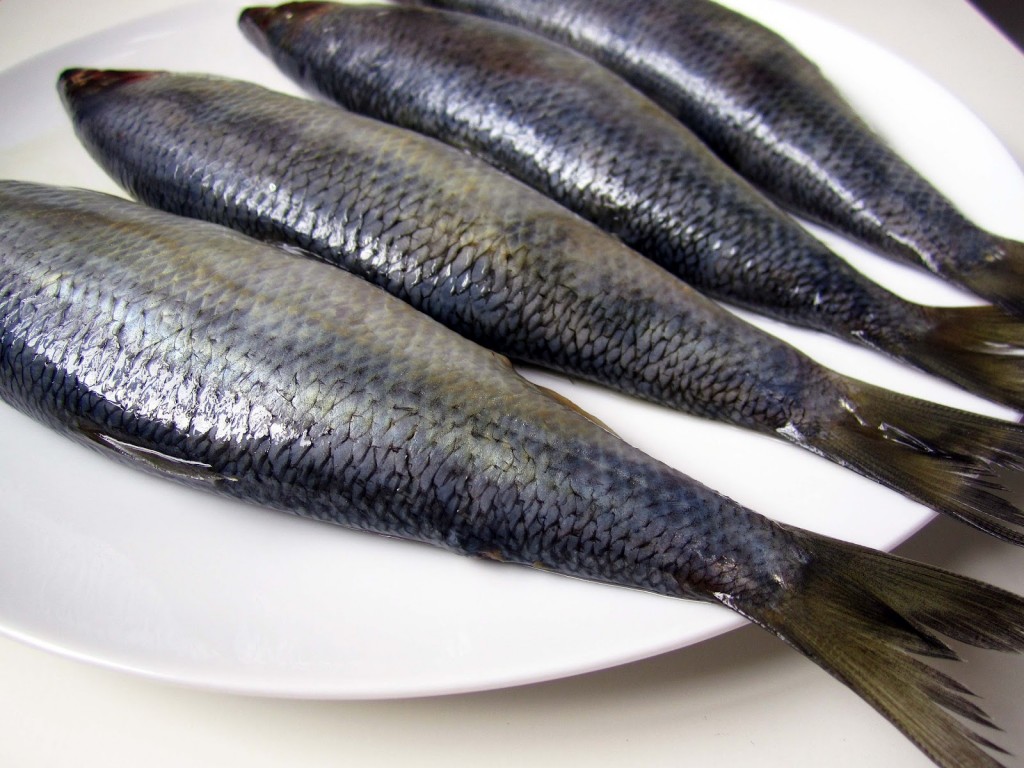
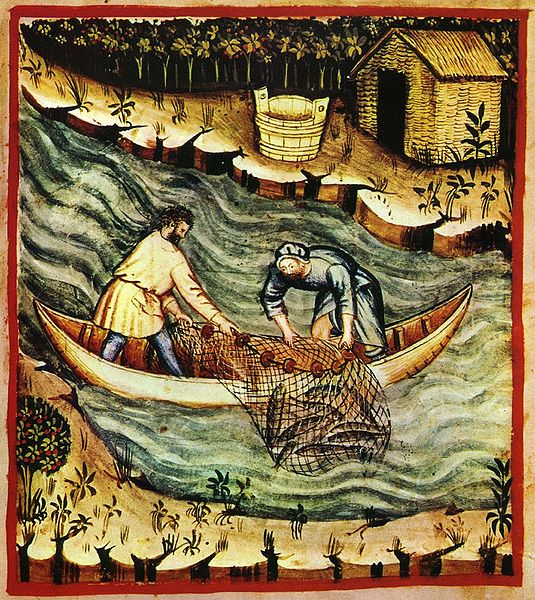 Bad is that land and not well graced, A wilderness it is and waste: Skywards its crags and peaks do soar, It snows and hails for evermore; A fearful and repulsive place. Its men both weird and wild of face. No peace they know, no quarter give. They pay no heed to how they live: They feed on fish, their meat is raw, Like wolves they tear at it and paw… They dress in untanned hides as well As if they come straight out of Hell. [1]
Fish deteriorates very quickly. Therefore, the best way to eat it is grilled on the beach (John 21: 9) or even raw, freshly fished. Even today, Danish connoisseurs may be seen walking the mussel banks in wintertime, enjoying raw mussels and oysters on the spot.
Jesus was of course the fisherman par excellence and the Apostles (his crew); and early on Jesus became symbolized by the sign of a fish (Ikhthus). Nevertheless the eating of fish gradually attained a somewhat dubious character after the year 1000, when the pattern of fish consumption changed dramatically. Fish was good – but not all fish and not everywhere.
One illustration of this comes from William of Malmesbury (ca. 1095–1143), when he recalled his great contemporary, the Archbishop Anselm of Canterbury (1033 –1109):
“Right up to the end of Anselm’s life his bodily strength and fervent piety continued unimpaired… he surpassed all the men we have ever seen in wisdom and piety. Sin was completely foreign to him. He once told a close friend of mine, whom I believe implicitly, that after he became a monk, he had never been so goaded by anger as to hurl an insult at anybody – well, this had happened to him just once. He had never except once spoken a word, of which the memory made his conscience sore. At supper one day, realizing that he had eaten raw herring, he struck his breast and lamented his sin, that against the rule he had eaten raw flesh. But Eadmer, who was sitting next to him, said that the salt had drawn out the rawness of the herring. Anselm replied: “You have cured me of being tormented by the memory of my sin”. [2]
Whether the fish, Anselm partook of, was pickled or just salted, we do not know. But even today it is a great delicatessen to eat “raw herrings” at the harbour at Rotterdam and the cook in the monastery may have had the opportunity to serve something less distasteful as herring directly from the barrel. And apparently got slapped for it!
Raw fish was simply uncivilized – probably considered either a sign of gluttony, because the partaker have not waited to cook the fish; or it was considered a delicatessen in view of the challenges of getting fresh fish on the table.
Fresh fish could be transported no more than up to 150 km in barrels; accordingly fresh fish was either a luxurious delicatessen or something, which should be regarded as gifted by God and eaten on the spot. Proper fish was dried, salted, smoked (or nowadays frozen), in which case it turned into a proper communal food.
Just about the same time, Bernard of Clairvaux (1090 -1153) reflected on the proper way of fasting. Born a younger son into a family of minor nobility in Burgundy, Bernard entered Cîteaux as a young man in 1112. Gifted as a charismatic person he devoted his life to reforming the monastic movement, which at that time overwhelmingly was characterised by the praxis of the Benedictines at Cluny. One issue, which especially enflamed Bernard had to do with food. In a number of letters and writings it is possible to follow the harsh critique, which was pointed at the sybarites down the road. One of the central texts is the Apologia for Abbot William. In this he writes about how course after course is brought in a mealtimes. And because the Benedictines would not break the taboo and eat meat, these dishes were doubled and made from fish of all sorts of varieties. “You only have to begin sampling the second dish to imagine that you have never tasted fish before”, he wrote. Bernard was especially critical about the relishes, condiments and sauces, which accompanied these fish-dishes. He felt that all this was too alluring to the senses and promoted an appetite above and beyond what was proper. Roast fish, boiled fish, stuffed fish, fried fish… no doubt the best way to govern the appetite, was to stay away from it all. Even later the Cistercians continued to abstain from fish, eggs, milk, cheese or white bread, let alone meat or lard, as was claimed by Jacobus de Vitry a generation later. In the end, of course, Bernard was correct; fish was at that time rapidly becoming the luxurious alternative to meat, which the rules of fasting during Advent, Lent and specific weekly days came to stipulate as offensive for not only clerics but also lay persons. As such certain fish became a sign of wealth sought by the elites at court, in the growing towns or at the magnificent new monasteries. Also the procurement of fish became rapidly more complicated in a world with a growing population which further seems to have acquired the taste for a new and refined, religiously inspired cuisine. Sign System As a sign system it was quite complicated. Topping the list were whales, porcupines and seals. Next on the list was the near extinct sturgeon followed by tuna, salmon, swordfish. Further down the list were pike, carps, bream and to a lesser extent eels supplemented by large white (fresh) fish like cod. At the bottom of the social pyramid the fish became smaller or were either salted or dried. Five grids seems to characterise this sign system, which was used to create social distinctions in the later Middle Ages
Raw: Cooked
Scarce : Common
Large : Small
Fresh : Conserved
Whole : Parts
However this sign system could be manipulated. For instance “whole fish” were definitely elite-food, although certain parts could be considered special delicacies, like the cheeks of cod or monkfish.
Further, the system would be suspended at the frontiers of Europe where fish was simply part of the daily staple diet. In 1431 an Italian, Pietro Querini, shipwrecked off the coast off Røst at Lofoten. Afterwards he and his men spent nearly 4 months living alone on the coast. First they had to live off mussels but at a later stage they found a whale on the coast. A little later, the locals from a nearby island saved them. The staple food all that summer, however, turned out to be something of a strange culinary experience for the Italiens: Stockfish and salted flaunders. At Lofoten nothing could grow and for two months they ate nothing but “butter, fish and some meat” plus fresh milk, he tells us. [3]
[1] From: The Owl and the Nightingale ca. 1189 – 1216, lines 999 – 1014, translated by Ian Short. In: A Companion to the Anglo-Norman World. Ed. By Christopher Harper-Bill and Elisabeth van Houts. Boydell & Brewer 2007. [2] From: William of Malmesbury: The Deeds of the Bishops of England. 65 (1109). Edited and translated by David Prest Boydell Press 2002. [3] From: Pietro Querini, Nicolò De Michiele, Cristofalo Fioravante (ed.by Paolo Nelli). Il naufragio della Querina. Veneziani nel circolo polare artico, 2007.
A Hermit’s Cookbook. Monks, Food and Fasting in the Middle Ages. By Andrew Jotiscky. Continuum 2011 Food and Faith in Christian Culture By Ken Albala and Trudy Eden (eds) Columbia University Press 2011 In Series: Arts and Traditions of the Table: Perspectives on Culinary History Food in Medieval England. Diet and Nutrition. By C.M. Woolgar, D. Serjeantson and T. Waldron T., eds. Oxford: Oxford University Press, 2006.
Recipe for Raw Herrings Gut and filet half a kilo fresh herrings and freeze them for 48 hours in order to kill any parasites. Mix 1 dl salt and 1 dl sugar and rub it into the filets. Leave them covered in the refrigerator for 24 hours. Then rinse them under running, cold water and peal off the skin. Place them flat on a plate and sprinkle them with lots of fresh dill. Serve with boiled potatoes, butter and salt. (Recipe picked up in the harbour of Rotterdam in the 1930s)

The verdict is clear: The remains of Richard III will be reinterred in the Cathedral of Leicester.
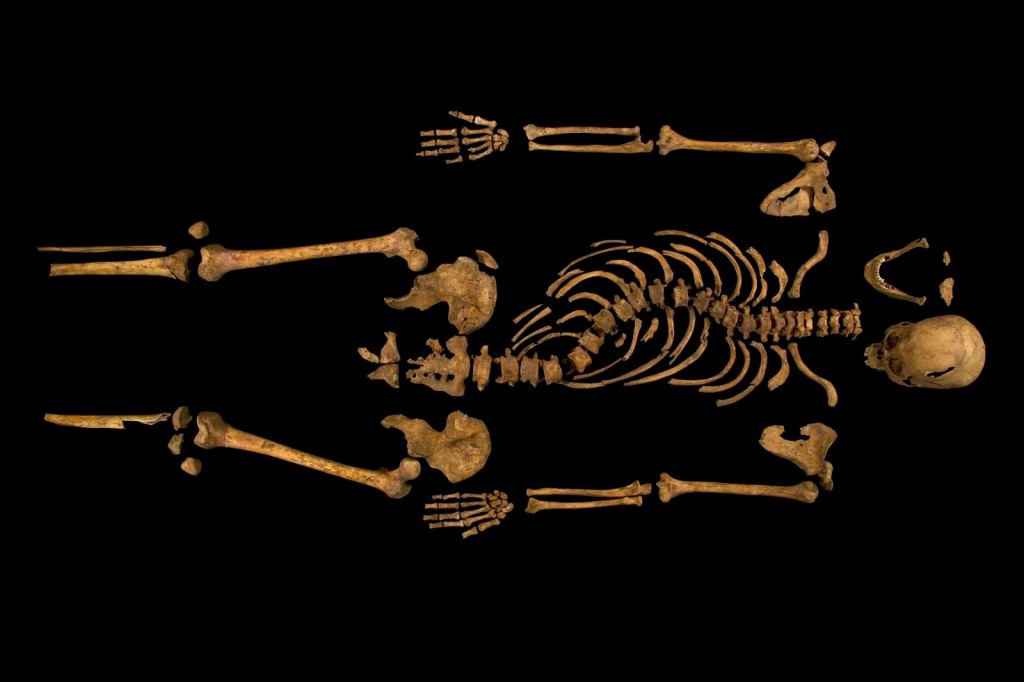
A series of studies of the skeleton of Richard III has contributed to our general knowledge of the man
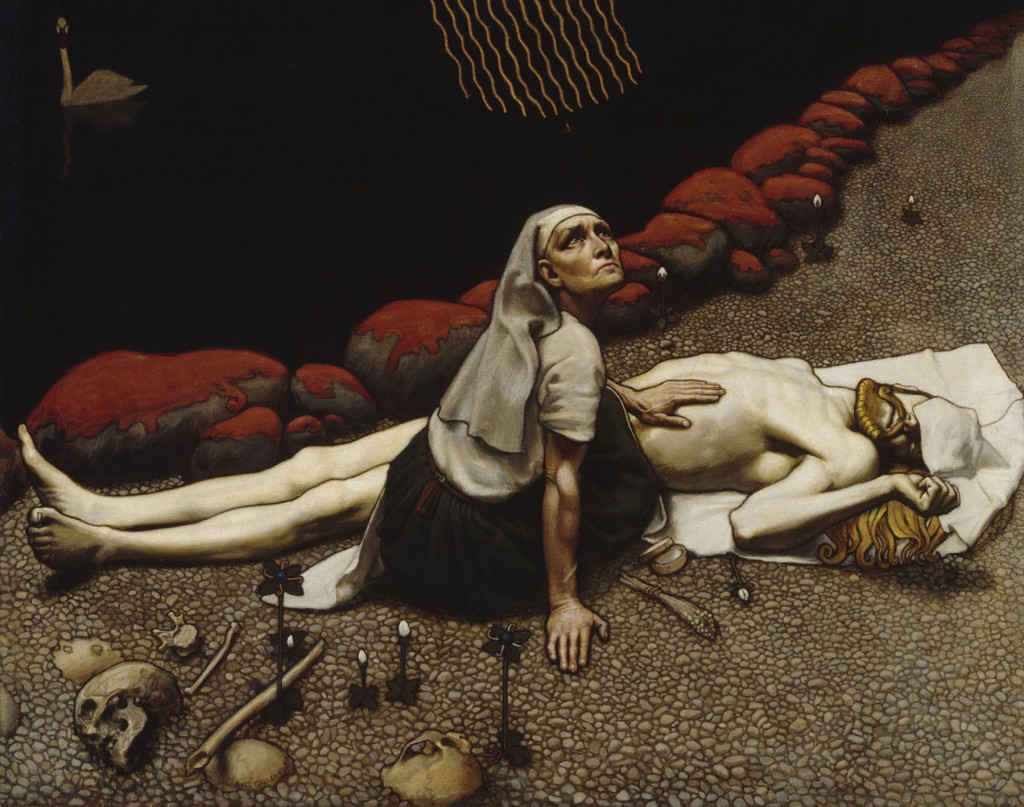
The sun turns black, earth sinks in the sea. Down from heaven, stars are whirled… Thus sang the Seeress (the Völva) to Odin
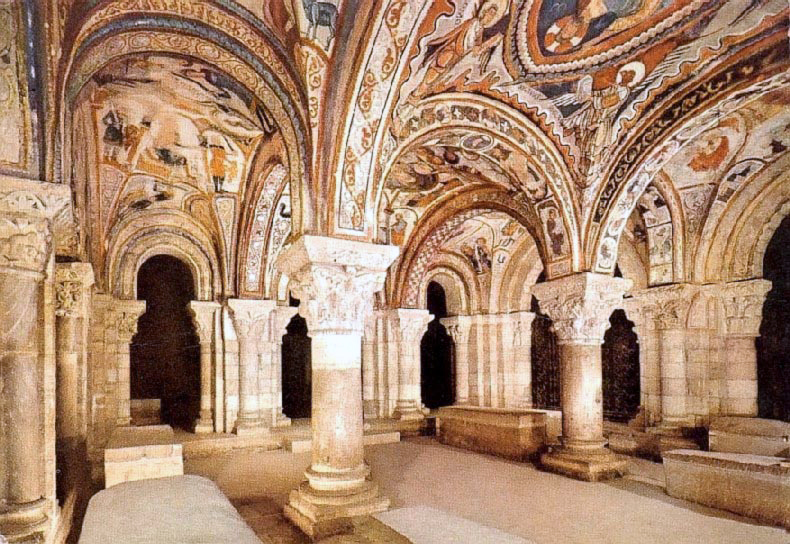
Doña Urraca (1032 - 1101): a promiscuous murderess or a a dedicated promoter of her lineage and dynasty?

Here begins a short treatise and a comfortable for sinful wretches, wherein they may have great solace and comfort …
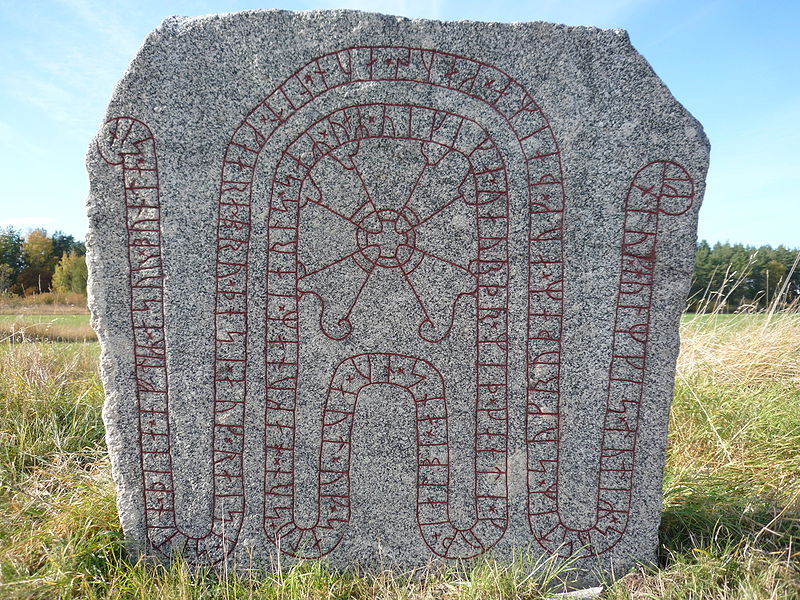
What is a Viking? A ferocious pirate from the pagan North? Or a low-ranking oarsman on a ship, transporting troops?
Vikings are bare-breasted colossal men of Nordic descent with long flaxen hair, plaited beards, filed teeth and wearing helmets with horns. We explore the reality behind the myth...
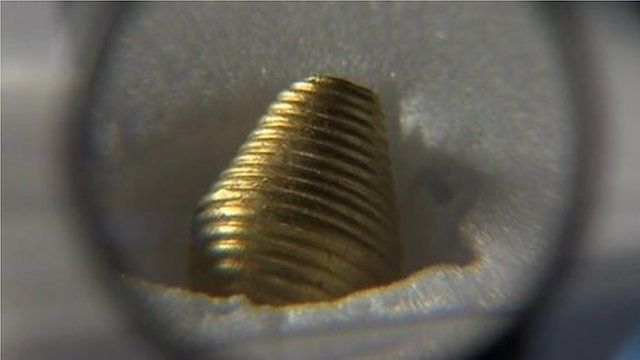
Rendlesham is a small village five km northeast of Sutton Hoo and home to a royal Anglo-Saxon palace...
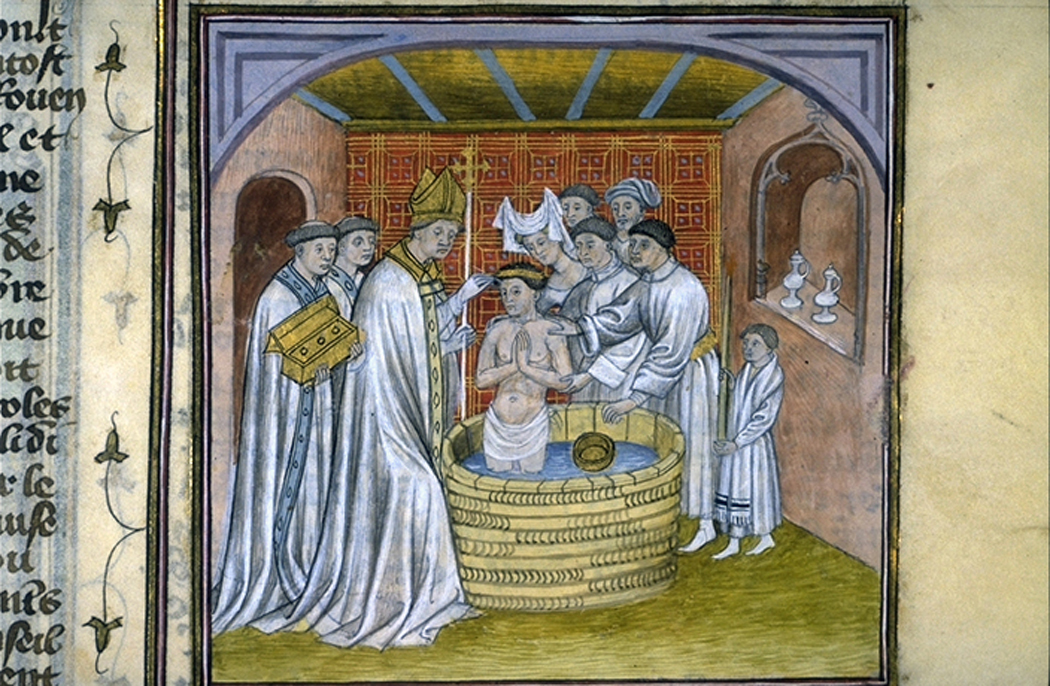
New research opens up for a whole new understanding of the history of early Normandy in the 190th century...
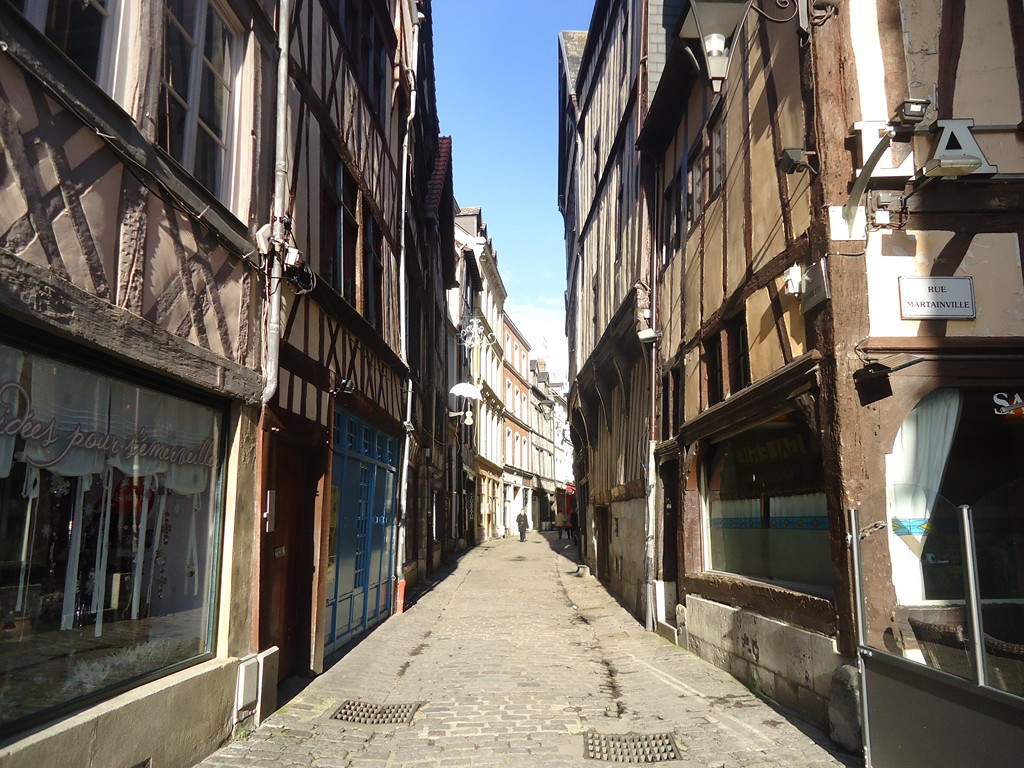
BOOK REVIEW: New book sheds light on the geography, society and culture in Medieval Rouen 911 -1300...
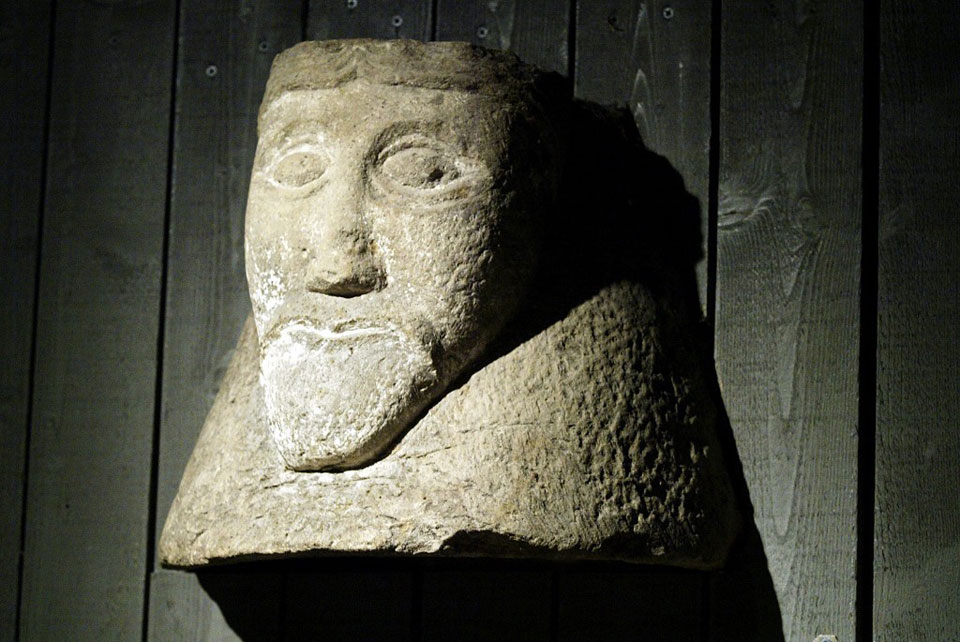
Sweyn Forkbeard was buried in Lund in Scania, where what is left of his church can be seen beneath the floor of a local café...
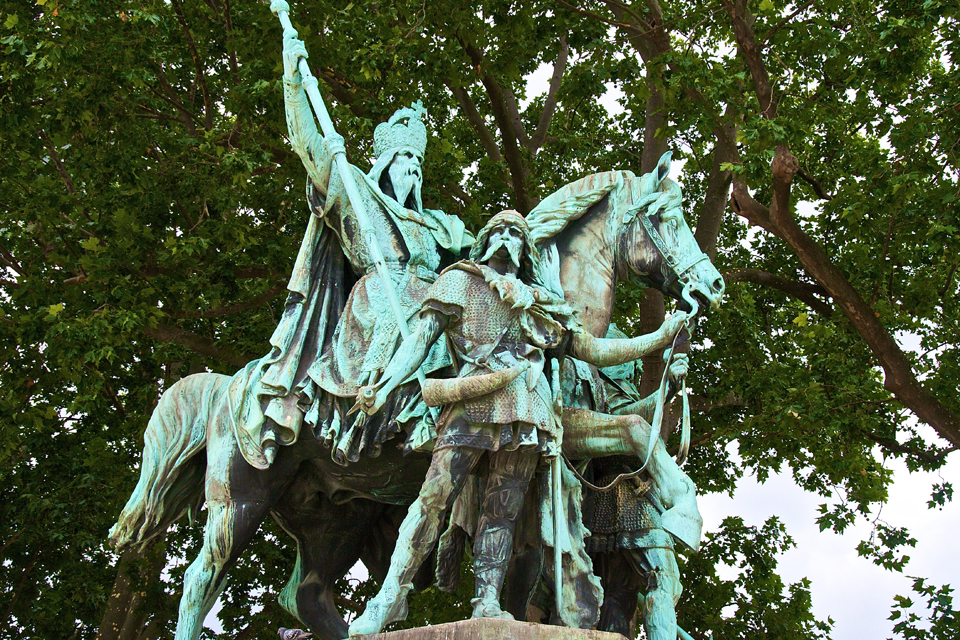
Where to start? Here is a list of recent biographies of Charlemagne, each supplementing the other
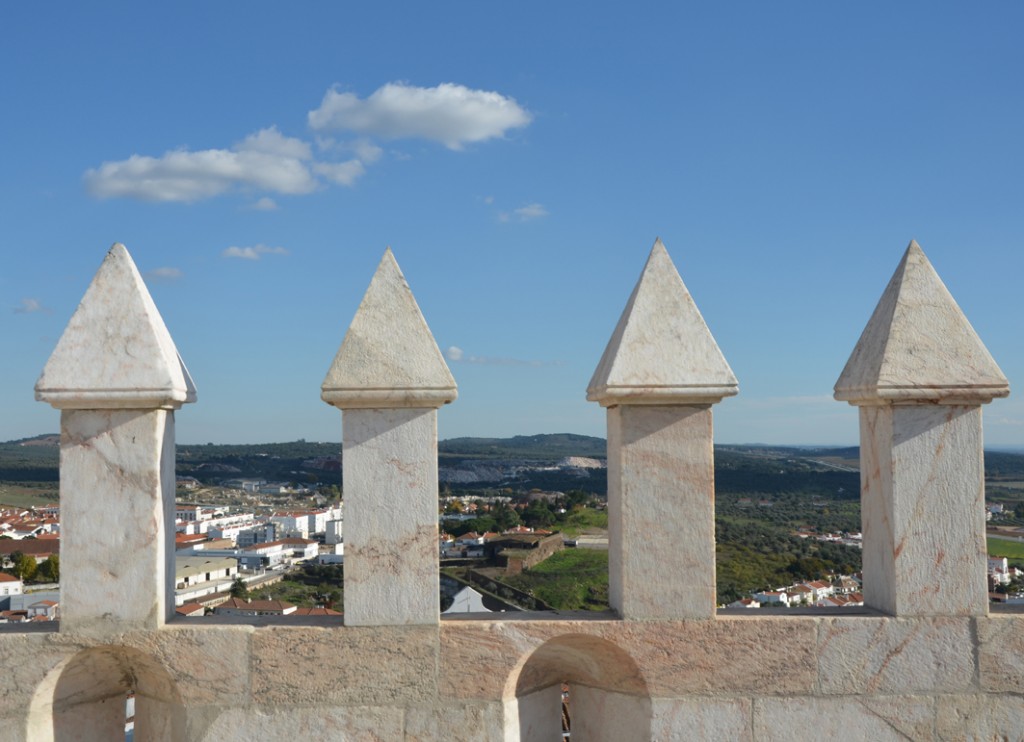
RESEARCH: Portuguese peasants in the beginning of the 14th century were generally well-off….