Also known as the Chillingham Cattle, Britain is home to four flocks of White Cattle living in the wild since the 12th century.

Also known as the Chillingham Cattle, Britain is home to four flocks of White Cattle living in the wild since the 12th century.
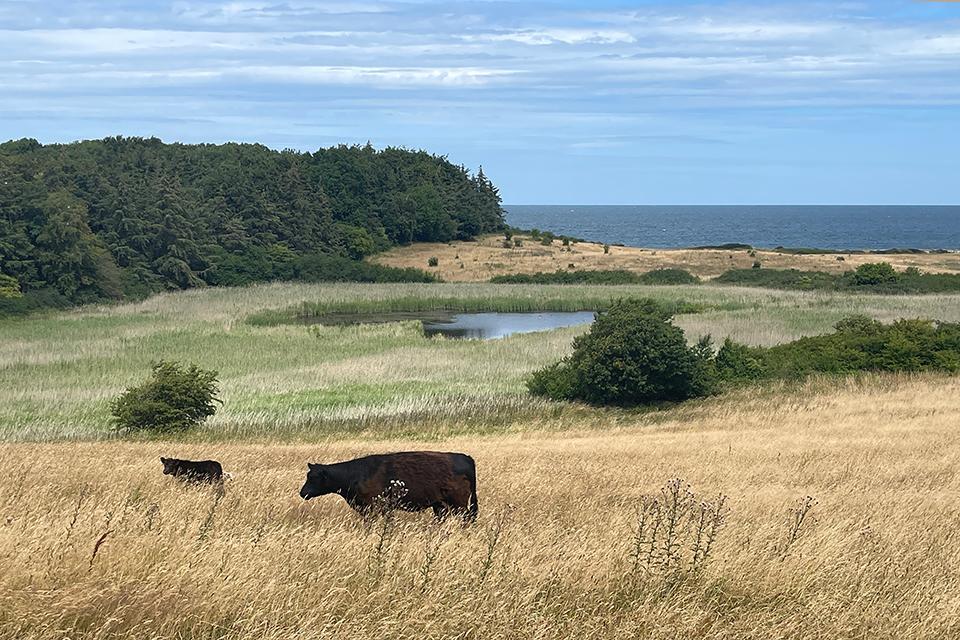
Rewilding can’t alleviate all the climate challenges we face. However, it does offer a precious contribution, namely a decisive upgrade of carbon sequestration in forests, grassland and tundras. With biodiversity as an added bonus.
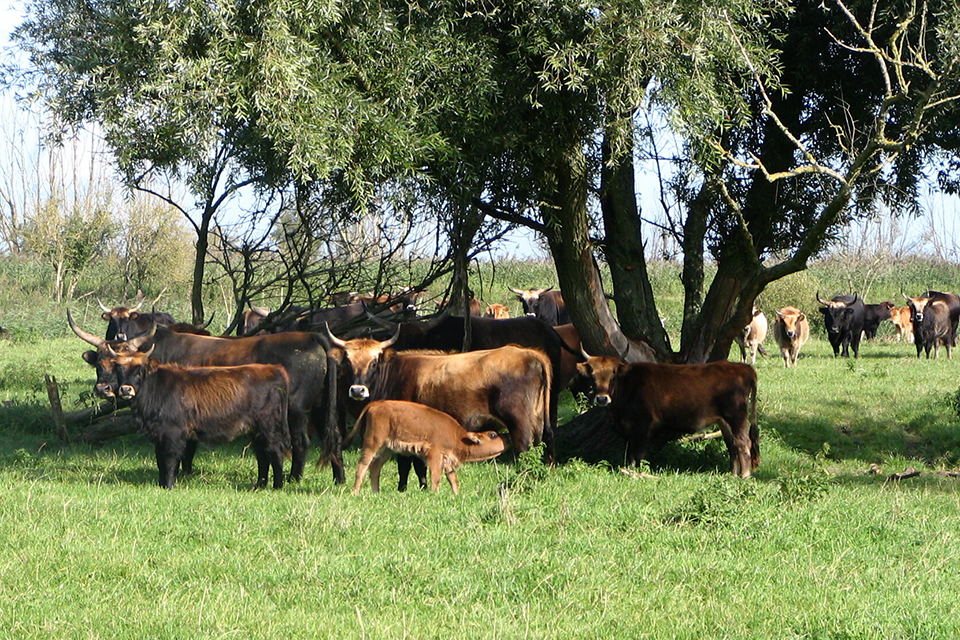
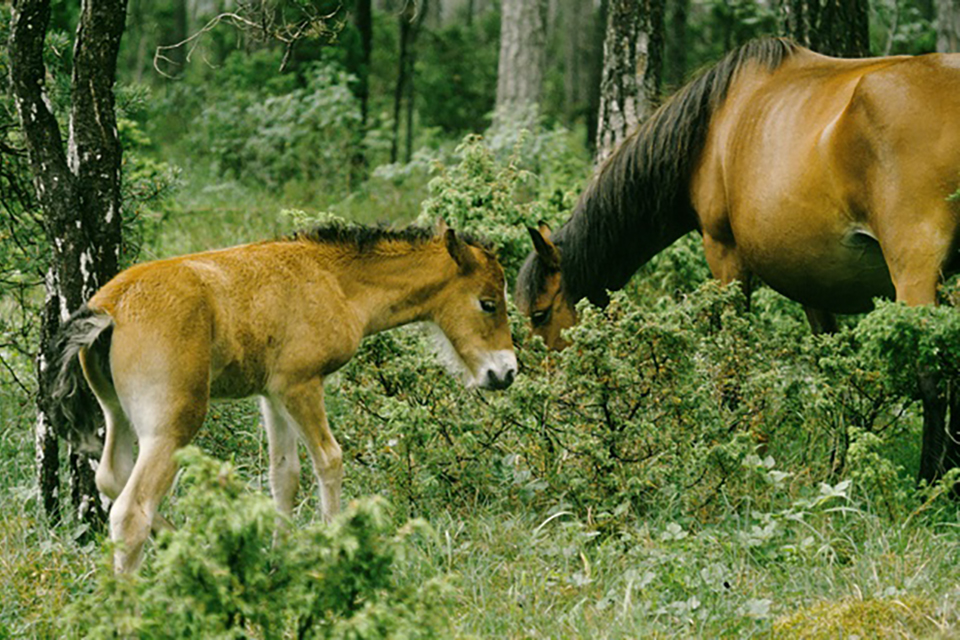
What the heck, does Heck Cattle have to do with environmentalism? Or rewilding? And is it amoral to resurrect such animals?
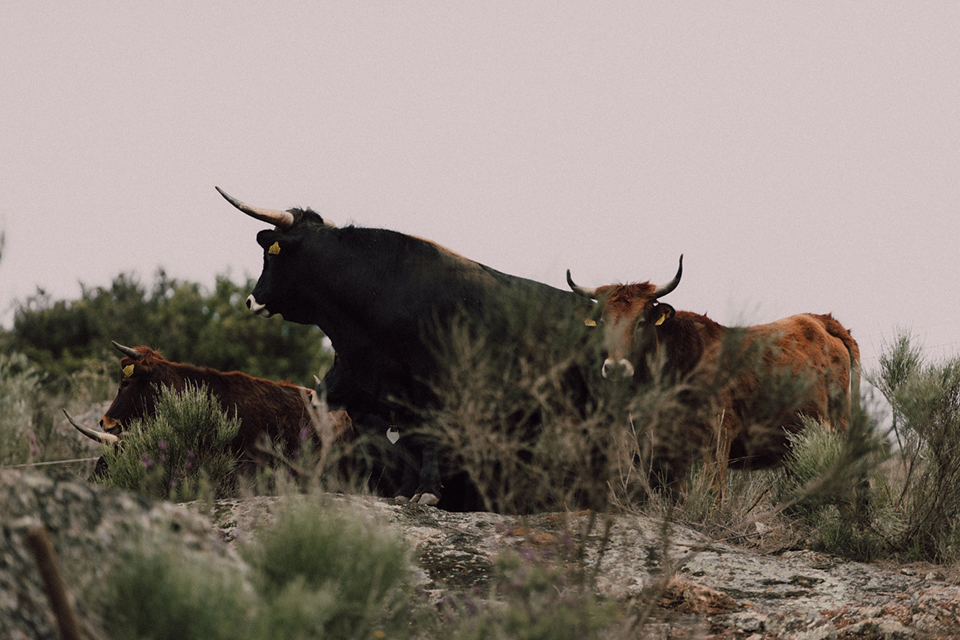
Backbred Aurochs have been released into the Greater Côa Valley for the first time. The herd will play a vital role in restoring grassland and woodland habitats in the rewilded landscape in Northern Portugal
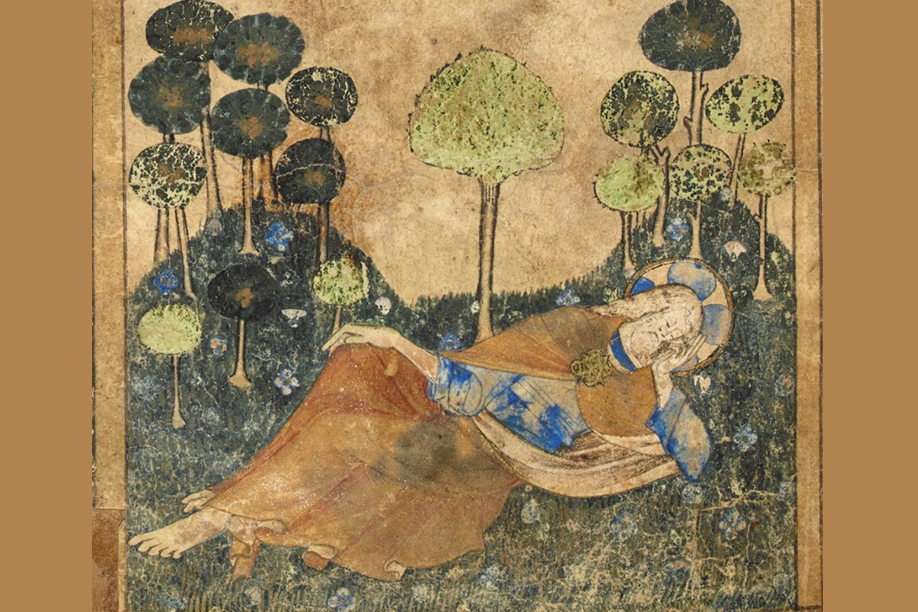
The essence of the medieval Christian landscape was encapsulated in the idea of the beloved place of pleasure, Paradise
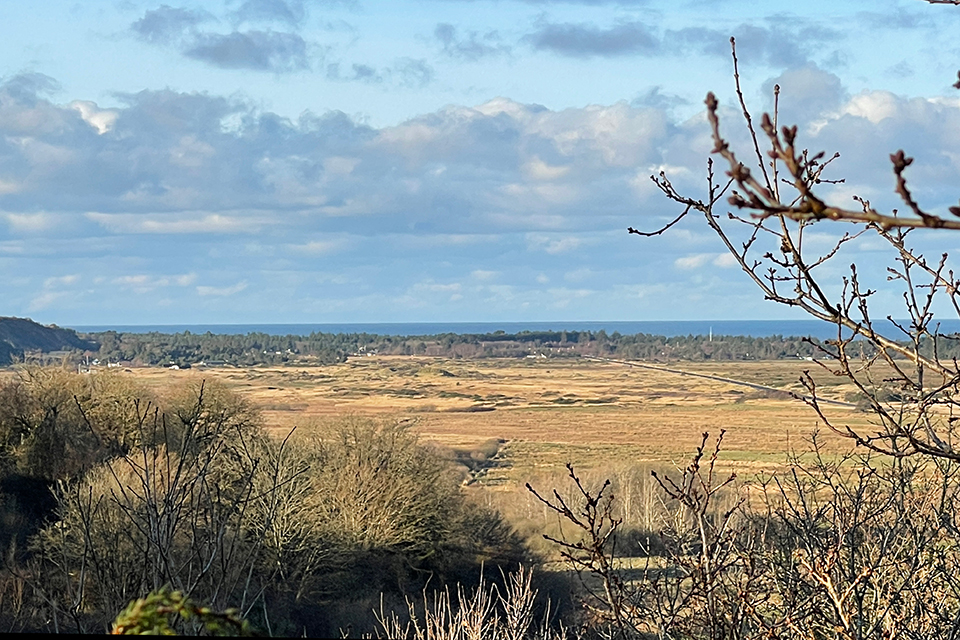
During the first millennium, northern and eastern Europe was sparsely populated and devoid of anything but wilderness. How did it feel to live in this medieval world?
Turning the map of Europe upside down, we see a peculiar peninsula on either side surrounded by the Mediterranean and the Baltic, from where it struts into the Atlantic Ocean.
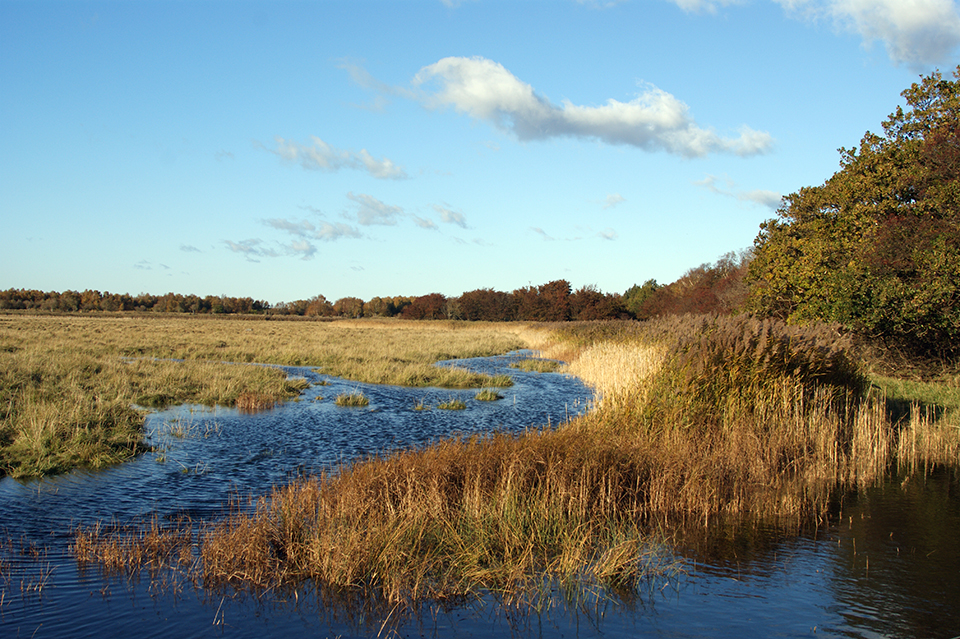
How did people in the Middle Ages view their surroundings? What was their idea of a livable world? Which part was sacred? What profane? And what was wilderness? Did they even think of their world inside these dichotomies?
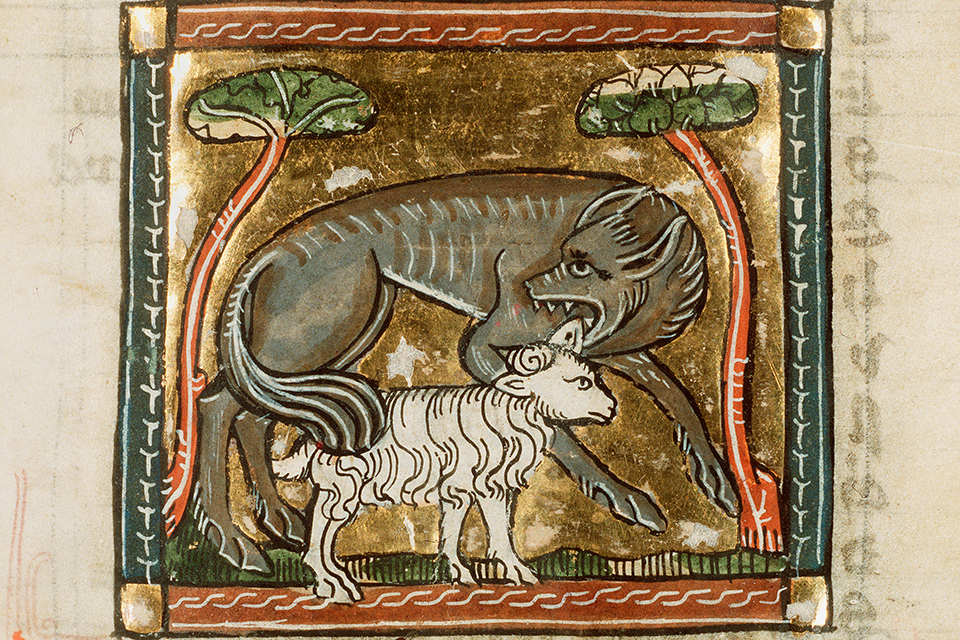
Roman and Germanic people revered the wolf in Late Antiquity and the early Middle Ages. So why did a pernicious hate of one of Europe's remaining predators supersede the veneration in the Early Middle Ages?
Animals played a large role in Early Medieval Northern and Central Europe animating all from art to religious thinking. Upcoming book tells about burial customs, gravegoods, ornamental art styles and shapeshifting
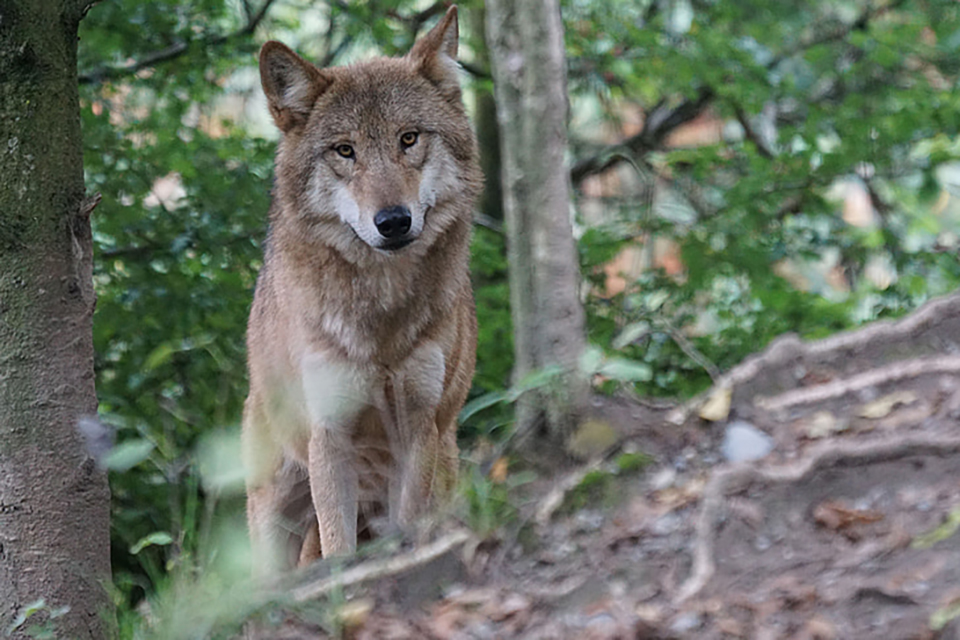
This January, more than 200 hunters from Sweden, Denmark and Norway went on a blood-curling wolf hunt in the Swedish Forests. Might we be inspired by literature to rethink?
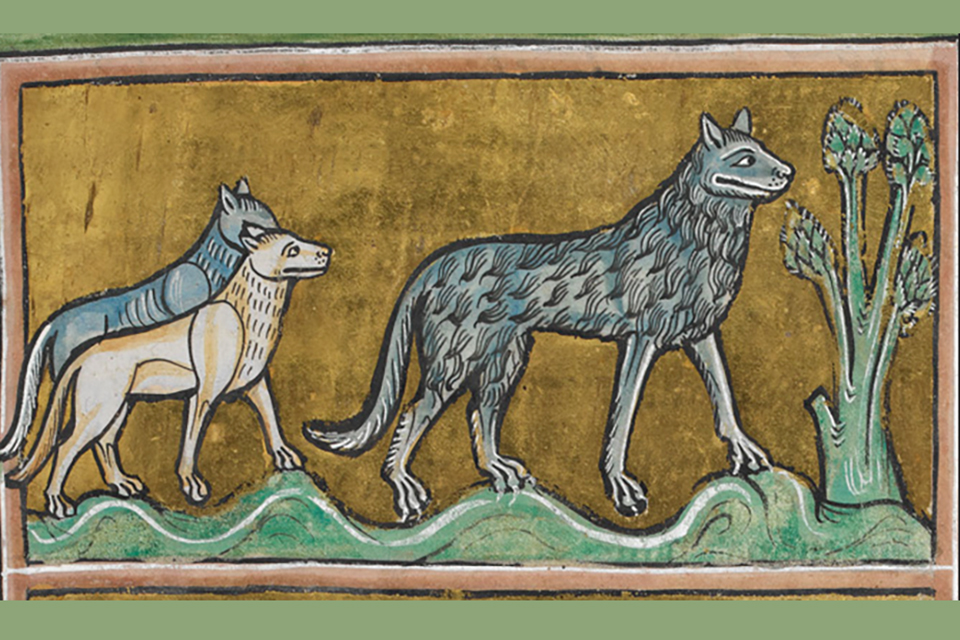
In the Middle Ages, two views of the wolf – as the emblem of the heroic warrior or the embodiment of the devil – fought over people’s minds. A new book explores this complex set of narratives as it unfolds in Early Medieval Literature in England.
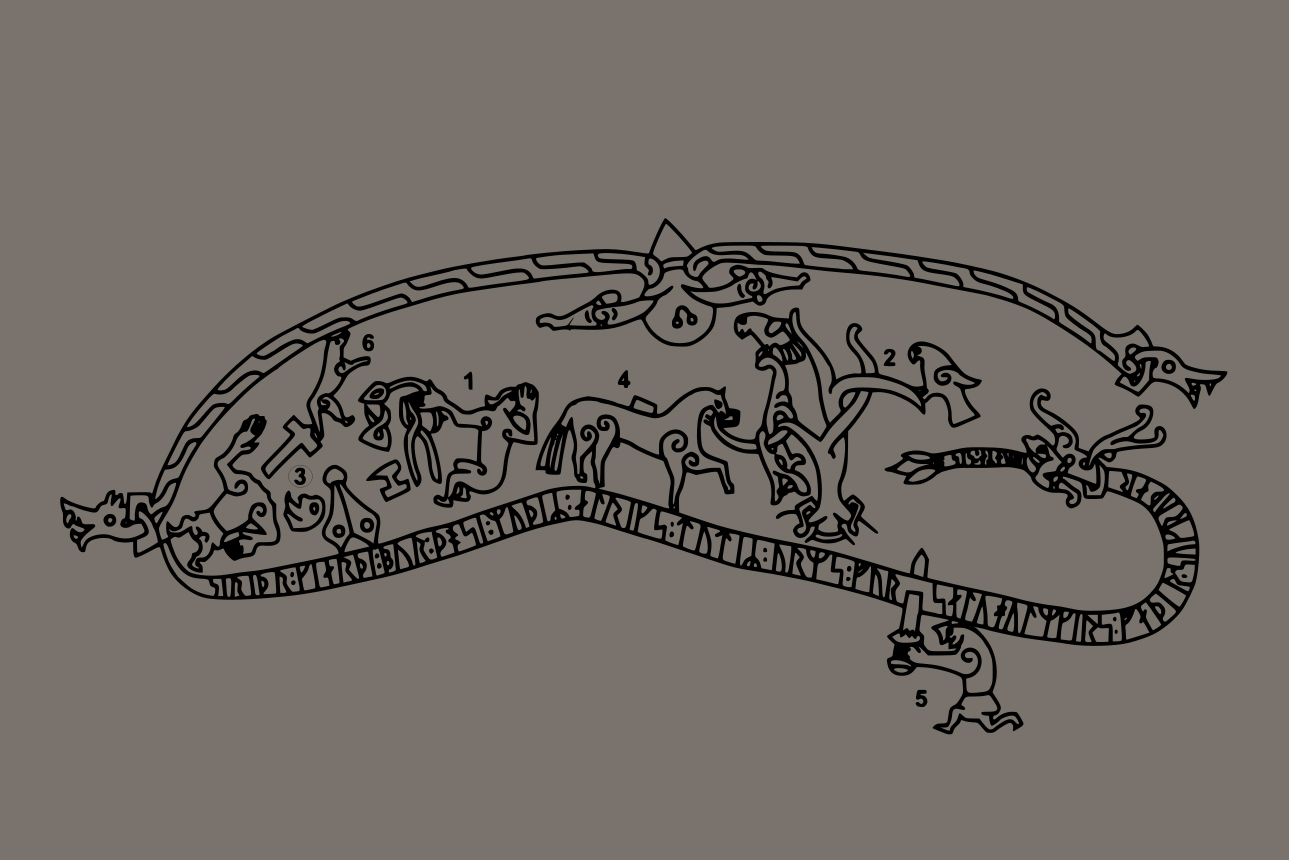
The Old Norse idea of wilderness, landscapes and human beings differed radically from that of Latin and Christian Europe. A new study of ten narratives about wolves in the Old Norse-Icelandic poems, sagas and other texts offers valuable insights into this half-forgotten and complex world
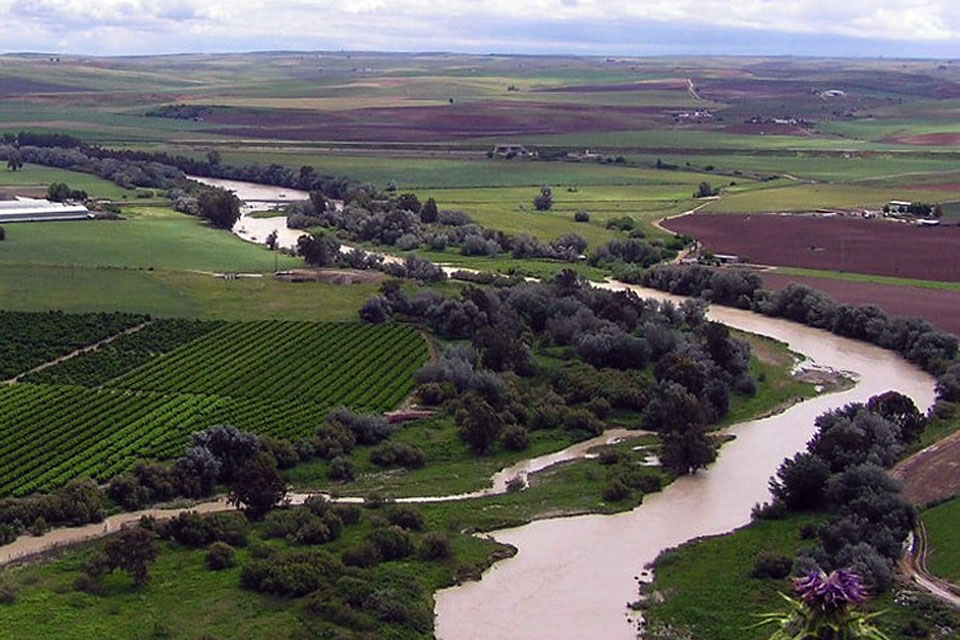
The history of medieval landscapes tells us of forests, groves and meadows sourced for wild edible plants and other fauna, which might help to survive despite fragile economic situations
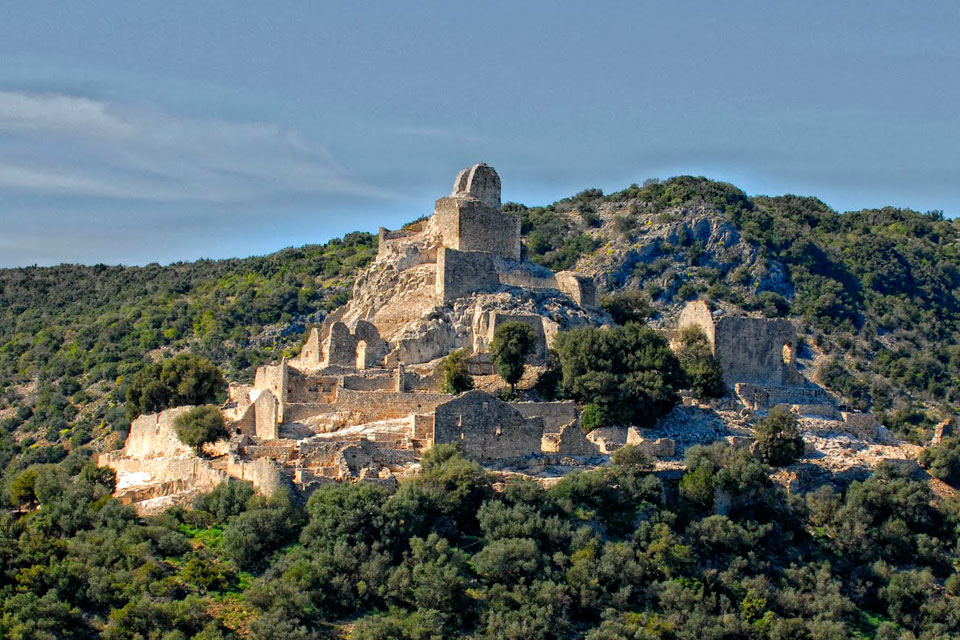
The history behind the castle-building on hilltops in the medieval Mediterranean landscape – the incastellamento or incastellation – is nuanced
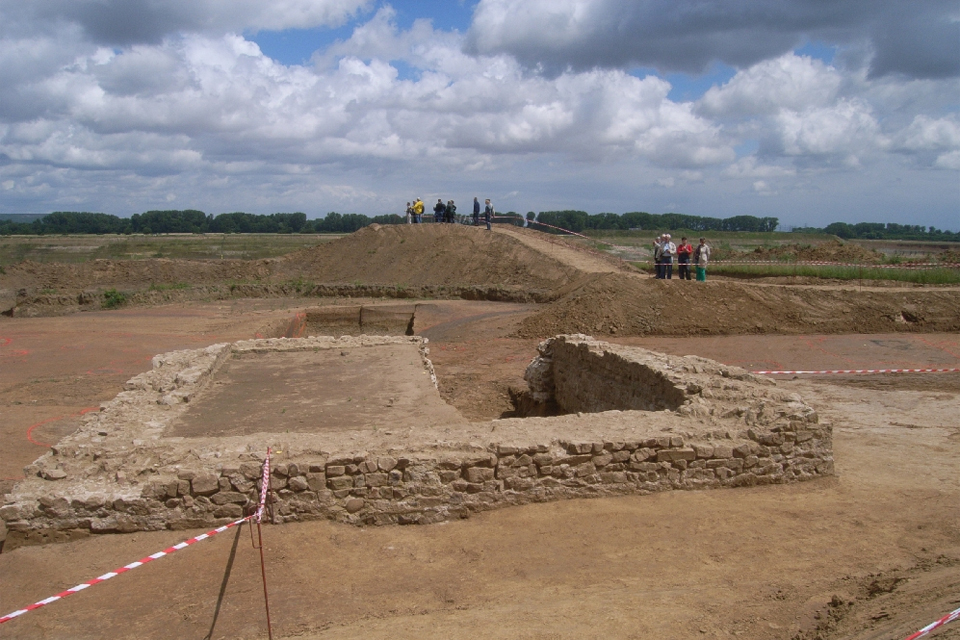
Between Jülich and Düren in Northern Rhineland lies a bleak landscape scarred by lignite mining. Beneath lies a precious time warp of a medieval landscape