New Exhibition in Arezzo showcases images from the 800 years since his death in 1226, and celebrates the multiple imaginations of who St. Francis was.
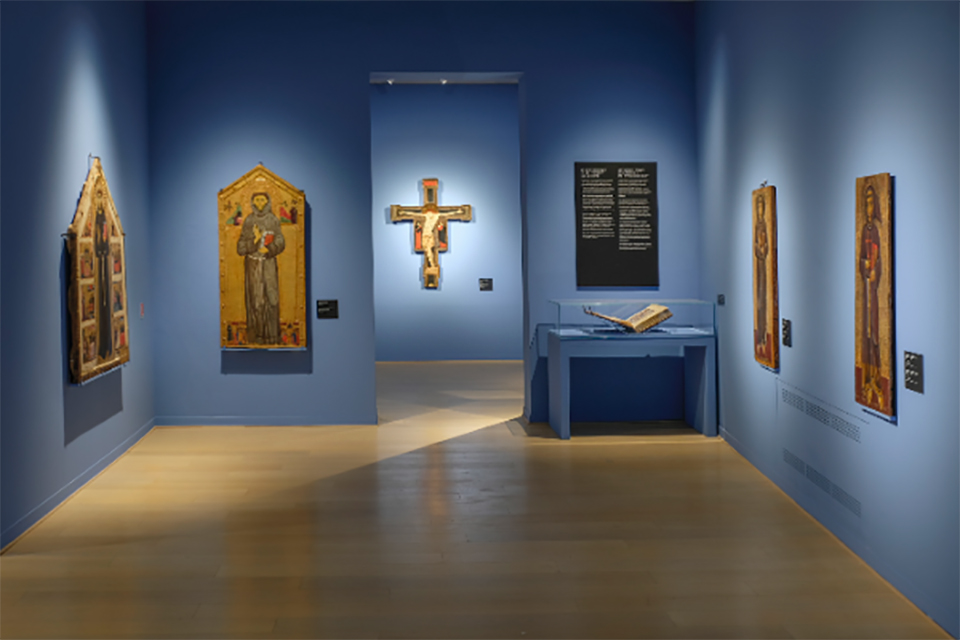
New Exhibition in Arezzo showcases images from the 800 years since his death in 1226, and celebrates the multiple imaginations of who St. Francis was.
From Sabatier to Leppin, modern biographers have repeatedly reconstructed the “real” Francis, each revealing as much about their own age as about the saint
From bodily performance to sacred image: how the living Francis of Assisi was transformed after his death through memory, hagiography and visual culture.
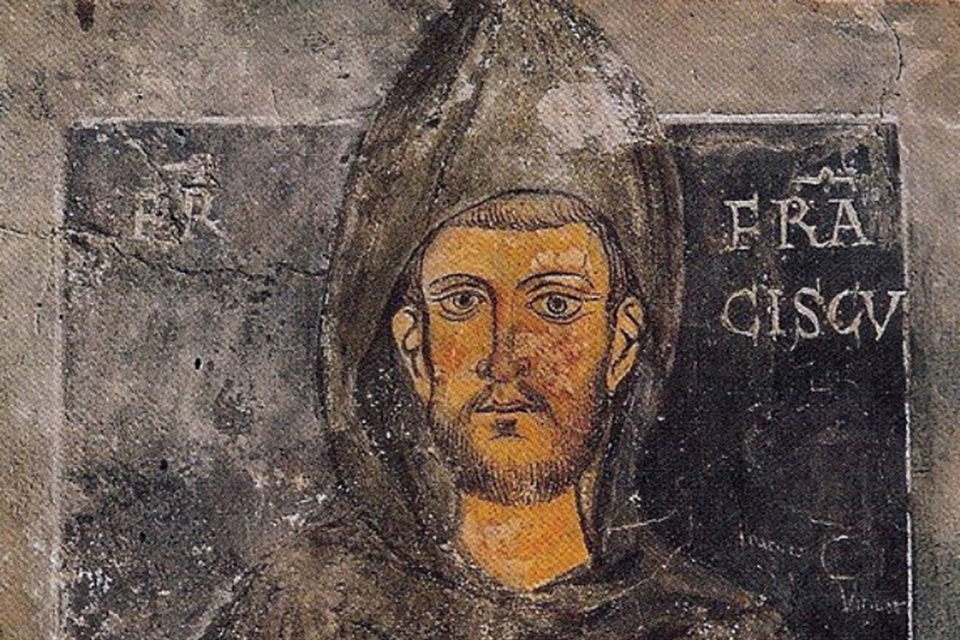
St. Francis of Assisi was a short man, with dark eyes and large ears. He was definitely also a charming man.
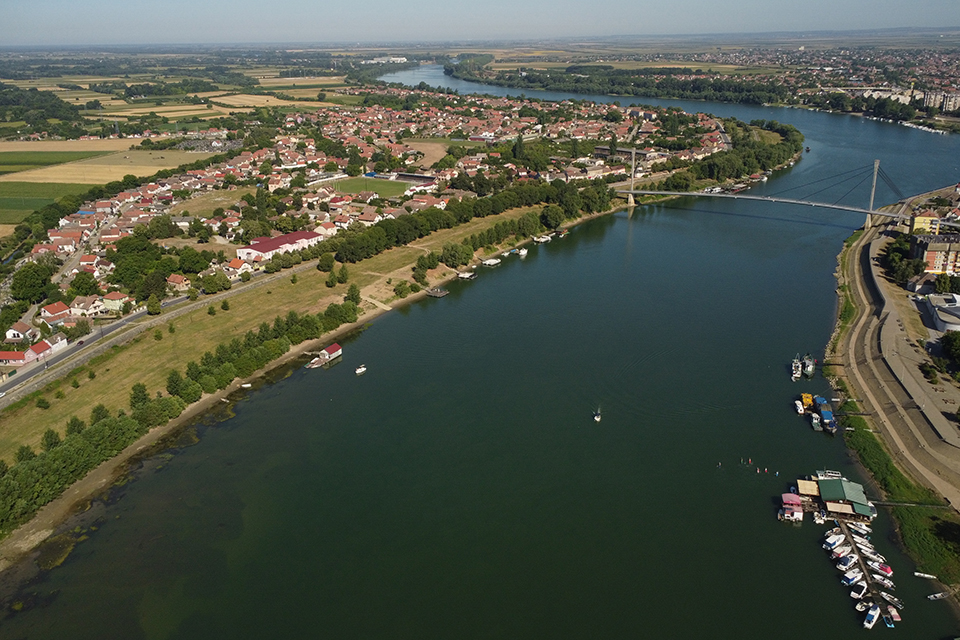
Roman Sirmium is located beneath modern day Sremska Mitrovica on the River Sava. Once a major Roman city, it was destroyed by the Avars
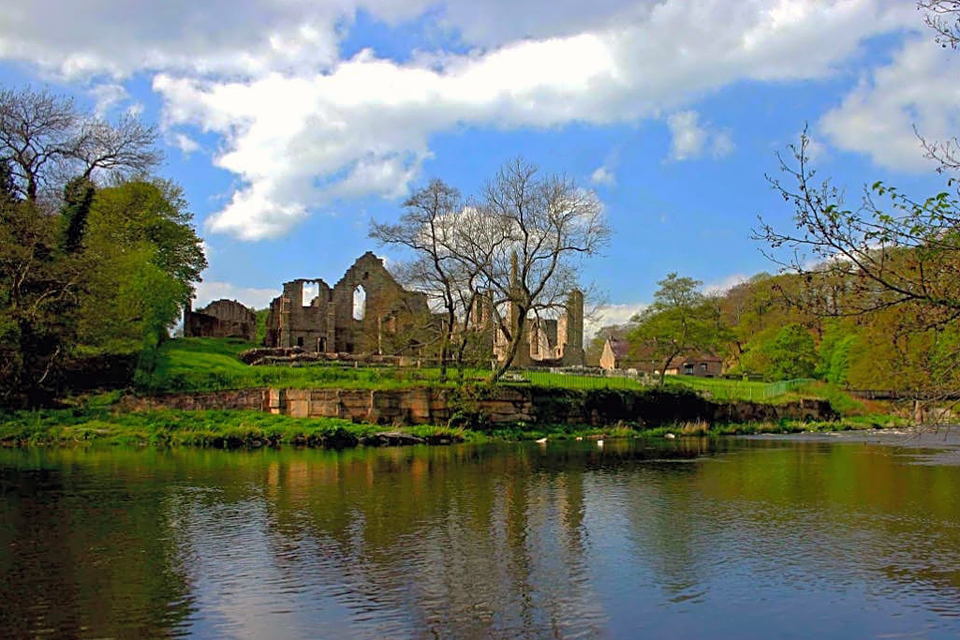
Godrich of Finchale (1070-1170) was a popular saint in the county of Durham, where he ended his days as a hermit. A new edition of his life was recently published.
Medieval Music, Legend, and the Cult of St Martin: The Local Foundations of a Universal Saint
By Yossi Maurey
Cambridge University Press, 2. okt. 2014

Communities of Saint Martin: Legend and Ritual in Medieval Tours
By Sharon Farmer
Cornell University Press 2019 (1991)
 Sharon Farmer here investigates the ways in which three medieval communities—the town of Tours, the basilica of Saint-Martin there, and the abbey of Marmoutier nearby—all defined themselves through the cult of Saint Martin. She demonstrates how in the early Middle Ages the bishops of Tours used the cult of Martin, their fourthcentury predecessor, to shape an idealized image of Tours as Martin’s town. As the heirs to Martin’s see, the bishops projected themselves as the rightful leaders of the community. However, in the late eleventh century, she shows, the canons of Saint-Martin (where the saint’s relics resided) and the monks of Marmoutier (which Martin had founded) took control of the cult and produced new legends and rituals to strengthen their corporate interests. Since the basilica and the abbey differed in their spiritualities, structures, and external ties, the canons and monks elaborated and manipulated Martin’s cult in quite different ways. Farmer shows how one saint’s cult lent itself to these varying uses, and analyzes the strikingly dissimilar Martins that emerged. Her skillful inquiry into the relationship between group identity and cultural expression illuminates the degree to which culture is contested territory. Farmer’s rich blend of social history and hagiography will appeal to a wide range of medievalists, cultural anthropologists, religious historians, and urban historians.
Tours 1500. Capitale des Arts
de Béatrice de Chancel-Bardelot, Pascale Charron, Pierre-Gilles Girault and Jean-Marie Guillouët
Somogy 2012

The Old English Lives of St Martin of Tours
Edition and Study
By Mertens, Andre
Universitätsverlag Göttingen 2017
Open Source
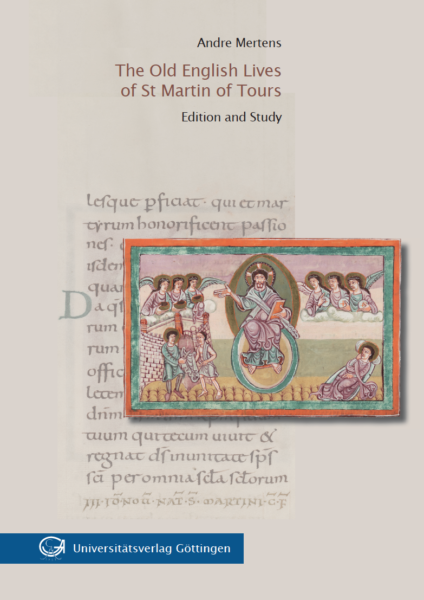 St Martin of Tours is one of Christianity’s major saints and his significance reaches far beyond the powerful radiance of his iconic act of charity. While the saint and his cult have been researched comprehensively in Germany and France, his cult in the British Isles proves to be fairly unexplored. Andre Mertens closes this gap for Anglo-Saxon England by editing all the age’s surviving texts on the saint, including a commentary and translations. Moreover, Mertens looks beyond the horizon of the surviving body of literary relics and dedicates an introductory study to an analysis of the saint’s cult in Anglo-Saxon England and his significance for Anglo-Saxon cultur
Soldiers of Christ: Saints and Saints’ Lives from Late Antiquity and the Early Middle Ages
By Thomas F. X. Noble and Thomas Head
The Pennsylvania State University Press 1995

The St. Martin Embroideries: A Fifteenth-century Series Illustrating the Life and Legend of St. Martin of Tours
By Margaret B. Freeman
Metropolotan Museum of Art
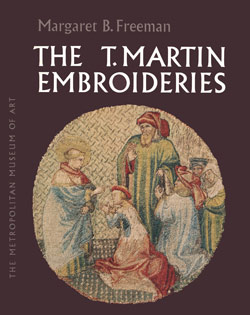 In the Middle Ages pictorial embroidery was considered one of the fine arts, and those who made pictures with needle and thread were often as highly skilled and highly valued as those who made pictures with brush and pigment. Franco-Flemish and Flemish pictorial embroideries of the first half of the fifteenth century are rare today, and a series as extensive and fascinating as the one analyzed here can hardly be equaled. The thirty-seven individual works have been known to scholars and connoisseurs for eighty years or so, and during this time speculation has accumulated as to their origin, purpose, and iconography. The present study resolves at least part of the mystery.
These embroideries celebrate the life and achievements of one of Christendom’s most beloved saints. Admired for his heroism in successful confrontations with emperors, devils, brigands, and pagans, St. Martin, bishop of Tours, is remembered also for his power over nature and his restoration of the dead to life. In this most readable treatise each subject is integrated in the storytelling scheme, the styles of the several artists who made the designs are differentiated, the particular embroidery techniques are discussed, the name of the Burgundian nobleman who may have commissioned the set is sifted out of the historical and artistic evidence, and what is known of the embroideries’ recent history is reported. The discussion is such that it greatly enlarges one’s own knowledge not only of Medieval French, Franco-Flemish, and Flemish embroidery but of painting and manuscript illumination in these regions.
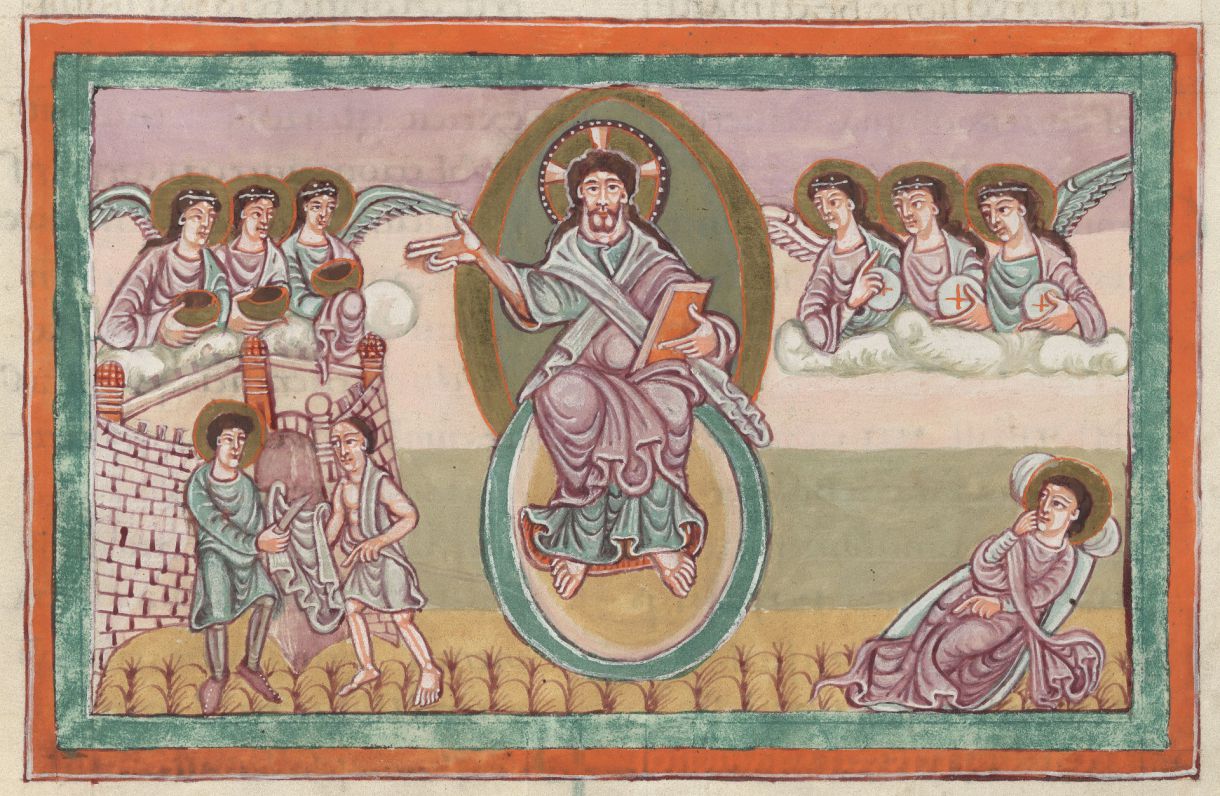
St. Martin was a Roman soldier, who turned into a Christian ascetic. Later he was adopted as a national saint for France, as well as a soldier of Christ. His final disguise, though, was as a popular saint
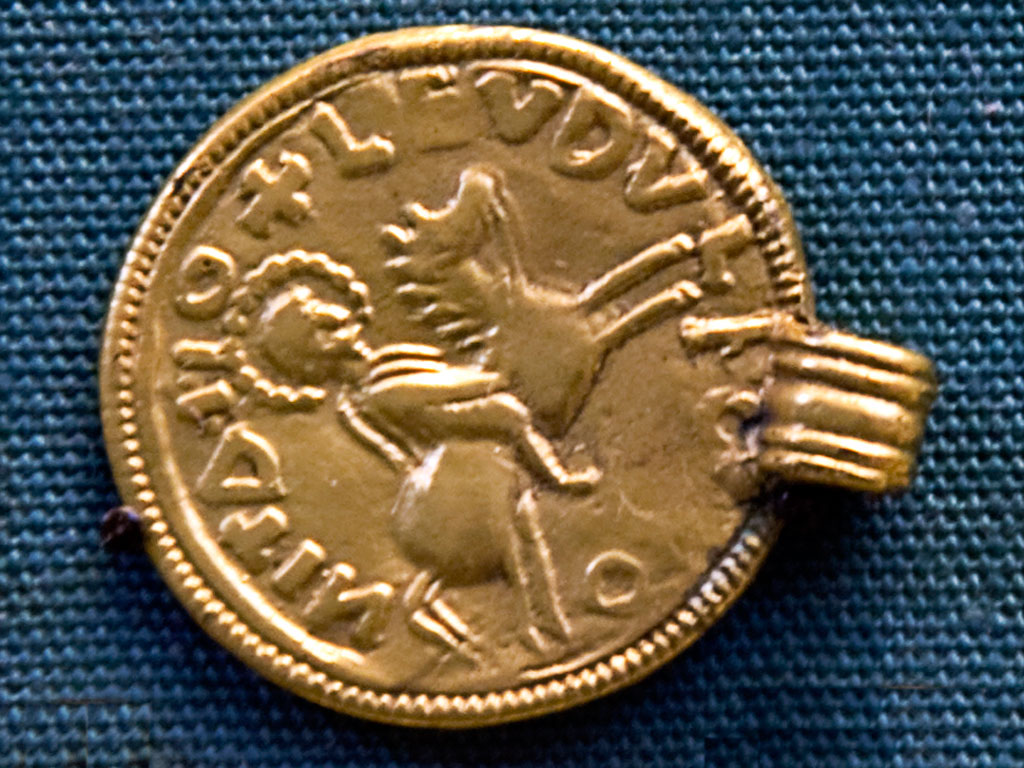
The “Martin” of the 7th to 10th centuries was not the ascetic bishop of the 5th century. The leopard changed its spots and became a National Frankish saint and a budding Christian Knight
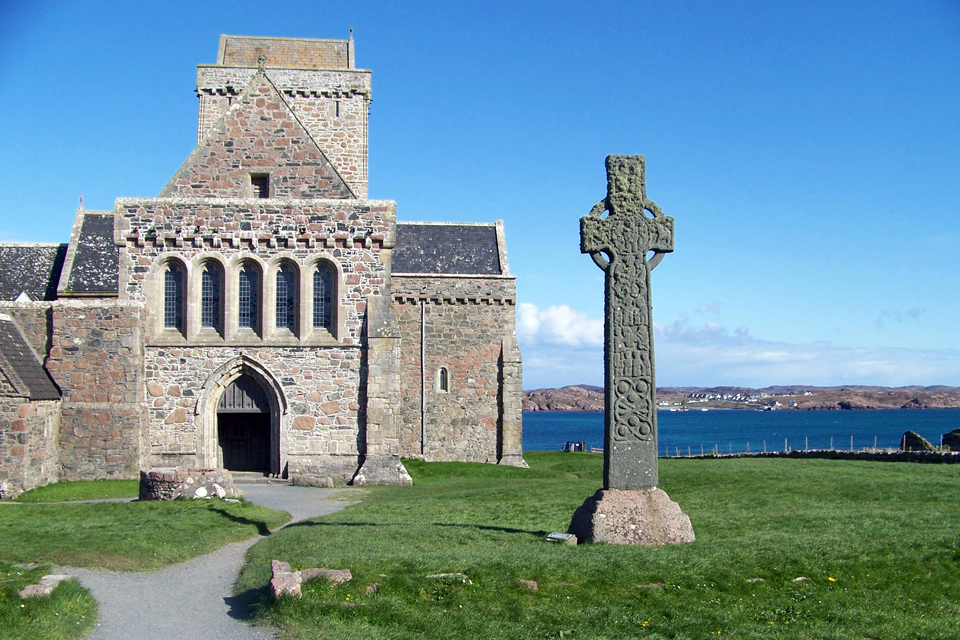
In the 6thcentury, Martin of Tours was recruited to bolster the fame and position of his successors as a prestigious miracle-worker
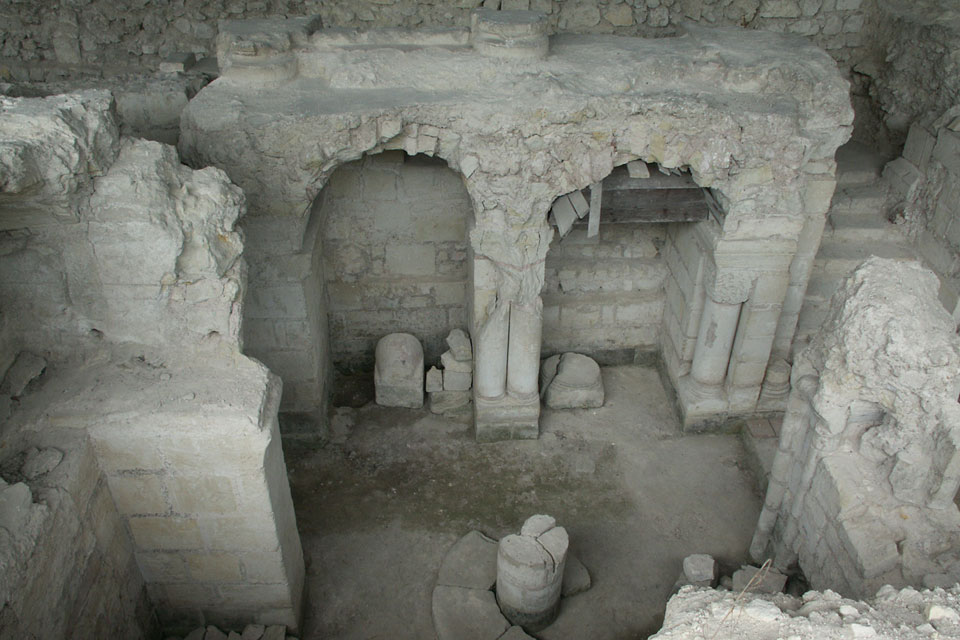

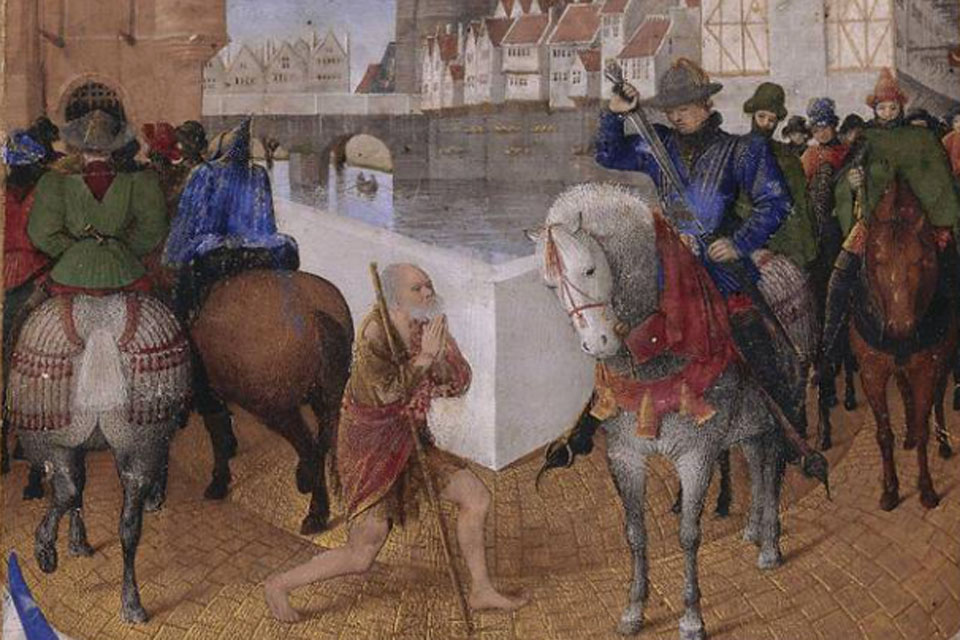
Born at Sabari in Pannonia, now Szombathely, in Hungary, St Martin was brought up in Italy. He chose Christianity at the age of ten and began his career as a cathecumen. Nevertheless, at the age of fifteen, he was forced into the Roman Army of Julian the Apostate (361 – 363), the last pagan emperor of Rome. It is while serving in Gaul, we meet up with him when he during a cold night encountered a poor and freezing beggar. Resolutely, he slashed his cloak in two, sharing one half with the poor man. That night, he had a vision of Jesus wrapped in the torn cloak. This led to his baptism. Somewhat later, he sought to extricate himself from military service at a time when his fellowmen were preparing for battle. This led to a charge of cowardice. In response, he promised to stand in front of the battle line, only armed with the sign of a cross. As the enemy surrendered, this brave feat was never carried out. Instead, he was allowed to leave military service.
Later, he settled at Poitiers under the supervision of bishop Hilary, the so-called “Hammer of the Arians” (210 – 367). From there, he started out as a missionary to Pannonia and Illyricum, facing the Arians. Further, he went to Milan, and later the island of Gallinari, off Albinga, seeking the life of a hermit. In 360, however, he once more joined Hilary at Poitiers, from where he went on to found the first monastery at Ligugé, taking over a deserted Roman Villa, donated by Hilary. Here St Martin of Tours lived together with his disciples as the desert fathers of Egypt, each in their own small hut (locaciacum).
In 371, he was called as bishop of Tours. It is from a much later retelling of these events, the vignette heralds Martin taking refuge among the geese; which of course cackled revealing the reticent saint, who had to yield to the demands of the faithful. Sulpicius only tells us the election was controversial. While the people were keen to elect him, the other bishops had reservations based on his ascetic lifestyle, which they deemed unfit for someone in charge of a bishopric. Probably, due to his asceticism, he was also believed to have heretic (Priscillianist) leanings.
As the bishop at Tours, Martin later built the huge monastic complex of Marmutiers on the north bank of the Loire. Soon, the Abbey attracted numerous disciples from elite milieus in and out of Gaul, together with whom he continued his active missionary work. During his lifetime, he also became known for his miracles. His fame, though, was said to rest on his humility, his asceticism, and his lack of duplicity. Eventually, this led to his status as one of the first saint, who had not been martyred.
After the death of St Martin, Sulpicius amended this life by adding a postscript in the form of three letters, to Eusebius, Aurelius, and Bassula. These letters expand upon the miracles ascribed to St Martin and present him as an exemplary saint. Finally, they record his death at Candes, where he admonished his disciples to be less greedy than the birds catching fish along the river. Later in the 12th century, the legend was spread that flowers and birds paid this gesture back, heralding his dead body when it was sailed back on a barge towards Tours. Although the month was November, the birds and flowers made it feel like a “ St Martin Summer” (also called Halloween Summer).
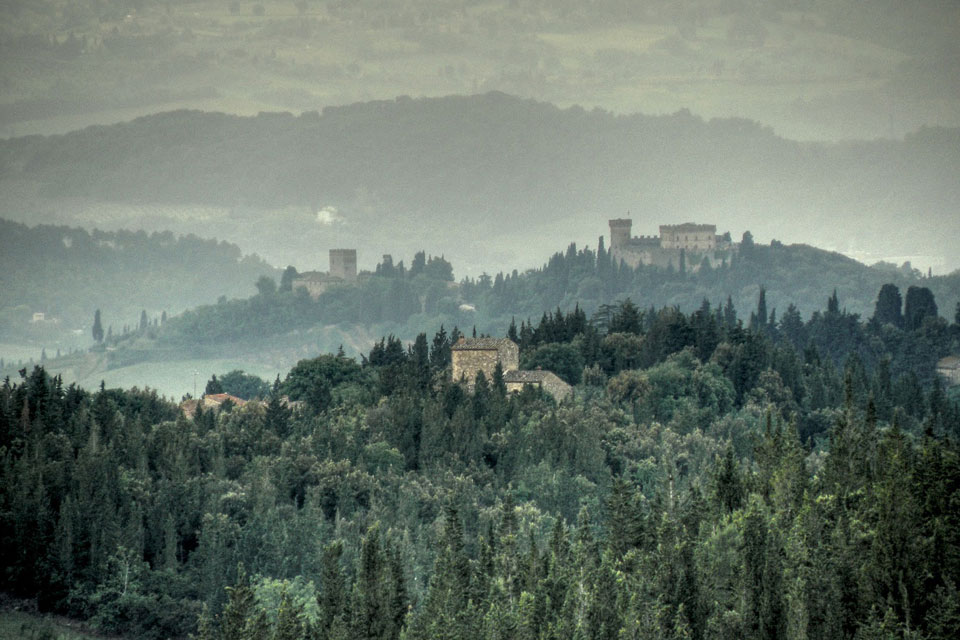
Heavily bombarded during WW2Poggibonsi’s charm resides in the suburbs and its hidden gems: an open-air museum, a medieval inn and a nearby castle
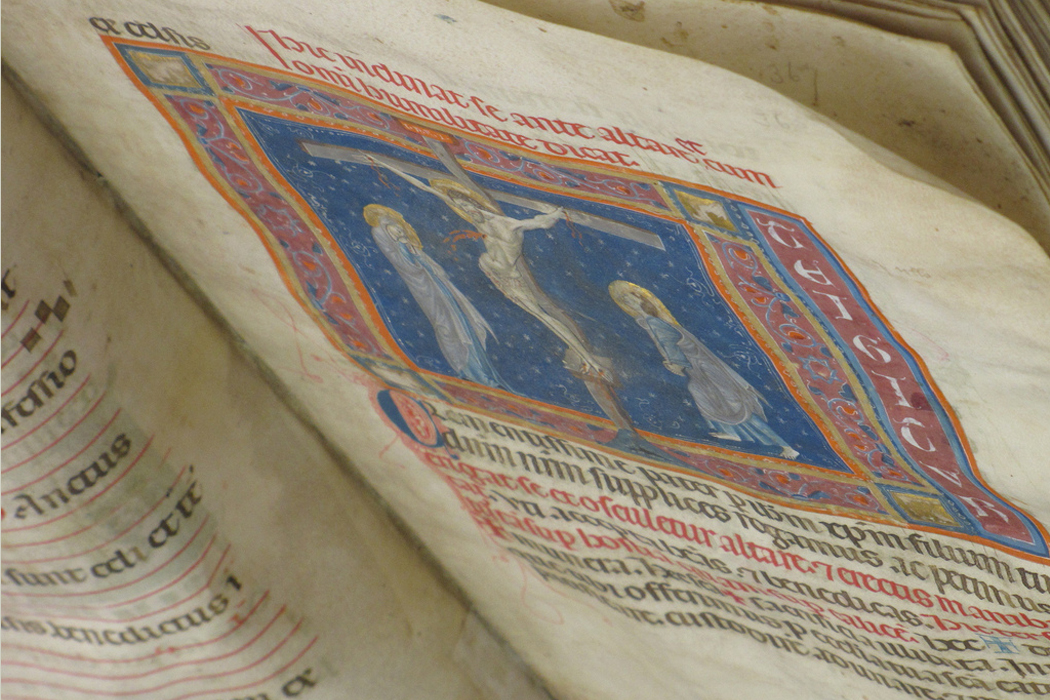
New book explores the Franciscans and their relationship with manuscript production networks operating in Umbrian the 13th and 14th centuries
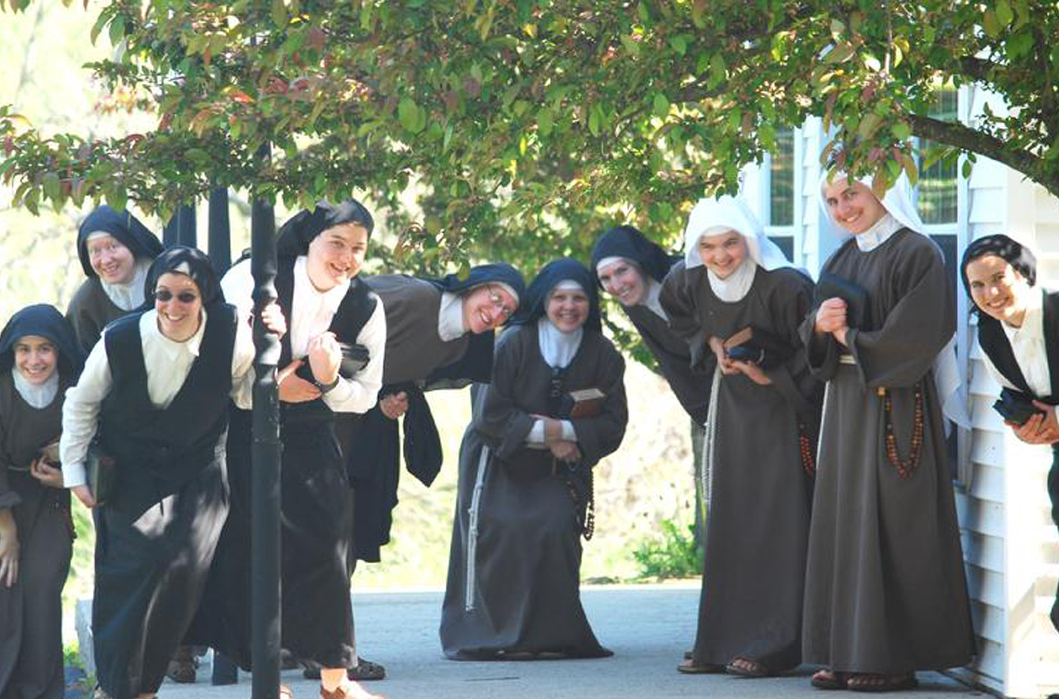
Franciscan Women: Medieval & Beyond is a conference designed to frame a mutually enriching conversation between academic scholars and franciscan women of today

Franciscan art flourished in the Late Middle Ages as the religious movement spread all over Europe as well as Asia. This summer the Accademia in Florence shows a spectacular selection
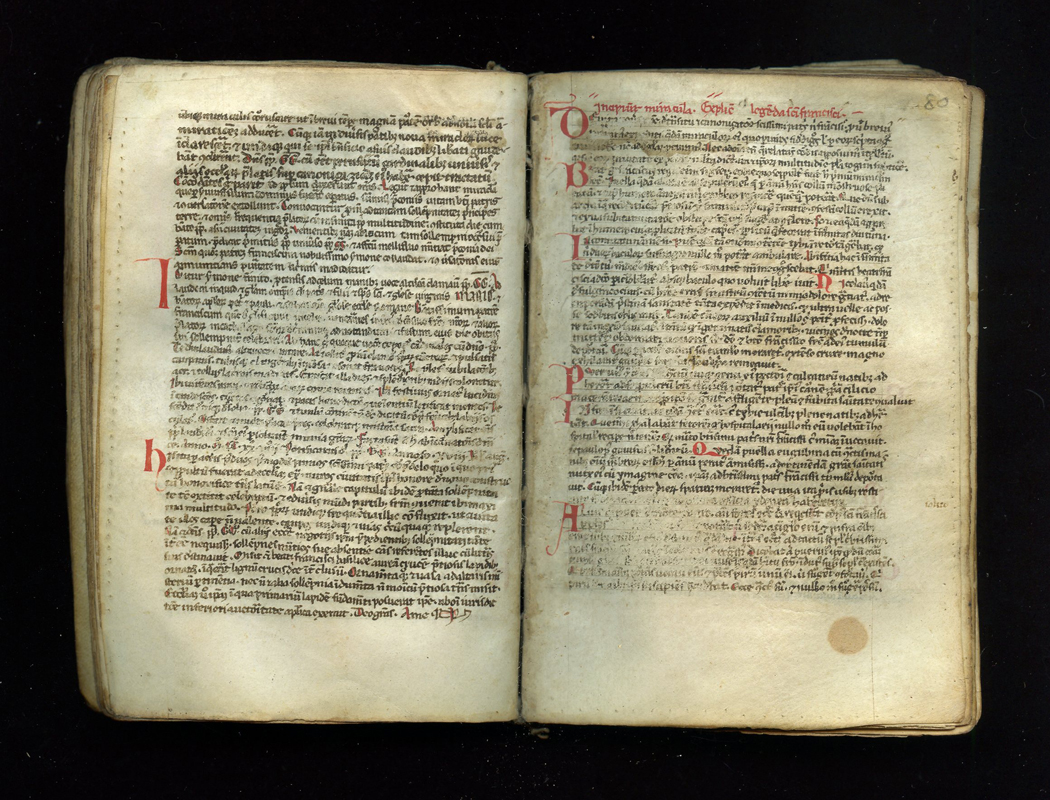
A small notebook of obvious Franciscan origin was recently shown to contain a hitherto unknown Vita of St. Francis, written by Thomas di Celano. It has now been edited
