How Gene-Mapping Help us Decode Early Medieval Secrets

How Gene-Mapping Help us Decode Early Medieval Secrets
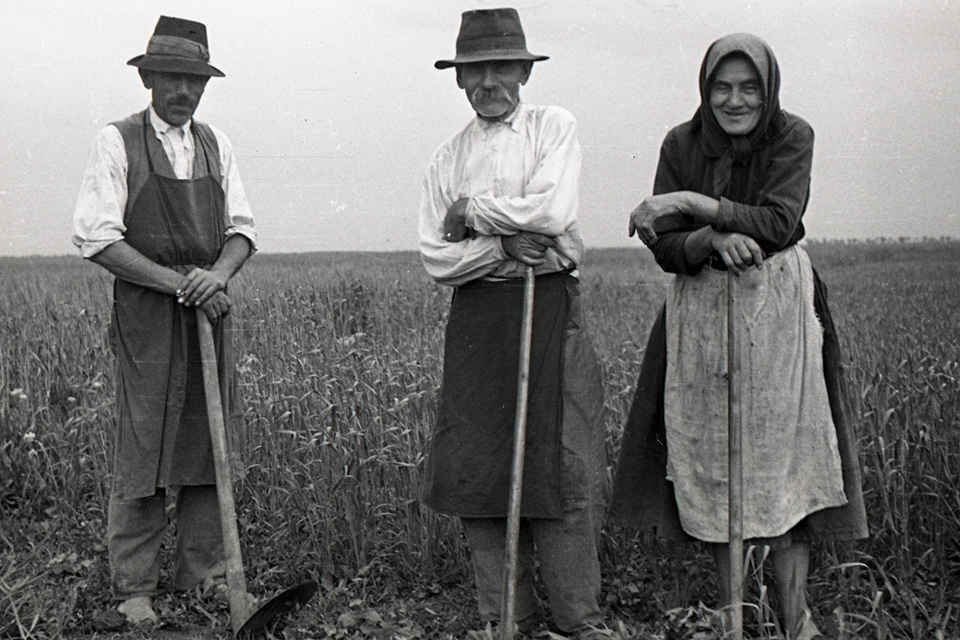
What can Avar cemeteries and a twentieth-century Hungarian village tell us about the extraordinary persistence of family traditions?
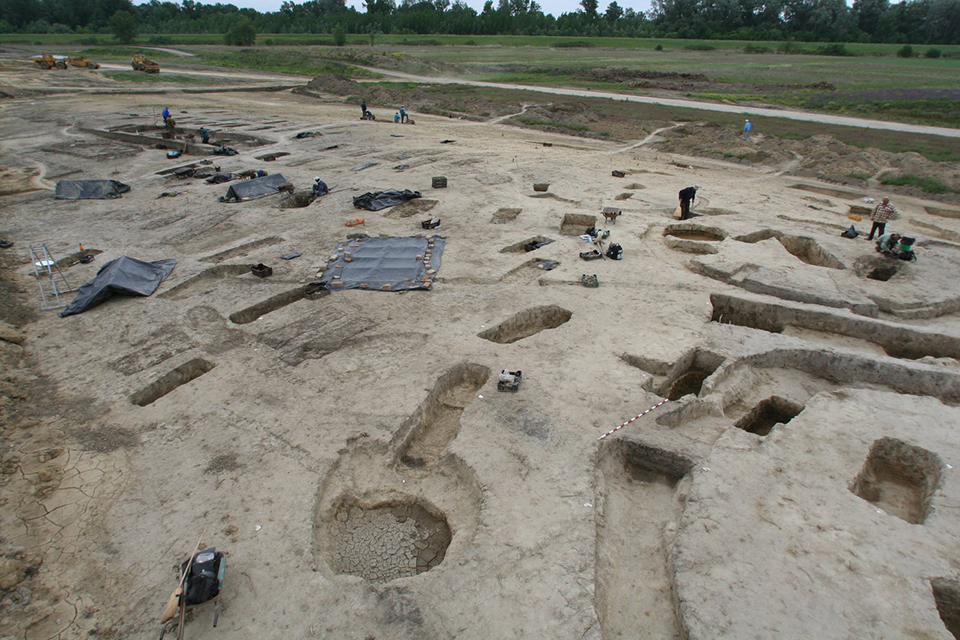
The aDNA studies of the Avars, a Mongolian people who settled in the Carpathians in the 6th century, continue to yield new and fascinating insights into the formation of close-knit ethnic groups.
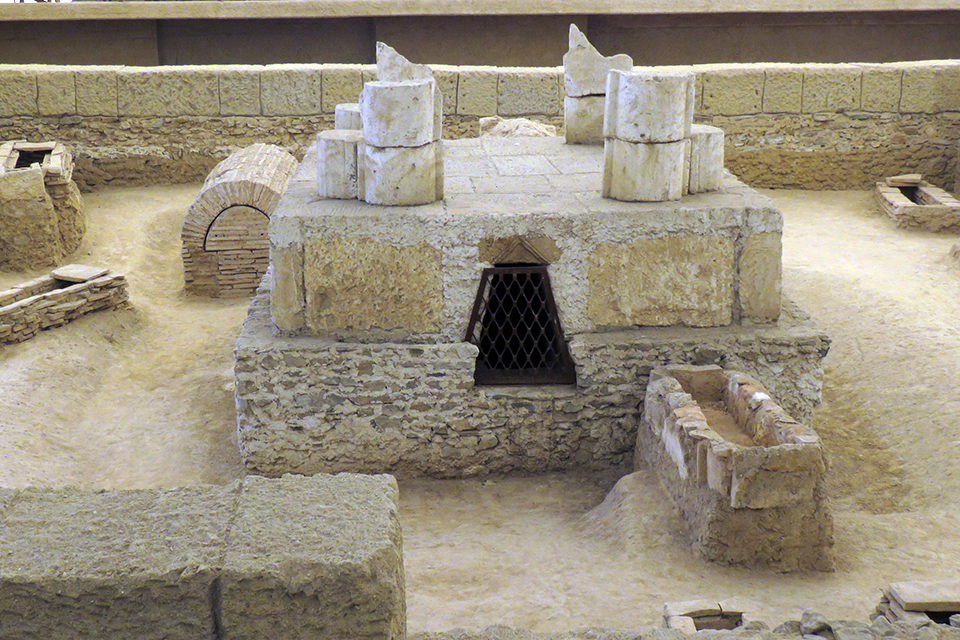
A recent study of the aDNA from 146 individuals buried in Serbia and Croatia demonstrates the cosmopolitan mixture of people in Late Antiquity
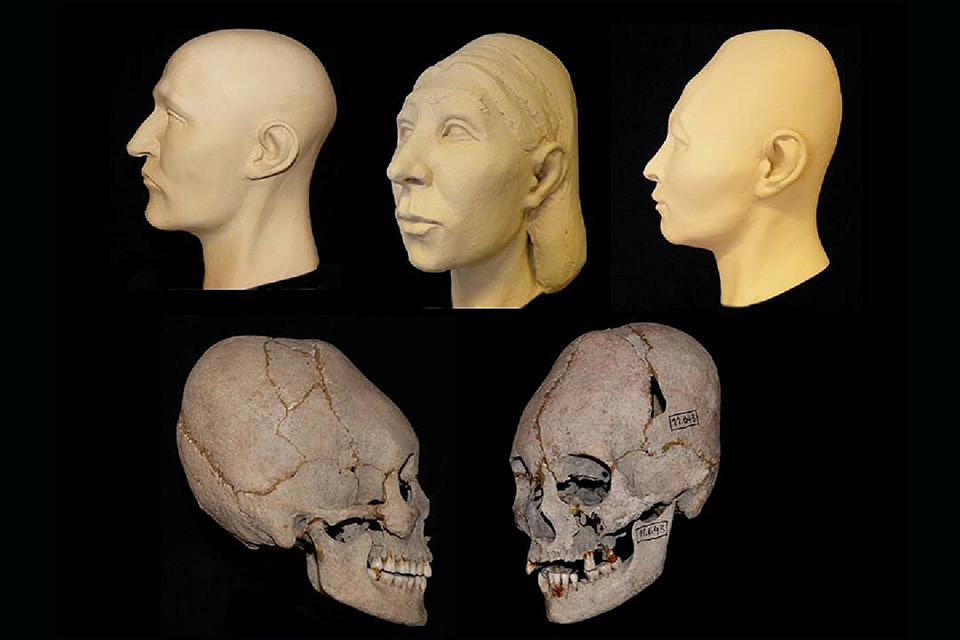
Who were the Huns? The Avars? And the conquering Hungarians? New studies of aDNA tell the story of a series of nomadic peoples, who may have kept themselves apart when migrating across the Eurasian Steppe.

The Avar Khaganate ruled the Carpathian Basin all the way to Caucasus between 557-793. New genetic studies identify them as a people which migrated from Mongoli