Two rare Viking boat burials are currently being excavated in Uppsala, the old political and religious centre in Sweden from c. 550 - 1000
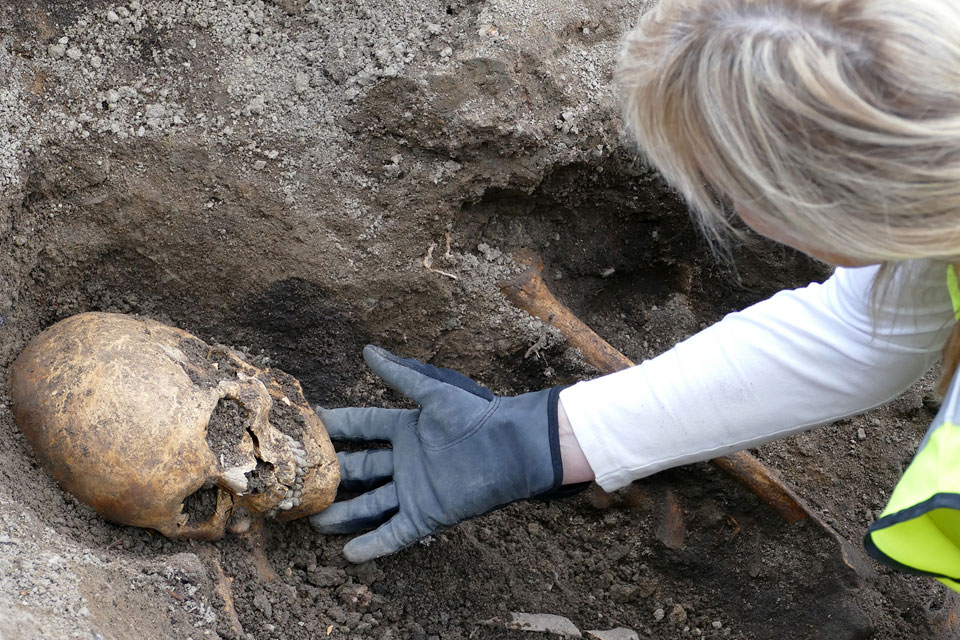
Two rare Viking boat burials are currently being excavated in Uppsala, the old political and religious centre in Sweden from c. 550 - 1000
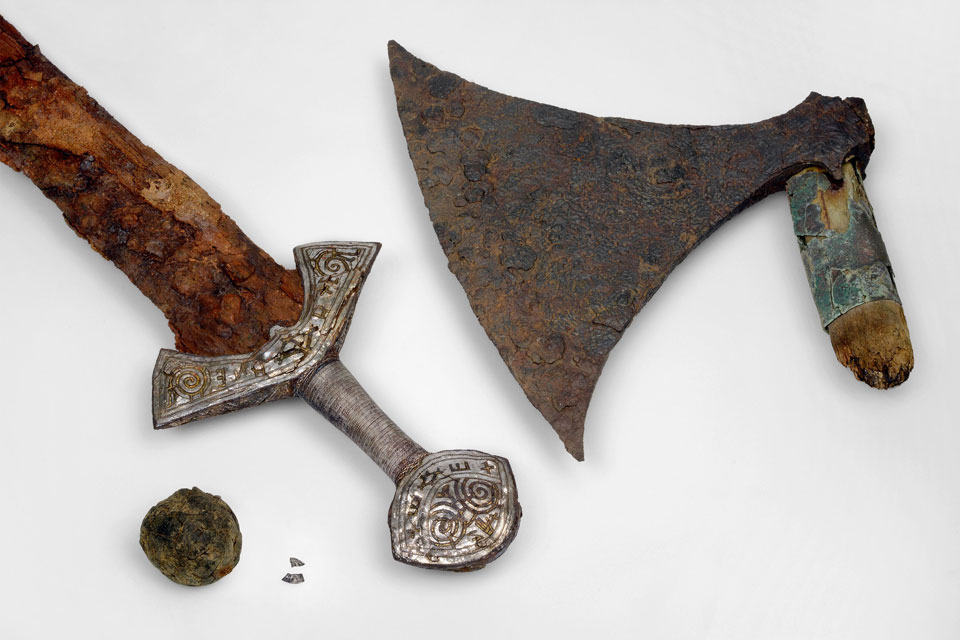
A new Viking exhibition – Vikingr – opened last year in Oslo, showcasing some of the fabulous finds from recent years
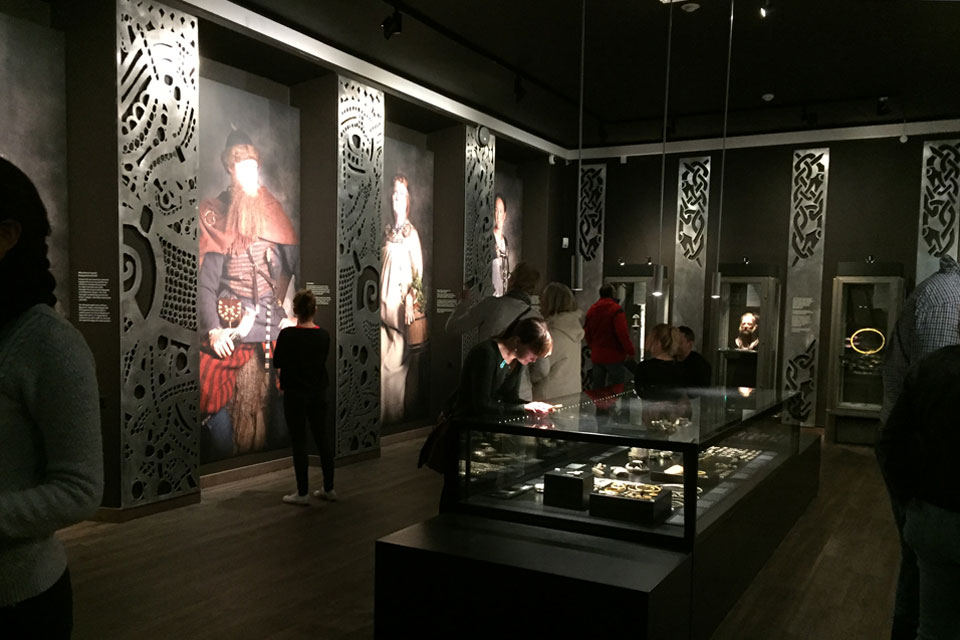
For years, tourists have been puzzled by the “Absent Vikings” at the National Museum in Copenhagen. A revamp of the relevant part of the Pre History exhibition has caused an uproar among historians and archaeologists. But is it fair?
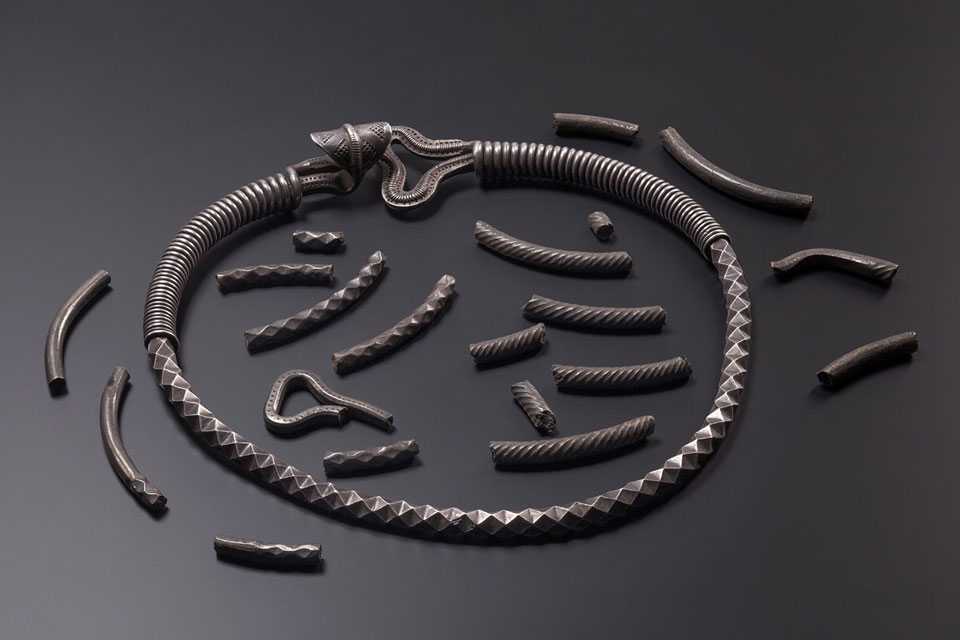
In Austrvegr: The Role of the Eastern Baltic in Viking Age Communication across the Baltic Sea
By Marika Mägi
BRILL 2018

This study looks at the area from a trans-regional perspective, combining archaeological evidence with written sources, and offering reflections on the many different factors of climate, topography, logistics, technology, politics and trade that shaped travel in this period. The work offers a nuanced vision of Eastern Viking expansion, in which the Eastern Baltic frequently acted as a buffer zone between eastern and western powers.
1 Viking Age Cultural Contacts across The Baltic Sea: Behind the Interpretations
1.1 The Evolutionary Development Model
1.2 Eastern Baltic Archaeology and the Concepts of Different Cultural Impacts
1.3 The Character of Communications across the Baltic Sea
1.4 Conclusions
2 Clan-Based Collectivists or Hierarchical Individualists? Late Prehistoric Societies in the Eastern Baltic
2.1 Finland
2.2 Estonia
2.3 Latvia and Lithuania
2.4 Prussia
2.5 Comparing Social Systems in Different Regions in the Eastern Baltic
2.6 Conclusions
3 Making Trade: Cultural Landscapes and Communication Routes
3.1 Maritime Landscapes in Countries around the Baltic
3.2 Long-distance Trade Routes through the Eastern Baltic
3.3 Travelling along Viking Age Routes
3.4 Points in Communication
3.5 Different Modes of Communication in the Eastern Baltic
3.6 Conclusions
4 The Historical Reality: Places, Place Names, and Ethnonyms in Written Sources
4.1 Estland(s) in the East
4.2 Pre-viking and Viking Age Eastern Baltic in Scandinavian Sources
4.3 What Was Rus’?
4.4 Languages and Personal Names
4.5 Conclusions
5 Networks Take Shape: Communication Through the Eastern Baltic 600–850
5.1 Cultural Situation around the Northern Part of the Baltic Sea
5.2 Viking Colonies in the Southern Half of the Eastern Baltic
5.3 Pre-Viking Period Hill-Forts and Trade Centres along the Eastern Baltic Coast
5.4 Conclusions
6 West Goes East: Viking Age Long-distance Communication and the Eastern Baltic 850-ca. 1000
6.1 Viking Age Centres Connected with International Trade Routes in the Eastern Baltic
6.2 Cultural Landscapes along the Eastern Way
6.3 Cultural Landscapes in the Middle Part of the Eastern Baltic
6.4 Coin Finds in the Eastern Baltic
6.5 Interpreting Routes and Centres in the 9th–10th Centuries
6.6 Conclusions
7 Between Consolidating States. The Eastern Baltic Areas in the 11th and 12th Centuries
7.1 Interaction with Scandinavian Kingdoms
7.2 Northern Eastern Baltic in the Final Centuries of Prehistory
7.3 The East Attacks
7.4 Landscapes around the Daugava Route
7.5 Southern Couronian Coast
7.6 Coins and Trade
7.7 Conclusions
8 Summing up and Conclusions
8.1 Two Cultural Spheres in the Eastern Baltic
8.2 The Shared Cultural Sphere of Warriors
8.3 Written Sources and Places on the Eastern Coasts of the Baltic Sea
8.4 Different Periods in the Viking Age
Marika Mägi, PhD (2002), Tartu University, is a senior research fellow at the Centre for Medieval Studies at Tallinn University. She is an archaeologist and historian and has published mainly on Viking Age and Middle Ages in Estonia and neighbouring areas.
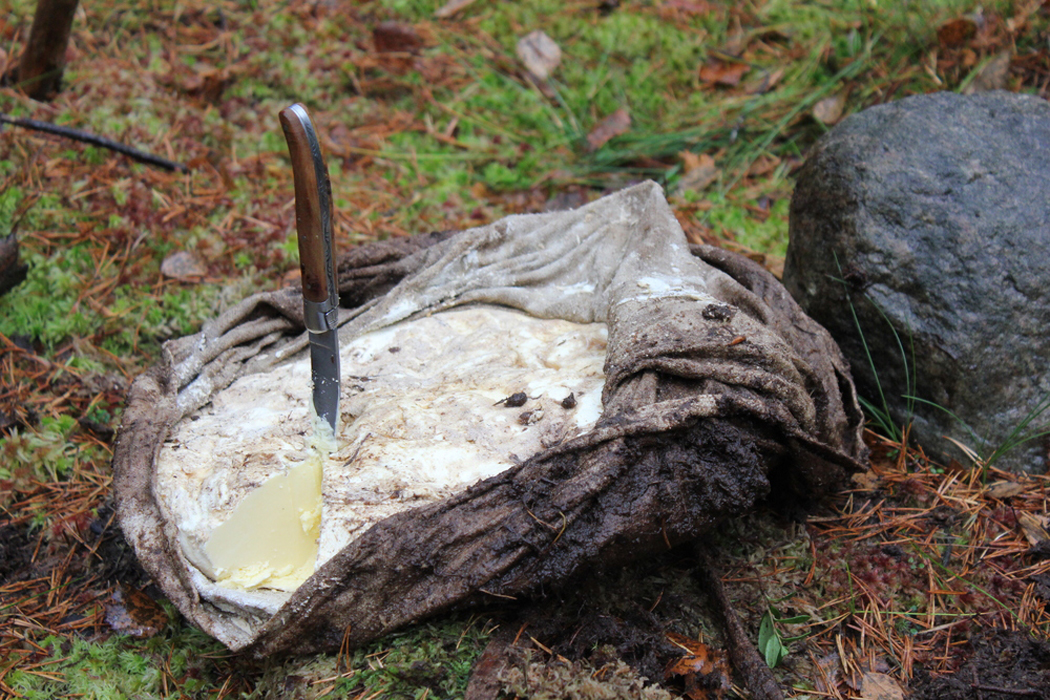
Silver, coins, pendants, and jewellery were not the only types of valuables in the Viking Age. Butter and cloth were also significant elements in the Viking economy
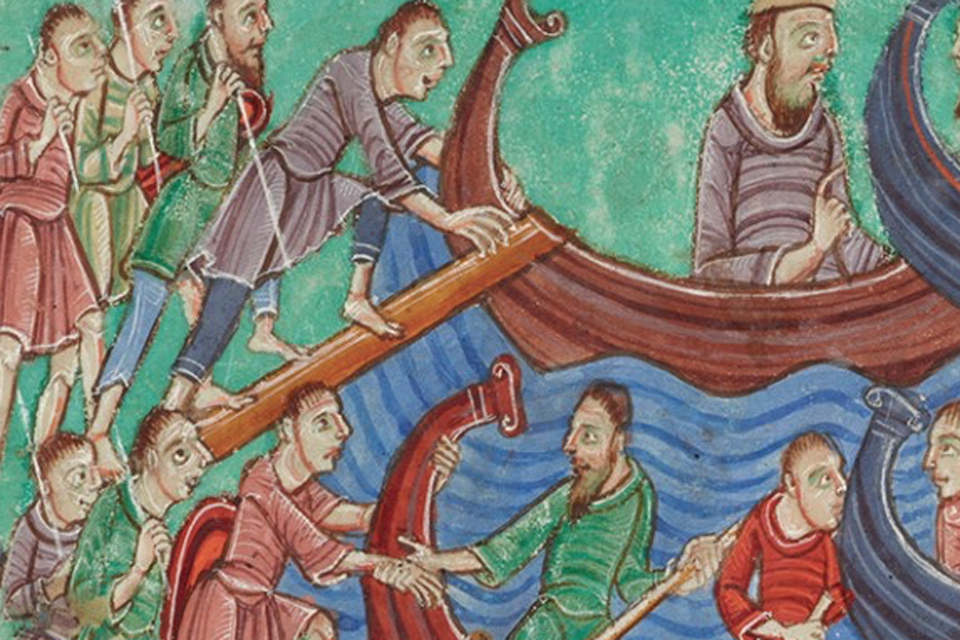
Chronicles, hagiographies, and charters tell us different stories of the character and the identity of the Vikings. By comparing the evidence from both England and Normandy, a new book introduces the reader to the complex ways in which Scandinavian heritage was used strategically to cement local politics.
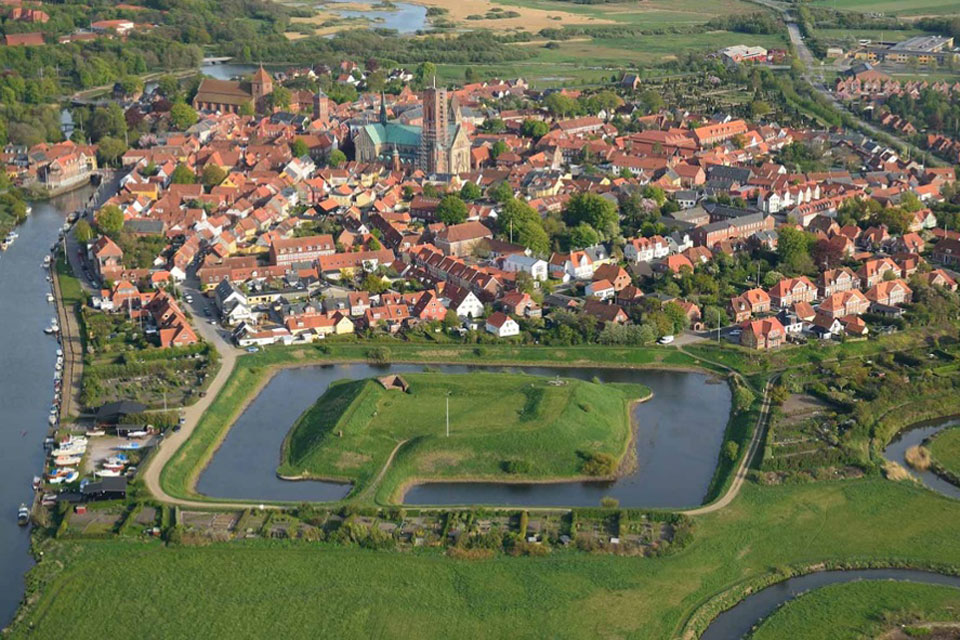
Ribe was the earliest emporium in Early Medieval Denmark. At the cusp of the Viking Age, the town played a significant role. But when was it founded? By whom? And for what reason? Renewed excavations this summer brought us closer to an answer.
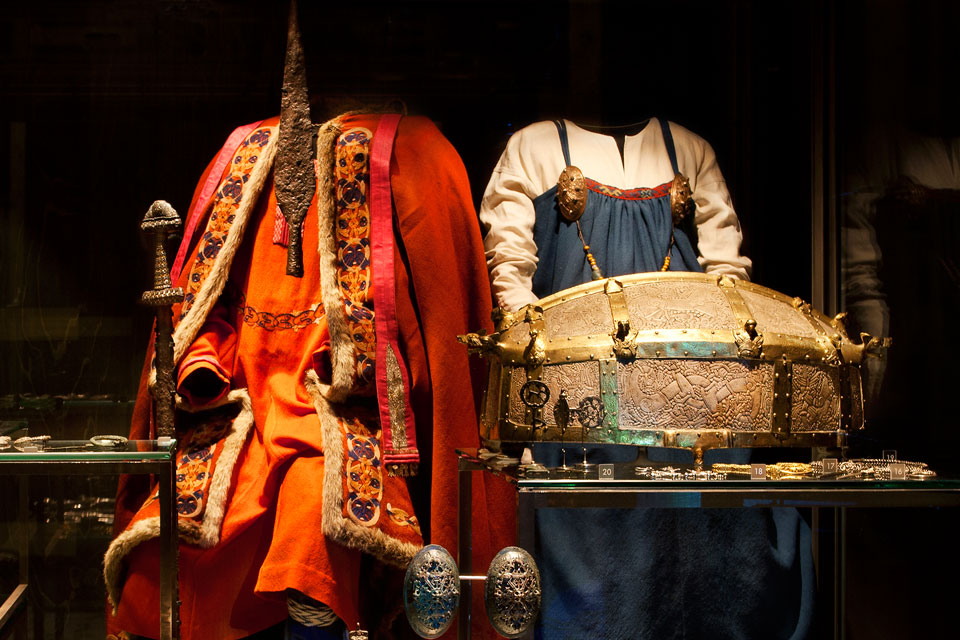
What did Viking clothes and outfits look like? A large grant supports archaeologists and textile researchers exploring and recreating authentic textiles and dresses
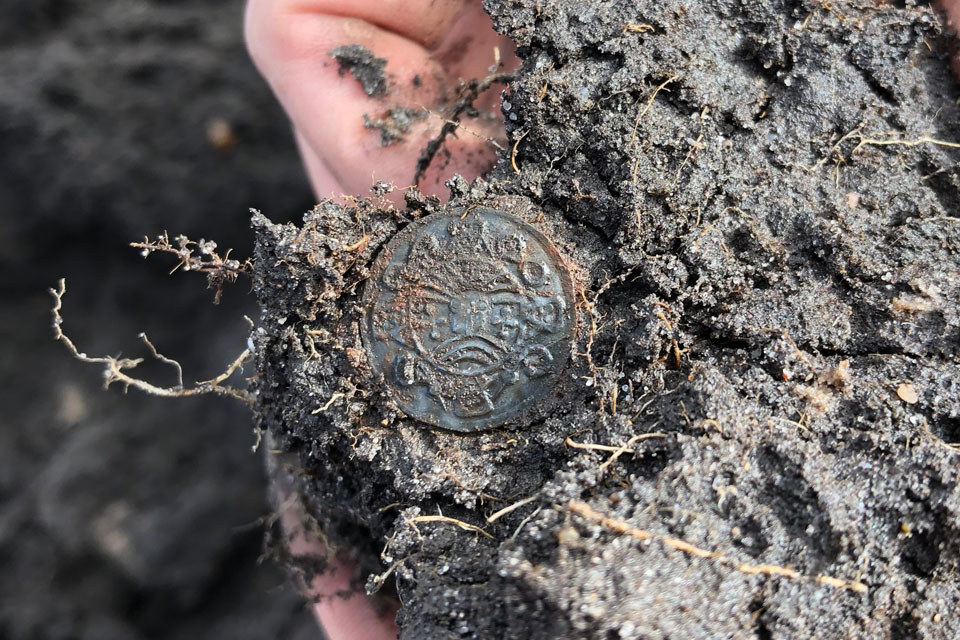
Recently, a lucky punch from a detectorist resulted in the find of a very rare Viking coin. Soon, the find had multiplied to 252 coins, shedding new light on the rule of power in early Viking Denmark c. 800
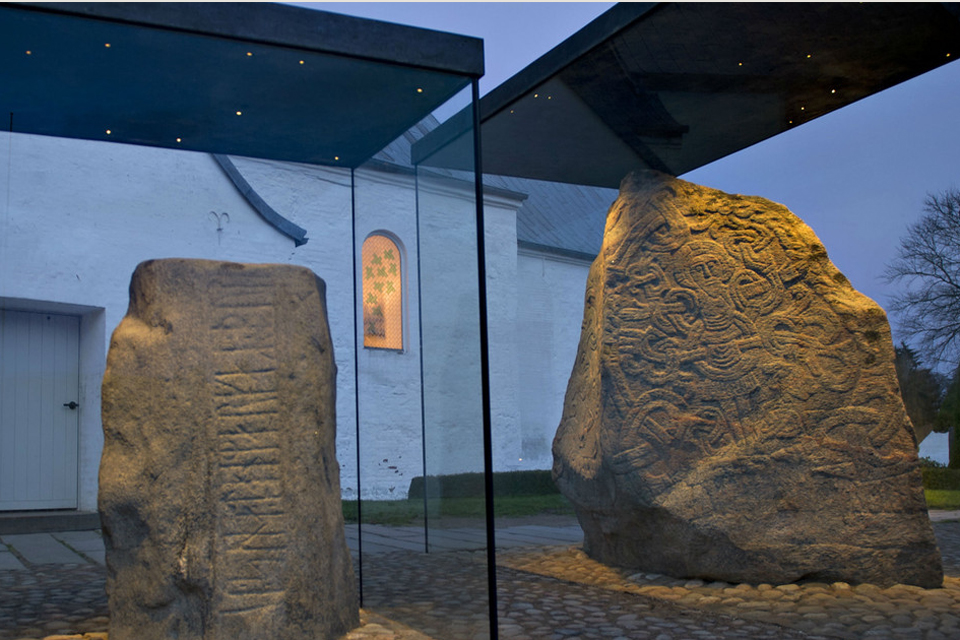
Recently, the National Museum in Copenhagen published the report for 2016 – 17 on the progress of the Jelling project, which aims to get a better understanding of the imposing, yet enigmatic monument registered as a UNESCO site
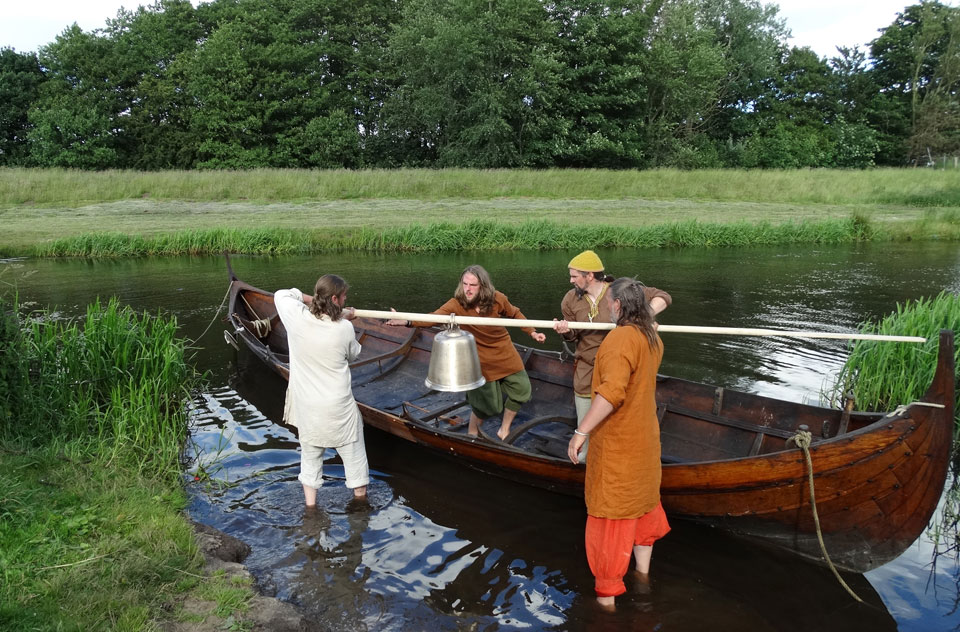
Ribe Viking Centre is an open-air museum faithfully recreating lif in the Viking Age. This summer a major attraction is the recreation of Ansgar’s church c. 850
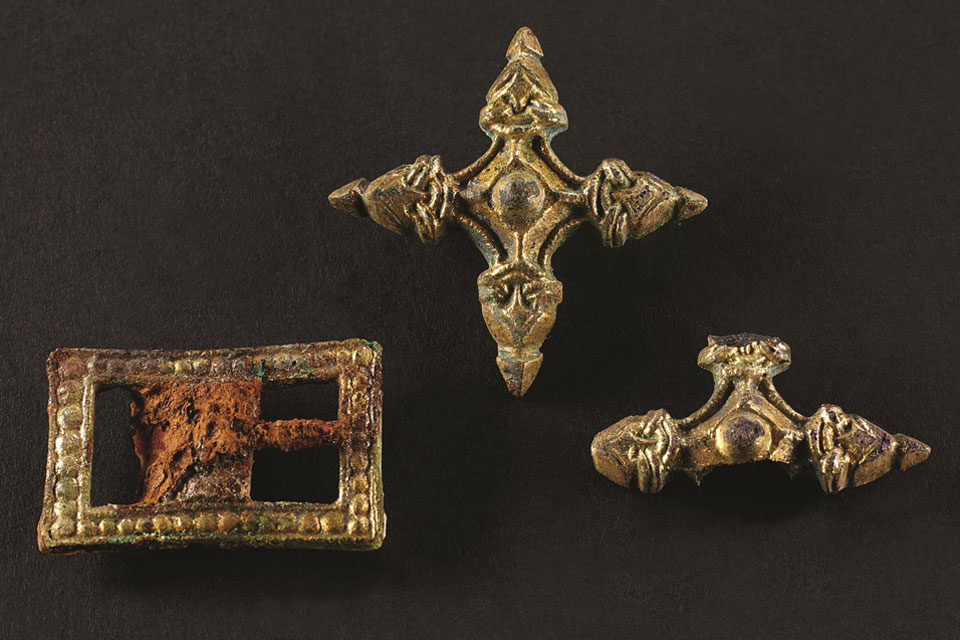
Sensational find of several chamber graves from the later part of the Viking Age at Fregerslev in Denmark witness to the ethos of the Viking warriors

Roskilde 6 is the pitiful wreck, which clothed in stainless steel still amazes. The question is what effort it took to set sail...
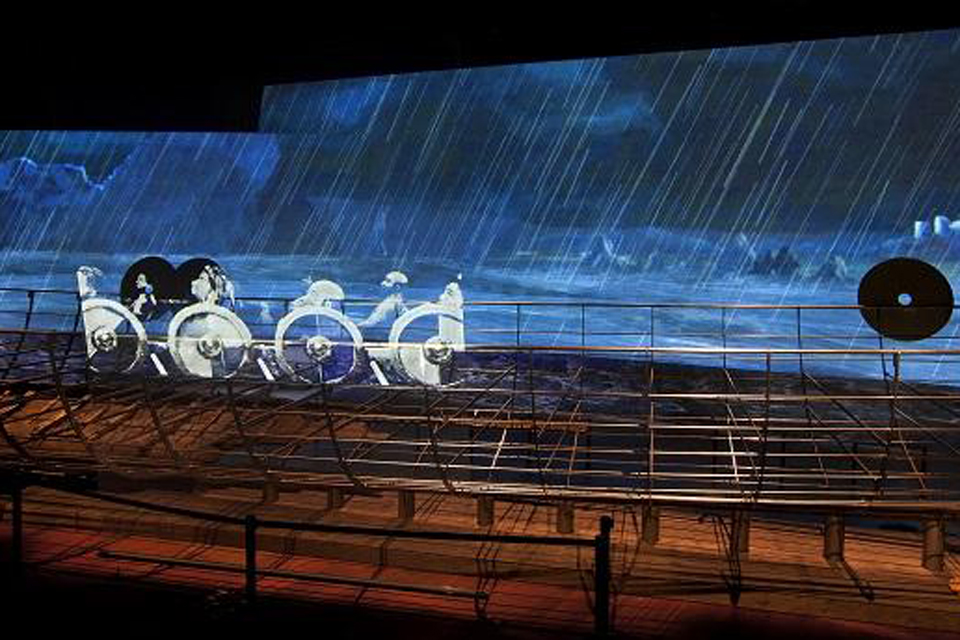
The focal point of the Viking exhibition 2013 will be the world's largest known Viking ship. Measuring 37 metres it will surely amaze visitors
