Germans and Poles living in the Oder Delta strongly support rewilding and the introduction of large animals - including wolves and lynx, returning its landscape to its former medieval glory.
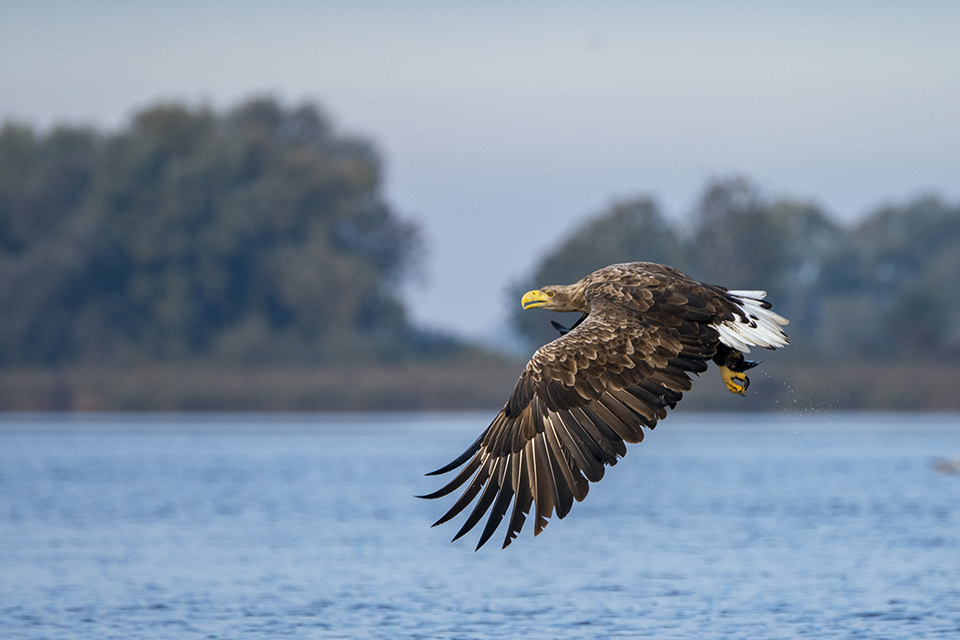
Germans and Poles living in the Oder Delta strongly support rewilding and the introduction of large animals - including wolves and lynx, returning its landscape to its former medieval glory.
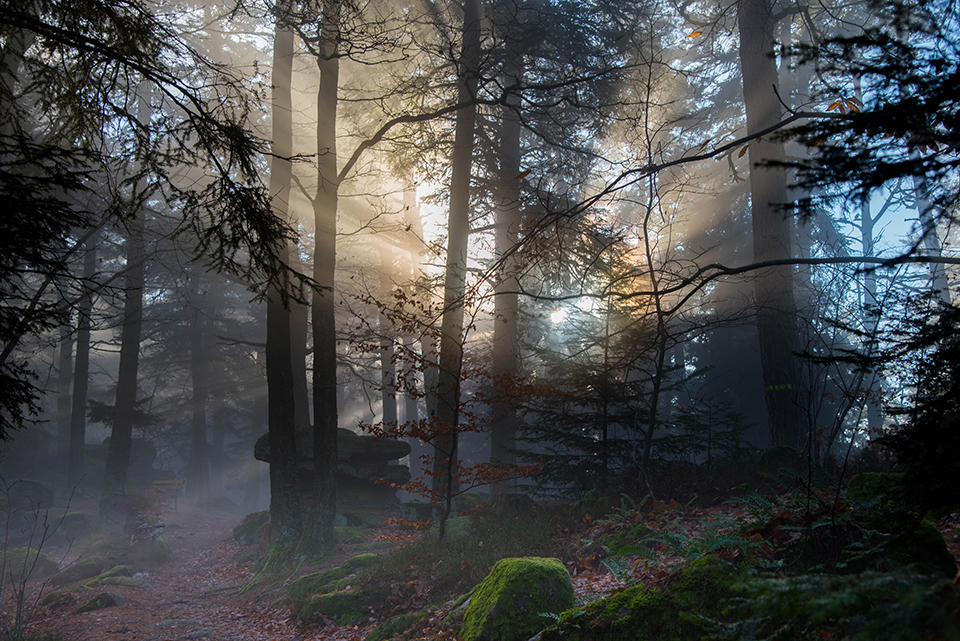
In the Early Middle Ages, the Vosges were regarded as a wilderness - by elites, poets and priests. However, the ideas about how to live in and utilise this wilderness were contested.
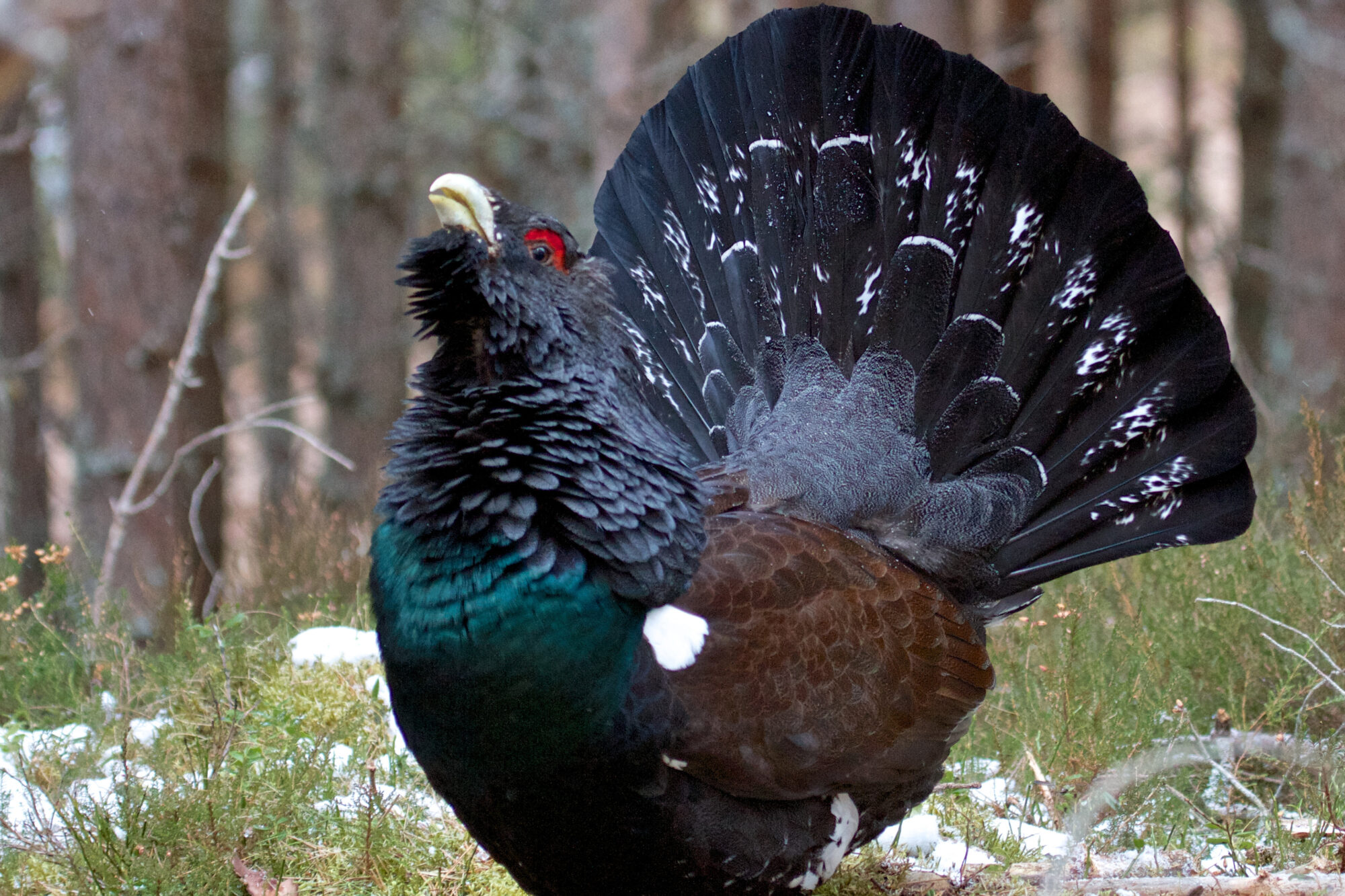
Since 1985 the number of European Capercailles in Middle Bavarian Alps have been reduced. This has happened despite a general hunting prohibition since 1973. New research points to the influence of climate changes, but also the impact of outdoor tourism
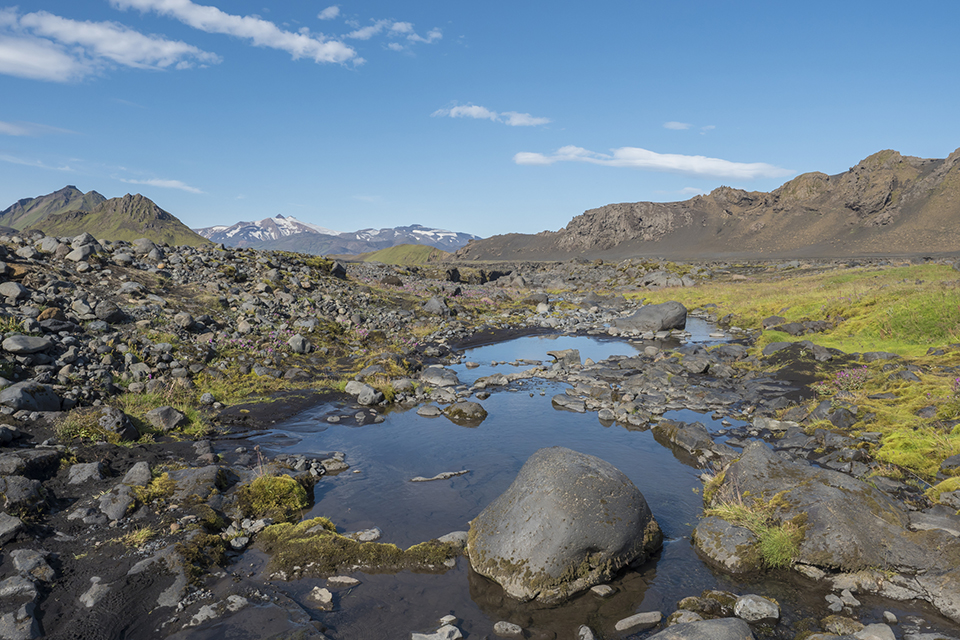
Iceland is covered with vast stretches of wilderness. The question is, how is it best protected?
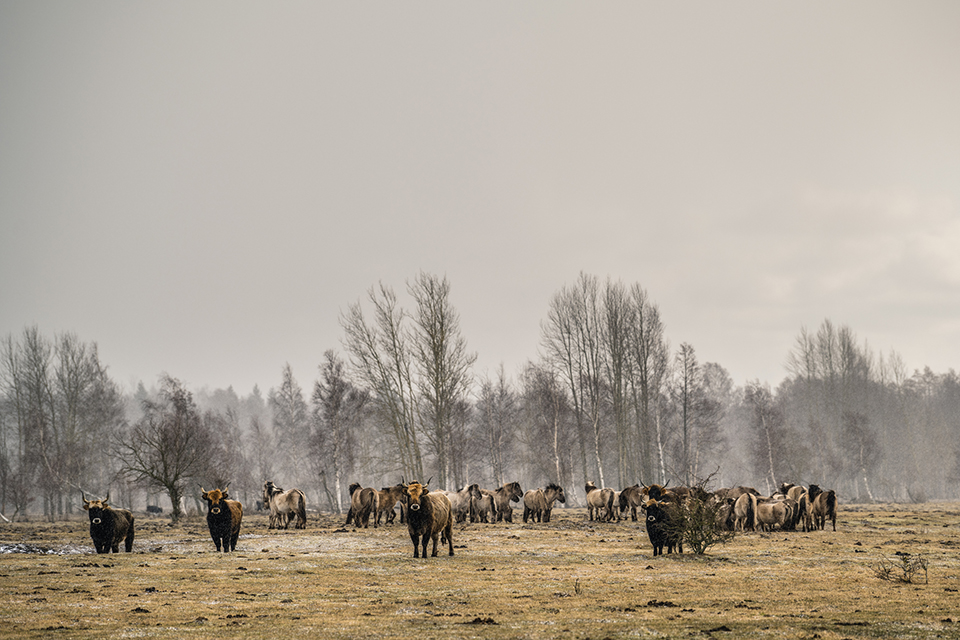
What is best when considering Europe's abandoned farmland? Should it be returned to more extensive - traditional and even Medieval - ways of sylvo-pastoral forms of cultivation? Or should it be rewilded with large grazers? Or left to its own devices?
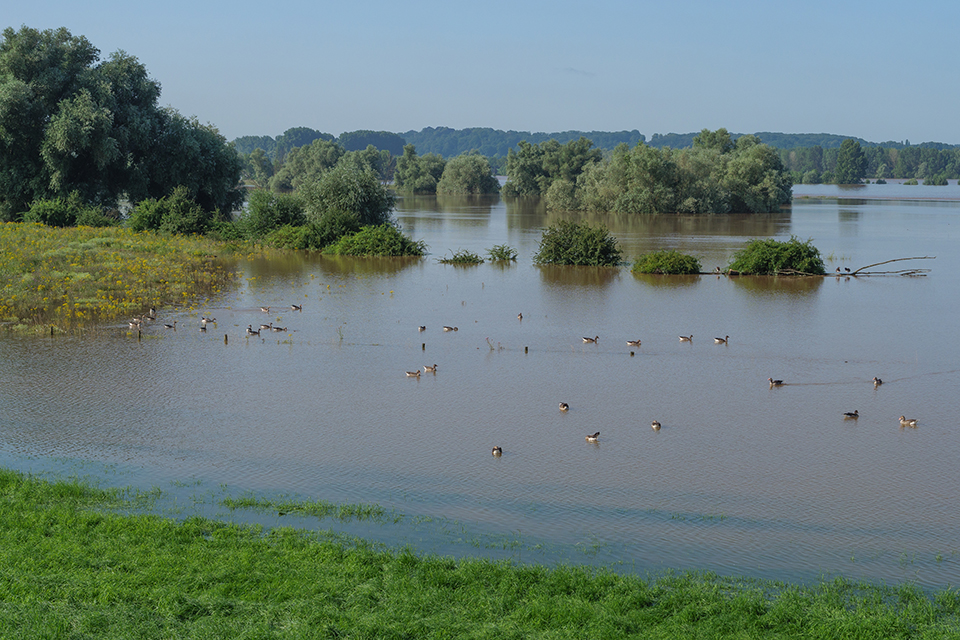
Bislich, where the grave of Bodi was discovered more than fifty years ago, lies in the middle of a protected river landscape well worth visiting
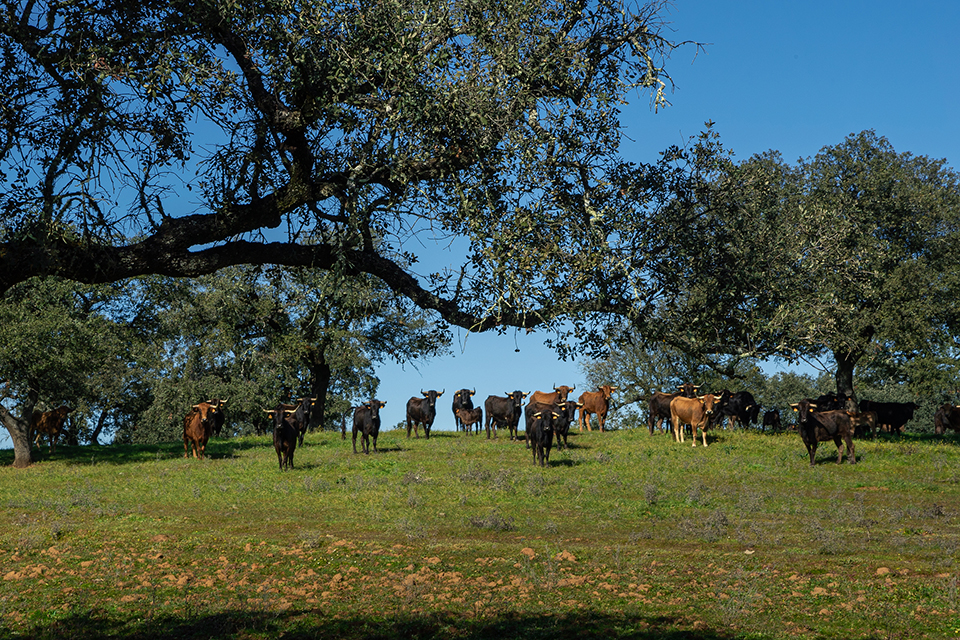
In Andalusia, the dehesa landscape dominates. The question is whether the protection of the dehesas serves to safeguard the cultural heritage or the biodiversity?

Also known as the Chillingham Cattle, Britain is home to four flocks of White Cattle living in the wild since the 12th century.
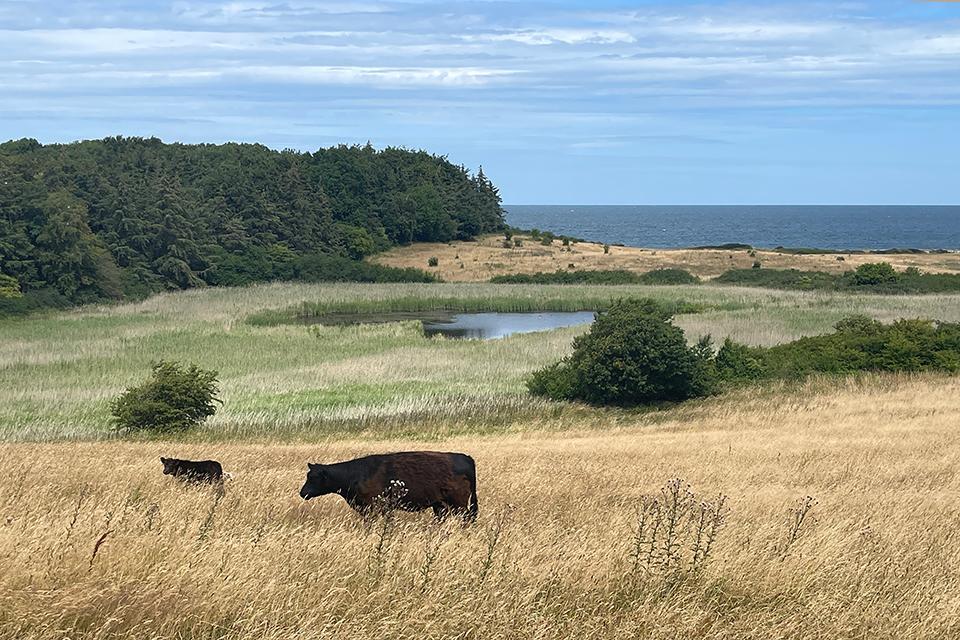
Rewilding can’t alleviate all the climate challenges we face. However, it does offer a precious contribution, namely a decisive upgrade of carbon sequestration in forests, grassland and tundras. With biodiversity as an added bonus.
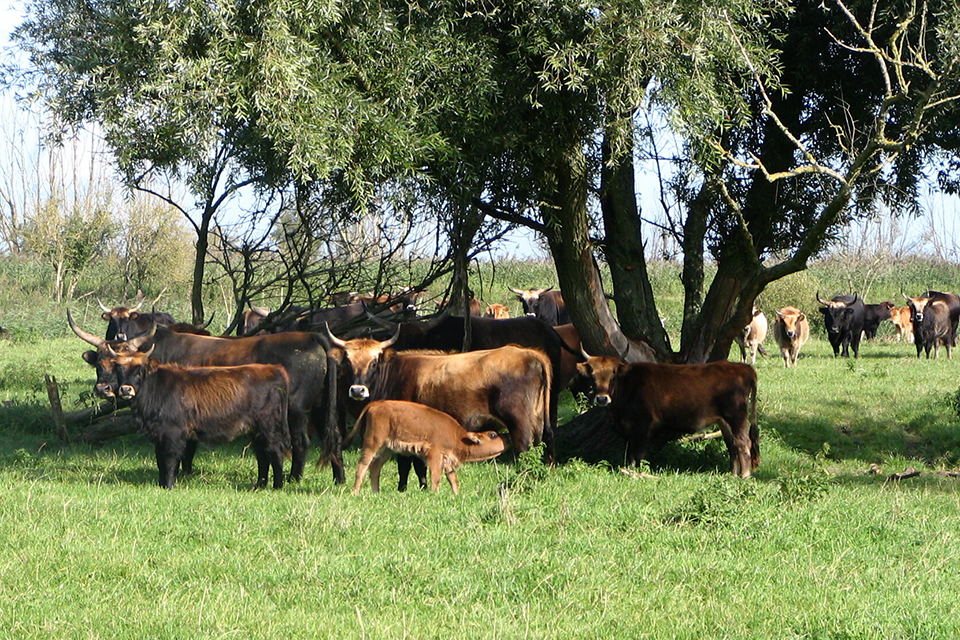
What the heck, does Heck Cattle have to do with environmentalism? Or rewilding? And is it amoral to resurrect such animals?
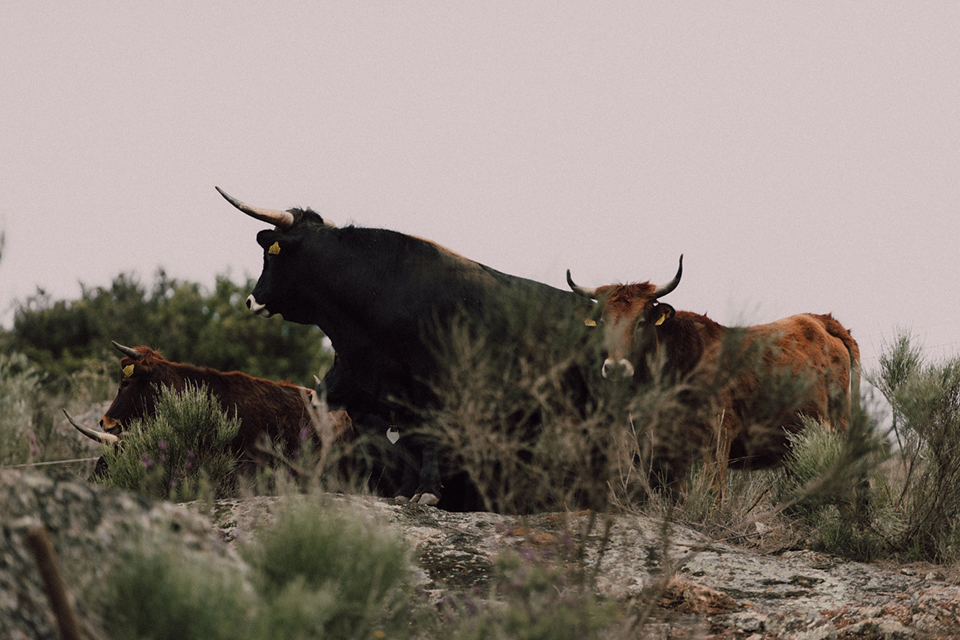
Backbred Aurochs have been released into the Greater Côa Valley for the first time. The herd will play a vital role in restoring grassland and woodland habitats in the rewilded landscape in Northern Portugal
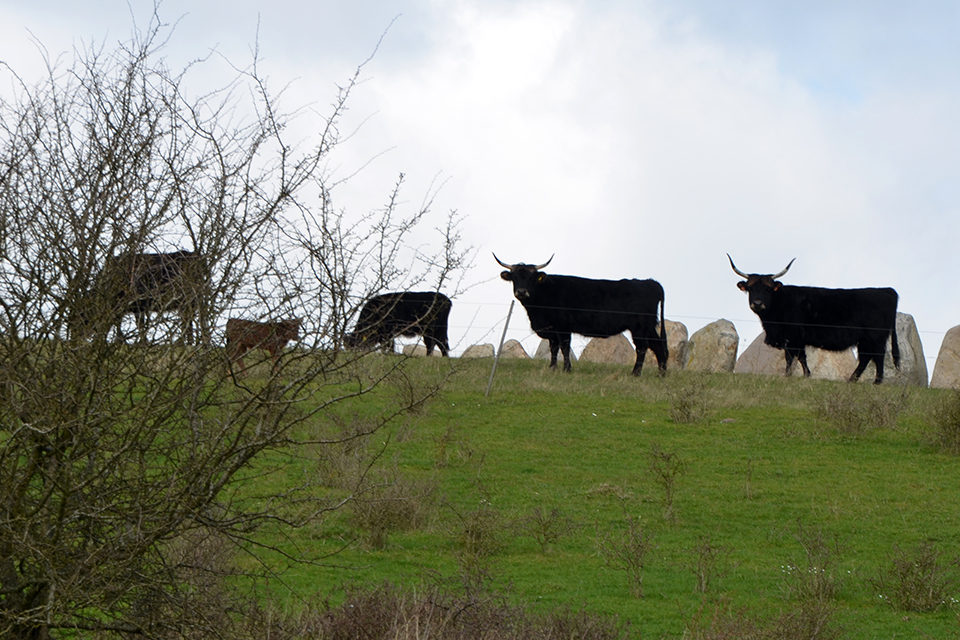
What role did exotic animals like peacocks, white storks, cats, rats and aurochses play in the Viking and Medieval Baltic region, AD 800-1300? New research offers a fascinating story
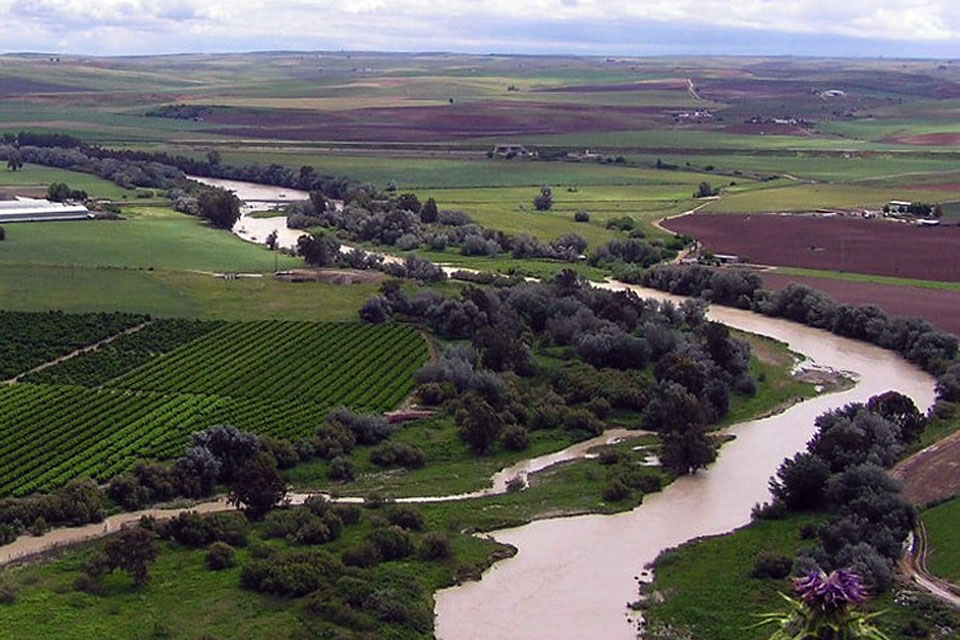
The history of medieval landscapes tells us of forests, groves and meadows sourced for wild edible plants and other fauna, which might help to survive despite fragile economic situations