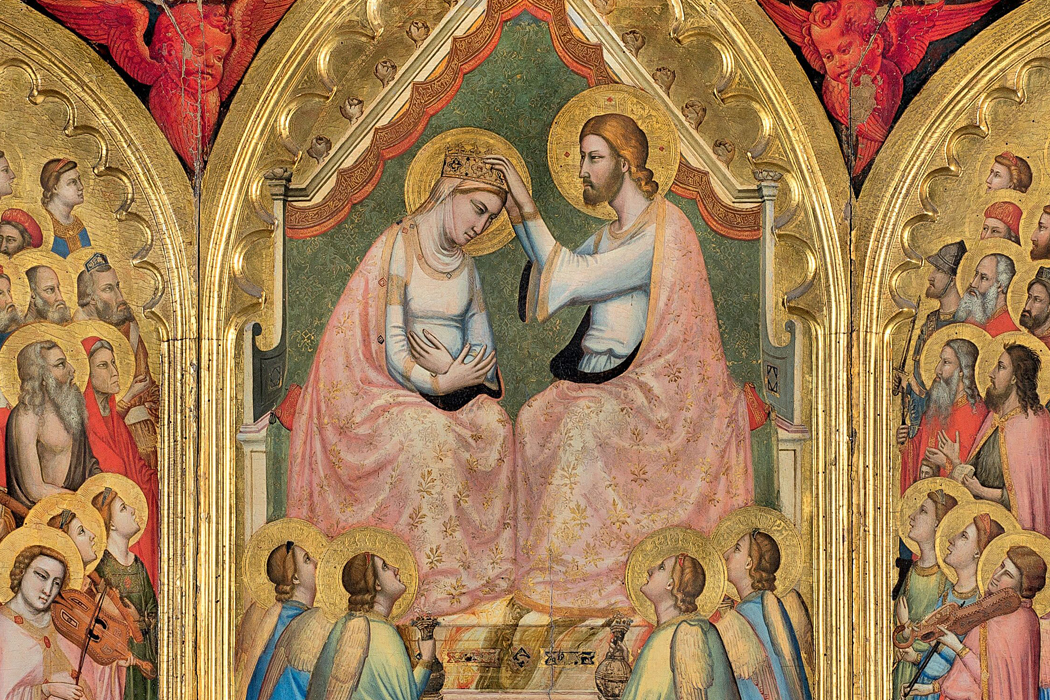
Giotto is without doubt one of the great masters in European Art. This autumn a major exhibition – Giotto L’Italia – of fourteen masterpeices may be seen in Milan.
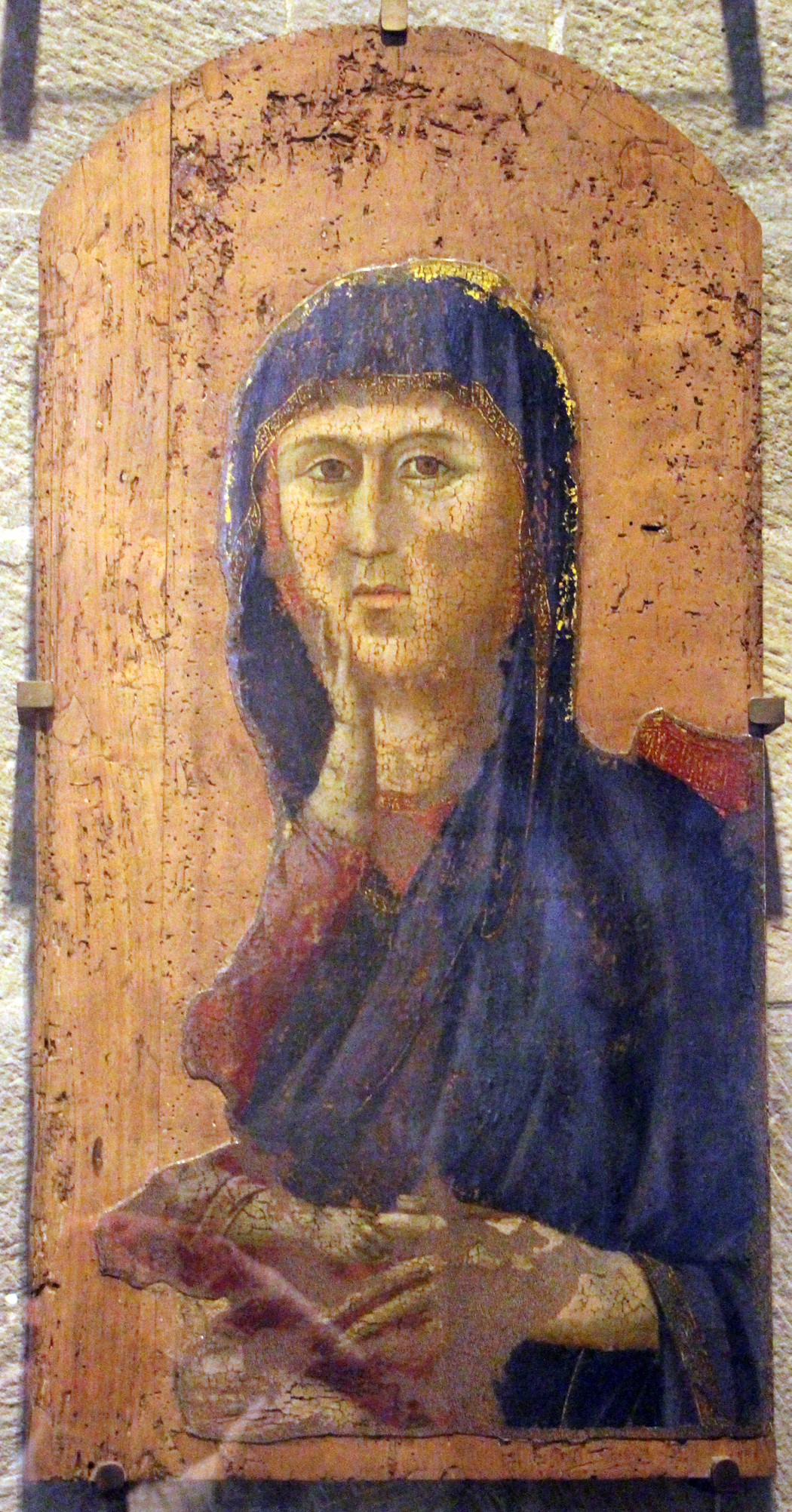
Giotto was probably born around 1270 in Vespignano in Mugello, northeast of Florence, where he later owned land and perhaps occasionally lived with his family. He also had a house in Florence in the area between Via dei Panzani and via dell’Albero. He died in the city of Florence, where he was buried in the forerunner of the great cathedral. Mentioned and befriended by Dante, Petrarch, Boccacio and many other authors, poets and literates of his own time, he was recognised as one of the greatest artists of all times. A medieval celebrity, in short. As such he was commissioned by cardinals, religious orders, bankers and even the king of Naples to paint frescoes and altarpieces. Much of which has unfortunately exists only in fragments or has been lost. But, still we may admire his craft, which was obviously inspired more by what he saw, and less by what convention demanded. We do not need to listen to Leonardo telling us that Giotto drew directly from nature. This is obvious, when we view his art. Full of gestures, faces, sorrows and joys set in natural landscapes, city-squares or inside 14th century houses, we feel invited into a world not very far from our own dreams of simple living. Giotto is an artist one is never tired of “looking up” while travelling through Italy.
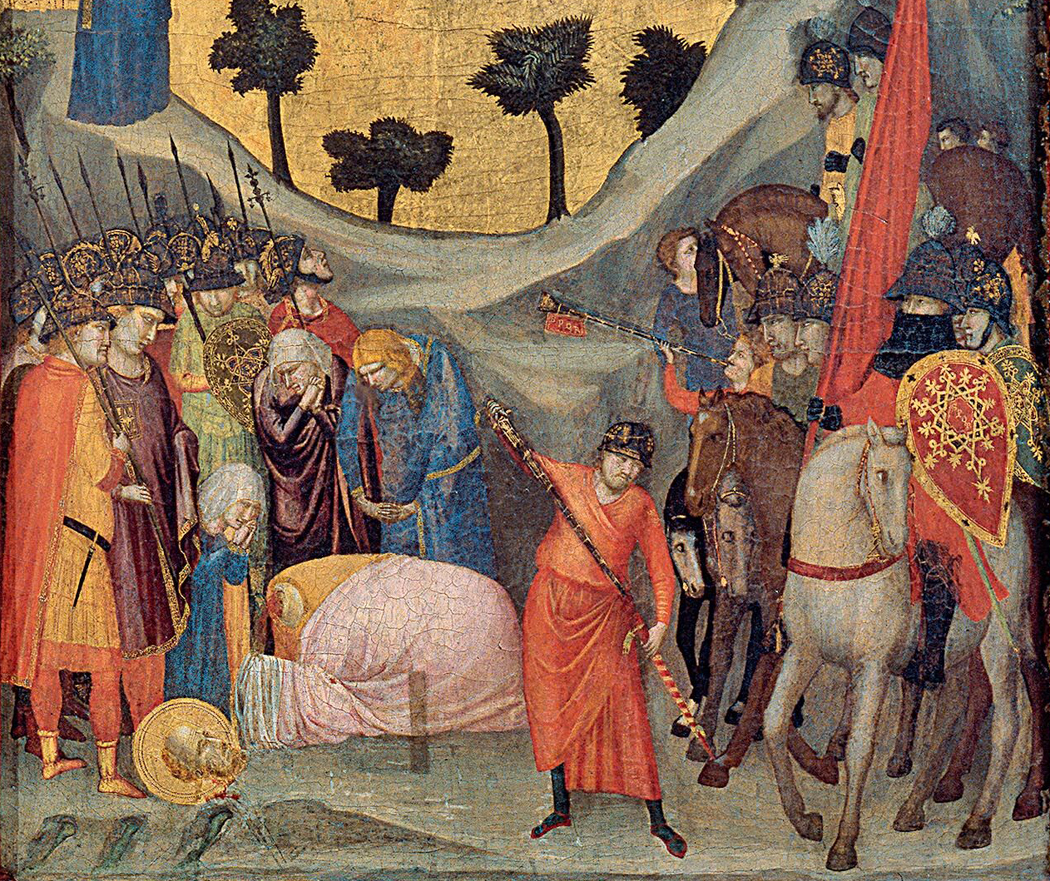
This autumn, however, Milan has mounted an exhibition showcasing fourteen masterpieces painted on wood, thus giving us what is probably once-in-a lifetime chance of sampling his art in large gulps.
The intention has been to offer visitors to Milan Expo 2015 a chance to see the overwhelming qualities of this revolutionary painter, which still amazes and inspires modern artists, the late Yves Klein, Bill Viola, and many, many others.
The exhibition is mounted in the Palazzo Reale, where Giotto painted his latest cycle of frescoes – the frescoes of the Palazzo Azzone Visconti, now unfortunately lost.
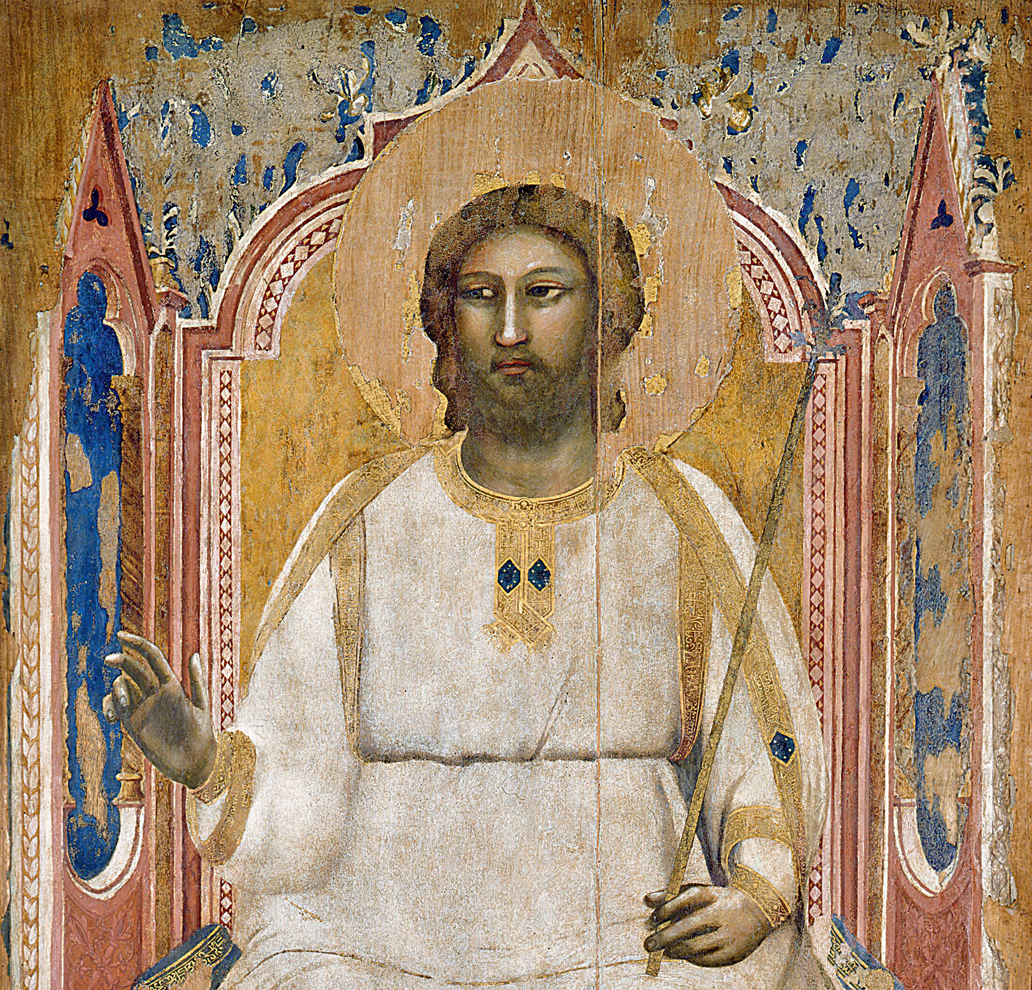
The exhibition opens with two youthful works, the fragment of the Maestà of the Virgin from Borgo San Lorenzo and the Madonna from San Giorgio alla Costa. Then follows the polyptych from Badia Fiorentina around which are some fragments from the surrounding frescoes. Next is the panel with God the Father comes from the Scrovegni Chapel and documents his time in Padua. This is followed by the polyptych from Santa Reparata followed by the extraordinary Stefaneschi polyptych, the masterpiece painted for a side altar in the old Saint Peter’s in Rome. To this has been added a small painting (obviously a fragment) of the heads of two apostles.
The exhibition ends with the Bologna Masterpiece intended to celebrate the return of the papal court from Avignon, and the Baroncelli altarpiece from Santa Croce in Florence. From the Museum of San Diego comes the cusp depicting God, which is reunited with this altarpiece at the exhibition.
All in all 14 masterpieces and 5 fragments of frescoes are exhibited. The exhibition is accompanied with a dedicated book and art shop.
The exhibition, under the patronage of the President of the Italian Republic, is promoted by the Ministry of Heritage and Culture and Tourism and the City of Milan–Culture, under the patronage of the Lombardy Region. It is produced and organized by Palazzo Reale and by the publishing house Electa. The scholarly project is by Peter Petraroia (Éupolis Lombardia) and Serena Romano (University of Lausanne), who are also the curators of the exhibition and have edited the catalogue.
Visit:
Giotto L’Italia
Palazzo Reale in Milano
02.09.2015 – 10.01.2016
Catalogue:
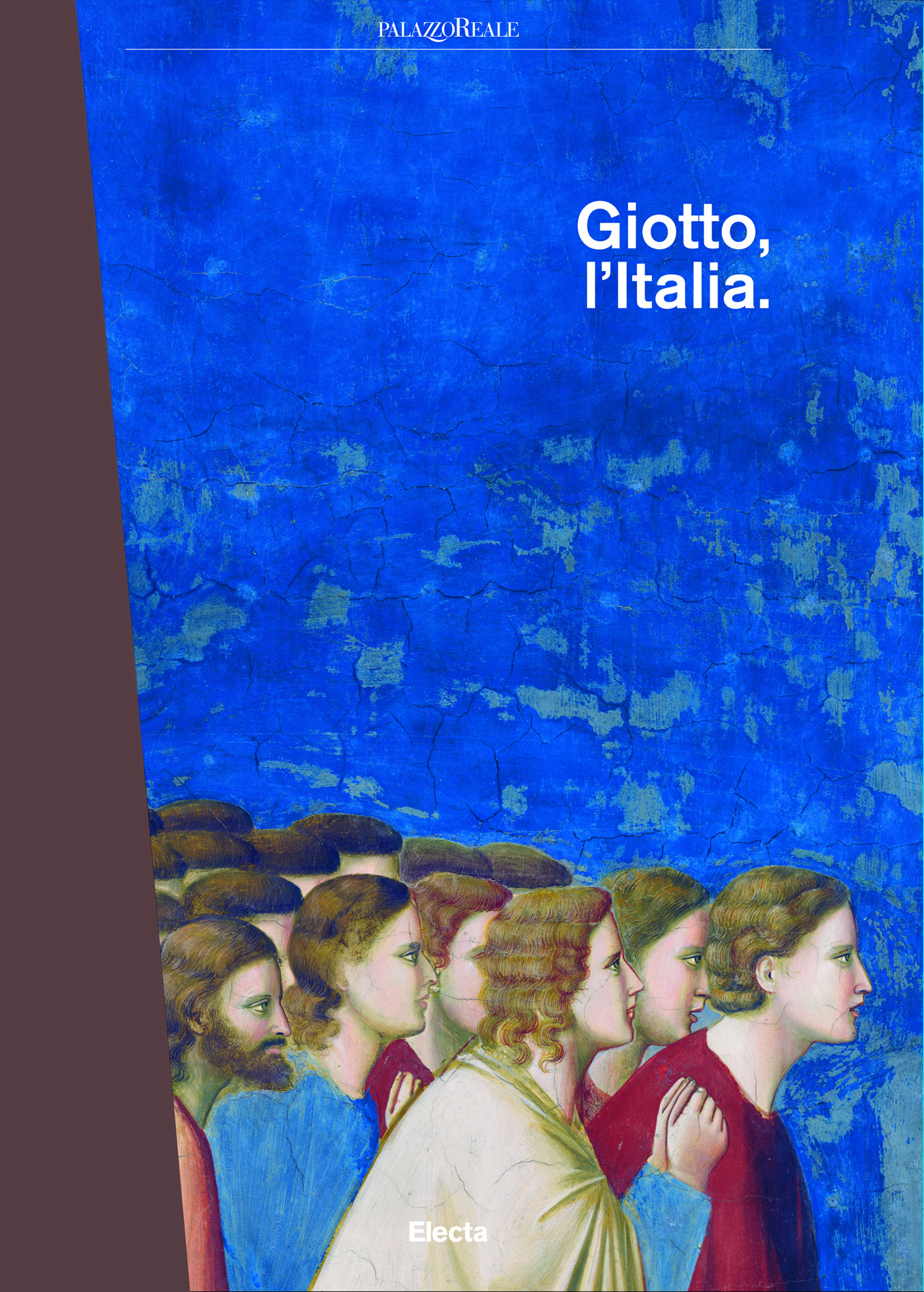 Giotto L’Italia
Ed by Serena Romano and Pietro Petraroia
Electa 2015
ISBN-10: 8891805130
ISBN-13: 978-8891805133
SEE AND VISIT MORE:
FEATURED PHOTO:
The Baroncelli Polyptych. Detail with the Coronation of the Virgin. c 1330. © Basilica di Santa Croce, Firenze/ Fondo Edifici di Culto del Ministero dell’Interno/Mondadori Portfolio/Domenico Ventura/Roma