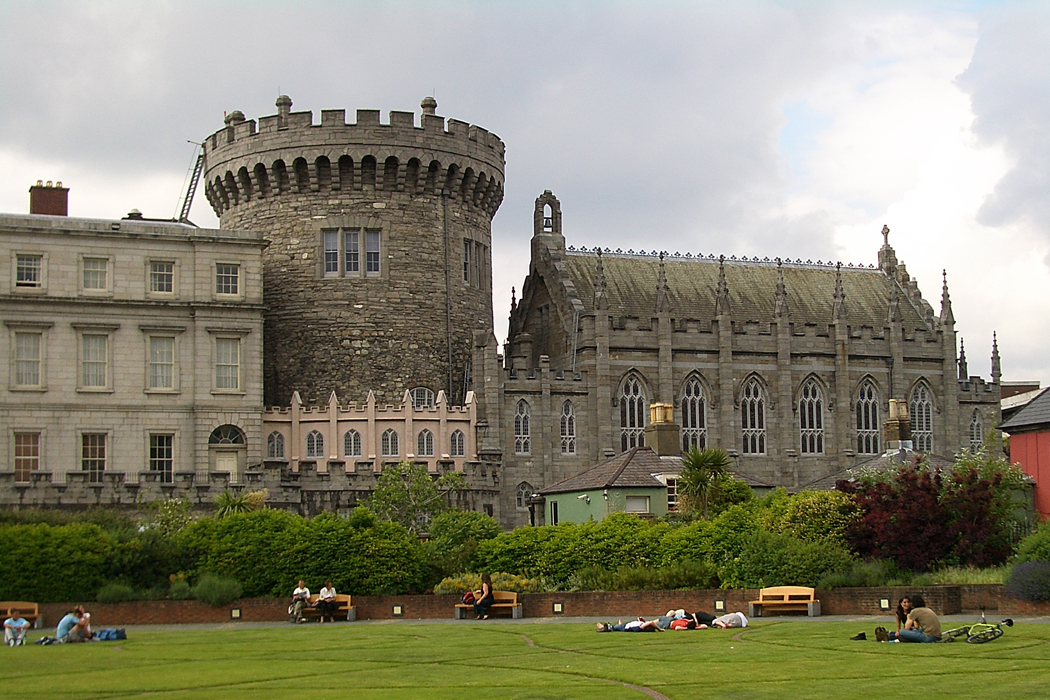
2016 will witness the 800 anniversary of the death of one of the most controversial English Kings, John (1166 – 1216)
Accused by his enemies of murder, viciousness, and sexual depravity, King John was also a ‘state builder’ who brought forth advances in law and administration. Although he lost many lands in France, he is responsible for establishing the long and difficult political union between England and Ireland. As Ireland commemorates 1916 and beginnings of independence, it is fitting to consider the genesis of colonial rule under John. If the Easter Rising marks the beginning of the end of Ireland’s political entwinement with England (and later Great Britain), King John’s second and final visit to Ireland in 1210 was a truly momentous event in its early history: in that year he established colonial governance on the island. Appropriately, the state’s commemorative programme to mark the centenary of the Easter Rising began on January 1 with a ceremony in the upper yard of Dublin Castle, overlooked by the 800-year-old Record Tower.
In an academic context, the main event will be a major conference remembering King John on the 800th anniversary of his death. Leading historians from around the world will gather in Dublin Castle (constructed in 1204 to be the centre of John’s Irish administration) to debate the controversial king’s place in British, Irish and European history. It will be the largest ever gathering of specialists in the life and legacy of John, and will be held in Dublin Castle from September 8-10th.
Programme has not been posted yet, but papers have been promised by 24 outstanding scholars and specialists in the field.
SOURCE: