 Between 2020 and 2026, Patrick J. Geary has been part of a large research project exploring the Genetic History of the Migration period (c. 400-700).
In 2020, twelve research institutions in Europe and USA acquired six years of funding to study the genetic history of the people who moved around present-day Europe in the Migratory period. A recent book provides a very convenient overview of the thinking behind the project as well as the methods employed and the results garnered. Published in French in 2025, it has now become available in an English translation
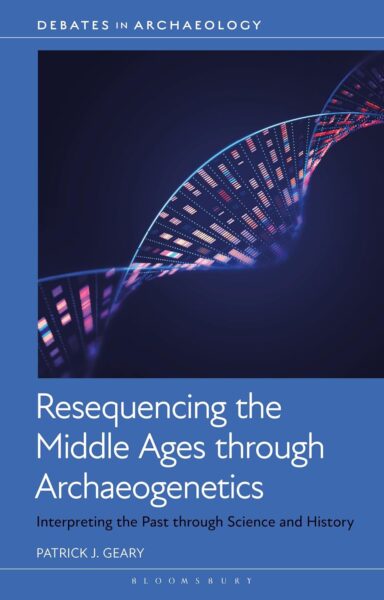
Resequencing the Middle Ages through Archaeogenetics: Interpreting the Past through Science and History
By Patrick J. Geary
Bloomsbury Publishing, 3. sep. 2026 – 176 sider
ABSTRACT:
Offering a clear and accessible introduction to the fast-growing field of archaeogenetics, this book pays particular attention to the methods and approaches that are reshaping how archaeologists and historians think about the past.
Written for readers with no prior background in genetics, it explains in straightforward terms how genomic research can shed light on mobility, population change, social organization and cultural practices. At the same time, it begins with a critical reflection on the troubling history of attempts to fuse biology and history, showing how earlier racialized approaches distorted the past and warning against their resurgence today. By foregrounding both the current approaches and challenges of archaeogenetics, this book helps readers approach the field with a critical and informed perspective.
The book’s central case study is the Carpathian Basin between 400 and 900 CE, which was a region at the crossroads of the transformation of the Roman world. Drawing on the most up-to-date research, this book demonstrates how integrating genomic, archaeological and historical data can illuminate the complex social and cultural changes of Late Antiquity and the early Middle Ages.
The result is a concise yet compelling narrative of how cutting-edge science is reshaping medieval studies. The book is recommended as a perfect overview provided for students as well as the general reader.
FEATURED PHOTO:
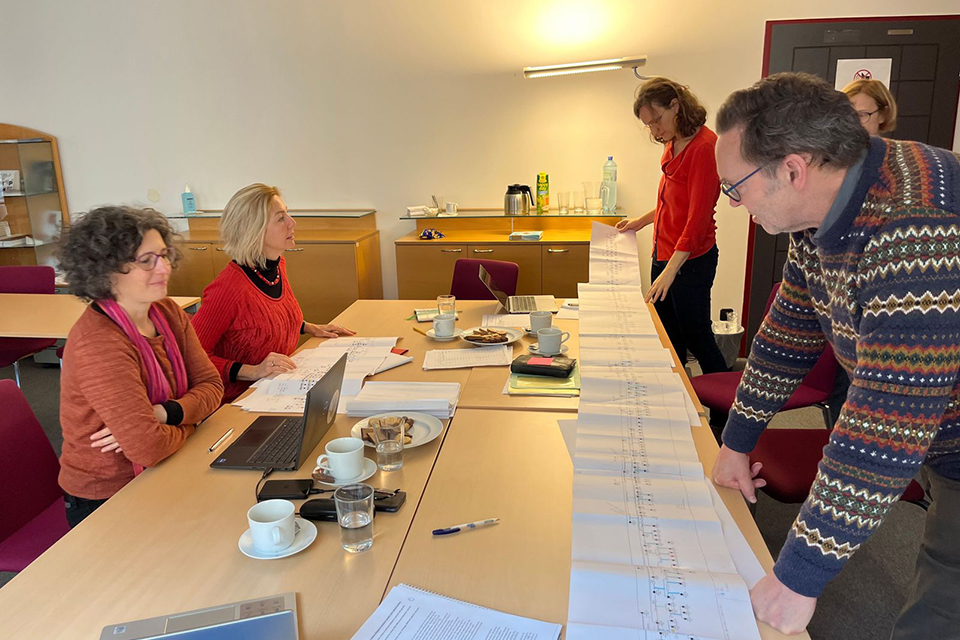
Scientists exploring a five meter long pedigree of Avars. © Walter Pohl
READ MORE: