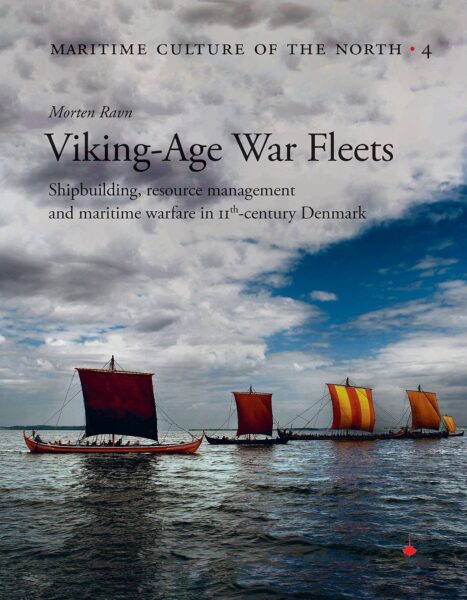
Impressive new research sheds light on the size of the Viking fleets operating in the Atlantic and the Mediterranean between c. 750 and 1100.
Since 1958, following the influential work of Peter Sawyer, historians have questioned the fleet sizes recorded in medieval chronicles. At the same time, however, it has become increasingly difficult to appreciate the scale and impact of the Viking phenomenon without acknowledging the impressive size of some of the fleets operating during the ninth and tenth centuries.
New research by Irene Garcia Losquiño revisits this longstanding scholarly debate while questioning the methodological scepticism that characterised much historical scholarship during the latter half of the twentieth century.
The article asks whether it is possible to determine fleet sizes more accurately by addressing two fundamental questions. First, are the recorded fleet sizes across the Viking diaspora generally trustworthy, or are they frequently exaggerated? Secondly, can we improve our understanding of the composition of Viking fleets engaged in campaigns in Iberia, England, France and Ireland? The study does not, however, include the incursions into Germany along the great river systems of the Rhine, Weser, Elbe and Oder.
As Garcia Losquiño explains, the article provides “a detailed account of the scale of Viking fleets as recorded in a large corpus of medieval documentation in the hope that a cross-geographical analysis of recorded sizes can offer some clarification”.
One of the principal outcomes is a systematic catalogue of 41 fleets operating between 836 and 994, from Ulster to Seville. According to this evidence, fleets typically comprised between 90 and 116 ships or boats, with an average of 103 vessels. Of these, between 50 and 70 per cent are estimated to have been fleys or “proper” Viking warships, while the remaining 30 to 50 per cent probably consisted of merchant vessels or “knerrir”, employed to transport provisions, supplies and booty. Some of these may also have been smaller boats or barges.
The evidence therefore suggests that, although exceptionally large fleets of more than 200 ships undoubtedly operated during the campaigns associated with the Great Heathen Army in southern England in the second half of the ninth century, the average Viking raiding force probably deployed fleets of around 100 vessels. Smaller fleets, however, also remained common.
One of the most intriguing aspects of the research is its examination of the fleets operating in Iberia during the 840s, when Viking forces attacked Lisbon, the Guadalquivir and Seville. These events are recorded in both Latin and Arabic chronicles, providing a rare opportunity to compare independent traditions describing the same military operations and thereby shedding new light on Viking activity in the western Mediterranean. As Irene Garcia Losquiño observes:
“For instance, that a fleet would attack Galicia and have its numbers recounted by a local source, and then proceed to attack Andalusia, Lisbon and Seville, again with its numbers being recorded in a variety of Arabic material, is an unmissable opportunity for a comparative exercise.”
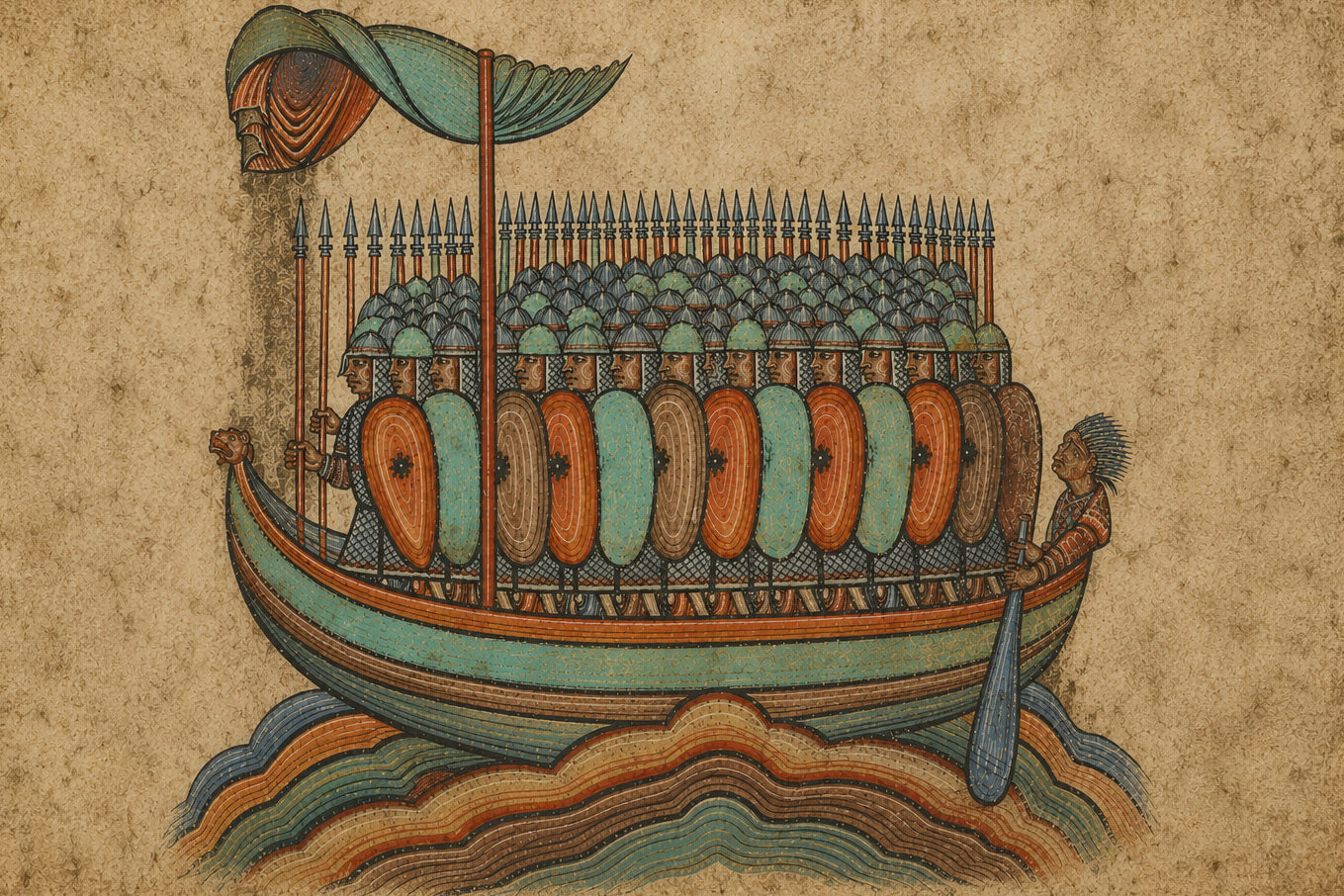
FEATURED PHOTO:
Vikings in an illustration of the Vie de Saint Aubin d’Angers c.1100. BNF ms. NAL 1390
SOURCE:
On the Size and Configuration of Viking Fleets in the Diaspora
By Irene García Losquiño
In: The Jounal of the Historical Association 2026
READ MORE: