A remarkable collection of post-mortem inventories reveals how the wealthy canons of Notre-Dame lived, worked and entertained in late medieval Paris.
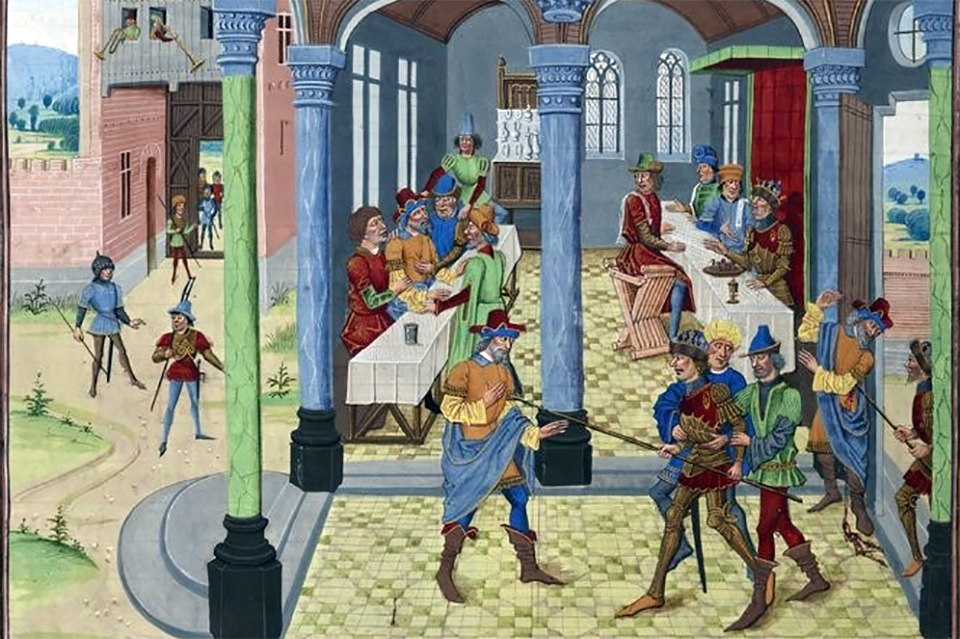
A remarkable collection of post-mortem inventories reveals how the wealthy canons of Notre-Dame lived, worked and entertained in late medieval Paris.
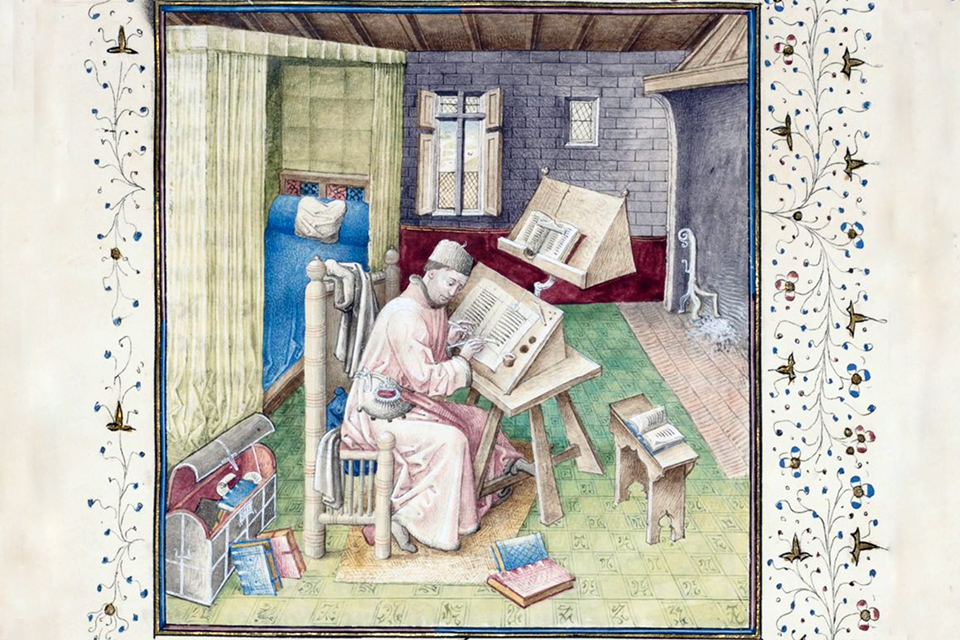
What did it mean to be an escripvain (or escrivain) in medieval France? Was such a person a professional copyist, a clerk, a secretary, a notary or an author? And how did the meaning of the term change as manuscript production developed into an increasingly specialised commercial enterprise during the later Middle Ages?
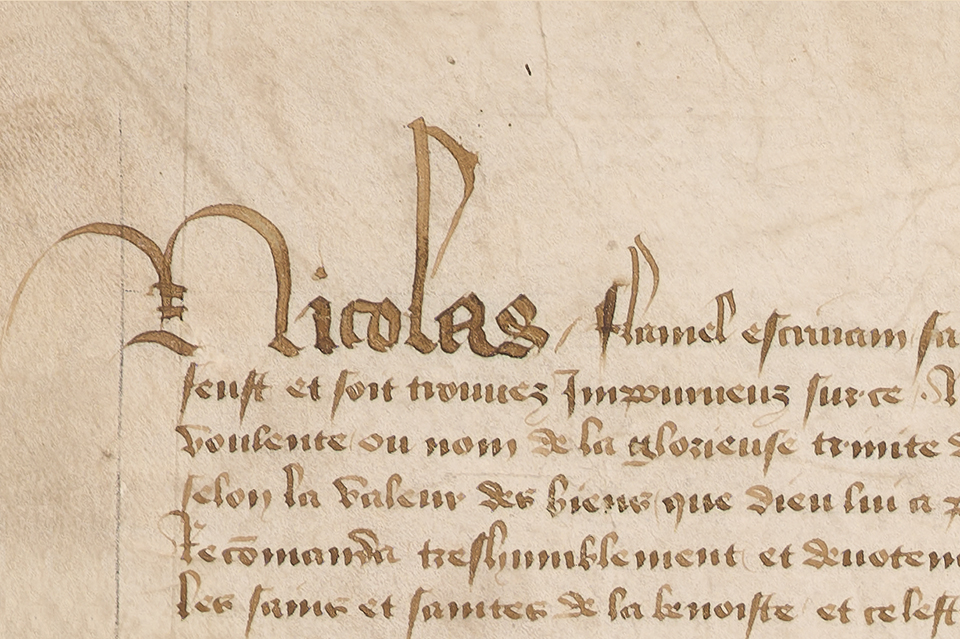
Nicolas Flamel, was a very wealthy Parisian slumlord making his living from renting out rooms and apartments in houses build on the right side of the Seine in the fourteenth and fifteenth centuries. Upon his death, he donated his entire wealth to churches and hospitals to atone for his sins.
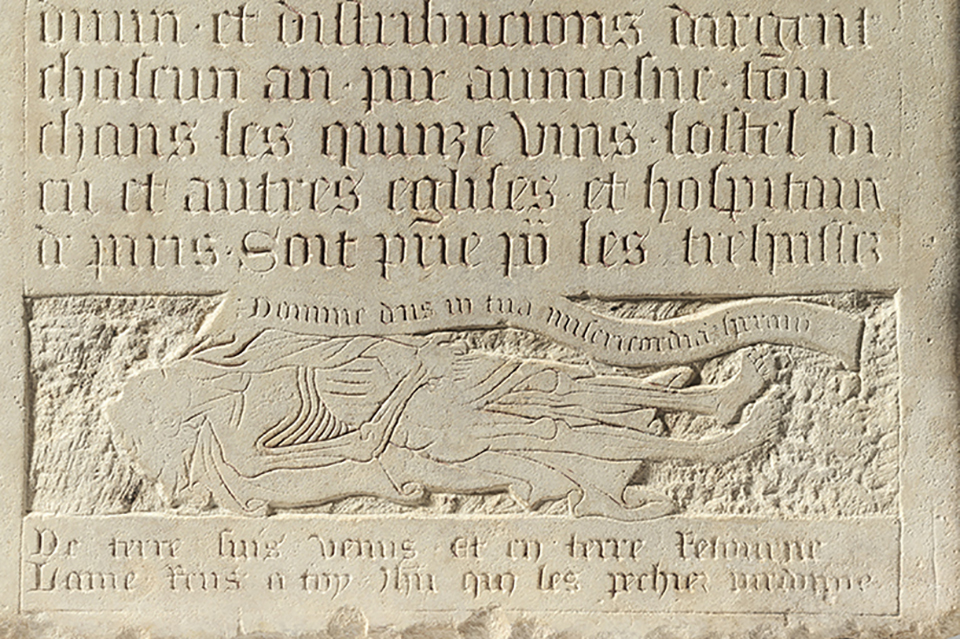
How did a wealthy Parisian property investor and benefactor become one of the most famous alchemists in history? A new exhibition at the Musée de Cluny in Paris explores this extraordinary transformation of Nicolas Flamel
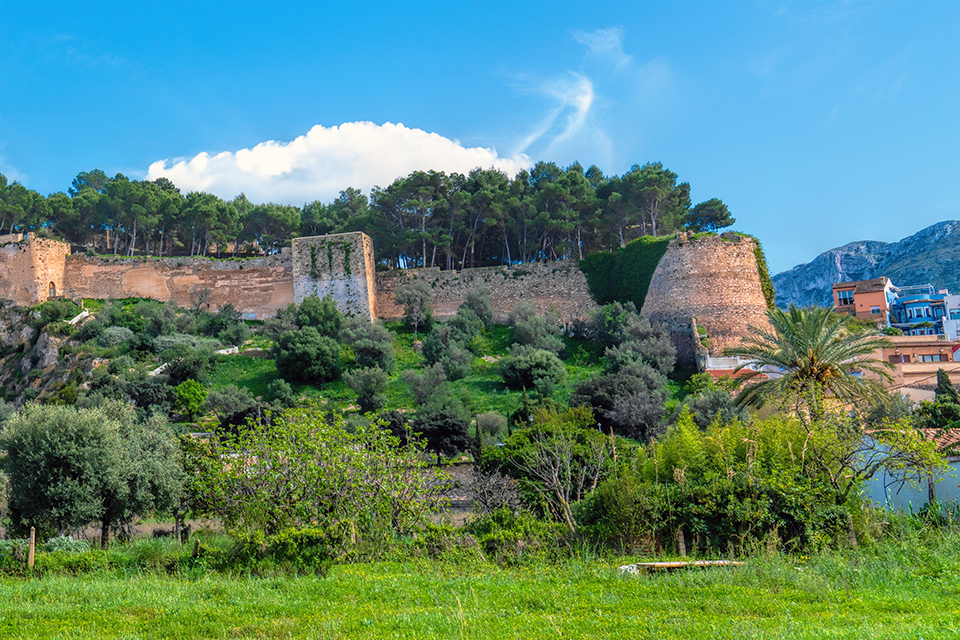
How did a small Islamic principality on the eastern coast of Spain - Islamic Denia - become a major maritime power in the eleventh-century Mediterranean? A new study explores how warfare, commerce, slavery and cultural connections helped forge a medieval state
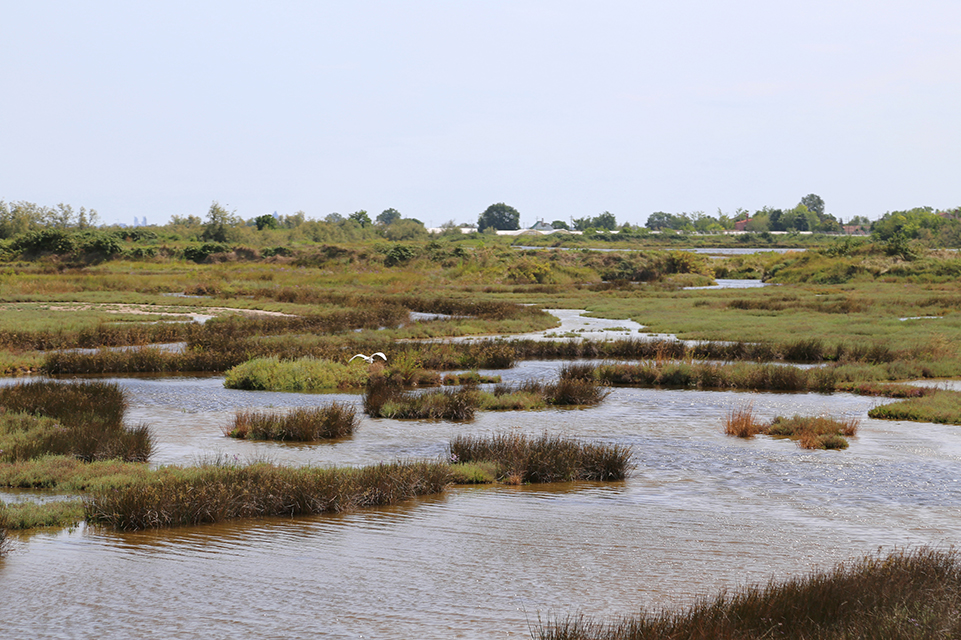
How did a collection of marshy islands on the northern Adriatic coast become one of medieval Europe's most remarkable cities? A new study challenges the familiar story of Venice's origins
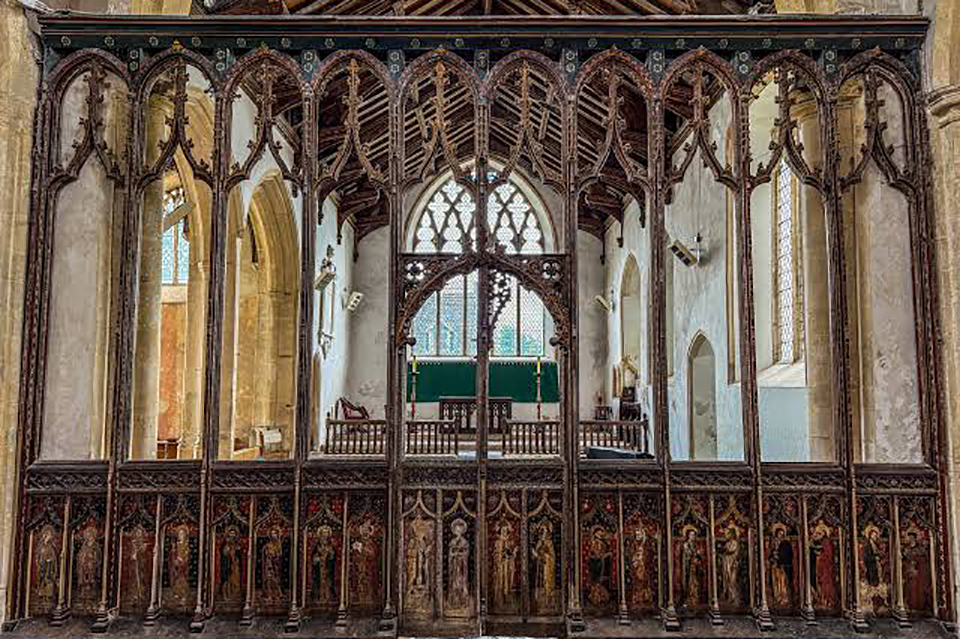
Who actually paid for, organised and built England's late medieval parish churches? New book enters the discussion with a new contribution focusing on the distinct new design
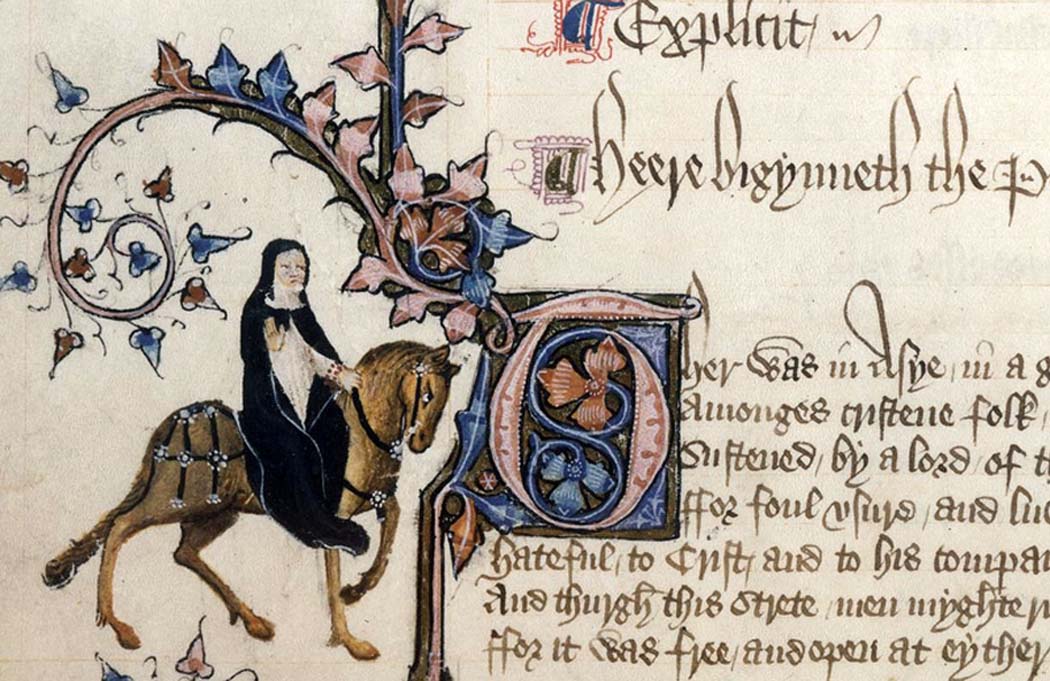
Who were Chaucer’s thirty-three pilgrims, and why were they heading to Canterbury? What do they and their tales tell us about medieval England as a place, and about the daily lives of its people? New book tells the story
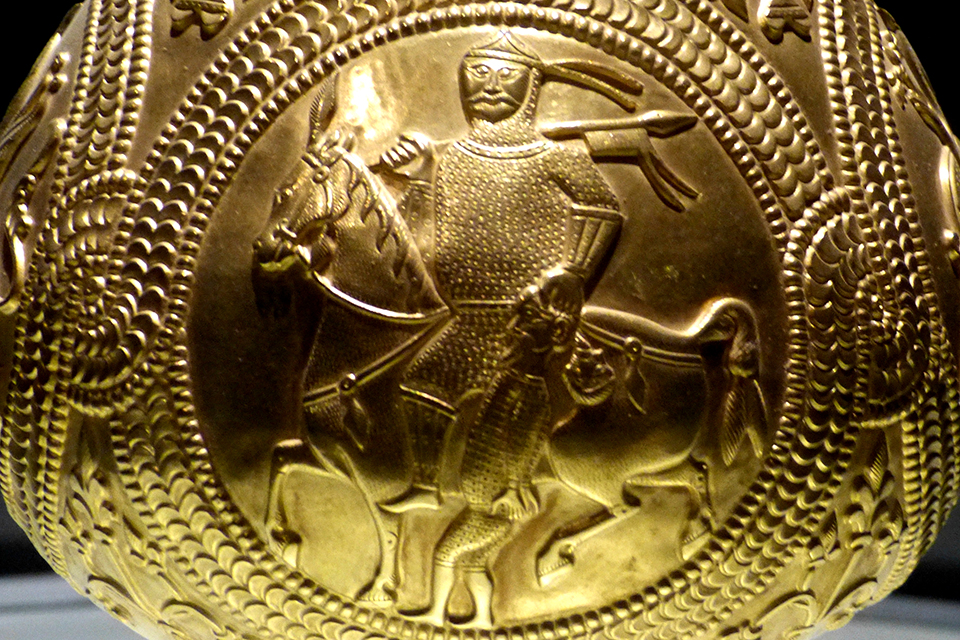
This Week is all about The Avars and their Genes, when the The Natural History Museum Vienna opens the special exhibition GENEchangers, based on the early medieval cemeteries of Leobersdorf and Mödling near Vienna.
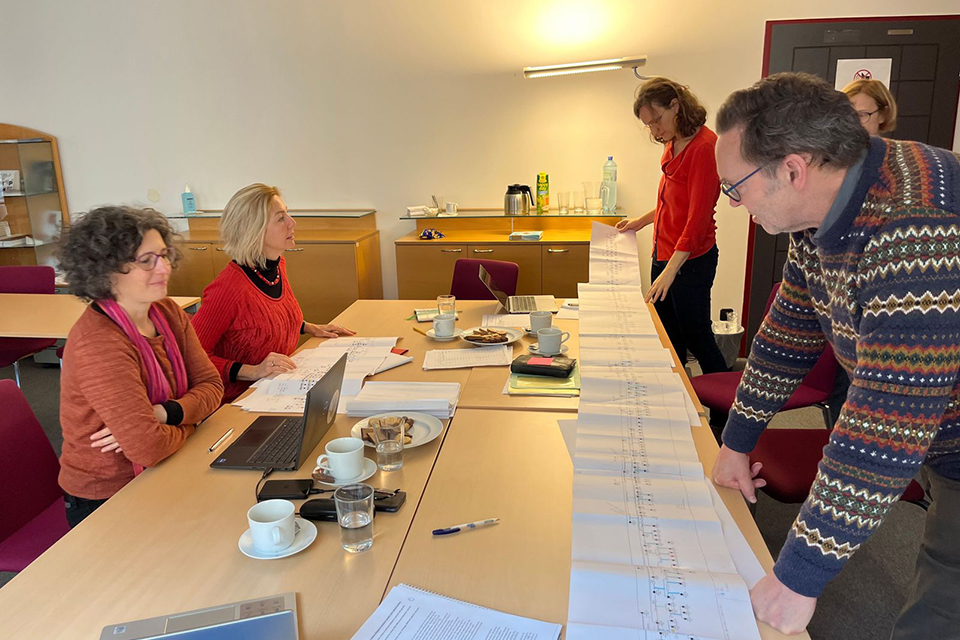
Between 2020 and 2026, Patrick J. Geary has been part of a large research project exploring the Genetic History of the Migration period (c. 400-700).
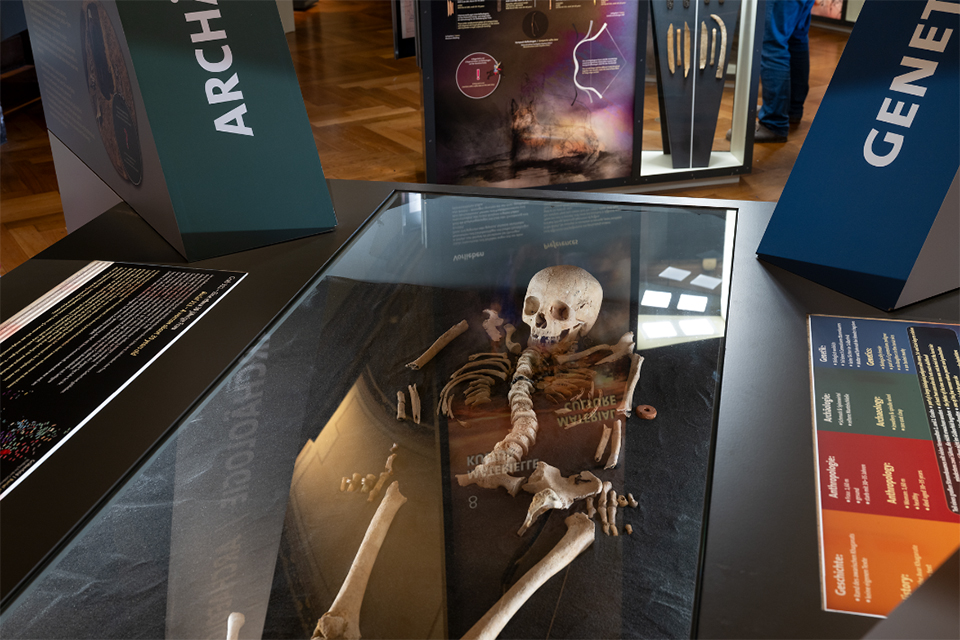
How Gene-Mapping Help us Decode Early Medieval Secrets
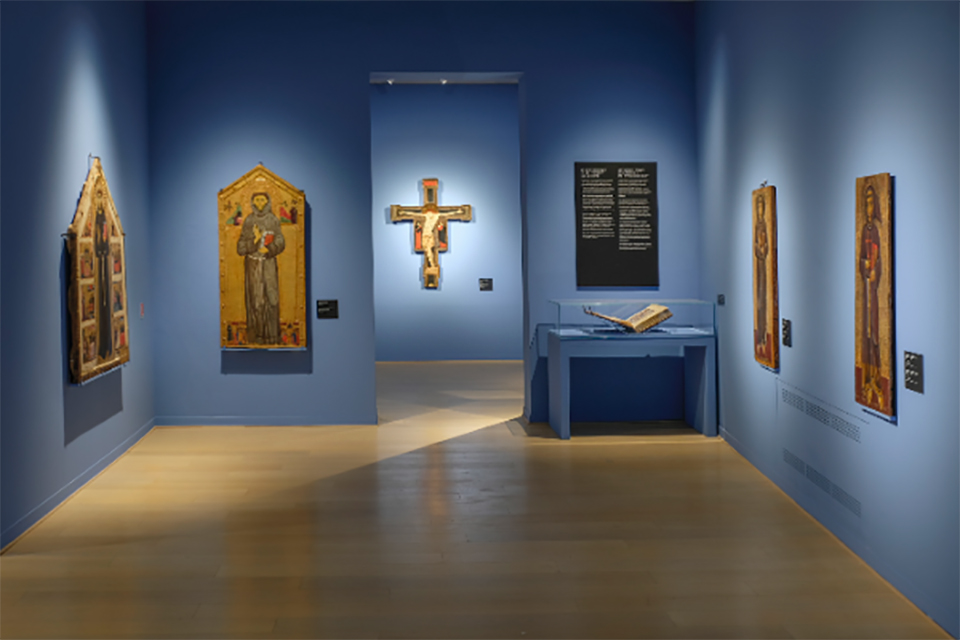
New Exhibition in Arezzo showcases images from the 800 years since his death in 1226, and celebrates the multiple imaginations of who St. Francis was.
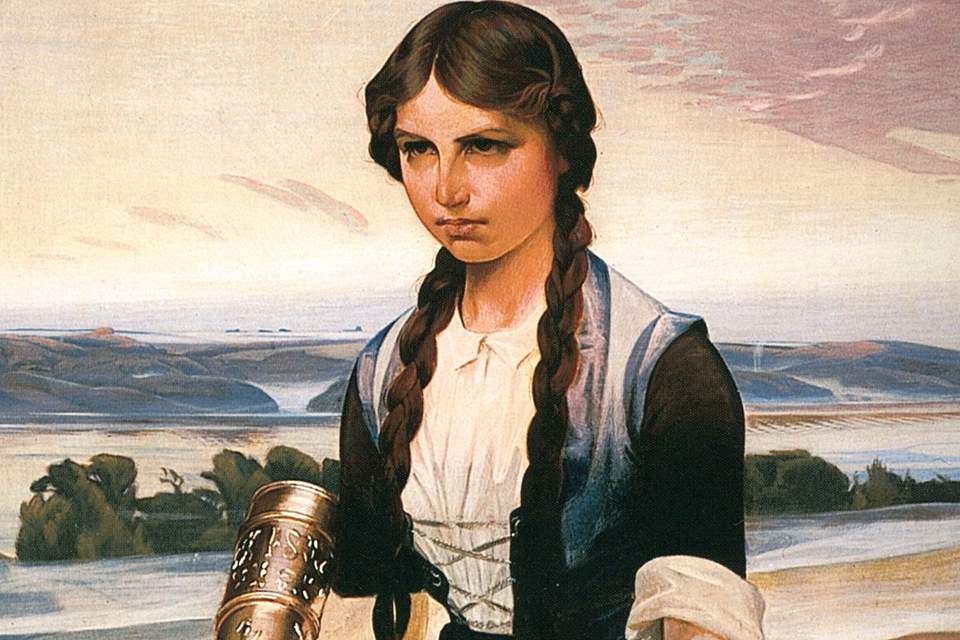
This week is all about medievalism: a new exhibition in Lübeck, a Medieval Modern Exhibition at Frederiksborg in Denmark, and a new book on "unthinking medieval poetry"
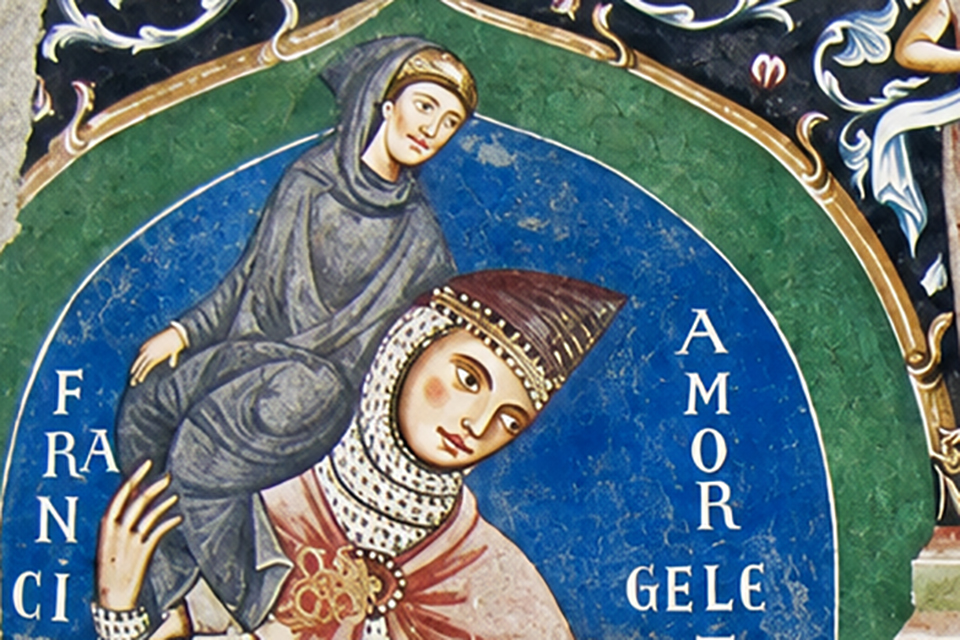
How did the man remembered by Thomas of Celano become the instantly recognisable St Francis of medieval art?
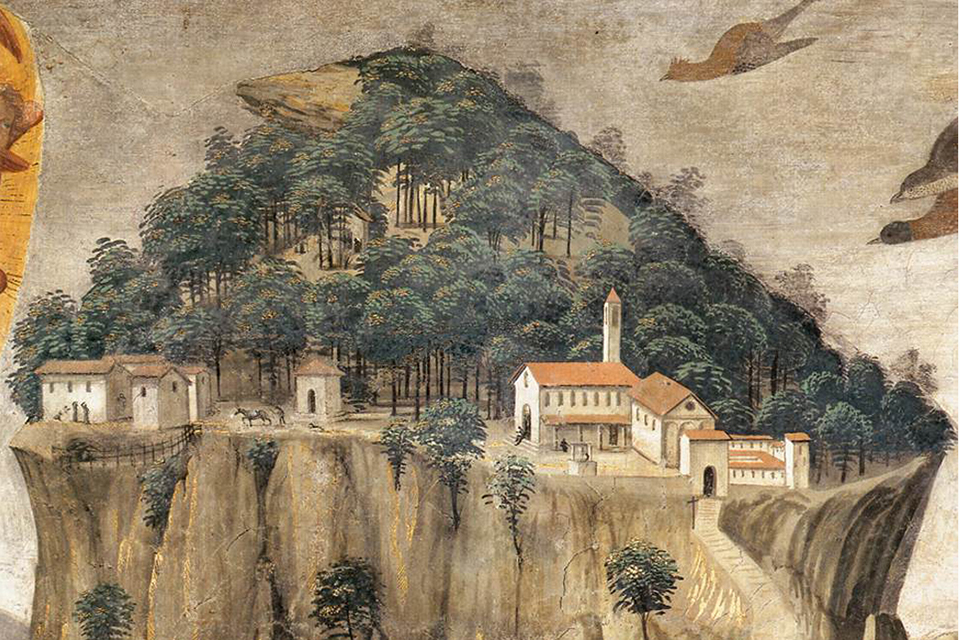
From Sabatier to Leppin, modern biographers have repeatedly reconstructed the “real” Francis, each revealing as much about their own age as about the saint
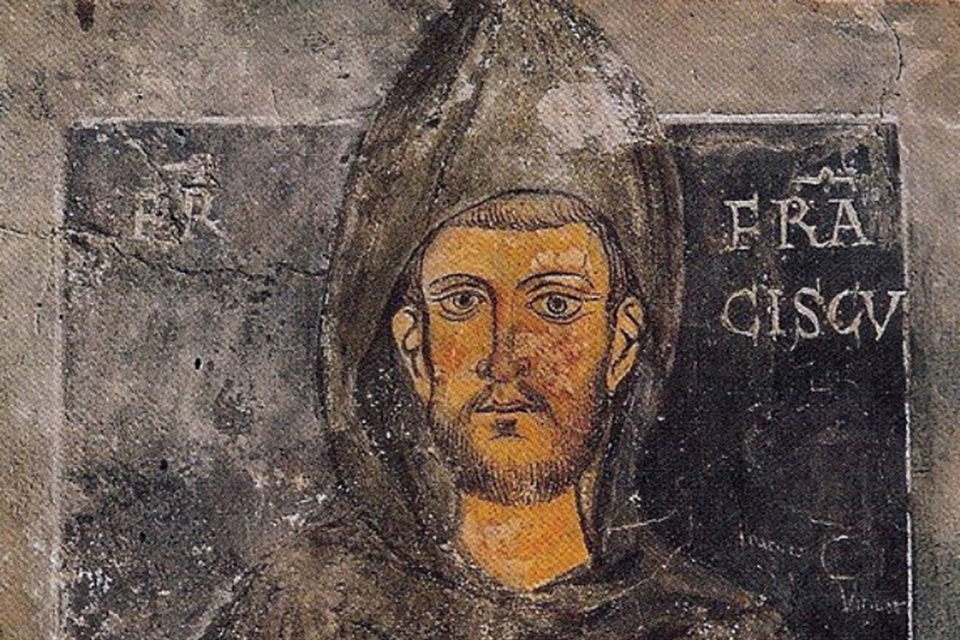
St. Francis of Assisi was a short man, with dark eyes and large ears. He was definitely also a charming man.