Between 2020 and 2026, Patrick J. Geary has been part of a large research project exploring the Genetic History of the Migration period (c. 400-700).
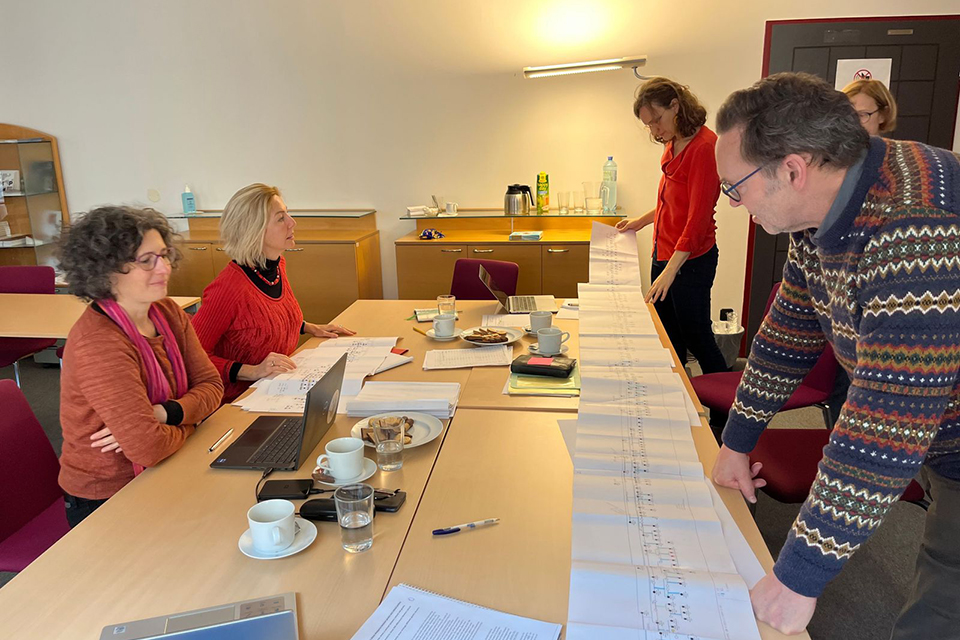
Between 2020 and 2026, Patrick J. Geary has been part of a large research project exploring the Genetic History of the Migration period (c. 400-700).
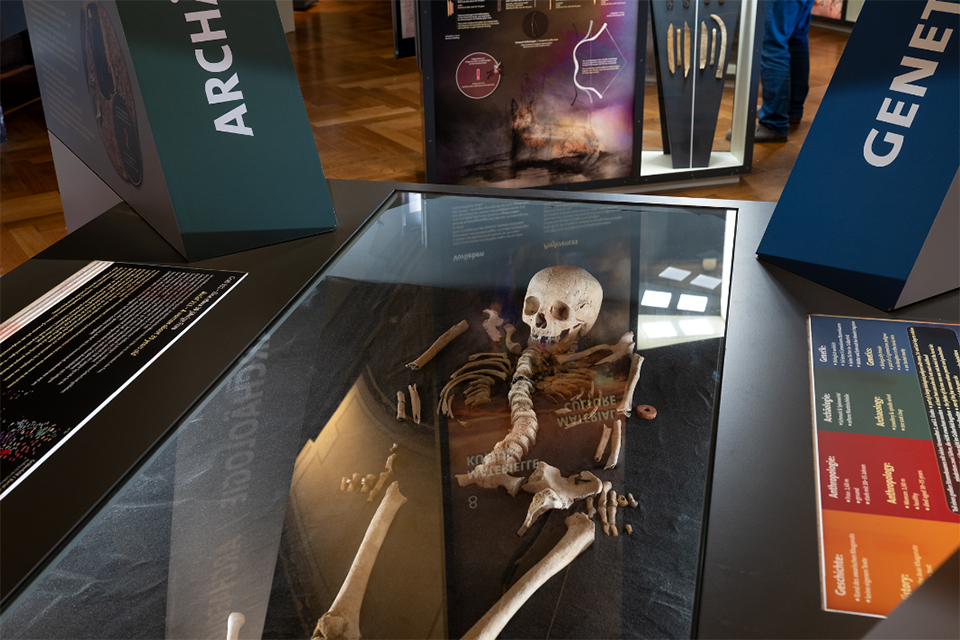
How Gene-Mapping Help us Decode Early Medieval Secrets
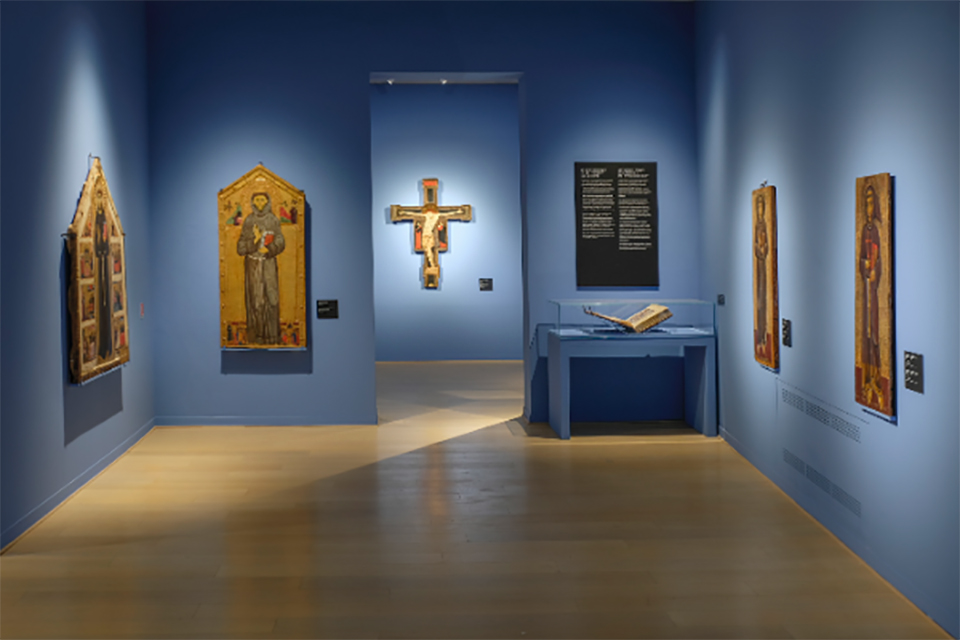
New Exhibition in Arezzo showcases images from the 800 years since his death in 1226, and celebrates the multiple imaginations of who St. Francis was.
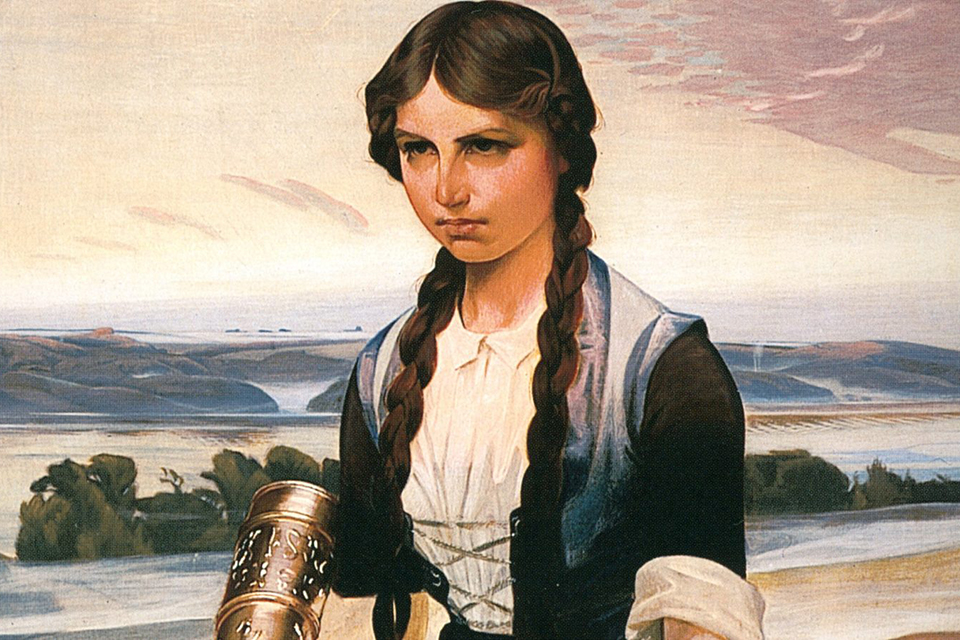
This week is all about medievalism: a new exhibition in Lübeck, a Medieval Modern Exhibition at Frederiksborg in Denmark, and a new book on "unthinking medieval poetry"
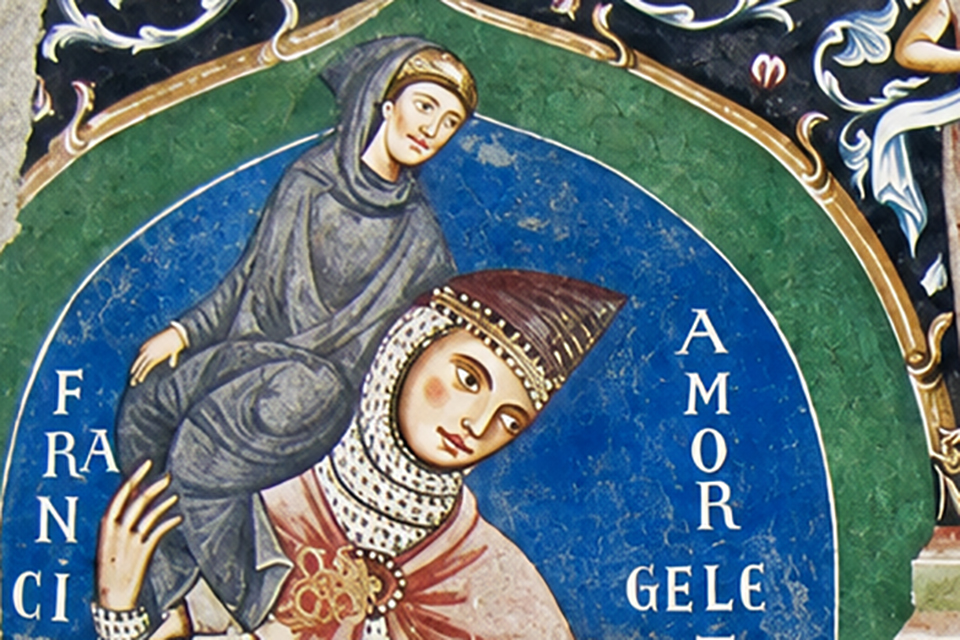
How did the man remembered by Thomas of Celano become the instantly recognisable St Francis of medieval art?
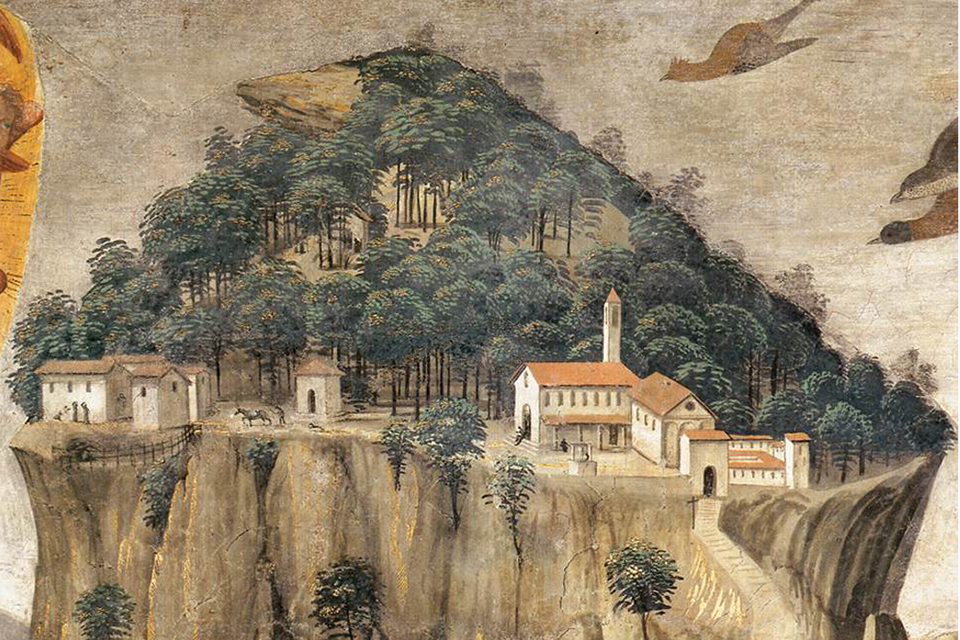
From Sabatier to Leppin, modern biographers have repeatedly reconstructed the “real” Francis, each revealing as much about their own age as about the saint
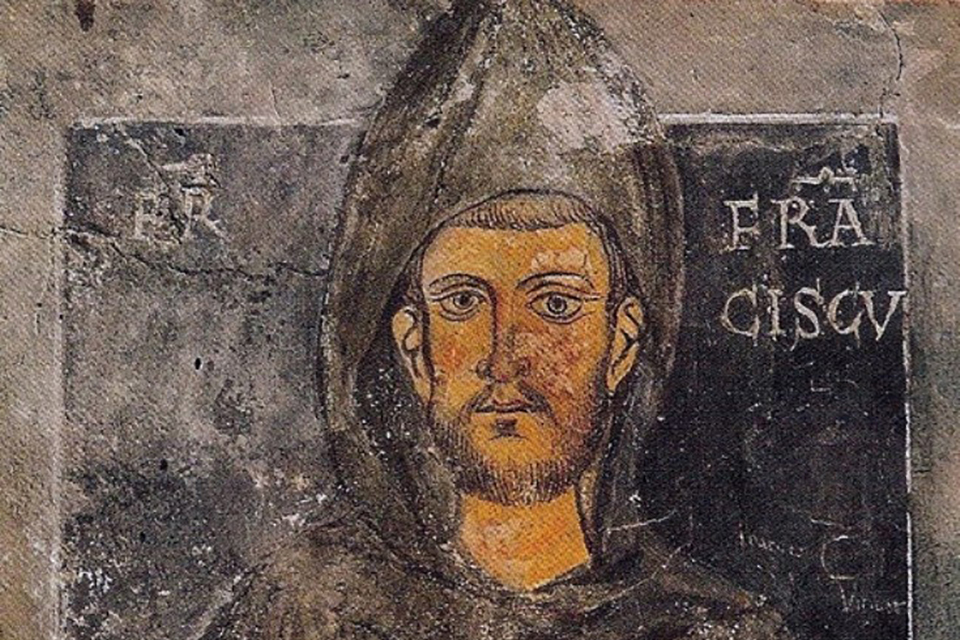
St. Francis of Assisi was a short man, with dark eyes and large ears. He was definitely also a charming man.
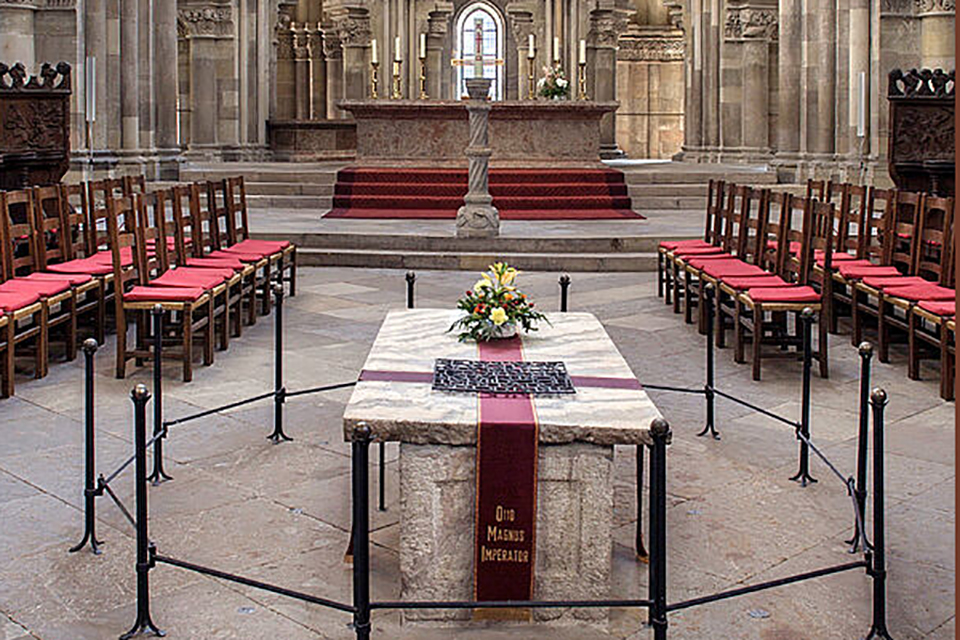
In January 2025, a major programme of conservation and research began on the tomb of Otto the Great in Magdeburg Cathedral as serious deterioration had been discovered

Not only do we possess what is likely an eyewitness account from AD 973 of the death of Emperor Otto the Great, but recent studies of his remains might fit the description.

Was the great antique marble slab covering Otto the Great’s tomb brought from Ravenna as imperial spolia – and chosen to evoke the world of Charlemagne?
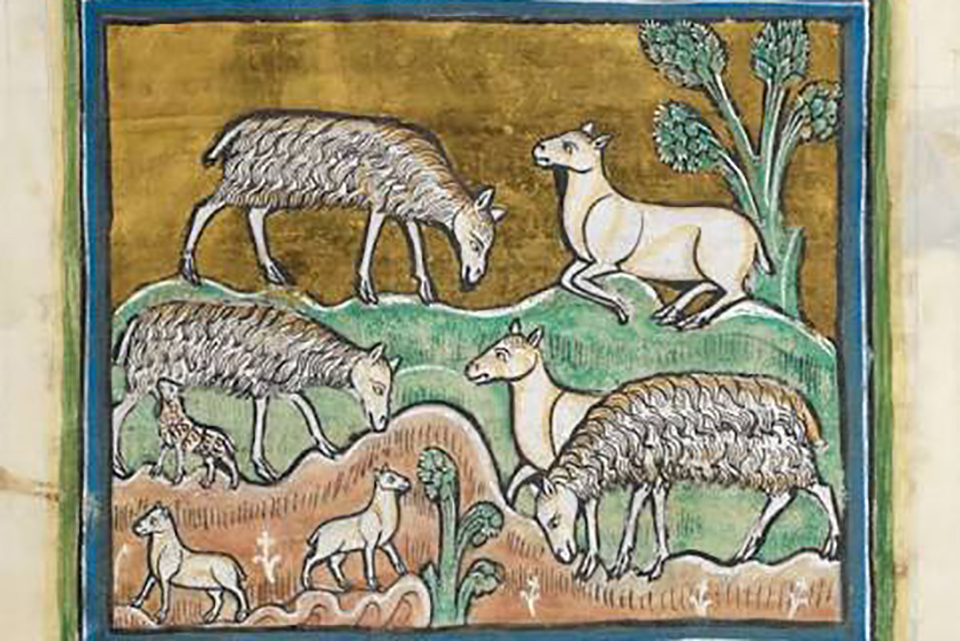
New research traces a millennium of changing animal husbandry and cereal production in medieval England
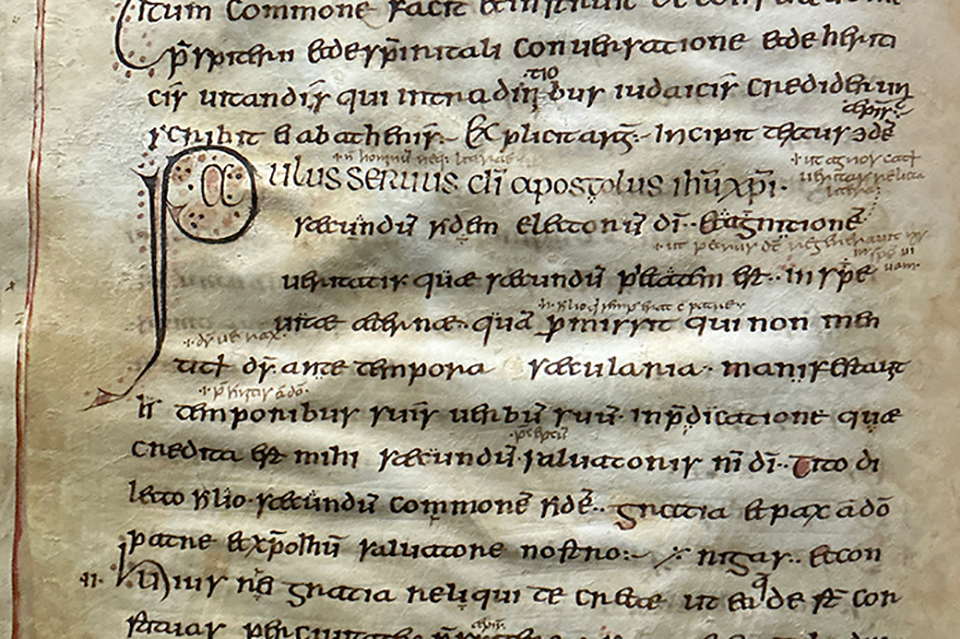
Medieval parchment tells a story of how murrains among sheep must have been recurring scourges, threatening the livelihoods of peasants and lords alike.

German historians of the 19th and early 20th centuries claimed that Otto the Great (912–973) was responsible for consolidating Germany as a nation. Modern historians tell a more nuanced story.
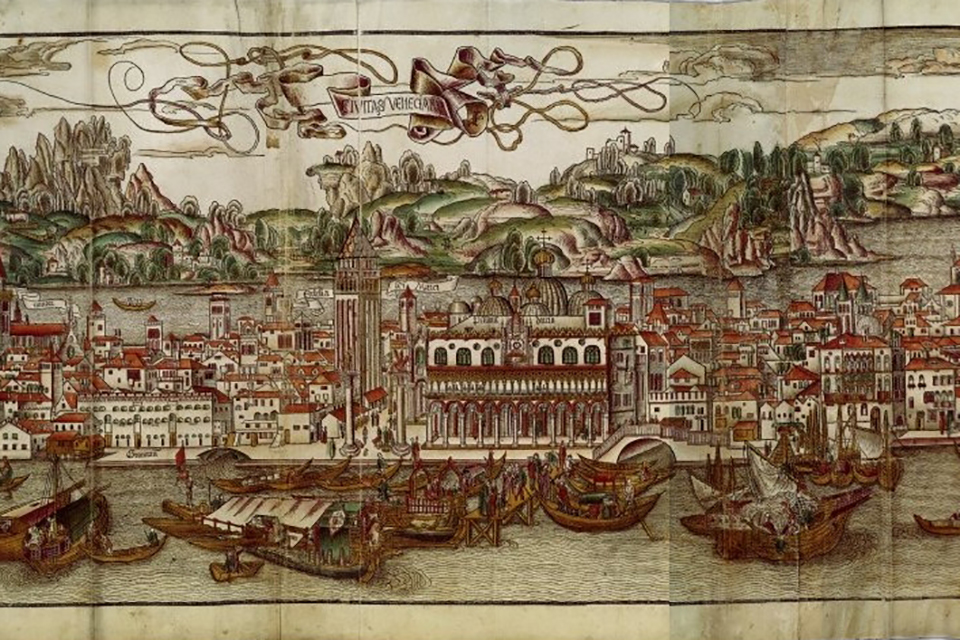
How did Venice emerge as an independent political community between two competing empires, the Frankish realm and Byzantium? And how did its inhabitants construct a collective memory of their past?
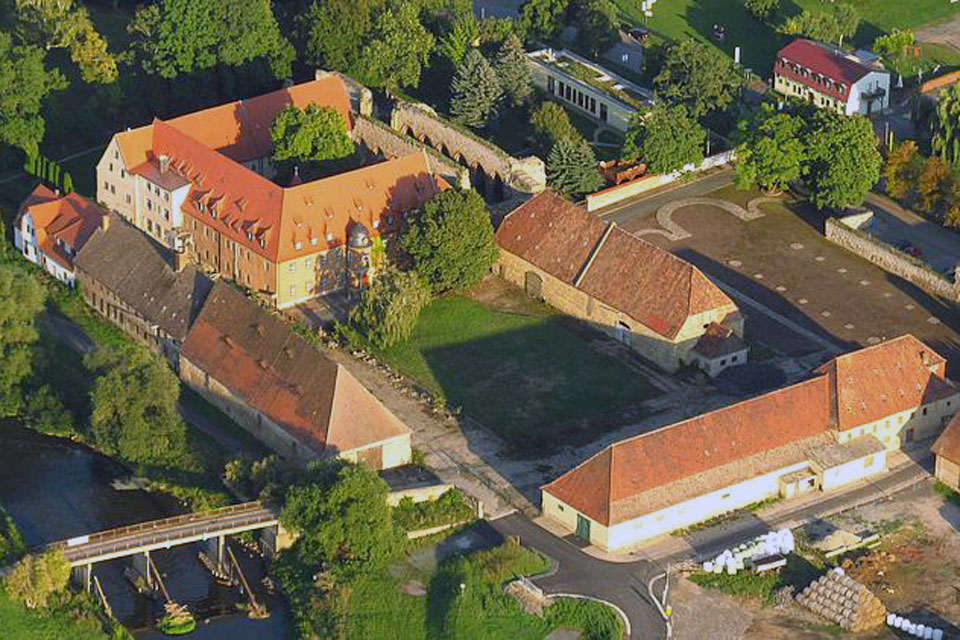
Memleben, one of the royal centres in Ottonian Germany is located at the river Unstrut. Founded in the 8th century, its heyday fell in the late 10th century, when the last Ottonians briefly planned to turn the place into a memorial shrine for their dynasty
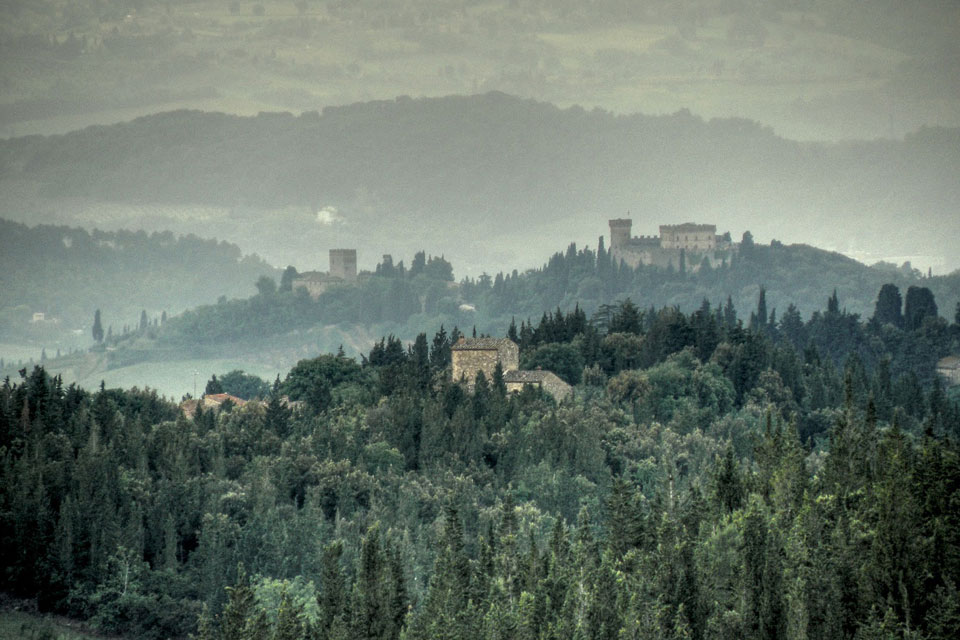
Heavily bombarded during WW2Poggibonsi’s charm resides in the suburbs and its hidden gems: an open-air museum, a medieval inn and a nearby castle