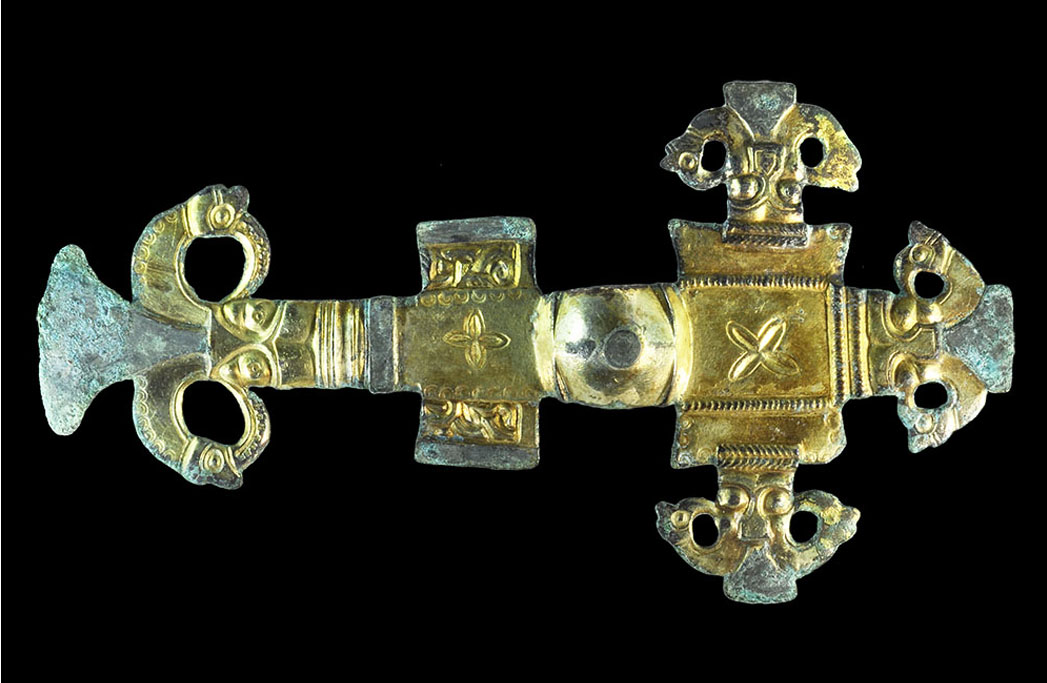
New research shows that the cruciform brooch was not ancient and imported heirloom. Rather, it played a part in the formation of the post-migration Anglian identity
Medieval Histories is a News site where anyone - professionals or just generally interested - can read about new exhibitions, books, research, excavations, finds, treasures... and much more! The site is created and owned by Karen Schousboe (http//:www.karenschousboe.com)
New research shows that the cruciform brooch was not ancient and imported heirloom. Rather, it played a part in the formation of the post-migration Anglian identity

The University of York is pleased to announce Epistolary Cultures - letters and letter-writing in early modern Europe, a two-day conference 18-19 March 2016
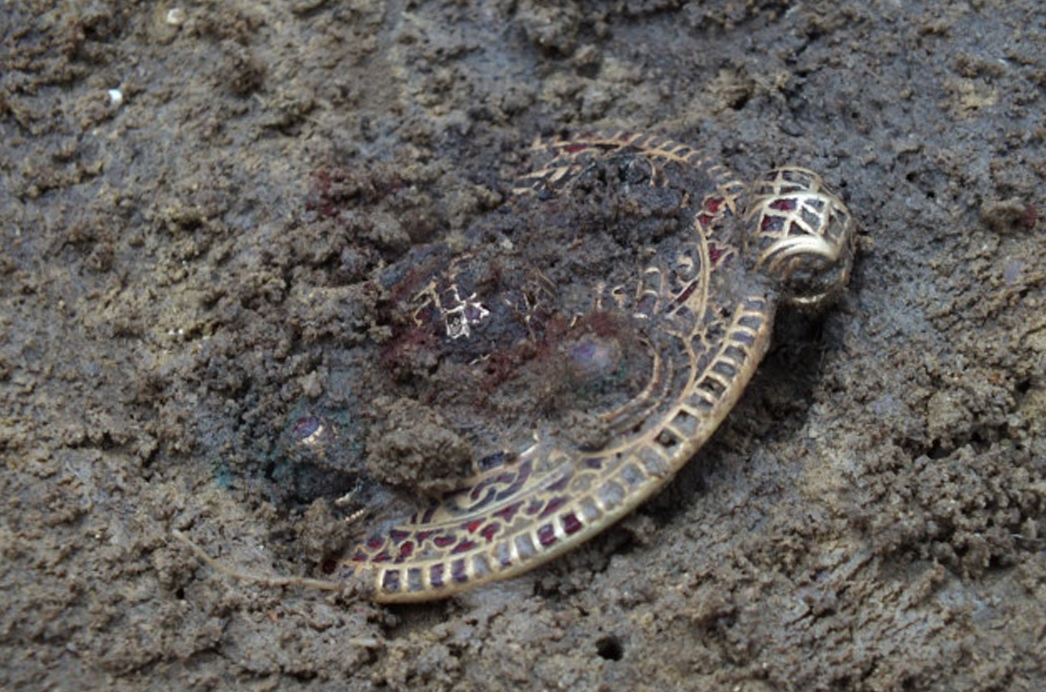
In January a stunningly beautiful Anglo-Saxon pendant was discovered in South Norfolk. The find is thought to be of national importance
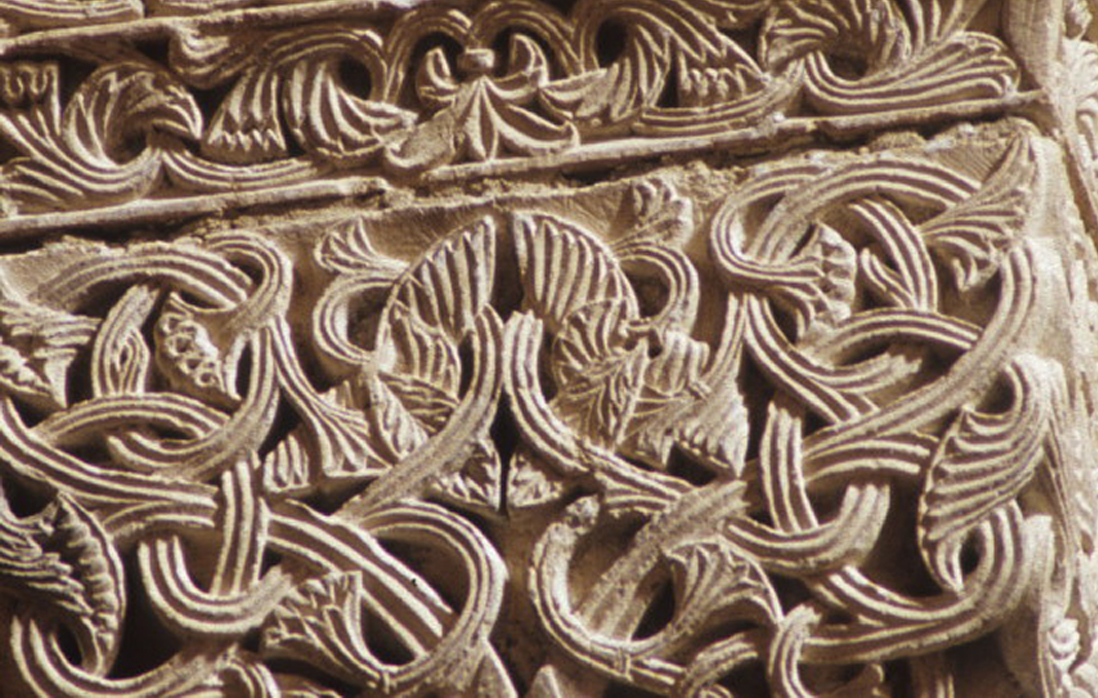
The Conference: Romanesque: Saints, Shrines and Pilgrimage will be held in Oxford on 4-6 April, 2016
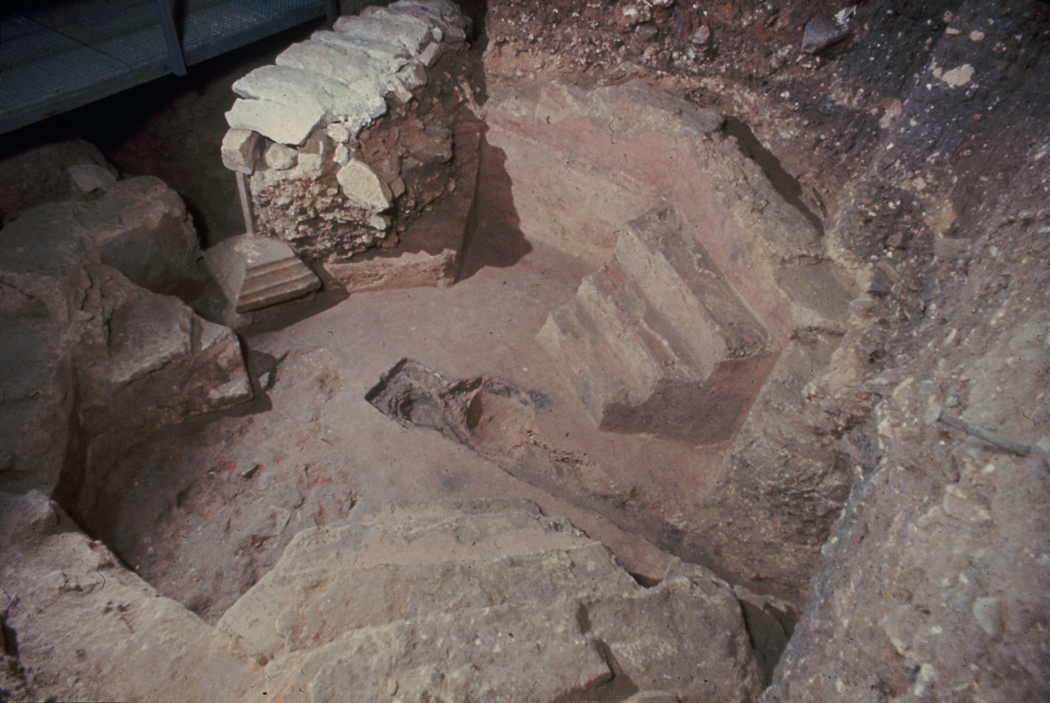
The City Museum in Barcelona has remodeled its exhibition devoted to the period from Late Antiquity and into the 8th century: the Visigothic period
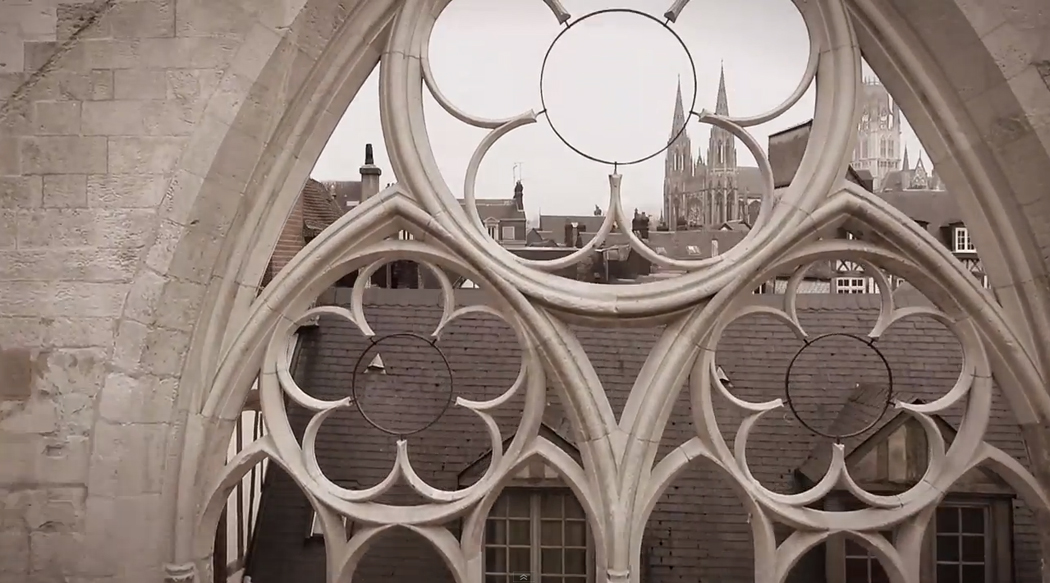
Next month a Joan of Arc Installation opens in Rouen. It appears she is set up to surpass Madame Tusseauds and turn her into a digitized saint

For the first time in a hundred years the private Thomée Collection, containing priceless medieval and renaissance art, is on show in Aachen
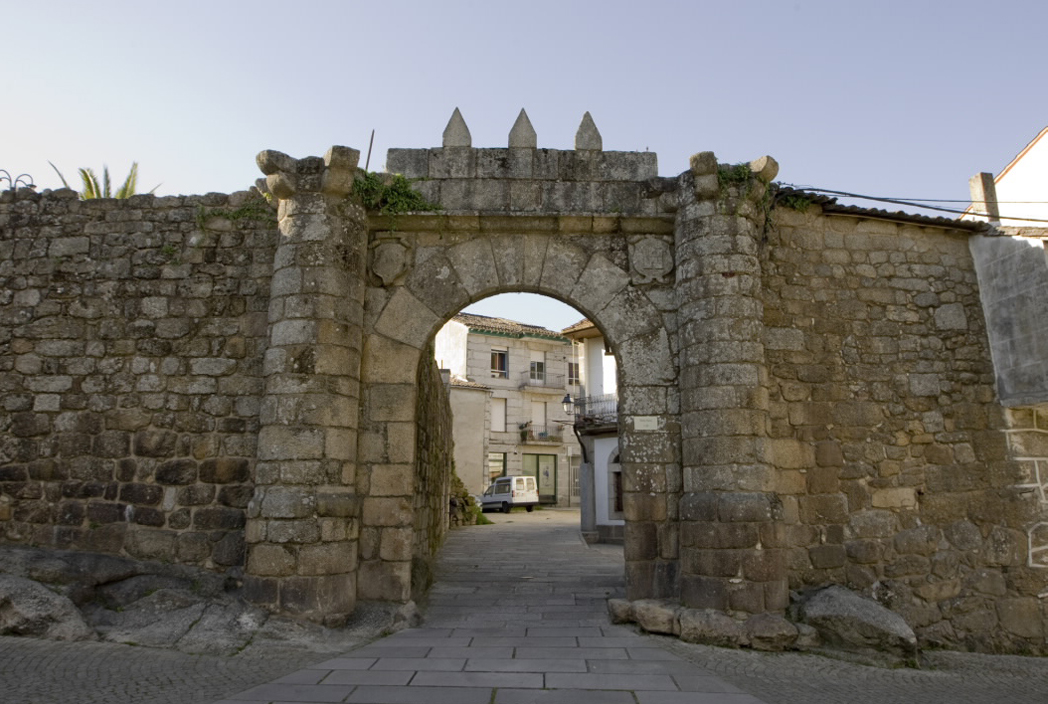
The town of Ribadavia – Burgo de Rippa Avia - is located in the southwest of the province of Ourense in Galicia. The town lies on the right bank of the river Miño, where the river Avia flows into it.
South of Ribadavia near Ourense in Galicia lies a small village, where the local wine, the famous Ribeiro, is grown. Here was a small monastery located and although is buildings are long gone, a small precious chapel may still be visited.
The church has only one nave and measures 8.60 x 5.75 m, built of granite blocks and with a wooden roof. The small tower is from a later period as is the small portico, built in front of the entrance. Of main interest is the façade, which probably sported a carved tympanum, no longer extinct.
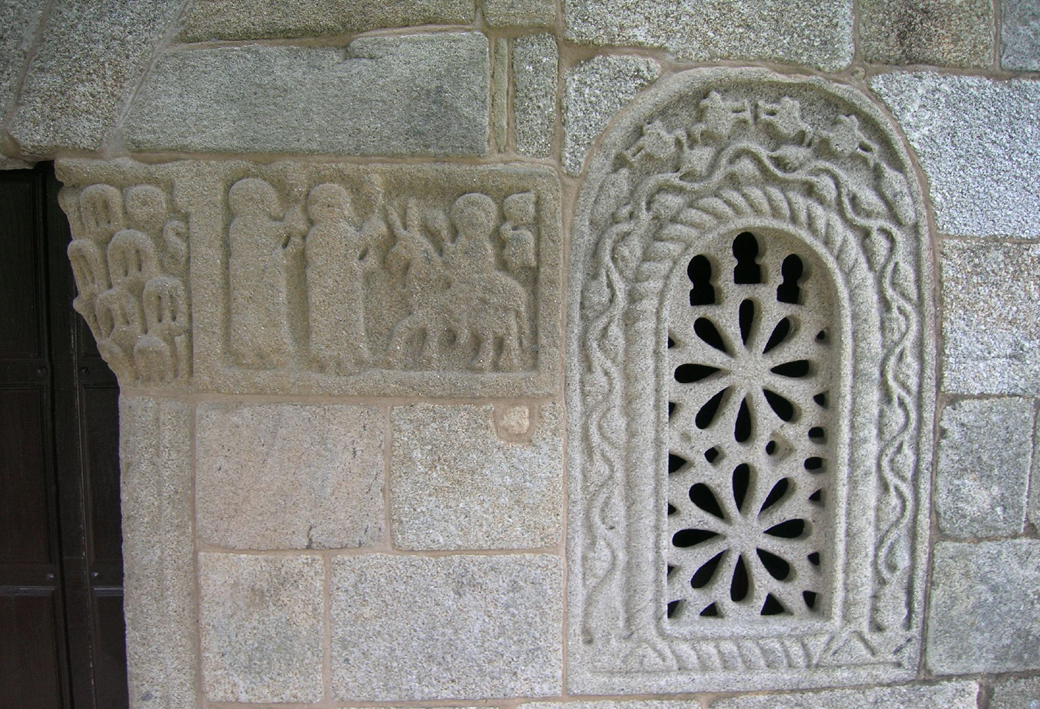
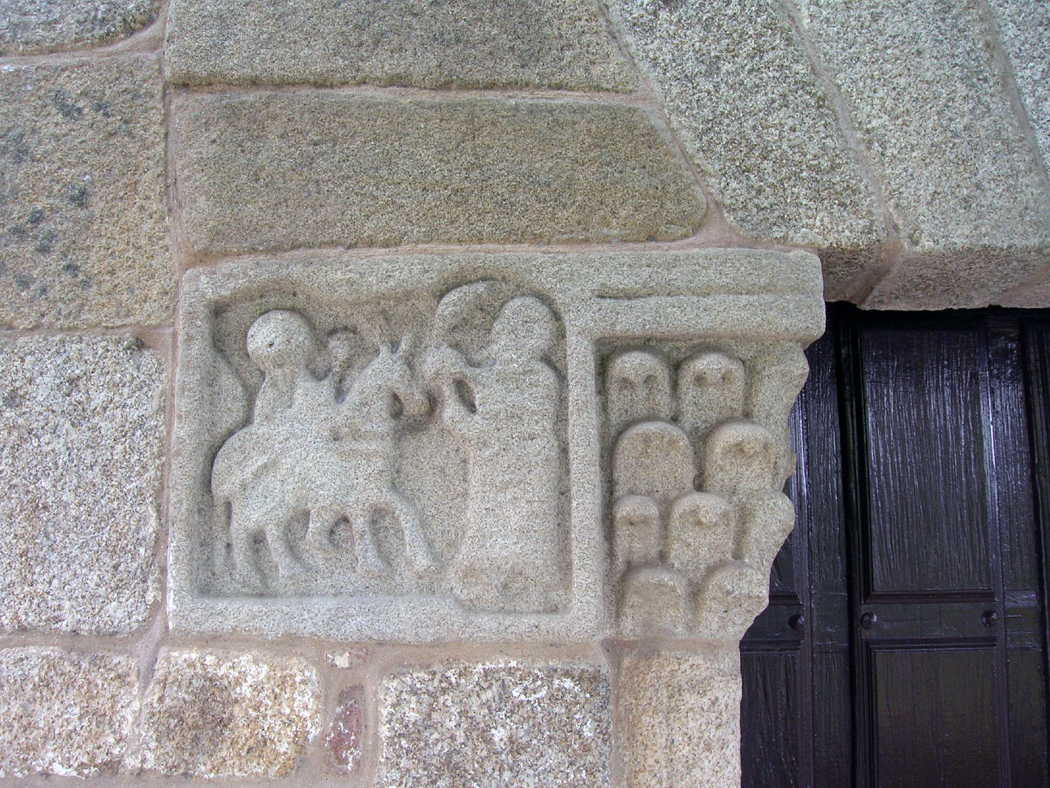
The entrance forms a the horseshoe arch, on each side of which are two half-columns decorated with stylised wine-stocks. They end in palm-leaves. On each side are panels, on the left showing the flight to Egypt and on the right Jesus’ entry into Jerusalem. On each side of these are two windows. The left is square, while the right has a delicately traced transenna, with two rosettes on top of each other. These are framed by a carefully carved band of rope, surrounded by a branch of vine.
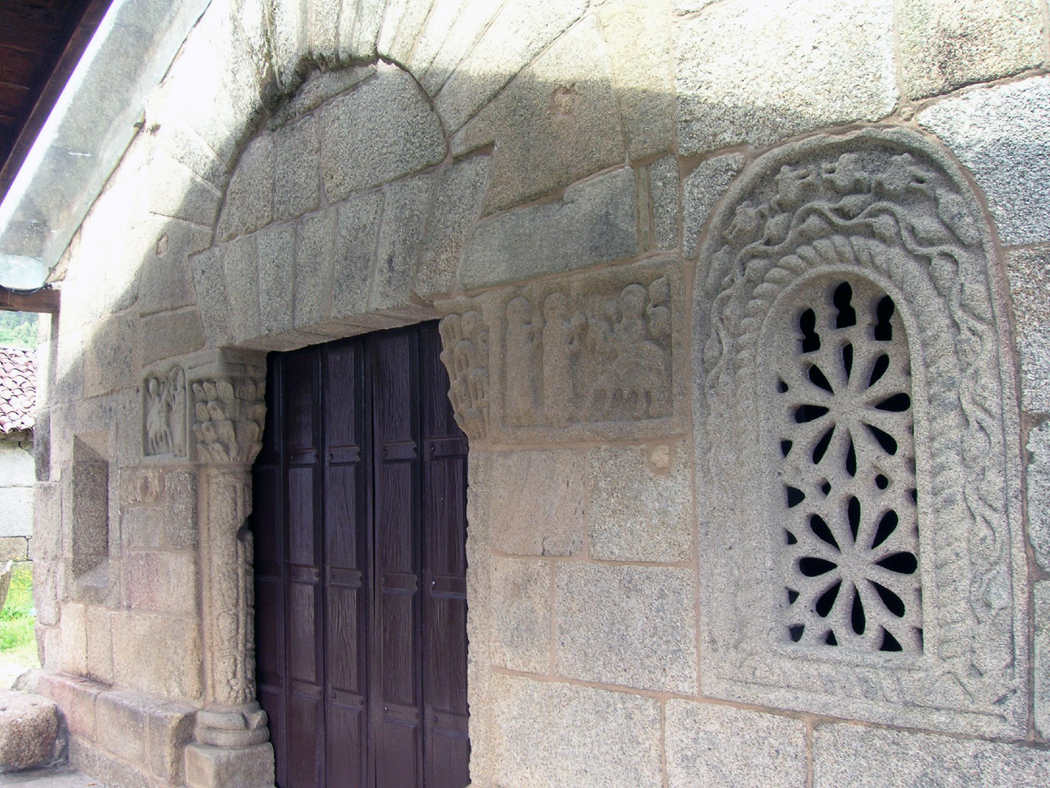
The church is believed to have been built during the reign of the Asturian king, Alfonso III (866 -910). Originally it was dedicated to Maria Magdelen; later it was rededicated to San Ginés (or in Galician: San Xenxo).
Archaeologists have excavated the church, where they found nine tombs cut in granite, which contained the remains of children, but very few grave goods.
Guía del Prerrománico en España
By Jaime Cobreros
Madrid 2006
ISBN 84-9776-215-0
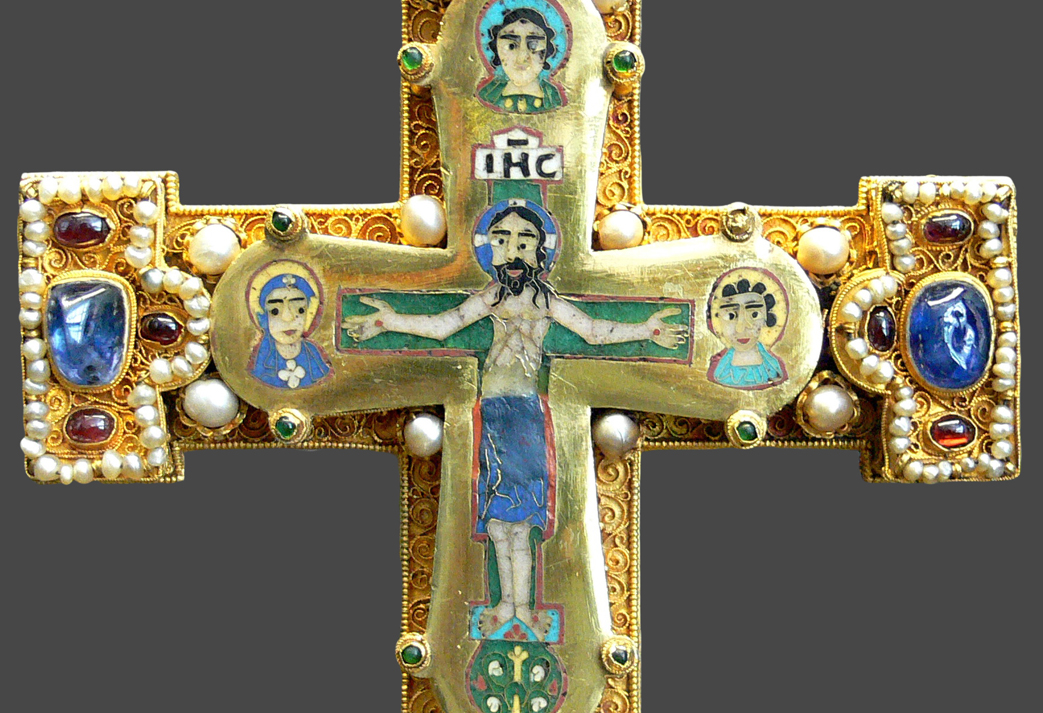
The heirs of Nazi-era Jewish art dealers have filed a lawsuit in the USA suing Germany for the return of the medieval Guelph Treasure worth an estimated $226 – 250m.
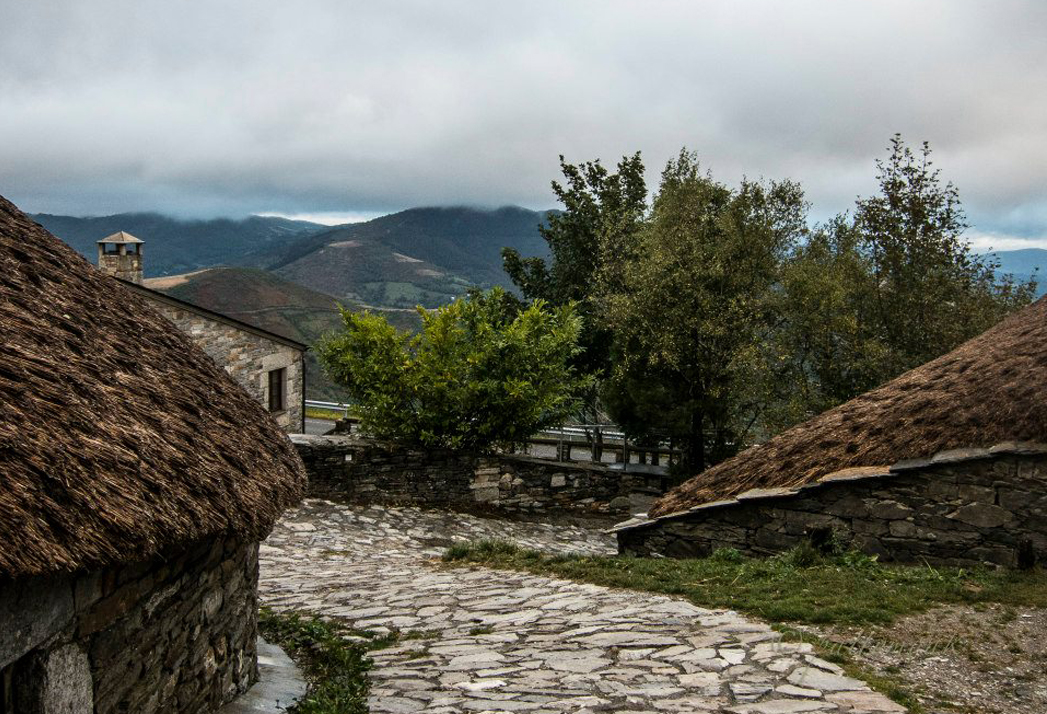
Galicia in the Early Middle Ages experienced a remarkable economic and cultural transformation. The evidence is carefully being piecing together by the archaeologist, José Carlos Sánchez Pardo
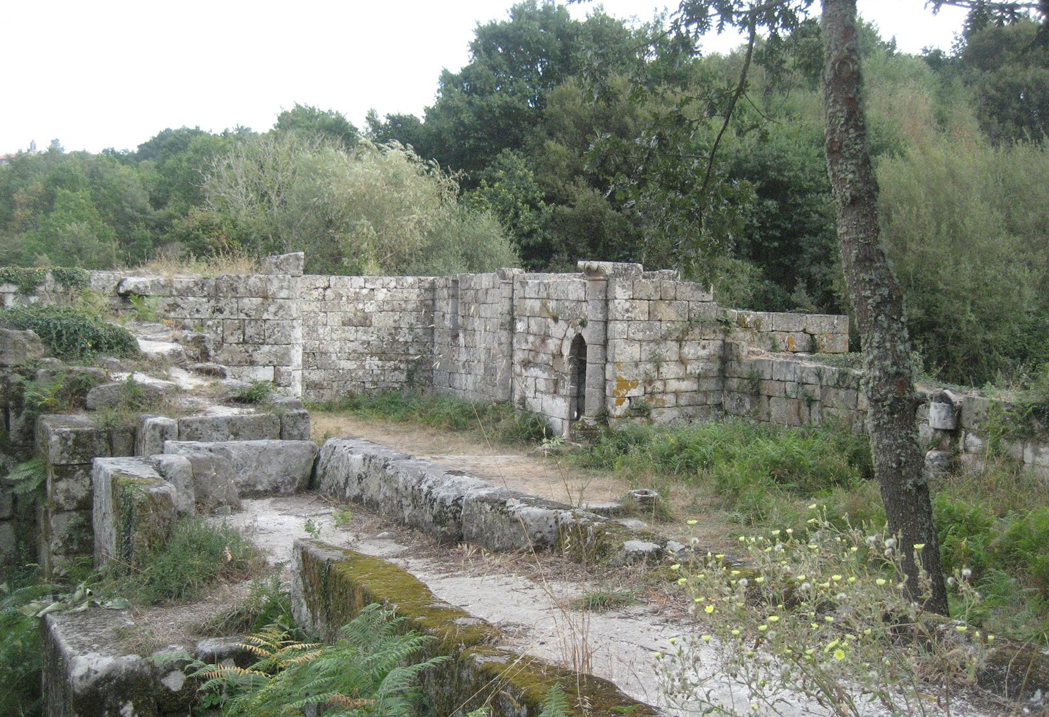
Santa Mariña de Augas Santas is a small parish near Ourense in Galicia in North-Western Spain. It has a history reaching back before Christianity
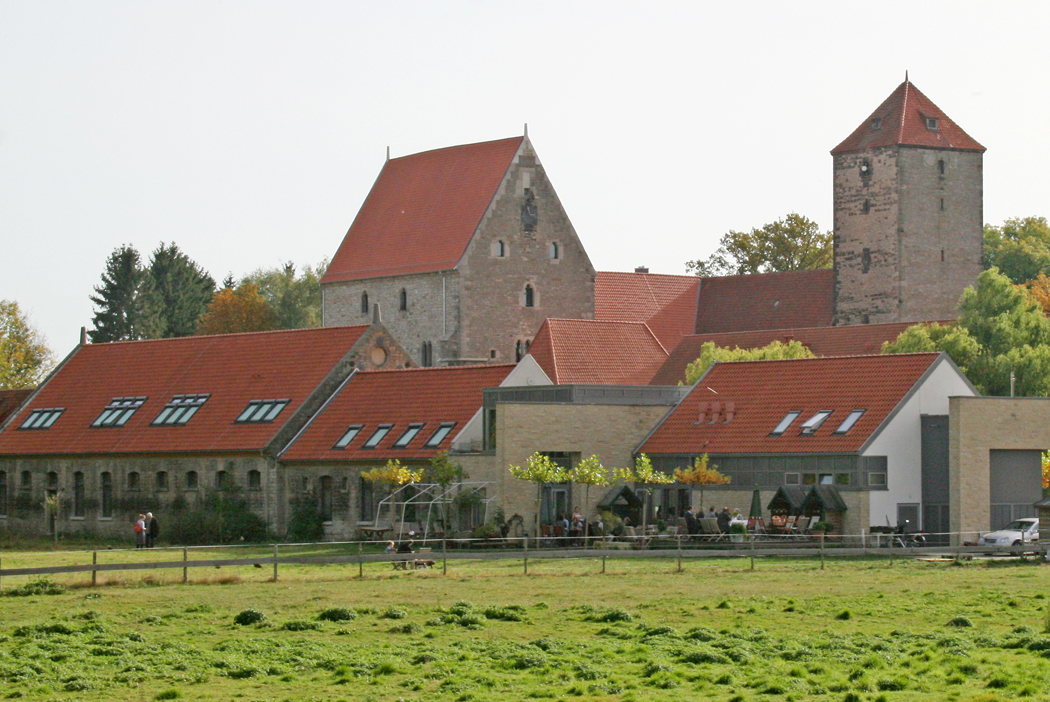
The Forum, “Kunst des Mitttelalters” organises its third conference in Hildesheim in September 2015

Louvre plans to move its storage to location 200 km North of Paris

This years EMREM Postgraduate Forum Symposium at the University of Birmingham will focus on Body and Soul in the Middle Ages
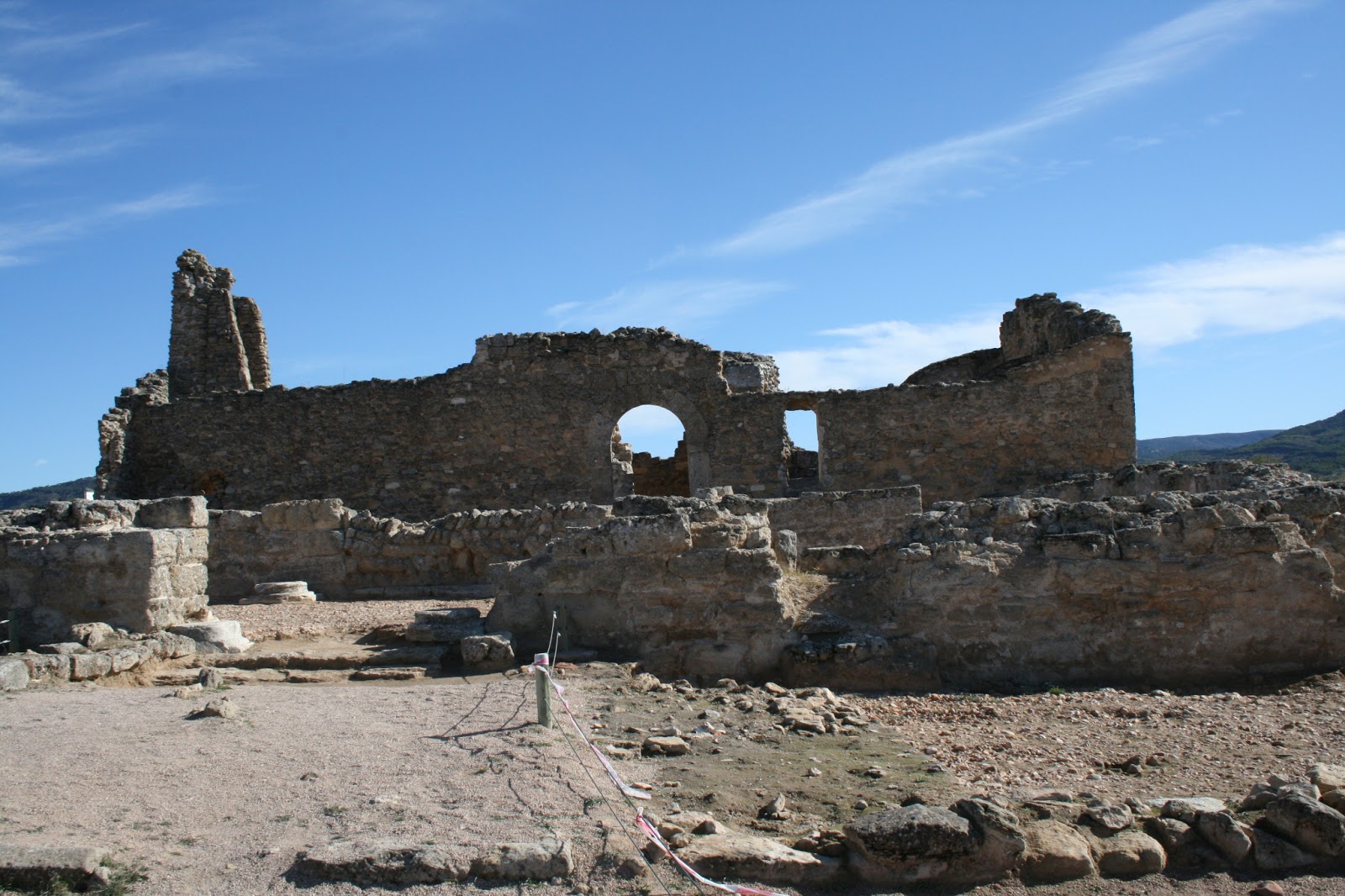
In 'The Afterlife of the Roman City' the story is told of how the 'Adventus' was transformed in the Early Medieval City to become one of the most important ritualized ceremonies