A hoard of Anglo-Saxon silver pennies of kings Æthelred II (r.978-1016) and Cnut (r.1016-35) have been found wrapped within a lead parcel at Lenborough.

Medieval Histories is a News site where anyone - professionals or just generally interested - can read about new exhibitions, books, research, excavations, finds, treasures... and much more! The site is created and owned by Karen Schousboe (http//:www.karenschousboe.com)
A hoard of Anglo-Saxon silver pennies of kings Æthelred II (r.978-1016) and Cnut (r.1016-35) have been found wrapped within a lead parcel at Lenborough.
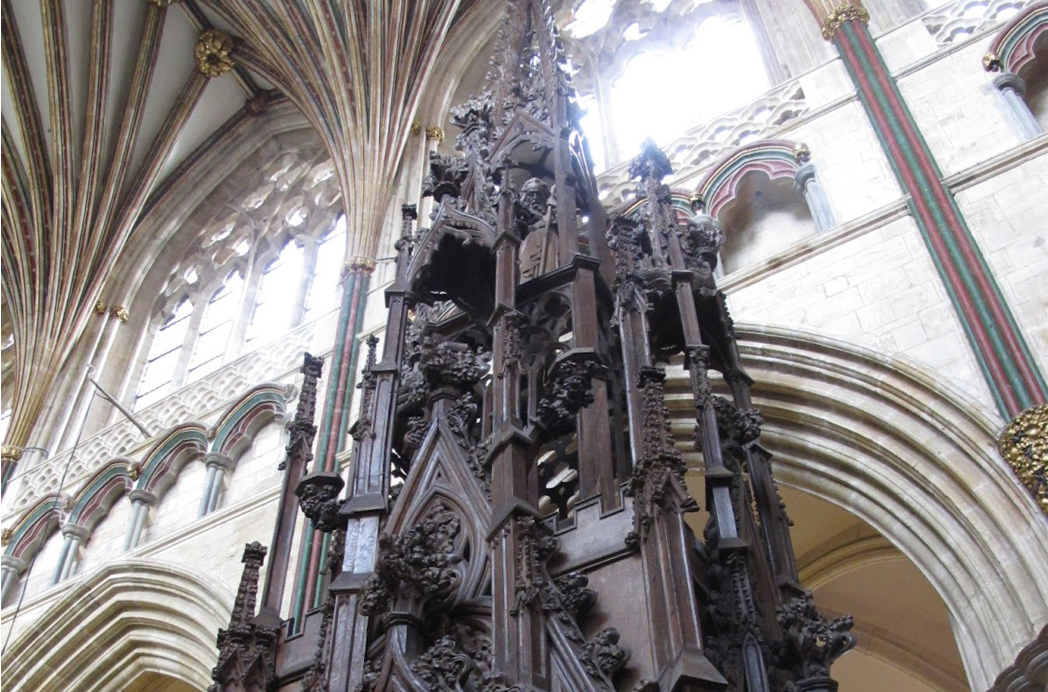
Six Medieval Episcopal Thrones in Britain has survived. New book describes and analyses five of these
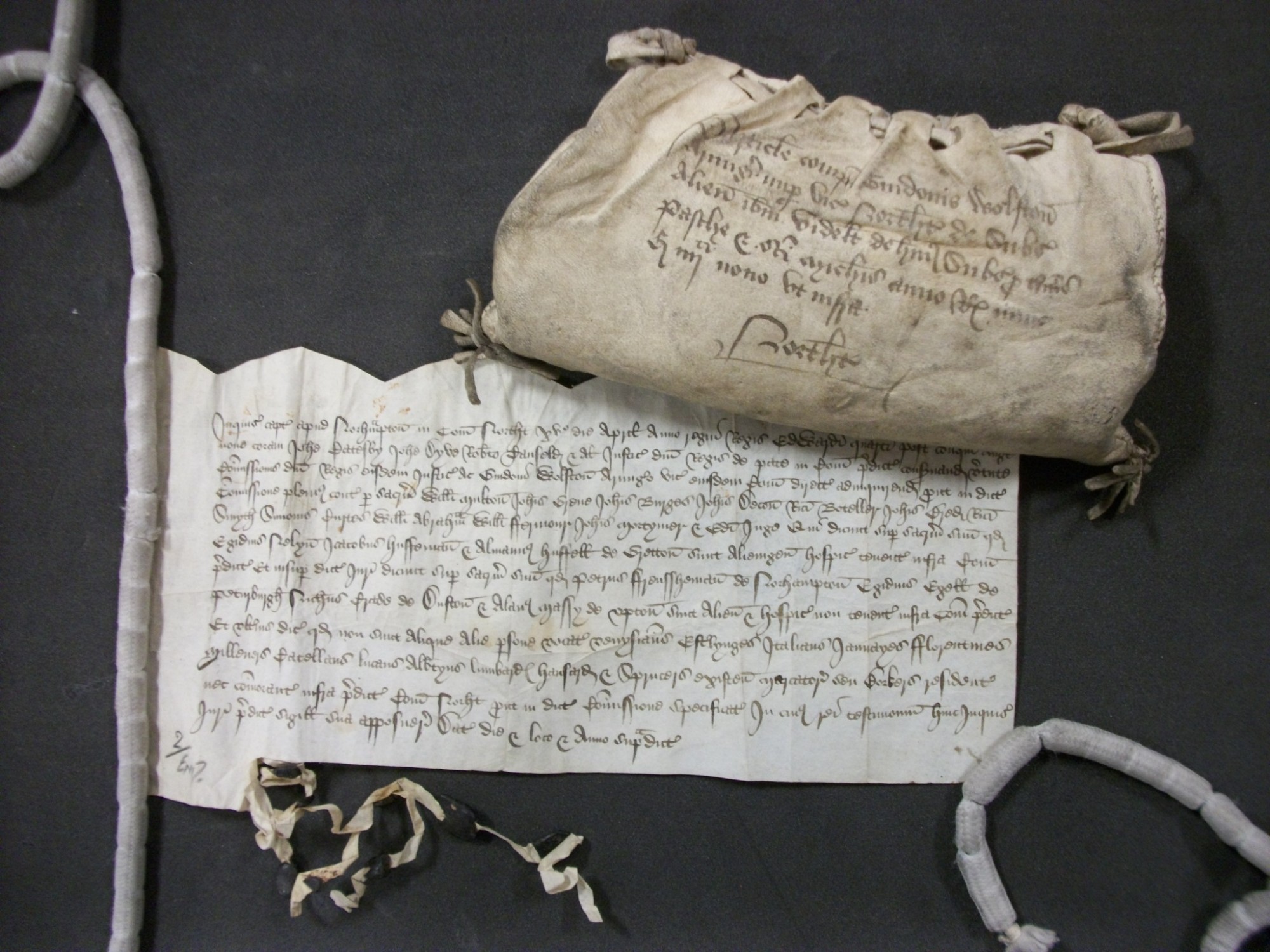
Aliens, foreigners and strangers are not just a modern phenomena. Meeting "the others" was also a frequent medieval occurrence

The Syon Abbey Herbal was the last medieval herbal written in an English Abbey before printed herbals took over
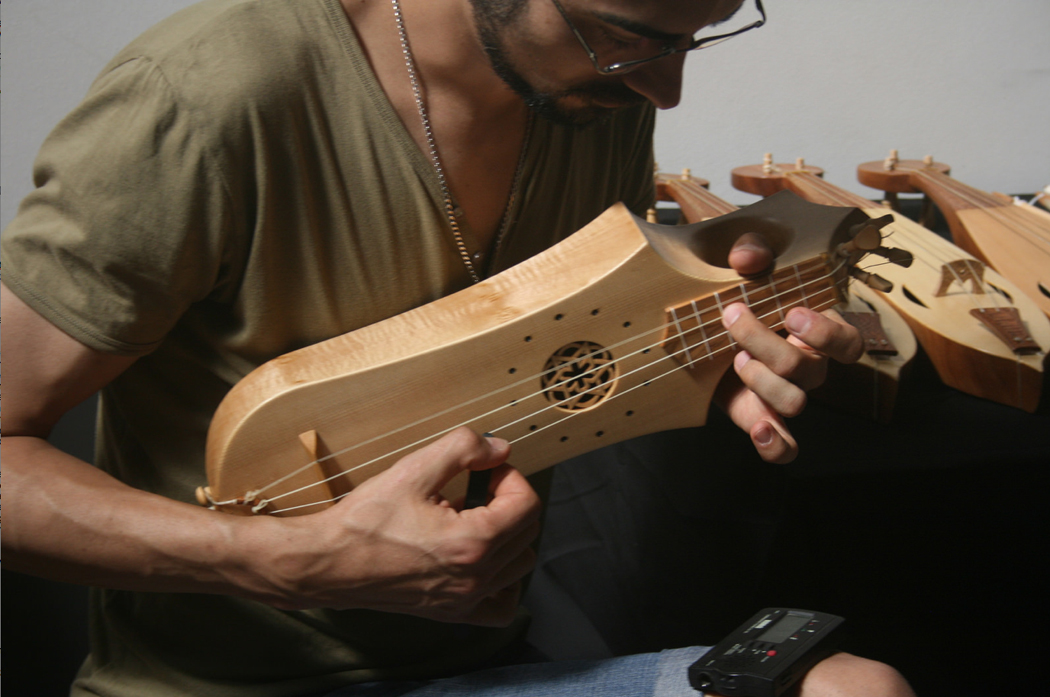
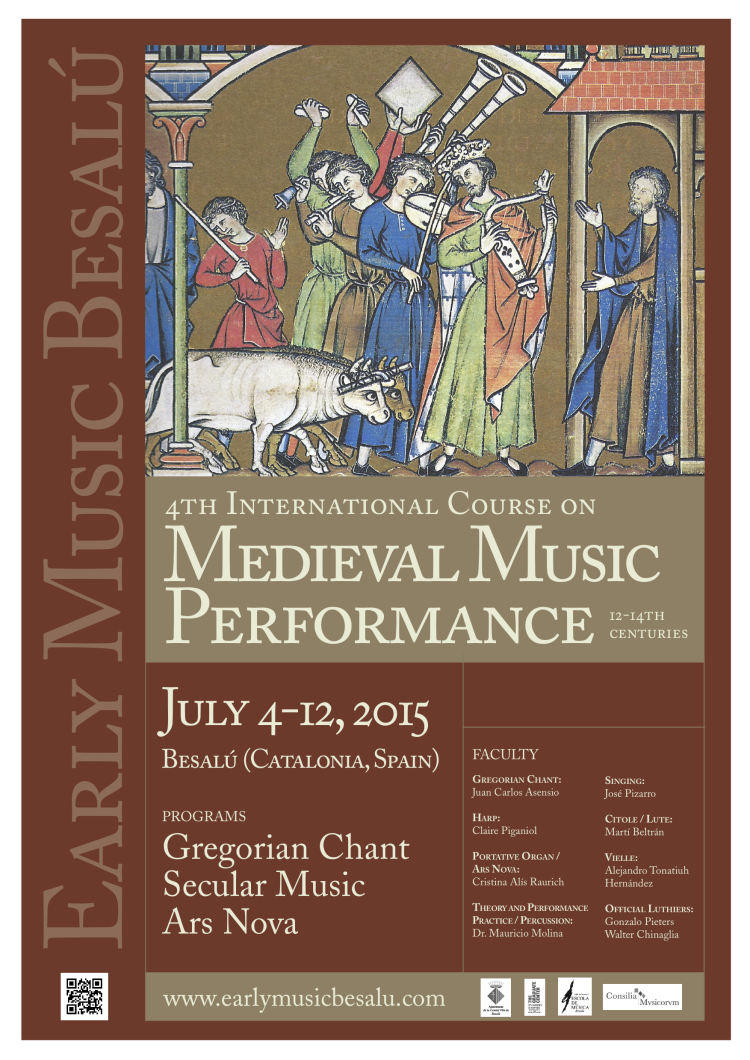 The International Course on Medieval Music Performance offers singers and instrumentalists the possibility to study monophonic and polyphonic repertoires composed from the 12th to the 14th centuries. The course is organized in the medieval surroundings of Besalú, a small town in Norther Catalonia in Spain. Besalú is one of the most important and better-preserved medieval towns of Catalonia (Spain). It was already important during the 10th century as the capital of an independent county. In 1966, it was declared a “National Historic-Artistic Ensemble” due to its high medieval architectural significance. Strolling through the medieval streets and squares, we find the monumental Romanesque churches of Sant Pere and Sant Vicenç, the Romanesque hospital of Sant Pau, a majestic bridge with two defensive towers that was built over the river Fluvià during the same period, the Jewish quarter and its miqveh or jewish ritual bath, the Gothic Palace of the Royal Curia with is wide hall, and a series of medieval secular buildings spread out through the different neighborhoods. All these different patrimonial elements make the village a truly ideal place to conduct the International Course on Medieval Music Performance.
The course masterfully combines rigorous musicological research with a vibrant reconstruction of performance practice.
Luthiers: Medieval musical instruments by our specialized makers.
4th International Course on Medieval Music Performance
Besalù, Catalonia
04.07.2015 – 12.07.2015
FEATURED PHOTO: Intense Moment in Besalú 2014
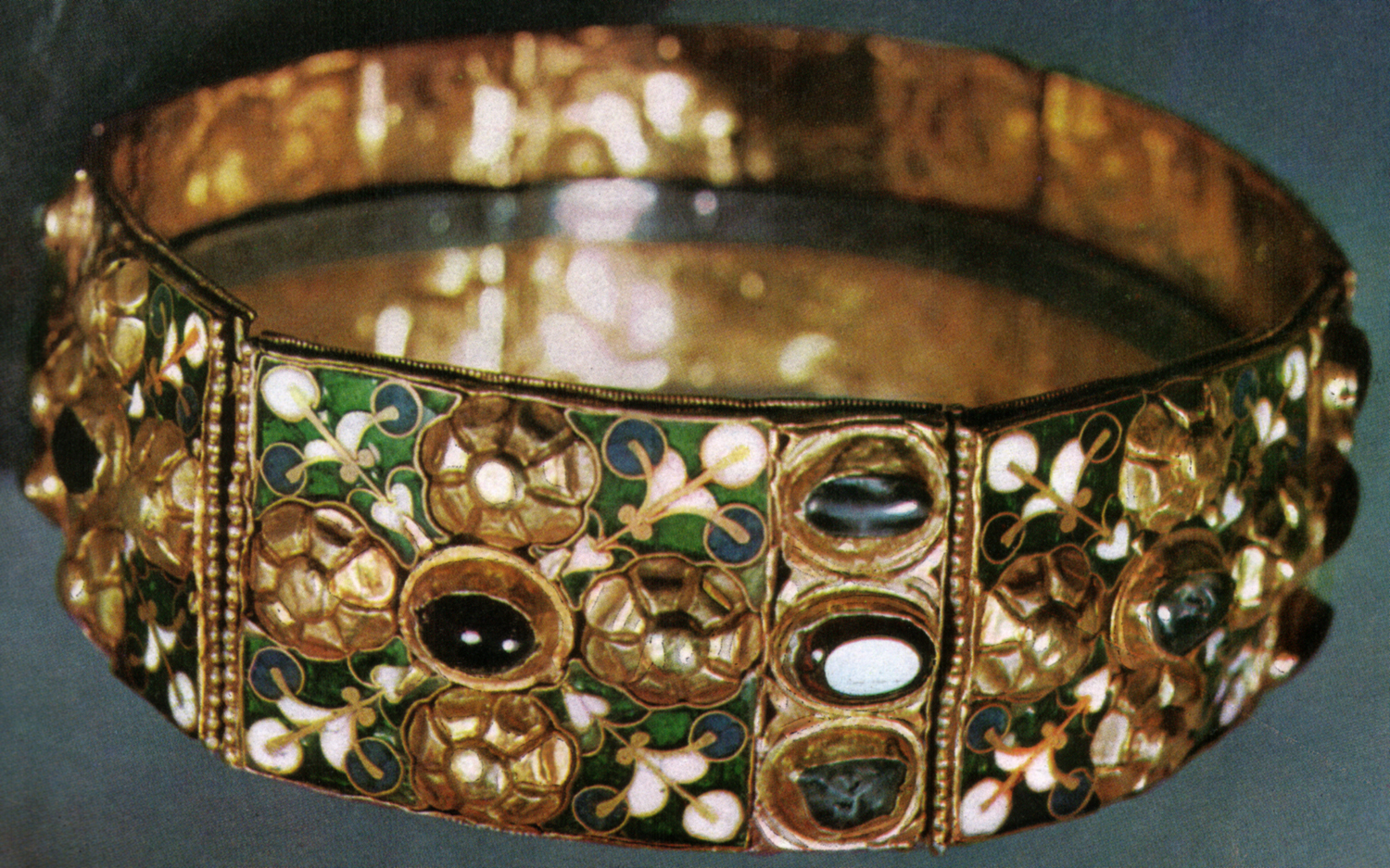
The Chapel of Teodolinda in the Cathedral of Monza and holds the famous iron crown, part of which have been dated as far back as the 4 -5th century.
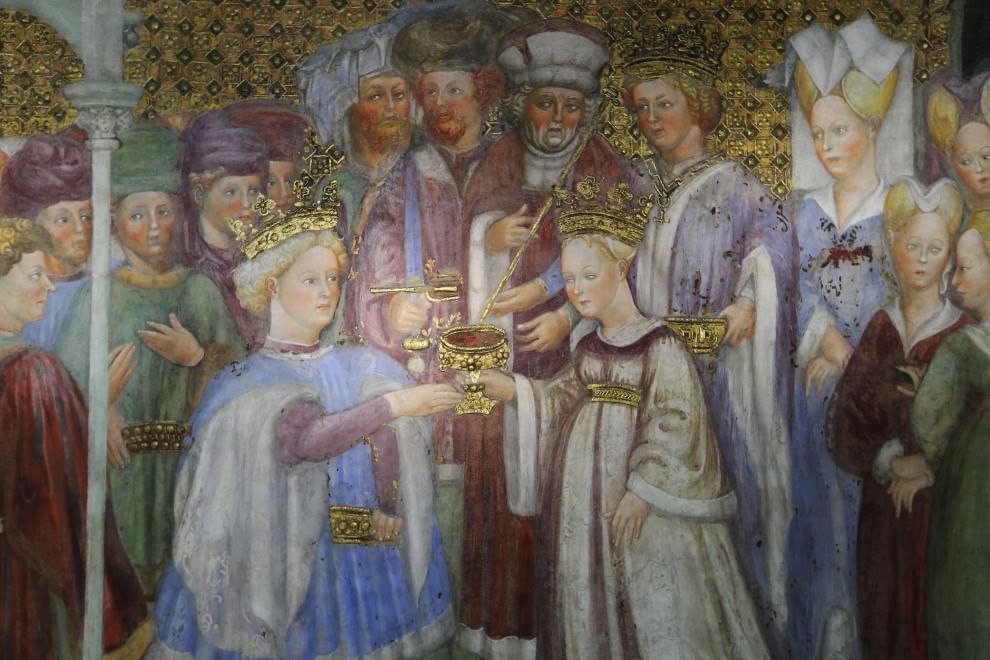
The Chapel of Teodolinda with the famous cycle of frescoes by the Zavattari Workshop has been painstakingly restored and has now been reopened
Conference in London in May 2015 aims to shed light on the international context of the vibrant international city: Medieval London
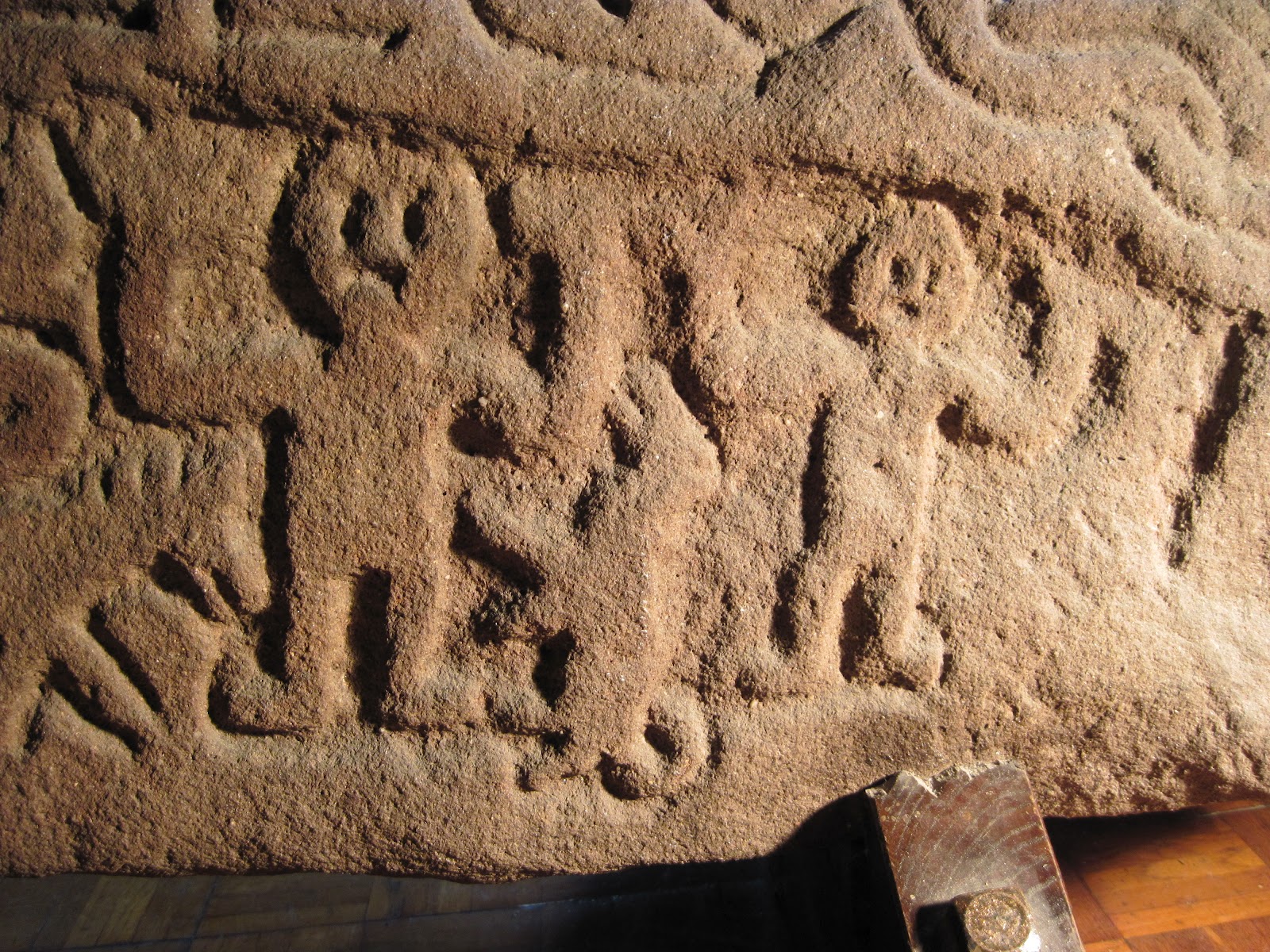
Centre for the Study of the Viking Age is pleased to announce a major international conference, to take place at the University of Nottingham 27.06.2016 – 02.07.2016
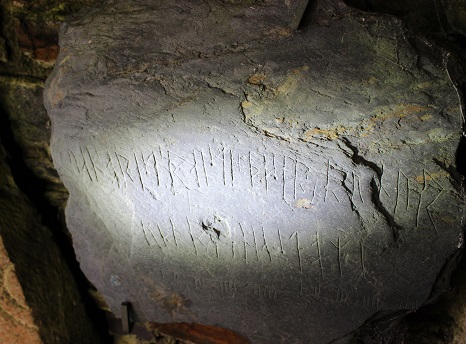
2016 sees a range of significant anniversaries: not only the millennium of Knut’s accession to the English throne, but also the 950th anniversary of the Norman Conquest, arguably the end of the Viking Age in England, not to mention the 900th anniversary of the martyrdom of St Magnus of Orkney. These are end points of a period of major transformations – from the voyages and settlements of Scandinavians across the North Sea, the Atlantic and the Baltic, to the conversion of the homelands and the rise of medieval kingship. The Centre for the study of the Viking Age will host this conference which aims to capture the diversity of and change in the Viking Age and its aftermath.
First call for papers:
Papers of 20 minutes’ length are invited on the following themes:
Poster presentations are also welcome.
Please send abstracts (no more than 300 words) to Dr Christina Lee (christina.lee@nottingham.ac.uk) not later than 31st January 2016 (papers) or 31st March 2016 (posters).

Why have more than 5000 youngsters gone from Europe to Syria to join Isil? Perhaps Medieval History might offer an answer

Jonathan Riley-Schmit is one of the most prominent crusade-scholars in present-day academia. In 2008 he wrote a very significant book on the uses and abuses of the history of crusading
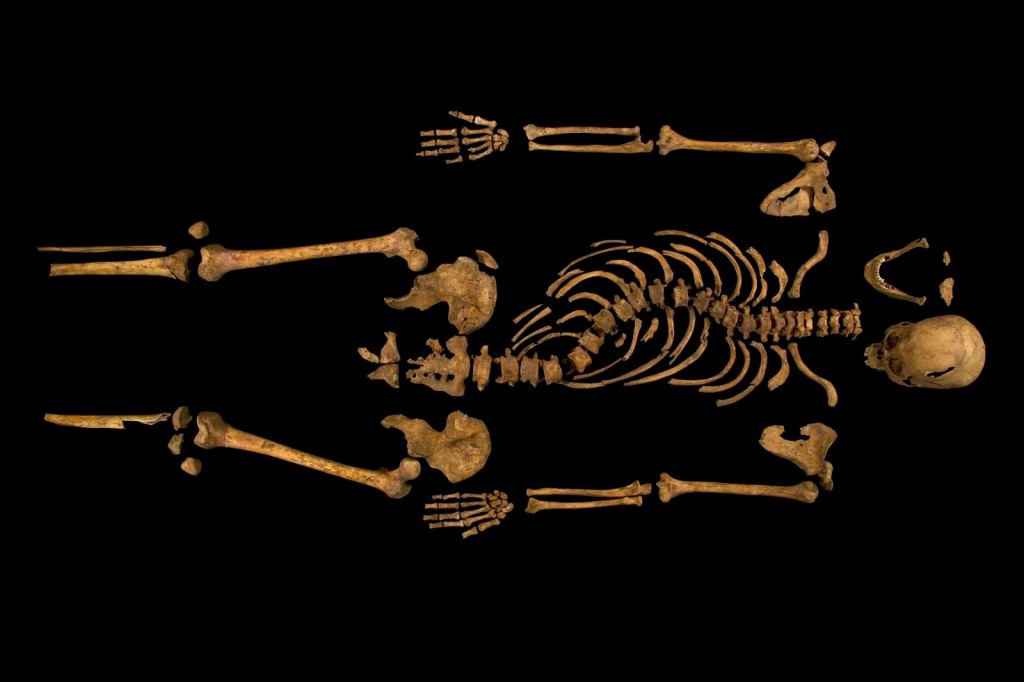
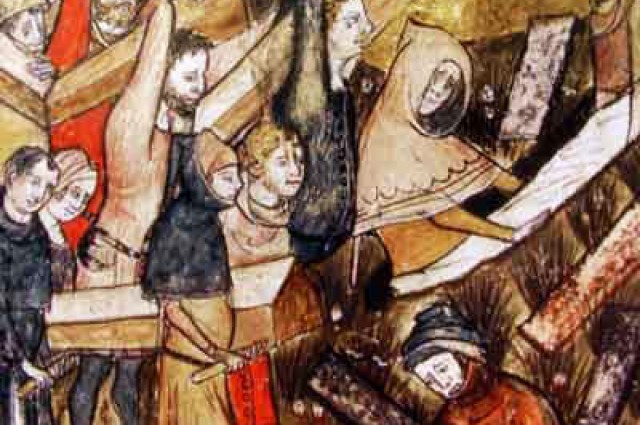
In a recent article by Pobst bio-archaeologists and geneticists have been called nothing but grave-robbing scientists [1]. This rather derogatory epithet has caused Sharon DeWitte from the University of South Carolina to write a review of the history behind the digging up of graves and the scientific explorations and ethical considerations, which are currently acknowledged by archaeologists, when they venture into the field [2].
Her exposé is very interesting and should be obligatory reading at universities, which teach bio-archaeology in general. But it should also be attached with a warning.
Bio-archaeology is a subfield of physical anthropology, which is dedicated to the study of skeletal remains in order to further our understating of mortality, fertility, growth patterns, diet and migrations.
Such studies are important if we wish to have a full understanding of the living conditions in a by-gone age. For instance we cannot know the exact character of such phenomena as the Black Death without the very large studies, which have been carried out during the last decades and more.
However, bio-archaeology is the modern heir to a despicable tradition of grave-robberies, which took place in the 19th and 20th century, when physical anthropologists raided burial grounds of Native Americans and other indigenous people like the Inuits. Occasionally these skeletons or mummies were exhibited and in a few well-documented cases close relatives even had the unpleasant experience of seeing their parents or grandparents exhibited at museums. As late as in 1971, Sharon DeWitte tells us, a White individual was found buried together with a Native American woman. He was reburied with all decorum, while she was retained for study. It was not until 1988-90 in the USA that a number of specific statements were issued and acts passed, which had as their object to protect burial grounds and secure the repatriation of the mortal remains held by museums or laboratories, when descendants asked for it. This inspired a number of museums and collections to officially review this practice in international fora like for instance ICOM.
Today most anthropologists and bio-archaeologists agree that a balance has to be stroke between 1) remains should be treated with dignity and respect, 2) descendants should be given the authority to determine what should be done with the remains of their ancestors and 3) remains should be preserved for scientific research in so far as they represent a rich source of information about human history. In general it is agreed that when these three considerations are in conflict, the respect for the feelings of relatives and ancestors should be given priority.
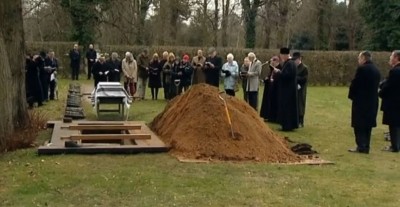
Thus the excavation of part of the Jewish cemetery at Jewbury in York was planned and conducted in consultation with the chief Rabbi. And ultimately the remains were reinterred without being fully studied.
However, less debate has been generated by the Black Death research, which began with the excavation of East Smithfield cemetery in1989 contributing to the present cache of 17.000 human remains currently kept at the Museum of London’s Archaeological Archive and Research Centre – reaching from the prehistoric to the postmedieval period. An invaluable resource, writes Sharon DeWitt, who stresses the fact that the people are long since gone and no descendants can have a reasonable claim on the remains. She also informs us that the excavations have been carried out in accordance with the guidelines provided by the Church of England, English Heritage and the DCMS; and that the research has yielded enormously important knowledge about the DNA of the Yersinia Pestis and the epidemic in general. Sharon DeWitte is herself heavily engaged in studying mortality patterns, demographic context and consequences of medieval plague epidemics including the Black death of 1347 -1351.
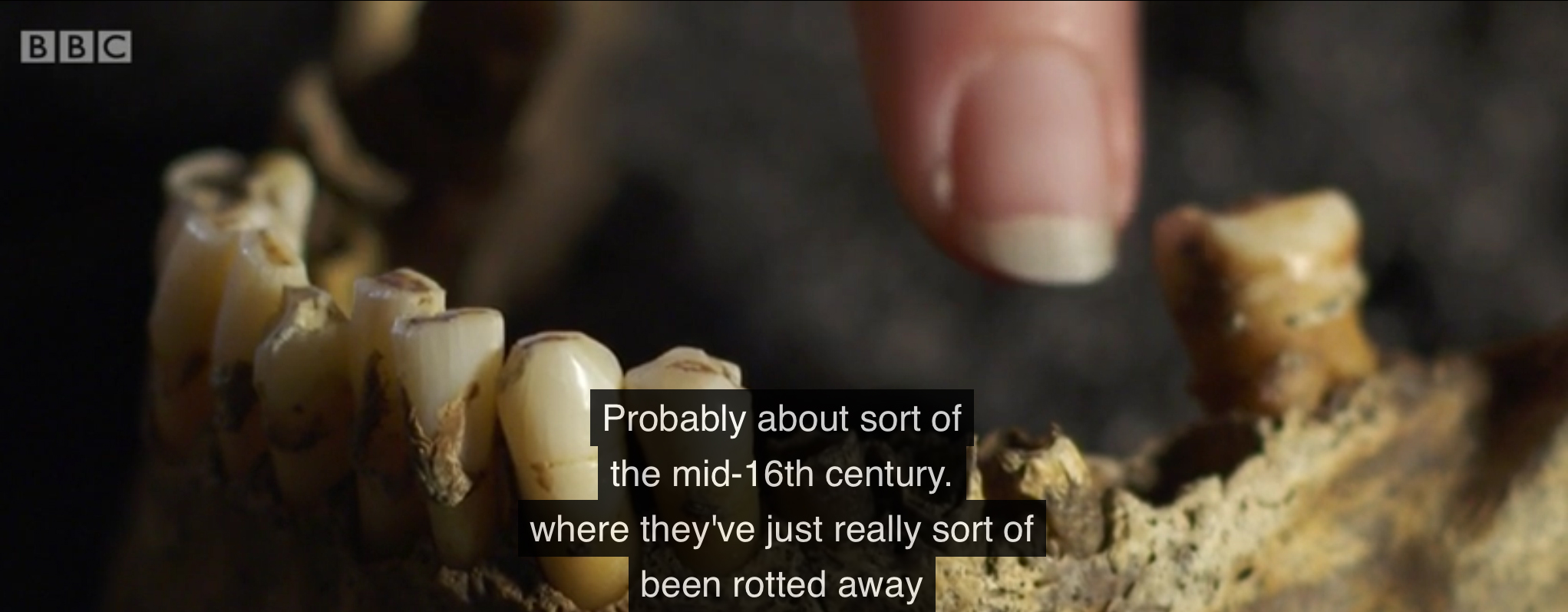
Appalling says some ethicists, pointing out that at least the remains ought to be reinterred afterwards. Perhaps scientific exploration is in order, but that the skeletons should afterwards be reinterred and not kept in a warehouse, nor used for “morbid gazing” (whatever classifies as such). Perhaps they should not be used for endless documentaries produced by the BBC; as was for instance the case recently, when a number of 16th century skulls were casually handled by Dr. Suzannah Lipscomb in her otherwise sympathetic and illuminating programme: The Hidden Killers of the Tudor Home (BBC2 2015).
What is more interesting, though, is a proper unpacking of the ethical arguments put forward by the different parties.
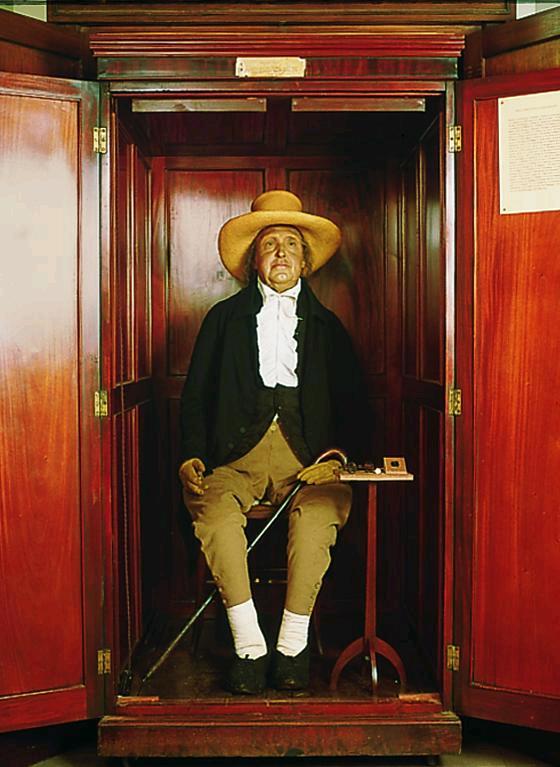
On one hand we have what is obviously a utilitaristic set of arguments: the study of these skeletons is a very useful scientific sub-discipline. We simply learn a lot. This is then backed by a referral to the so-called ethical guidelines offered by venerable institutions – making it not only utilitaristic, but also semi “lawful”. Finely we get the argument that as long as the practice does not hurt any living persons – relatives or descendants – the value of the research neatly outweighs any claims to treat the remains with further dignity and respect. Jeremy Bentham would love these arguments!
On the other hand an ethics of duty might point in quite another direction. Most of these plague victims were obviously buried by their relatives or friends, who made a great effort under tremendous stress to do what they thought of as a primary Christian duty: to bury the dead. Occasionally long forgotten graveyards and plague pits are found and excavated archaeologically before a car-park or shopping centre can be built on the location. There is no reason why these excavations should not be carried out diligently. However, after having studied the remains, they ought to be reinterred again, reflecting the wishes of our ancestors (even if we no longer share this feeling that we have an obligation to give our relatives a proper Christian Burial).
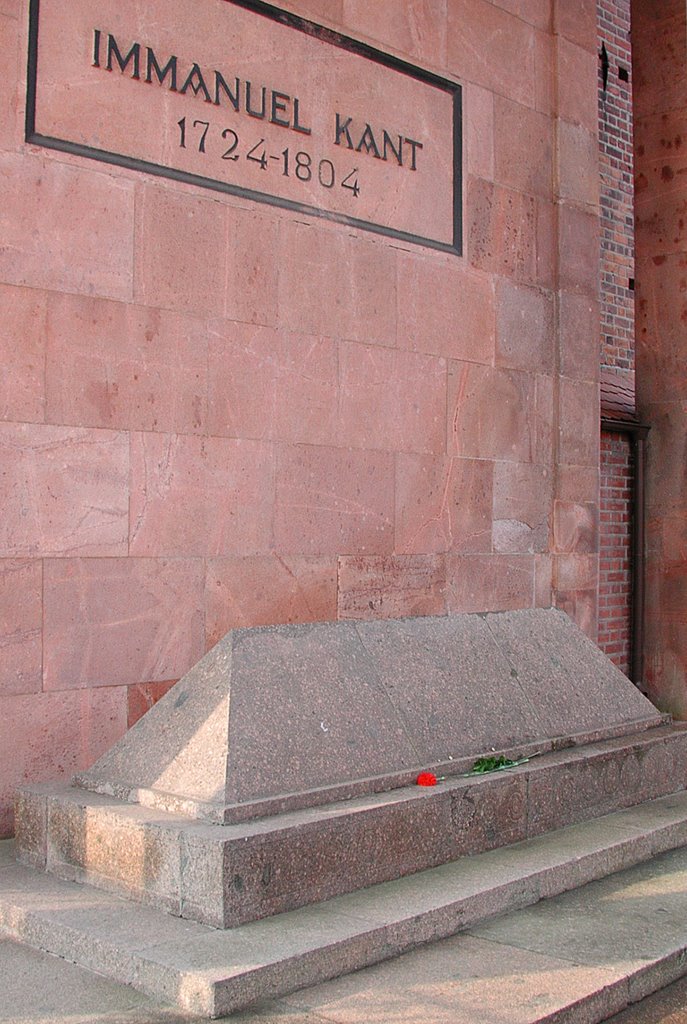
For an Englishman or American this might sound decidedly odd. For a continental ethicist coached in the tradition of Kant, however, the question one should pose is quite different: Would you really like in the future to be exhibited on BBC because you had rotten teeth caused by an over-consumption of sugar? If not – should you do this to your ancestors?
By the way: In Denmark the general rule is that skeletons dug up in connection with restoration of churches or churchyards have to be reburied. Often this is done in connection with a special service. What to do with the finds in plague pits are vigorously debated. Anyone buried before Christianity was introduced – 1000 – 1200? Well they seem to be “fair” game.
Karen Schousboe
Notes
[1] “Should we Teach that the Cause of Black Death Was Bubonic Plague?”
By P. Pobst
In: History Compass, 11/10 (2013) pp. 808 – 20
[2] Bioarchaeology and the Ethics of Research Using Human Skeletal Remains
By Sharon N. DeWitte
In History Compass 13/1 (2015) p. 10 – 19
The photo shows the skeleton of Richard III. After having been carefully studied he will be laid to rest in leicester on Thursday 26 March 2015

The remains of Cnut the Great may be identified via DNA, if scientists succeed in making sense of a treasure trove of jumbled bones held in the mortuary caskets in Winchester Cathedral
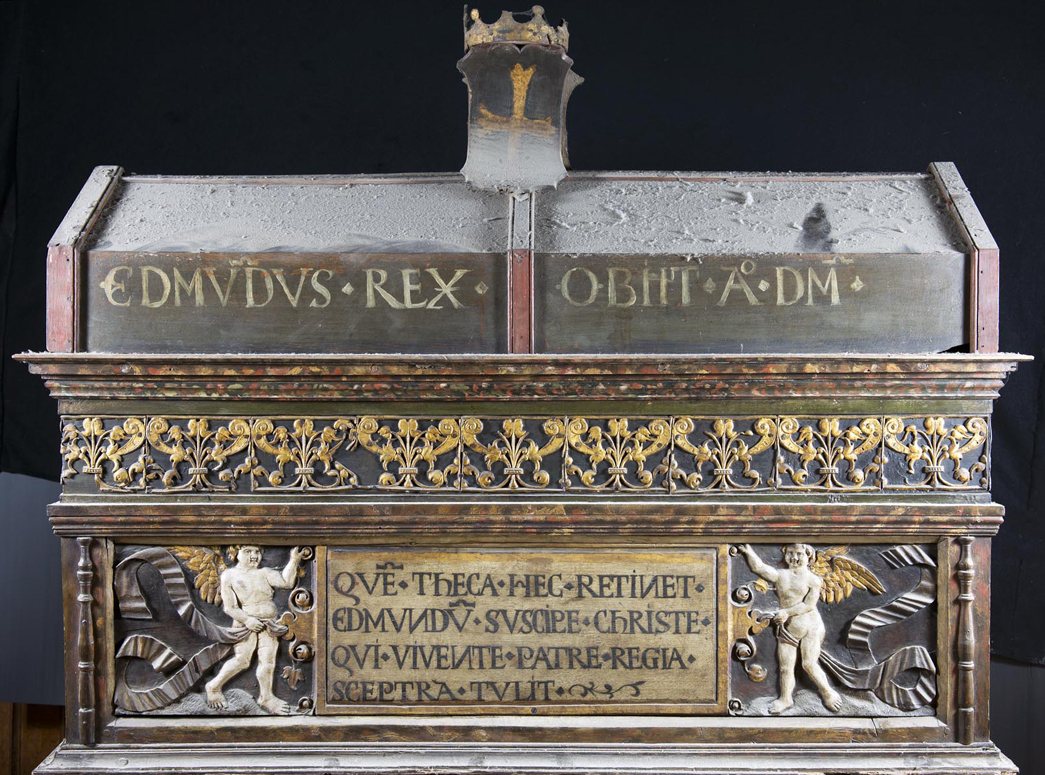
Mortuary chests in Winchester are said to hold the remains of Anglo-Saxon and Viking kings of England. Preliminary dating confirms the possibility
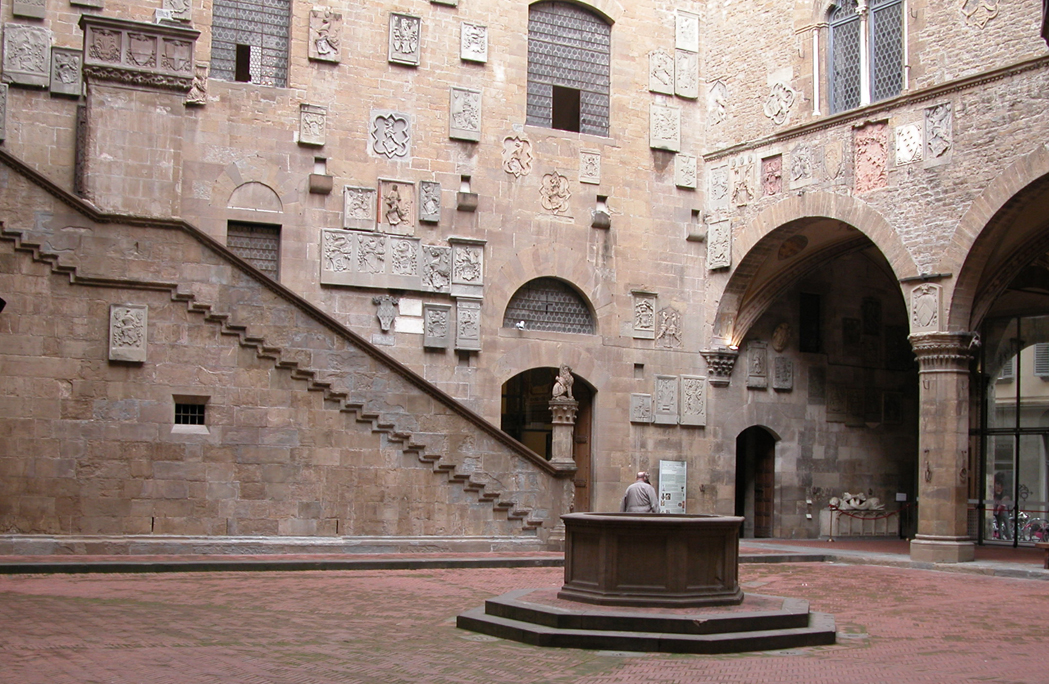
A visitor passing through Italy is surprised by the abundance of coats of arms that still decorate the palaces and public monuments of its cities. Relatively undisturbed by the tides of history that destroyed a lot of Europe’s heraldic heritage, in the Italian cities this heritage is still alive and well. While the development of heraldic signs occasionally caught the eye of historians and art historians, they have never done justice to the multitude and diversity of the existing sources. Recently, however, research has taken an interest in the subject with renewed vigour and approaches, especially in the case of Italy.
The aim of this conference is to establish the current state of research and to advance the subject by linking more closely the history of heraldic communication and the history of cities. To do so, the Italian example shall be put into a European perspective.
Coats of arms are surprisingly flexible and efficient means of communication. In cities, they may represent individuals as well as groups, the urban community as a whole as well as the ruler of the city. Heraldic signs are able to express the unity of the people – through the arms of the town and of its political institutions – as well as their social and political divisions – by identifying different parties, competing social groups and individuals.
The staging of these signs in the city, its chronology, actors, practices and challenges pose many questions:
On the one hand, there are questions concerning the factual representation of coats of arms in the city itself. When did these signs start to appear in urban space? In which places – public, private, sacred – are whose arms to be found? How are they presented? Is it possible to establish a “heraldic topography” of the medieval city?
On the other hand, concerning the way the contemporary citizens thought about the coats of arms and heraldic representation as such. Are there restrictions or regulations for displaying coats of arms in the urban space? Are there debates on the ways to stage coats of arms in the urban theatre? How did the citizens perceive their coats of arms? What functions, what effects, and what significance did they attribute to them?
Finally, are there parts of Europe that were more prone to using heraldic signs in urban contexts than others? Is the rich heraldic heritage of Italian cities the mere result of sources surviving by chance, or does it reflect a particular Italian development?
The conference will attempt to propose answers to these questions, not only by looking at the monumental evidence of medieval heraldry, but also by studying the discourses on these signs in written sources such as city records (Stadtbücher), sumptuary statutes, account books, legal records, city chronicles etc. While the expertise of specialists in heraldry is important, such a survey requires and welcomes especially the knowledge of historians of the medieval city, too.
By situating the Italian example in its European context and comparing the different analyses and approaches of heraldists, art historians, historians of visual culture and historians of the city, this conference intends to propose new perspectives on coats of arms in the city and tread new paths for future research.
Papers can be presented in English, French or Italian.
Proposals should be sent by 25th January 2015 together with an abstract (200 words) in English or French to journees.heraldiques@gmail.com.
Workshop organised by the research programme Héraldique, emblématique et signes d’identité au Moyen Age (Laurent Hablot, CESCM, University of Poitiers, École française de Rome) and the research project: The Performance of Coats of Arms – Die Performanz der Wappen. Zur Entwicklung von Funktion und Bedeutung heraldischer Kommunikation in der spätmittelalterlichen Kultur, Dilthey-Fellowship of the VolkswagenFoundation (Torsten Hiltmann, Historisches Seminar, University of Münster).
Sponsored by: CESCM-University of Poitiers; Research project “The Performance of Coats of Arms” (VolkswagenFoundation), University of Münster ; Ecole française de Rome; German Historical Institute Rome (DHI Rom); Académie de France à Rome.
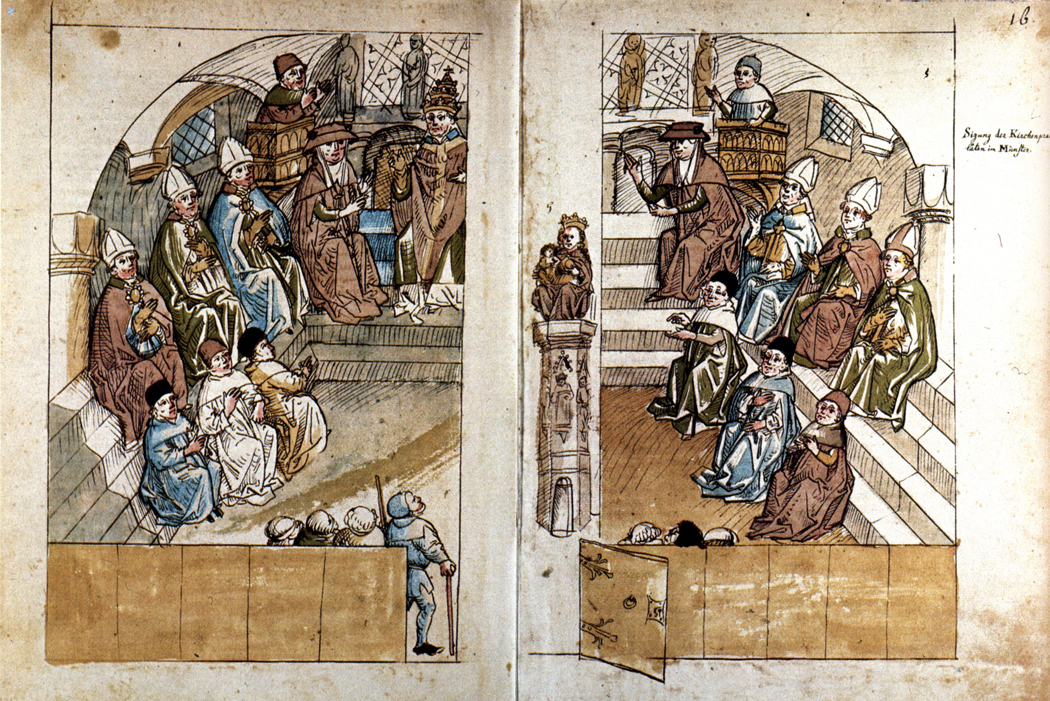
The Council of Constance (1415 – 1418), the burning of Jan Huus (1415) and the link between medieval anniversaries and modern scholarship are on the agenda at the 90th annual meeting of the Medieval Academy of America this year.