Charles IV was known as an agile youth with a penchant for taking part in tournaments. However, in 1350 he was severely crippled
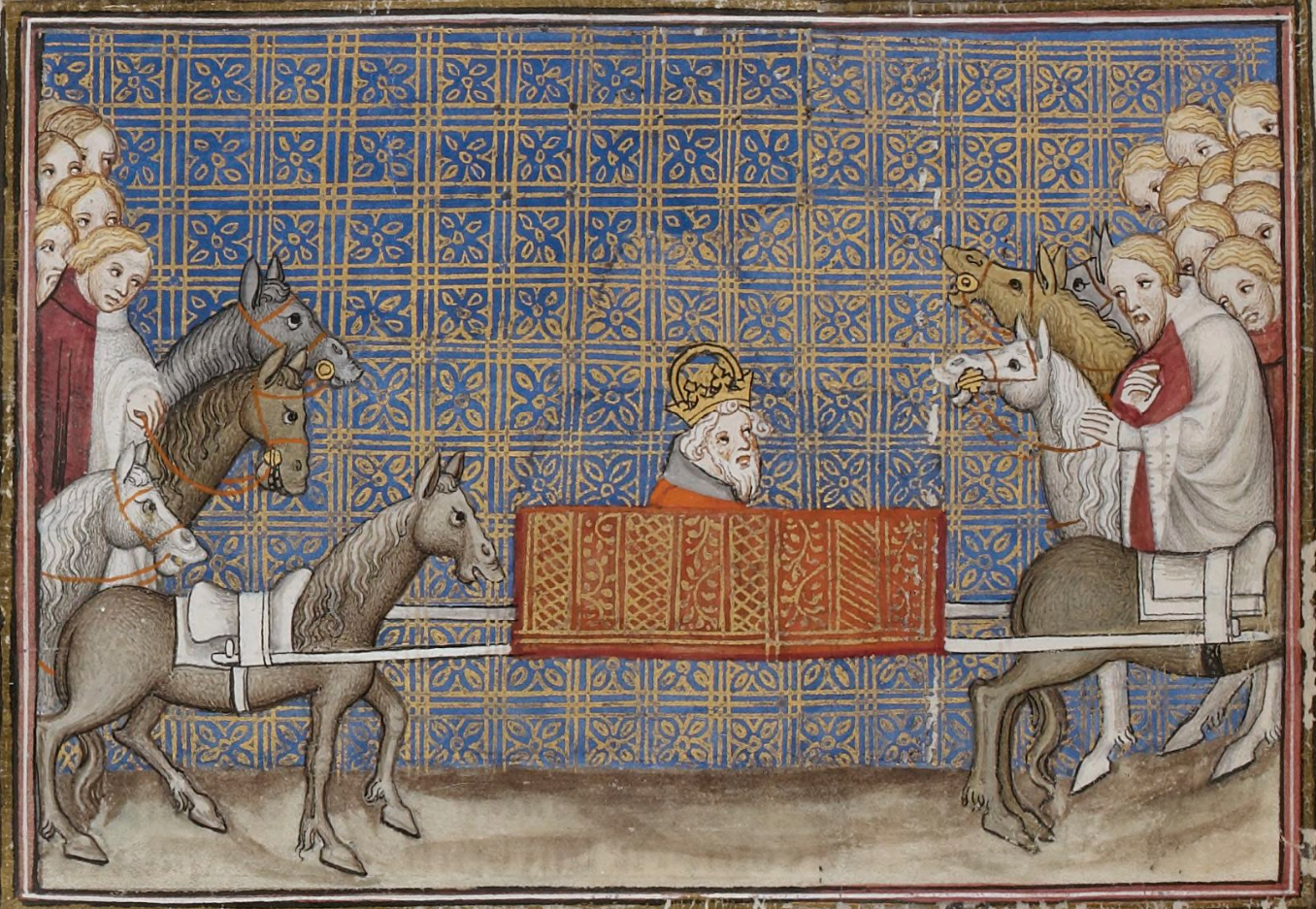
Charles IV was known as an agile youth with a penchant for taking part in tournaments. However, in 1350 he was severely crippled

To all medievalists: skip queuing for Mona Lisa and visit the newly opened parts of Louvre where its medieval history is told
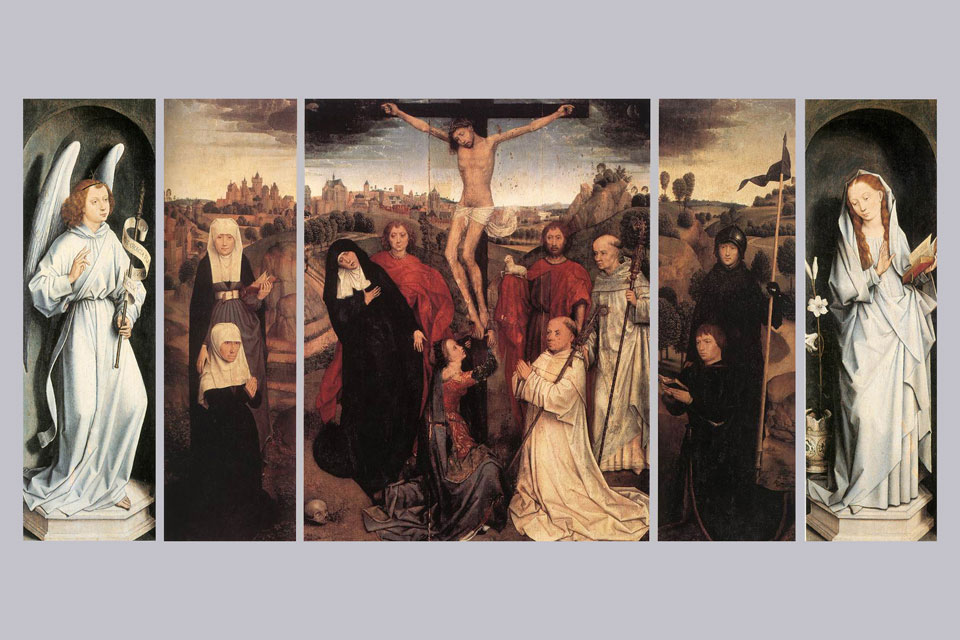
Hans Memling's Triptych of Jan Crabbe is reunited in Landmark Exhibition at the Morgan in the autumn
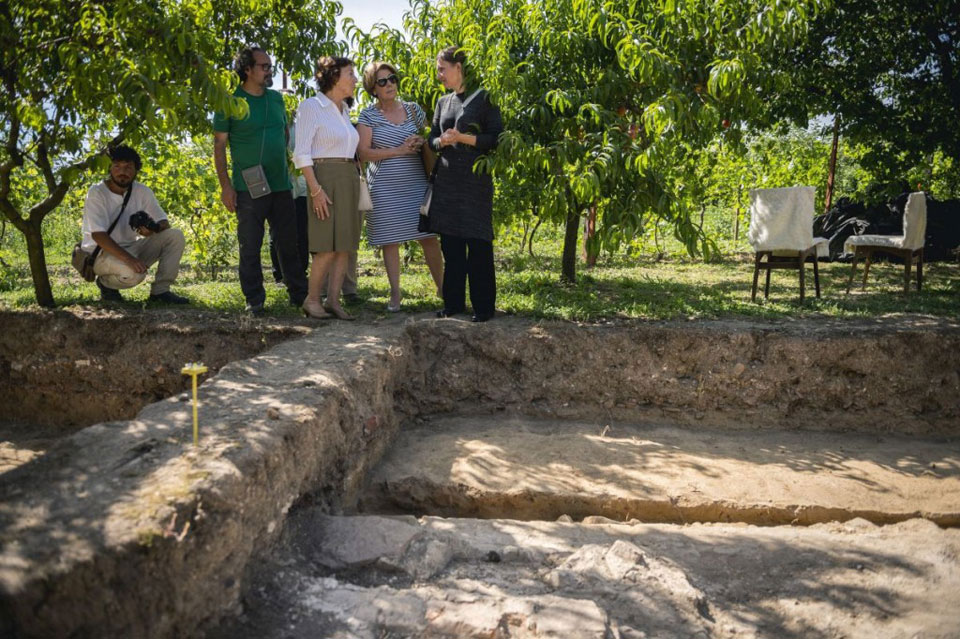
When Suleiman the Magnificent died in Szigetvár his heart and entrails were buried there. His newly discovered mausoleum is hoped to be a new tourism magnet
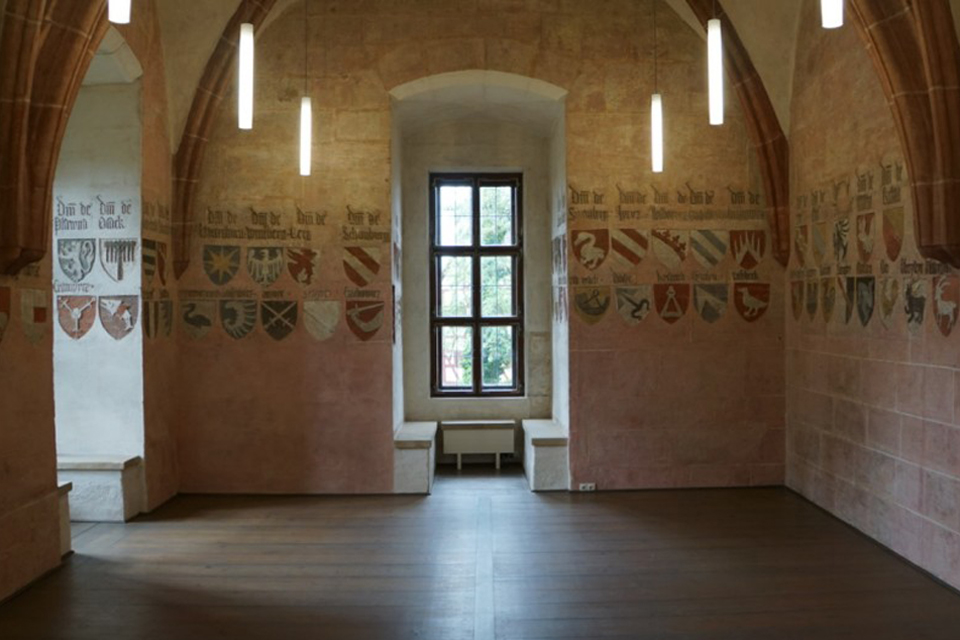
The Castle in Lauf – also known as the Wenzelschloss – was constructed by Charles IV in 1356 on the road between Prague and Nuremberg.
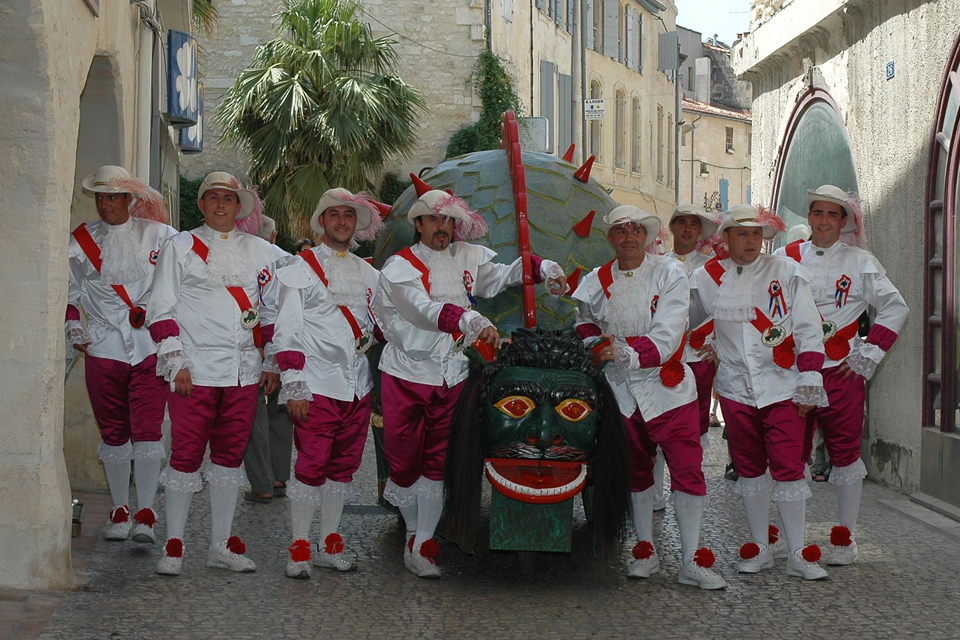
Twice a year the Tarasque – a medieval river-monster – is dragged through the streets of Tarascon in memory of the heroic deed of St. Martha of Bethany
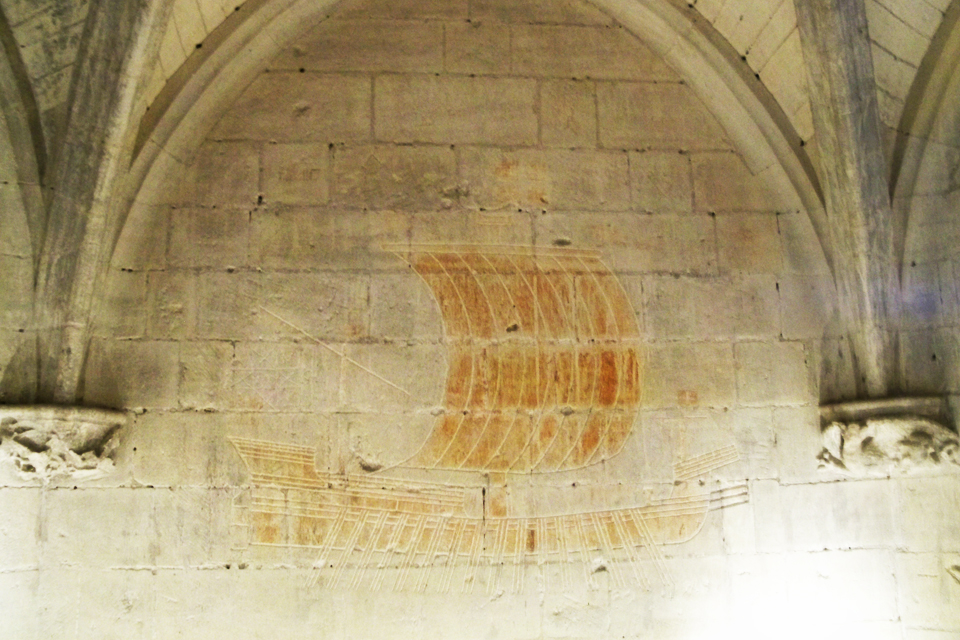
Tarascon is a small town located on the banks of the river Rhône between Arles and Avignon at an old Roman junction. Extensive toll registers from the 14th century shed light on life in Late Medieval Province.
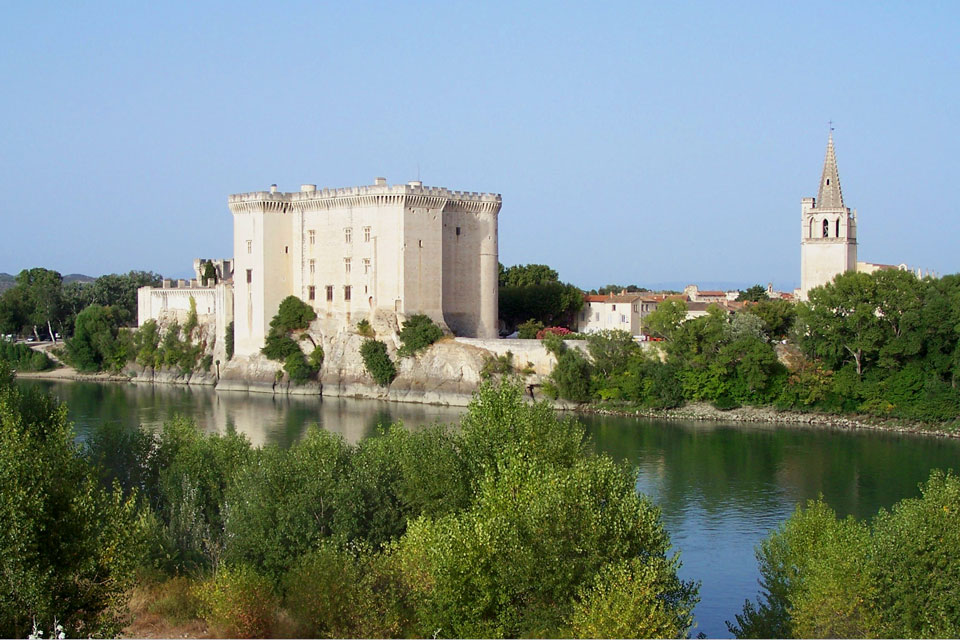
Tarascon in Vaucluse is a small city in Provence situated on the banks of Rhône between Avignon in the north and Arles downstream. It is famous for its massive castle from ca. 1400
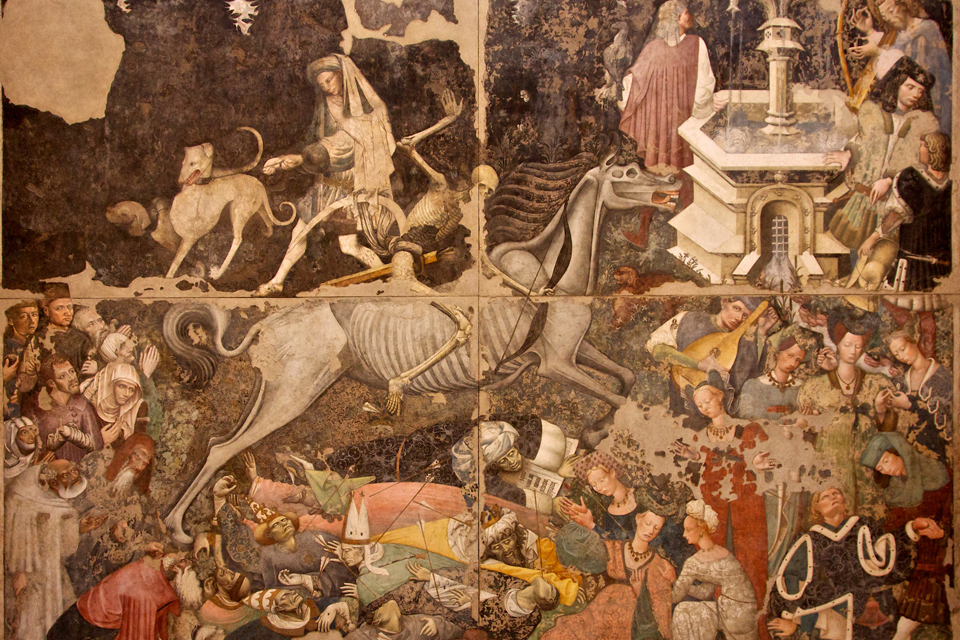
New book by Bruce M. S. Campbell on the Great Transition from 13th to the 16th century promises to be the new bible in environmental history
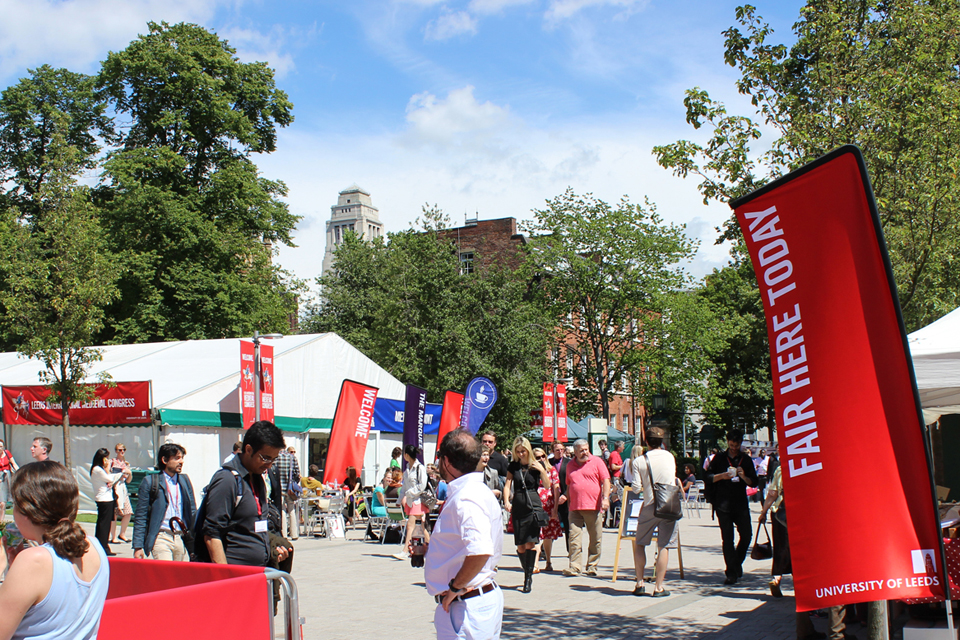
Check the updated list of Medieval Conferences in 2017 - and don't forget to write us if we have forgotten about y
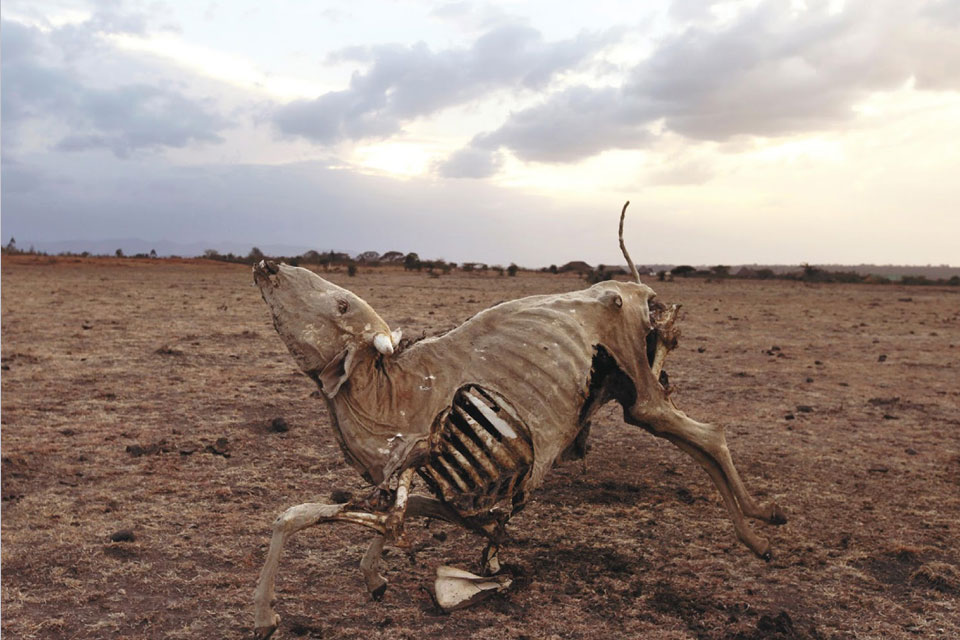
The newly published Old World Drought Atlas was recently used to gauge the seriousness of the Syrian Draught, the like of which has not been seen for 900 years.
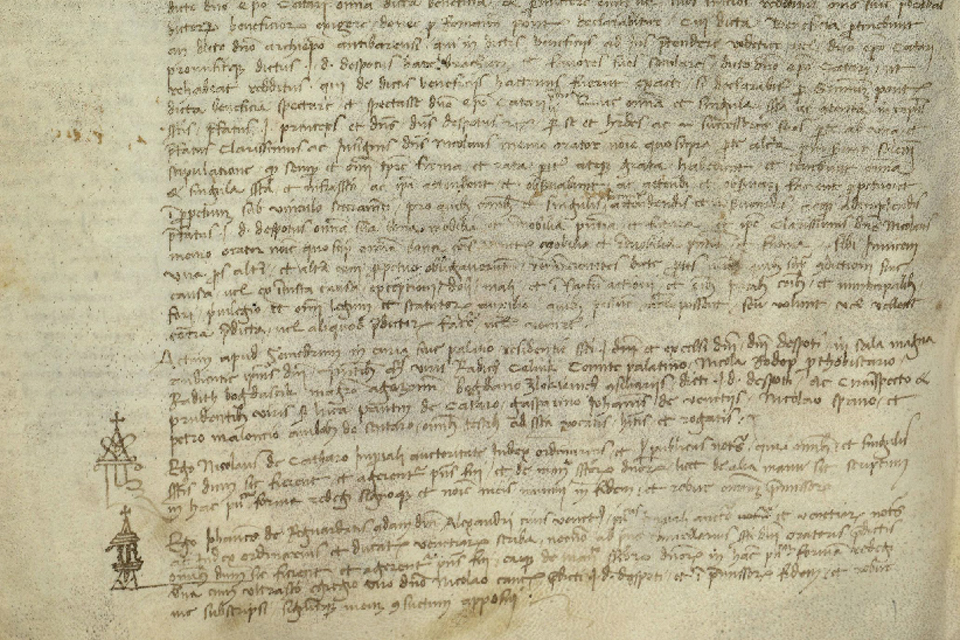
Medieval charters are valuable resources for writing local histories of landscapes and lives. But they are also useful when studying networks through time
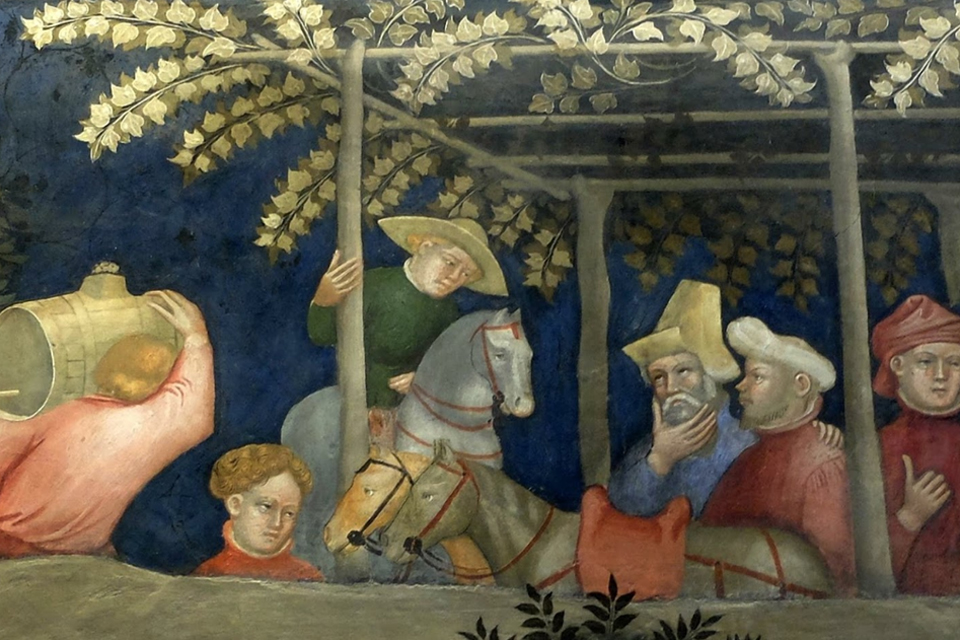
Don’t miss the small Oratory of St John the Baptist in Urbino painted with a famous cycle of murals by the brothers Lorenzo and Jacopo Salimbeni
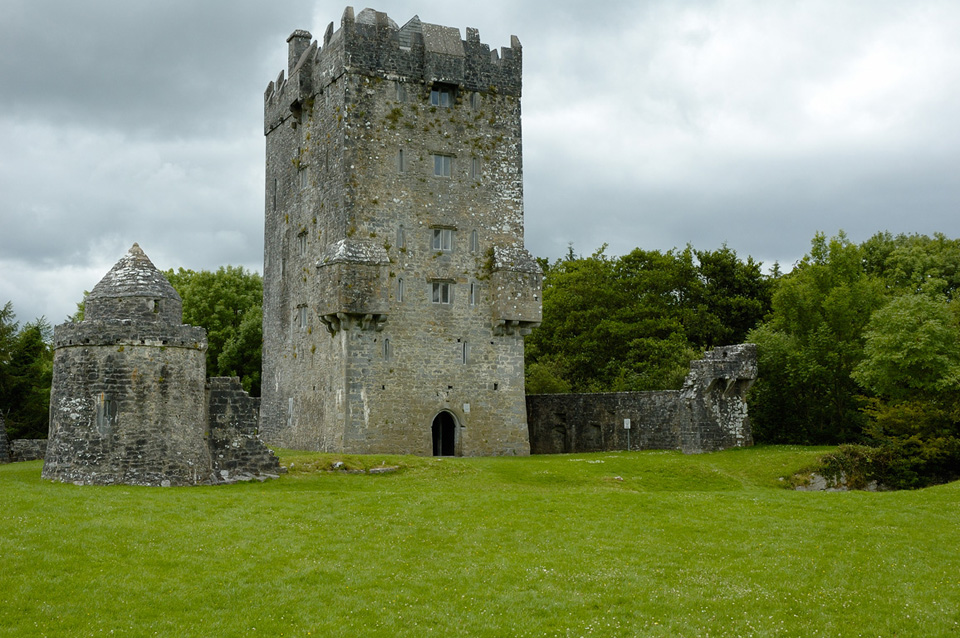
New book analyses the different forms of space, which people lived, moved around, and inhabited in the Medieval and Early Modern England and Ireland
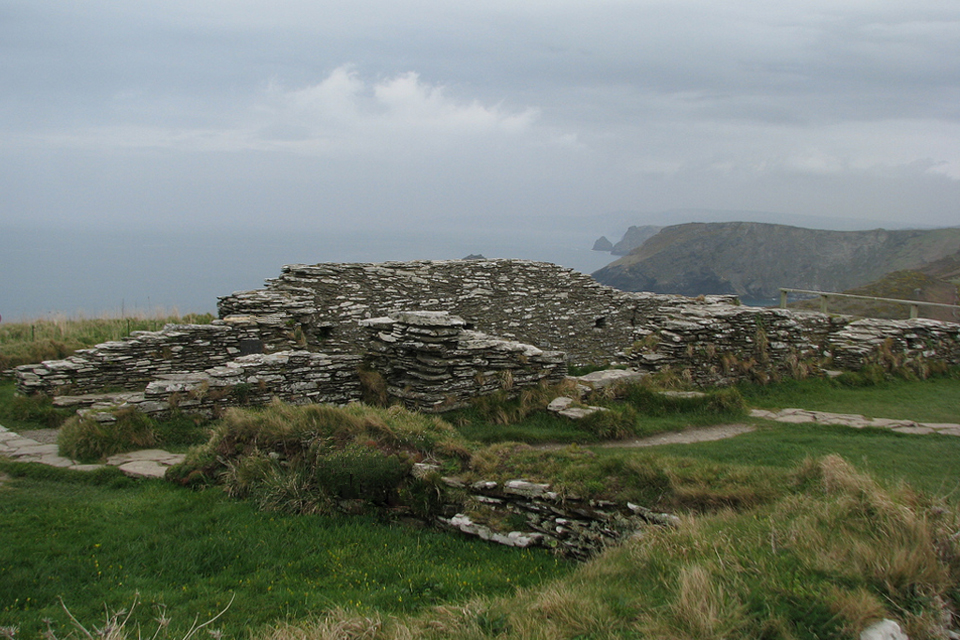
Links to the legends of Tristan and Yseult and not Arthur may have been the reason Richard I chose to built a castle there in 1225
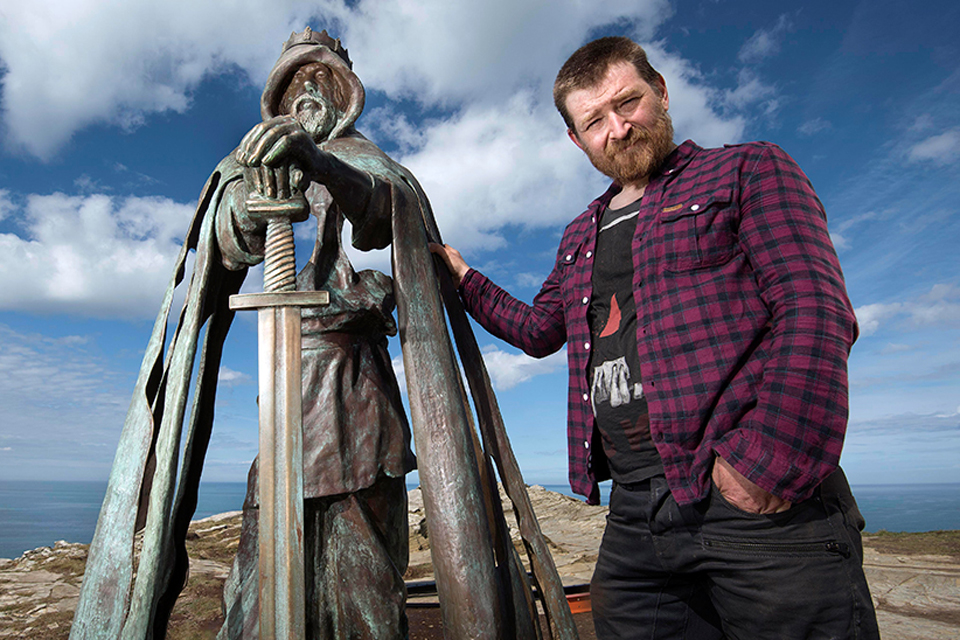
Since 2010 curators at English Heritage have worked hard to make Tintagel both more informative and welcoming. The question is: have they succeeded?