A new book on Livonia and the Rus' focus on the Baltic Crusades in a wider European context.
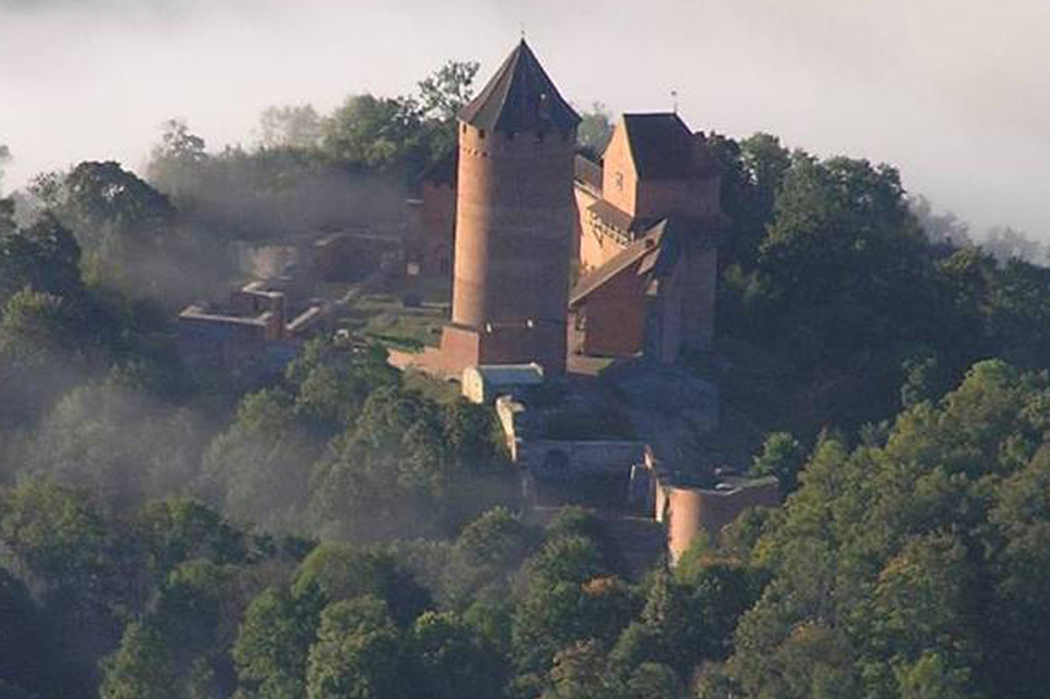
A new book on Livonia and the Rus' focus on the Baltic Crusades in a wider European context.
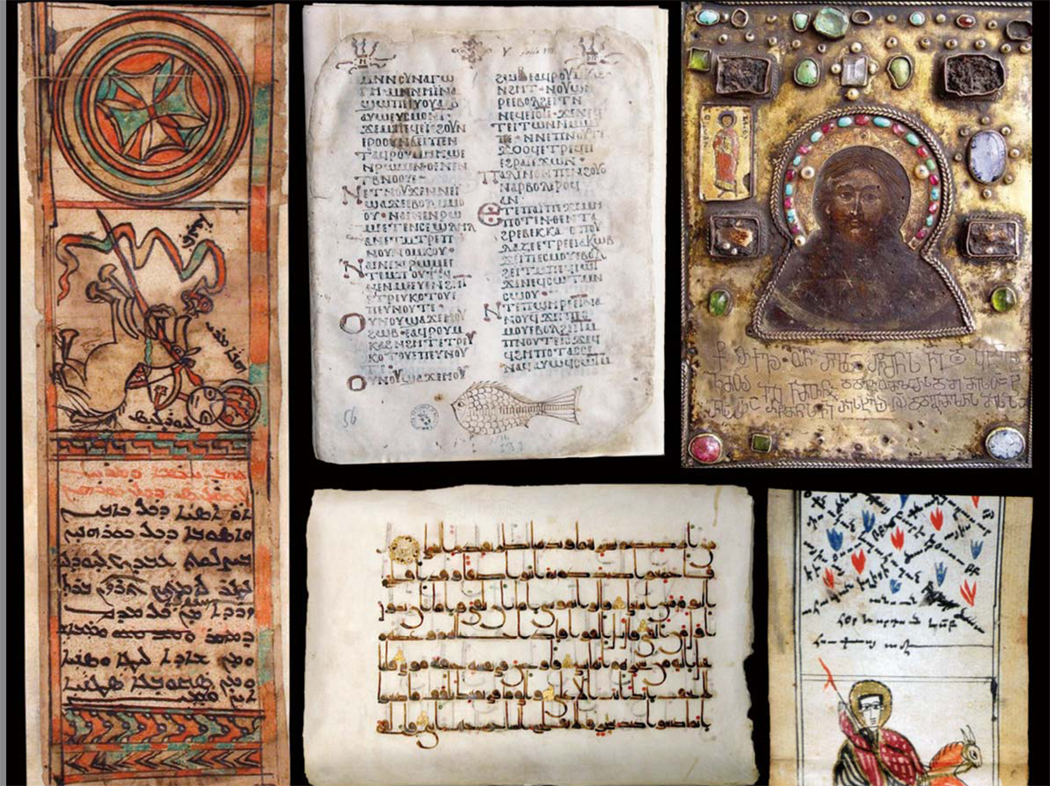
New Introduction to Oriental Manuscripts offer an important survey of manuscripts belonging to the twelve manuscript traditions of Arab, Armenian, Avestan, Caucasian, Christo-Palestinian, Coptic, Ethiopic, Georgian, Greek, Hebrew, Slavonic and Syrian languages and scripts

The Medieval New explores what "newfangled" meant in literary, scientific, and religious discourses of the twelfth through sixteenth centuries
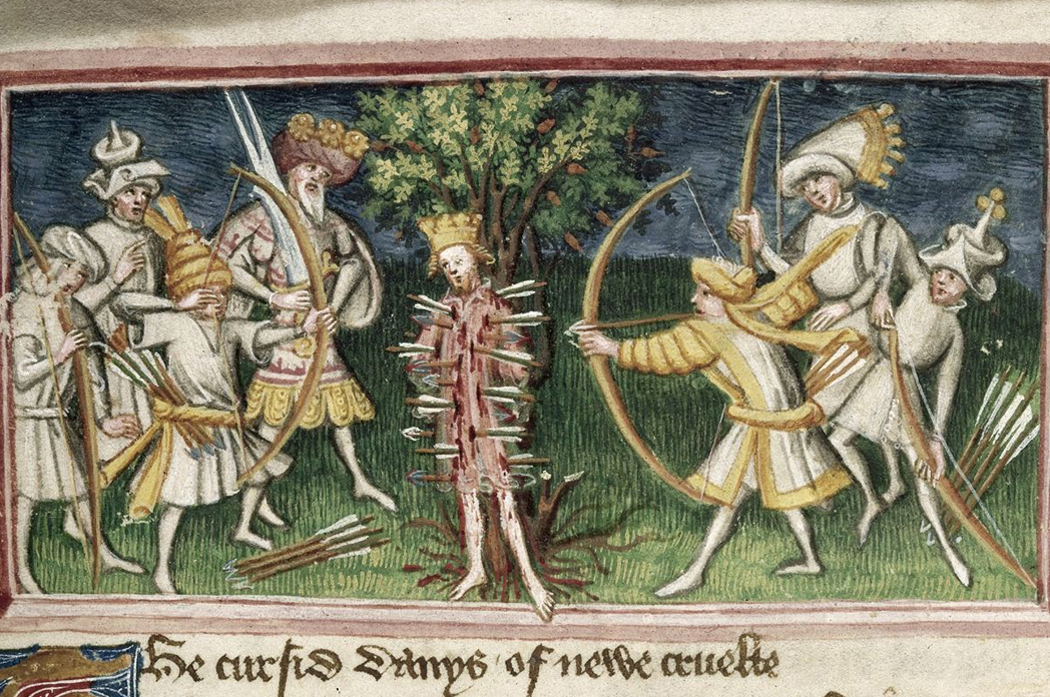
New book tells the story of how the stories about the the Anglo-Saxon Saints were used to forge a vision of historical righteousness among policymakers, intellectuals and clerics in Late Medieval England.
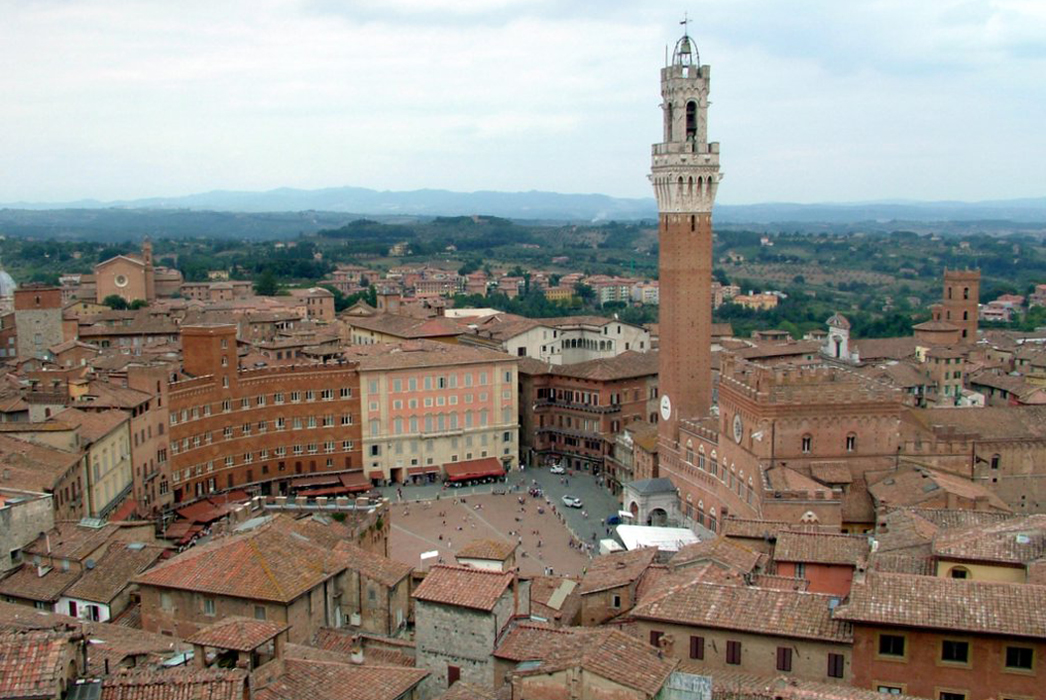
Italian cities are renowned for their bustling marketplaces full of bars, covered market-stalls and beautiful art in the form of water-fountains. New book tells the story of the medieval marketplace
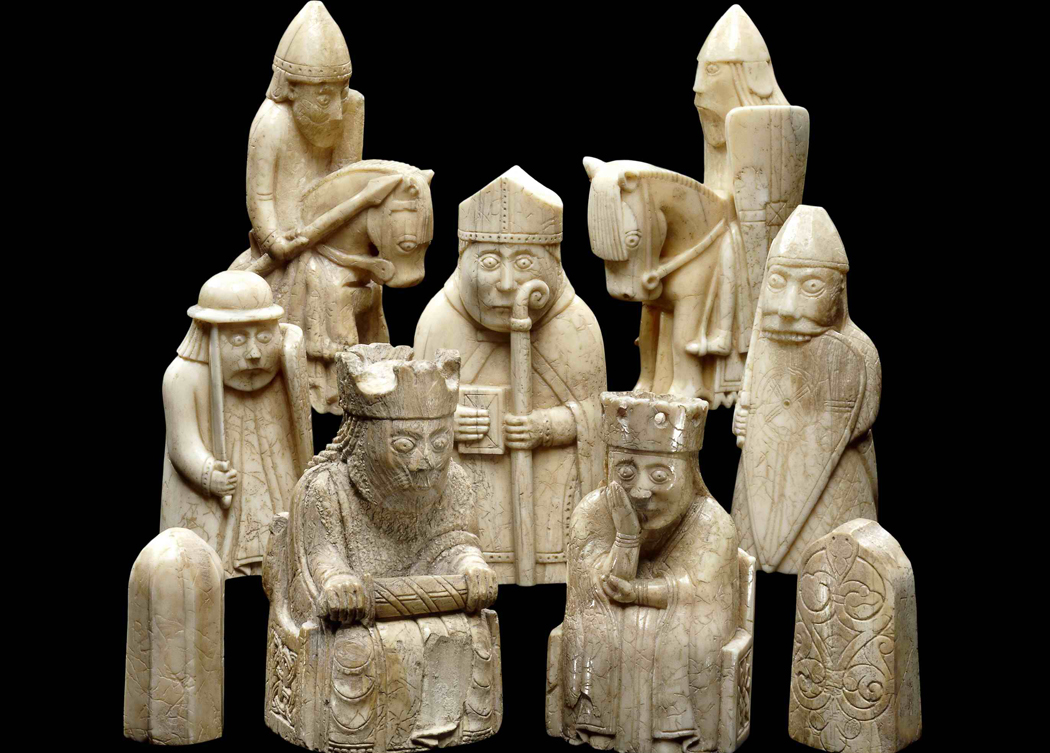
The Lewis Chessmen are simply amazing. New book captures their spirit while presenting us with a very detailed look of the material they were made of and how they were produced.
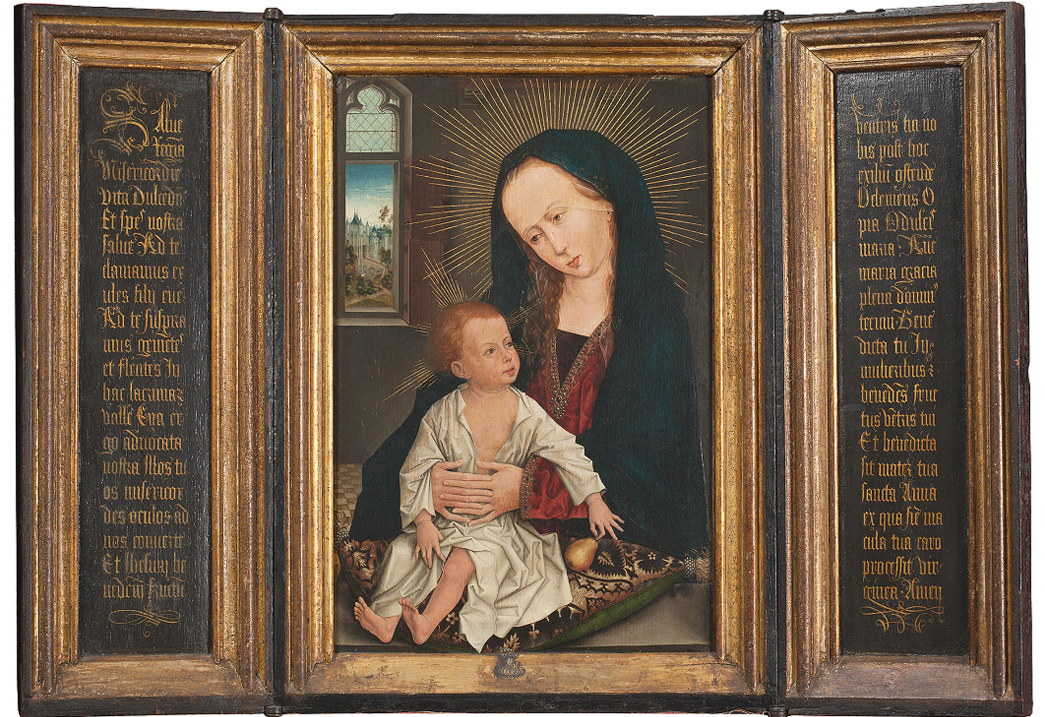
Innovative electronic presentation of book on ‘Frames and Supports in 15th- and 16th-Century Southern Netherlandish Painting’ leads the way for future art-historical publications.

The history of Muslim and Christian interactions in the Middle Ages is continuously being mixed up in modern-day politics, not least in the Mediterranean. New reader presents over 80 primary sources shedding light on this complicated web of inter-cultural contacts between Muslims and Christians
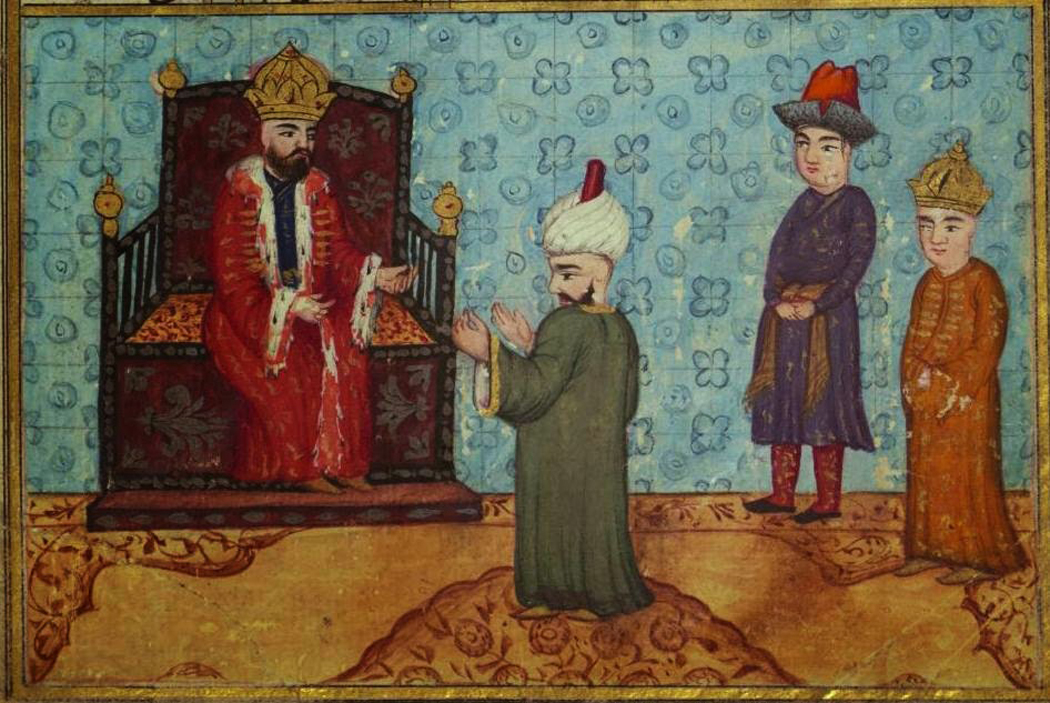
Medieval Anatolia was a hotspot for cultural interaction between Christians and Muslims. New book aims to present an overview over current research
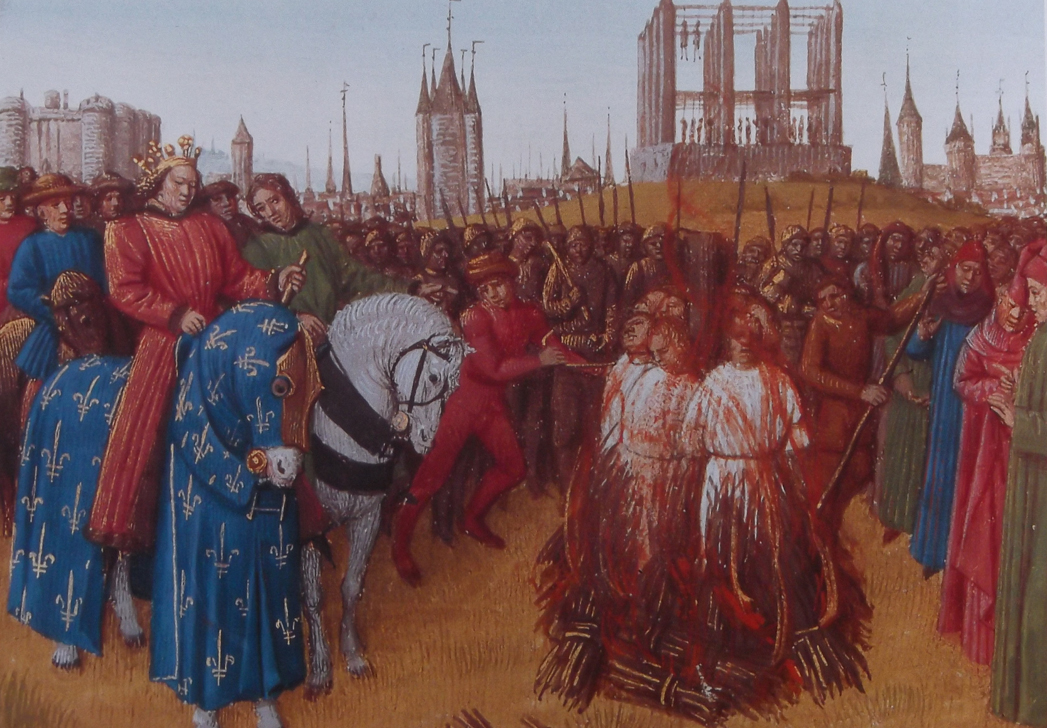
Medieval Heresies: Christianity, Judaism, and Islam is the first comparative survey of heresy and presents an important overview of its medieval history from ca. 400 - 1500.
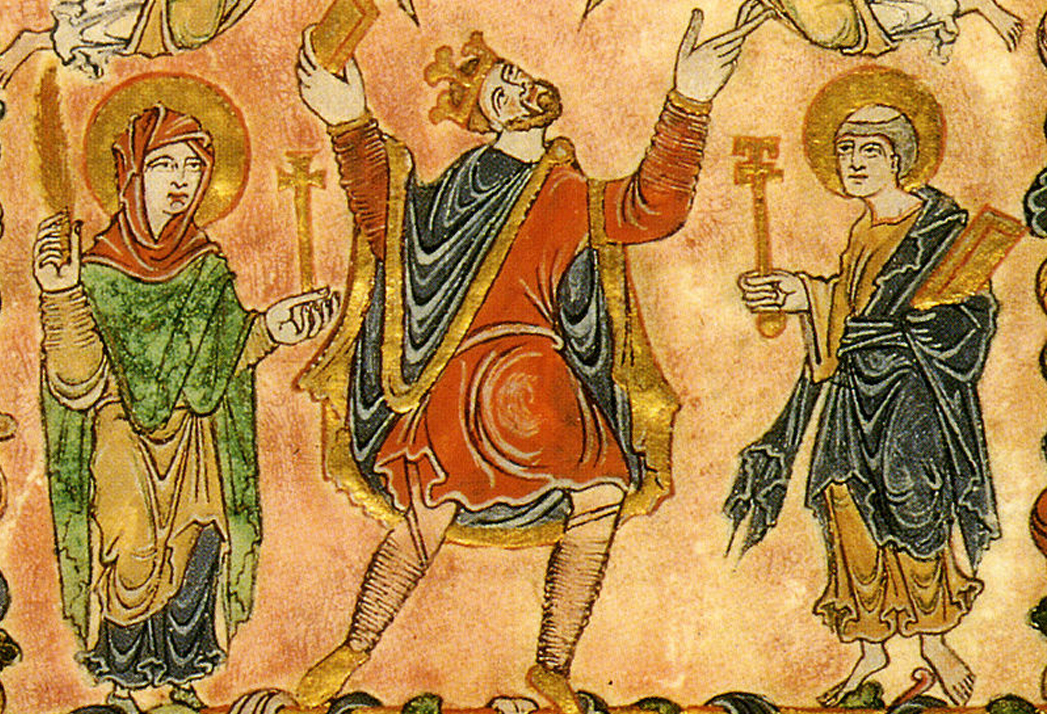
One of the myths looming large in English history is the idea that the English kingdom was founded by Alfred the great. No such thing, explains a new book by George Molyneaux, which build on his doctoral thesis

Government and Political Life in England and France, c.1300–c.1500
Ed. by Christopher Fletcher, Jean-Philippe Genet, and John Watts
Cambridge University Press 2015
ISBN: 9781107089907
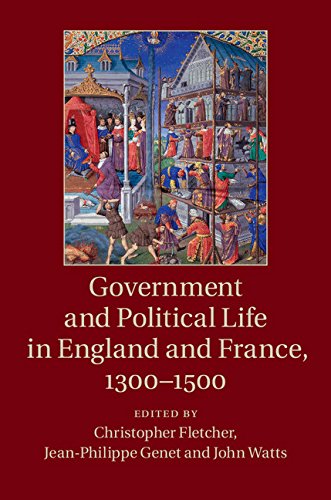 How did the kings of England and France govern their kingdoms? This volume, the product of a ten-year international project, brings together specialists in late medieval England and France to explore the multiple mechanisms by which monarchs exercised their power in the final centuries of the Middle Ages. Collaborative chapters, mostly co-written by experts in each kingdom, cover topics ranging from courts, military networks and public finance; office, justice and the men of the church; to political representation, petitioning, cultural conceptions of political society; and the role of those excluded from formal involvement in politics. The result is a richly detailed and innovative comparison of the nature of government and political life, seen from the point of view of how the king ruled his kingdom, but bringing to bear the methods of social, cultural and economic history to understand the underlying armature of royal power.
An unprecedented cooperative project co-written by specialists on the kingdoms of England and France in the later Middle Ages offers a genuinely comparative and in-depth perspective on complex questions of historiography and sources
Tightly focused on royal government, with analysis informed by the lessons of social, economic and cultural history, the book promises a fine introduction to this scholarly field.
Christopher Fletcher is a senior researcher (chargé de recherche) in CNRS (National Centre for Scientific Research) at the University of Paris I (Panthéon-Sorbonne), specialising in the history of late medieval political culture. He has taught at many universities in Britain and France, including London, Cambridge, Lille and ‘Sciences Po’ (Paris). His publications, in English and French, include Richard II: Manhood, Youth and Politics, 1377–99 (2008).
Jean-Philippe Genet has been professor at the University of Paris I (Panthéon-Sorbonne) for many years, specialising in European cultural and political history. He coordinated the CNRS ‘Genèse de l’État moderne’ and the ESF ‘Origins of the Modern State’ programs and more recently the ERC ‘Signs and States’ project. His publications include La Genèse de l’État moderne: Culture et société politique en Angleterre (2003) and Les îles britanniques des origines à la fin du Moyen Âge (2005).
John Watts is fellow and tutor in History at Corpus Christi College, Oxford. He has written extensively on politics, government and political culture in later medieval Britain and Europe. His main books are Henry VI and the Politics of Kingship (Cambridge University Press, 1996), The Making of Polities: Europe, 1300–1500 (Cambridge University Press, 2009), and an edited collection, The End of the Middle Ages? (1998). He is currently writing a volume in the New Oxford History of England series, entitled Renaissance England, 1461–1547.
CONTRIBUTORS:
Jean-Philippe Genet, Malcolm Vale, Steven Gunn, Armand Jamme, Christine Carpenter, Olivier Mattéoni, David Grummitt, Jean-François Lassalmonie, Michelle Bubenicek, Richard Partington, Benjamin Thompson, Jacques Verger, Christopher Fletcher, Gwilym Dodd, Sophie Petit-Renaud, Vincent Challet, Ian Forrest, Franck Collard, Aude Mairey, John Watts

This book consider the visual qualities of inscriptions, ranging across the Mediterranean and the Near East from Spain to Iran and beyond
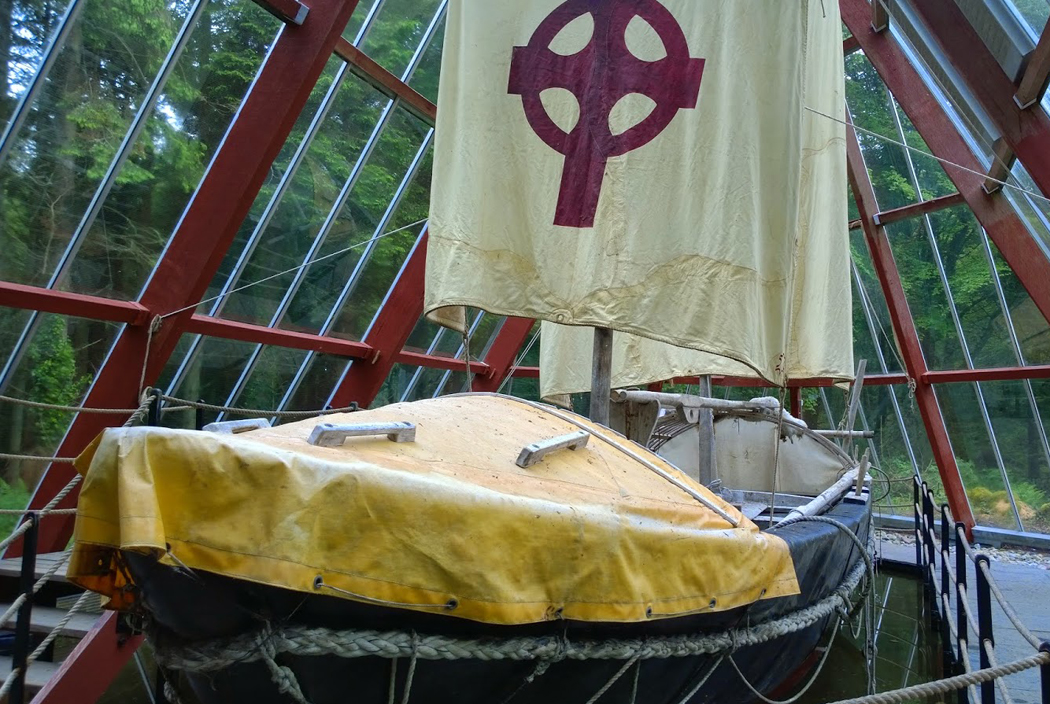
With Into the Ocean, Kristján Ahronson makes two dramatic claims: that there were people in Iceland almost a century before the Vikings and that there was a tangible relationship with the early Christian “Irish” communities

The Anglo-Saxon Chancery: The History, Language and Production of Anglo-Saxon Charters from Alfred to Edgar
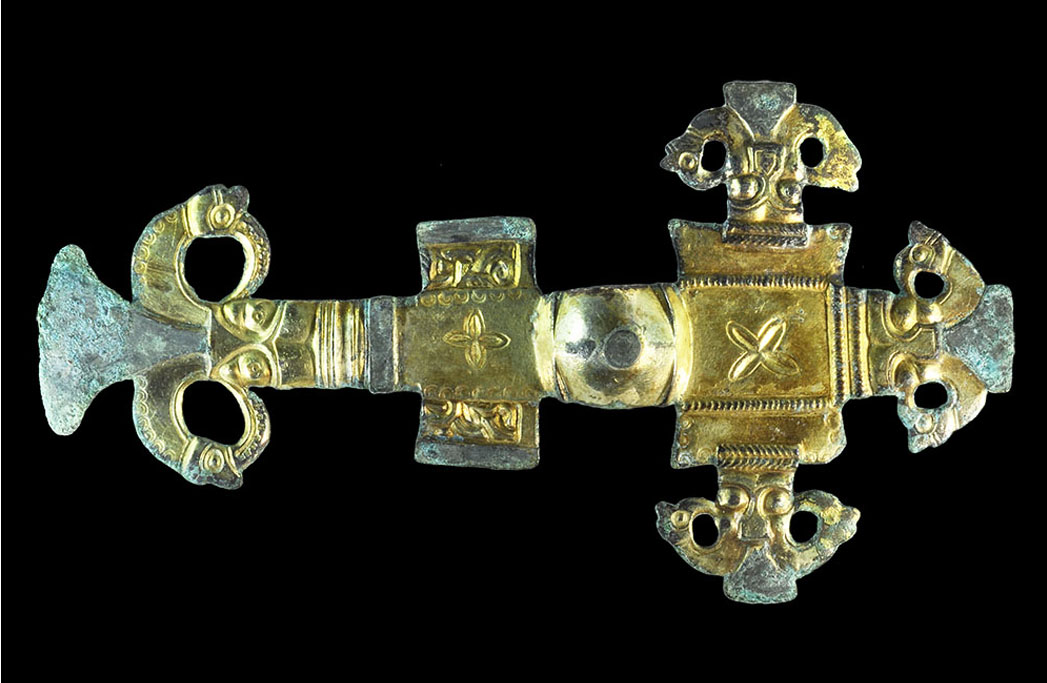
New research shows that the cruciform brooch was not ancient and imported heirloom. Rather, it played a part in the formation of the post-migration Anglian identity