In 'The Afterlife of the Roman City' the story is told of how the 'Adventus' was transformed in the Early Medieval City to become one of the most important ritualized ceremonies

In 'The Afterlife of the Roman City' the story is told of how the 'Adventus' was transformed in the Early Medieval City to become one of the most important ritualized ceremonies
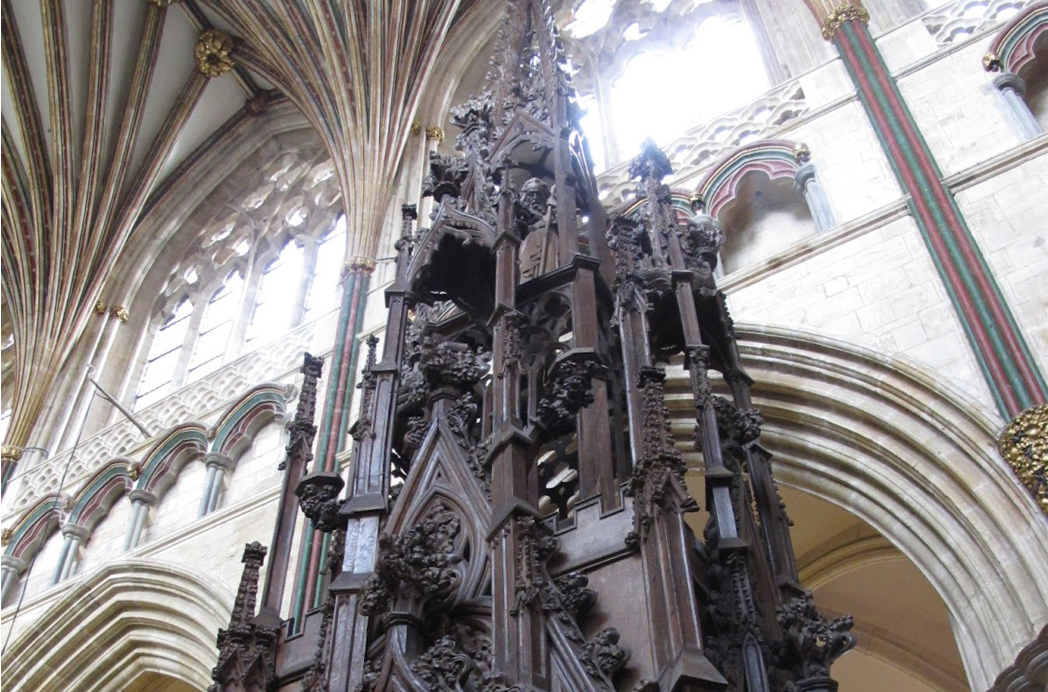
Six Medieval Episcopal Thrones in Britain has survived. New book describes and analyses five of these

The Syon Abbey Herbal was the last medieval herbal written in an English Abbey before printed herbals took over
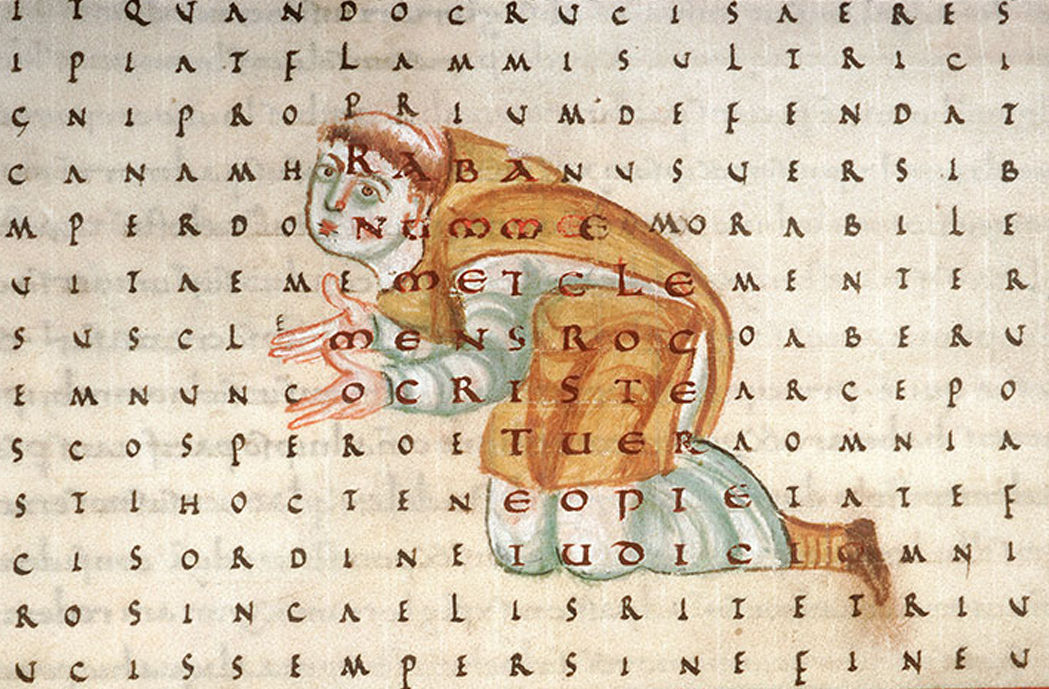
This volume analyses the importance of history, the textual resources of the past and the integration of Christian and imperial Rome into the cultural memory of early medieval Europe

Jonathan Riley-Schmit is one of the most prominent crusade-scholars in present-day academia. In 2008 he wrote a very significant book on the uses and abuses of the history of crusading
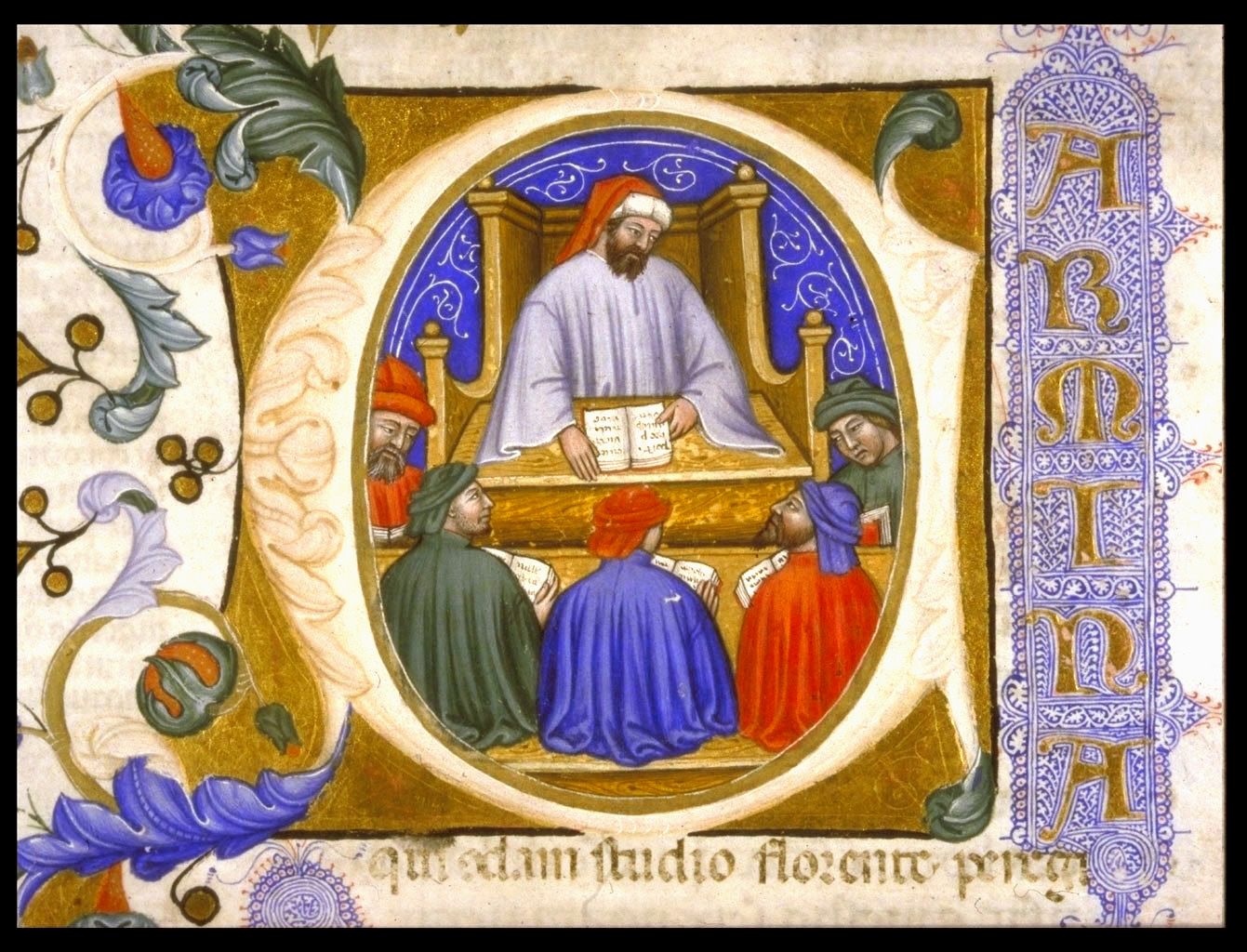
The German historian Johannes Fried is famous for his ability to make the life and times of bygone people live in the minds of readers. New book from Harvard University Press is sure to be a bestseller
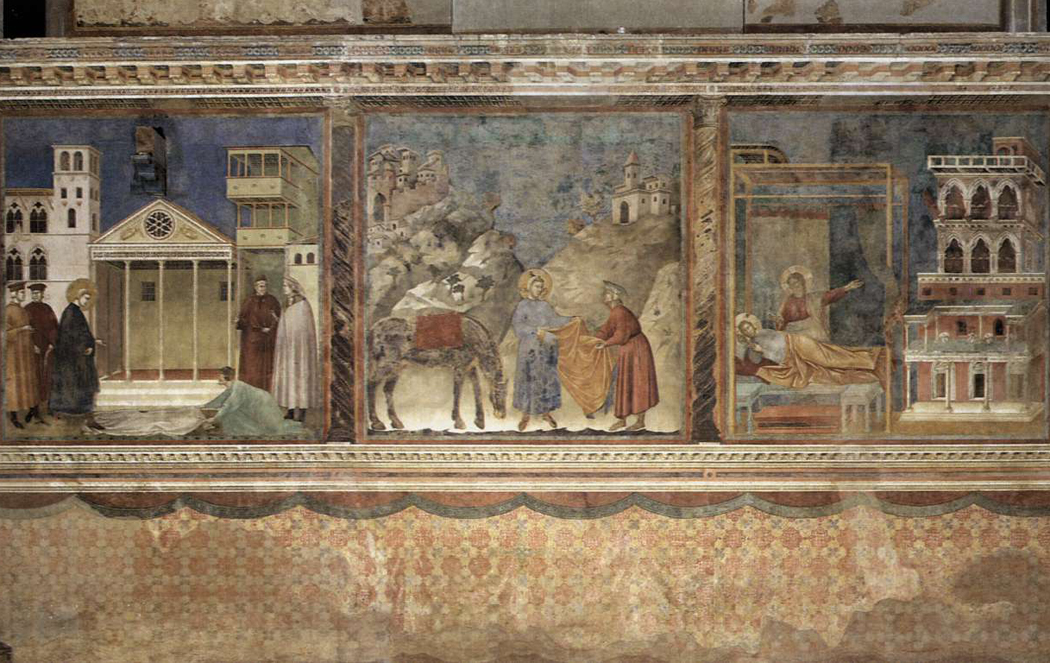
'The making of Assisi' explores the history behind and meaning of the famous cycle of frescoes from the upper Church in the Basilica in Assisi

New book launches a search for the remains of the Earl of Warwick, presumed son of the Duke of Clarence, brother of Richard III
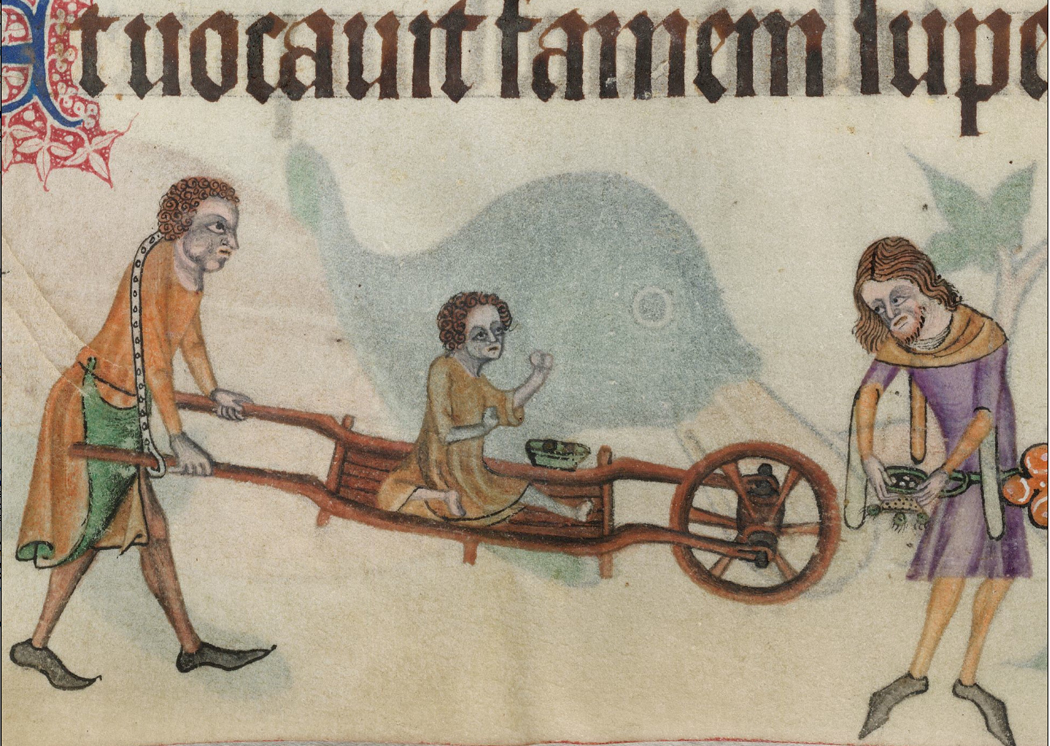
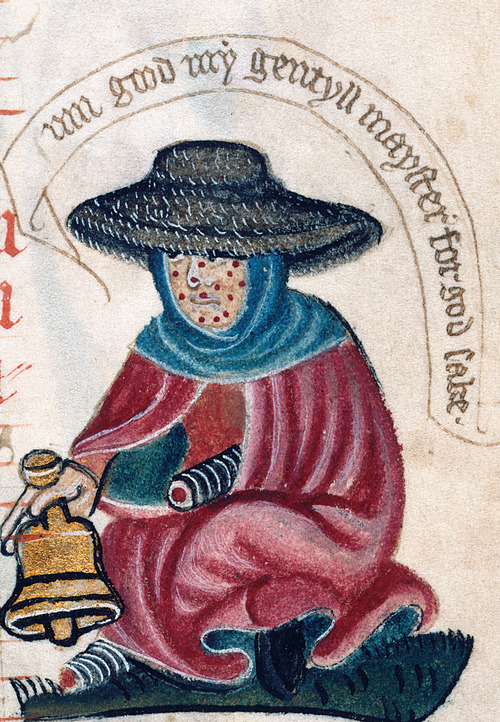
In medieval England, the ‘lepre’, the ‘blynde’, the ‘dumbe’, the ‘deaff’, the ‘natural fool’, the ‘creple’, the ‘lame’ and the ‘lunatick’ were a highly visible presence in everyday life. People could be born with a disability, or were disabled by diseases such as leprosy, or years of backbreaking work. This story is told by English Heritage in a brand new resource: A History of Disability: from 1050 to the Present Day:
“Attitudes to disability were mixed. People thought it was a punishment for sin, or the result of being born under the hostile influence of the planet Saturn. Others believed that disabled people were closer to God – they were suffering purgatory on earth rather than after death and would get to heaven sooner”, we are told in the text, which continues:
“There was no state provision for people with disabilities. Most lived and worked in their communities, supported by family and friends. If they couldn’t work, their town or village might support them, but sometimes people resorted to begging. They were mainly cared for by monks and nuns who sheltered pilgrims and strangers as their Christian duty.
Care for sick and disabled people was based on the Church’s teachings. The monks and nuns would follow the seven ‘comfortable works’ which involved feeding, clothing and housing the poor, visiting them when in prison or sick, offering drink to the thirsty, and burial. The seven ‘spiritual works’ included counsel and comfort for the sick.”
Each of these themes are explored in detail with links to medieval heritage witnessing to the care of the disabled in a time wrought with lack of funding, knowledge and resources.

Over this period nationwide networks of hospitals based in (or near) religious establishments began to emerge. Specialised hospitals for leprosy, blindness and physical disability were created. England’s first mental institution, later known as ‘Bedlam’, was originally the Bethlehem hospital in the City of London. At the same time, almshouses were founded to provide a supportive place for the disabled and elderly infirm to live.
Numerous outstanding examples of medieval almshouses can still be found across England. They include St Mary’s in Chichester, Sussex; St John’s in Lichfield, Staffordshire; the Maison Dieu in Ospringe, Kent (founded by Henry III); Gaywood Road almshouses, King’s Lynn, Norfolk, and the Guild of the Holy Cross almshouses in Stratford-upon-Avon, Warwickshire.
Many of the buildings have decayed or were destroyed during Henry VIII’s dissolution of the monasteries in the 1530s. Some remain however, including the oldest, St Nicholas Harbledown in Canterbury, Kent (1070s); St Mary Magdalene in Stourbridge near Cambridge; St Mary & St Margaret in Sprowston, Norwich, Norfolk and the hospital of St Mary the Virgin in Ilford, Greater London. Others survive as ruins or archaeological sites.
We know that disabled people made pilgrimages on foot to holy sites such as the shrine of Thomas Becket in Canterbury in search of a cure or relief. Sometimes disabled people had to battle injustice. In 1297 the residents of the leper house in the Norfolk village of West Somerton mutinied against the thieving abbot and his men, looting and demolishing the buildings and killing the guard dog.
The people, religious institutions and towns and cities of the medieval period were pioneers in terms of providing a specialised response to disability. Only a small number of their buildings remain, but over the next 500 years their early professional approach would eventually develop into our modern system of public services.
A History of Disability: from 1050 to the Present Day. The resource links to a series of buildings linked to the care for the ill and the disabled.
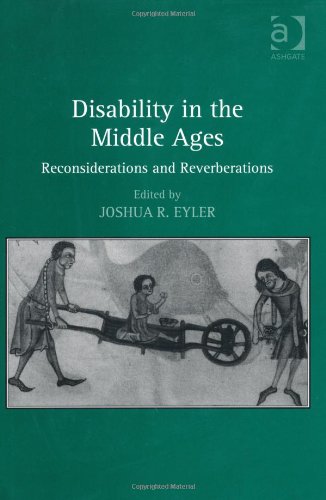 By Joshua R. Eyler
Ashgate 2010
ISBN-10: 0754668223
ISBN-13: 978-0754668220
ABSTRACT:
What do we mean when we talk about disability in the middle ages? This volume brings together dynamic scholars working on the subject in medieval literature and history, who use the latest approaches from the field to address this central question. Contributors discuss such standard medieval texts as the “Arthurian Legend”, “The Canterbury Tales” and “Old Norse Sagas”, providing an accessible entry point to the field of medieval disability studies to medievalists more generally. The essays explore a wide variety of disabilities, including the more traditionally accepted classifications of blindness and deafness, as well as perceived disabilities such as madness, pregnancy and age. Adopting a ground-breaking new approach to the study of disability in the medieval period, this provocative book will be a must-read for medievalists and scholars of disability throughout history.
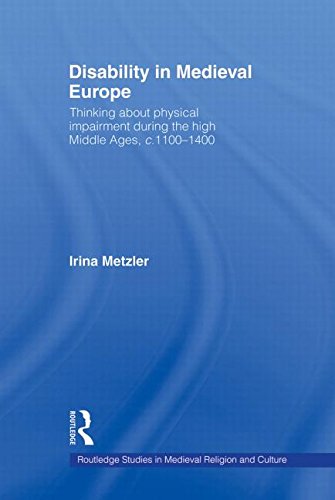 Series: Routledge Studies in Medieval Religion and Culture
by Irina Metzler
Routledge 2006
ISBN-10: 0415582040
ISBN-13: 978-0415582049
ABSTRACT:
This impressive volume presents a thorough examination of all aspects of physical impairment and disability in medieval Europe. Examining a popular era that is of great interest to many historians and researchers, Irene Metzler presents a theoretical framework of disability and explores key areas such as: medieval theoretical concepts, theology and natural philosophy, notions of the physical body, medical theory and practice.
Bringing into play the modern day implications of medieval thought on the issue, this is a fascinating and informative addition to the research studies of medieval history, history of medicine and disability studies scholars the English-speaking world over.
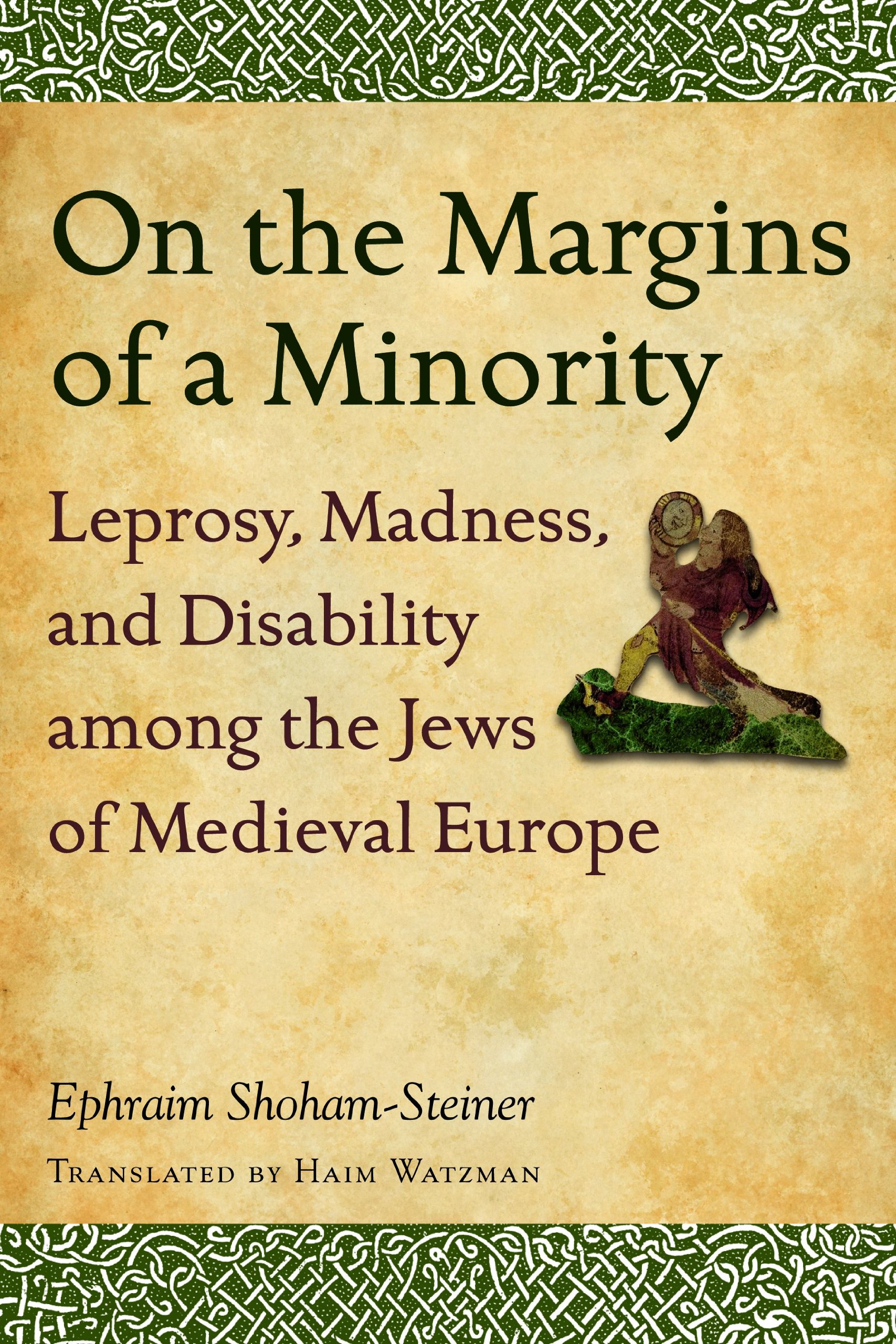 By Ephraim Shoham-Steiner (Author), Haim Watzman (Translator)
Wayne State University Press (June 1, 2014)
ISBN-10: 081433931X
ISBN-13: 978-0814339312
ABSTRACT:
In medieval Europe, the much larger Christian population regarded Jews as their inferiors, but how did both Christians and Jews feel about those who were marginalized within the Ashkenazi Jewish community? In On the Margins of a Minority: Leprosy, Madness, and Disability among the Jews of Medieval Europe, author Ephraim Shoham-Steiner explores the life and plight of three of these groups. Shoham-Steiner draws on a wide variety of late-tenth- to fifteenth-century material from both internal (Jewish) as well as external (non-Jewish) sources to reconstruct social attitudes toward these “others,” including lepers, madmen, and the physically impaired. Shoham-Steiner considers how the outsiders were treated by their respective communities, while also maintaining a delicate balance with the surrounding non-Jewish community.
On the Margins of a Minority is structured in three pairs of chapters addressing each of these three marginal groups. The first pair deals with the moral attitude toward leprosy and its sufferers; the second with the manifestations of madness and its causes as seen by medieval men and women, and the effect these signs had on the treatment of the insane; the third with impaired and disabled individuals, including those with limited mobility, manual dysfunction, deafness, and blindness. Shoham-Steiner also addresses questions of the religious meaning of impairment in light of religious conceptions of the ideal body. He concludes with a bibliography of sources and studies that informed the research, including useful midrashic, exegetical, homiletic, ethical, and guidance literature, and texts from responsa and halakhic rulings.
Understanding and exploring attitudes toward groups and individuals considered “other” by mainstream society provides us with information about marginalized groups, as well as the inner social mechanisms at work in a larger society. On the Margins of a Minority will appeal to scholars of Jewish medieval history as well as readers interested in the growing field of disability studies.
 By Cory James Rushton
Cambridge Scholars Publishing 2013
ISBN-10: 1443849731
ISBN-13: 978-1443849739
ABSTRACT:
Disability and Medieval Law: History, Literature and Society is an intervention in the growing and complex field of medieval disability studies. The size of the field and the complexity of the subject lend themselves to the use of case studies: how a particular author imagines an injury, how a particular legal code deals with (and sometimes creates) injury to the human body. While many studies have fruitfully insisted on theoretical approaches, Disability and Medieval Law considers how medieval societies directly dealt with crime, punishment, oath-taking, and mental illness. When did medieval law take disability into account in setting punishment or responsibility? When did medieval law choose to cause disabilities? How did medieval authors use disability to discuss not only law, but social relationships and the nature of the human? The volume includes essays on topics as diverse as Francis of Assissi, Margery Kempe, La Manekine, Geoffrey Chaucer, early medieval law codes, and the definition of mental illness in English legal records, by Irina Metzler, Wendy J. Turner, Amanda Hopkins, Donna Trembinski, Marian Lupo and Cory James Rushton.
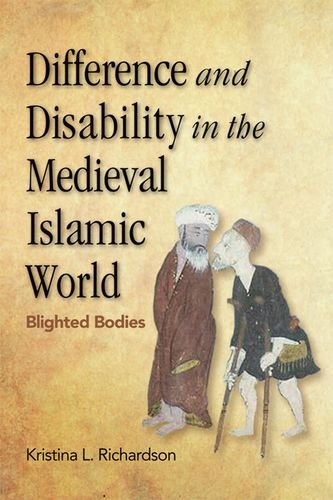 By Kristina Richardson
Edinburgh University Press; Reprint edition 2014
ISBN-10: 0748695885
ISBN-13: 978-0748695881
ABSTRACT:
Medieval Arab notions of physical difference can feel singularly arresting for modern audiences. Did you know that blue eyes, baldness, bad breath and boils were all considered bodily ‘blights’, as were cross eyes, lameness and deafness? What assumptions about bodies influenced this particular vision of physical difference? How did blighted people view their own bodies? Through close analyses of anecdotes, personal letters, (auto)biographies, erotic poetry, non-binding legal opinions, diaristic chronicles and theological tracts, the cultural views and experiences of disability and difference in the medieval Islamic world are brought to life.
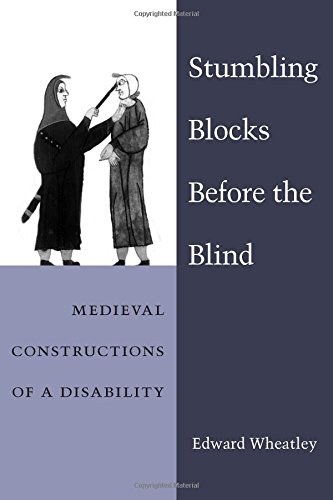 by Edward Wheatley
Series: Corporealities: Discourses of Disability
University of Michigan Press 2010
ISBN-10: 0472117203
ISBN-13: 978-0472117208
ABSTRACT
Stumbling Blocks Before the Blind presents the first comprehensive exploration of a disability in the Middle Ages, drawing on the literature, history, art history, and religious discourse of England and France. It relates current theories of disability to the cultural and institutional constructions of blindness in the eleventh through fifteenth centuries, examining the surprising differences in the treatment of blind people and the responses to blindness in these two countries. The book shows that pernicious attitudes about blindness were partially offset by innovations and ameliorations—social; literary; and, to an extent, medical—that began to foster a fuller understanding and acceptance of blindness.
A number of practices and institutions in France, both positive and negative—blinding as punishment, the foundation of hospices for the blind, and some medical treatment—resulted in not only attitudes that commodified human sight but also inhumane satire against the blind in French literature, both secular and religious. Anglo-Saxon and later medieval England differed markedly in all three of these areas, and the less prominent position of blind people in society resulted in noticeably fewer cruel representations in literature.
This book will interest students of literature, history, art history, and religion because it will provide clear contexts for considering any medieval artifact relating to blindness—a literary text, a historical document, a theological treatise, or a work of art. For some readers, the book will serve as an introduction to the field of disability studies, an area of increasing interest both within and outside of the academy.
Edward Wheatley is Surtz Professor of Medieval Literature at Loyola University, Chicago.
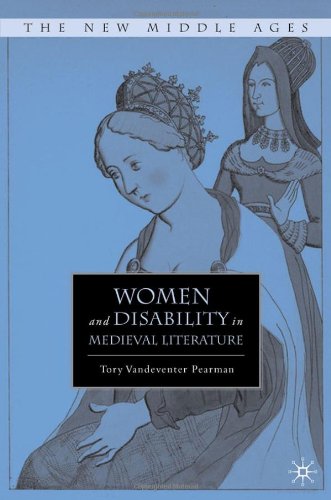 New Middle Ages
by Tory Vandeventer Pearman
Palgrave 2010
ISBN 9780230105119
ABSTRACT:
This book serves as the first in its field to analyze how disability and gender both thematically and formally operate within late medieval popular literature. Reading romance, conduct manuals, and spiritual autobiography, the study proposes a “gendered model” for exploring the processes by which differences like gender and disability get coded as deviant
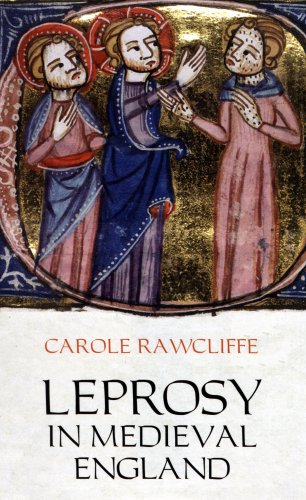 Carole Rawcliffe
Boydell Brewer Ltd, United Kingdom, 2009
ISBN 10: 1843834545
ISBN 13: 9781843834540
ABSTRACT:
This is one of the most important publications for many years in the fields of medical, religious and social history. Rawcliffe s book completely overhauls our understanding of leprosy and contributes immensely to our knowledge of the English middle ages. This is a fascinating study that will be a seminal work in the history of leprosy for many years to come. Set firmly in the medical, religious and cultural milieu of the European Middle Ages, this book is the first serious, comprehensive study of a disease surrounded by misconceptions and prejudices. Even specialists will be surprised to learn that most of our stereotyped ideas about the segregation of medieval lepers originated in the nineteenth century; that leprosy excited a vast range of responses, from admiration to revulsion; that in the later Middle Ages it was diagnosed readily even by laity; that a wide range of treatment was available, that medieval leper hospitals were no more austere than the monasteries on which they were modelled; that the decline of leprosy was not monocausal but implied a complex web of factors – medical, environmental, social and legal. Written with consummate skill, subtlety and rigour, this book will change forever the image of the medieval leper. Carole Rawcliffe is Professor of Medieval History at the University of East Anglia.
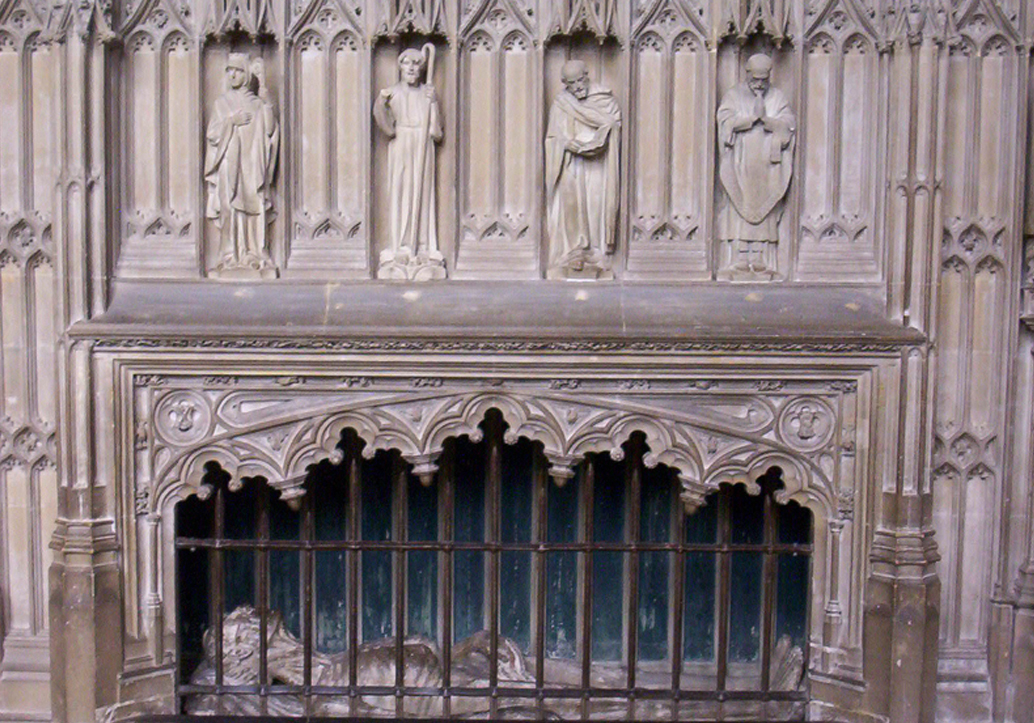
Bishop Richard Fox of Winchester played an important role in the early Tudor age
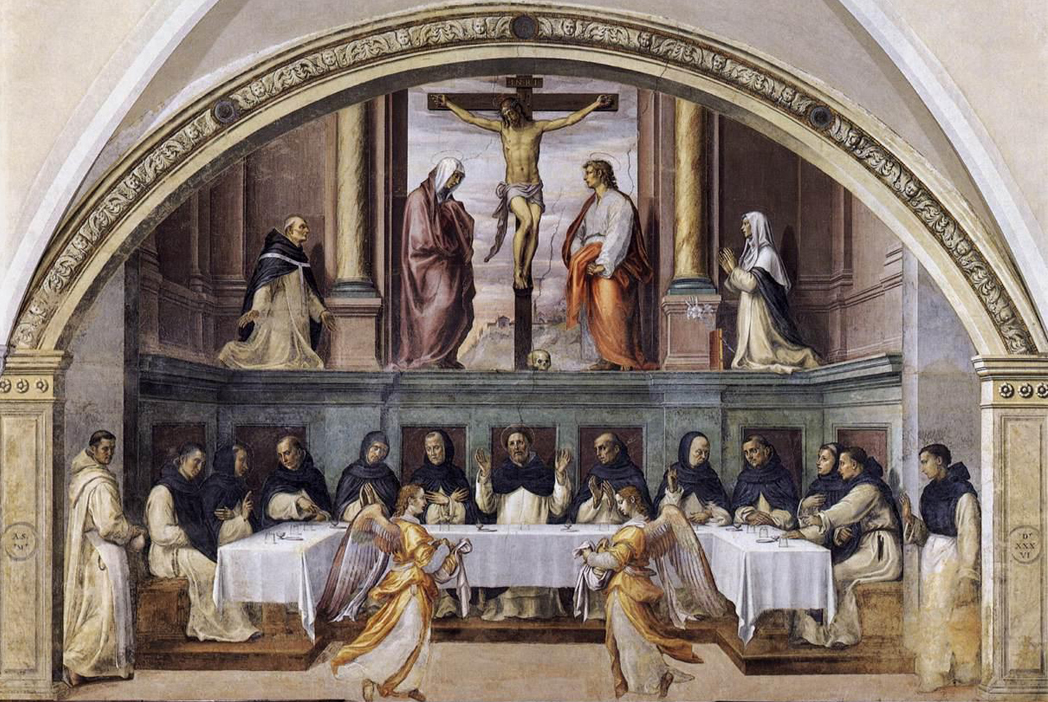
NEW BOOK: Very early on the friars attracted vigorous support. But they were also continuously mocked and derided by those, who considered them hypocrites and worse
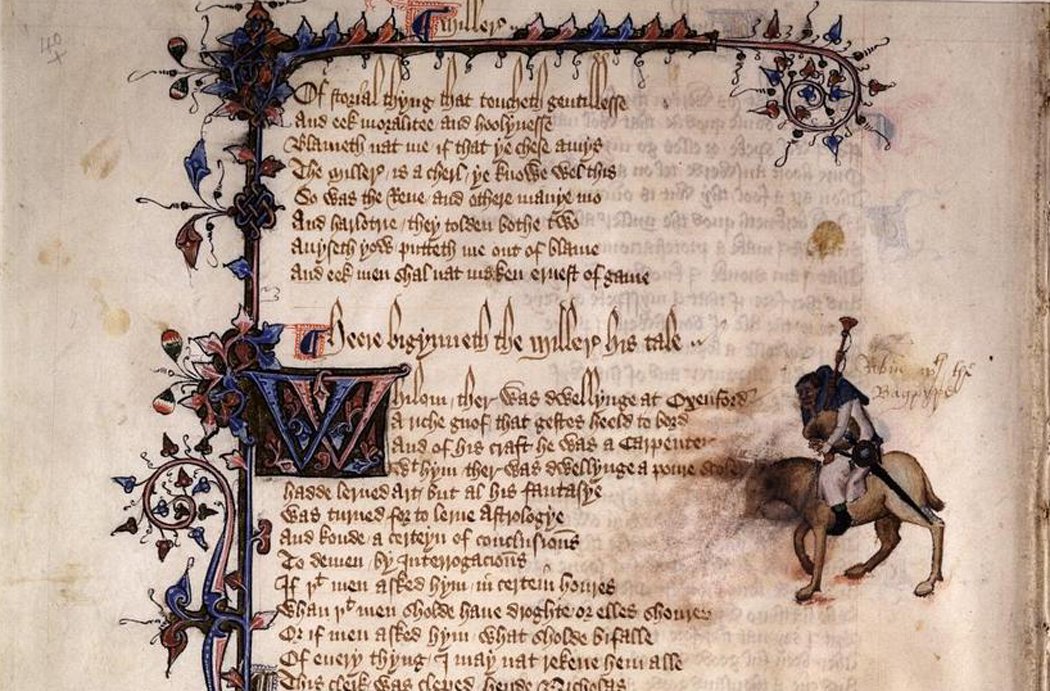
The miller's tale is one of Chaucer's most beloved and ingenious stories. A new book tells the story of how it has been adapted and retold through the centuries
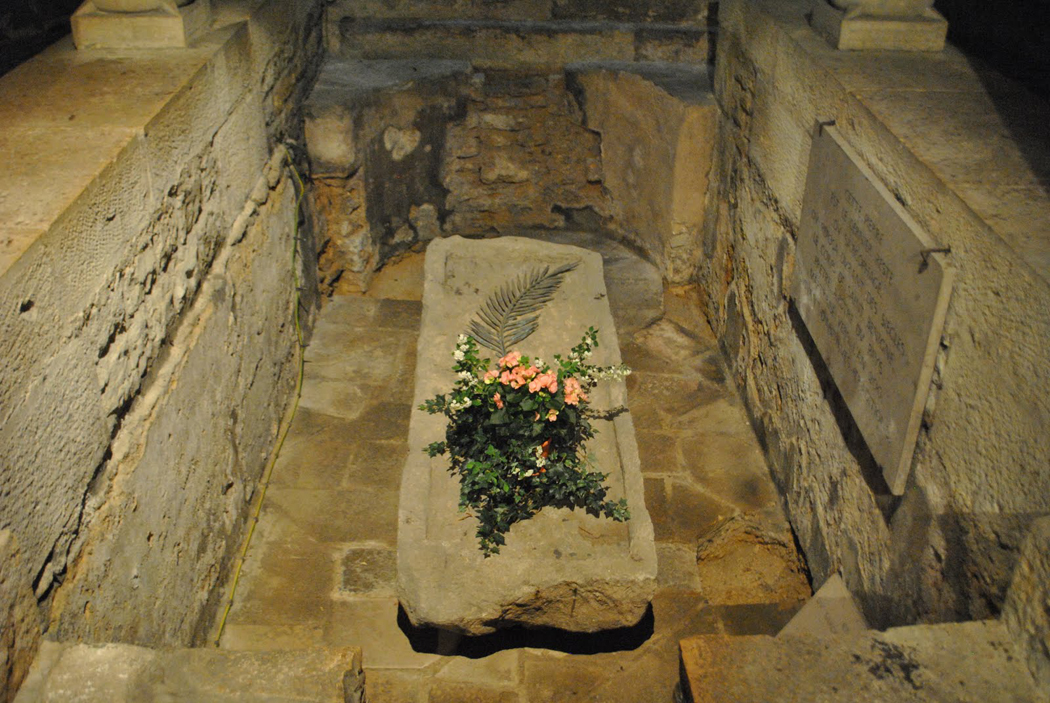

Saint Benignus of Dijon was a martyr honoured as the patron saint of Dijon. His feast falls on November I (All Saints). It is told that he was martyred at Epagny in AD 270 -75. However, in reality nothing precise is known about him.
According to Gregory of Tours there was a large sarcophagus located outside Dijon. This grave was revered by ordinary people and was the scene of at least one minor miracle. The bishop of Langres (Saint Gregory 507 – 539/40) tried to put a stop to this as he considered the grave pagan; however, in a dream the bishop had a vision of the martyr Benignus, who revealed that he was the one buried in the sarcophagus. Accordingly Gregory went about renovating an adjacent crypt, into which he moved the tomb. Soon after an account of the martyrdom of Benignus – the Passio Sancti Benigni – was discovered in Italy and the bishop had a large basilica built on the site, completed in 535; this functioned as the centre of an early monastic community. In 871 this was re-founded as a Benedictine abbey, which subsequently was joined with the Cluniac order (989).
Around AD 1000 the basilica was superseded by a larger church, built by William of Volpiano († 1031). This was replaced by an early Romanesque church, which collapsed in 1271. The present Dijon Cathedral, finished in 1325 and consecrated in 1393, still holds the sarcophagus in the crypt. This was excavated in the 19th century.
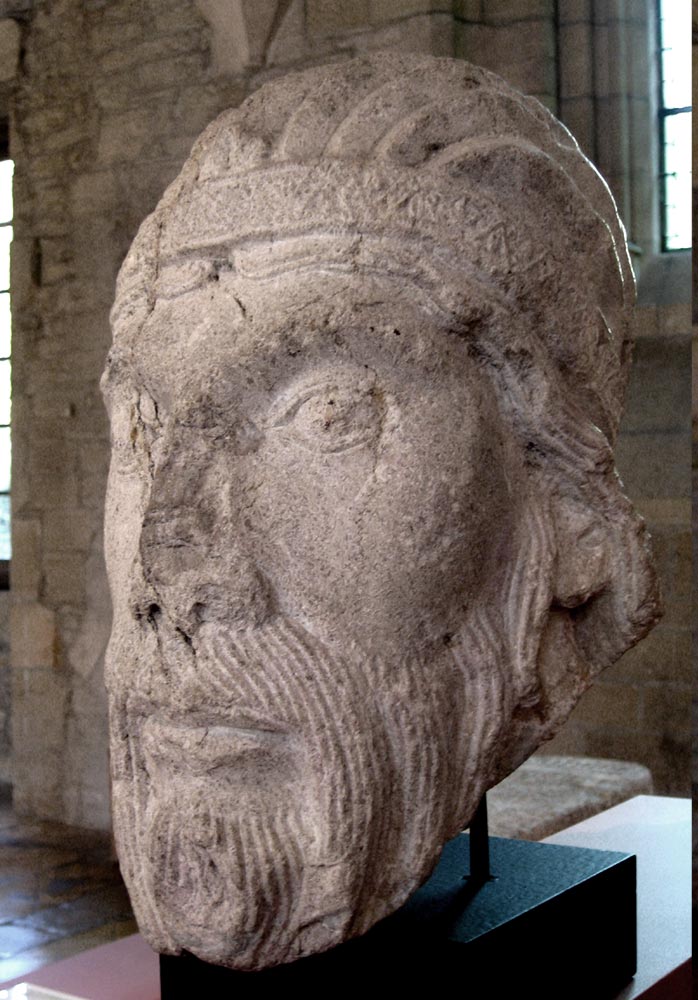
he passio is preserved in several texts and is generally believed to have been edited at the time of Gregory of Tours. According to the passio, St. Polycarp had a vision of Irenaeus ordering two priests, Benignus and Andiochus to preach the gospel in Gaul. Shipwrecked on Corsica, the were joined by St. Andoleus there. Later they reached Marseilles from where Benignus went to first Auton and later Langres and Dijon. Shortly after this he was arrested at Epagny, tortured and finally died. He was buried in a tomb, which was disguised as a pagan monument in order to deceive the persecutors of his cult. It is believed the passio was part of a series of religious romances, written in the first half of the sixth century in order to describe the origins of the churches of Auton, Besançon, Langres and Valence in Eastern France. There exists a versified “Carmina de vita sancti Benigni” from the 11th century.
A new book tells the story of the Abbey and the practical and spiritual life of the Abbey from its earliest beginnings and until the revolution. The book is heavily illustrated and tells the full story. Another book is in preparation, telling the story of how the Abbey-church turned Cathedral in the 19th century.
 L’abbaye Saint-Bénigne de Dijon
by Jean-Pierre Roze
Editions Universitaires de Dijon 2014
ISBN-10: 2364411068
ISBN-13: 978-2364411067

How did people in Late Medieval England and France experience the Hundred Years War. What did knights, clerics, women, peasants, soldiers, nobles and kings think about it? New book by David Green tells the story

The Scottish People, 1490-1625 is one of the most comprehensive texts ever written on Scottish History at the time of the reformation
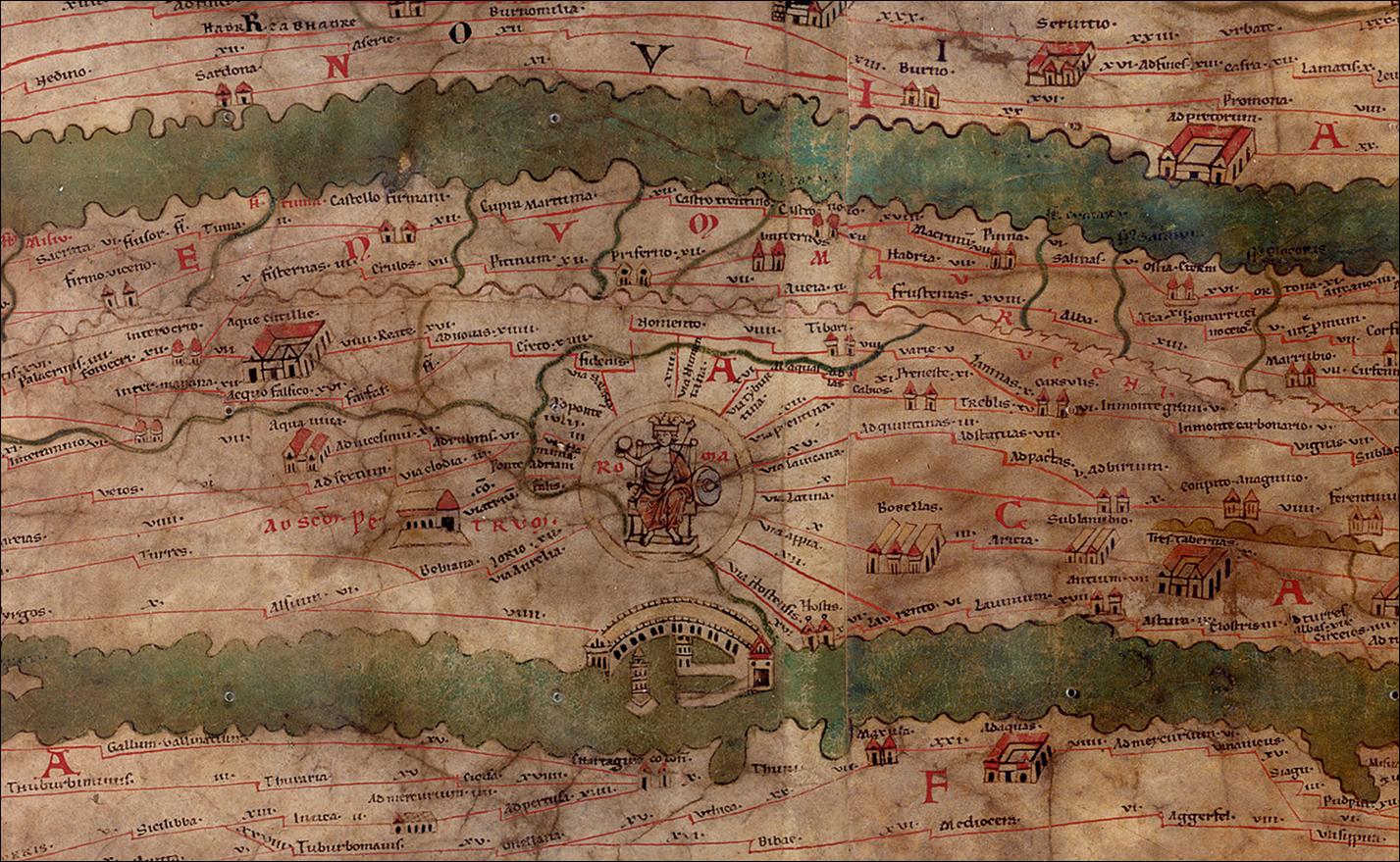
Rome in the middle ages was much more than just the city of Popes. In a new book Chris Wickham tells the story of the city 900 - 1150