A renowned historian and archaeologists presents 400 crypts in France while exploring the idea of the medieval crypt from the 4th to the 12th century
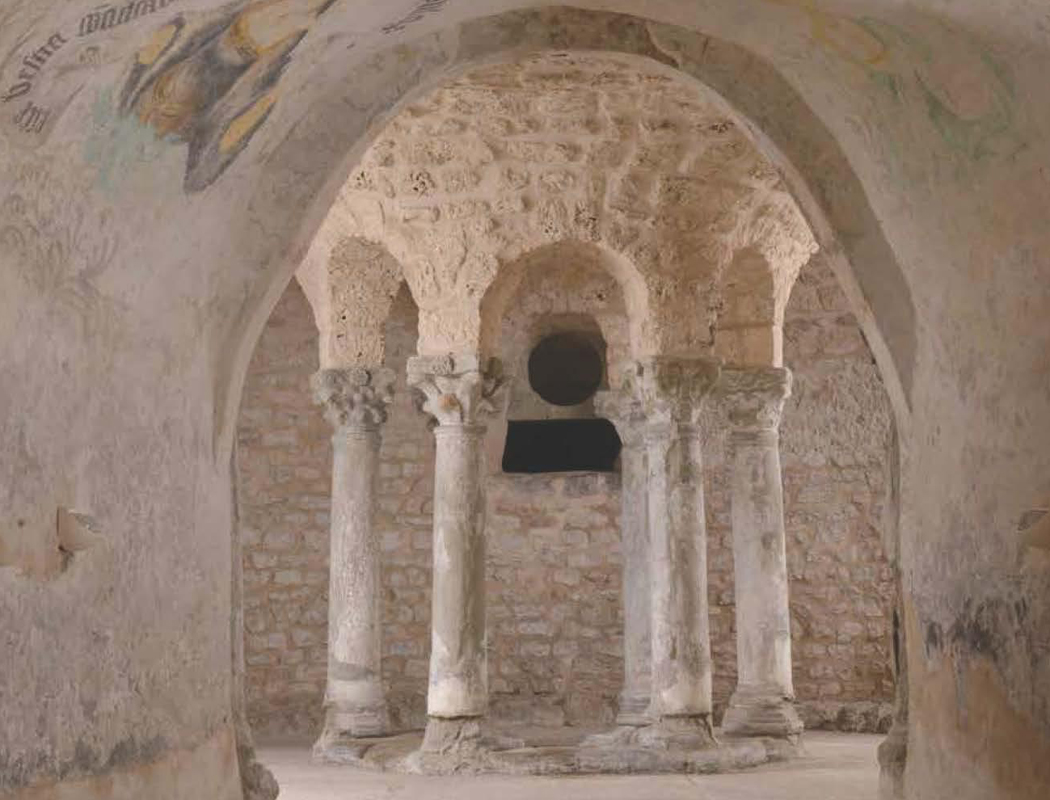
A renowned historian and archaeologists presents 400 crypts in France while exploring the idea of the medieval crypt from the 4th to the 12th century
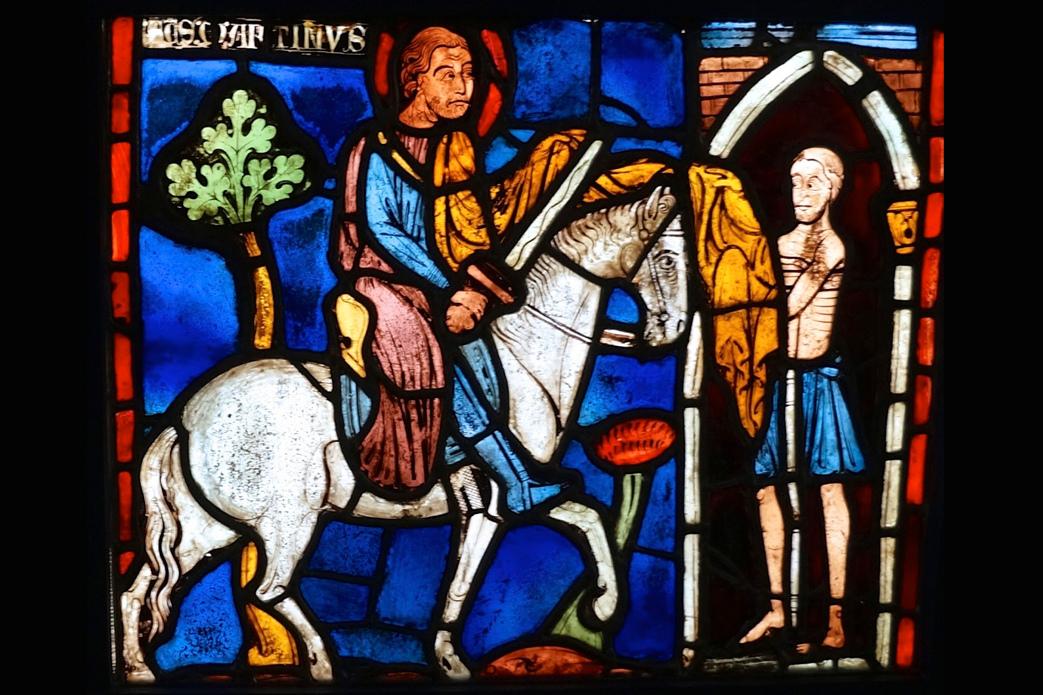
REVIEW: Medieval Music, Legend, and the Cult of St Martin. The Local Foundations of a Universal Saint
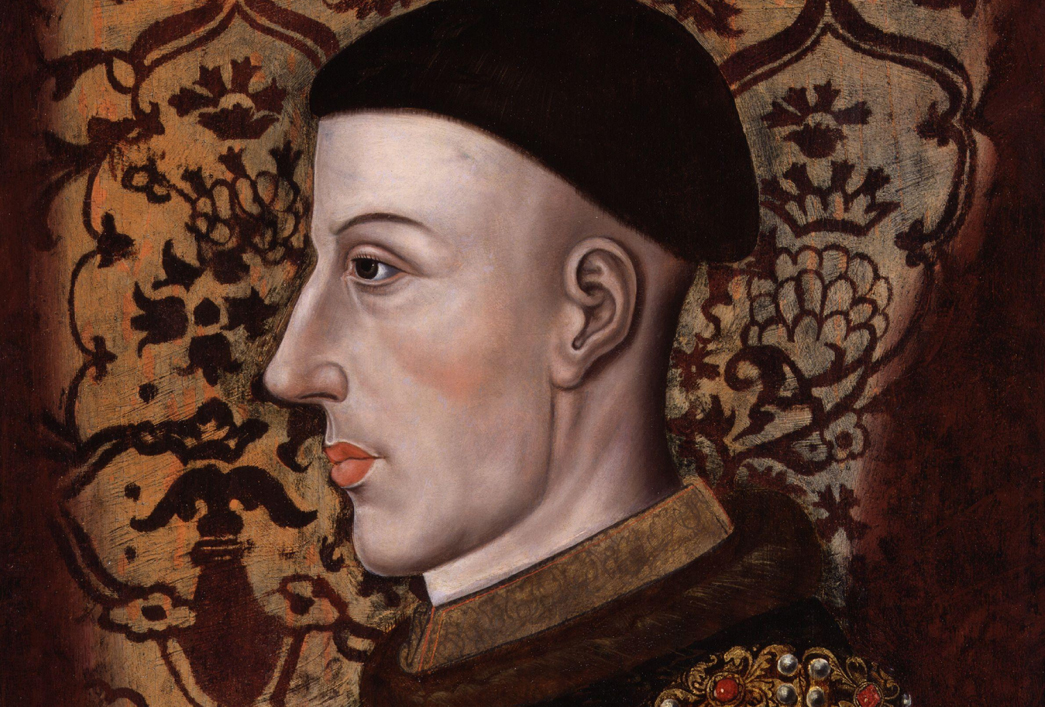
The battle at Agincourt is famous for the heroic fight between the outnumbered English archers and the French chivalry. Here is a list of recent scholarship
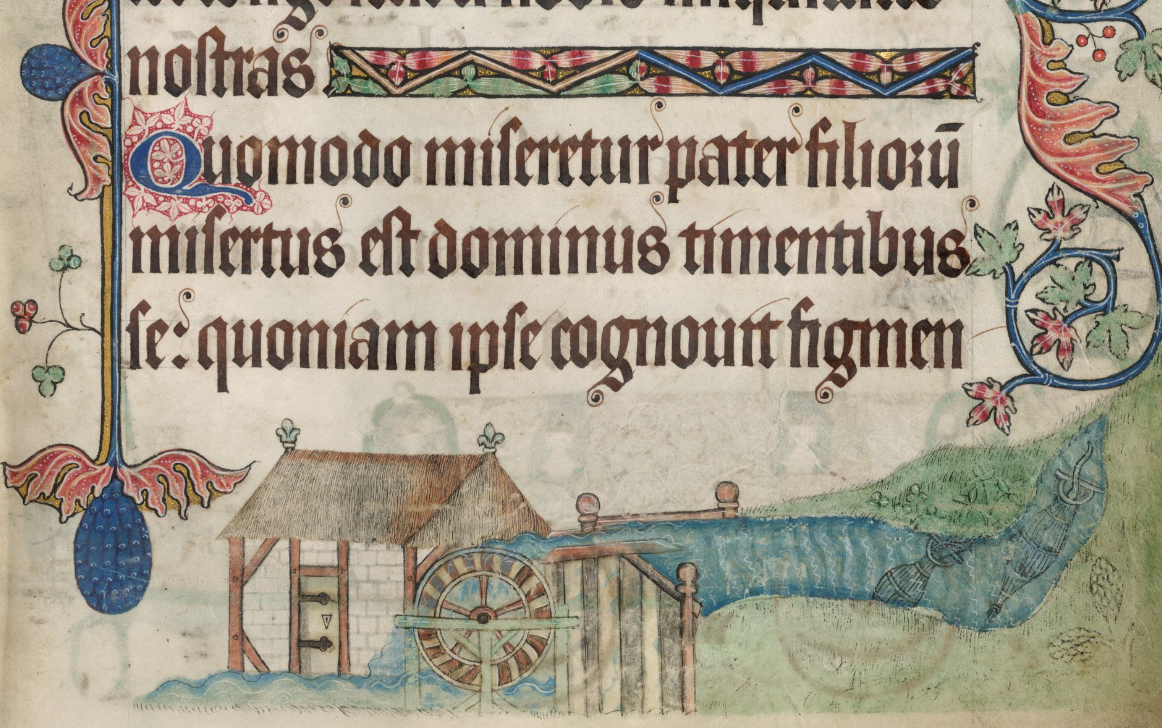
Joan Thirsk pioneered the view of medieval and early modern agriculture as a many-sided business. This book is a late result of her research into this complex world.
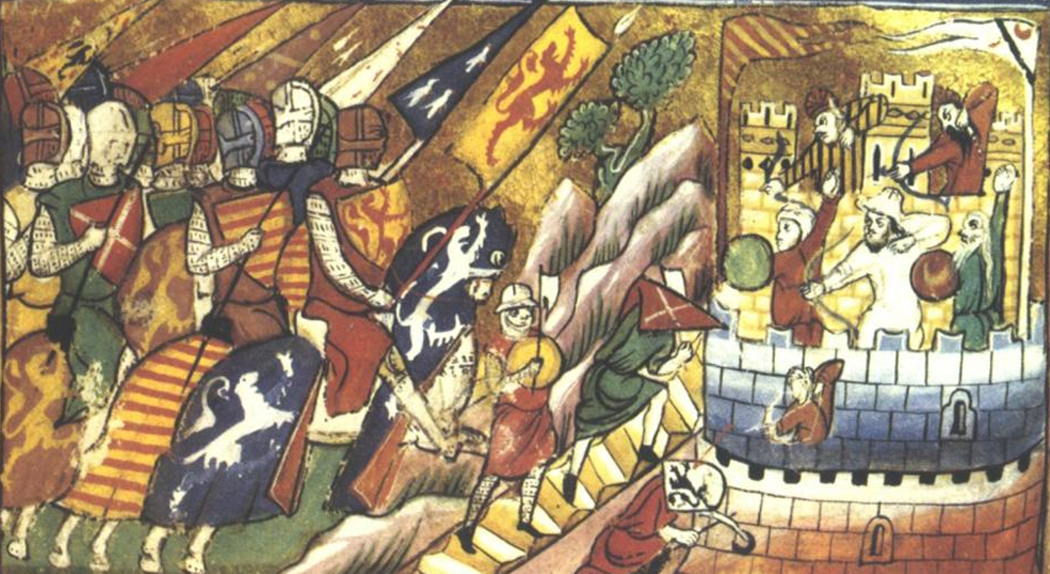
New book focus on how pilgrims and crusaders pushed the frontier forward in the Eastern Mediterranean after the millennium
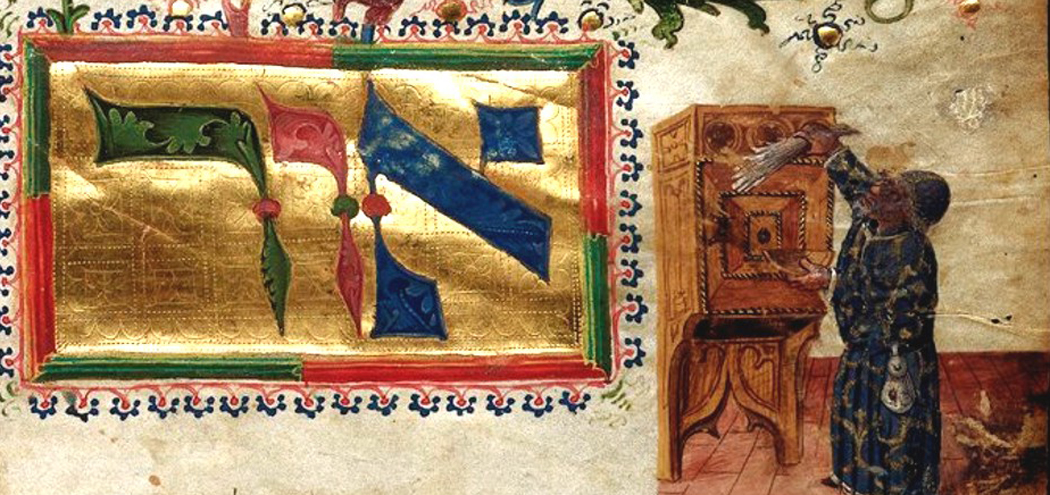
These studies explore the history of the Jewish minority of Ashkenaz (northern France and the German Empire) during the High Middle Ages
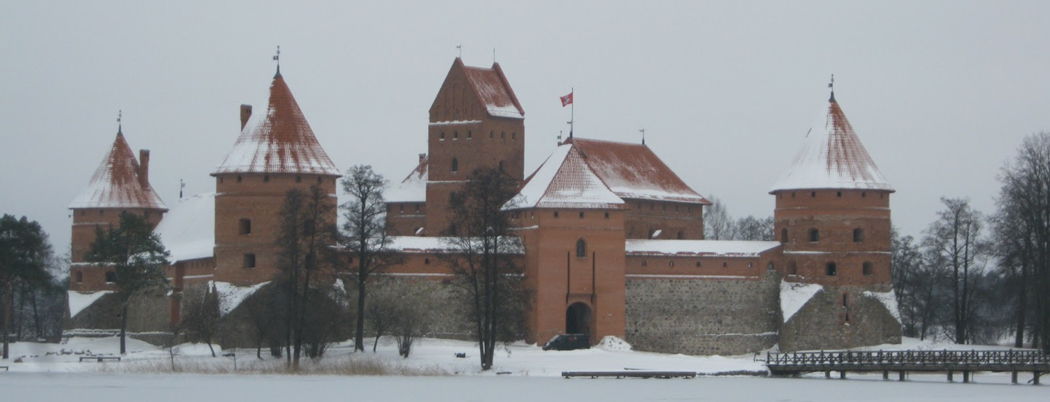
The North-Eastern Frontiers of Medieval Europe. The Expansion of Latin Christendom in the Baltic Lands
Edited by Alan V. Murray, University of Leeds, UKSeries : The Expansion of Latin Europe, 1000-1500
Ashgate Variorum 2014
ISBN: 978-1-4094-3680-5
ISBN Short: 9781409436805
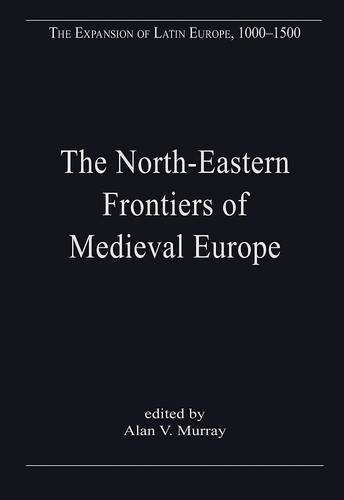 By the mid-twelfth century the lands on the eastern coast of the Baltic Sea, from Finland to the frontiers of Poland, were Catholic Europe’s final frontier: a vast, undeveloped expanse of lowlands, forest and waters, inhabited by peoples belonging to the Finnic and Baltic language groups. In the course of the following three centuries, Finland, Estonia, Livonia and Prussia were incorporated into the Latin world through processes of conquest, Christianisation and settlement, and brought under the rule of Western monarchies and ecclesiastical institutions. Lithuania was left as the last pagan polity in Europe, yet able to accept Christianity on its own terms in 1386. The Western conquest of the Baltic lands advanced the frontier of Latin Christendom to that of the Russian Orthodox world, and had profound and long lasting effects on the institutions, society and culture of the region lasting into modern times. This volume presents 21 key studies (2 of them translated from German for the first time) on this crucial period in the development of North-Eastern Europe, dealing with crusade and conversion, the establishment of Western rule, settlement and society, and the development of towns, trade and the economy. It includes a classified bibliography of the main works published in Western languages since World War II together with an introduction by the editor.
Dr Alan V. Murray is Senior Lecturer in Medieval Studies and Editorial Director, International Medieval Bibliography, University of Leeds, UK.
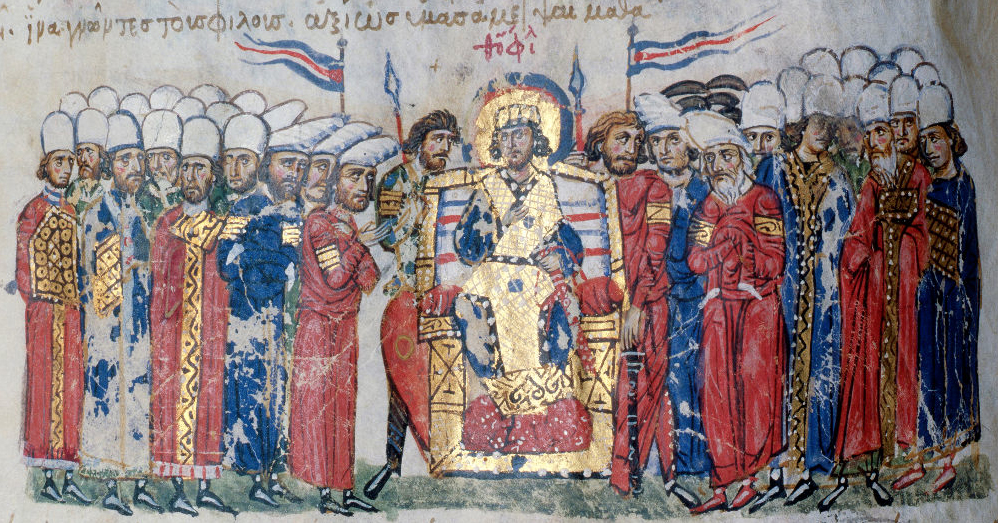
Theophilos, 829 -842, was the last emperor of Byzantium adhering to iconoclasm. New book reinterprets major xplores the role of his Oriental politics.
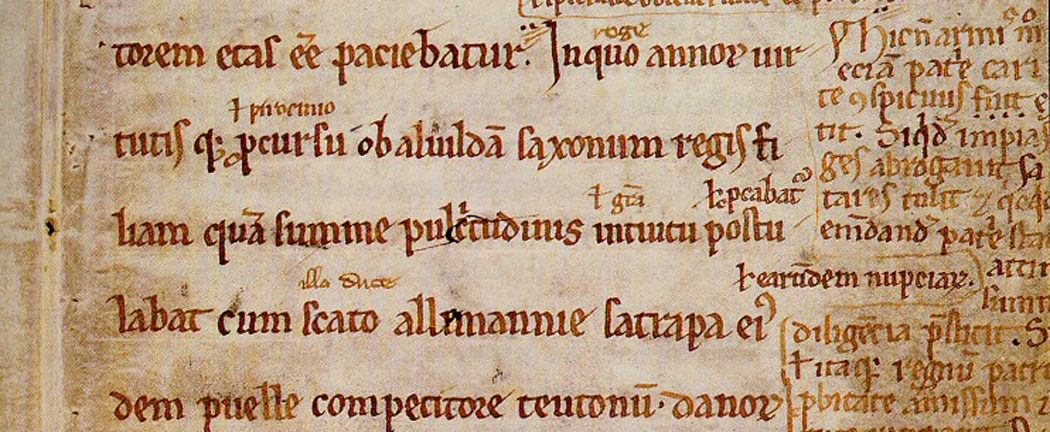
Professor Michael H. Gelting is both renowned for his wide-ranging achievements as a medieval historian as well as kindness towards students. A recent collection of studies celebrate his inspirational work.
Animals and Early Modern Identity
By Pia F. Cuneo (Ed.)
Ashgate 2014
ISBN: 978-1-4094-5743-5
ISBN Short: 9781409457435
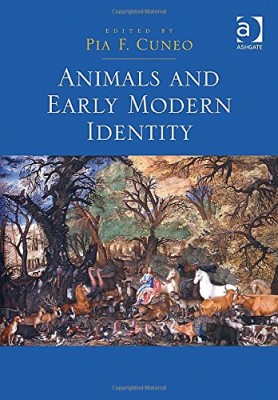 Animals were everywhere in the early modern period and they impacted, at least in some way, the lives of every kind of early modern person, from the humblest peasant to the greatest prince. Artists made careers based on depicting them. English gentry impoverished themselves spending money on them. Humanists exercised their scholarship writing about them. Pastors saved souls delivering sermons on them. Nobles forged alliances competing with them. Foreigners and indigenes negotiated with one another through trading them.
The nexus between animal-human relationships and early modern identity is illuminated in this volume by the latest research of international scholars working on the history of art, literature, and of sixteenth- and seventeenth-century Germany, France, England, Spain, and South Africa. Collectively, these essays investigate how animals – horses, dogs, pigs, hogs, fish, cattle, sheep, birds, rhinoceroses, even sea-monsters and other creatures – served people in Europe, England, the Americas, and Africa to defend, contest or transcend the boundaries of early modern identities.
Developments in the methodologies employed by scholars to interrogate the past have opened up an intellectual and discursive space for – and a concomitant recognition of – the study of animals as a topic that significantly elucidates past and present histories. Relevant to a considerable array of disciplines, the study of animals also provides a means to surmount traditional disciplinary boundaries through processes of dynamic interchange and cross-fertilization.
CONTENTS:
Pia F. Cuneo is Professor of Art History at the University of Arizona, USA. Her current work focuses on sixteenth- and seventeenth-century hippology, and she competes locally in dressage.
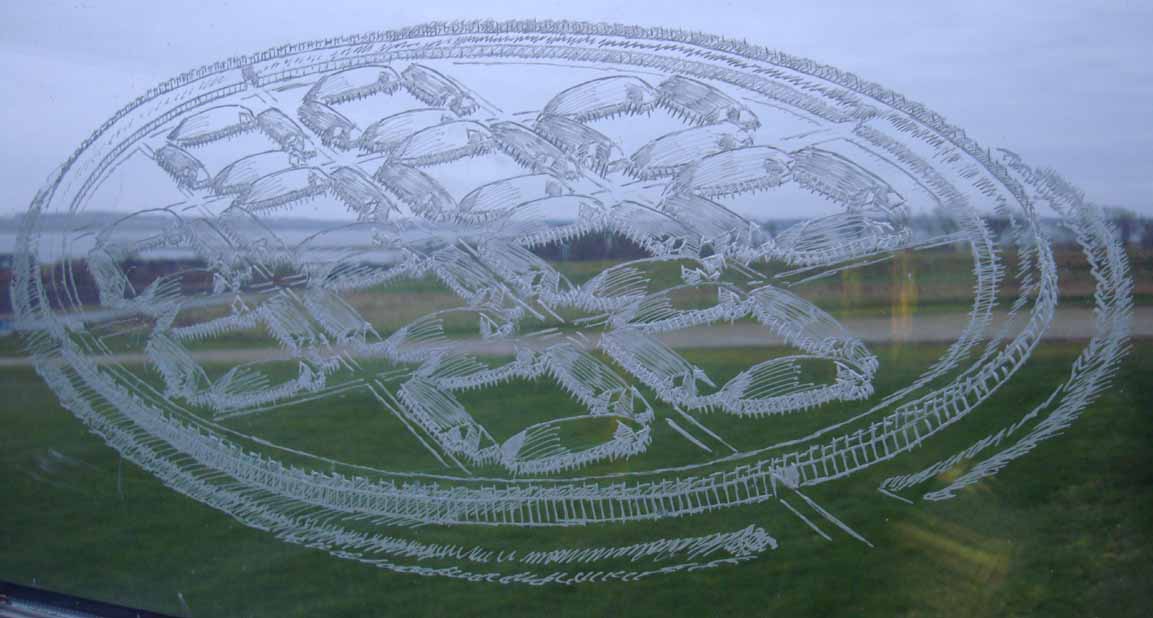
New book tells the full story of the Viking-Age Settlement and Fortress at Aggersborg in Northern Jutland from the reign of Harold Bluetooth
Trelleborg, Aggersborg, Fyrkat, Nonnebakken and now Vallø are five of the most intriguing witnesses to the grandeur of the Royal project of Harold Blutooth.
Although they differ slightly in terms of size and the type of fortifications (some were fitted with moats, others not), it is obvious the circular fortresses were all built to the same specifications around AD 970 to 80. It is immediately obvious that the individual fortresses functioned as parts of a larger military system. However, the exact character of this military complex and its function (s) has been heavily debated for a long time. Were they defensive structures? Meant as ports for ships going on state-sanctioned Viking raids? Or were they perhaps regarded as ready camps for fugitives?
One of the challenges in answering these questions, is that there is in fact a lot to be learned from further excavations in and around the fortresses. Some of these are being withheld as part of the general opinion among archaeologists that it pays of to let future and more clever archaeologists do the work. Other explorations have simply not been carried out as yet.
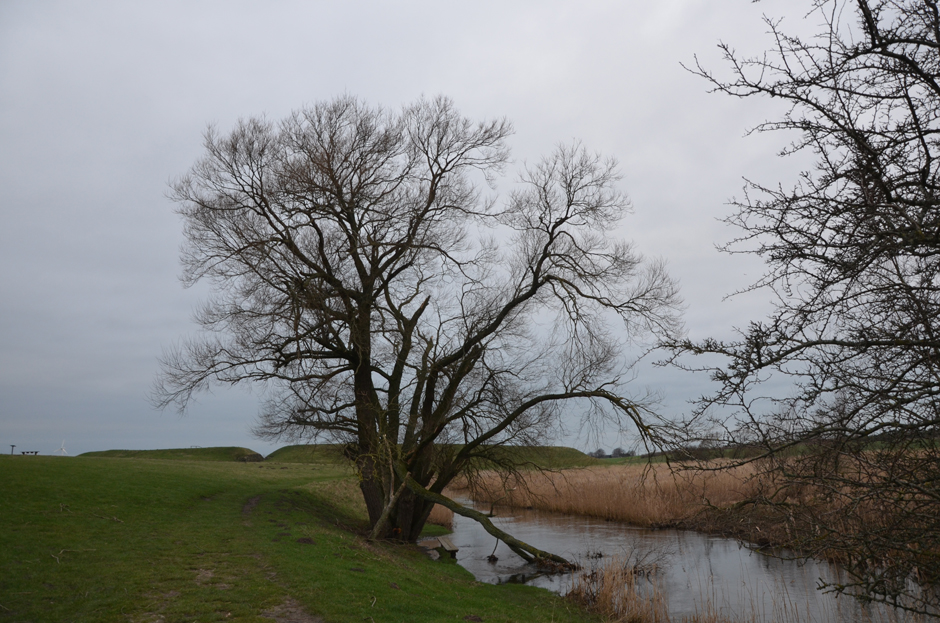
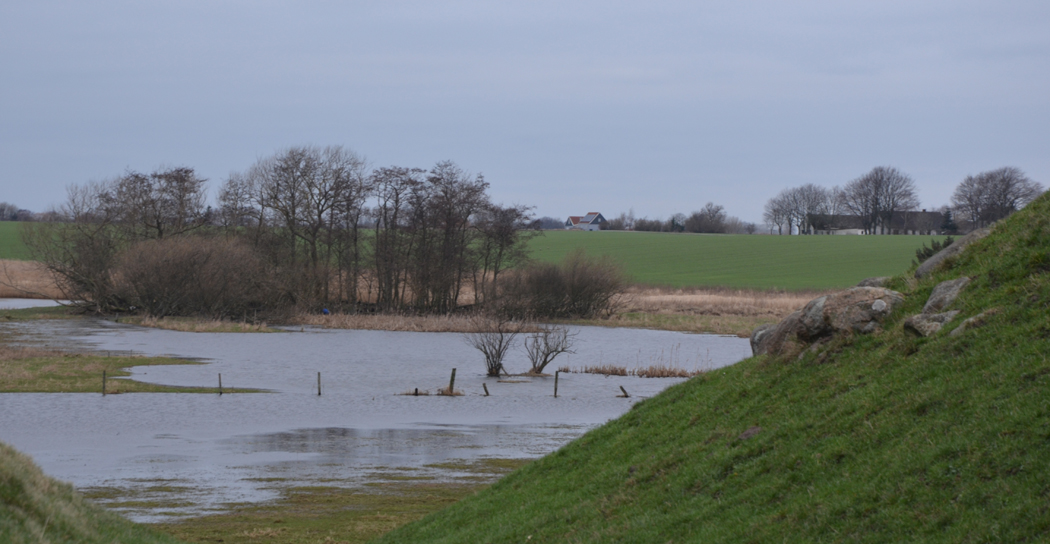
Between 2007 – 10 a specific set of questions were raised and a number of archaeological explorations were undertaken in order to answer these. The overall question was whether it had been possible to sail up to the fortresses and to what extent this had played a part in their location.
Recently the finds from this campaign were published in a report. The overall conclusion was that yes, the fortresses had been built in close connection with central transport routes running through the landscape and that they especially had access to the central water ways of that time. Whether located on the open coast as Aggersborg or on rivers like Fyrkat and Trelleborg, it was definitely possible to sail up through the waterlogged foreland and marshy wetland. However, only at one of the fortresses (Trelleborg) has it been possible to find remains of actual handling of Viking ships. The investigation concludes by pointing to the fact that actual shipyards might have been located even further inland, where sourcing of tree was simply easier.
The results of the excavations and explorations from 2017 – 2010 were recently published. Although in Danish, there is a very extensive English summary and anyone especially interested in the warfare of the Vikings should try and lay their hands on it.
 Kongens Borge [The Fortresses of the King]
Rapport over undersøgelserne 2007-2010
By Andres Siegfried Dobat (ed)
Århus University Press 2013
ISBN 978 87 888415 76 6
New Viking Ring Fortress Discovered
Viking Age Base-Camps along the Dutch Coast
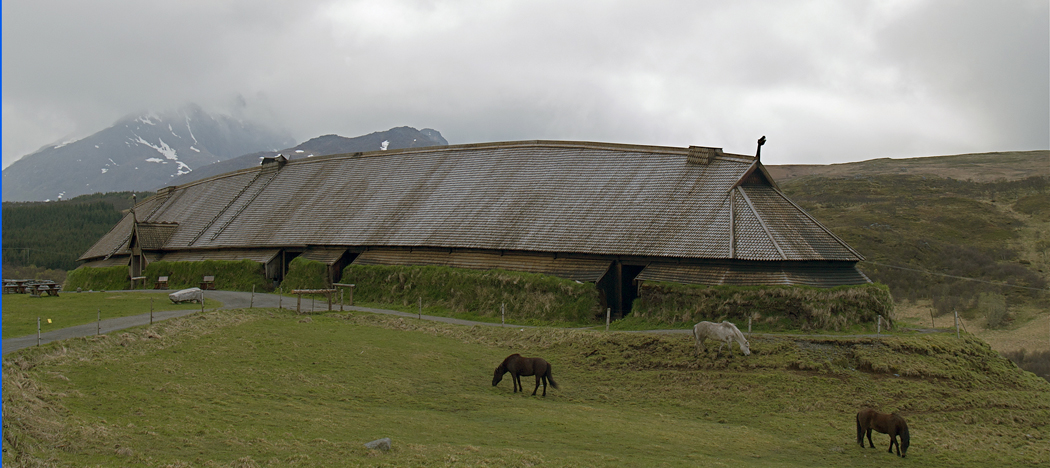
Fascinating new book by Anders Winroth introduces the reader to an updated version of The Age of the Vikings
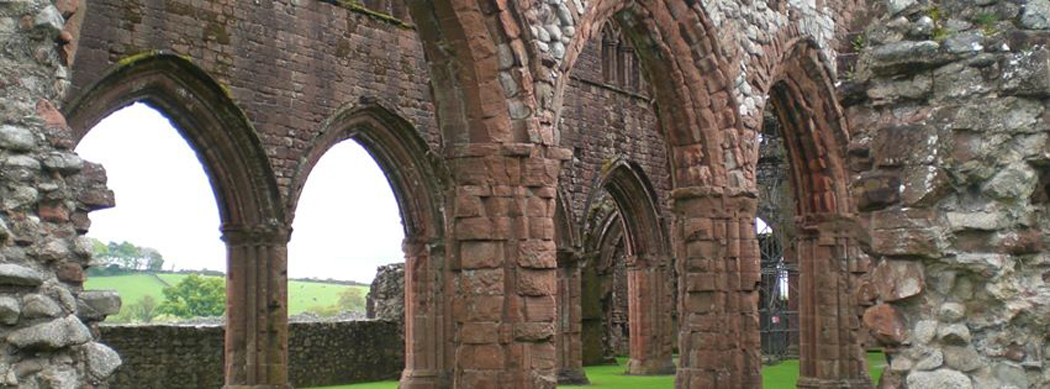
From 1093 - 1286 Scotland became a nation, fully recognized by the rest of Europe. This book offers new perspectives on the role of literacy and the growing institutions of Medieval Scotland

When did Scots first think of Scotland as an independent kingdom? What did they think was Scotland's place in Britain before the age of Wallace and Bruce?
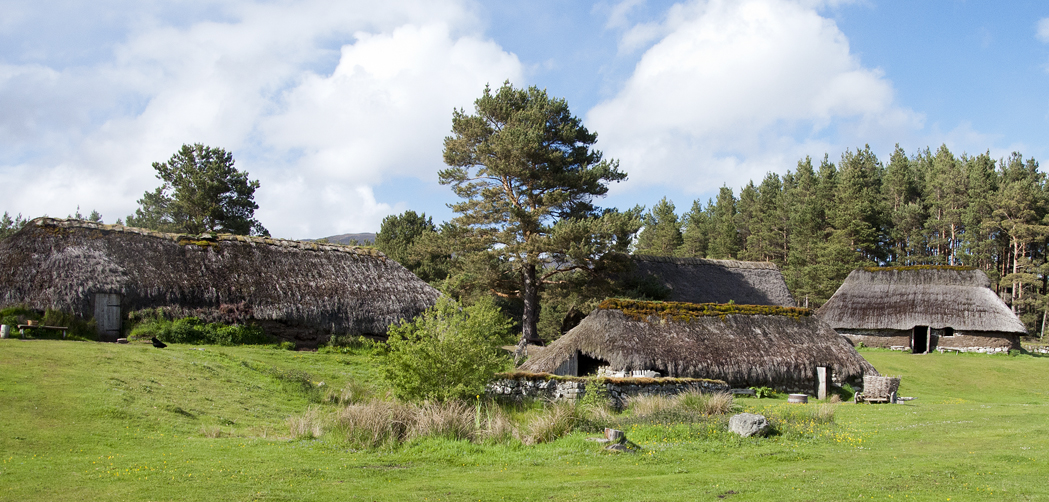
A History of Everyday Life in Medieval Scotland 1000 – 1600 presents different aspects of the ordinary daily life and the experiences and beliefs of the Scottish people